Overview
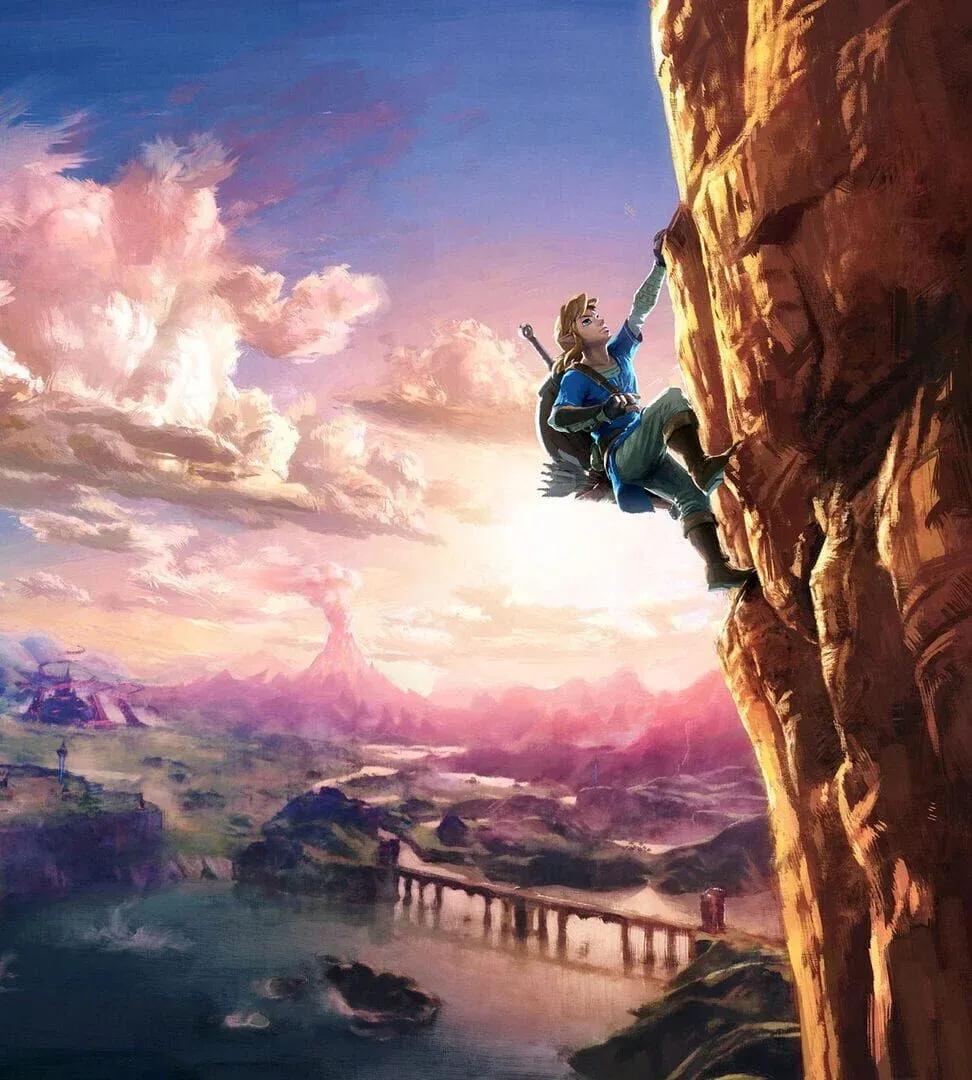
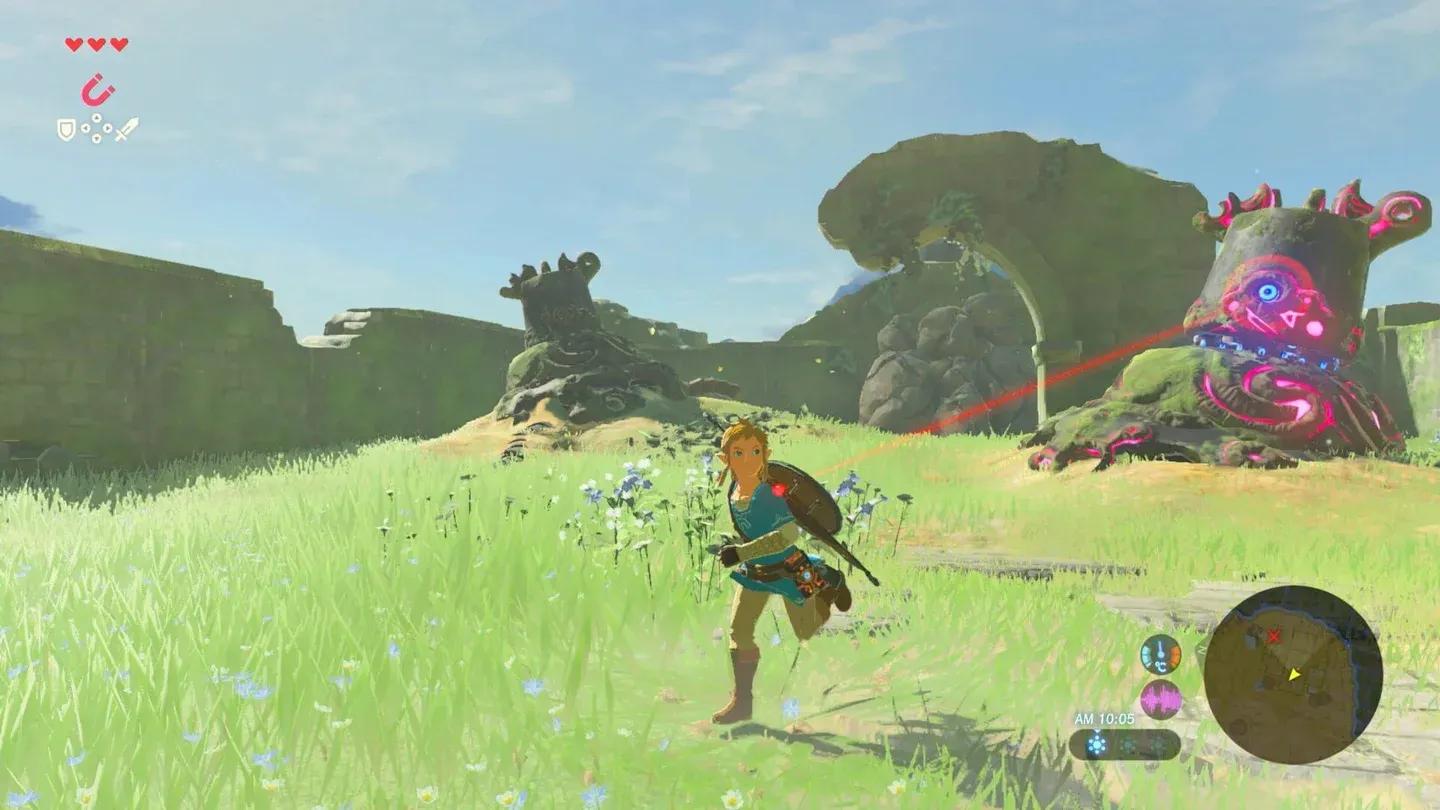
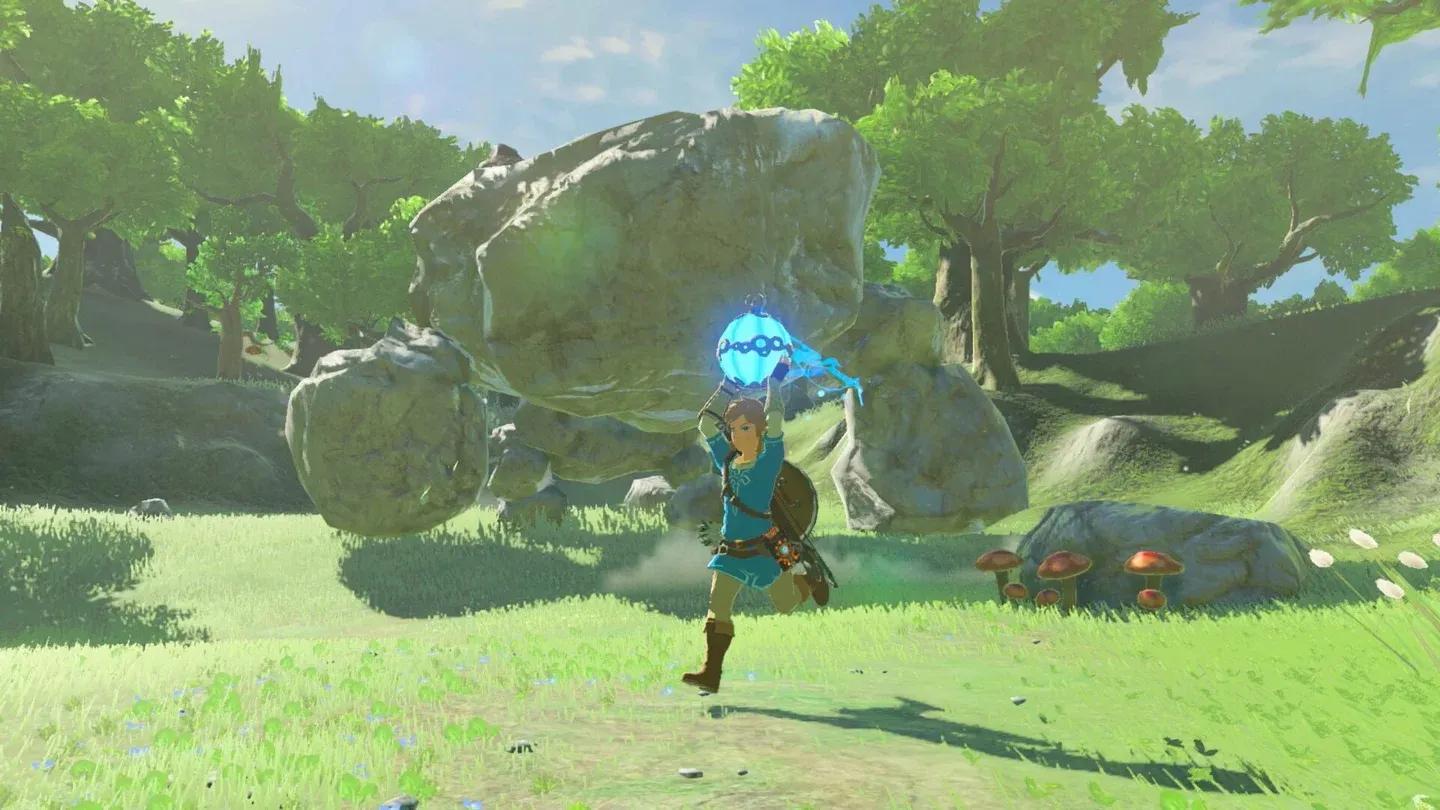
The Legend of Zelda: Breath of the Wild is Nintendo EPD's first fully open-world entry in the Zelda series, released on March 3, 2017 as a Nintendo Switch launch title and simultaneously on Wii U. Link awakens in the Shrine of Resurrection with no memory, guided by a mysterious voice to a ruined Hyrule where Princess Zelda has been holding Calamity Ganon at bay inside Hyrule Castle for a century. The monster's power keeps growing, and the window to stop it for good is closing fast.
What separates Breath of the Wild from its predecessors is the complete dismantling of the traditional Zelda structure. There is no prescribed dungeon order, no hand-holding quest chain forcing a particular path. A player can technically sprint straight to Hyrule Castle after the opening plateau tutorial and attempt to fight Ganon immediately, undersupplied and underpowered. That freedom is real, not illusory.
Gameplay and mechanics
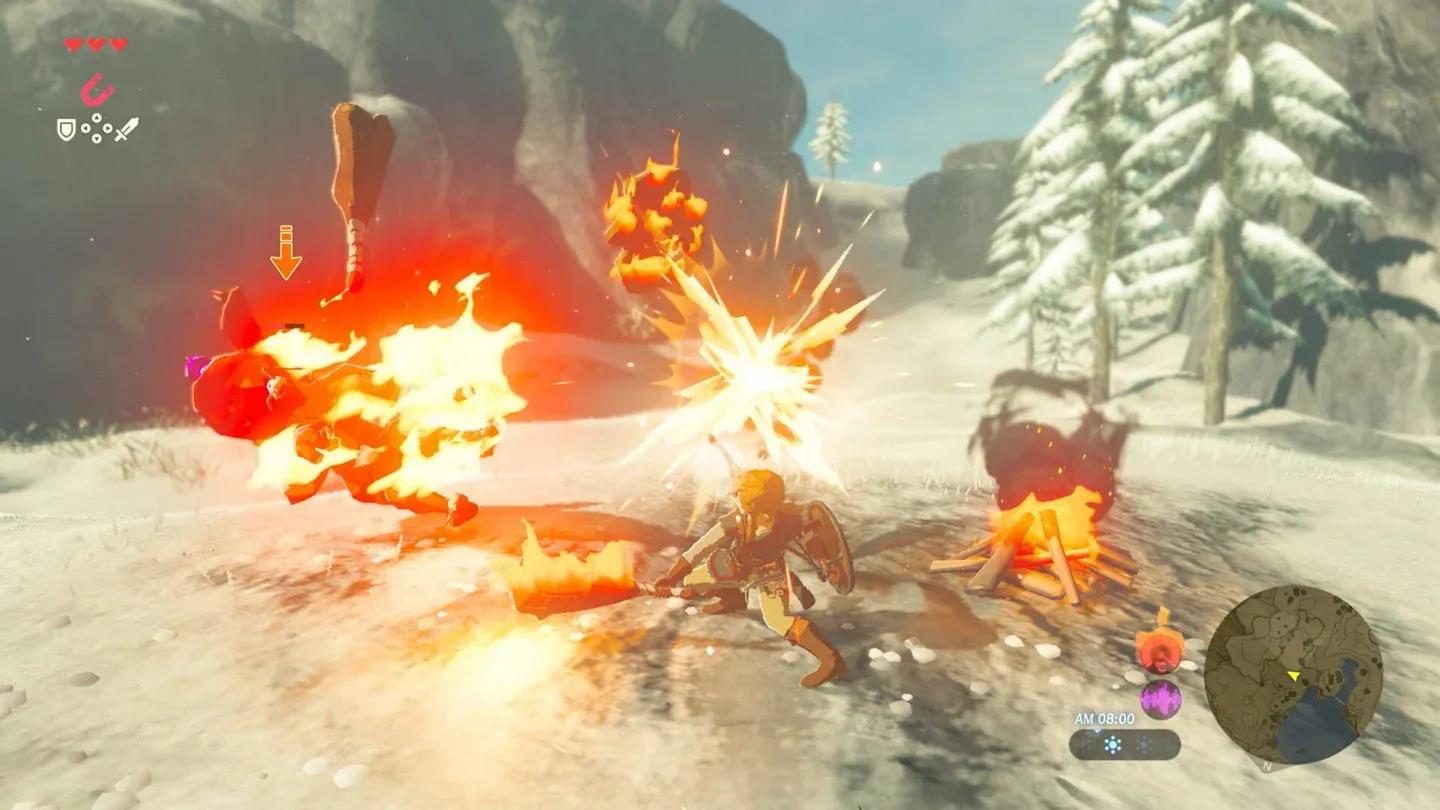
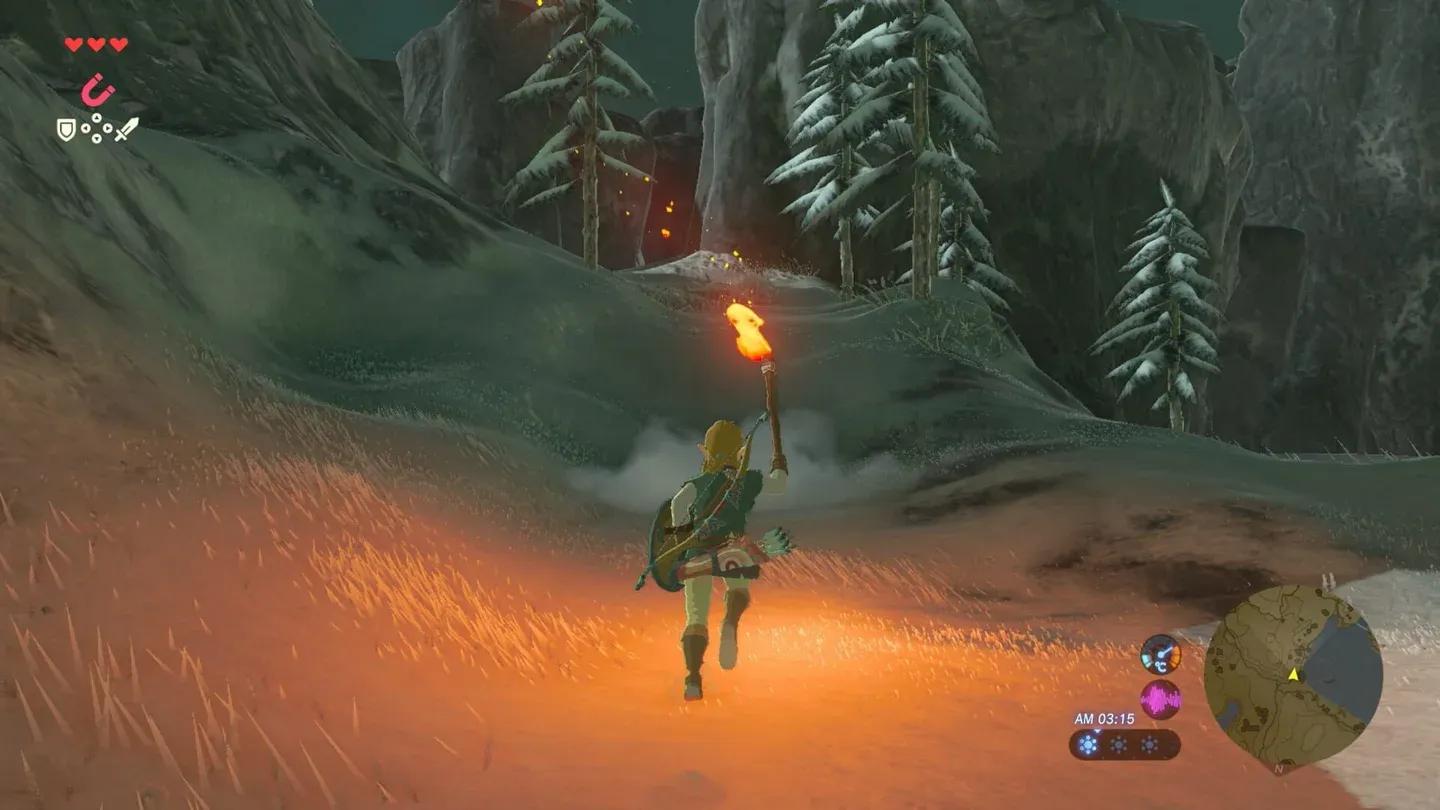
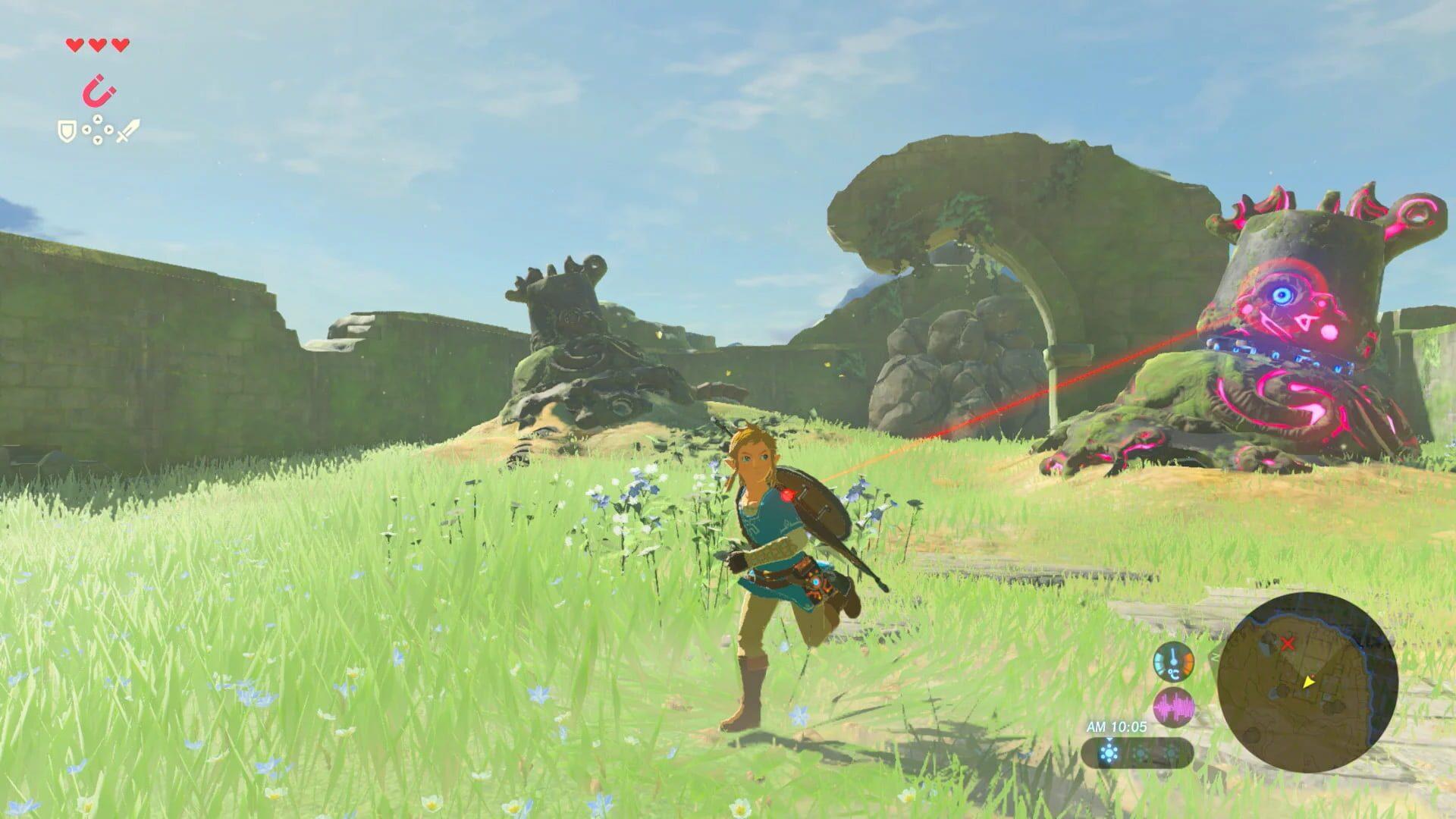
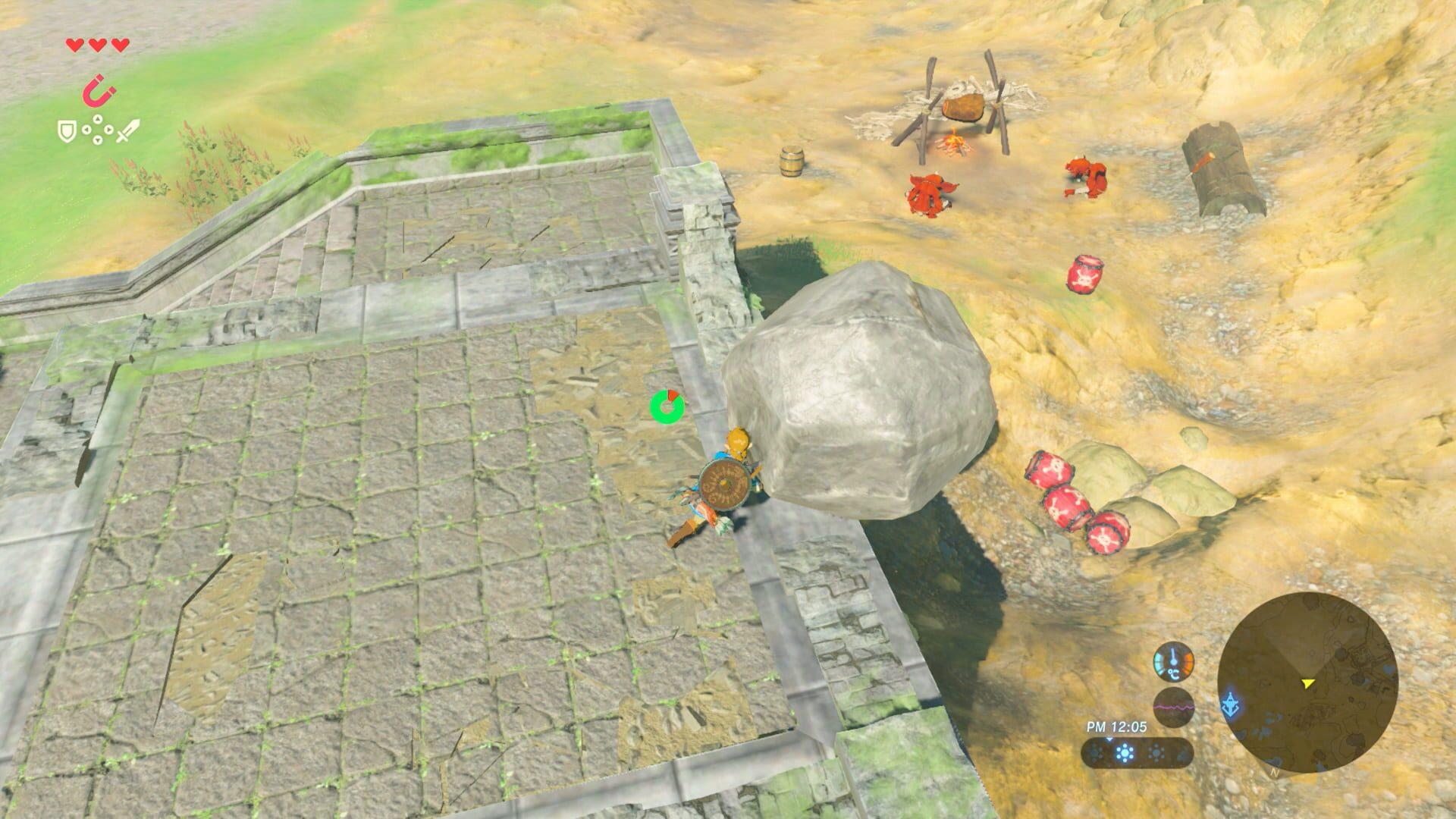
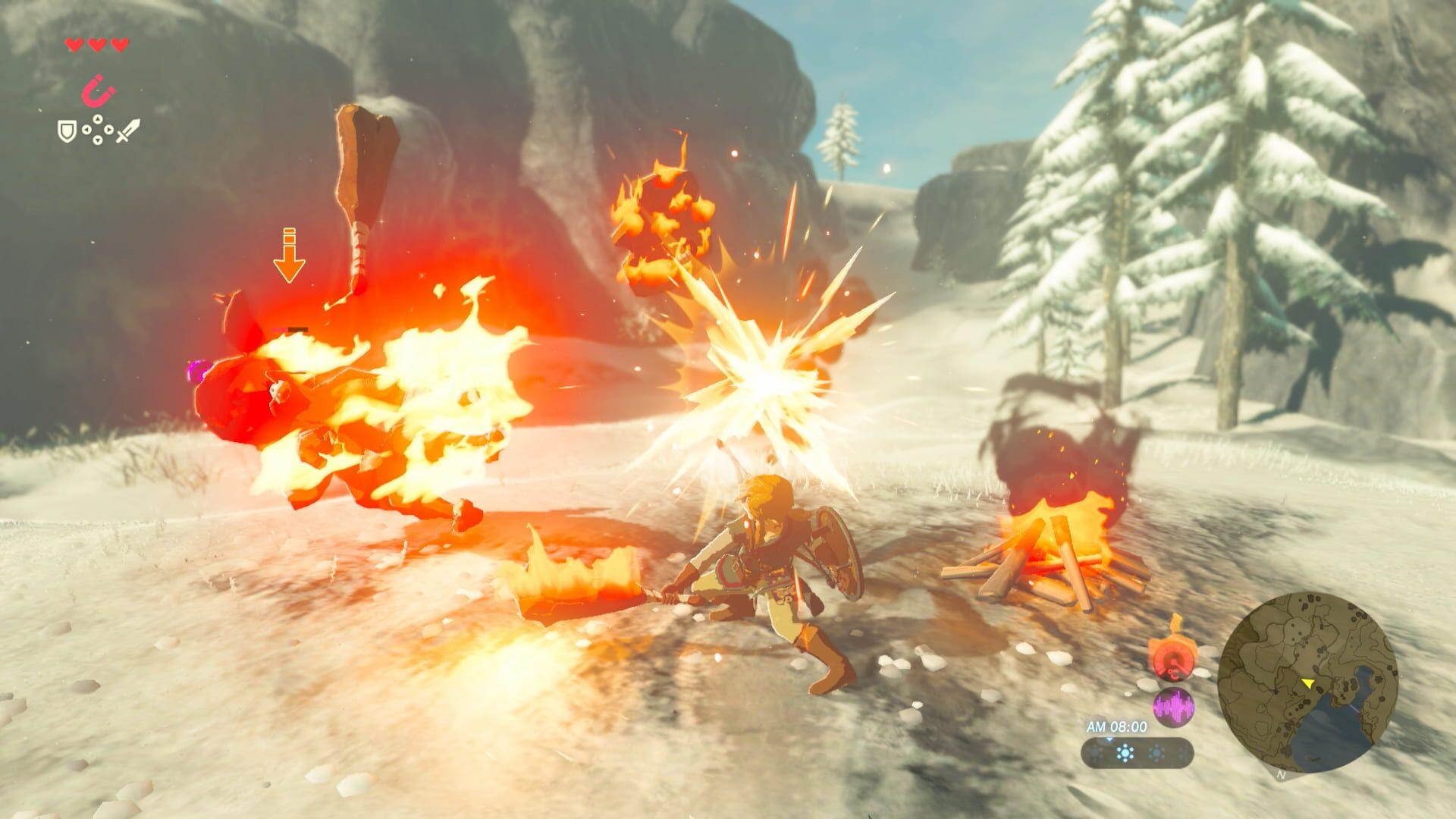
The physics and chemistry engine underpinning Breath of the Wild is what makes exploration feel genuinely surprising even after dozens of hours. Nearly every surface can be climbed, fire spreads through grass and creates updrafts, metal conducts lightning during storms, and wooden weapons burn if you swing them near open flame. These systems interact in ways the game never explicitly teaches.
Key mechanics that define the experience:
- Weapon durability forces constant gear management
- Cooking combines ingredients for stat-boosting meals
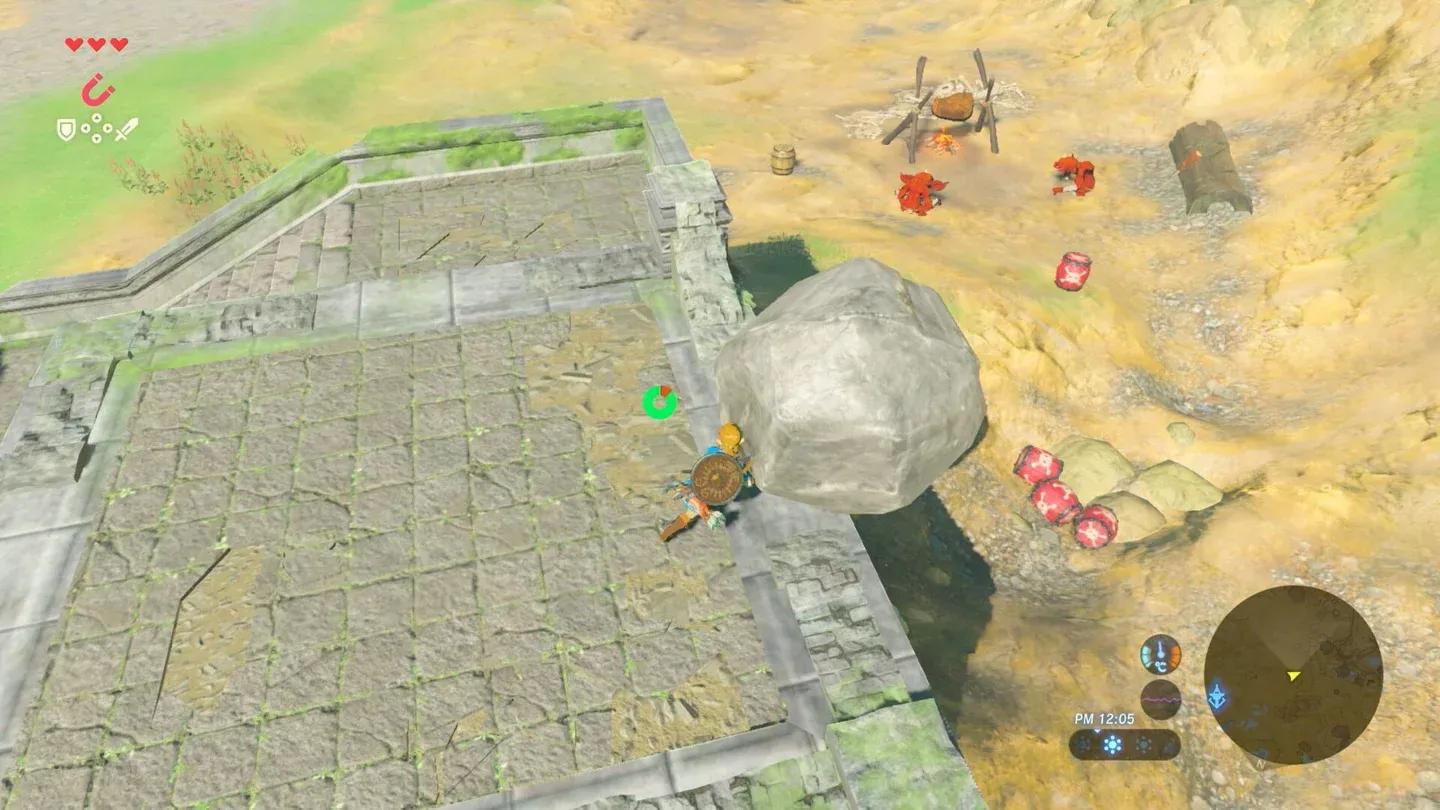
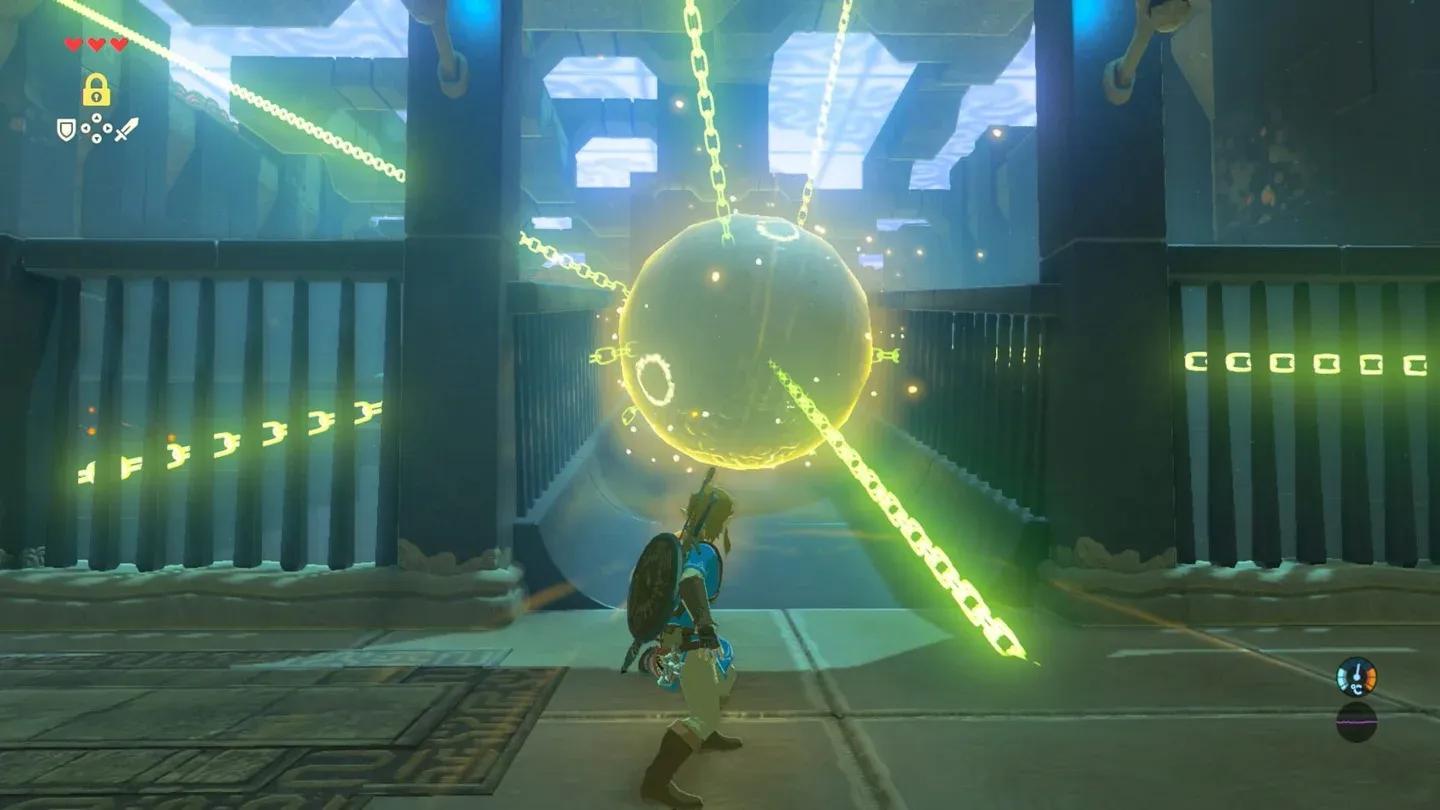
- Sheikah Slate abilities include bombs, magnesis, stasis, and cryonis
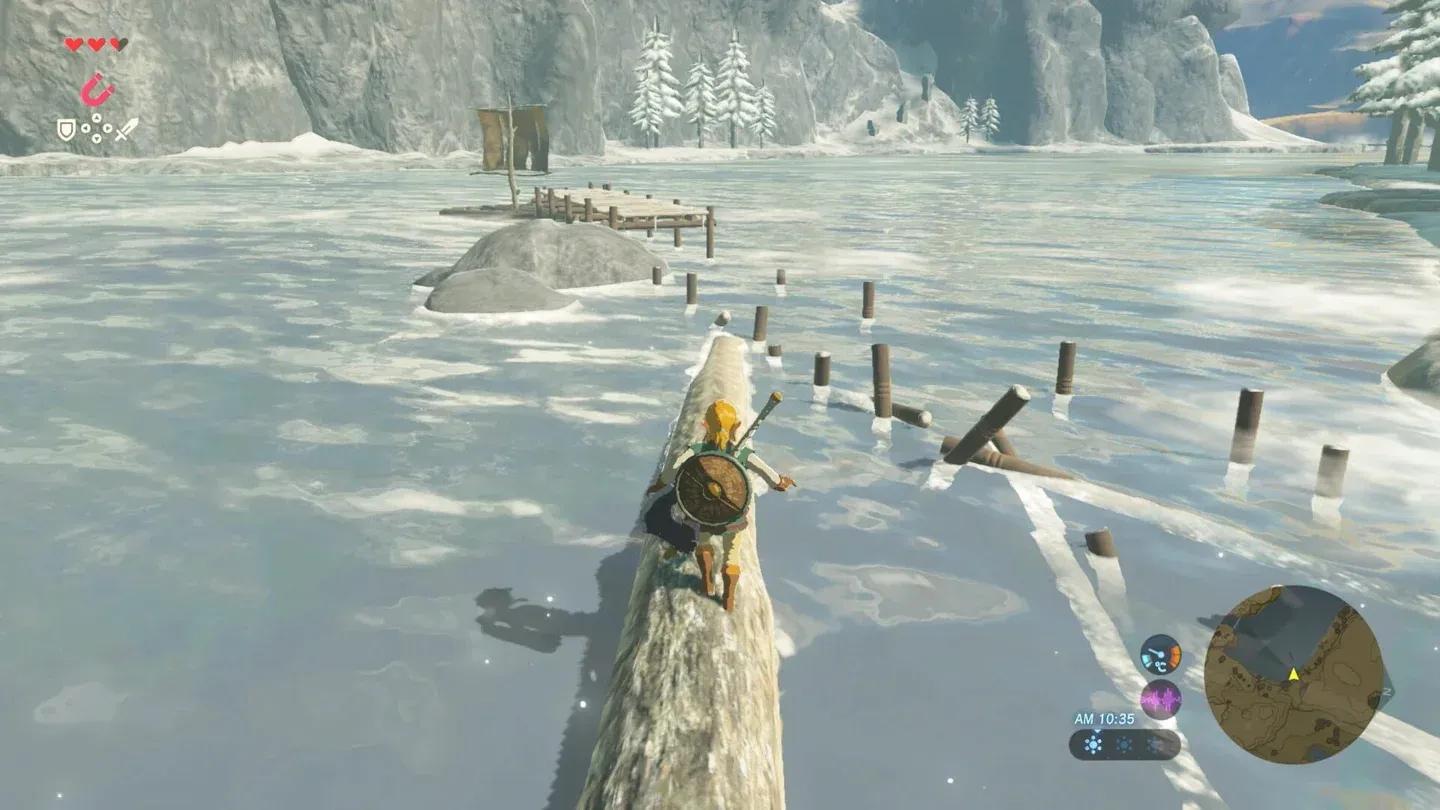
- Stamina wheel governs climbing, swimming, and gliding
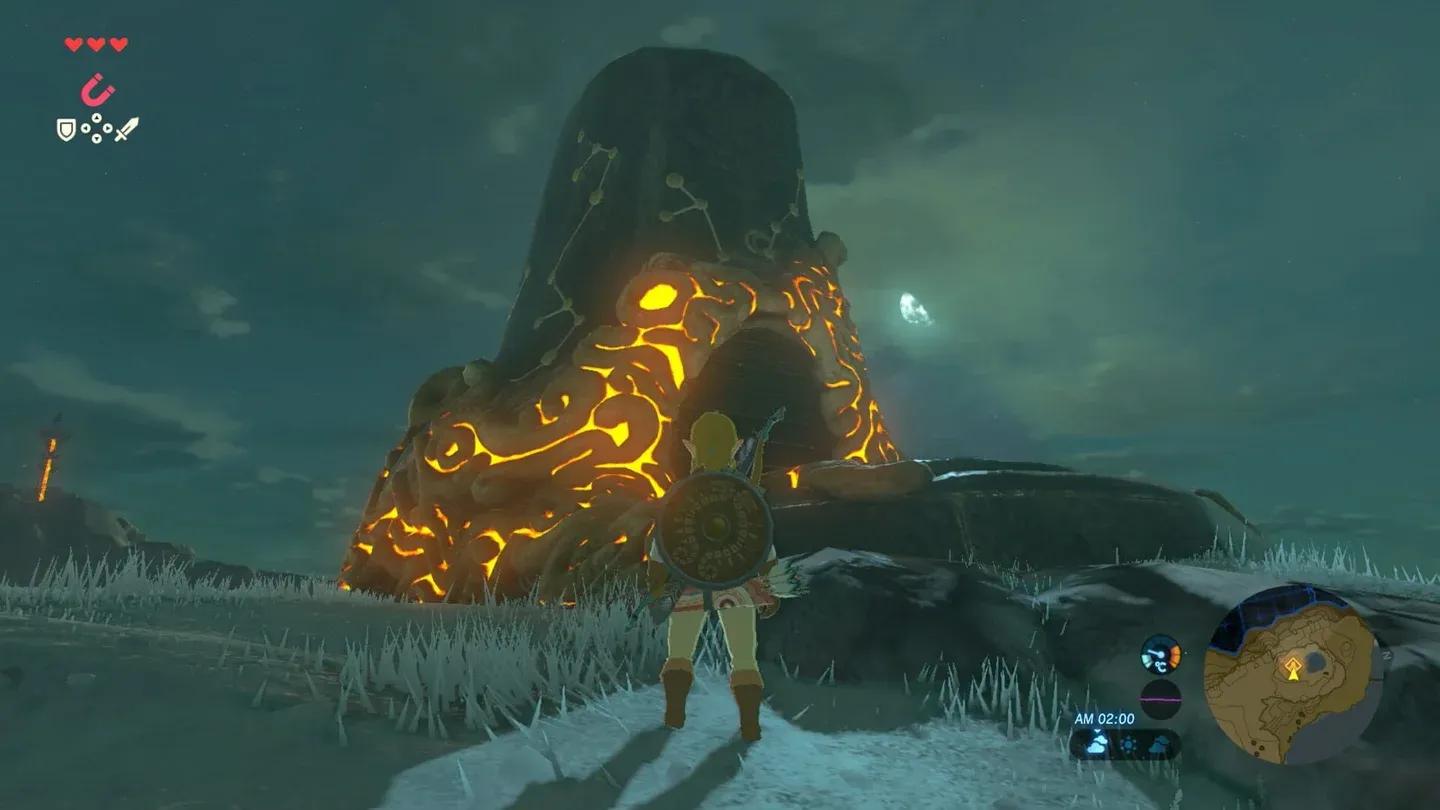
- 120 Shrine puzzles scattered across the open world
Weapon durability is the mechanic that divides players most sharply. Swords, spears, and clubs all break after extended use, which keeps inventory management tense and rewards creative combat rather than button-mashing through encounters.
World and setting
Hyrule in Breath of the Wild spans a genuinely varied map: snowy peaks on Death Mountain, the scorched Eldin region, the dense Akkala forests, the Gerudo Desert, and the wetlands around Zora's Domain. Each region has its own climate that requires Link to dress appropriately or chug elixirs to resist temperature damage.
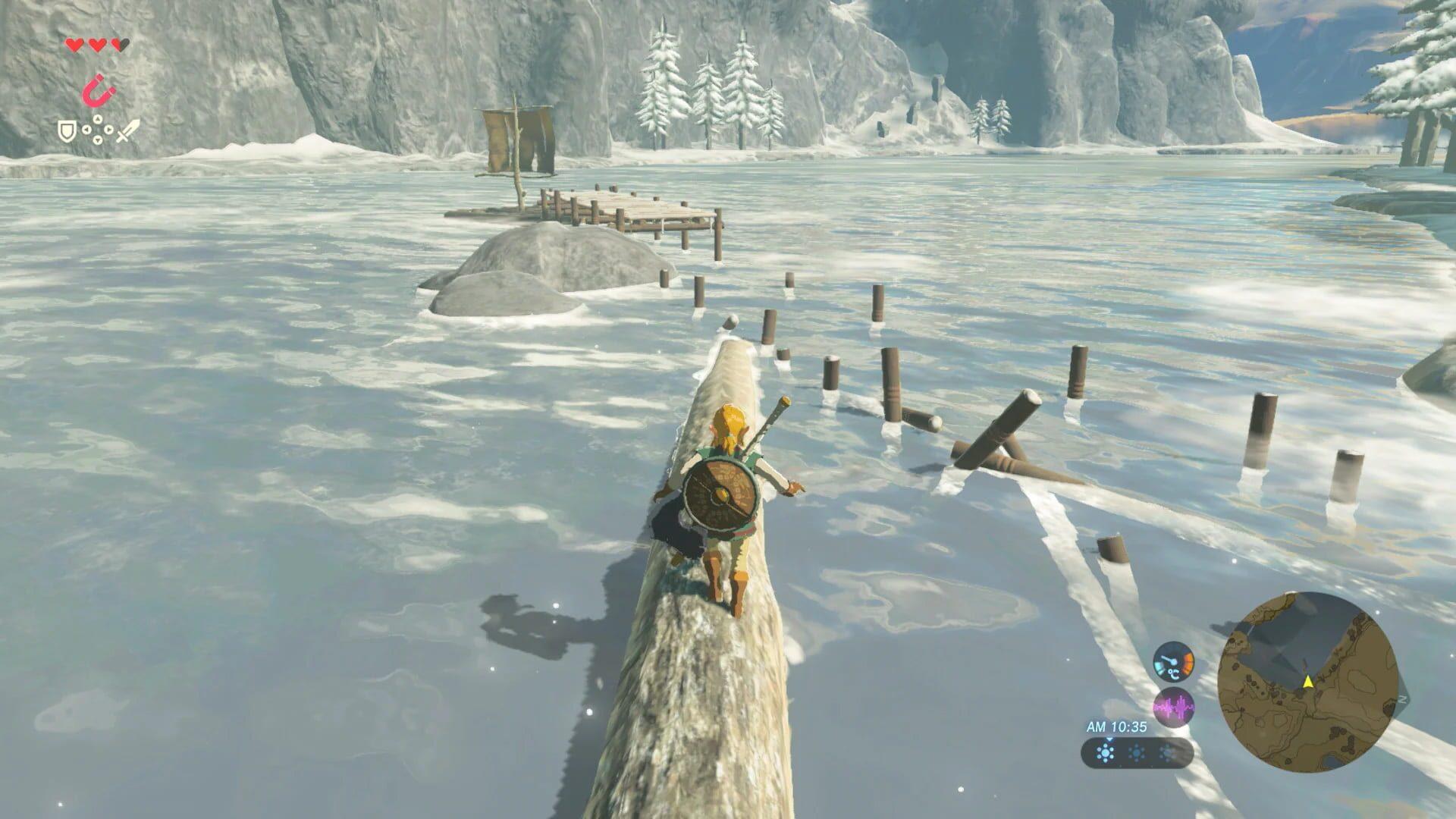
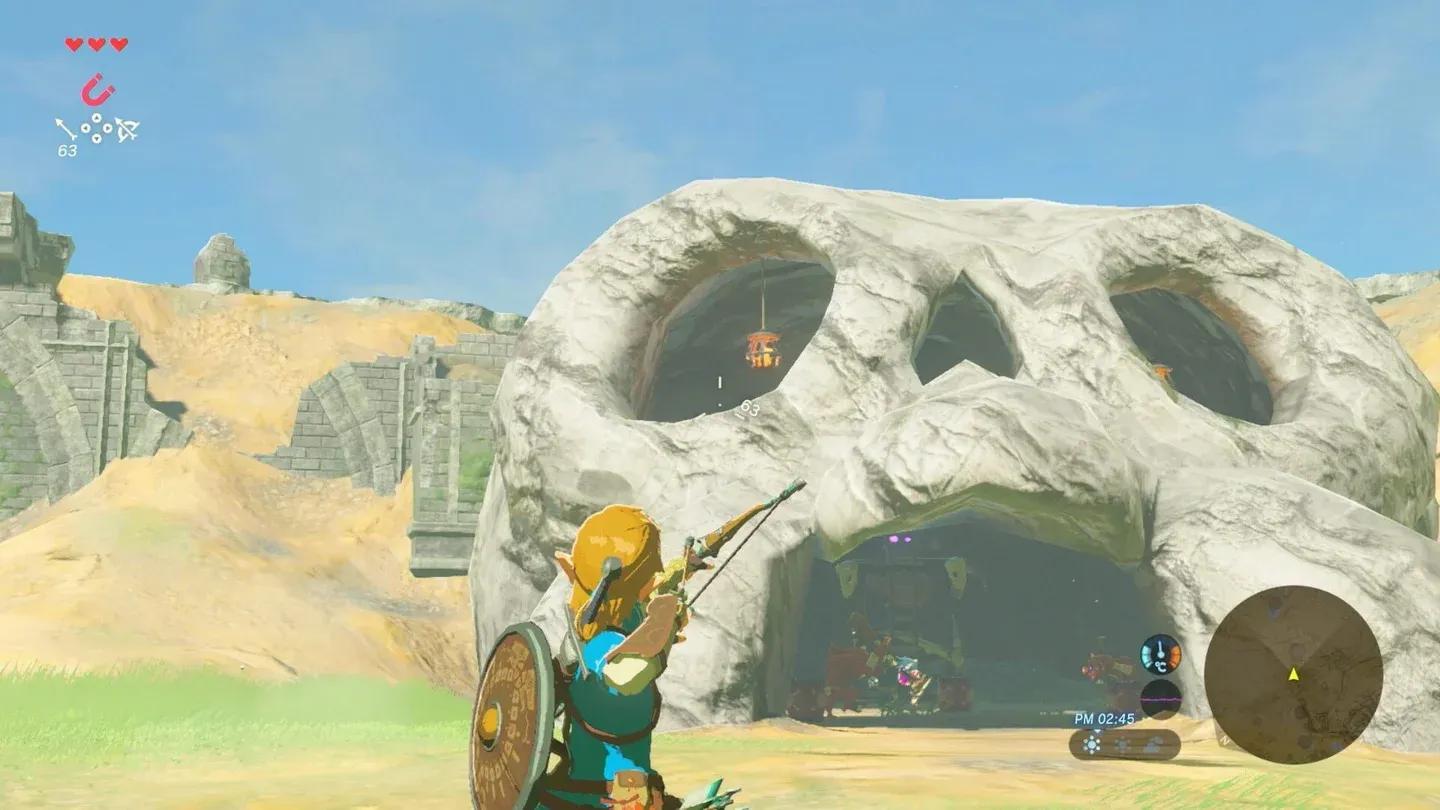
The open world rewards curiosity in a way that feels earned rather than manufactured. Climbing a tower reveals terrain but not every point of interest; players still have to look at the environment itself and decide what that distant structure or glowing light might be. There are 900 Korok seeds hidden across the map for completionists, though the reward for finding all of them is deliberately absurd.
Innovation and unique features
Breath of the Wild earned a rare 97 on Metacritic at launch and picked up multiple Game of the Year awards for 2017, including from The Game Awards. Critics consistently pointed to the physics-driven sandbox and the refusal to restrict player agency as the qualities that set it apart from contemporaries.
The game also influenced a wave of open-world design philosophy that followed. Titles released in the years after its launch visibly borrowed from its climbing systems, environmental storytelling, and the idea that the map itself should function as a puzzle rather than a backdrop.
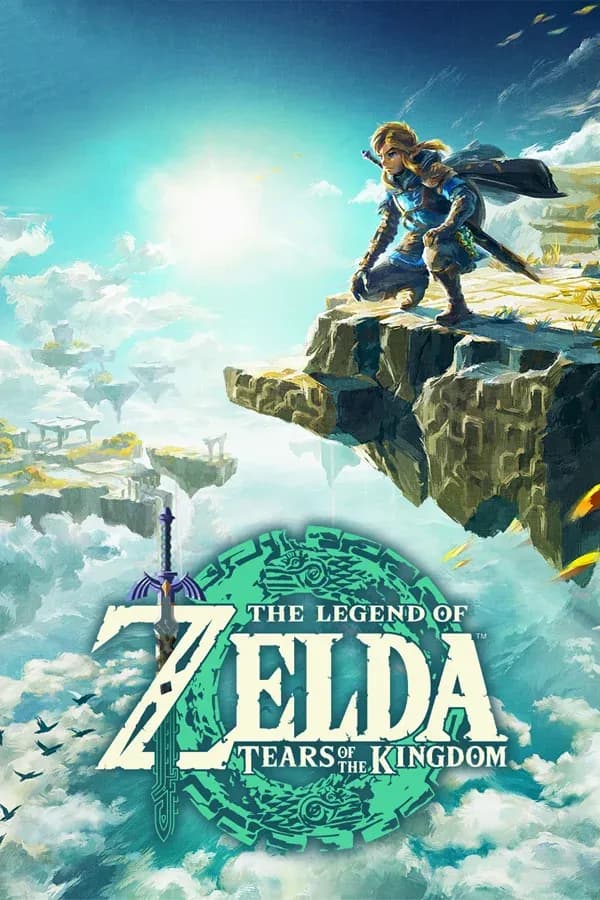
For players returning after its 2023 sequel, Tears of the Kingdom, Breath of the Wild still holds up as a tighter, more focused experience. The world has fewer mechanics competing for attention, and the mystery of Link's lost memories, recovered through 18 optional photographs scattered across Hyrule, gives the open-world exploration a genuinely emotional throughline that pure sandbox games rarely manage.