


Biggest discounts, free games, and limited-time offers across every major gaming store.
Never pay full price again.
Overview
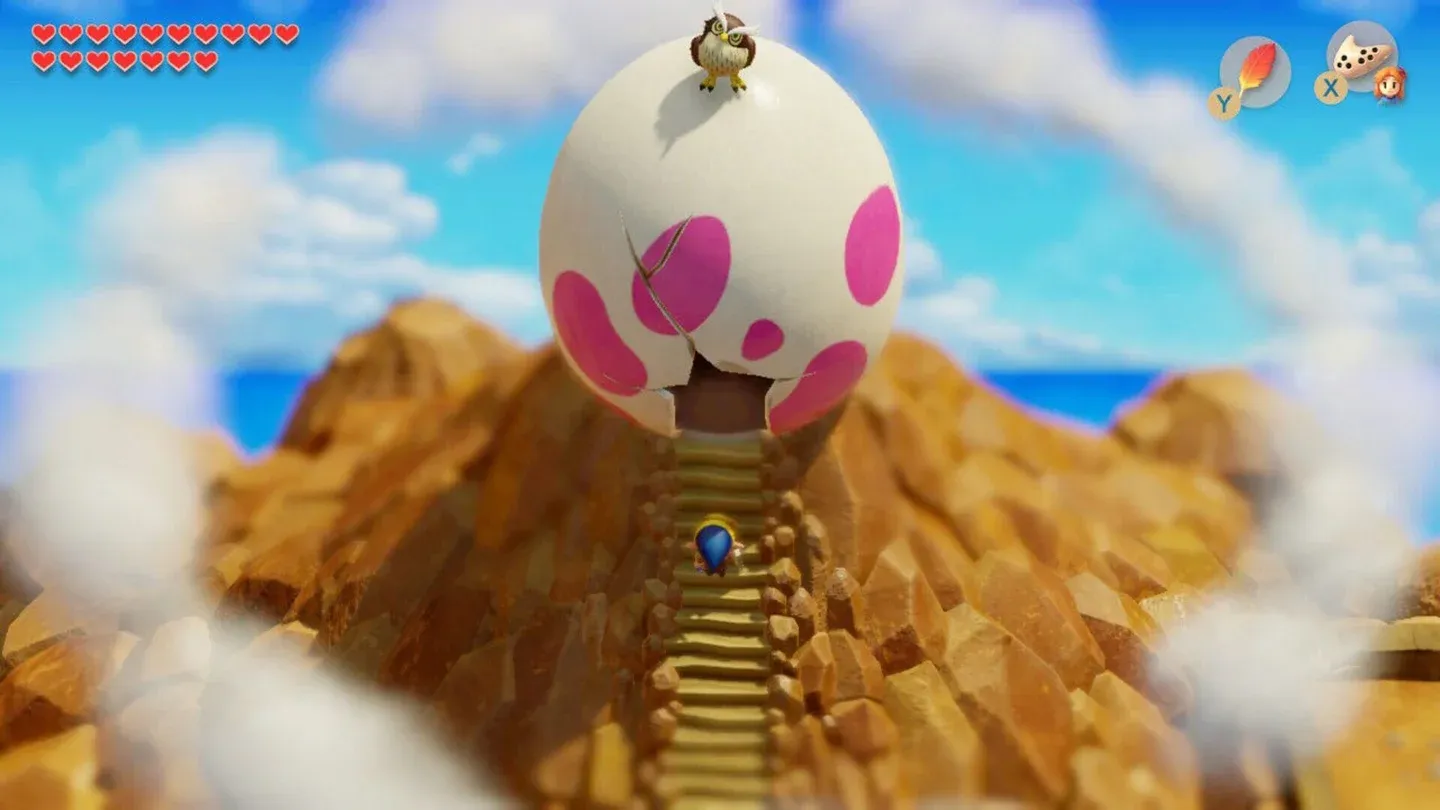
The Legend of Zelda: Link's Awakening arrived on Nintendo Switch on September 20, 2019, developed by Grezzo and published by Nintendo. This is a full remake of the 1993 Game Boy original, rebuilt with a distinctive toy-box art style that transforms every character and environment into something resembling hand-crafted figurines. The core structure stays true to the source material: Link washes ashore on Koholint Island after a storm sinks his ship, and the only way off is to wake the Wind Fish sleeping inside a giant egg at the island's peak.
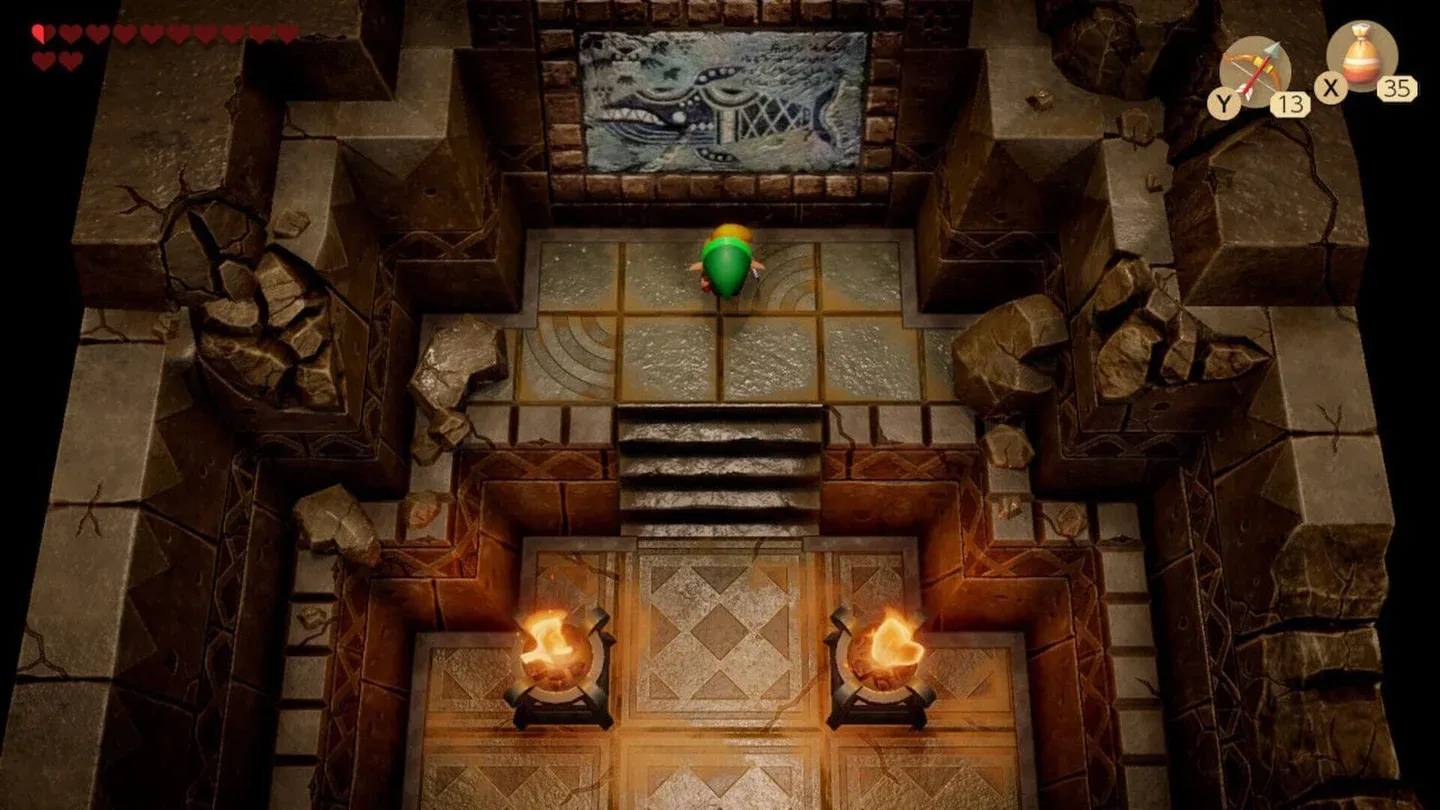
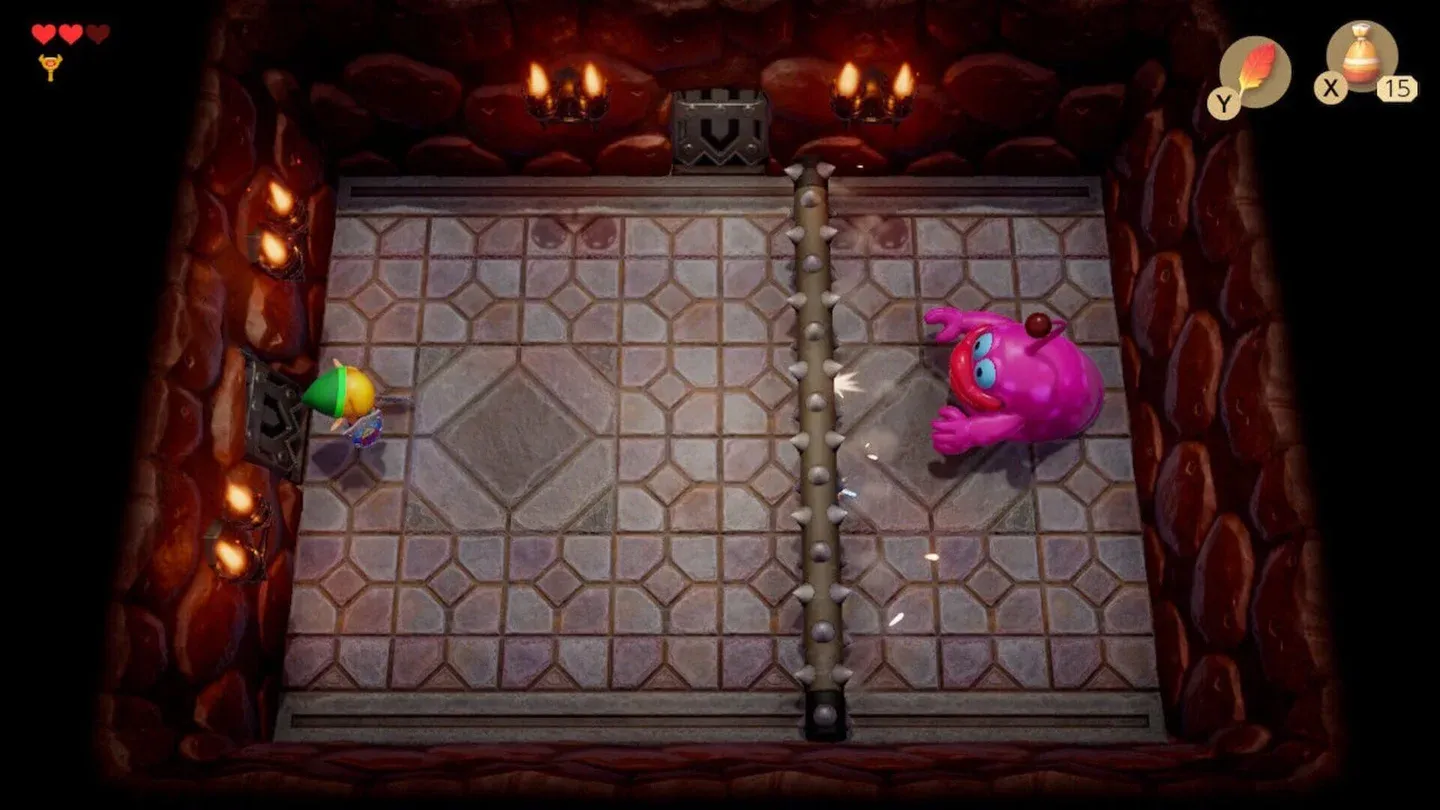
Koholint Island is a compact but densely packed world. Eight main dungeons thread through forests, swamps, mountains, and beaches, each loaded with block-pushing puzzles, enemy patterns to learn, and boss fights that demand specific items to crack. The pacing is tight by design. There is no open-world sprawl here, just a focused adventure that respects your time while still hiding enough secrets to reward thorough exploration.
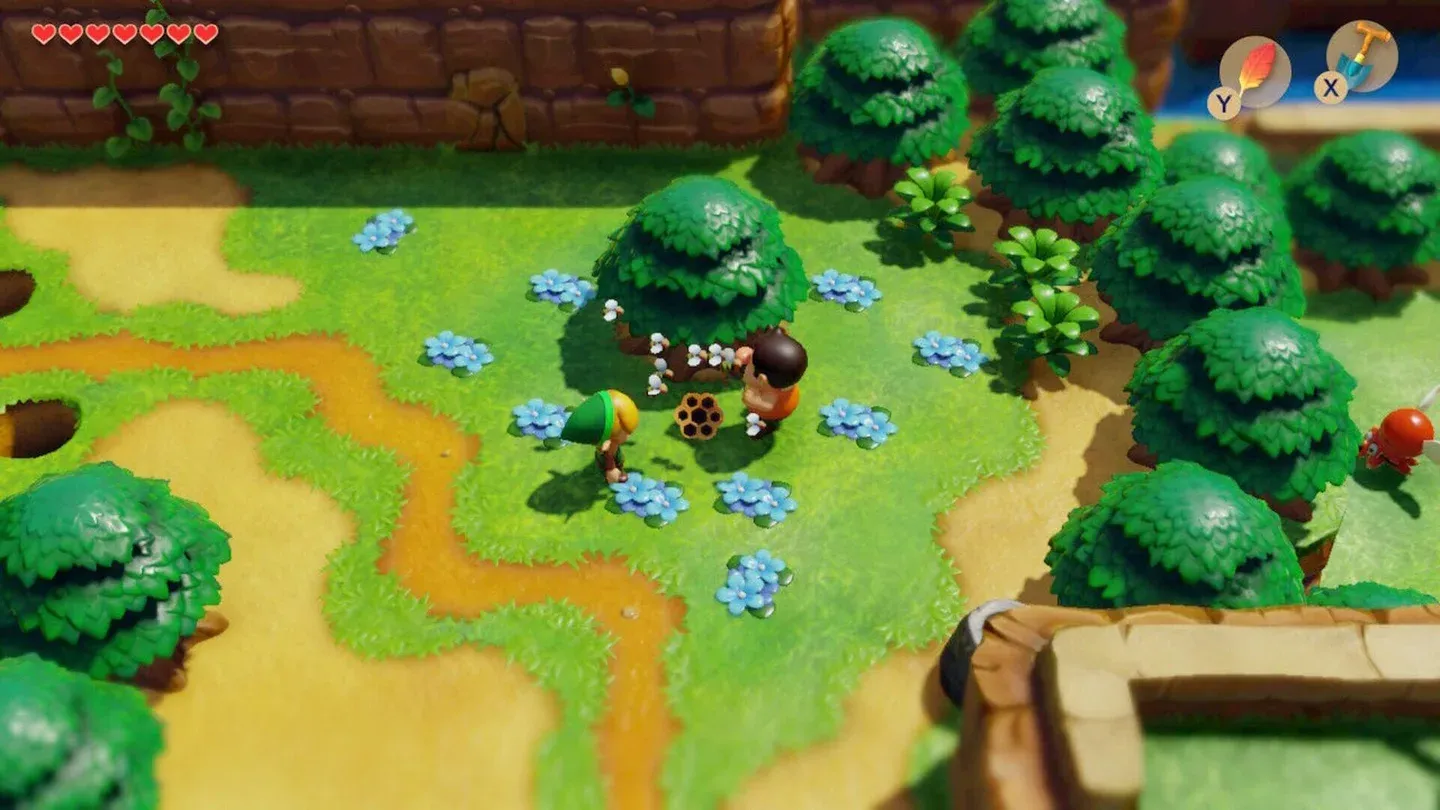
The Legend of Zelda: Link's Awakening content image
Gameplay and mechanics
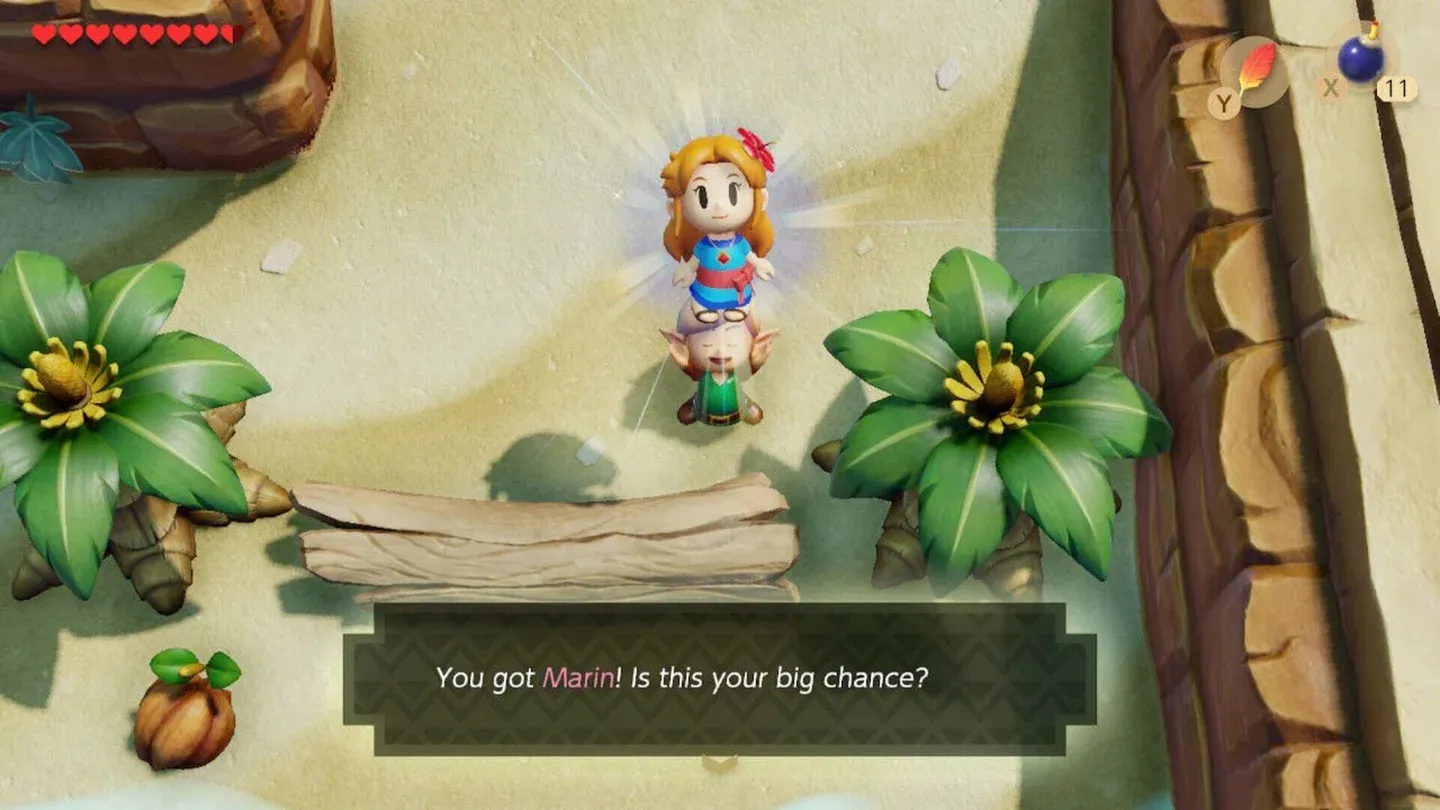
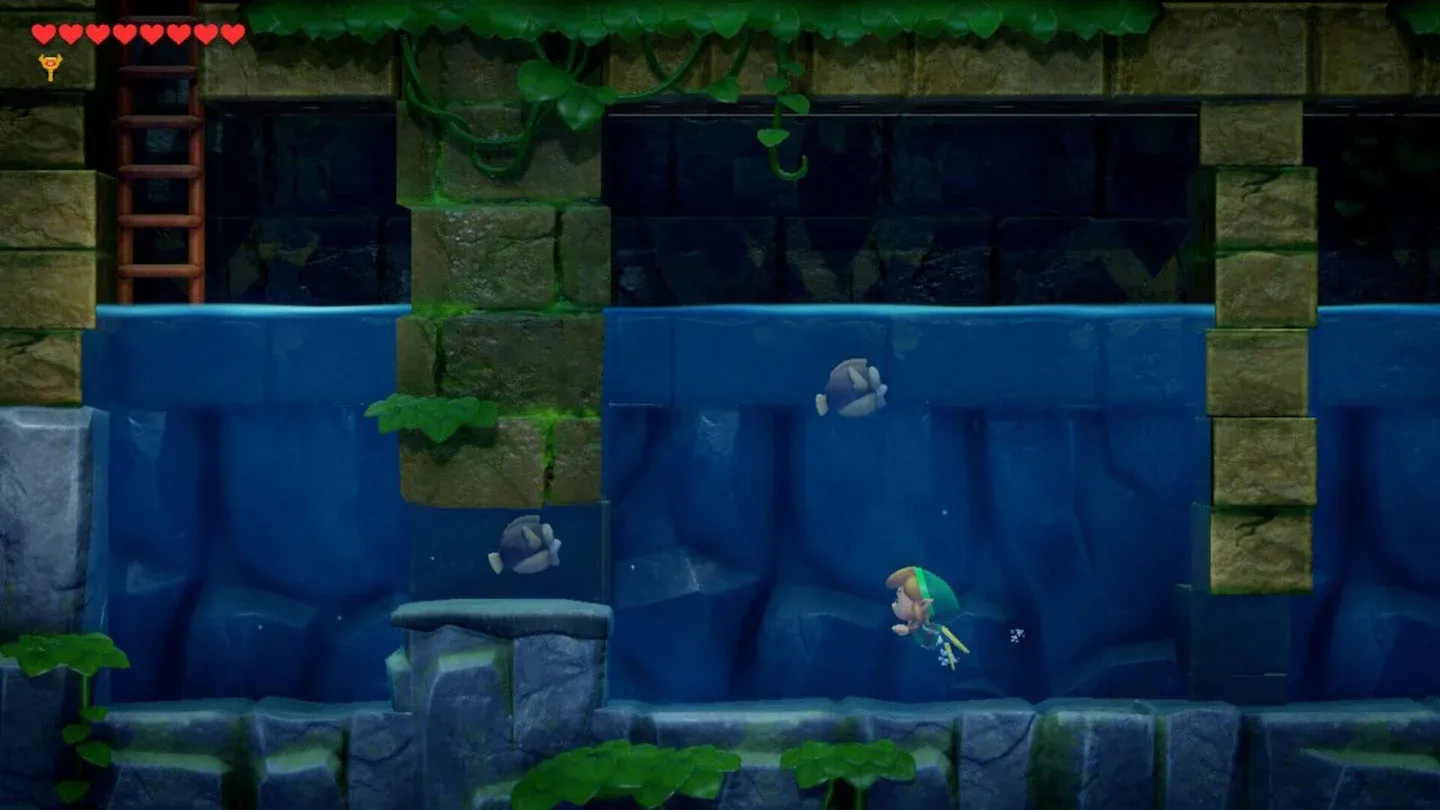
The core gameplay loop in Link's Awakening centers on dungeon exploration and item management. Link collects tools like the hookshot, bow, and pegasus boots across the adventure, and each new item opens both combat options and puzzle solutions. The Switch remake expands on the original by letting players assign items to four buttons instead of two, a small change that meaningfully reduces the menu-juggling that defined the Game Boy version.
The Legend of Zelda: Link's Awakening content image
Key features of the gameplay system include:
- Four-button item assignment
- Eight trap-ridden main dungeons
- Overworld secrets and hidden seashells
- Renovated mini-games with Mario-series doll prizes
- Chamber Dungeon creation using collected Chamber Stones
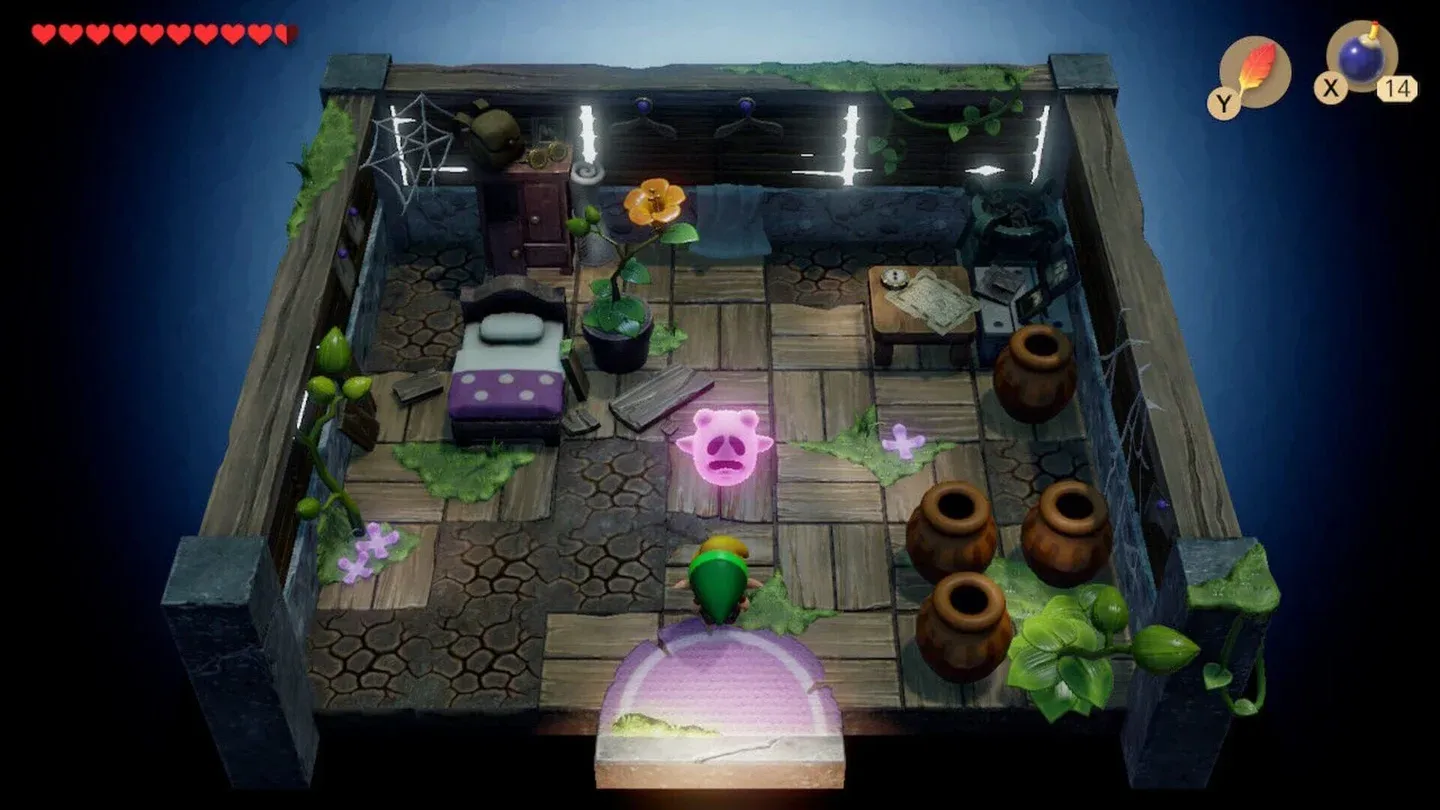
The Chamber Dungeon system is the remake's most original addition. Players collect Chamber Stones by completing mini-games or finding them in the world, then arrange them on a grid to build custom dungeon layouts. Each arrangement functions as its own puzzle, with room placement affecting enemy flow and item accessibility.
The Legend of Zelda: Link's Awakening content image
World and setting: what makes Koholint Island worth exploring?
Koholint Island works because it feels genuinely strange. Unlike Hyrule, which carries centuries of established lore, Koholint operates on its own dream logic. Animals hold conversations, a chain chomp from the Mario series serves as a temporary companion, and the island's residents have no awareness of any world beyond their shores. That surreal quality gives the story an unsettling undercurrent that the remake preserves without overexplaining.
The narrative setup is deceptively simple: wake the Wind Fish and leave. But the characters Link meets along the way, from the owl that guides him to the villagers who have built their lives on the island, add weight to what that departure would actually mean. The story earns its reputation as one of the more emotionally resonant entries in the Zelda series.
Visual and audio design
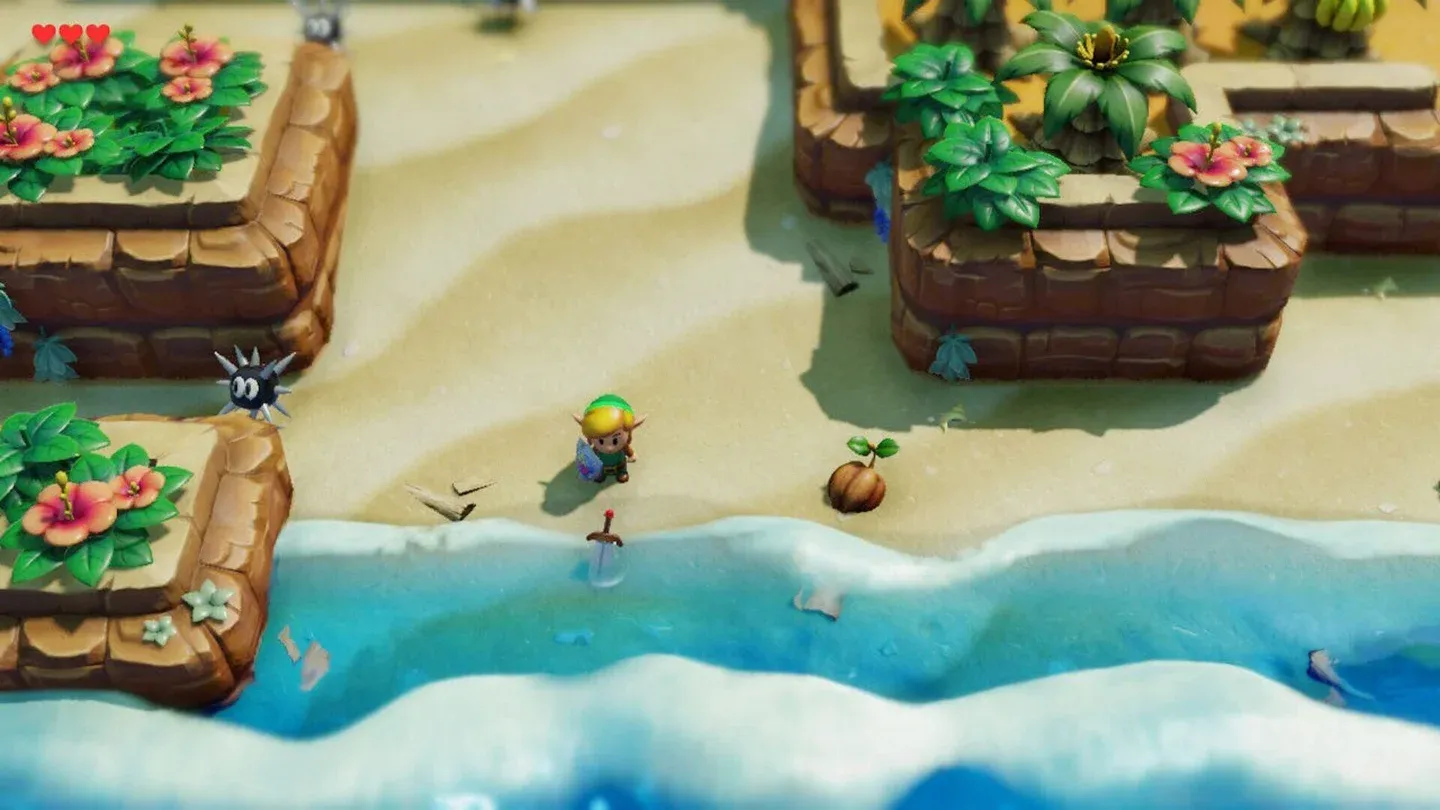
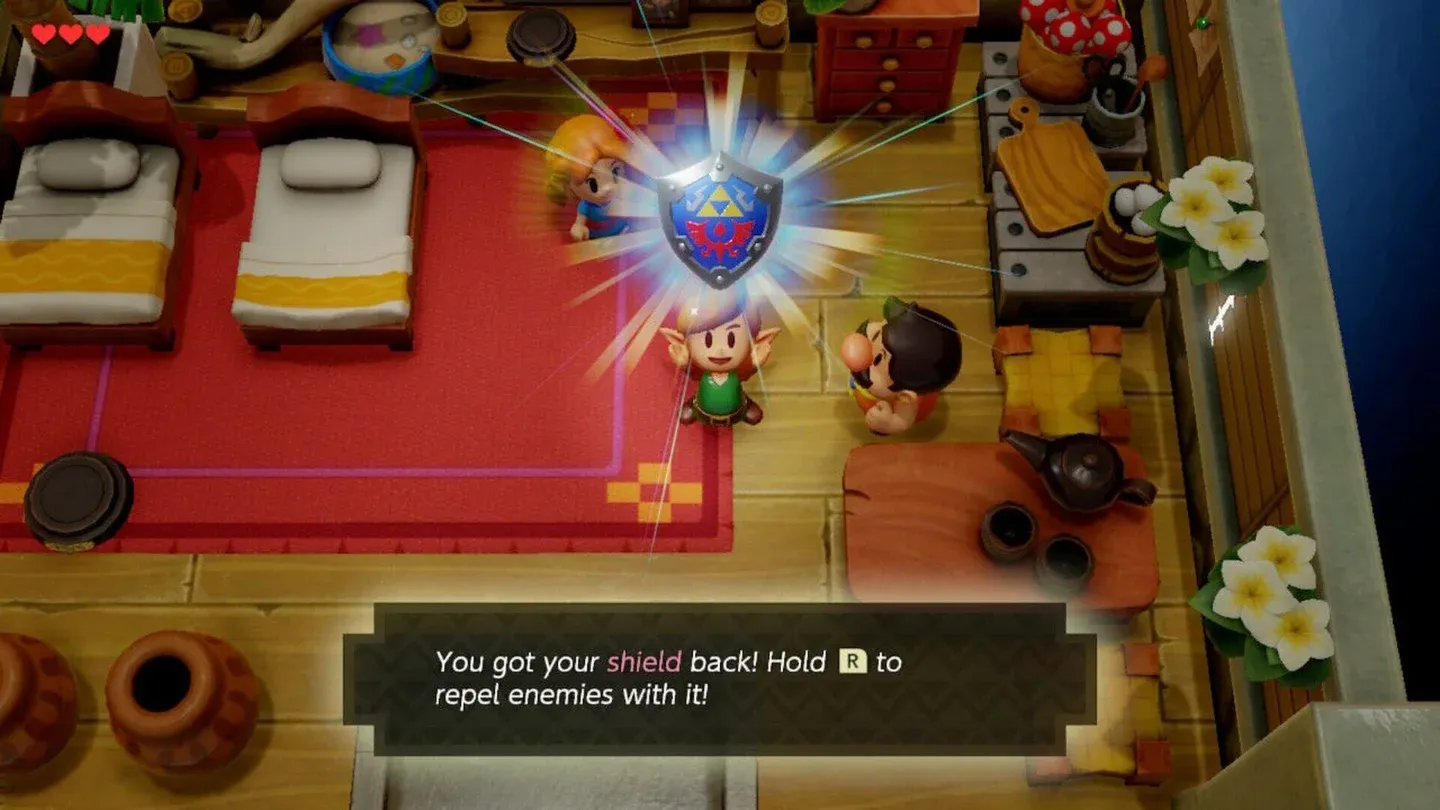
Grezzo's visual approach is immediately distinctive. Characters and environments are rendered with soft edges and exaggerated proportions that call back to plastic miniatures or diorama sets. The effect suits the game's dream-world premise and gives the remake a visual identity separate from every other Zelda title.
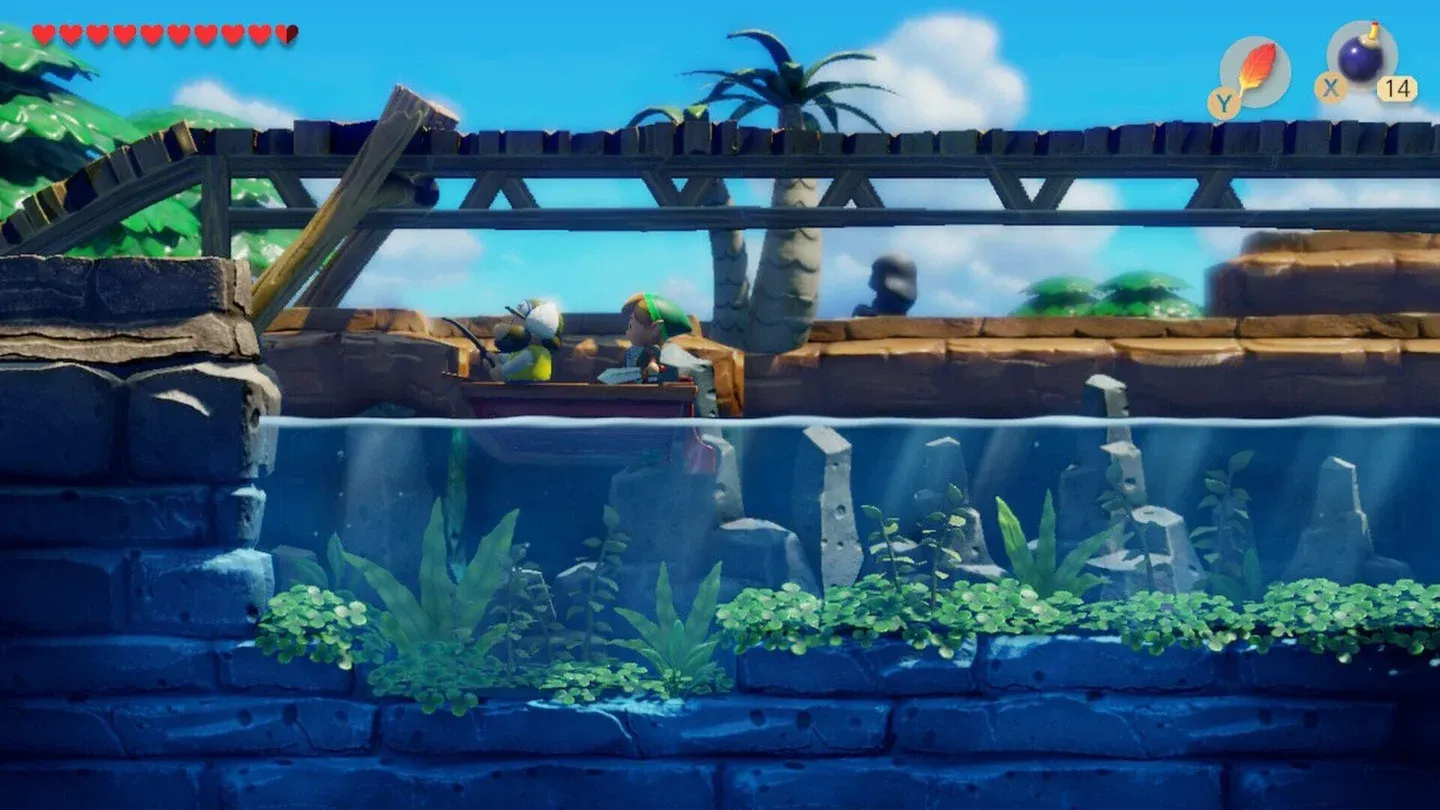
The soundtrack received new orchestral arrangements that preserve the original compositions while giving them considerably more texture. Tracks like the Tal Tal Heights theme and the Ballad of the Wind Fish land with real emotional weight in their updated forms. A photo-realistic depth-of-field blur effect applied to the edges of the screen reinforces the toy aesthetic and keeps visual focus tight on Link's immediate surroundings.
The Legend of Zelda: Link's Awakening content image
Content and replayability
Link's Awakening runs roughly 10 to 15 hours for a standard playthrough, with completionists chasing all 26 secret seashells and every heart piece pushing toward the higher end. A Hero Mode unlocks after completing the game, doubling enemy damage and removing recovery hearts from the environment for a significantly harder second run. The Chamber Dungeon mode adds a creative layer that extends playtime beyond the main quest, giving players a puzzle-design sandbox built from the same rooms that populate the main dungeons. For a puzzle-adventure game rooted in a handheld classic, the remake delivers a complete and polished package that holds up well on its own terms.