
Biggest discounts, free games, and limited-time offers across every major gaming store.
Never pay full price again.
Overview
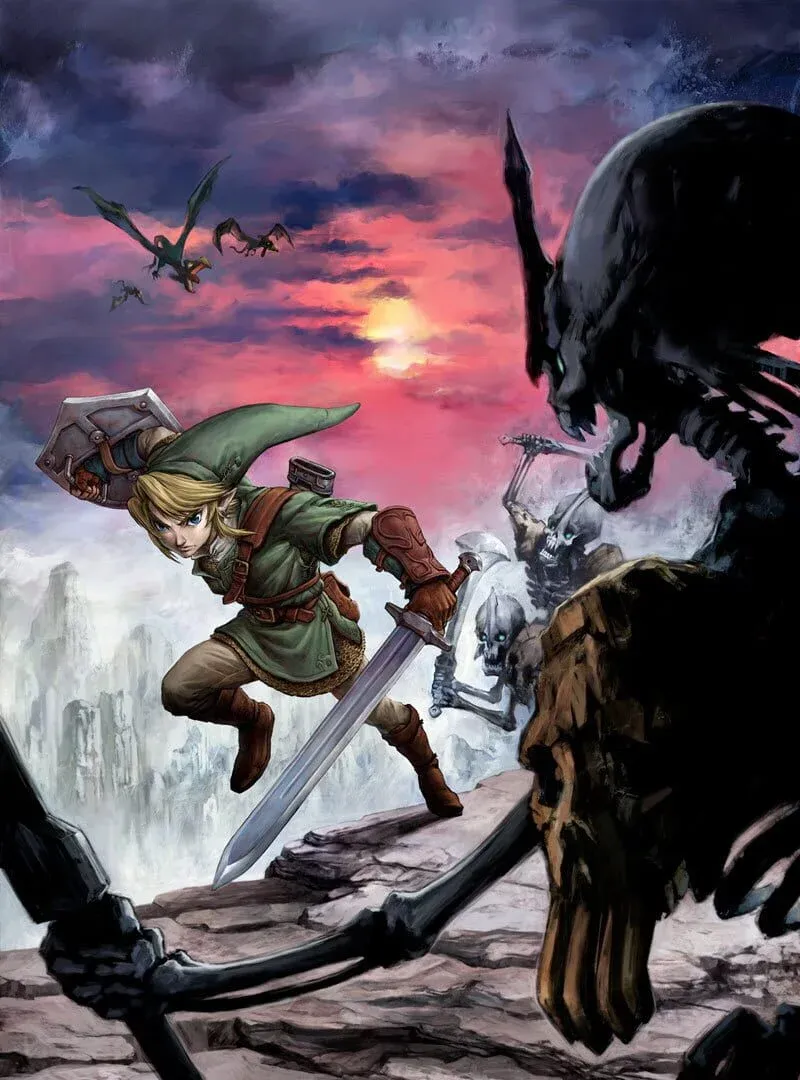
The Legend of Zelda: Twilight Princess launched in 2006 as the final Zelda title on GameCube, and it arrived carrying enormous expectations. Nintendo EAD Software Development Group No.3 built the game around a tone shift that felt genuinely different from its predecessors: darker skies, heavier atmosphere, and a story that opens with Link as a goat herder before pulling the entire world into shadow. The result is a Zelda game that leans into its dramatic weight without losing the tight dungeon design the series is built on.
The premise sets everything in motion cleanly. Link's village is attacked by shadow creatures from the Twilight Realm, most inhabitants are turned into spirits, and Link himself transforms into a wolf when the darkness reaches him. He's captured, then freed by Midna, a mischievous imp-like figure whose motives stay murky for much of the game. Their partnership drives the narrative forward across Hyrule's six provinces and a string of temples that rank among the best the series has produced.
Gameplay and mechanics
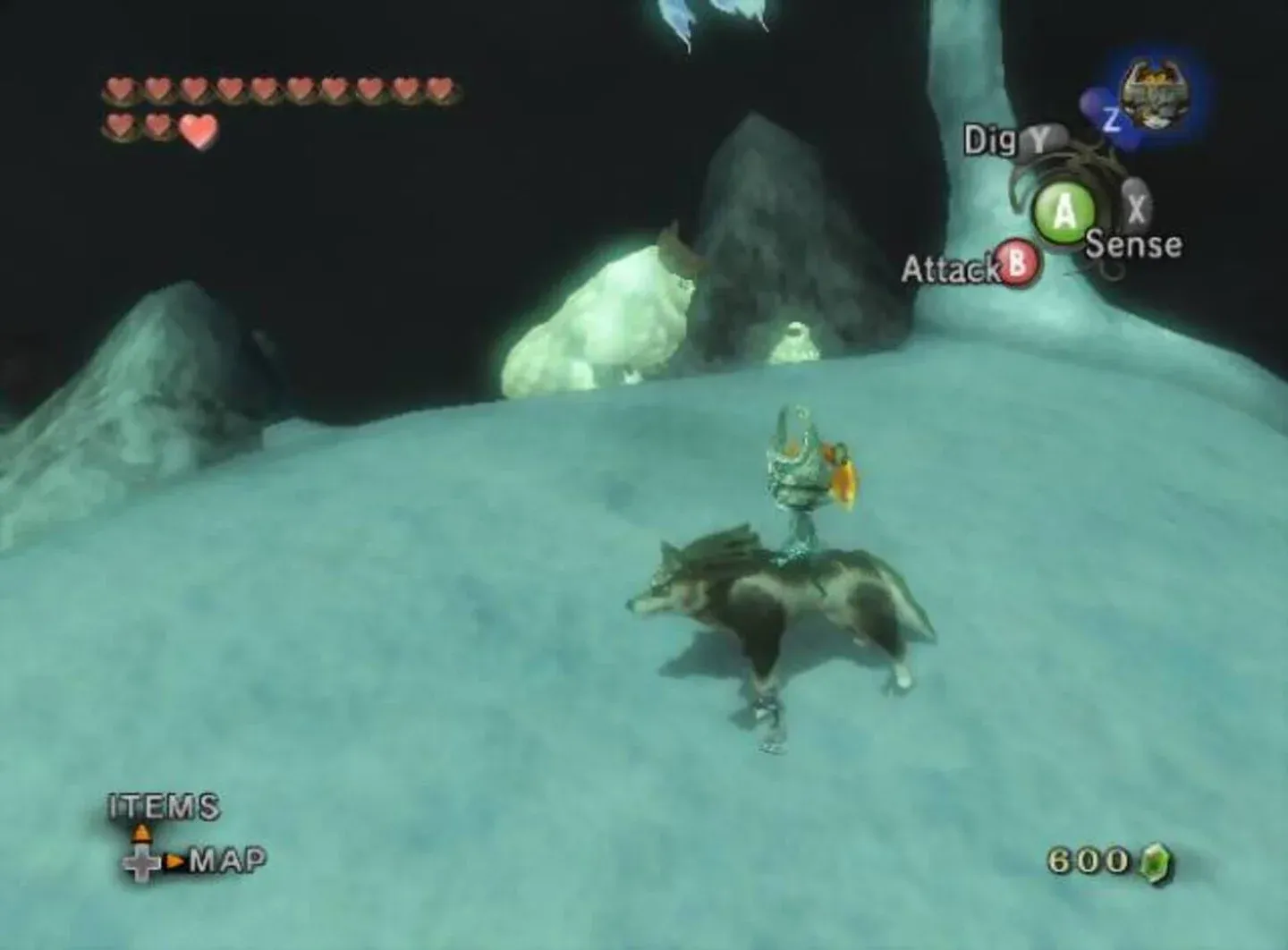
The wolf transformation is the game's defining mechanic, and it earns that distinction. As a wolf, Link operates on entirely different rules:
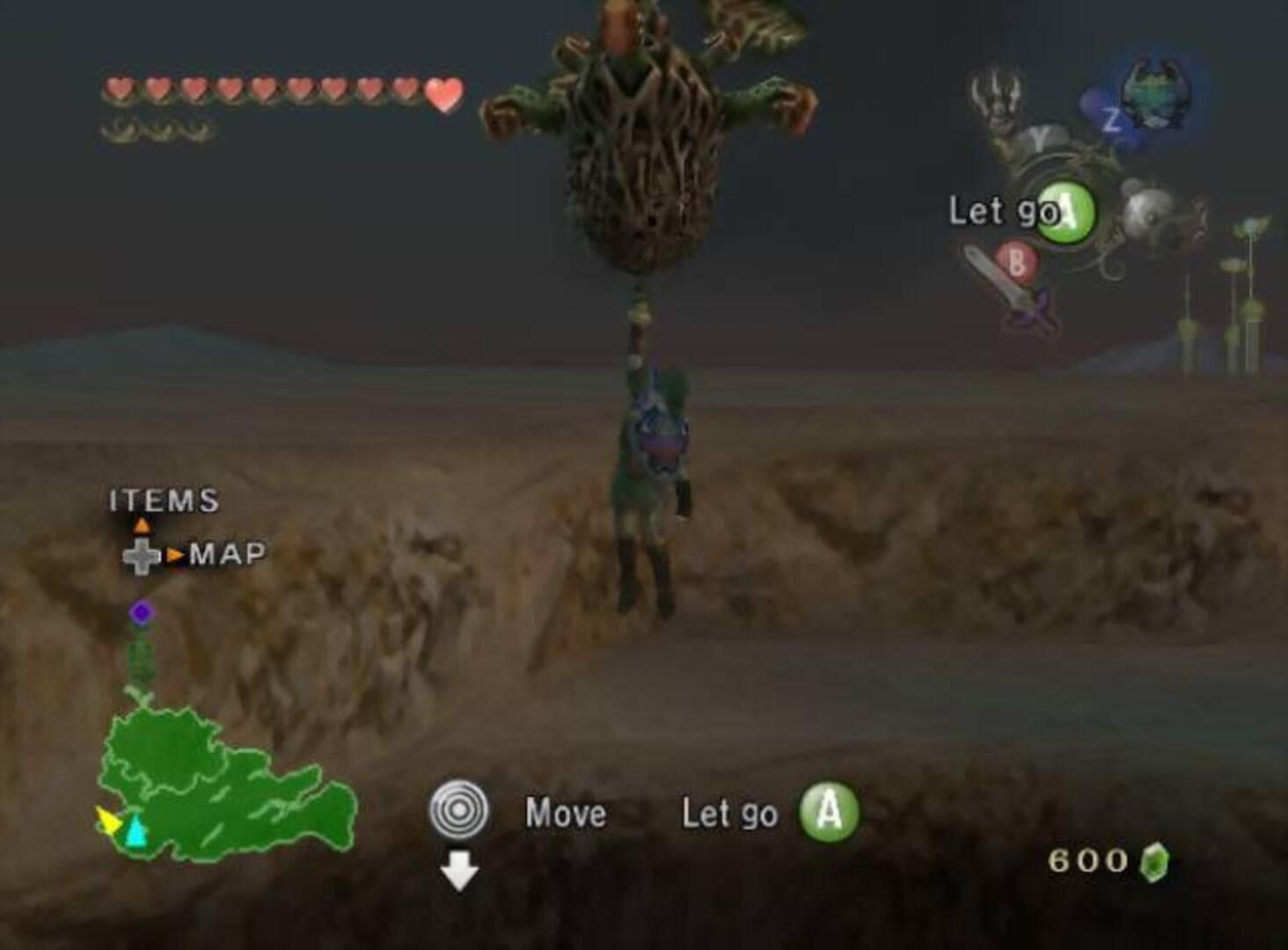
- Sense mode reveals hidden enemies and spirits
- Digging uncovers hearts, rupees, and hidden passages
- Speed and movement feel faster and more fluid
- Wolf combat relies on charged lunges and counter-bites
- Midna's combat assist lets Link grab and throw multiple enemies
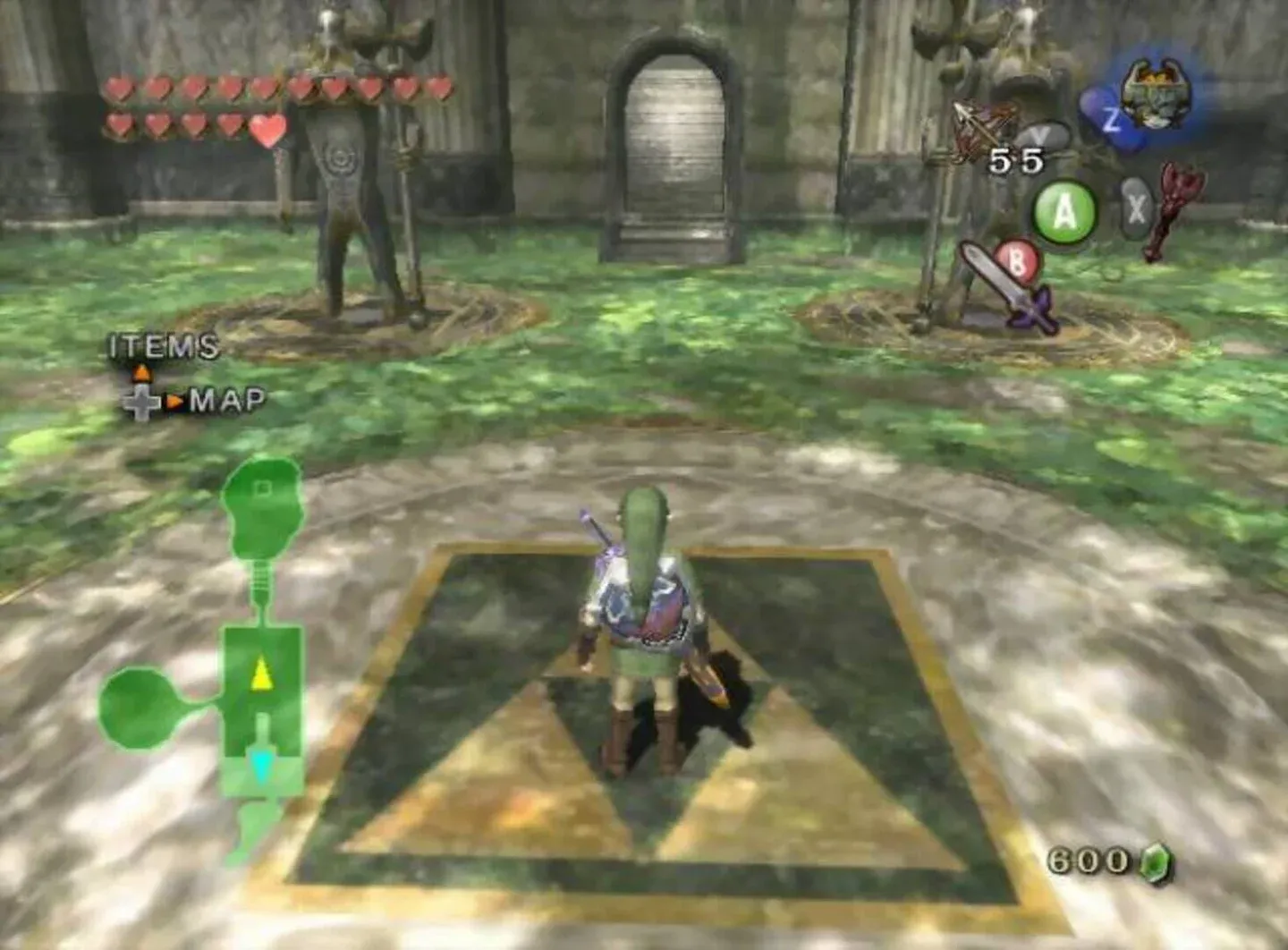
Switching between human and wolf form isn't just a novelty. Specific puzzles require wolf senses to locate invisible barriers or track scent trails, while human Link handles item-based dungeon solutions and ranged combat. The two modes complement each other well enough that neither feels like a secondary experience.
World and setting
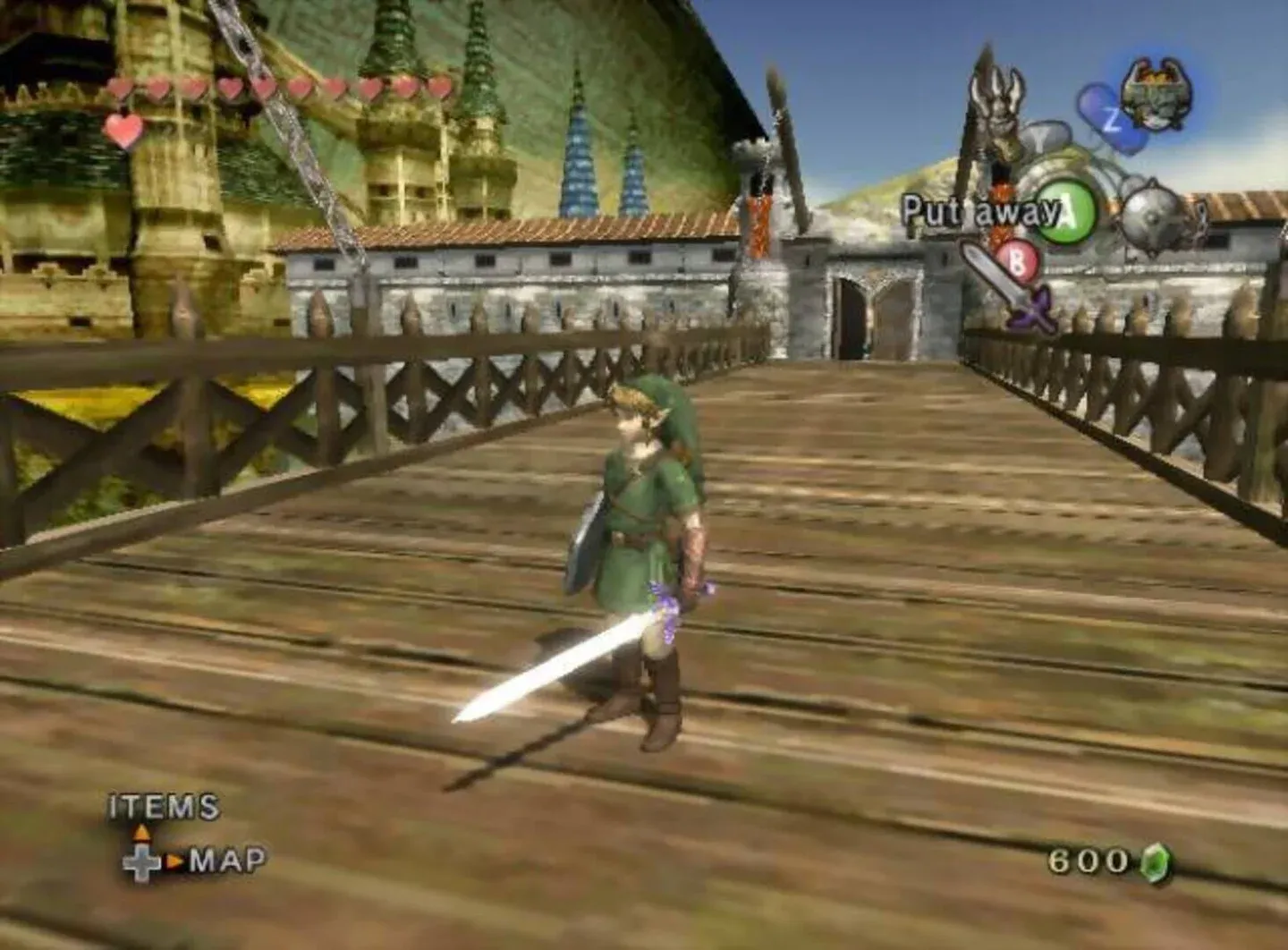
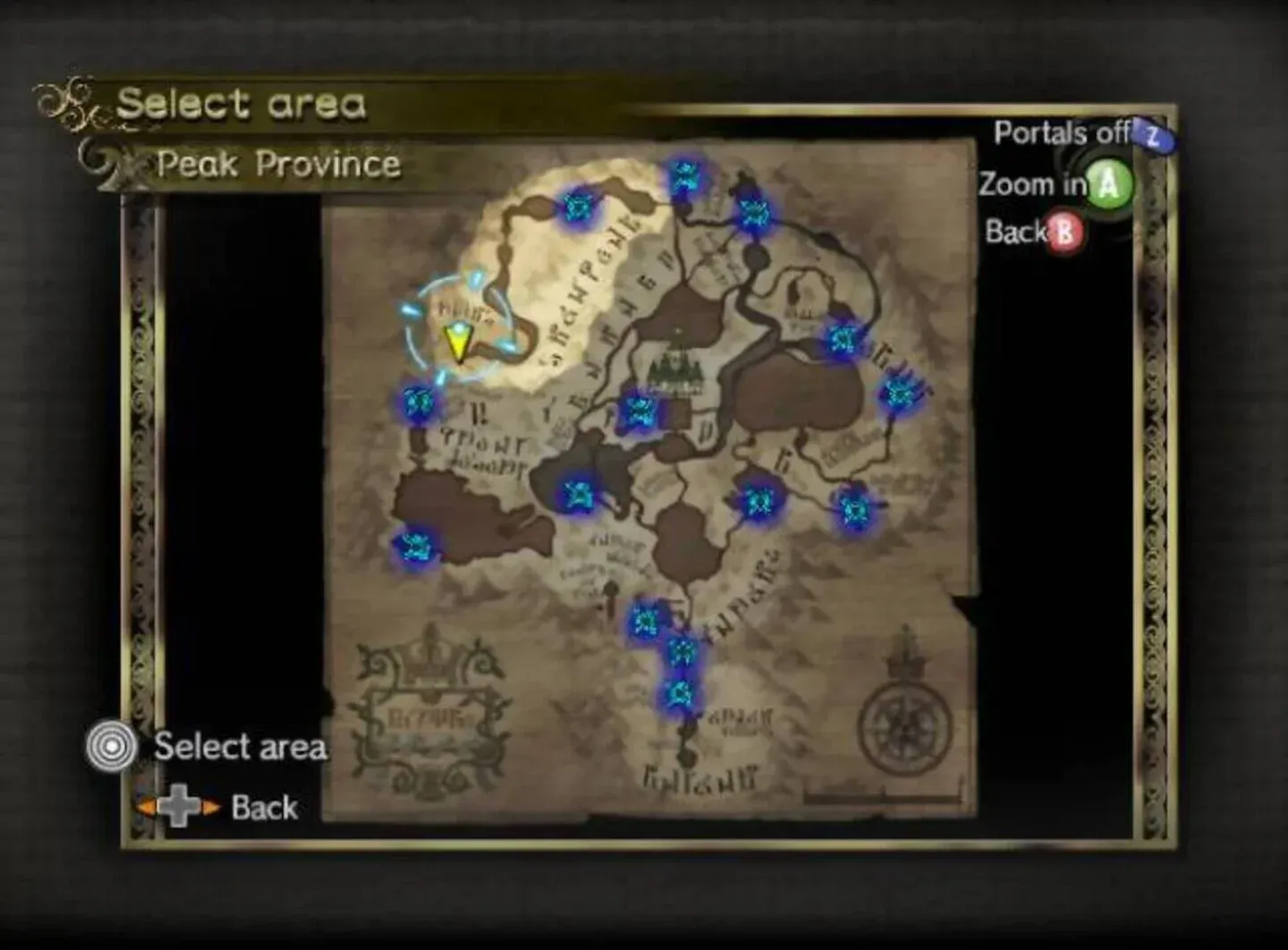
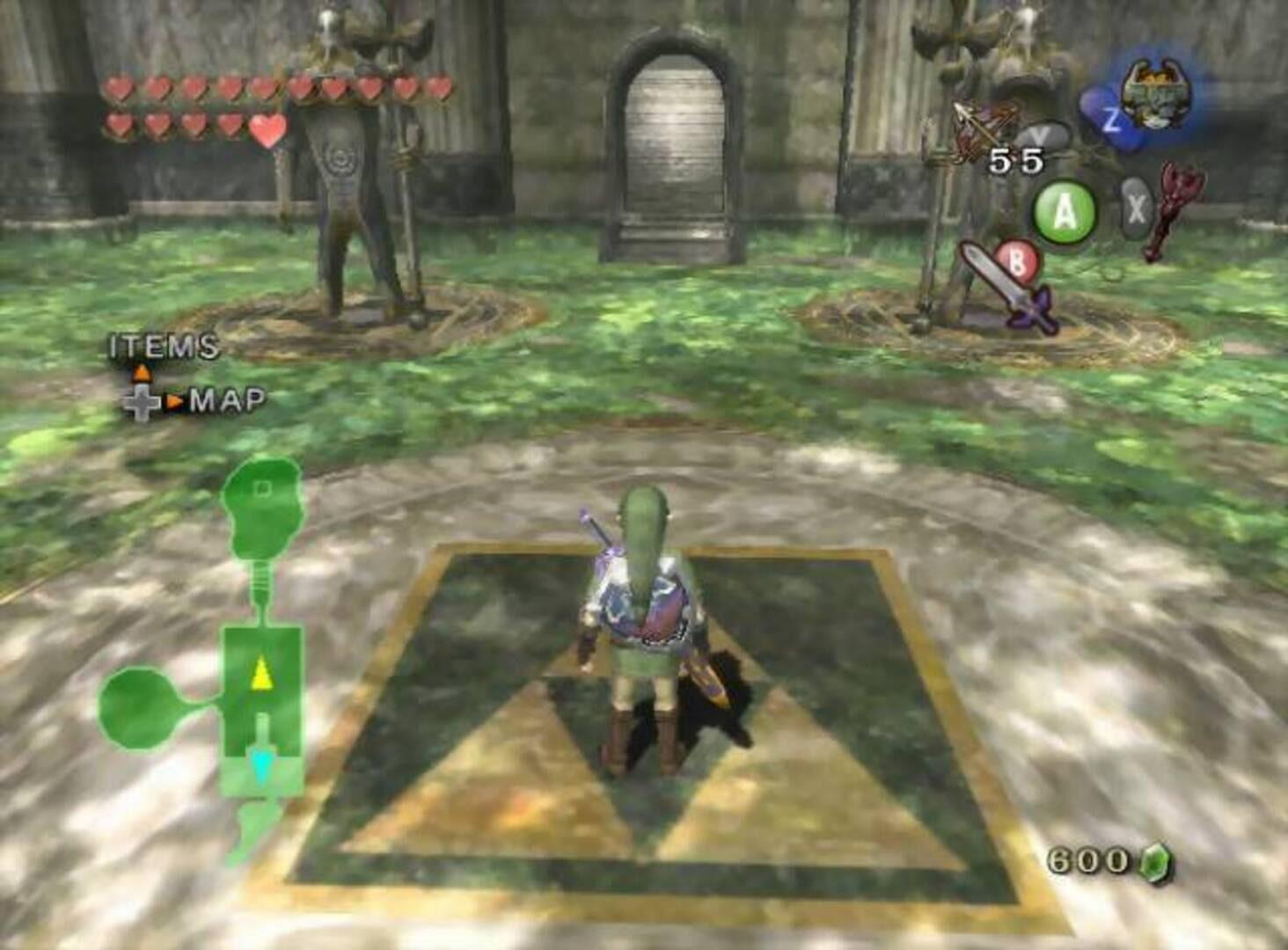
Hyrule in Twilight Princess is built to feel geographically real. Eldin Province, Lanayru Province, and the Faron Woods each carry their own visual identity and environmental logic. Hyrule Field connects them, and while it's large enough to feel open, it never feels empty in the way that some open-world games from that era do. The Twilight Realm itself has a distinct visual language: washed-out purples, floating debris, and distorted geometry that signals you've crossed into somewhere wrong.
The story keeps its emotional core in the relationship between Link and Midna. She starts as an unreliable ally with her own agenda and develops into one of the most memorable companions in the series. The final hours of the game carry real weight because of how that relationship is built across the runtime.
Visual and audio design
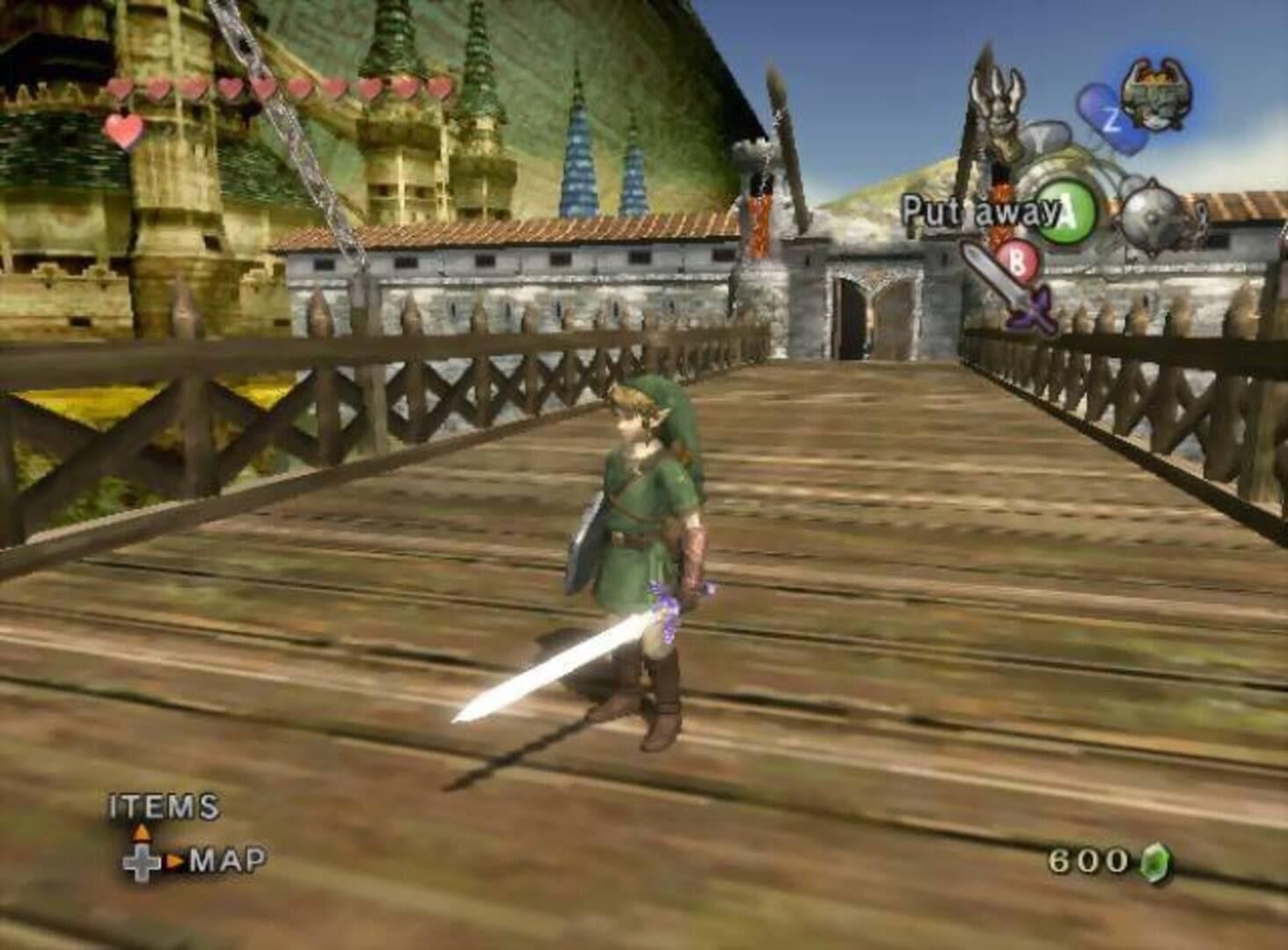
Nintendo made a deliberate choice to return to the naturalistic art style of Ocarina of Time after Wind Waker's cel-shaded direction. The result is a game that still reads as visually serious in 2026, even if the underlying hardware shows its age. Character models have genuine personality, environmental lighting does real work in the dungeon sections, and the Twilight sequences use color desaturation as a storytelling tool rather than just an aesthetic choice.
Toru Minegishi and Asuka Ohta composed the soundtrack, and it matches the game's tone precisely. The Hyrule Field theme is expansive without being triumphant. Dungeon music builds tension through restraint. The boss themes hit harder than almost anything else in the series.
Impact and legacy
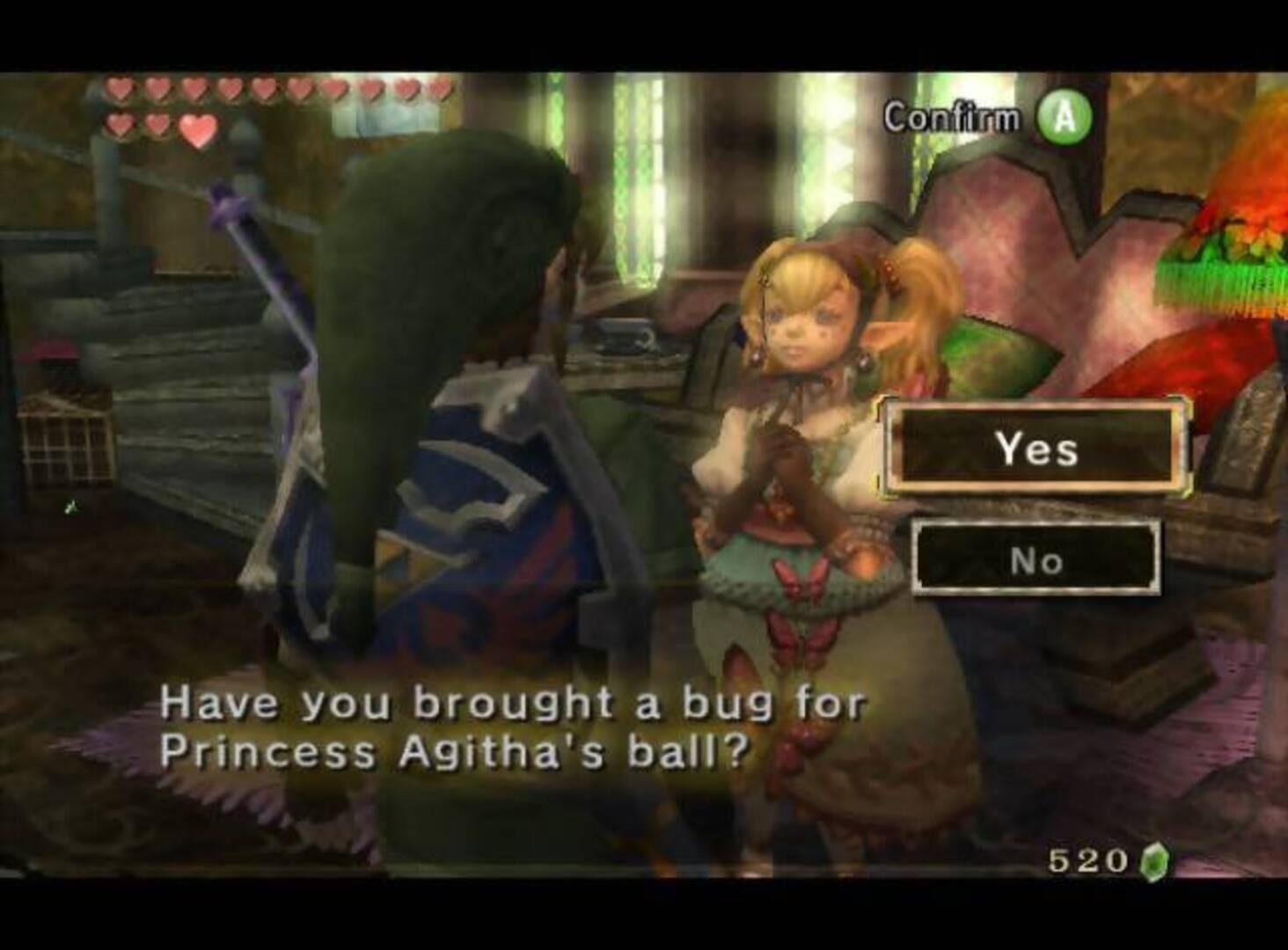
Twilight Princess received universal critical acclaim at launch and spent years sitting atop many players' lists as the best Zelda game ever made. That position has shifted as the series evolved, but the game's dungeon design, its wolf transformation mechanic, and Midna as a character remain reference points for what the action-adventure genre can do when its systems and story are properly aligned. For anyone who wants a Zelda game built around puzzle-solving, atmospheric world design, and a narrative that earns its ending, Twilight Princess delivers without compromise.