Overview
The Minish Cap sits in an interesting spot in Zelda history. Developed by Capcom Production Studio 1 rather than Nintendo's internal teams, it launched on Game Boy Advance in November 2004 and delivered a tightly designed action-adventure experience that felt both familiar and genuinely inventive. The game draws a direct line to Four Swords by telling the backstory of Vaati, the wind mage who appears in that game, grounding it in series lore while standing comfortably on its own.
The setup is clean. During a festival, Vaati turns Princess Zelda to stone and Link is sent by the king to find the Minish, a race of tiny people who might hold the answer. Along the way, Link picks up Ezlo, a talking cap with a bad temper and the ability to shrink Link down to Minish size. That single mechanic, shrinking and growing, threads through everything the game does.
The Legend of Zelda: The Minish Cap content image
Gameplay and mechanics
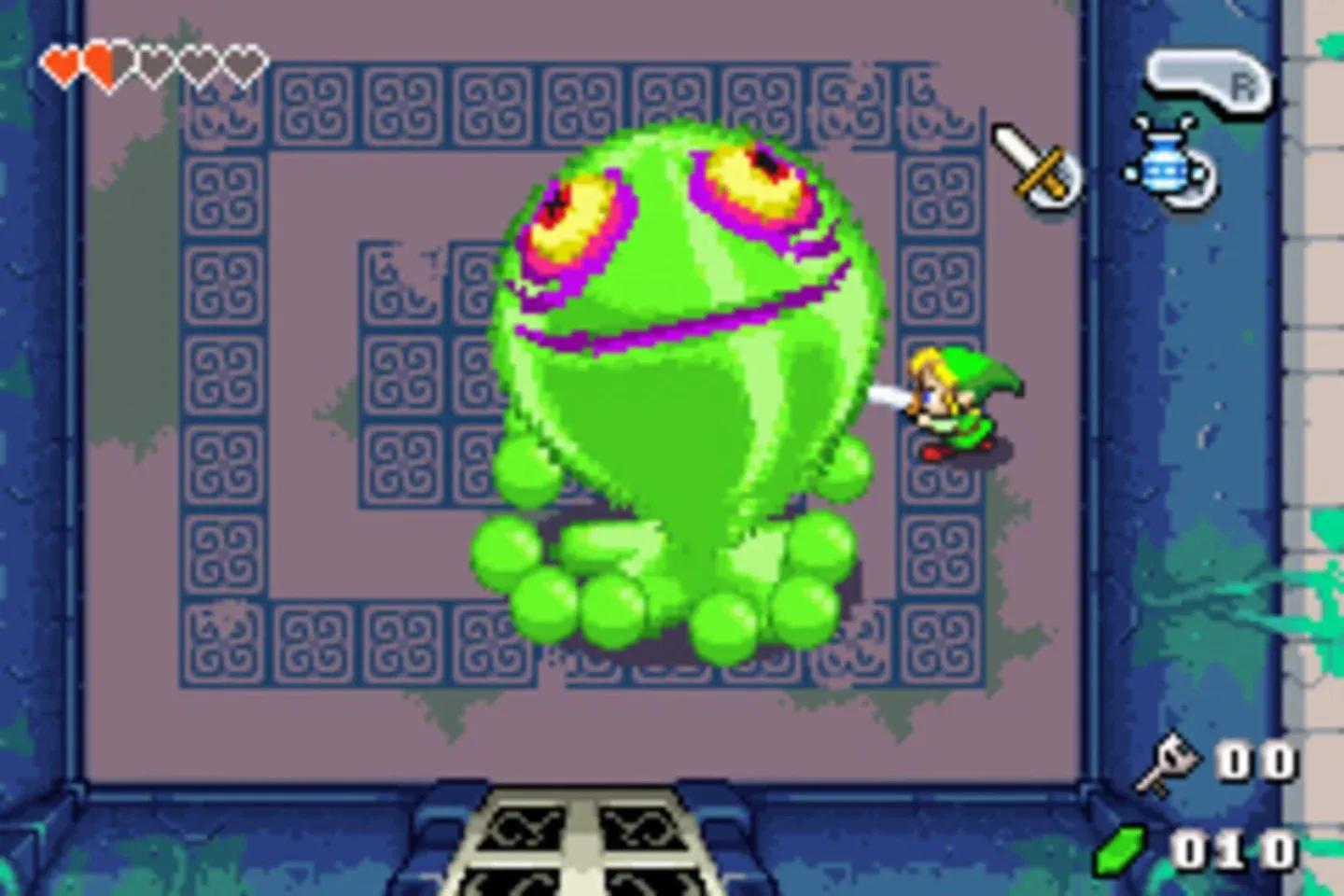
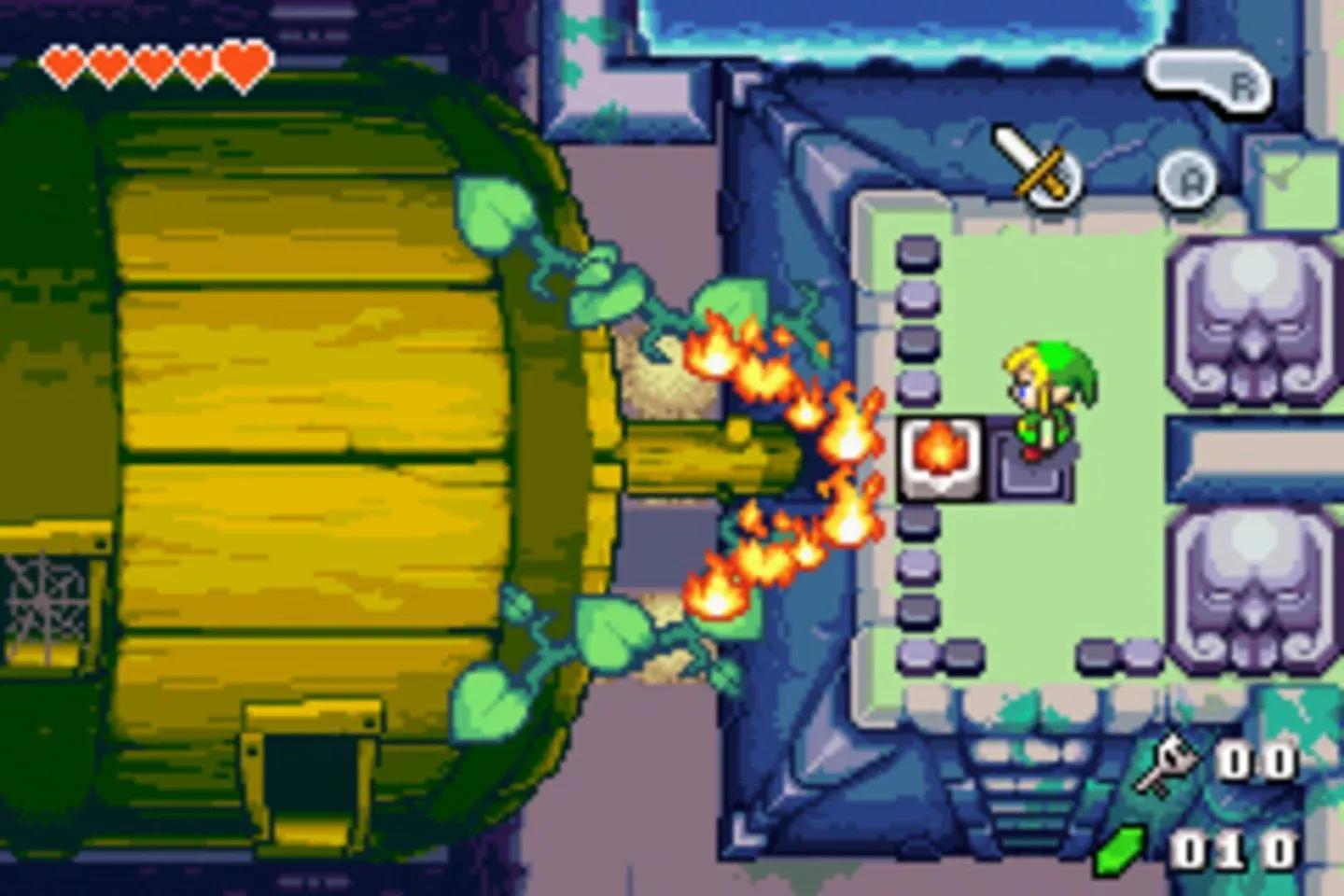
At its core, The Minish Cap plays like a classic top-down Zelda in the tradition of A Link to the Past and the Oracle games. Link explores an overworld, clears dungeons, collects items, and solves puzzles. The controls are tight and the dungeon design is focused, with each area built around a specific item that opens new solutions across the map.
The Legend of Zelda: The Minish Cap content image
Key mechanics include:
- Shrinking to Minish size via Ezlo
- Fusing Kinstones with NPCs to unlock secrets
- Classic Spin Attack returning from earlier entries
- Dungeon items that double as overworld tools
- Returning characters like Malon from Ocarina of Time
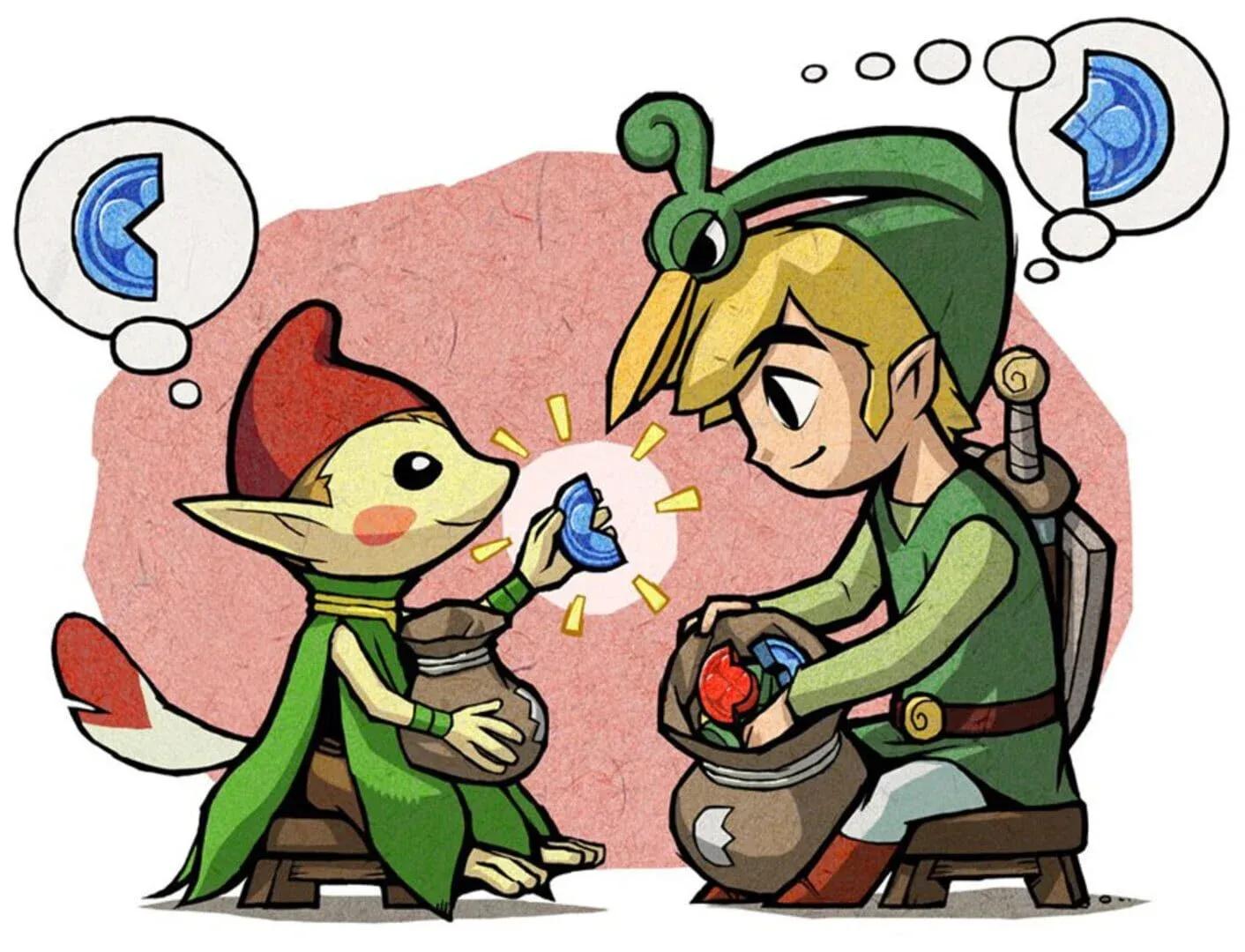
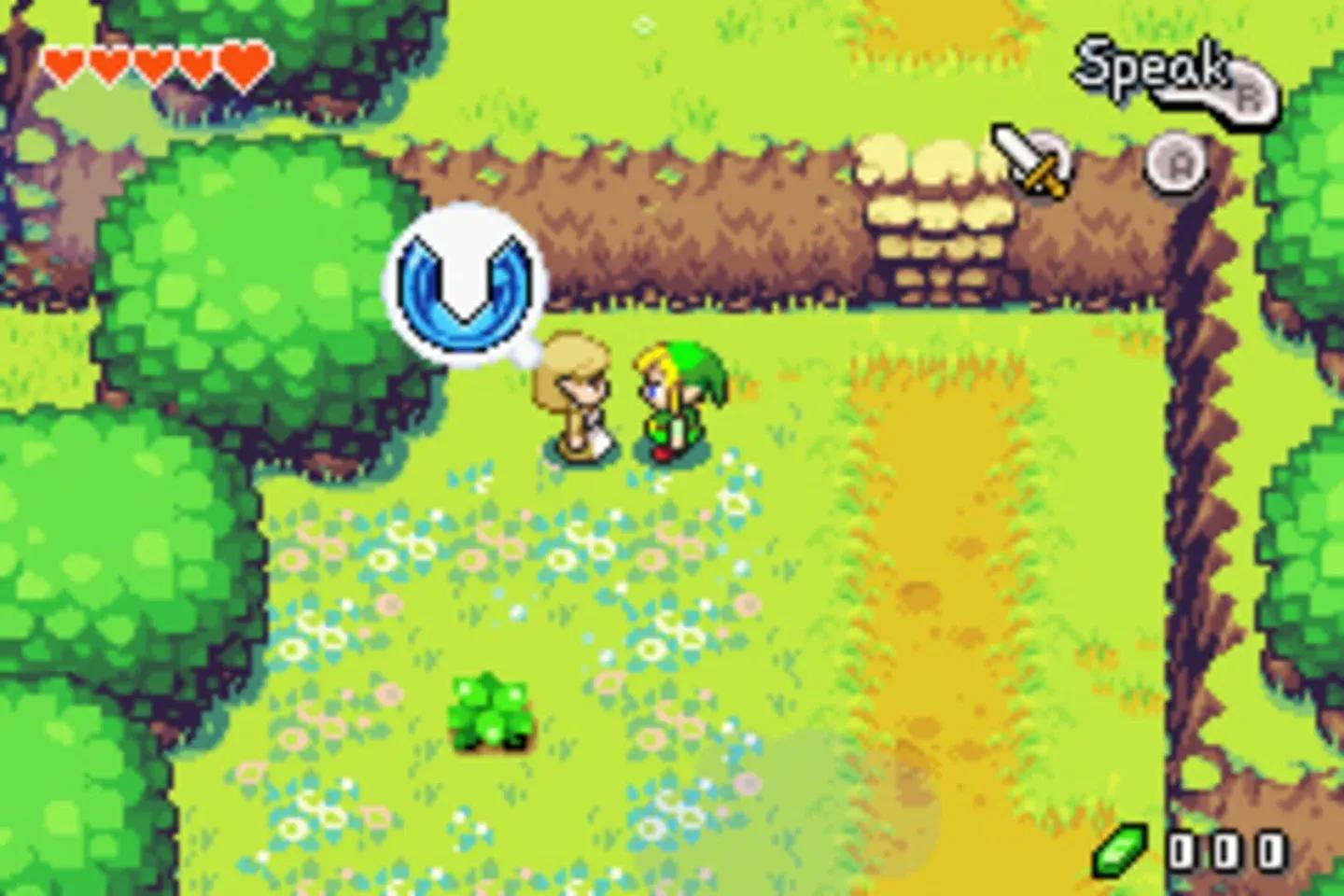
The Kinstone fusion system deserves particular attention. Scattered across Hyrule are Kinstone pieces that Link collects and can match with specific characters. Each successful fusion triggers something elsewhere in the world, from treasure chests appearing to new areas opening. It's a passive form of world-building that encourages talking to everyone.
The Legend of Zelda: The Minish Cap content image
What does shrinking actually change?
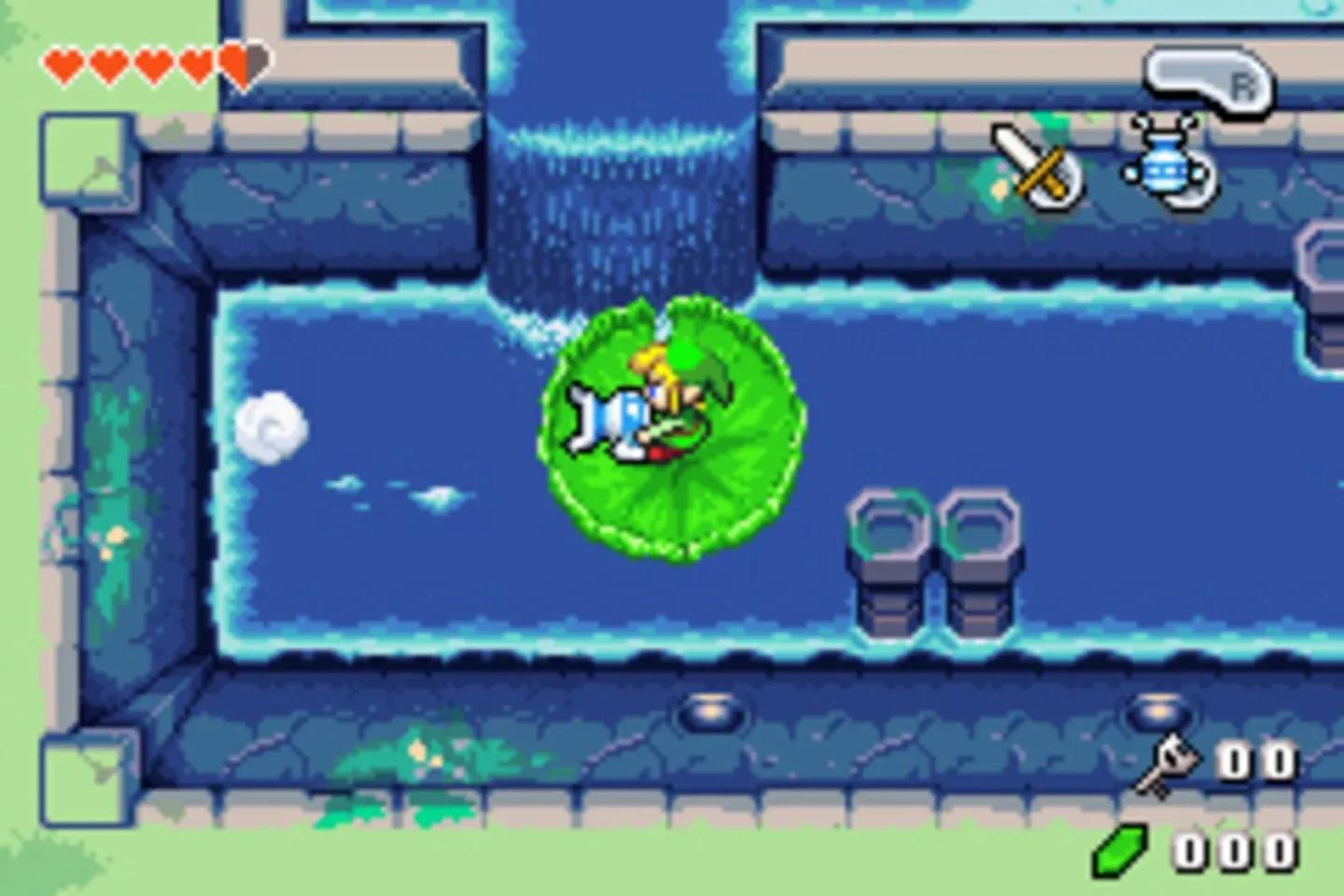
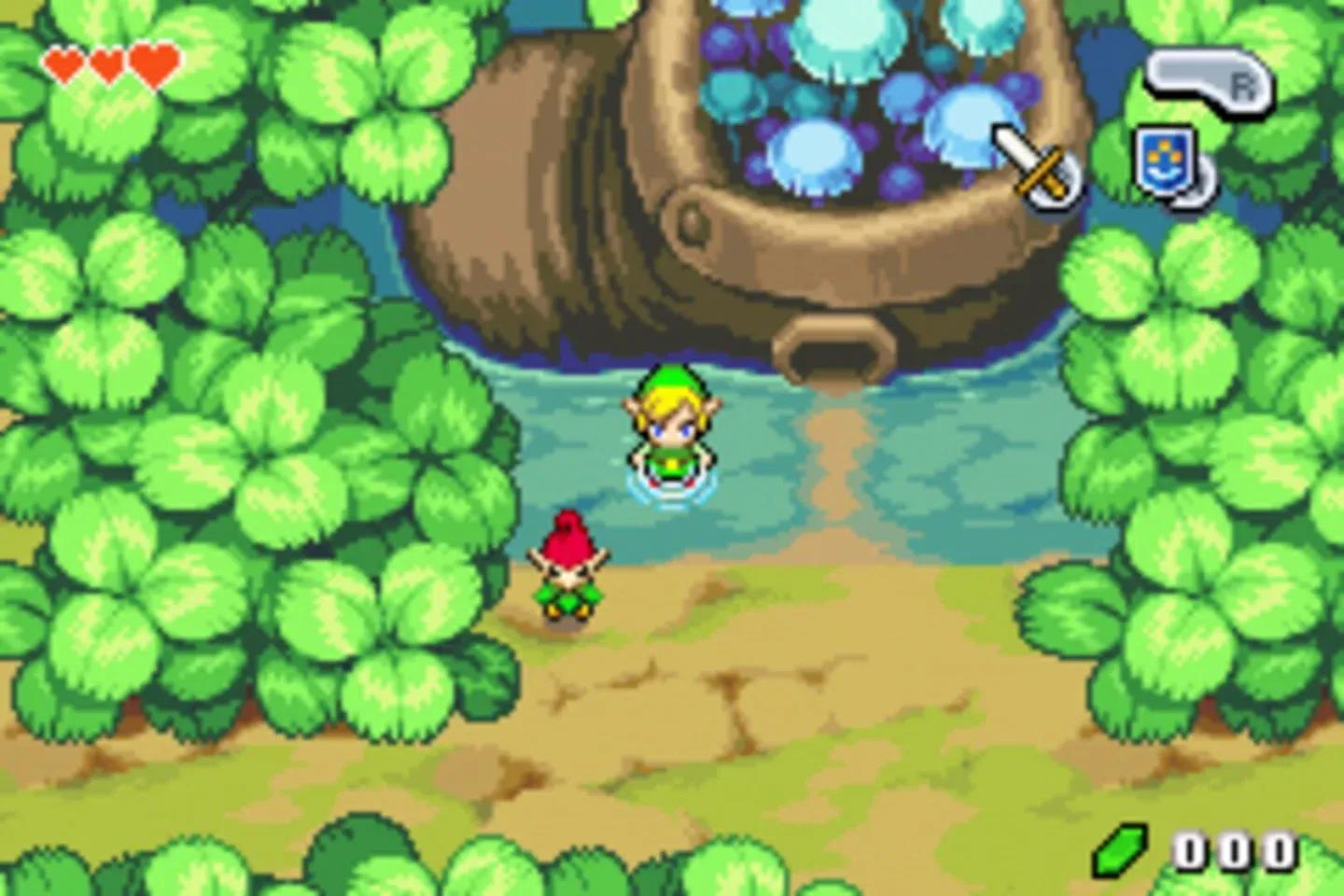
Shrinking to Minish size transforms familiar areas into entirely different spaces. A patch of tall grass becomes a forest. A kitchen counter becomes a dungeon floor. The game uses this perspective shift consistently, designing human-scale and Minish-scale versions of the same locations with different puzzles, enemies, and secrets in each. Some areas are only reachable at Minish size, and some Kinstone fusions only trigger after meeting specific Minish hidden in the small-scale world.
This dual-scale approach gives The Minish Cap its identity. Exploring Hyrule once at normal size and then again at Minish scale doubles the effective content without padding the runtime.
The Legend of Zelda: The Minish Cap content image
World and setting
Hyrule here feels warmer and more storybook than in later 3D entries. The art style leans into bright colors and rounded character designs that suit the Game Boy Advance screen while holding up clearly on modern displays. Each dungeon has a distinct theme, from a forest shrine to a palace built into a mountain, and the overworld connects them with enough variety to keep movement interesting.
Ezlo as a companion works better than most Zelda companions manage. He has opinions, delivers exposition without being overwhelming, and his physical presence on Link's head makes the shrinking mechanic feel grounded in the story rather than tacked on.
Impact and legacy
The Minish Cap consistently ranks among the stronger handheld Zelda entries. Its dungeon count is modest at six, but each one is well-constructed and the Kinstone system adds replay value for completionists. The game introduced Vaati to a wider audience and remains the definitive telling of that character's origin. For players who want a focused, polished top-down adventure with genuine mechanical creativity, The Minish Cap delivers exactly that.