Overview
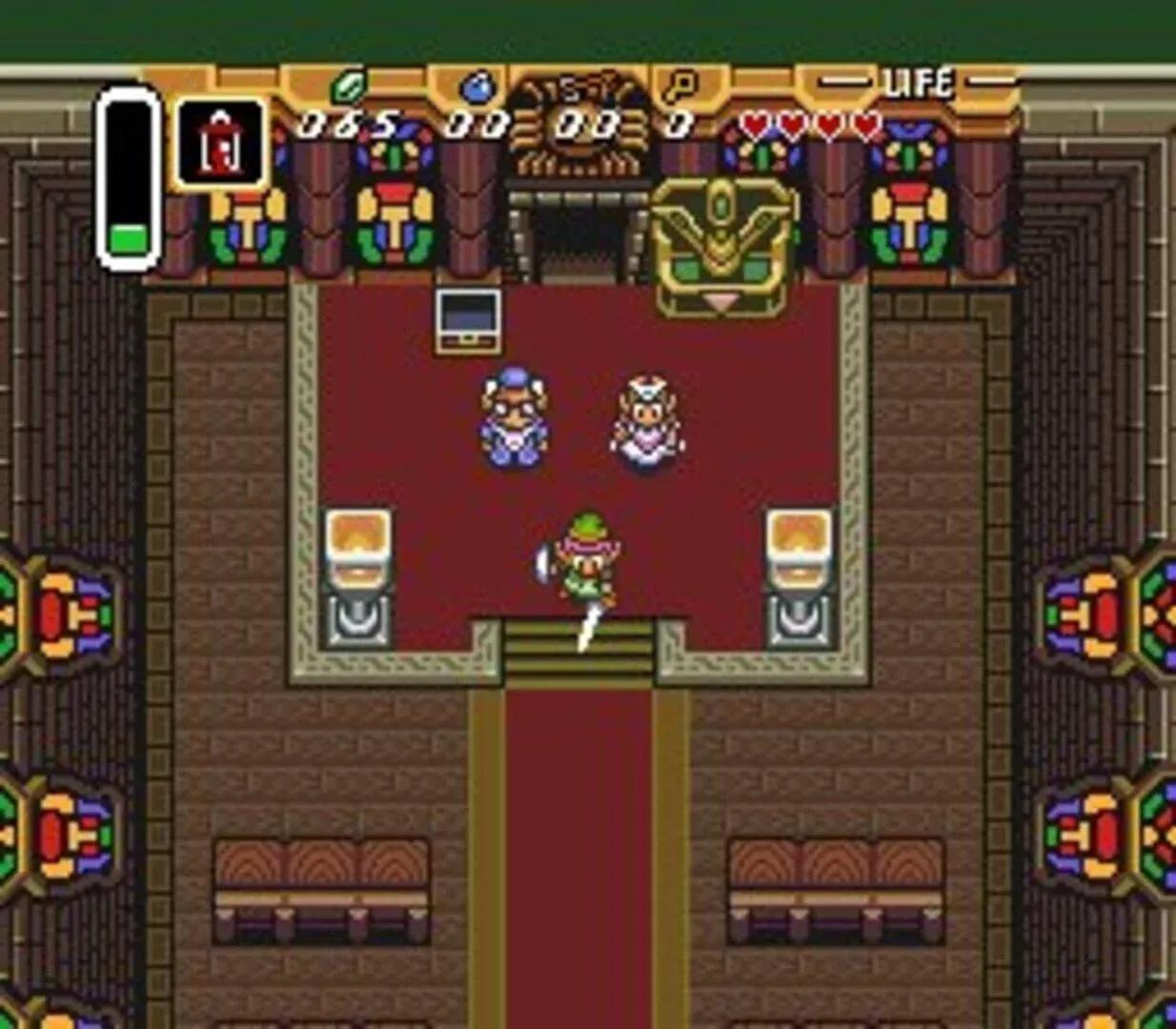
The Legend of Zelda: A Link to the Past arrived on the Super Famicom in November 1991, developed by Nintendo Entertainment Analysis & Development, and immediately redefined what an action-adventure game could be. Where the original Zelda laid the foundation, A Link to the Past built the house, constructing a tightly designed world with a coherent story, layered dungeons, and a combat system that rewarded both aggression and patience.
The premise centers on the wizard Agahnim, who has seized control of Hyrule by abducting the seven descendants of the ancient sages. His endgame is to shatter the seal separating the light world from the Dark World, a corrupted mirror realm ruled by the demon king Ganon. Princess Zelda reaches out to Link telepathically, and from that moment the game rarely lets up.
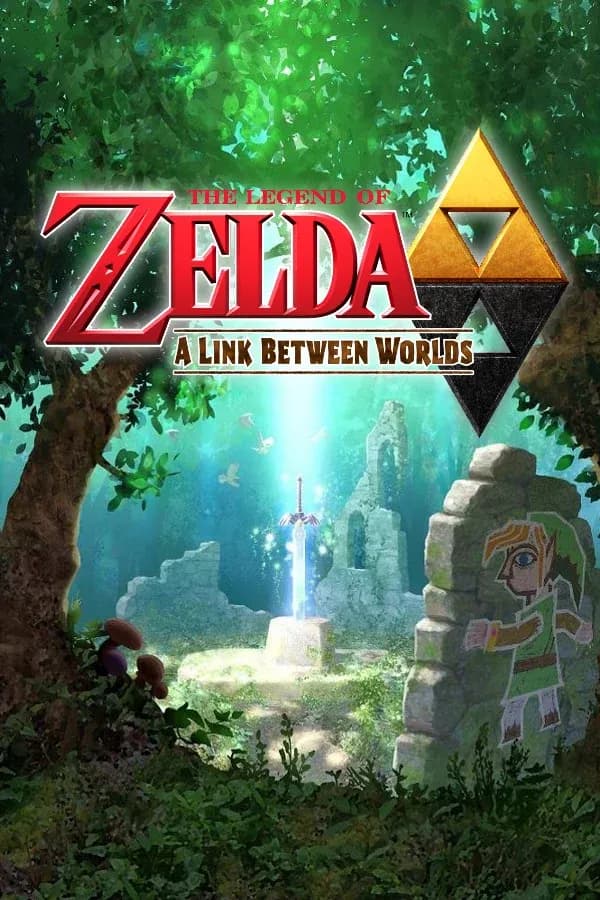
The Legend of Zelda: A Link to the Past content image
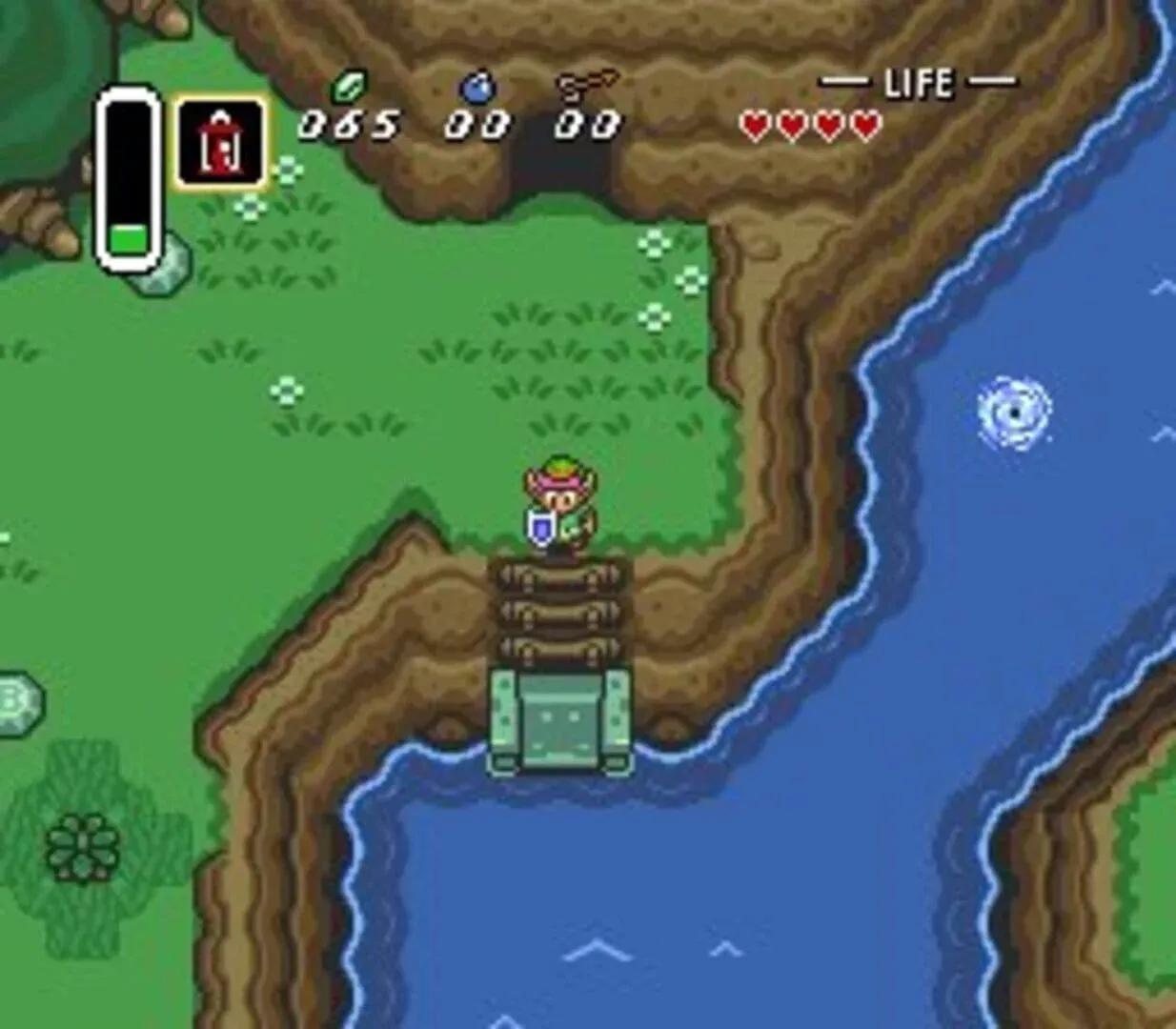
What makes the setup work is that the two worlds are not just a narrative device. Every major dungeon exists in both Hyrule and the Dark World, and Link must travel between them to solve puzzles, unlock paths, and reach bosses. The Dark World functions as a twisted version of the light world map, so landmarks players recognize take on new and often unsettling forms.
Gameplay and mechanics
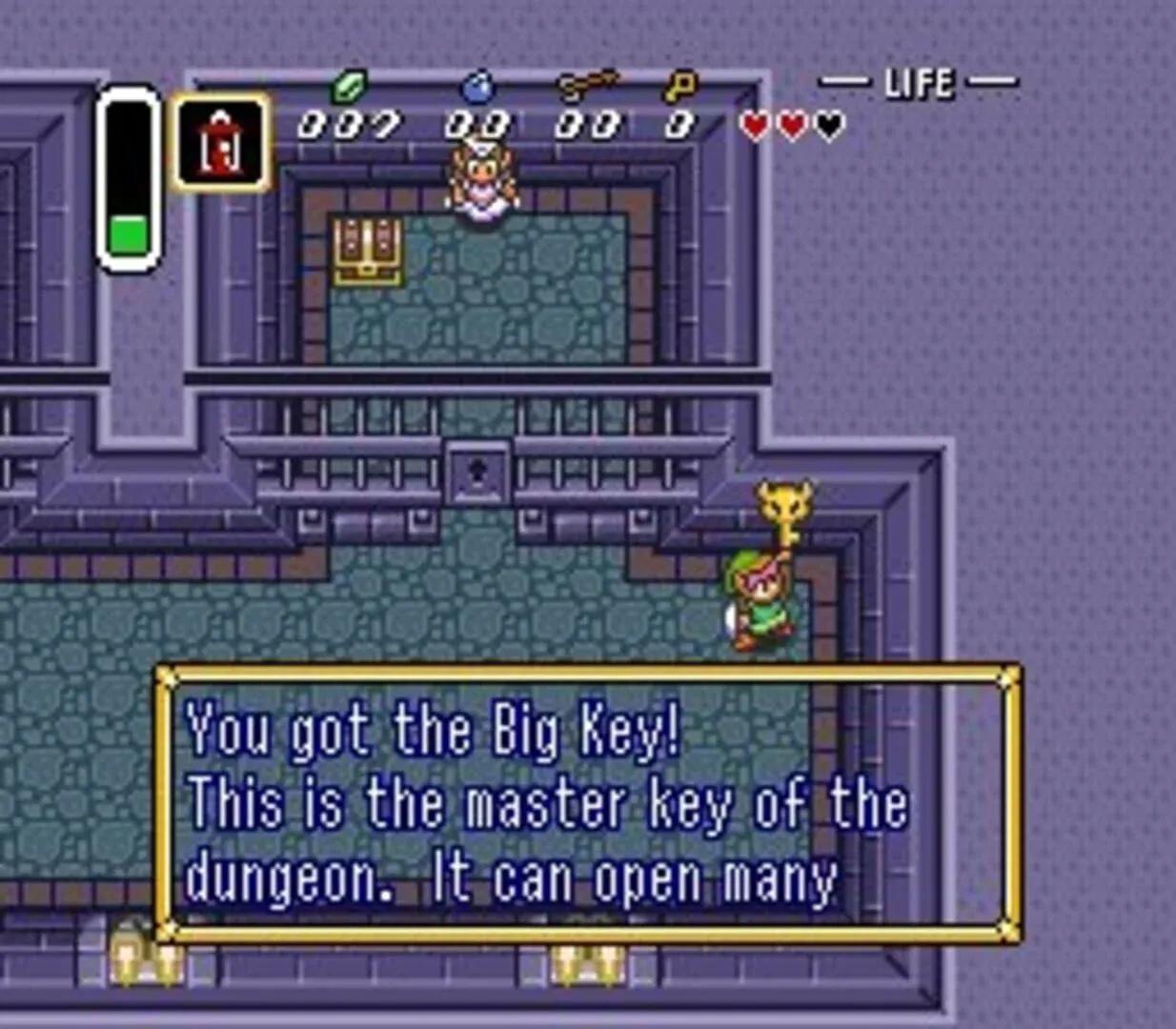
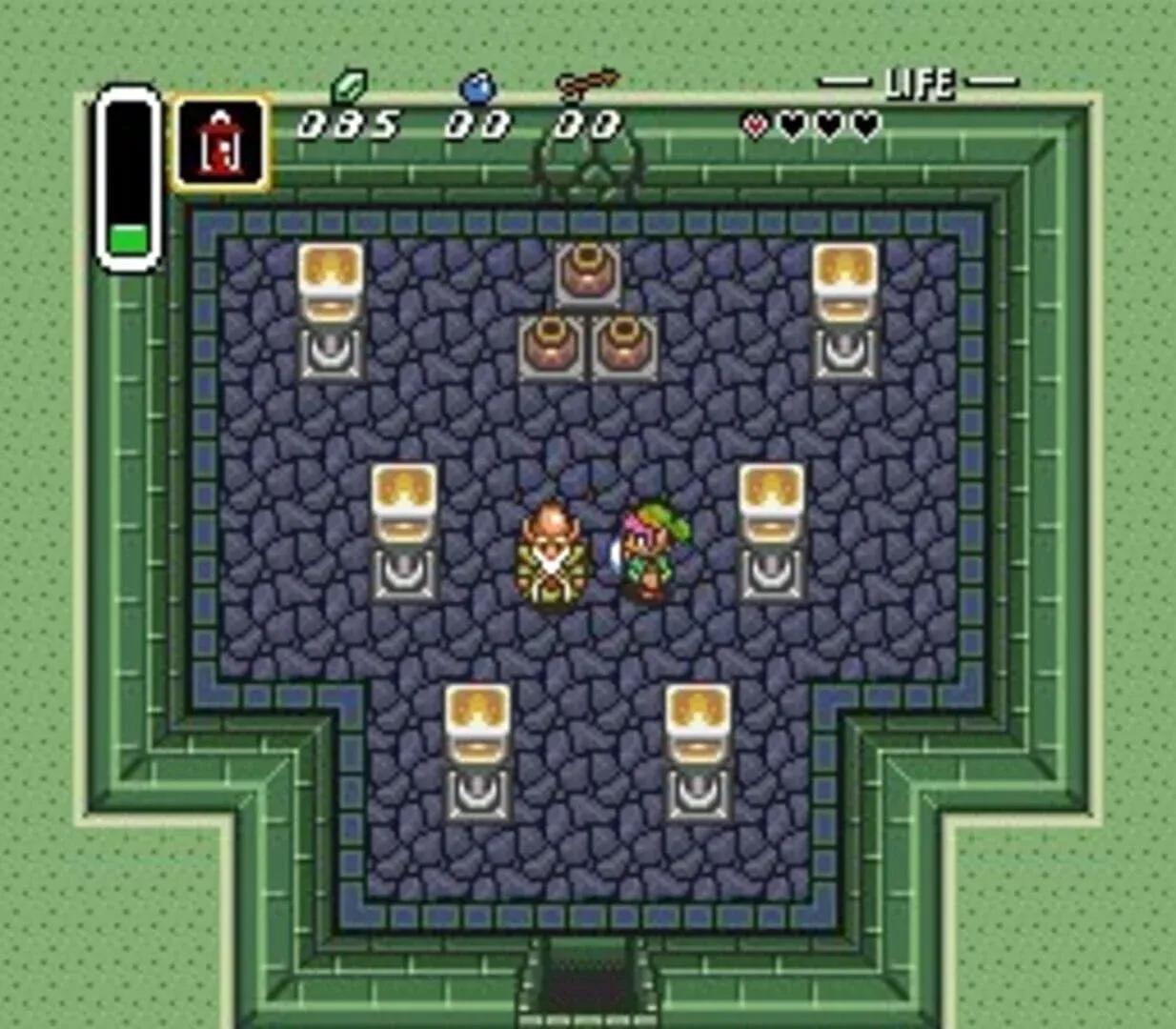
The core gameplay loop in A Link to the Past is built around exploration, item acquisition, and dungeon completion. Each dungeon introduces a key item that solves that dungeon's central puzzles and also opens up new areas of the overworld.
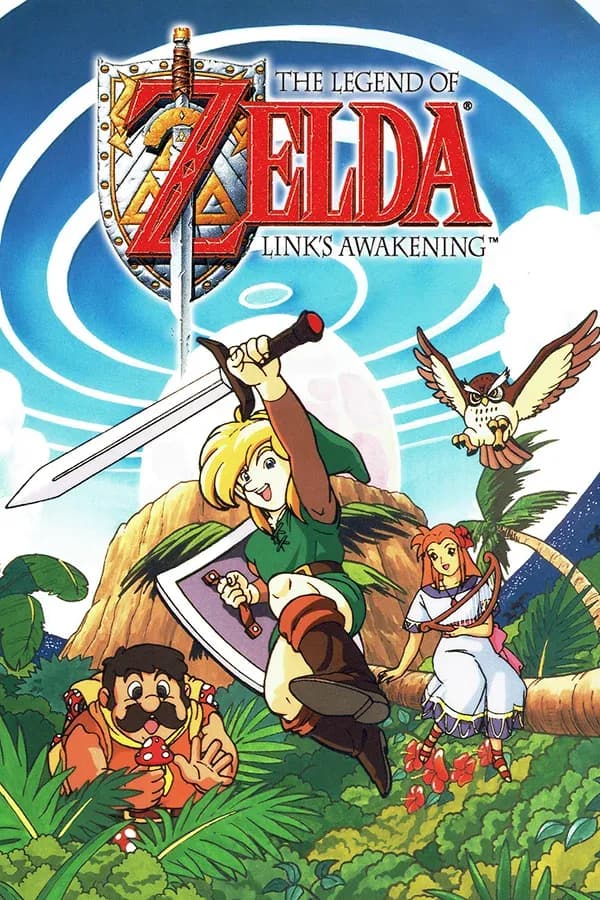
The Legend of Zelda: A Link to the Past content image
Key mechanics that define the experience:
- Hookshot for crossing gaps and pulling enemies
- Master Sword combat with directional spin attacks
- Magic Meter powering spells and special items
- Pegasus Boots for dashing and breaking barriers
- Mirror Shield for deflecting projectiles
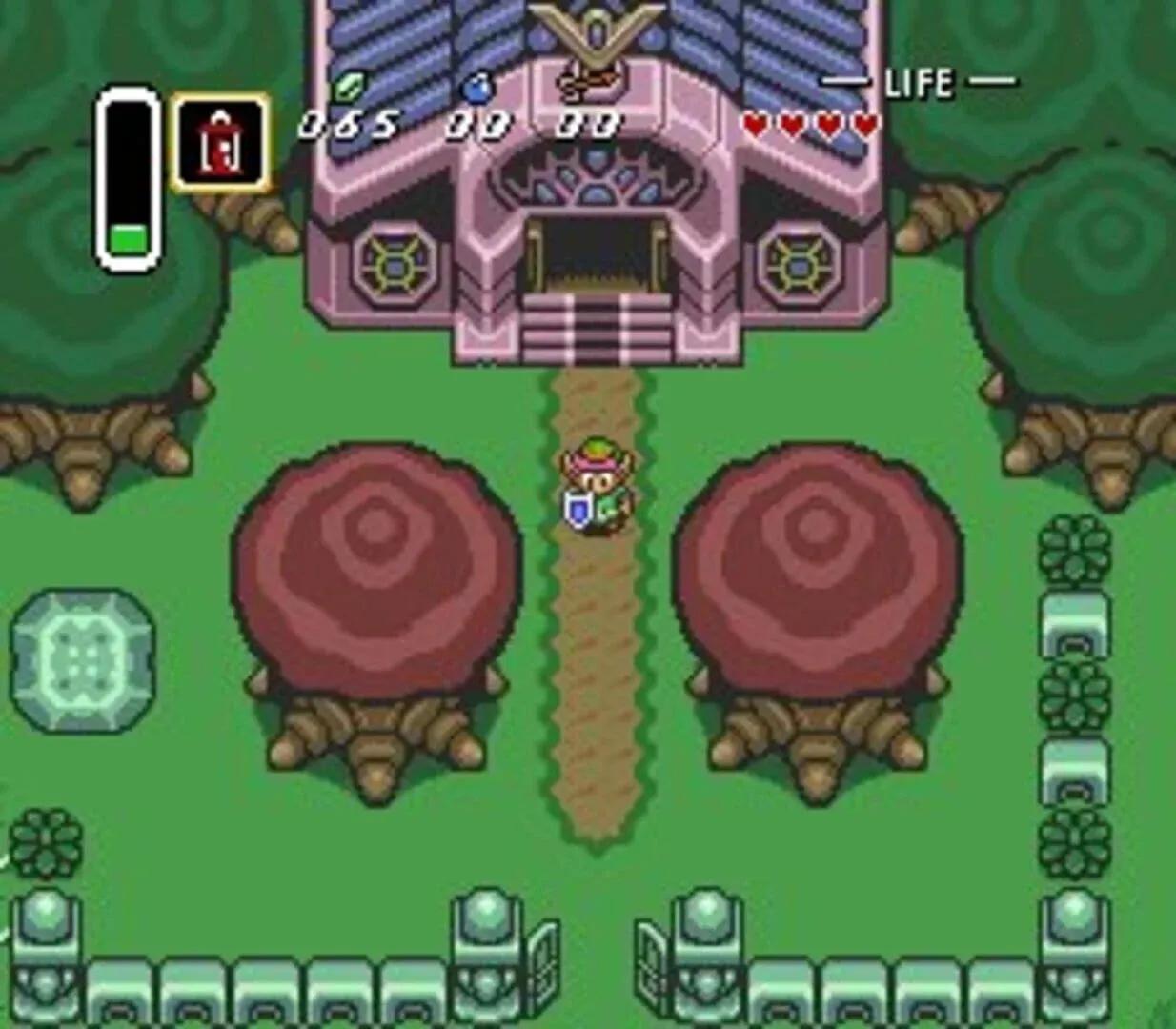
Controls map cleanly even by modern standards. Link can pick up and throw pots, push blocks, swim in rivers, and dash through tall grass. The game never explains all of this upfront, which means discovery feels earned rather than handed over in a tutorial.
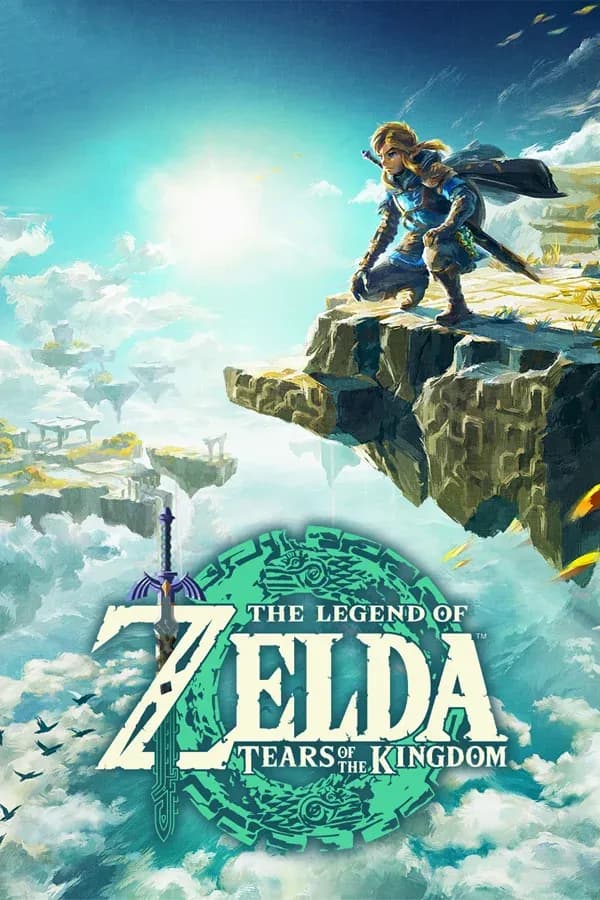
The Legend of Zelda: A Link to the Past content image
World and setting
Hyrule in A Link to the Past is small enough to feel knowable but dense enough to reward thorough exploration. The light world overworld contains forests, deserts, a mountain range, and a central castle town, each with distinct visual identities. The Dark World counterparts shift those familiar spaces into something grimmer: the peaceful forest becomes a maze of monsters, the village becomes a den of thieves.
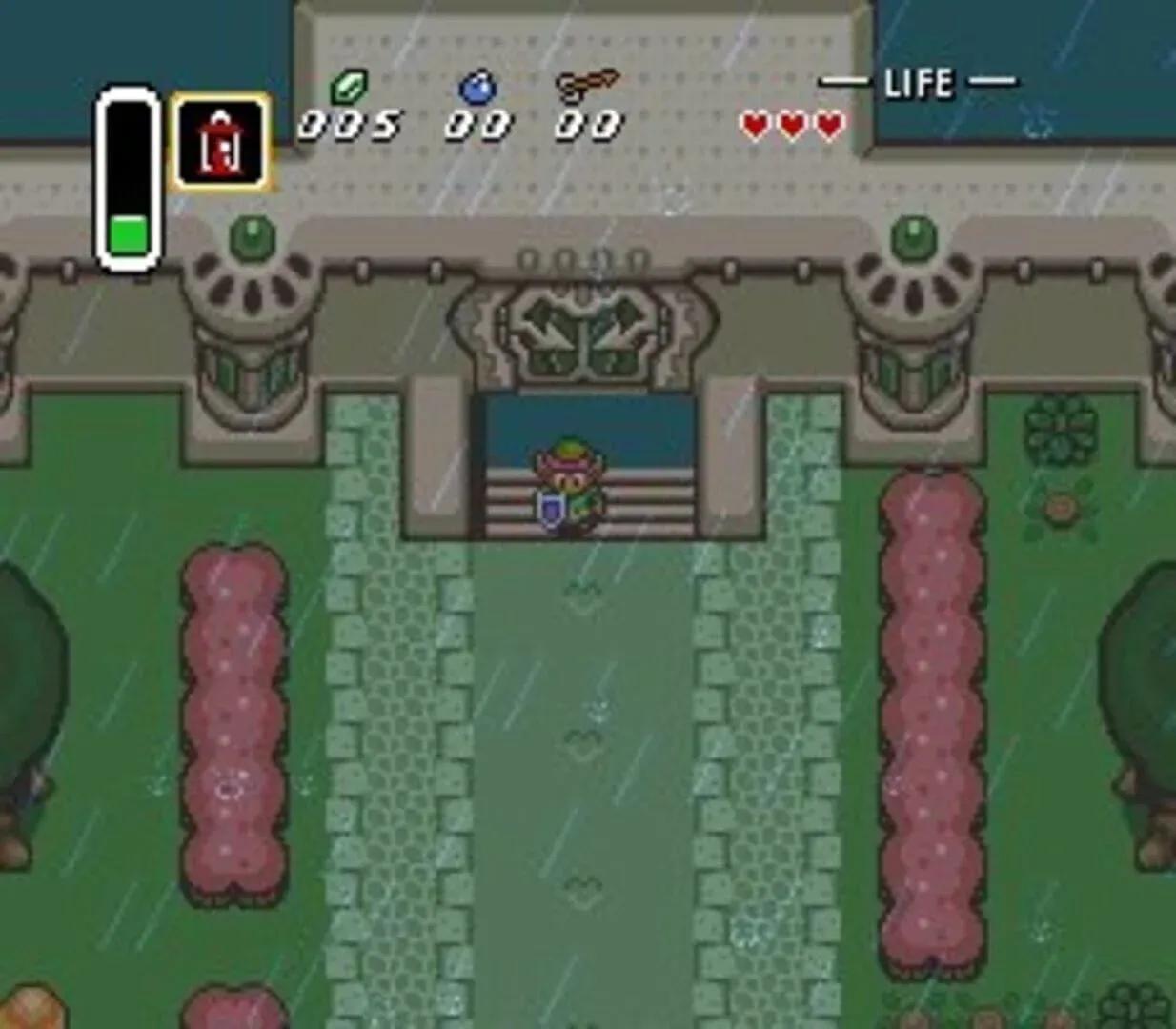
The story moves with real urgency. Agahnim's ritual is already underway when Link arrives, and the early game carries a genuine sense of being outmatched. The moment Link first crosses into the Dark World is still one of the most effective tonal shifts in the series.
Impact and legacy
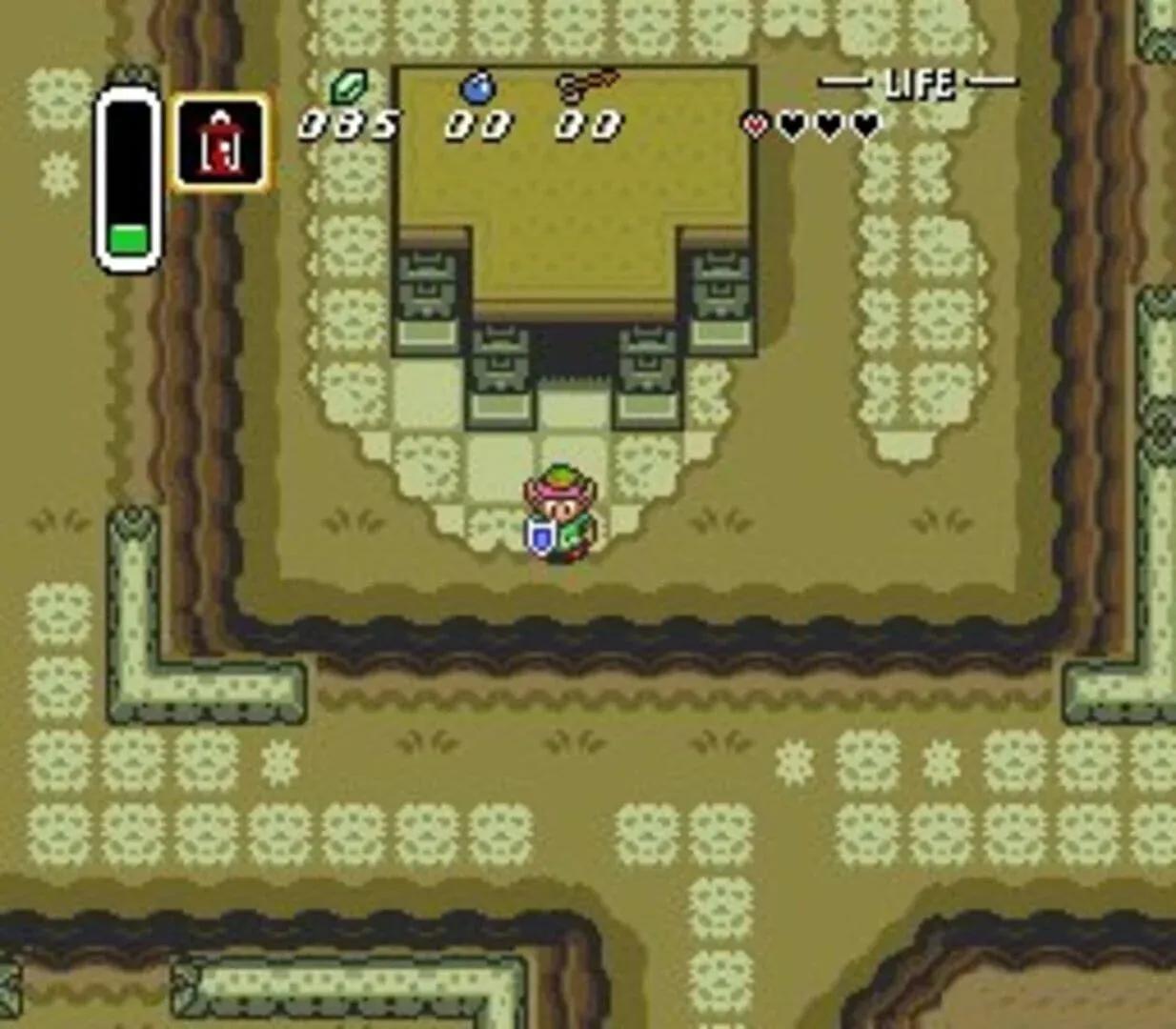
A Link to the Past established structural conventions that the Zelda series still follows. The three-dungeon opening act, the upgrade to a more powerful sword at the narrative midpoint, the final multi-stage boss encounter, all of these became series standards after 1991. Games like Alundra, Secret of Mana, and even the early Pokémon titles borrowed liberally from its dungeon design philosophy.
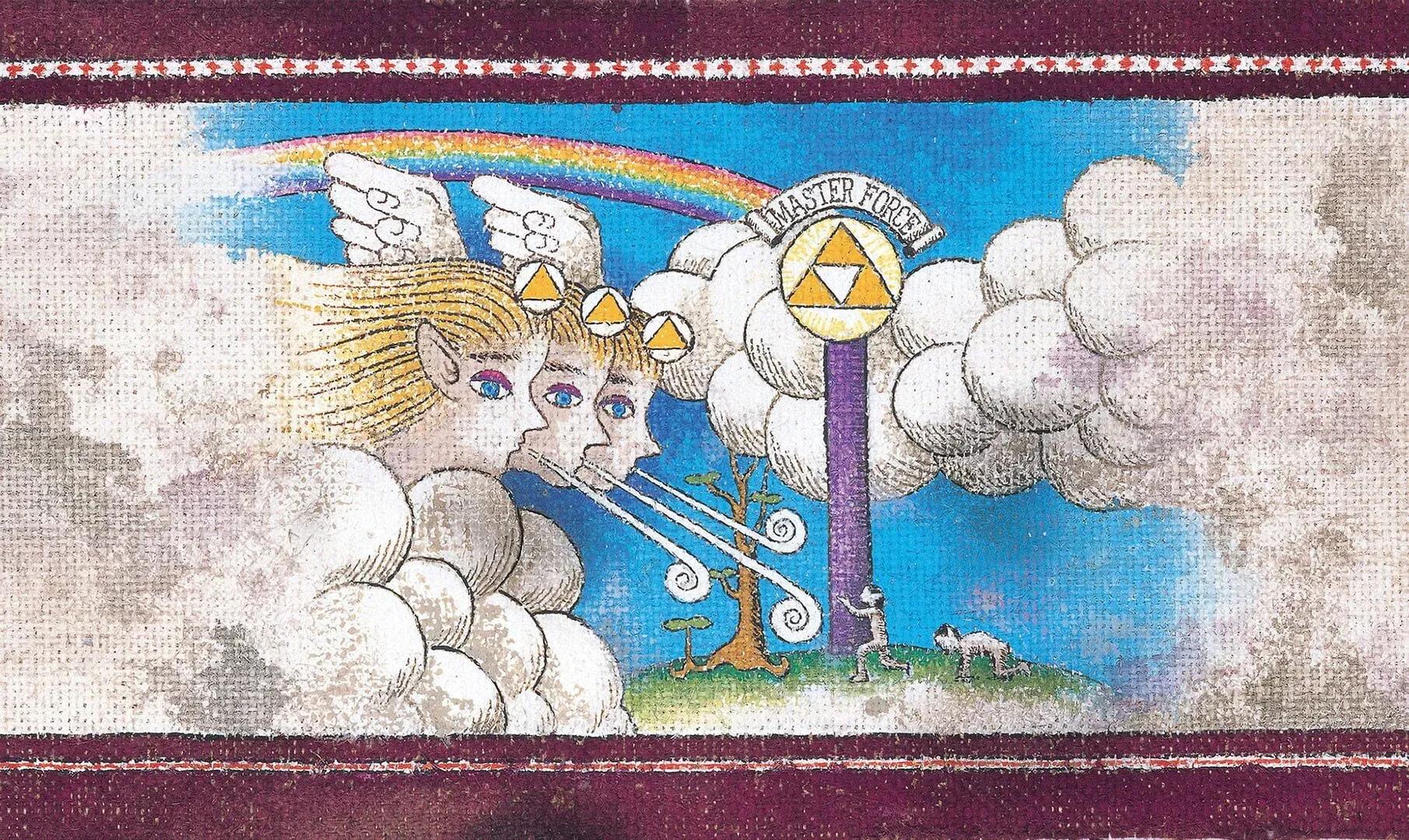
The Legend of Zelda: A Link to the Past content image
The game's influence on the top-down action-adventure genre is hard to overstate. Its balance of combat, puzzle-solving, and world traversal set a benchmark that developers referenced for years. Replaying it today, the pacing holds up with a precision that many modern games still fail to match.