
Advertisement


GAMES.GG Deals
Biggest discounts, free games, and limited-time offers across every major gaming store.
Never pay full price again.
Overview
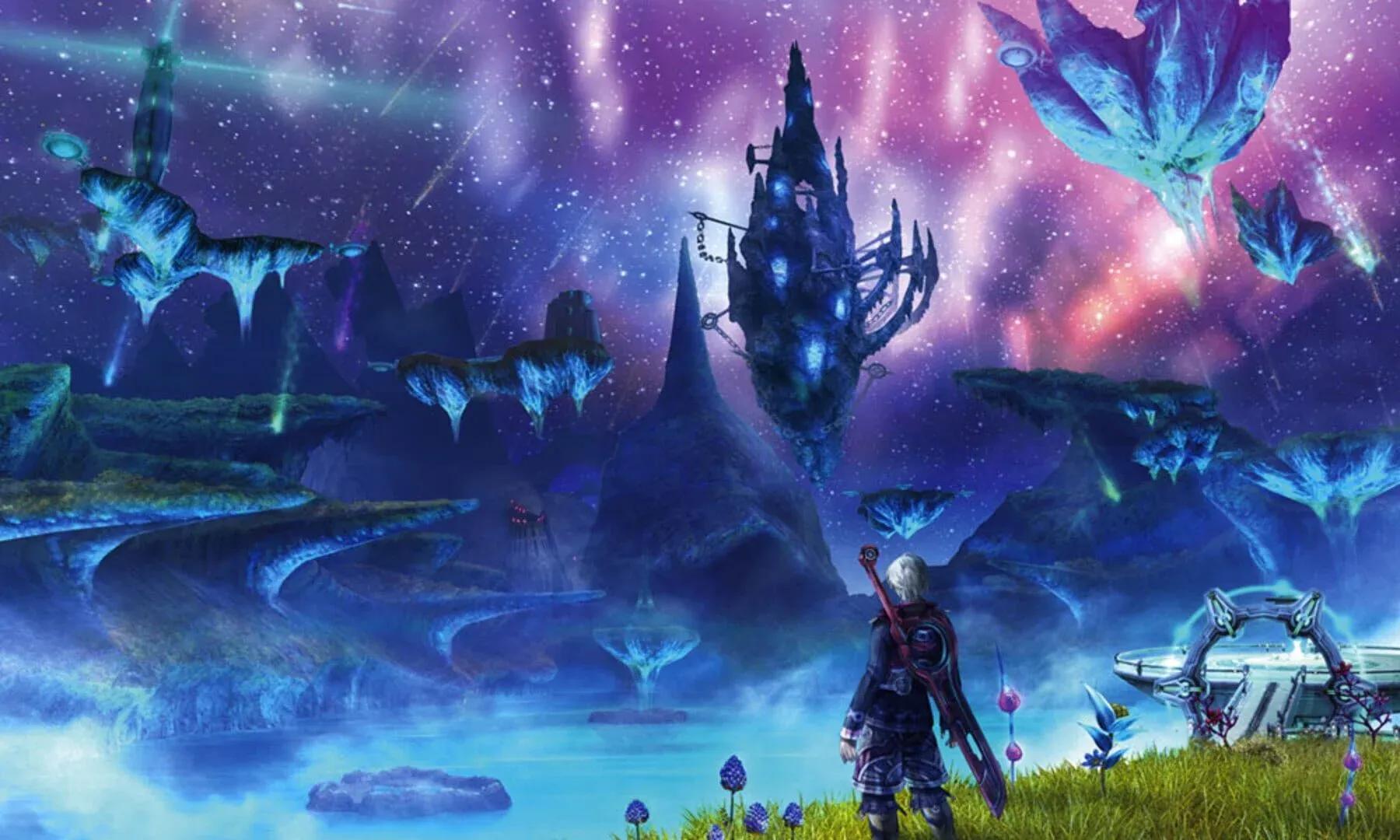
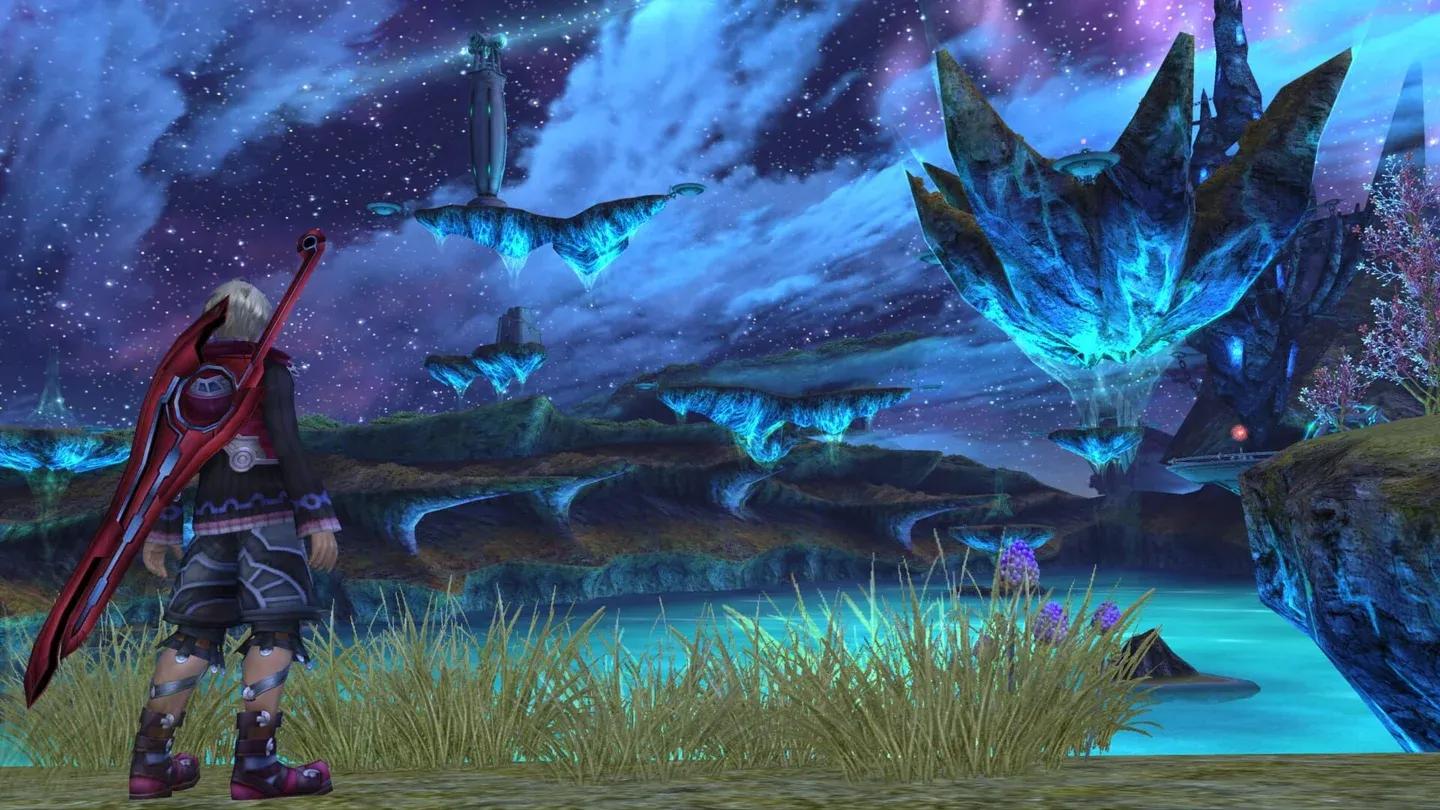
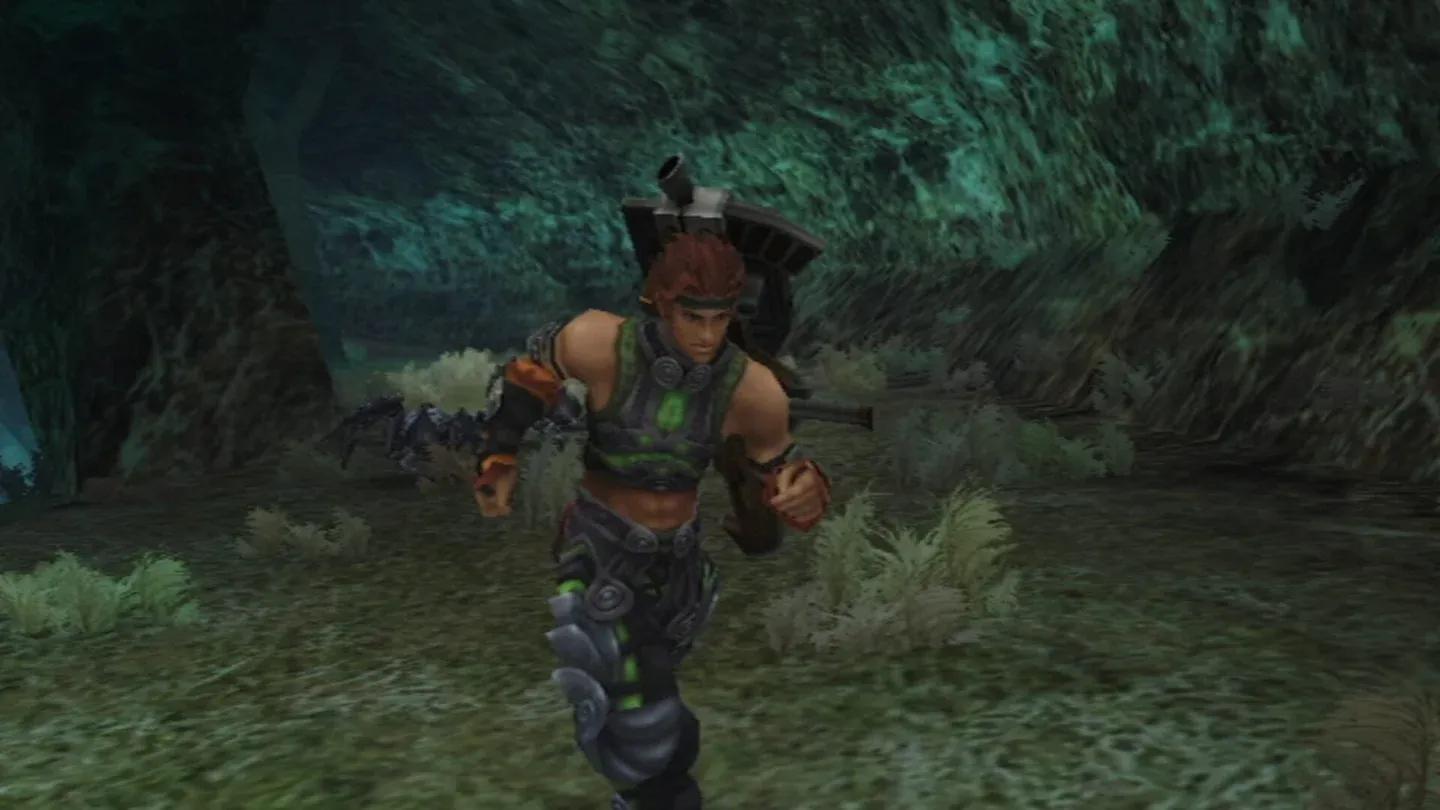
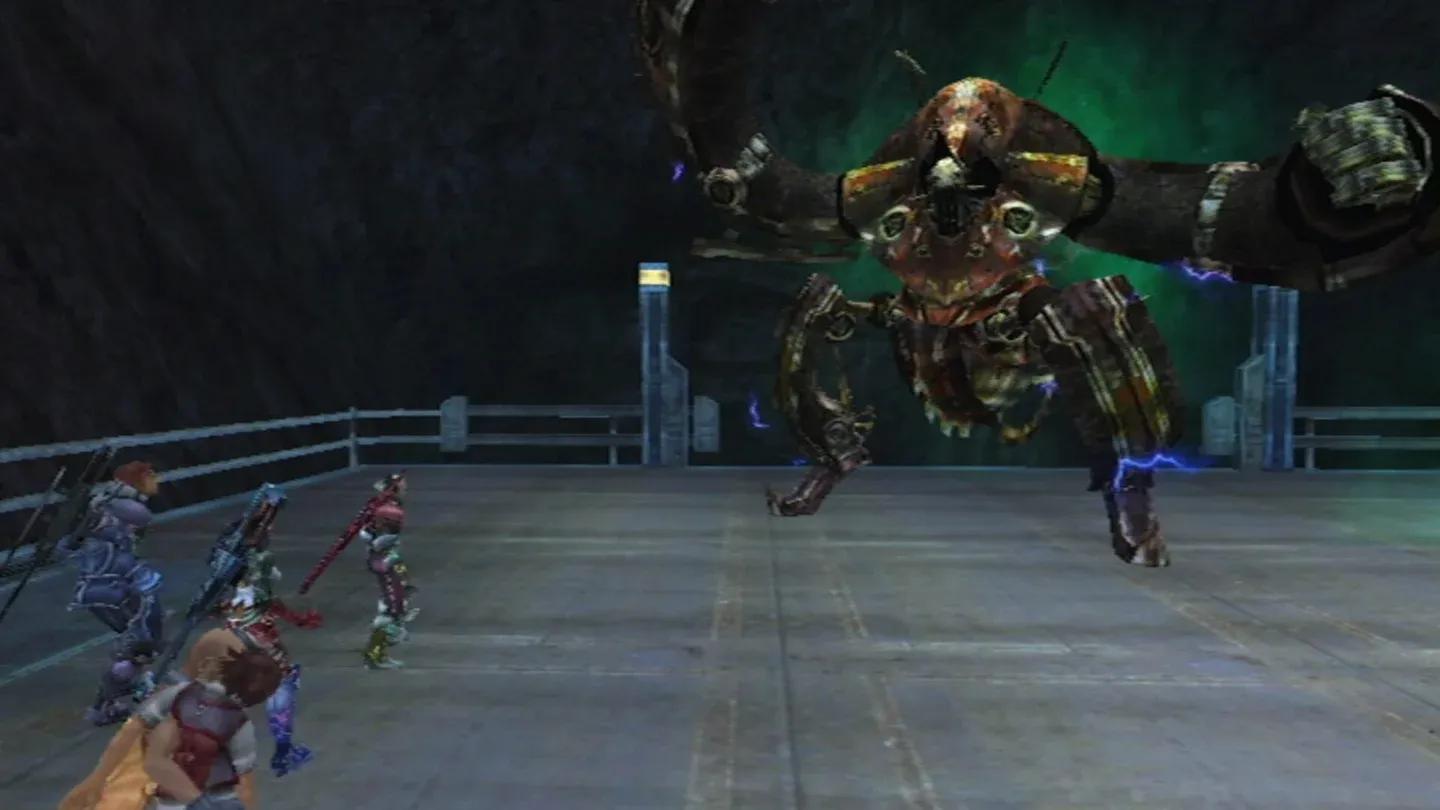
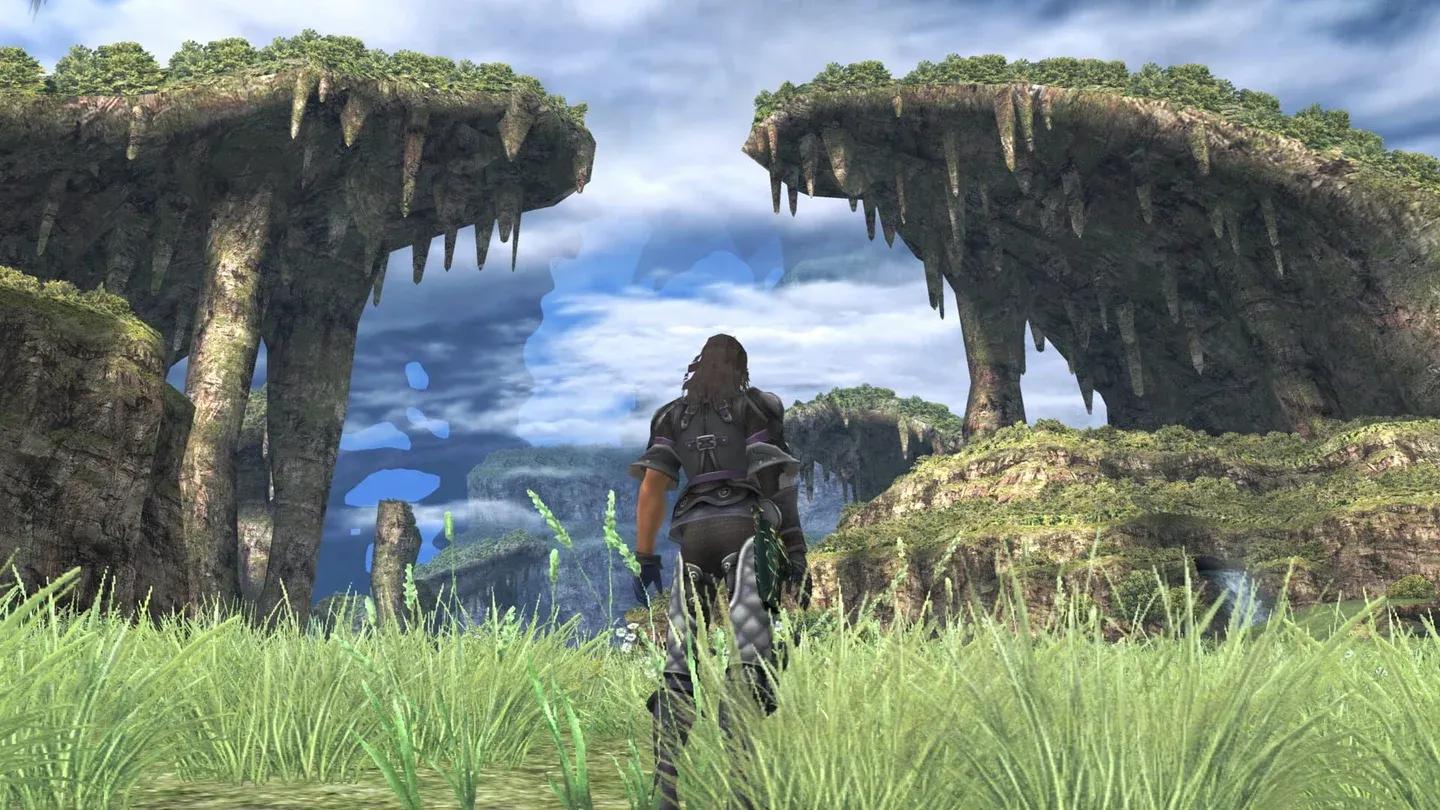
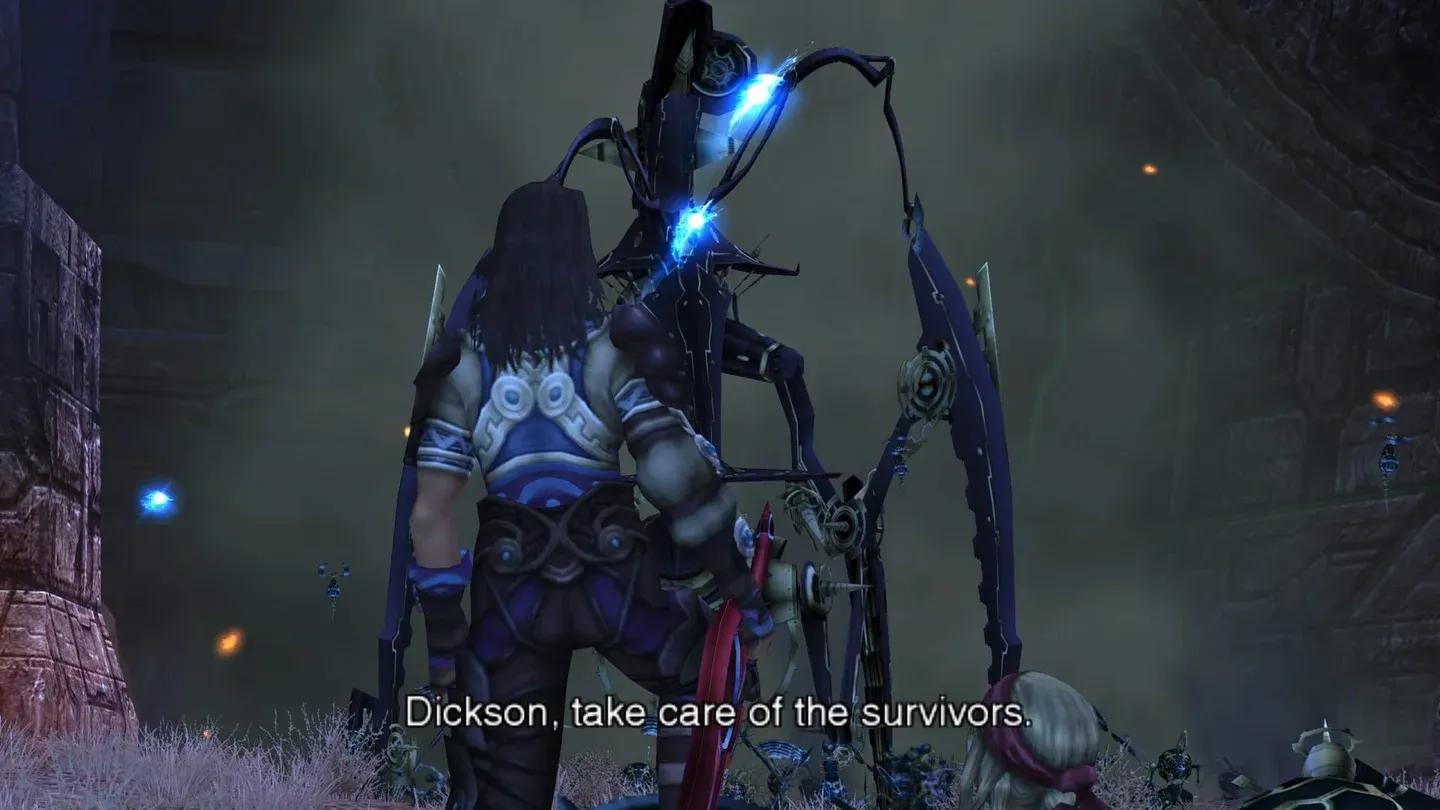
Xenoblade Chronicles drops players into a world unlike almost anything else in the JRPG genre: the entire setting takes place on the fossilized bodies of two enormous titans called the Bionis and the Mechonis. Shulk, a young researcher living on the Bionis, stumbles into possession of the Monado, a legendary sword with the power to cut through the mechanical Mechon enemies that have plagued his people. What starts as a revenge quest deepens into something far more ambitious, layering questions about fate, free will, and the nature of the world itself.
The story earns its reputation. Xenoblade Chronicles runs around 70 hours for a main playthrough, and the narrative sustains its momentum across that runtime better than most RPGs half its length. The writing trusts players to keep up, and the payoff for doing so is genuinely satisfying. Shulk's party grows to include seven playable characters, each with their own motivations and combat roles, and the relationships between them feel earned rather than forced.
Xenoblade Chronicles content image
Gameplay and mechanics
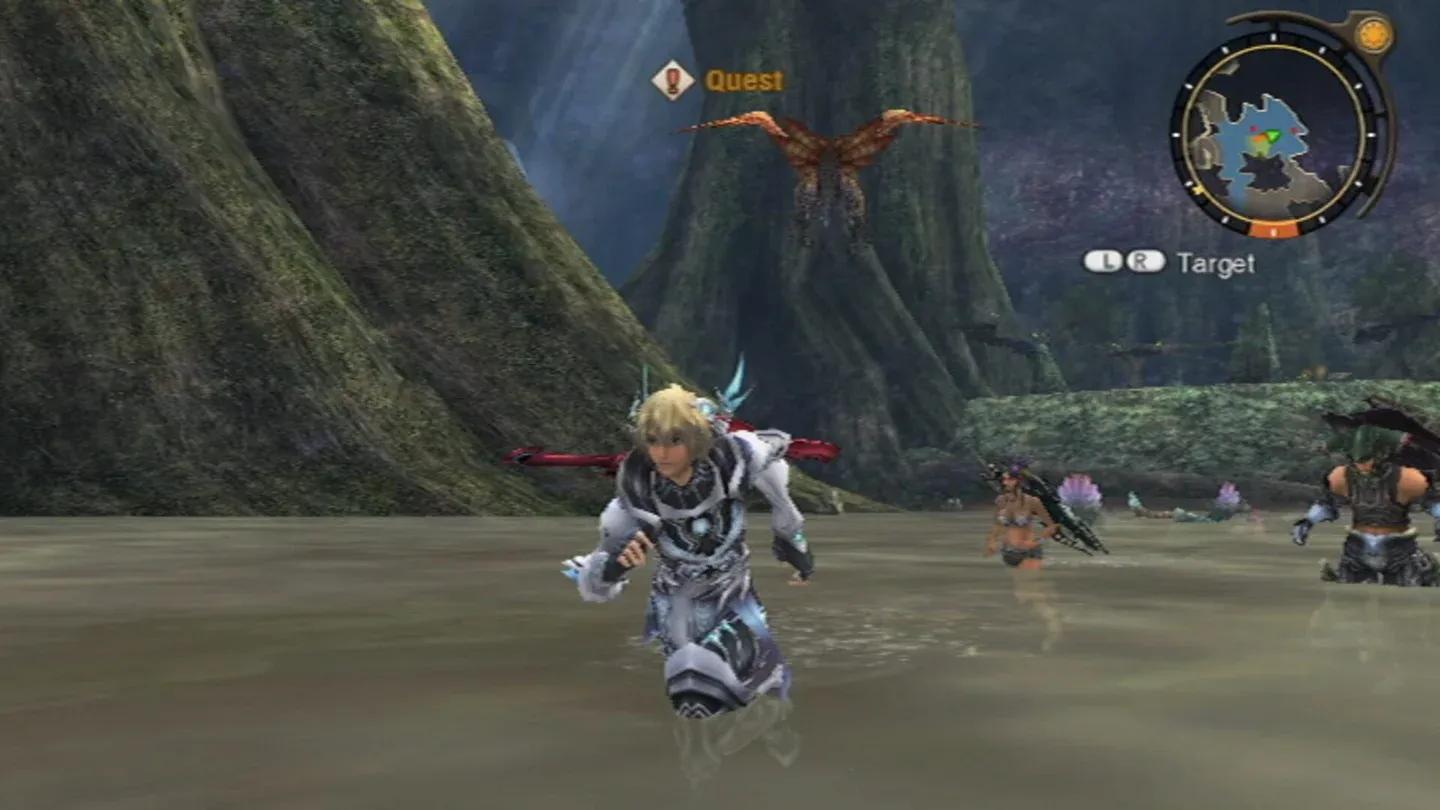
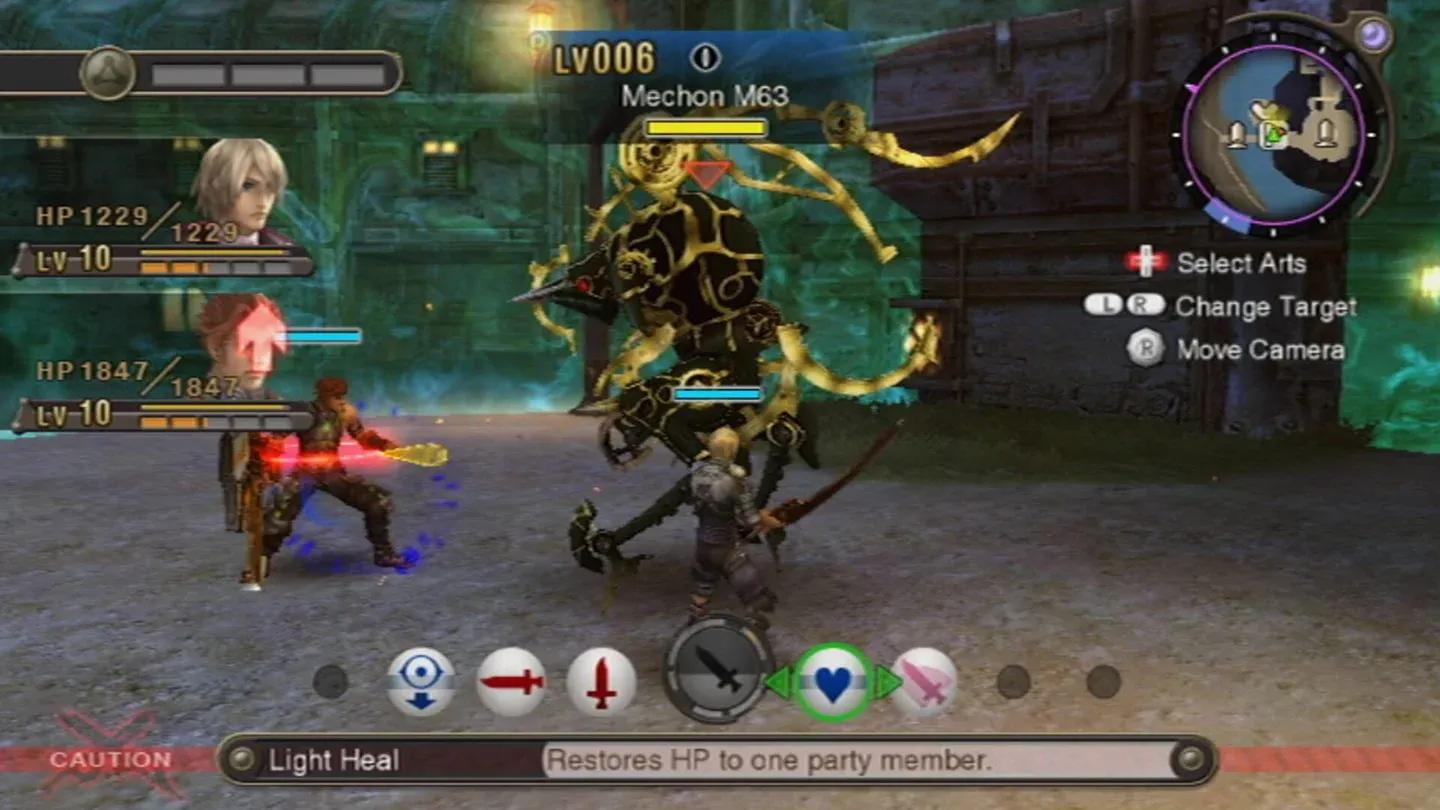
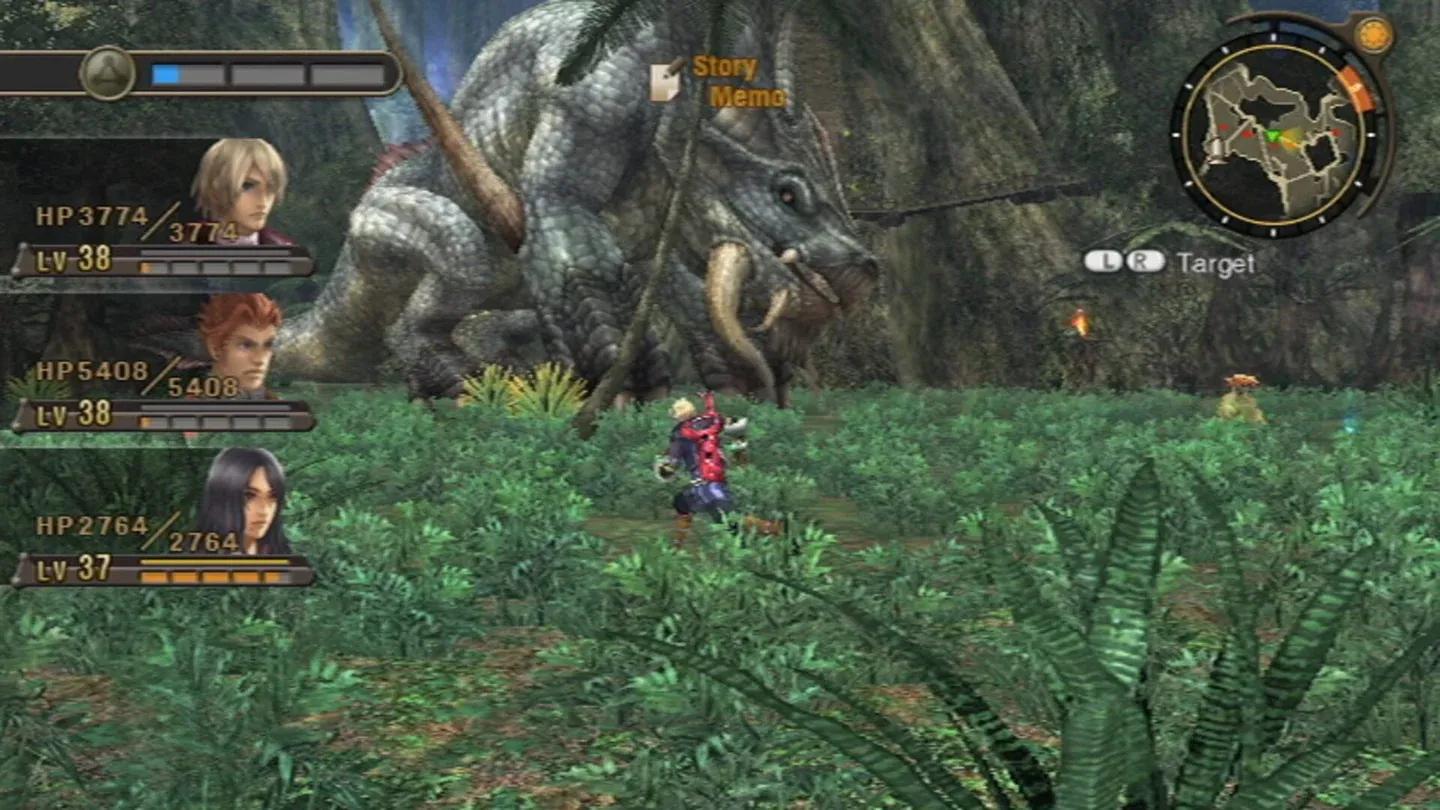
The combat system sits somewhere between real-time action and tactical RPG. Characters auto-attack when positioned near enemies, while players manually trigger Arts, which are special abilities that recharge on cooldowns rather than consuming resources. Positioning matters: flanking enemies deals bonus damage, and certain Arts only activate their secondary effects from specific angles. The system rewards attention without demanding the reflexes of a pure action game.
Xenoblade Chronicles content image
Key mechanics at a glance:
- Arts: cooldown-based special abilities
- Talent Art: a powerful move that charges through combat
- Party Gauge: shared resource enabling revivals and chain attacks
- Visions: Shulk's ability to foresee enemy attacks
- Affinity system: relationship-building between party members
The Visions mechanic deserves special mention. Shulk periodically sees flashes of future attacks before they land, giving players a window to reposition or use defensive Arts to prevent them. It ties the gameplay directly to the story's themes about fate and foreknowledge in a way that feels intentional rather than cosmetic.
World and setting
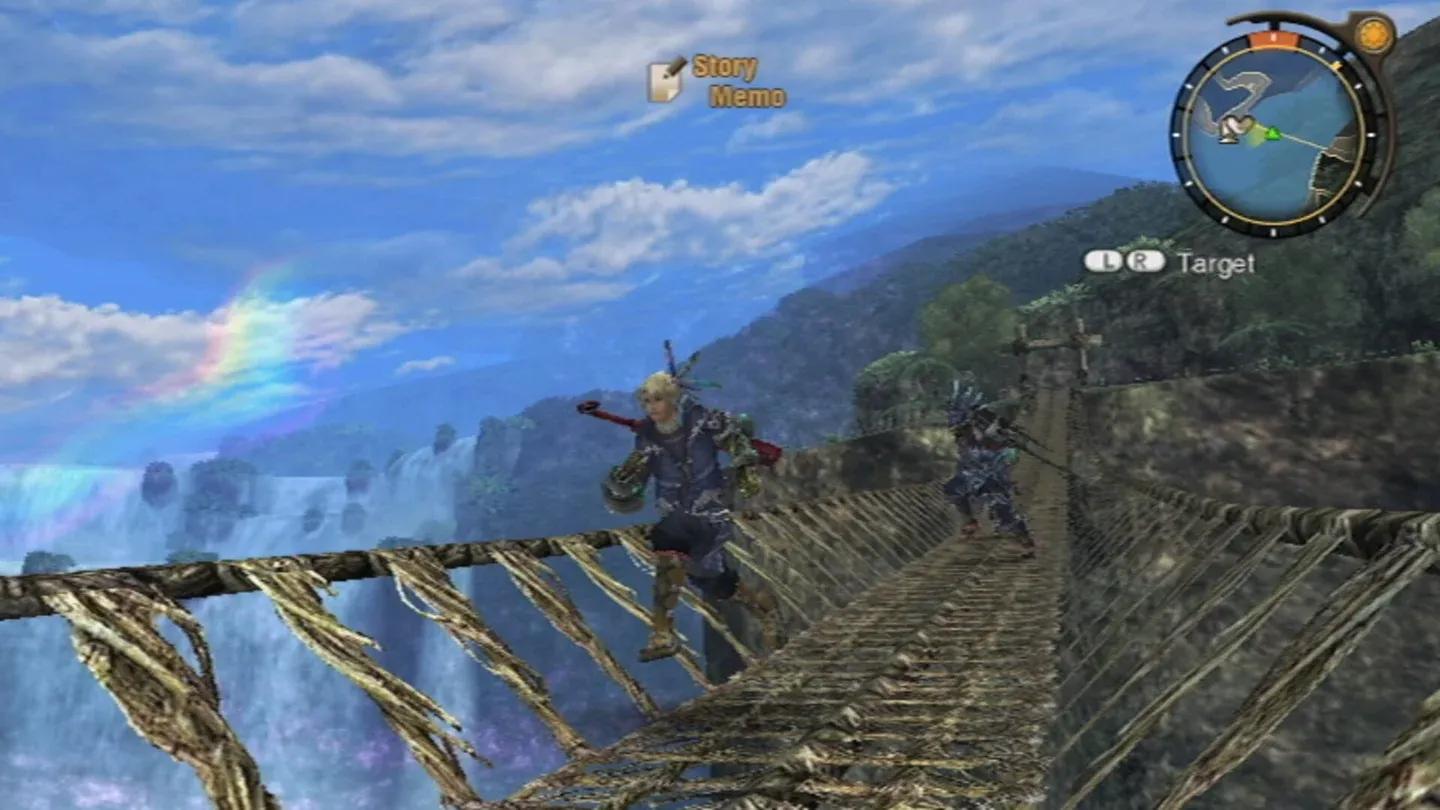
The scale of the world is the thing that sticks with you. Gaur Plain, one of the game's earliest open areas, was famous at launch for demonstrating just how large the environments were, and later regions only expand on that ambition. Each area has its own day-night cycle that affects enemy spawns and NPC schedules, and the world is packed with optional content including over 400 side quests, hidden collectibles, and unique enemies.
Xenoblade Chronicles content image
Exploration feels genuinely rewarding because the world is designed with vertical layers and hidden paths that pay off curiosity. Landmarks unlock fast travel points, and the Affinity Map system tracks relationships between NPCs across different colonies, which in turn unlocks new quests and story context. It is a lot of systems, but they fit together in a way that makes the world feel lived-in rather than mechanical.
Impact and legacy
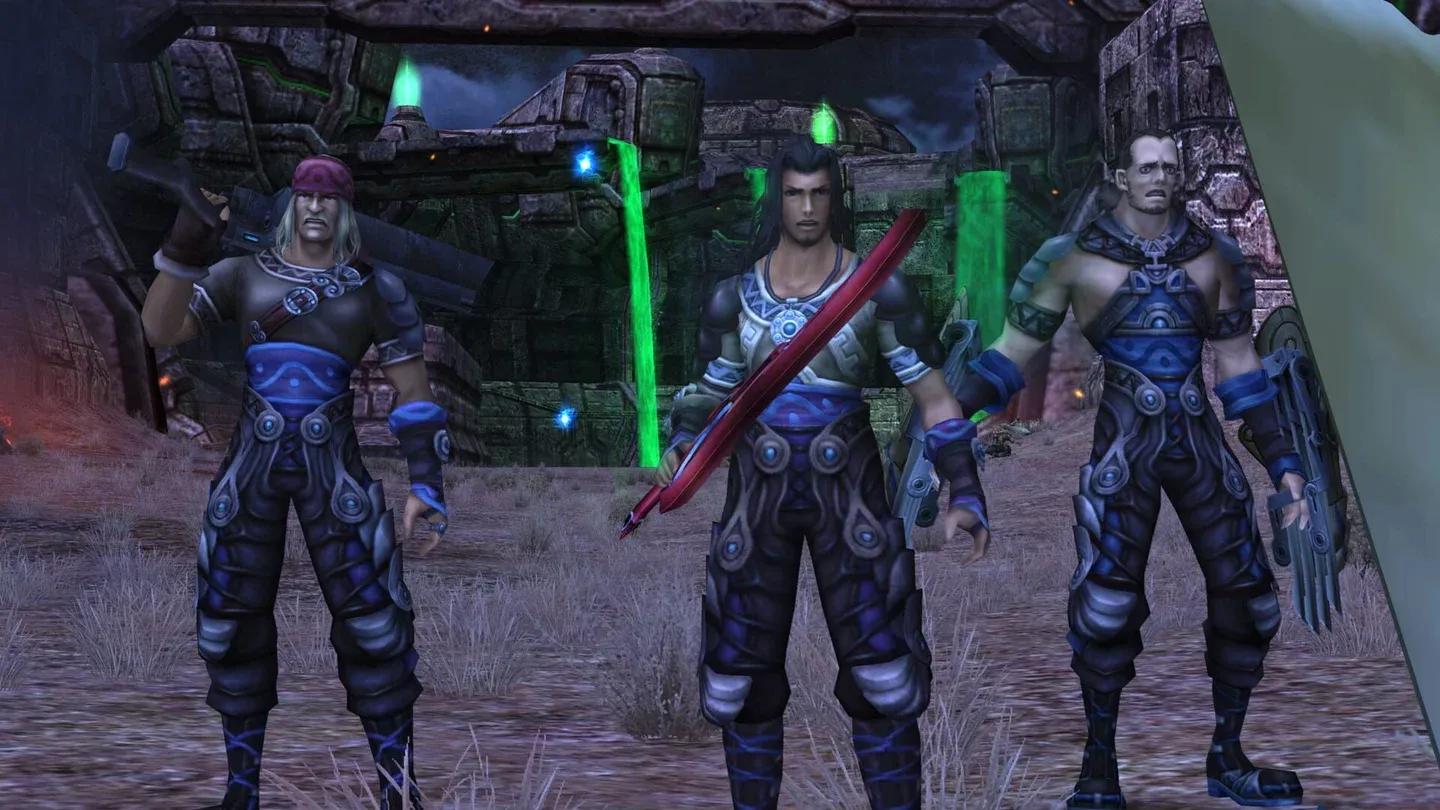
Xenoblade Chronicles landed at a moment when many critics had written off the JRPG genre as creatively exhausted, and its reception reflected how unexpected its quality was. The Definitive Edition released on Nintendo Switch in 2020 added a new epilogue chapter called Future Connected, visual and audio improvements, and quality-of-life changes that make it the definitive way to experience the game today. The series it spawned, including Xenoblade Chronicles 2 and Xenoblade Chronicles 3, built directly on its foundations, but the original still stands as the clearest expression of what Monolith Soft set out to achieve: an open-world JRPG with the scope of a Western RPG and the heart of classic Japanese storytelling.
Xenoblade Chronicles content image