Overview
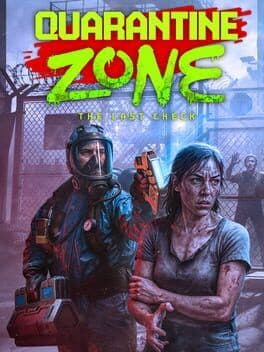
Airport Contraband is a roguelike simulation game developed and published by DRAGO entertainment for Windows through Steam. Players take charge of customs inspections at Caldora Airport, examining passengers and shipments for prohibited goods. The job combines investigative work with the authority to decide who passes through, including opportunities to deliberately help smugglers rather than stop them.
Caldora's central tension comes from giving the officer competing incentives. Correct decisions build trust, while cartel assignments offer another route to rewards. Finding hidden contraband becomes both an enforcement task and an opportunity for personal profit.
How do customs inspections work?
Airport Contraband's customs inspections combine document verification, passenger questioning, luggage searches, and cargo checks. The work extends beyond spotting an obviously suspicious suitcase:
- Verify travel documents
- Question arriving passengers
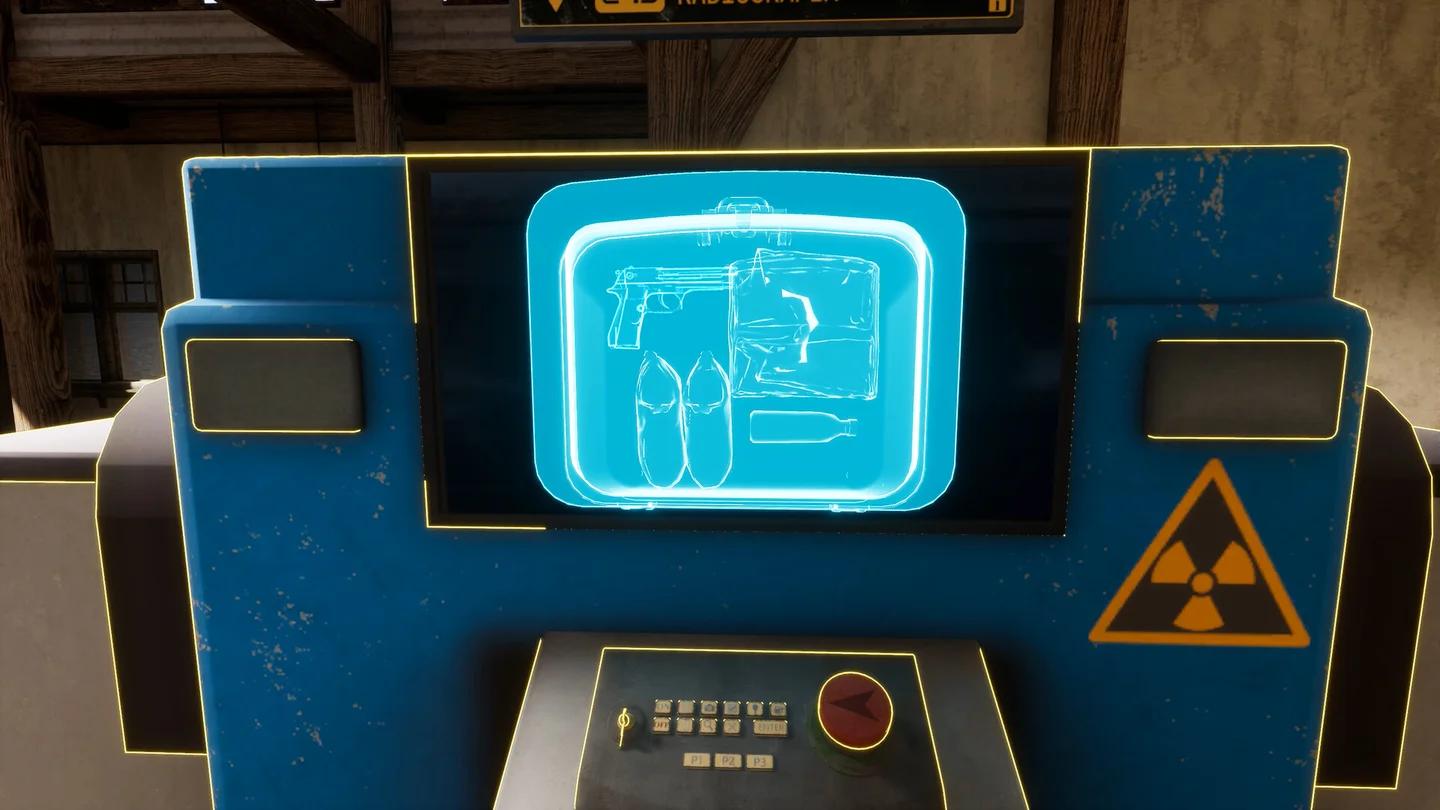
- Scan and search luggage
- Weigh and inspect cargo
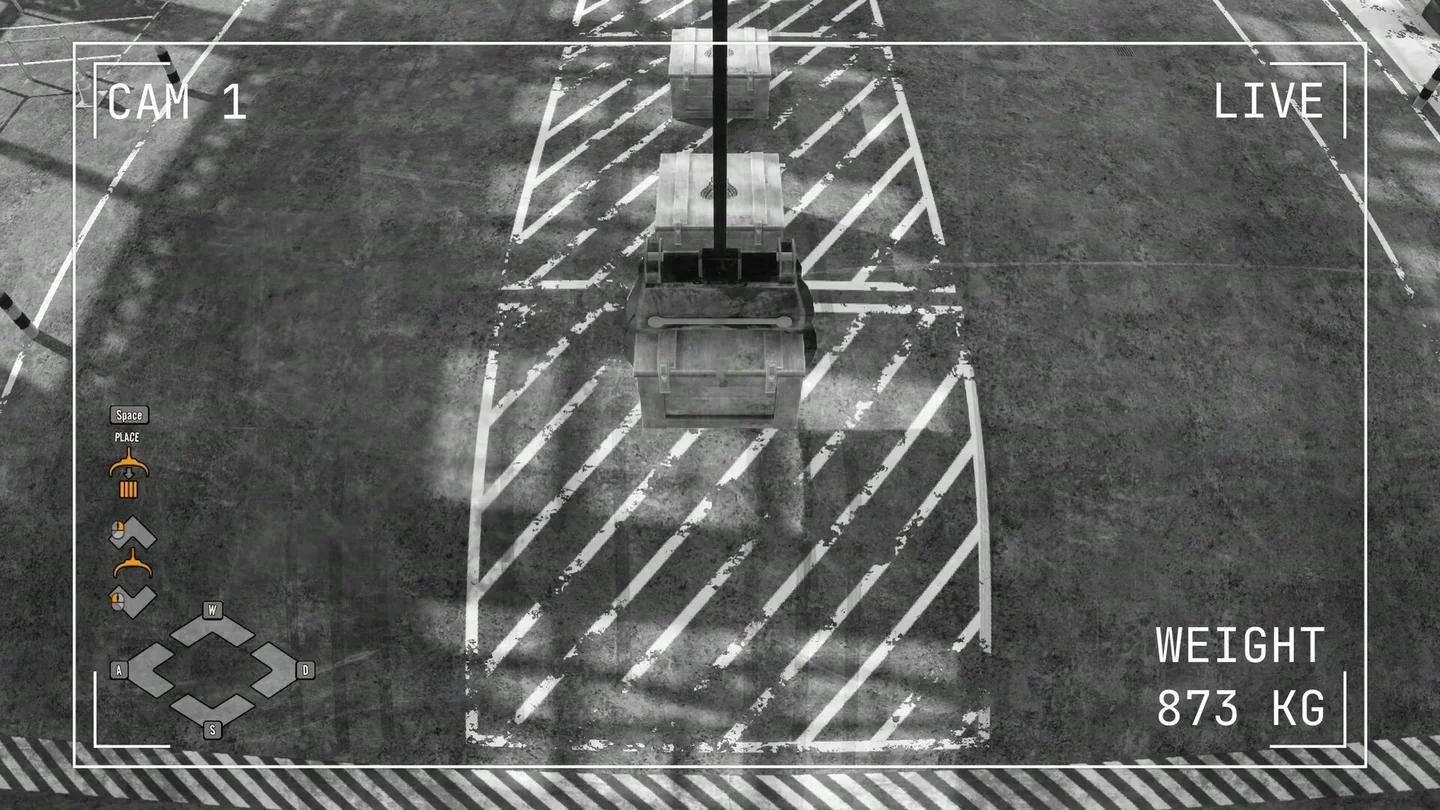
Pilots undergo inspections too. Officers compare cargo weight against the accompanying documents, checking whether the physical shipment supports its declared details. That gives paperwork a practical purpose: it provides information to test against the goods passing through the airport.
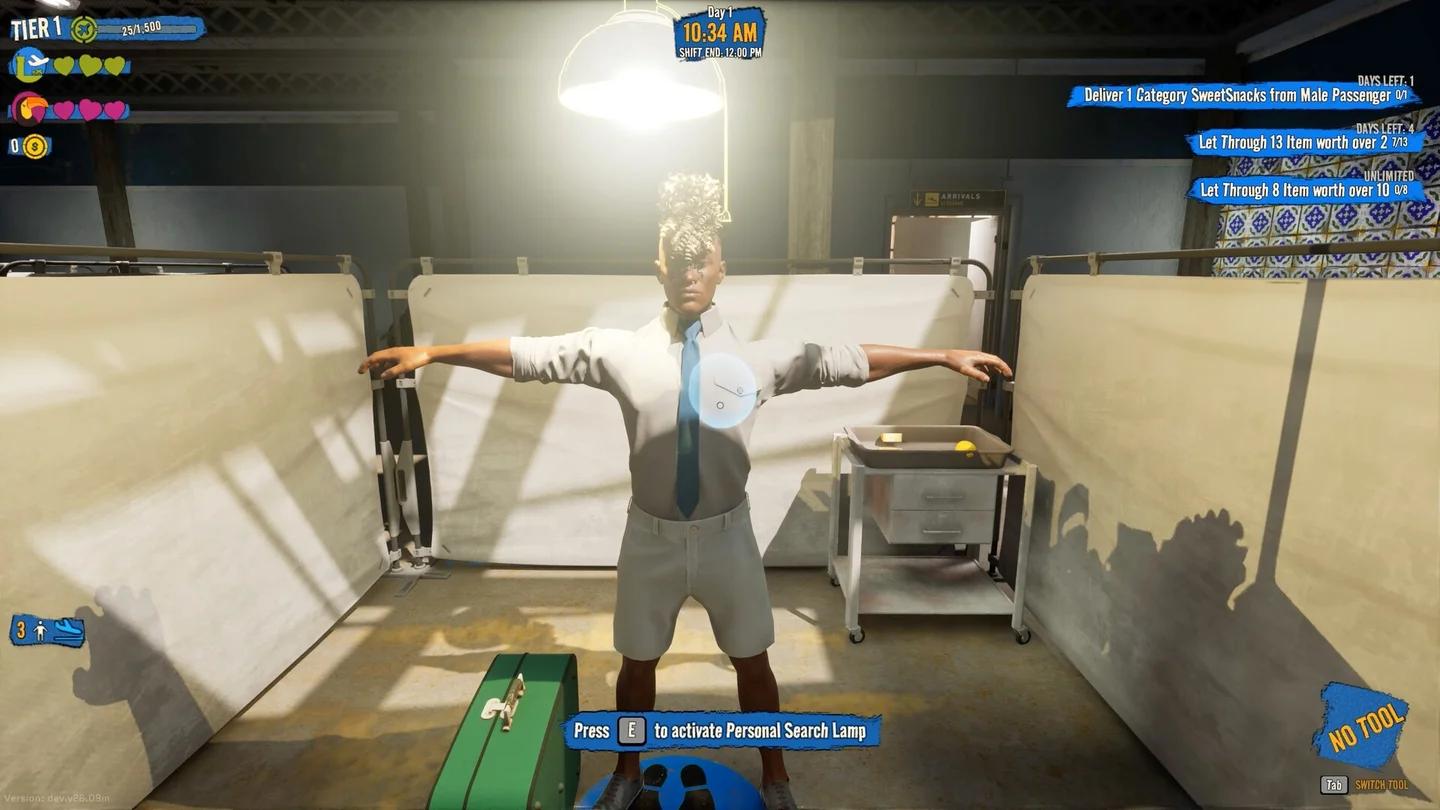
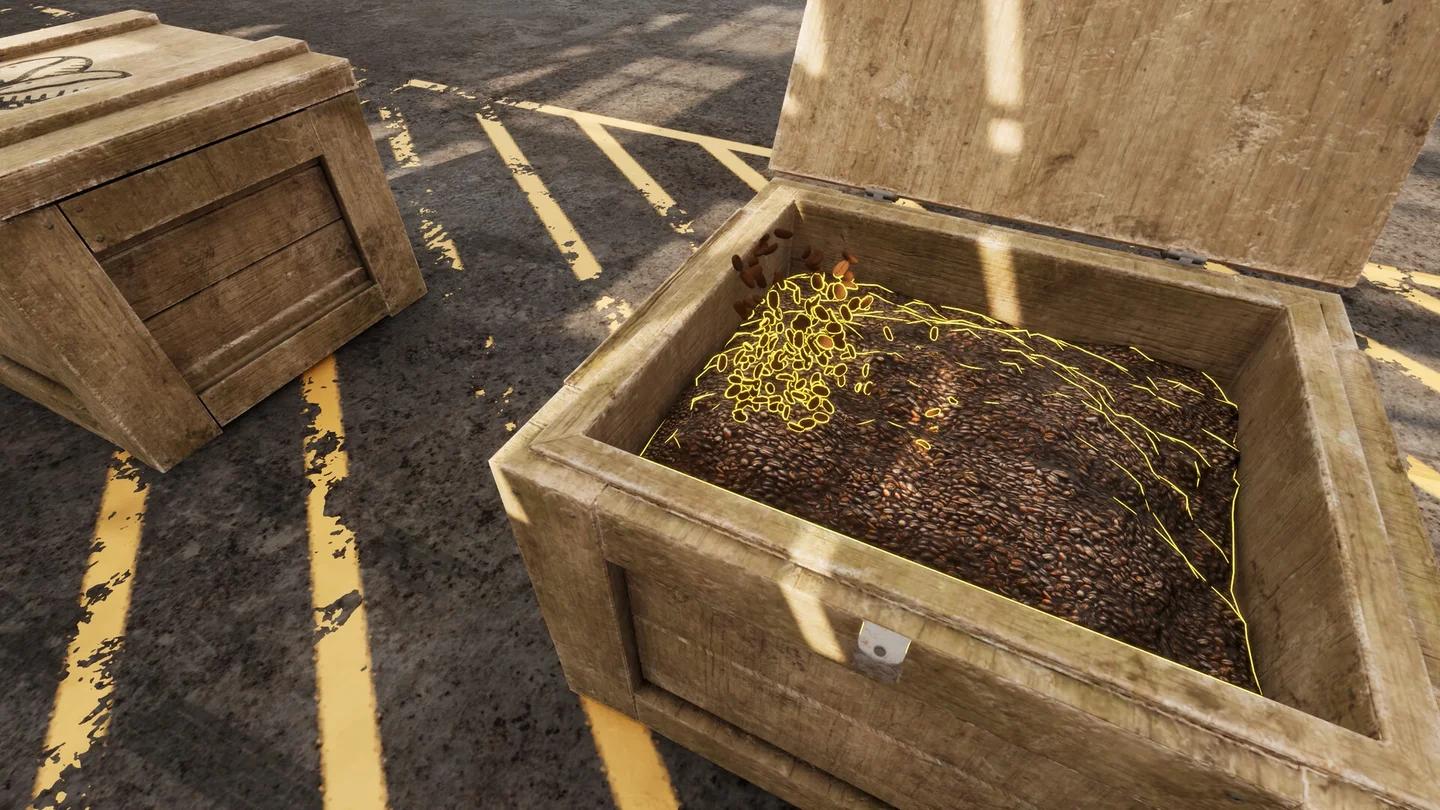
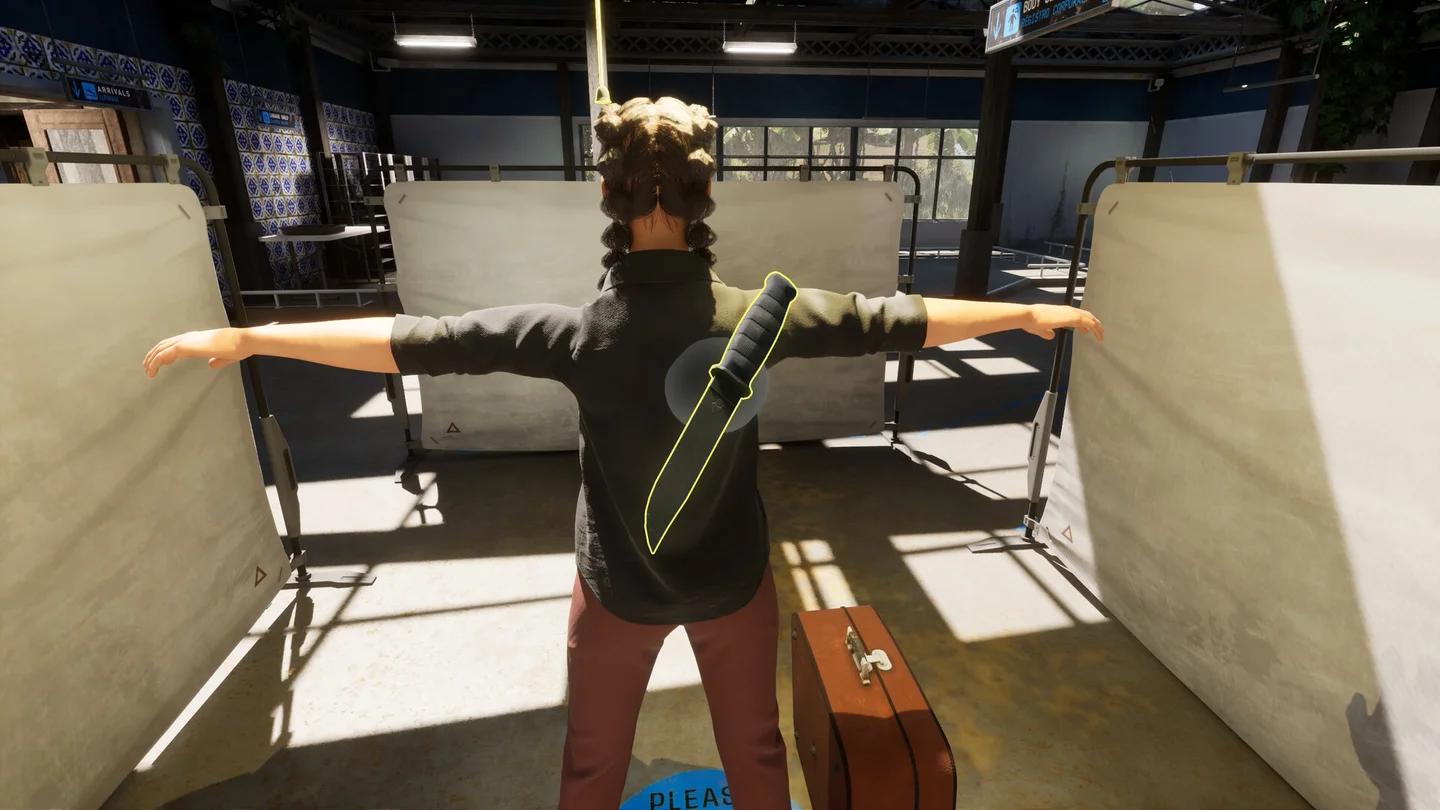
X-ray scans help locate concealed items, while chemical tests provide another investigative method. The equipment also includes UV lamps, knives, hammers, and crowbars. These tools give the customs simulation a physical side alongside its administrative checks, with searches reaching beyond whatever appears on a document.
Luggage inspection combines scanning equipment with hands-on searches.

Can officers work with the cartel?
Airport Contraband allows officers to cooperate with the local cartel instead of consistently enforcing customs rules. Corrupt actions include letting smugglers pass, allowing restricted goods through, and moving items off the record. Officers can even arrest innocent people. Corruption is therefore a set of actions within the customs job, rather than simply a background story about dishonest colleagues.
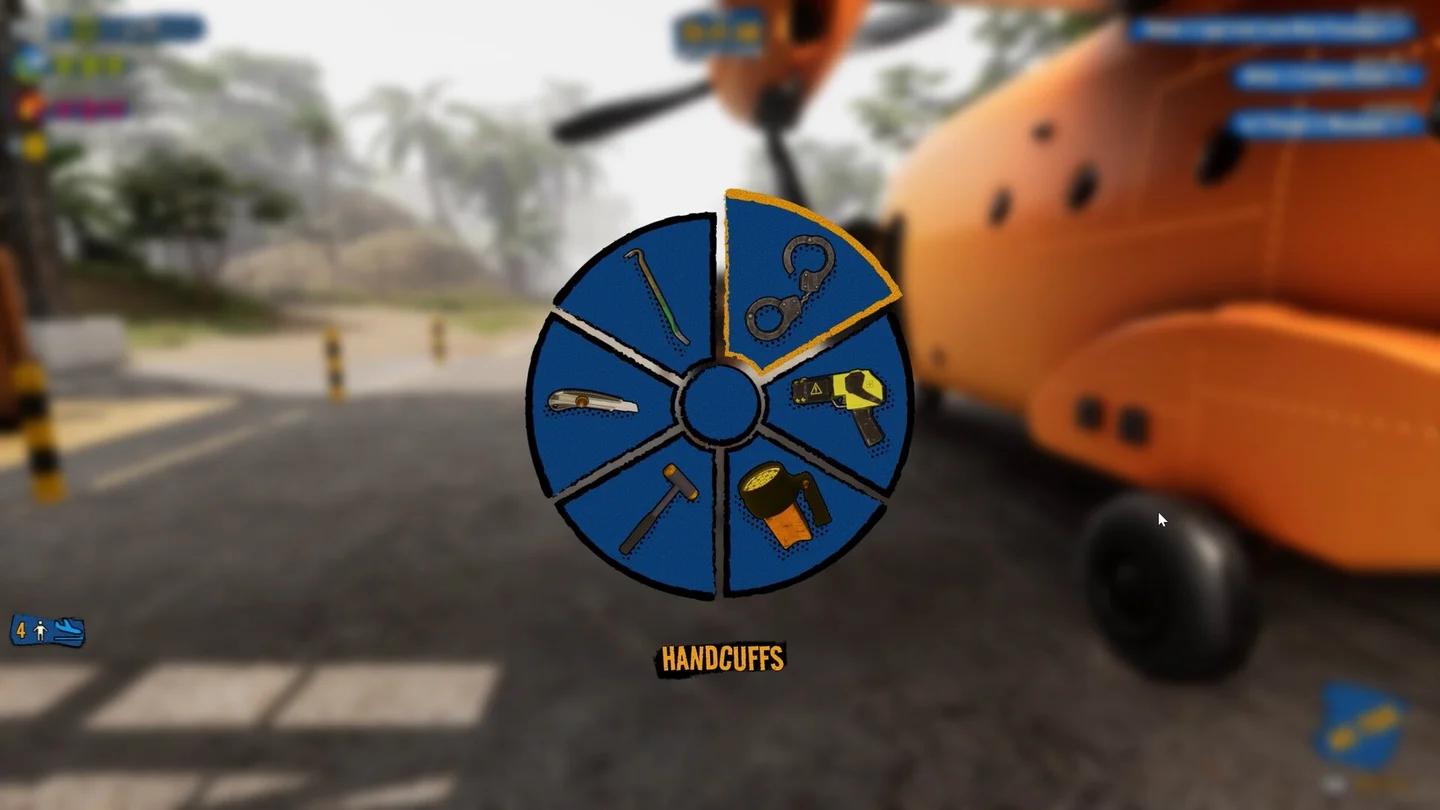
Cooperation is not guaranteed during legitimate enforcement either. Suspects can resist or attempt to escape, bringing the taser and handcuffs into play. Caldora's inspections can shift into direct intervention when a passenger refuses to comply, adding another responsibility beyond identifying illegal goods.
Tasers and handcuffs support arrests when suspects resist.
Roguelike progression across officers
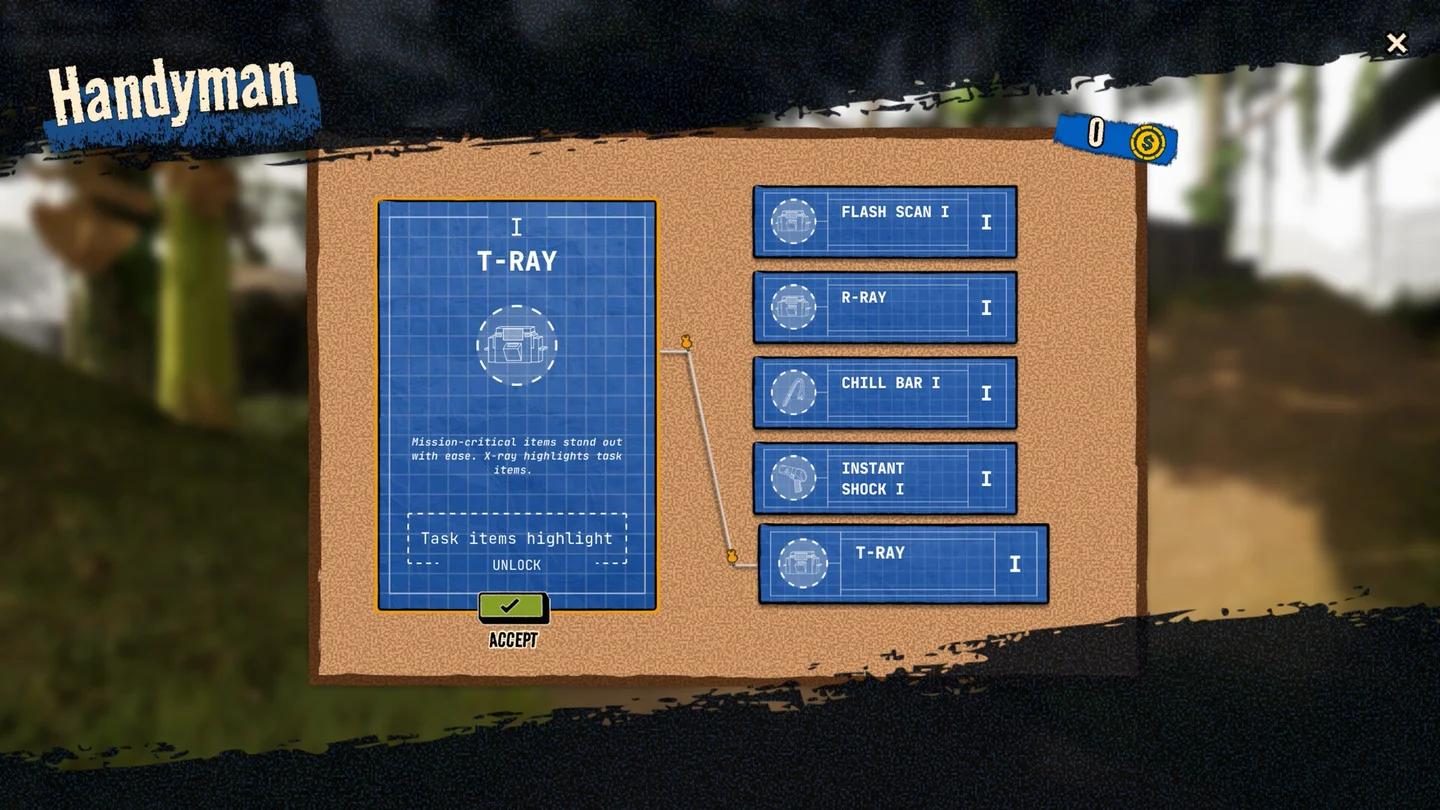
Airport Contraband connects its inspection work to persistent progression. Success earns rewards and upgrades that carry over to the next officer, giving accomplishments value beyond a single officer's tenure. Daily decisions still revolve around security procedures and risky cartel work, but those choices sit within a longer progression loop.
Persistent upgrades connect successive customs officers at Caldora Airport.
The roguelike structure gives Caldora's routine a different purpose than an isolated series of luggage checks. Later officers benefit from carried-over upgrades, while the central decision remains deliberately uncomfortable: use the available tools to uncover smuggling, or use the same authority to help it happen. That overlap between customs simulation and corruption gives the repeated inspections their identity.