
Biggest discounts, free games, and limited-time offers across every major gaming store.
Never pay full price again.
Overview
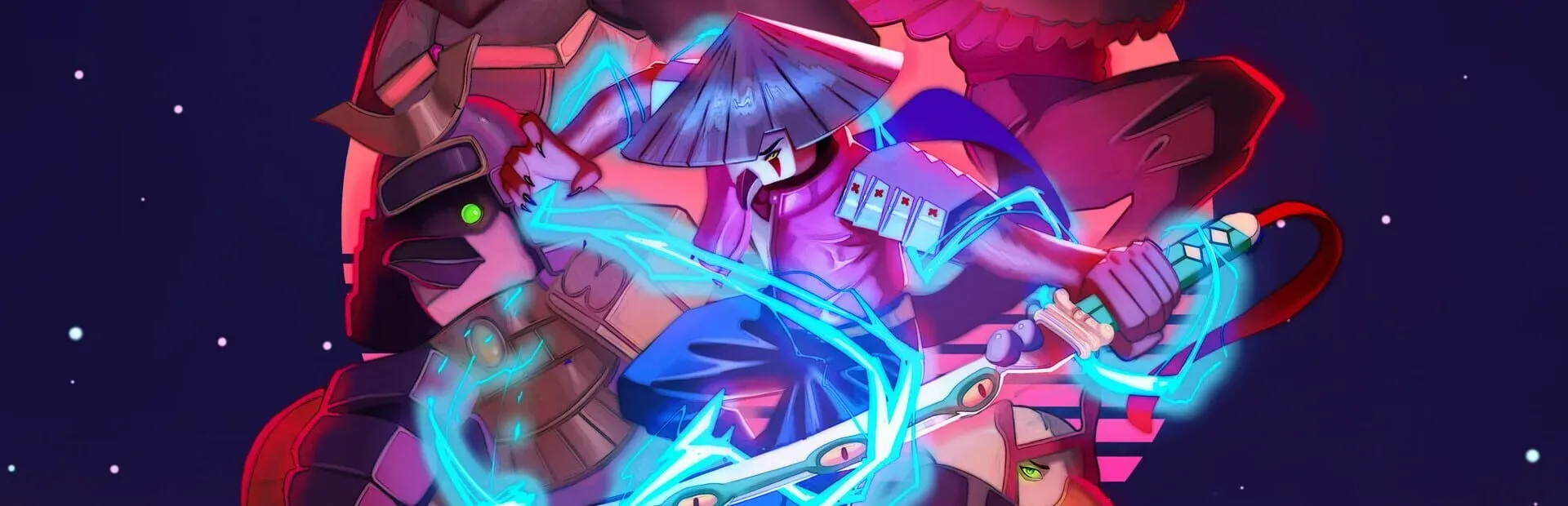
Atomic Owl is a side-scrolling roguelite platformer developed by Monster Theater and published by Eastasiasoft, released July 31, 2025 across PC, PlayStation 4, PlayStation 5, Xbox, Nintendo Switch, and Steam. The game blends hack-and-slash combat with classic platforming across 8 distinct roguelite zones, wrapping everything in a pixel art style that leans into retro aesthetics without feeling lazy about it. The mission is straightforward: save your friends and tear through Omega Wing's forces using whatever weapons and powerups the run hands you.
What makes Atomic Owl stand out in a crowded roguelite space is the demonic blade mechanic sitting at the center of its combat. It is not just another weapon pickup; it changes how you approach encounters and pushes you to play more aggressively. Pair that with a rotating selection of powerups and standard weapons, and no two runs feel identical.
The visual novel elements add a layer of narrative texture that most hack-and-slash roguelites skip entirely. Between the brawling and the platforming, there are story beats that give the chaos some weight and context.
Atomic Owl content image
Gameplay and mechanics
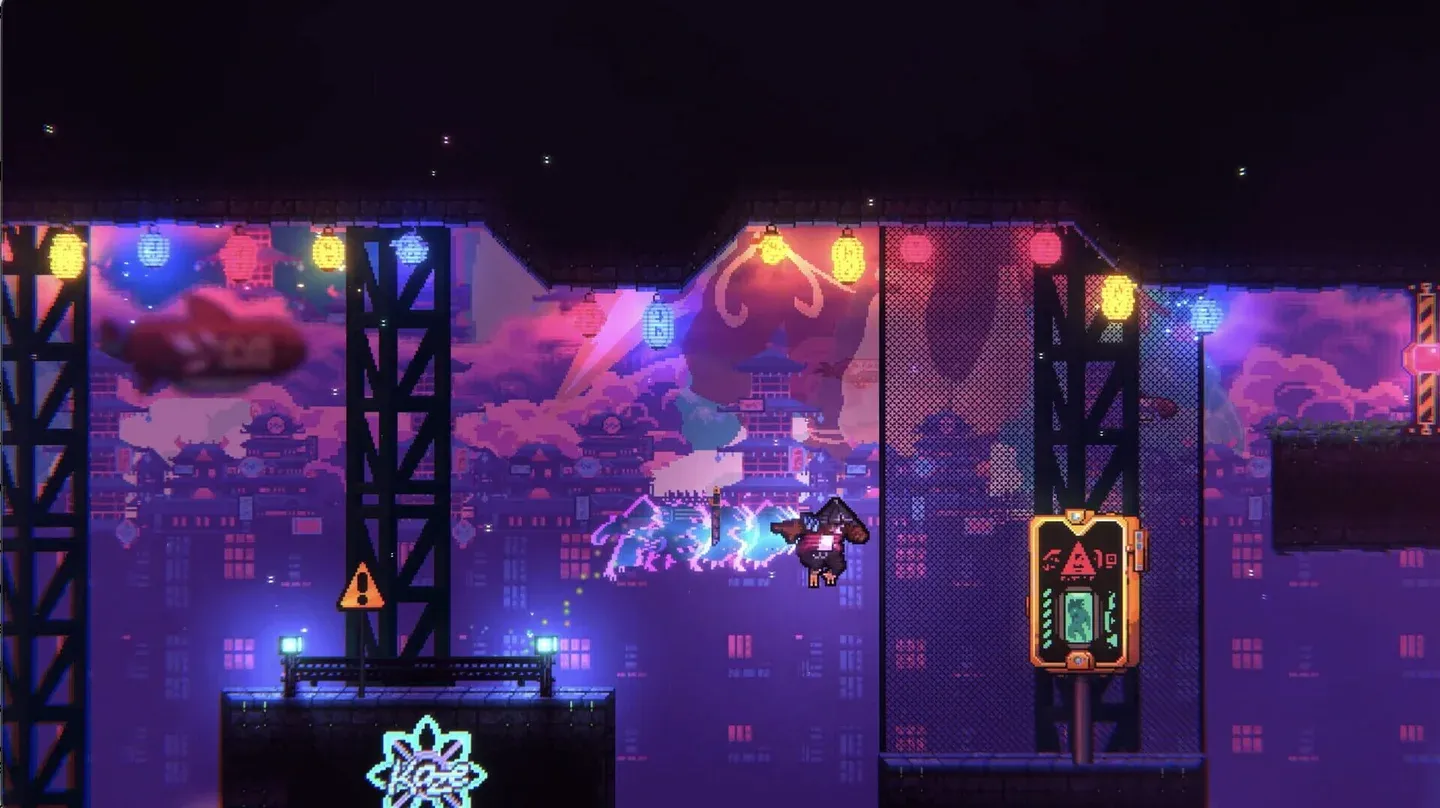
The core loop in Atomic Owl follows the roguelite formula closely: run through procedurally varied zones, pick up weapons and powerups, fight through enemies, and try to push deeper than your last attempt. The hack-and-slash combat handles well for a pixel art indie, with enough variety in the weapon pool to keep the moment-to-moment action feeling fresh.
Key mechanics at a glance:
- Demonic blade with distinct combat properties
- Multiple weapon types across runs
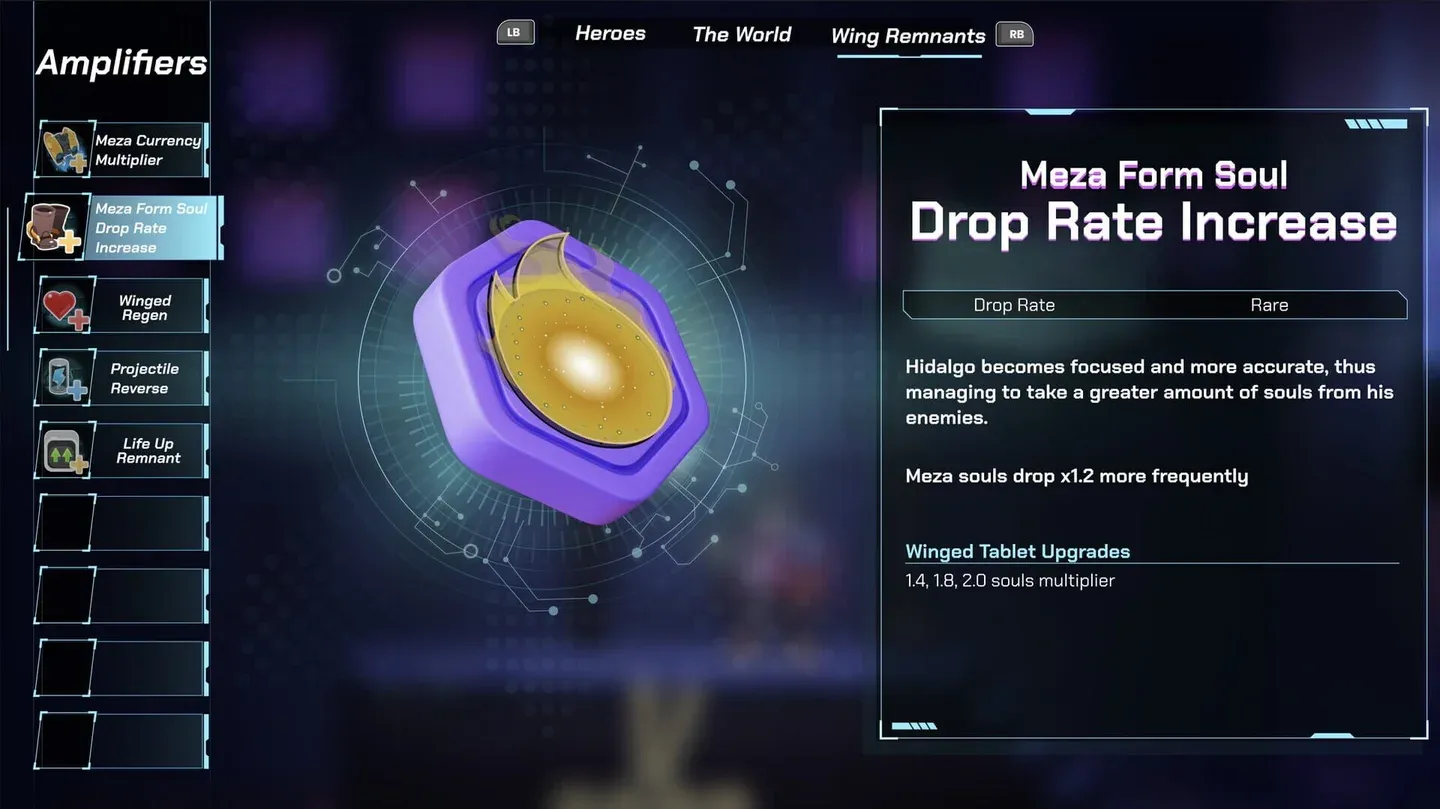
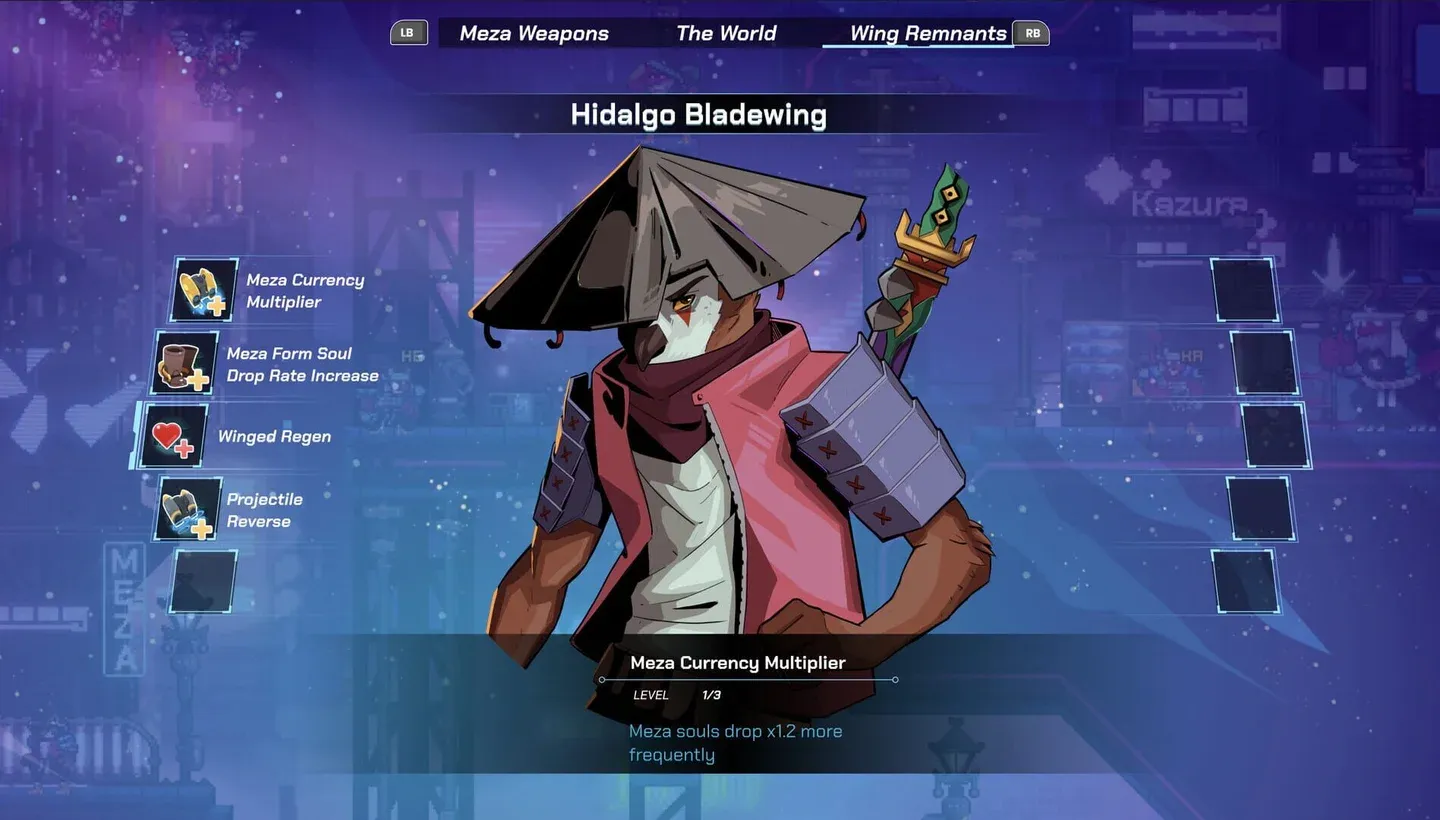
- Powerup system that modifies playstyle
- 8 roguelite zones with varied enemy compositions
- Visual novel story sequences between action segments
Atomic Owl content image
The platforming itself is tight enough that movement feels intentional rather than floaty. Monster Theater clearly prioritized responsiveness, which matters a lot in a game where split-second jumps and combat inputs overlap constantly.
What kind of story does Atomic Owl tell?
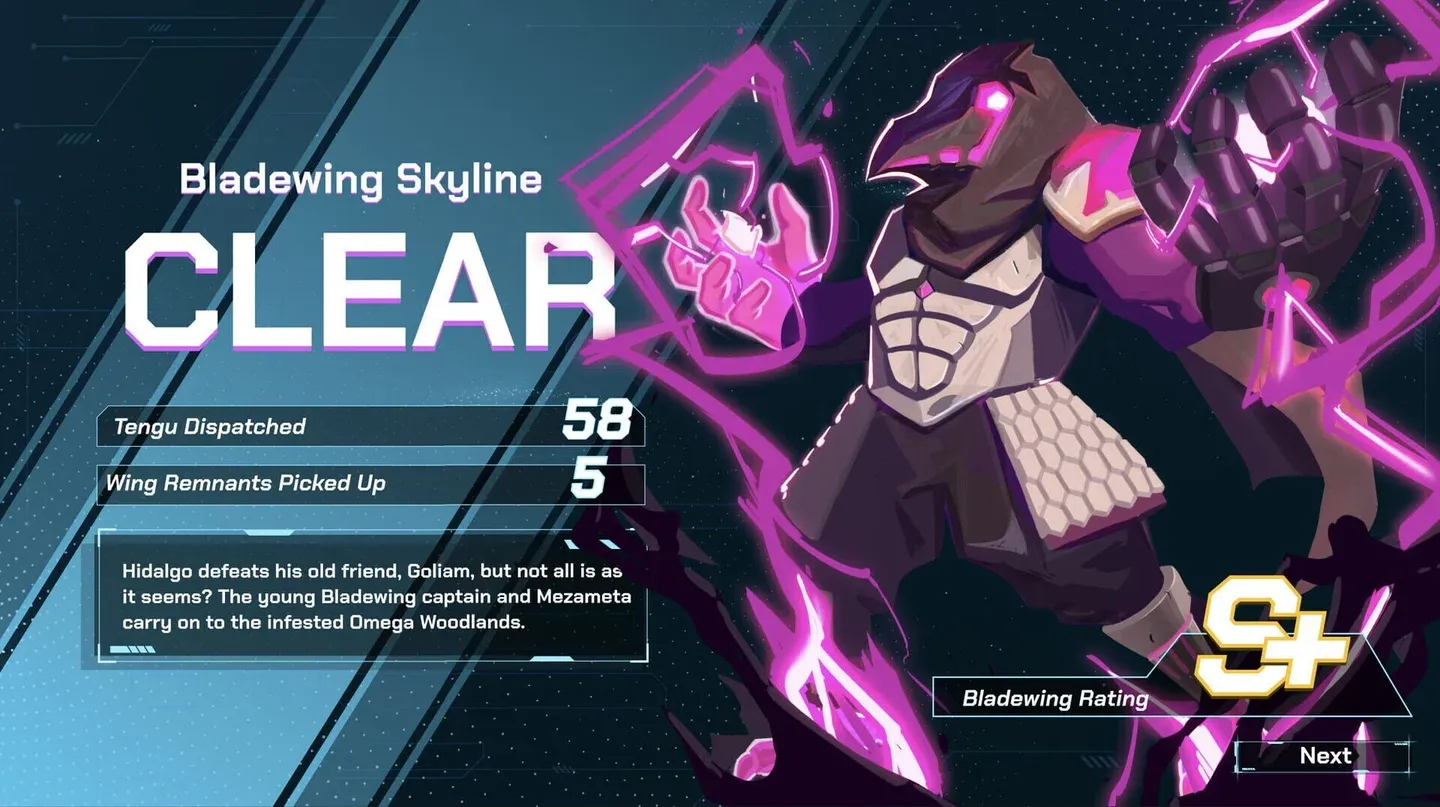
Atomic Owl uses visual novel sequences to deliver its narrative, which is an unusual but effective choice for a hack-and-slash roguelite. The story centers on rescuing friends from Omega Wing, an antagonist force that gives the game's escalating difficulty a concrete dramatic purpose. The visual novel format lets Monster Theater develop characters and tone without slowing down the action-heavy gameplay loop.
Atomic Owl content image
It is a genre combination that takes some adjustment if you come in expecting pure brawler energy, but the story segments are brief enough that they function more like breathers than interruptions. Players who skip narrative in games like this might find the visual novel sections a minor friction point, but they add enough personality to justify their presence.
Visual and audio design
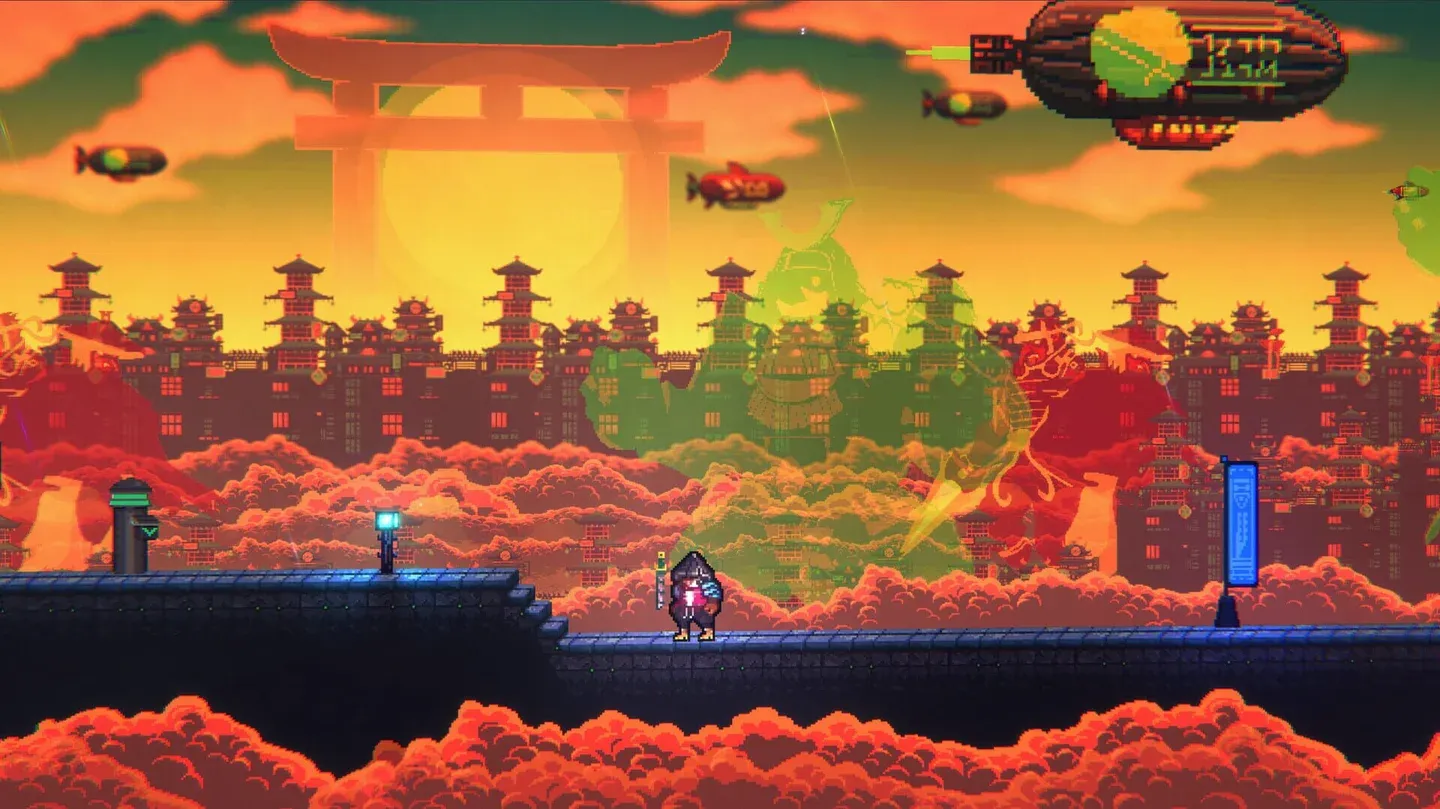
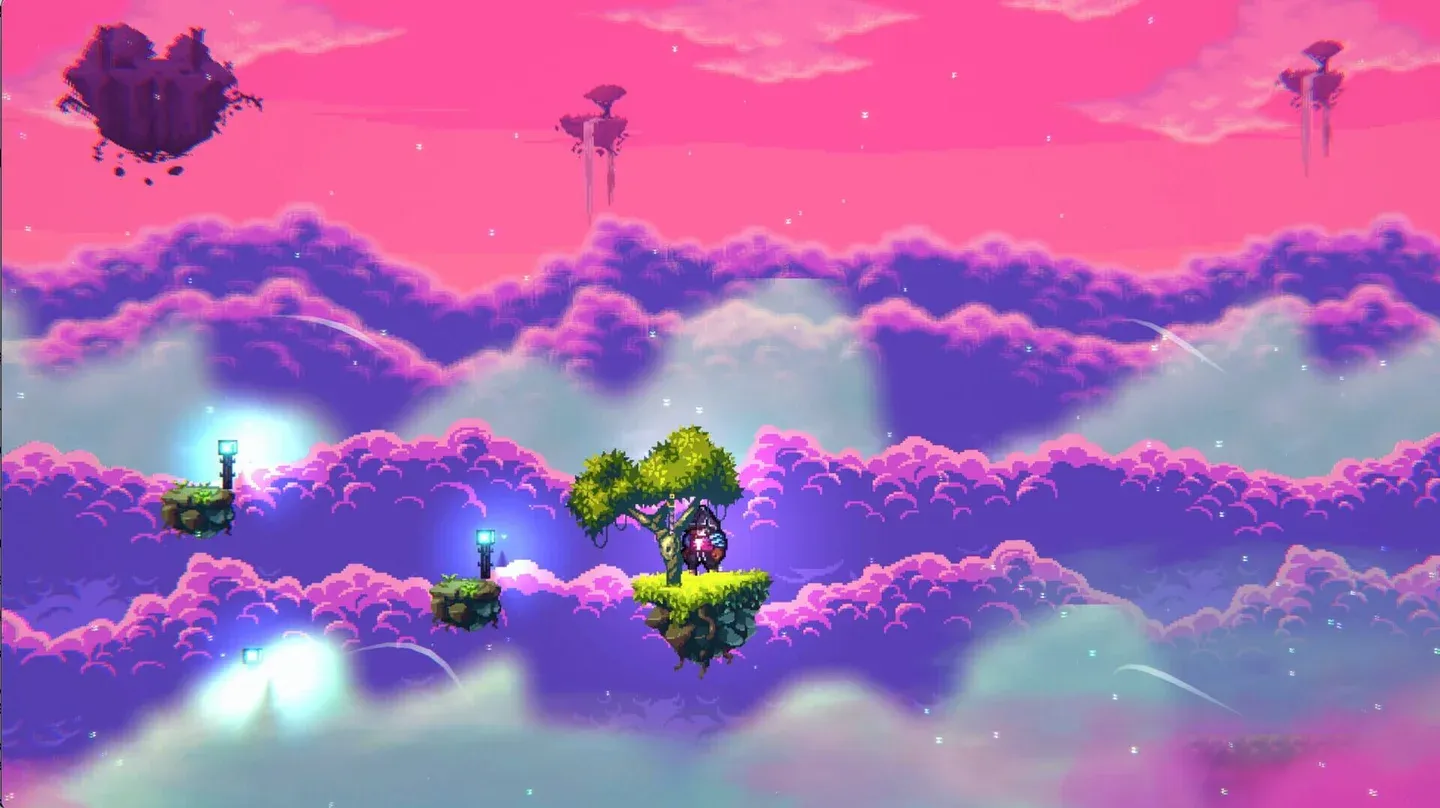
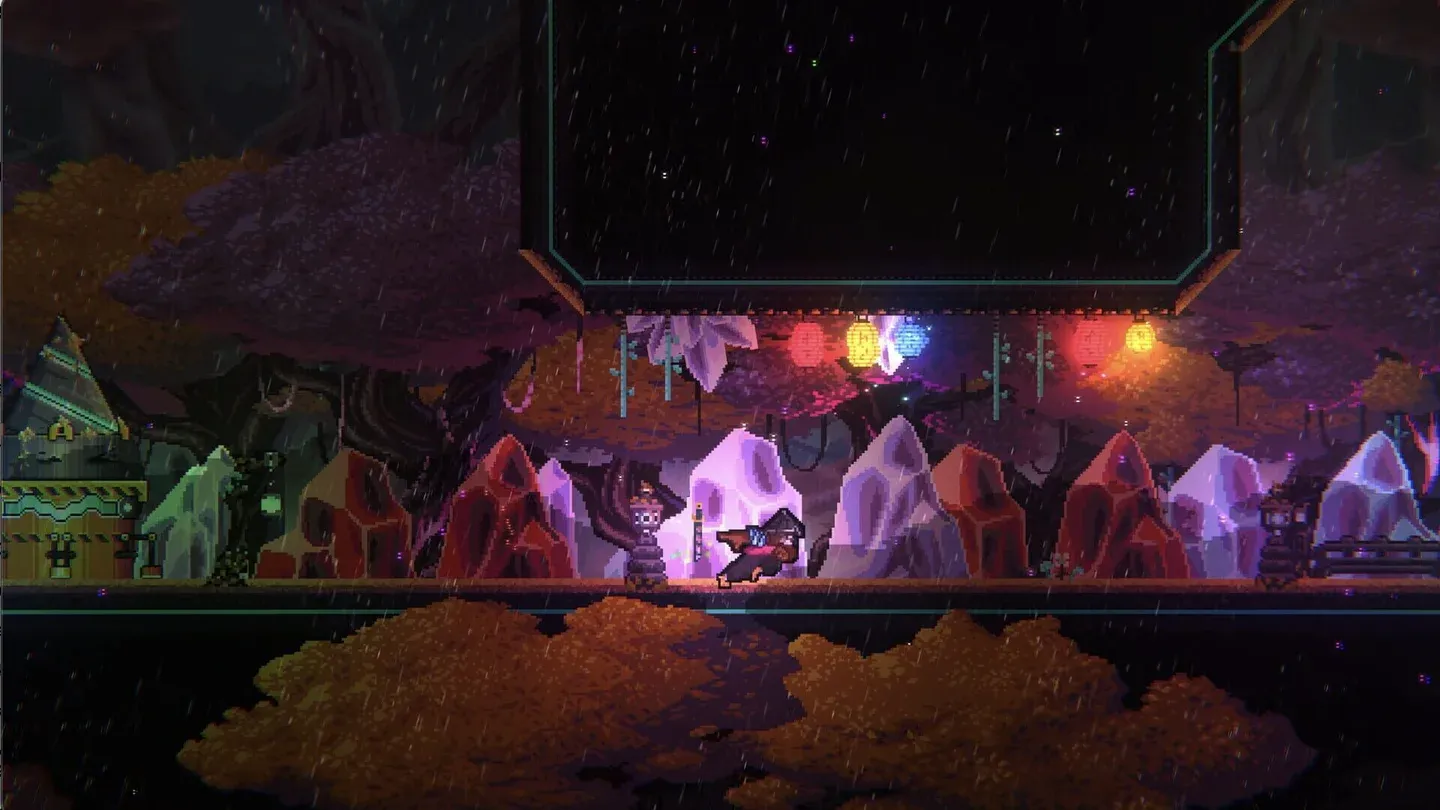
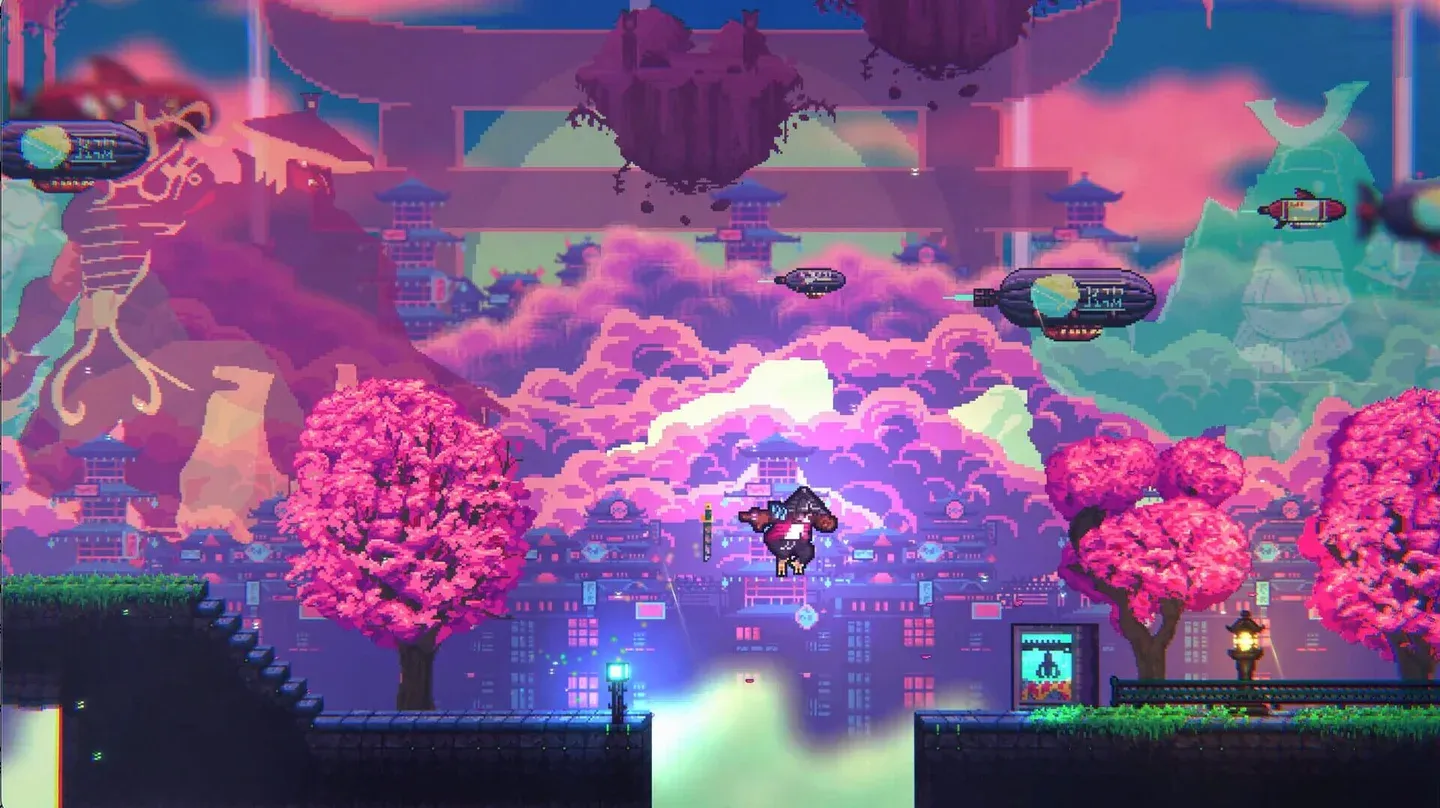
The pixel art presentation in Atomic Owl is clean and deliberate. Monster Theater uses the format to create readable combat scenarios where enemy tells and attack patterns are distinguishable even when the screen gets busy. That readability is not a given in pixel art games with heavy action, and it speaks to the care in the art direction.
The ESRB rating of Everyone 10+ for fantasy violence confirms the game keeps its edge without pushing into graphic territory, which suits the pixel art tone. The game supports DualSense vibration on PS5 and DUALSHOCK 4 vibration on PS4, giving console players tactile feedback that the PC version does not replicate in the same way.
Content and replayability
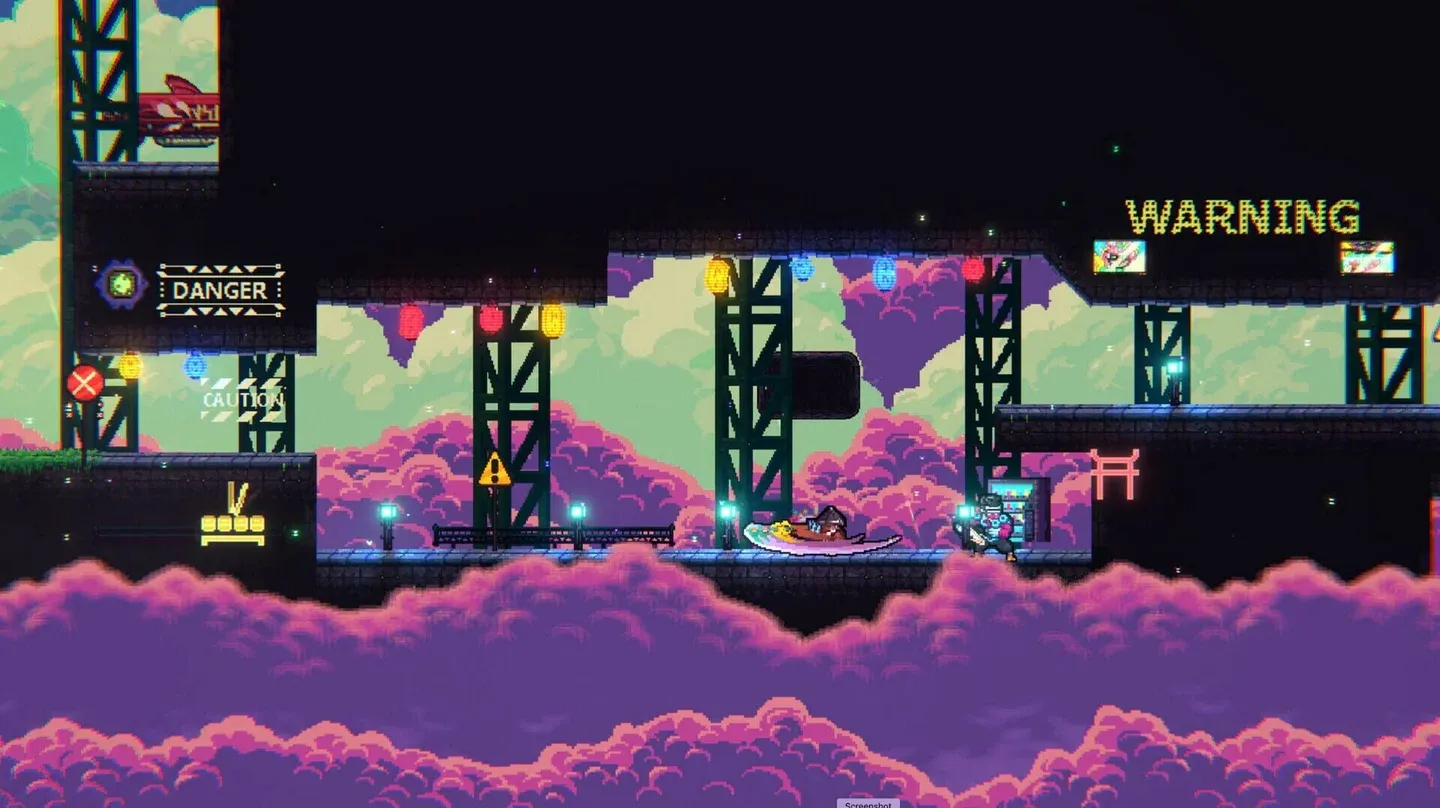
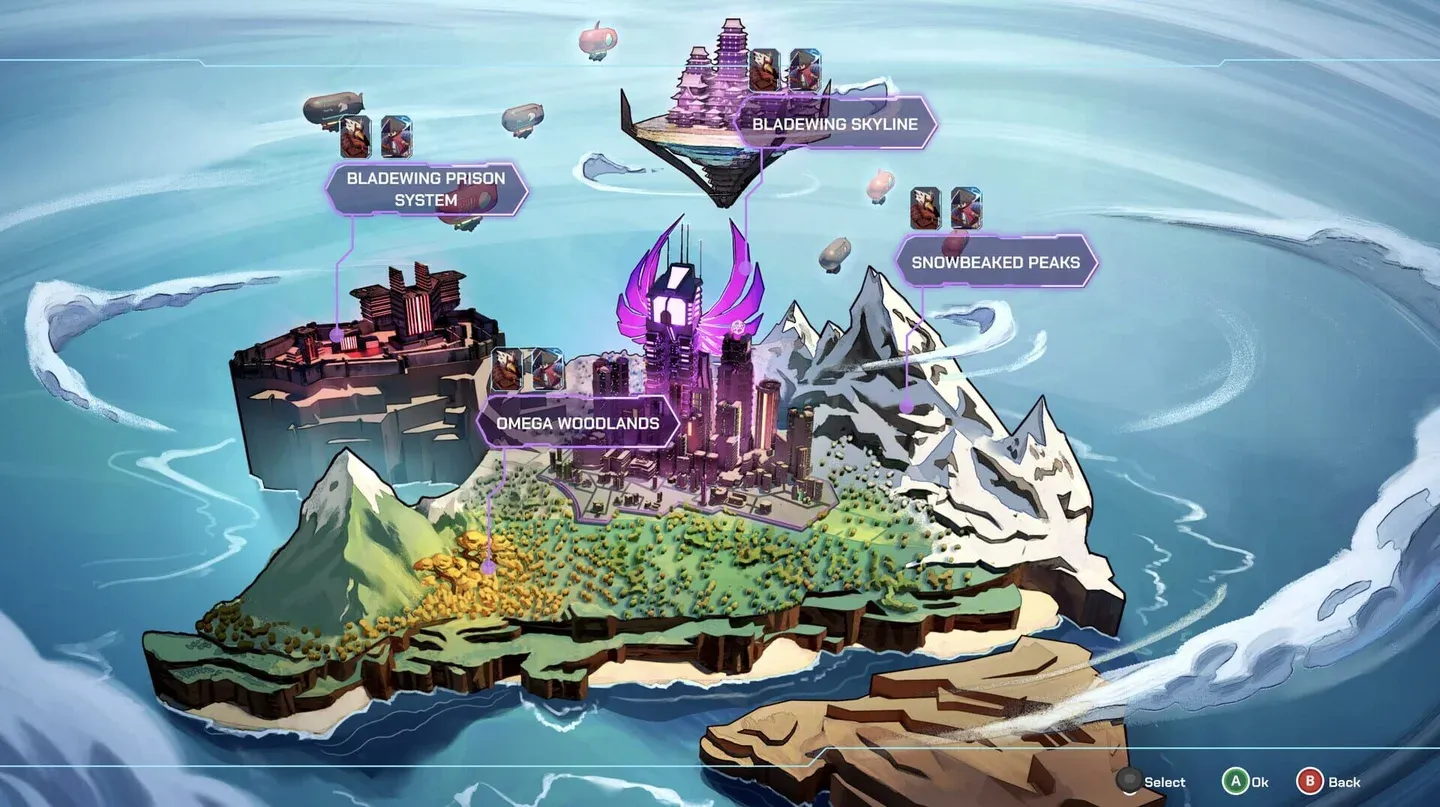
With 8 roguelite zones and a weapon-powerup system designed around run variation, Atomic Owl has a solid replayability foundation. The roguelite structure means zone layouts and item availability shift between attempts, so the game does not go stale after a handful of runs the way a linear action game might.
Atomic Owl content image
The single-player focus keeps the experience tight and personal. There is no multiplayer to dilute the design, and the combination of hack-and-slash combat, platforming precision, and visual novel storytelling gives Atomic Owl a distinct identity in the indie roguelite space that players chasing replayable pixel art brawlers will find worth their time.