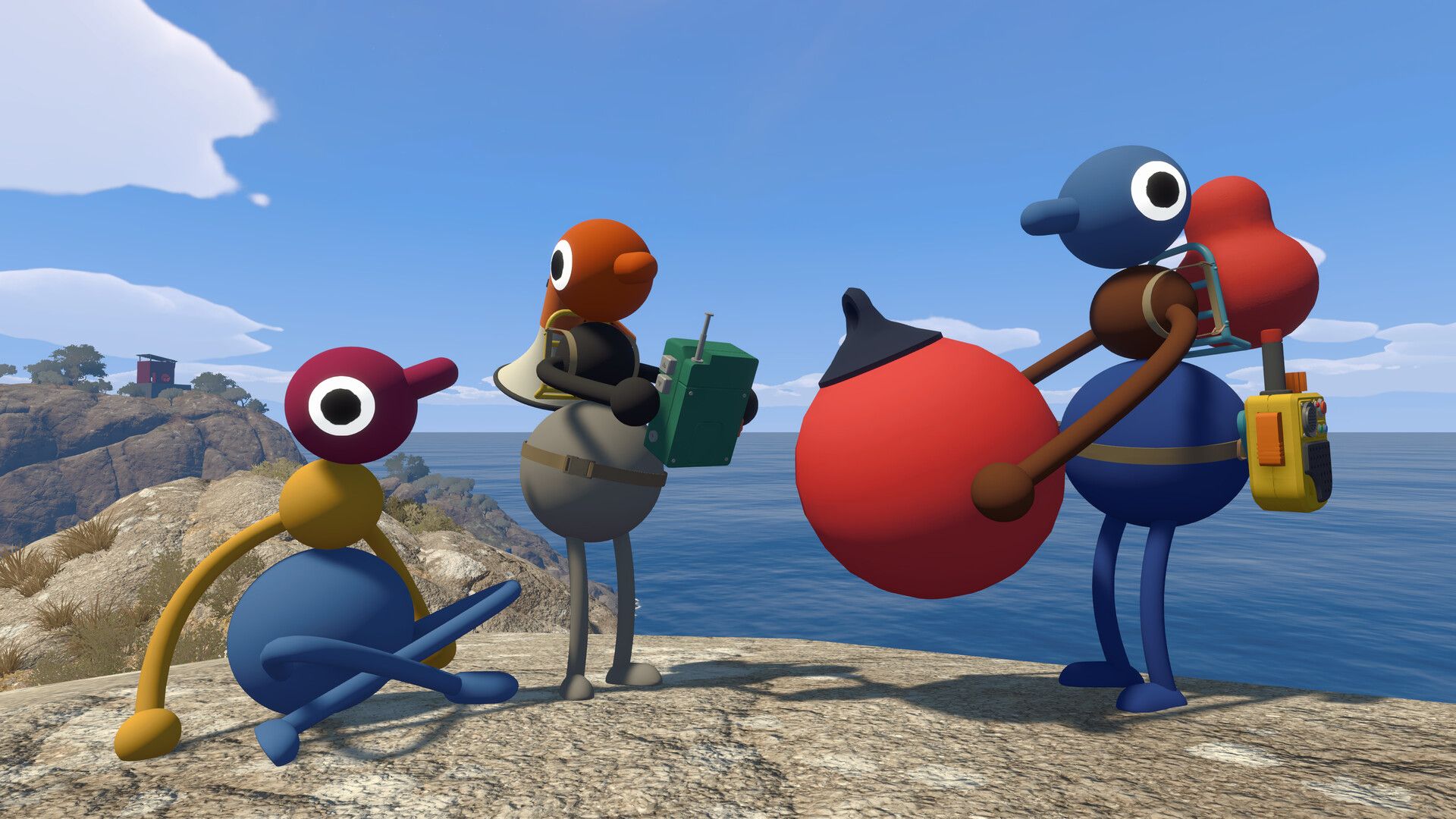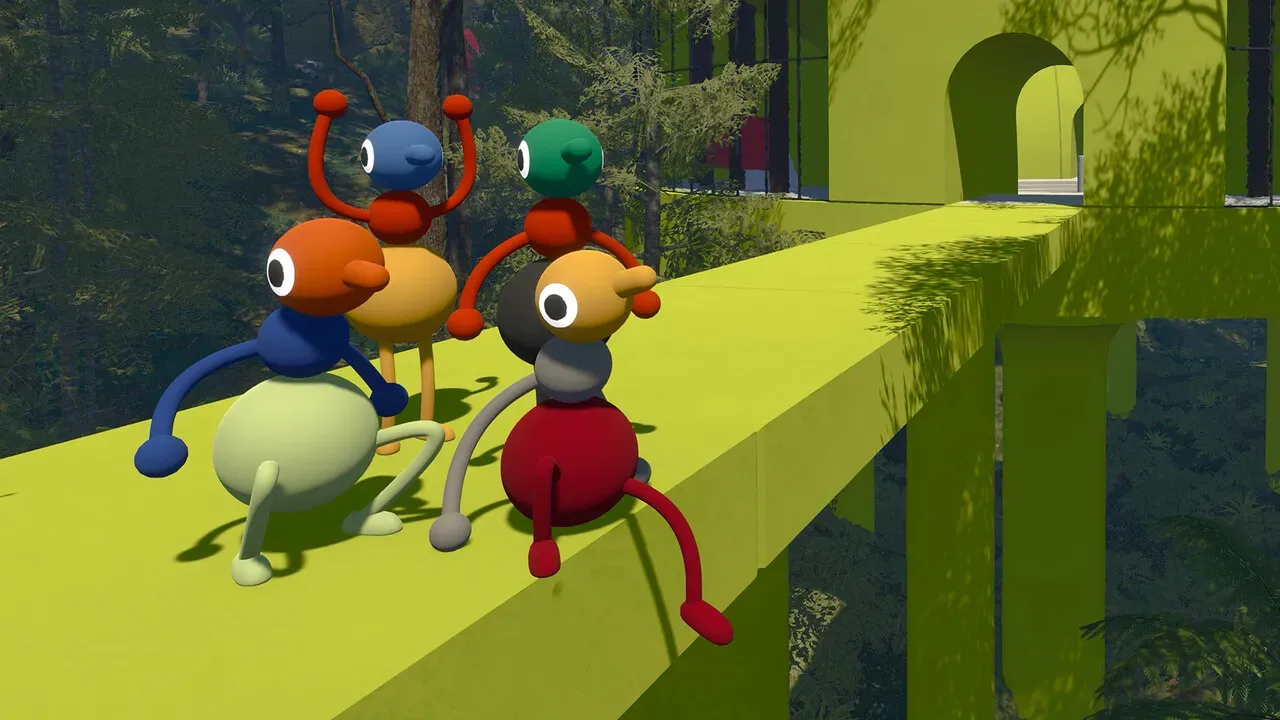

Big Walk is the next game from House House, the studio behind Untitled Goose Game, and it's built around one core idea: you need other people. The puzzles are designed for groups, communication is part of the challenge, and the experience scales depending on how many players show up. Before you jump in, here's everything you need to know about solo play, player counts, and how to get the most out of each session.
Can you play Big Walk solo?
Technically, nothing stops you from launching a session alone. You can load in and explore the world without anyone else in the lobby. The problem is that you won't get very far.
Most puzzles in Big Walk are explicitly designed for multiple players. That's not a soft recommendation, it's a hard design constraint. Many puzzles require coordination between players, and voice communication is built into how those challenges work. Solo players will hit walls quickly, and the game doesn't offer workarounds for that.
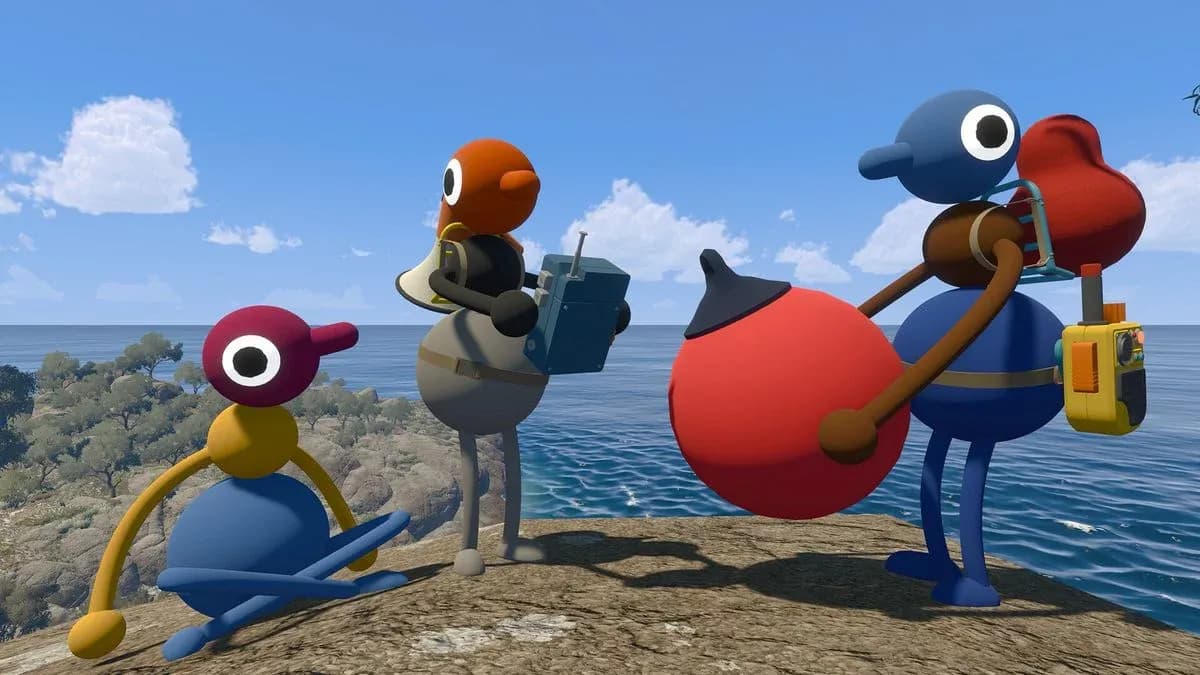
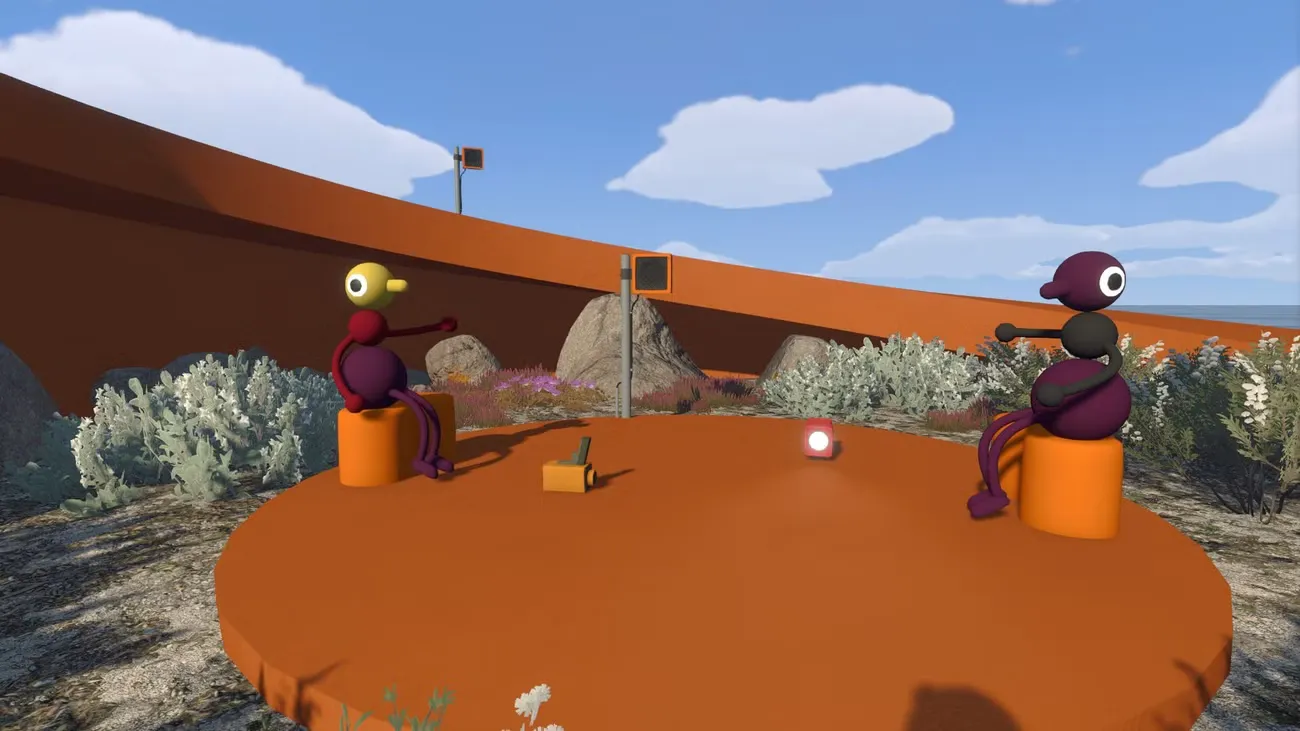
Co-op puzzle session in Big Walk
One thing worth knowing: online multiplayer is actually the better way to play compared to local same-room sessions. Some puzzles deliberately restrict voice communication as part of the challenge, which works better when players are in separate locations and relying on in-game audio cues rather than shouting across a couch.

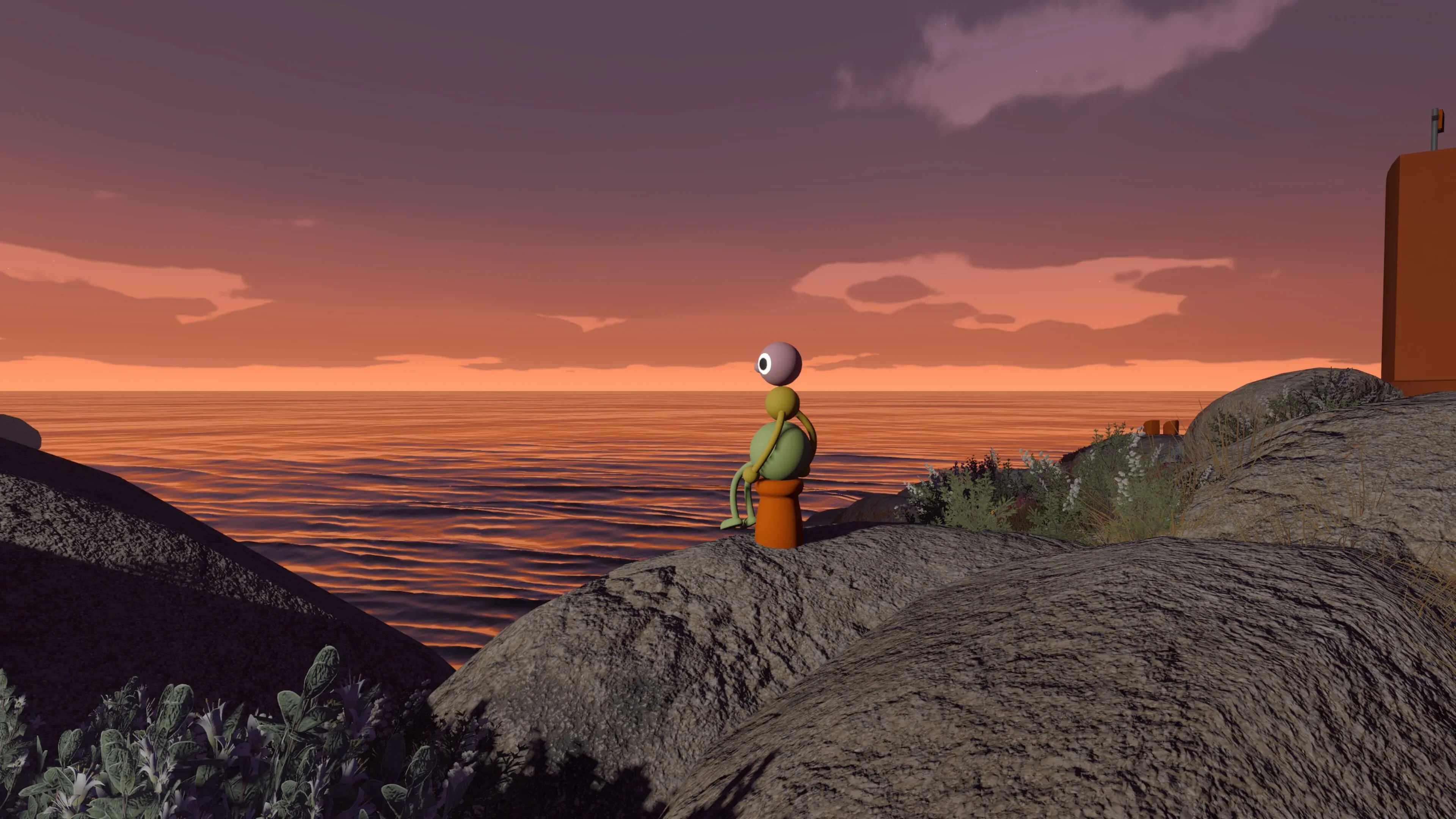
How many players can join a Big Walk session?
Big Walk supports between 2 and 12 players per session. That's a wide range, and the experience shifts noticeably depending on where you land in that bracket.
Smaller groups of 2 to 4 players tend to produce tighter, more focused co-op sessions. Larger groups push toward chaotic, high-energy runs where coordination gets harder but the energy goes up. Neither is objectively better, but they feel like different games.
What changes with group size?
Resources and carry space in Big Walk are both limited. With more players, you have more hands, but items don't scale infinitely, so larger groups need to think about distribution. With fewer players, you have more resources per person but less raw capacity to solve multi-part puzzles simultaneously.
The puzzles themselves don't change between playthroughs. The map and challenge structure stay the same. What changes is your strategy and how you divide responsibilities based on group size. A 12-player run through the same puzzle set as a 3-player run will feel completely different.
| Group Size | Play Style | Resource Pressure | Communication Demand |
|---|---|---|---|
| 2-4 players | Focused co-op | Low per player | High, tight coordination |
| 5-8 players | Balanced chaos | Moderate | Organized roles help |
| 9-12 players | Large-scale chaos | High, items spread thin | Difficult without structure |
Does Big Walk support crossplay?
Yes. Crossplay is fully supported, so you can fill a session with players from PS5, PC, Mac, and Switch 2 without any friction. That makes hitting the 12-player cap much easier if your friend group spans platforms.
One exception worth flagging: voice communication on Nintendo Switch 2 may require additional accessories depending on your setup. If you're coordinating a large group with Switch 2 players, plan for that ahead of time.
Tips for getting the most out of Big Walk multiplayer
After looking closely at how the game's design works, a few patterns stand out for players heading into their first sessions.
Assign roles early. With limited carry space and shared resources, having someone designated for item management in larger groups prevents the scramble that kills momentum mid-puzzle.
Play online, not local. The voice chat restrictions built into certain puzzles are intentional design. Playing in separate locations means those restrictions actually function as designed, rather than being bypassed by players in the same room.
Mix up your group size. Because the puzzles stay the same but strategy shifts, replaying with a different number of players genuinely changes how you approach each challenge. A puzzle your 8-player group brute-forced might require careful planning with 3 people.
For more guides on House House's new title, the Big Walk guides collection covers everything from platform details to puzzle strategies as they become available. Big Walk sits in a strong tradition of adventure games that prioritize creative co-op design over combat, and it's shaping up to be one of the more interesting multiplayer releases of the year.