
Big Walk throws a lot at you: sprawling puzzles, a massive island to explore, and up to 12 players trying to stay together. But one thing that catches most players off guard is the night. The darkness in this game is not decorative. It is genuinely disorienting, and the first time it rolls in while you are halfway across the map, you will feel it. The obvious question is whether you can do anything about it.
Can you change the day and night cycle in Big Walk?
No. The day and night cycle in Big Walk cannot be adjusted, disabled, or slowed down. House House built it as a fixed system, and there are no in-game settings to modify how quickly time passes or to lock the world in daylight. You cannot turn it off, and you cannot speed it up to skip through the dark faster.
The community may eventually produce mods that alter this behavior, but at launch those do not exist. For now, the cycle is what it is.
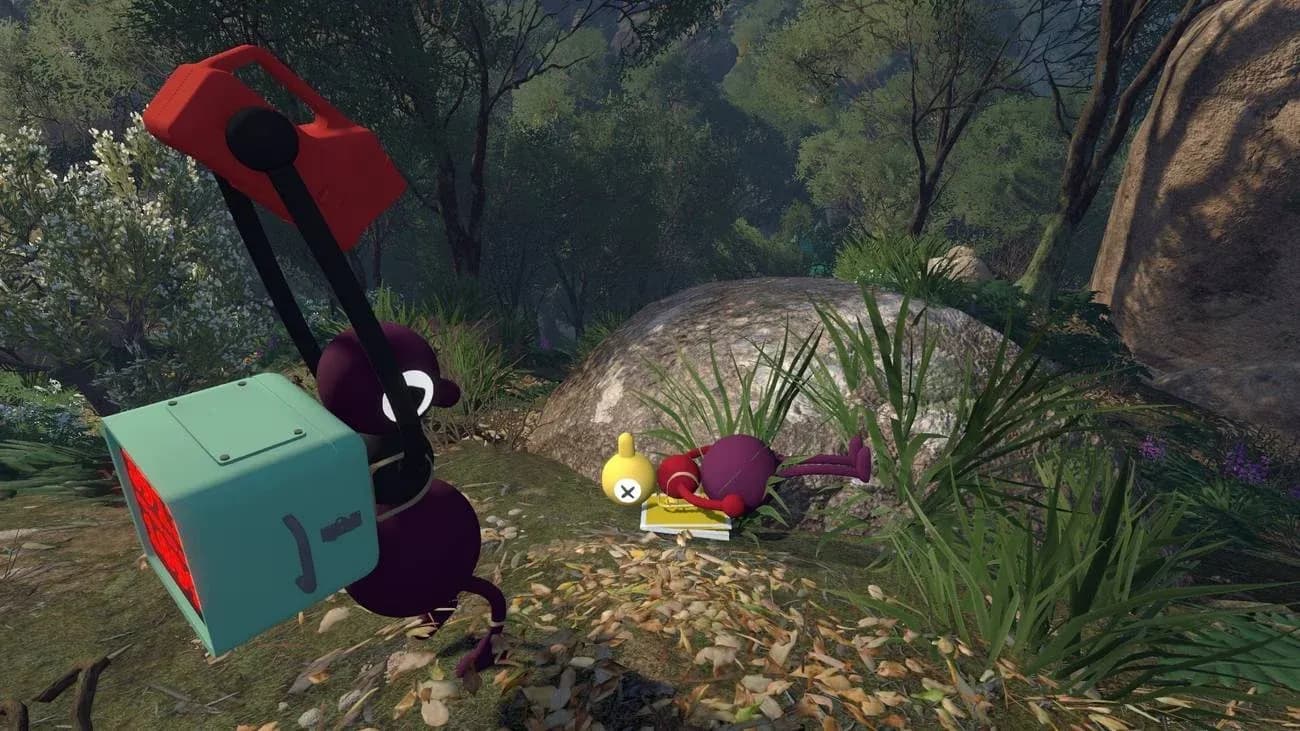
Orange balls mark your path

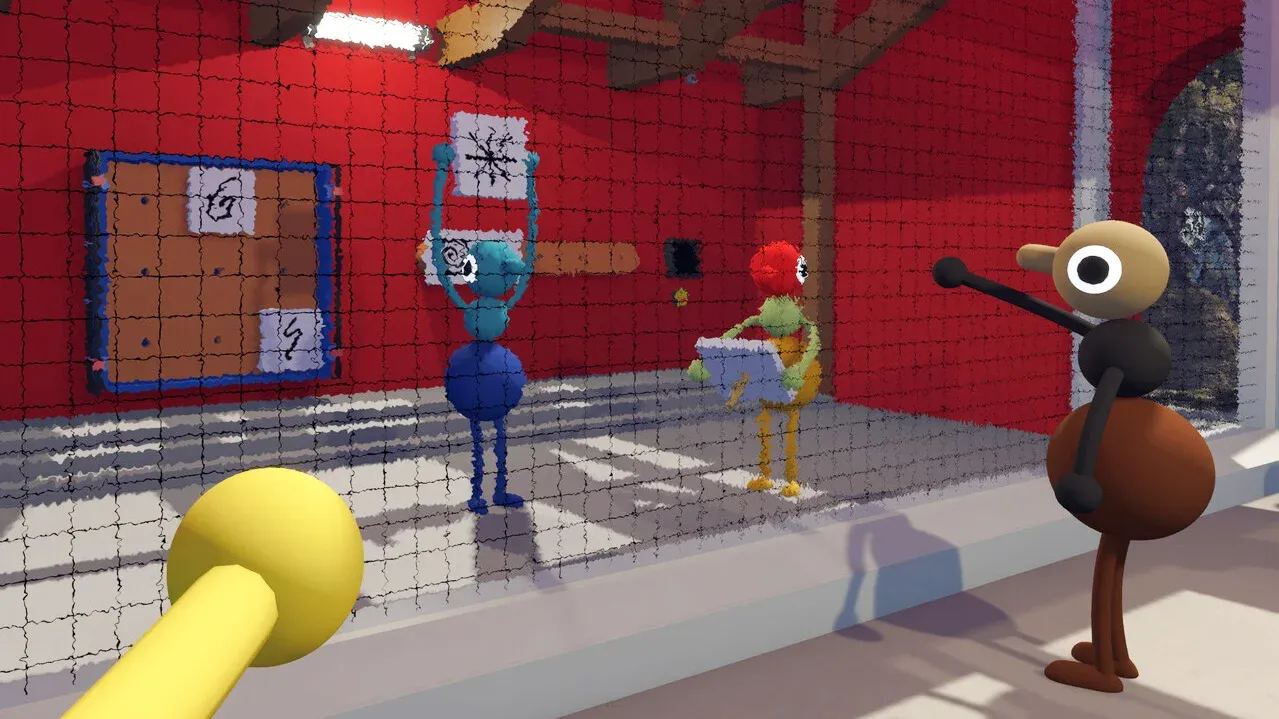
Why does nighttime feel so punishing in Big Walk?
House House appears to have made the darkness intentional. Getting separated from your group at night is a real risk, and the pitch black makes it easy to lose your bearings entirely. The island is large enough that wandering in the wrong direction for a few minutes can put significant distance between you and your friends.
This is especially relevant given that Big Walk supports 1 to 12 players, and keeping a larger group together at night becomes its own coordination challenge. Solo play is already difficult in daylight; at night it becomes significantly harder.
How to explore at night in Big Walk
There are two main tools for dealing with the dark, and knowing how each one works will save you a lot of frustration.
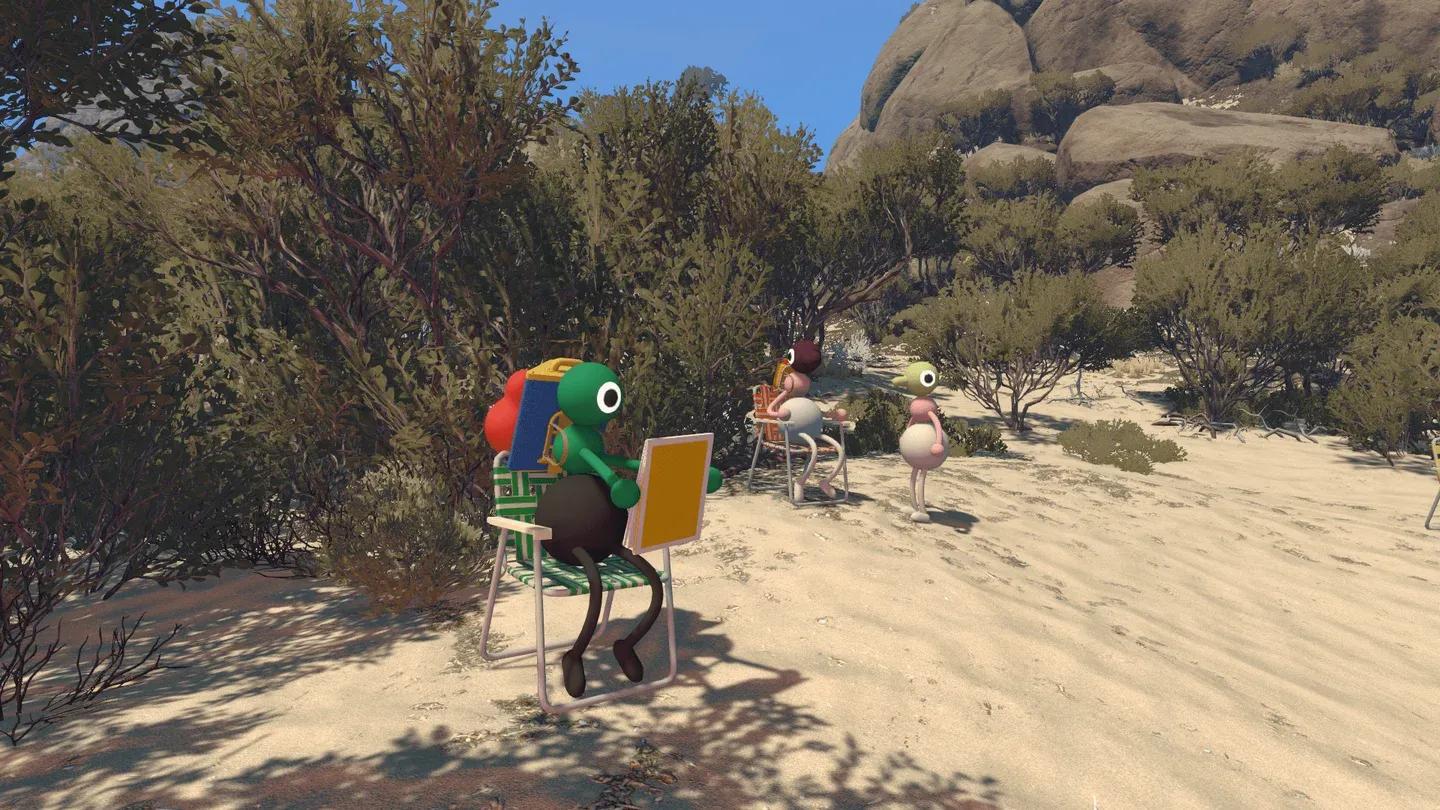
Daylight makes navigation clear
Large red and orange balls
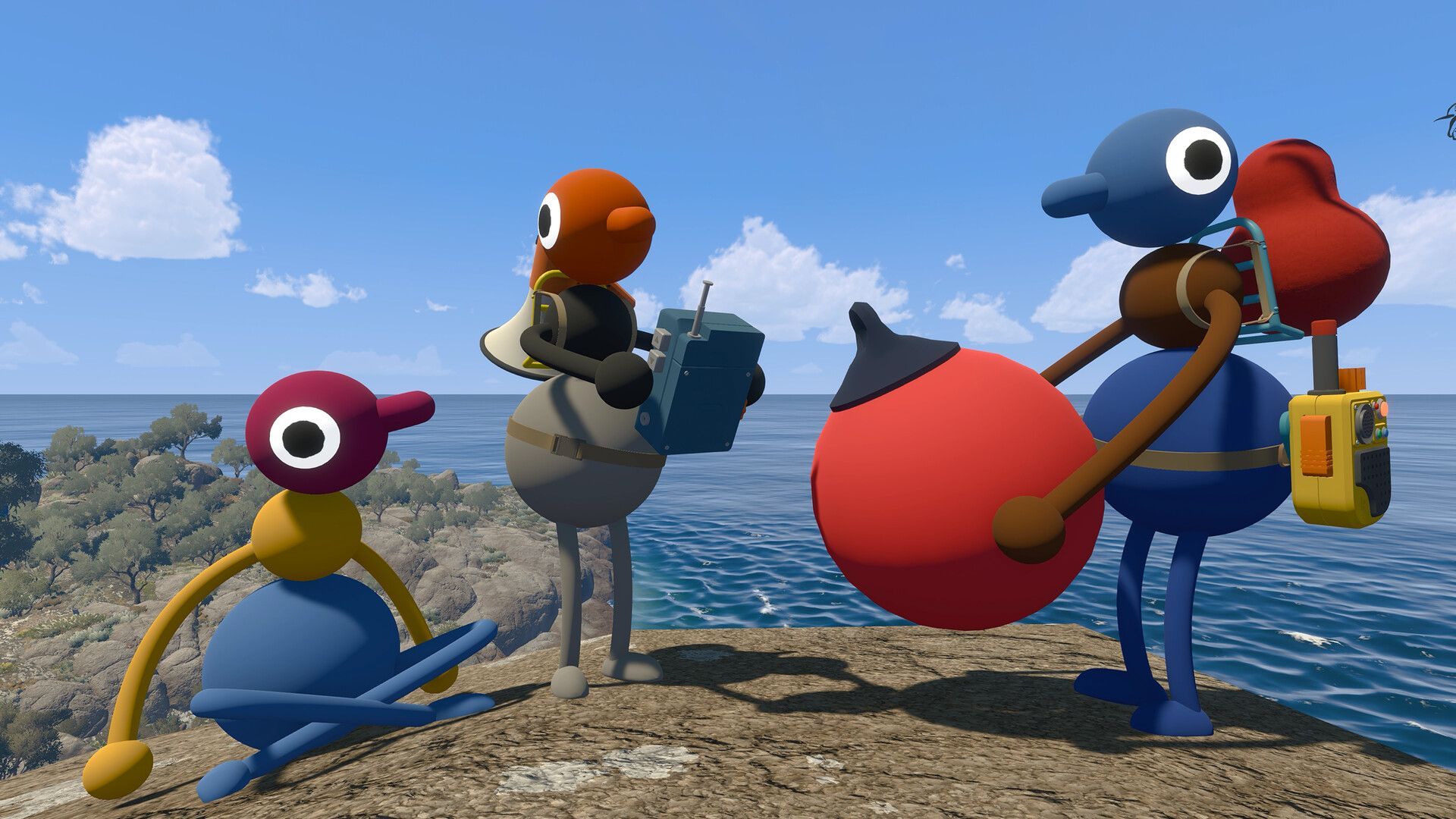
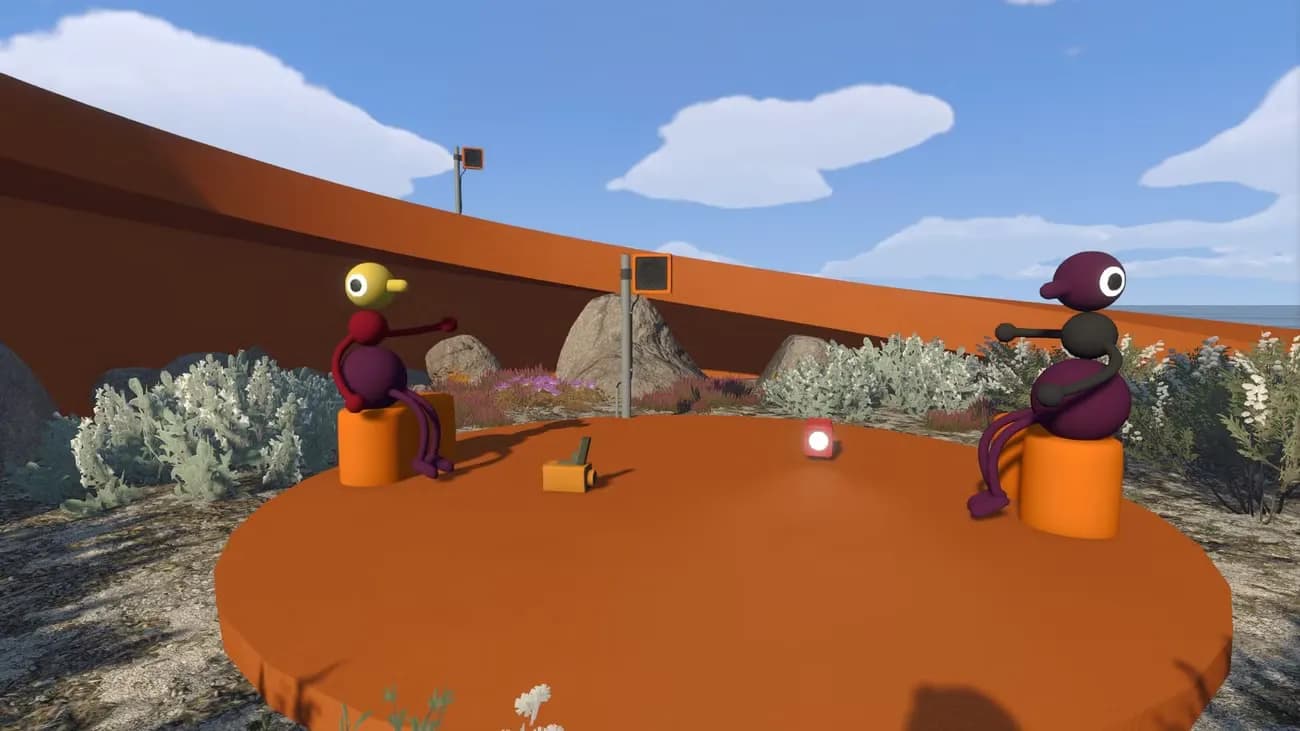
The environment is scattered with large red and orange balls that can be picked up and switched on. These function as portable light sources. You can place them back in the environment to mark paths you have already traveled, which is useful for keeping your group oriented, or carry them with you as a moving light source.
Torches
Torches are the more effective option for active exploration. They produce better visibility than the balls and are designed for moving through the dark. The catch is that your carry capacity is limited, and torch availability depends on where you are in your playthrough. You will not always have one ready when night hits.
| Light Source | Mobility | Availability | Best Use |
|---|---|---|---|
| Red/orange balls | Portable or stationary | Found throughout environment | Marking paths, group navigation |
| Torches | Portable | Limited, location-dependent | Active exploration in dark |
What if the dark gets overwhelming?
The simplest answer is to stop moving and wait. Staying put until sunrise is a completely valid strategy. The sun does rise again, and navigating in daylight is considerably easier than trying to push through the dark without adequate lighting.
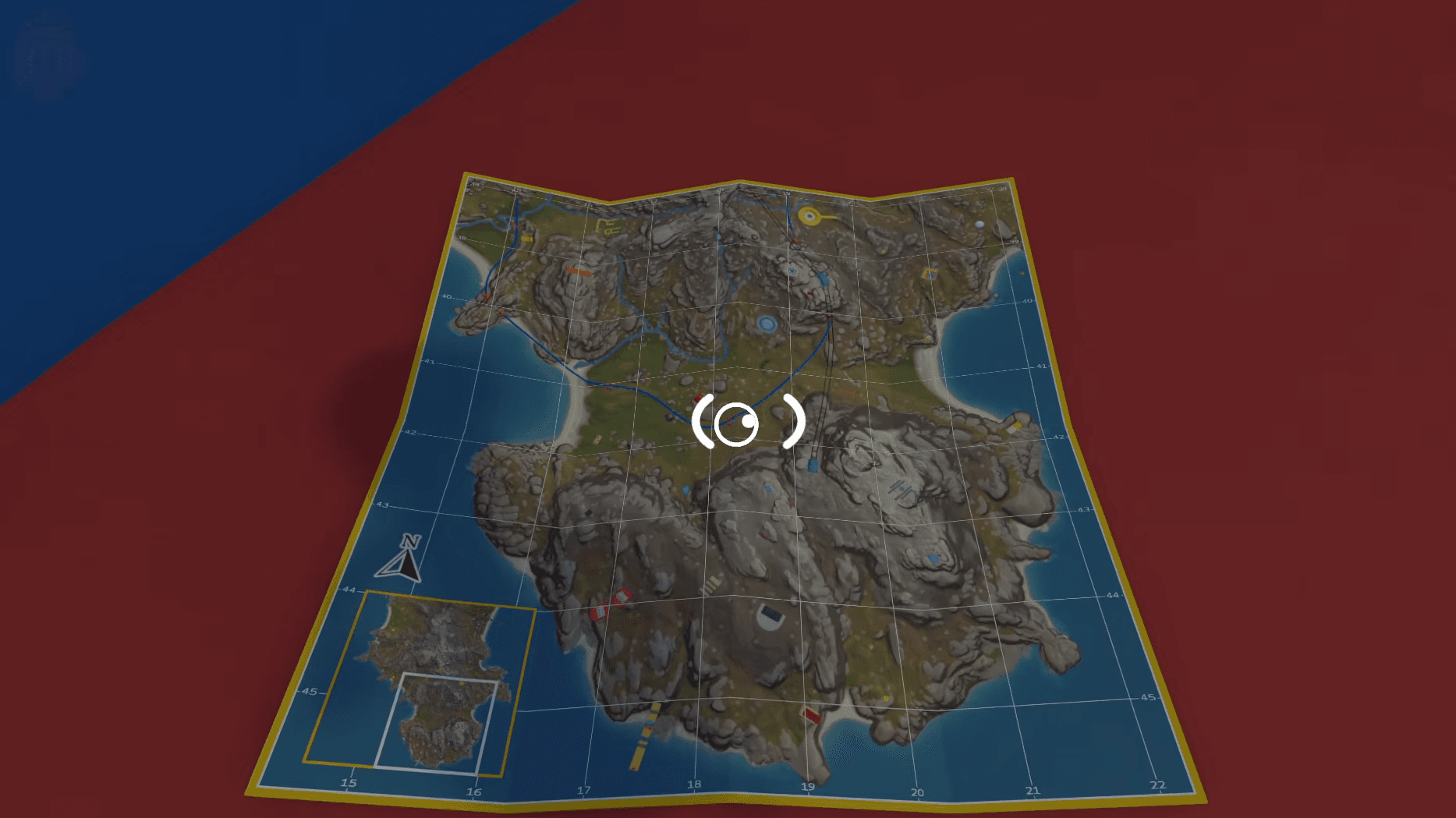
If you are playing with a group, designate a meeting point before nightfall. Trying to find each other in pitch black without a plan is how runs fall apart. Check the how to get the map guide to understand which navigation tools are available to you, since having a map changes how manageable the night actually feels.
Is the night cycle worth tolerating?
Honestly, yes. The darkness adds genuine tension to exploration in a way that few adventure games pull off without relying on jump scares or combat. Once you have a rhythm with the light sources and your group has a plan for nightfall, it becomes one of the more memorable parts of the experience rather than a frustration.
For a full breakdown of everything the game offers, the Big Walk review covers how all these systems fit together. The night is not a flaw; it is part of what makes the island feel genuinely alive.