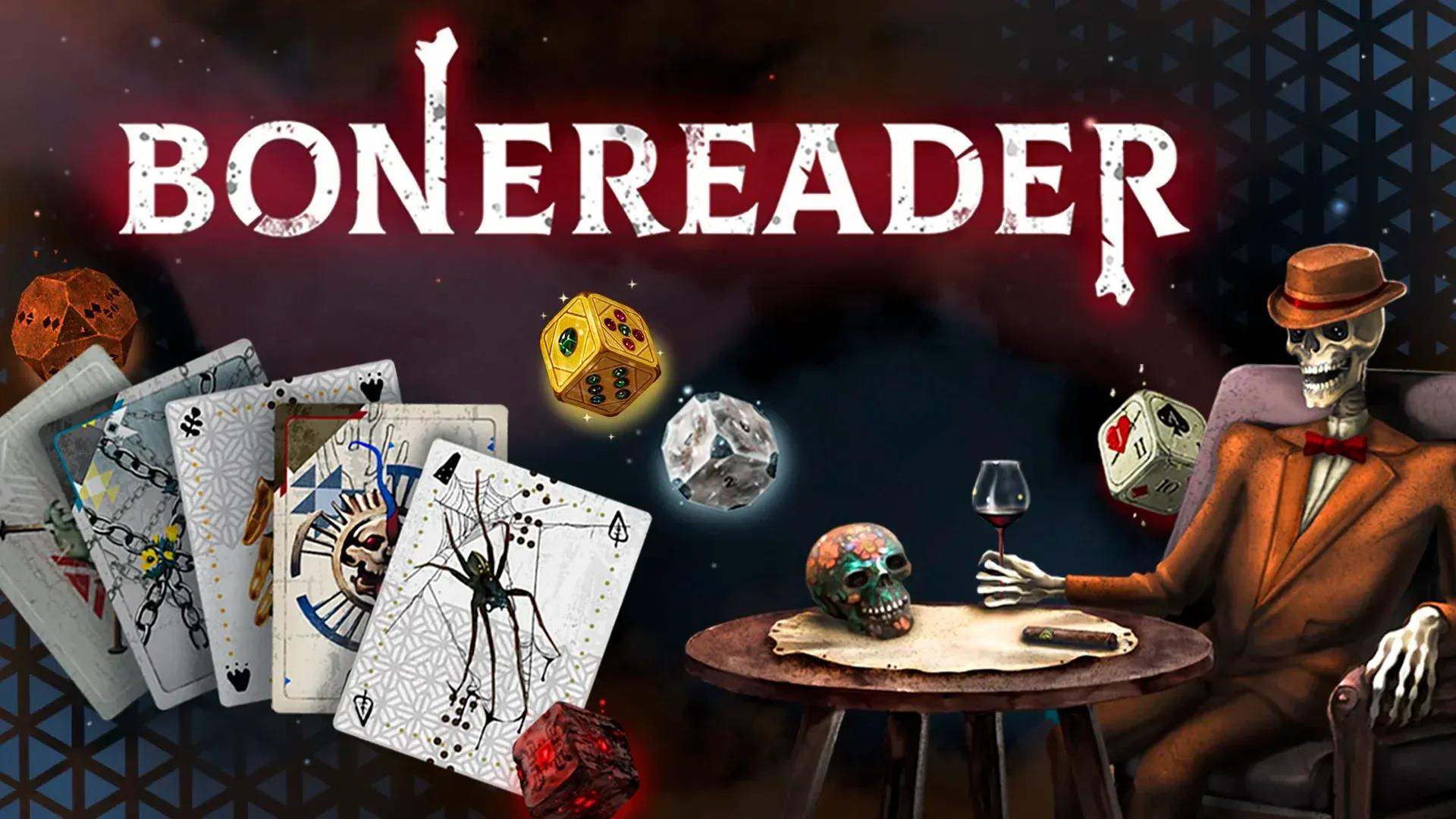
Bonereader is an upcoming indie deck-builder by the Russian studio Bonereaders. It is a story-based deckbuilder combining dice and cards, with an occult and Western aesthetic that sets the backdrop for a story of reflection, regret, and revenge. A lonely man attempts to gamble his way back to the land of the living , will he reclaim his old life, or lose everything to chance? Roll the bones and let them decide.
Bonereader at a Glance
BONEREADER - Official Teaser Trailer
Bonereader is a deckbuilder with roguelike elements. Its gameplay bears a similarity to Balatro, where powerful builds revolve around repeatedly achieving high scores to meet a threshold set by the game. The key difference is that in Bonereader, high scores come from a good roll of the dice. Players collect up to twelve dice with different numbers and abilities, and take five of their choice into each round to roll winning combinations. These combinations are determined by the cards present in the twelve-card deck. Roll dice to match the conditions of one of the cards to score points, then meet the point threshold to win the round.
Gameplay
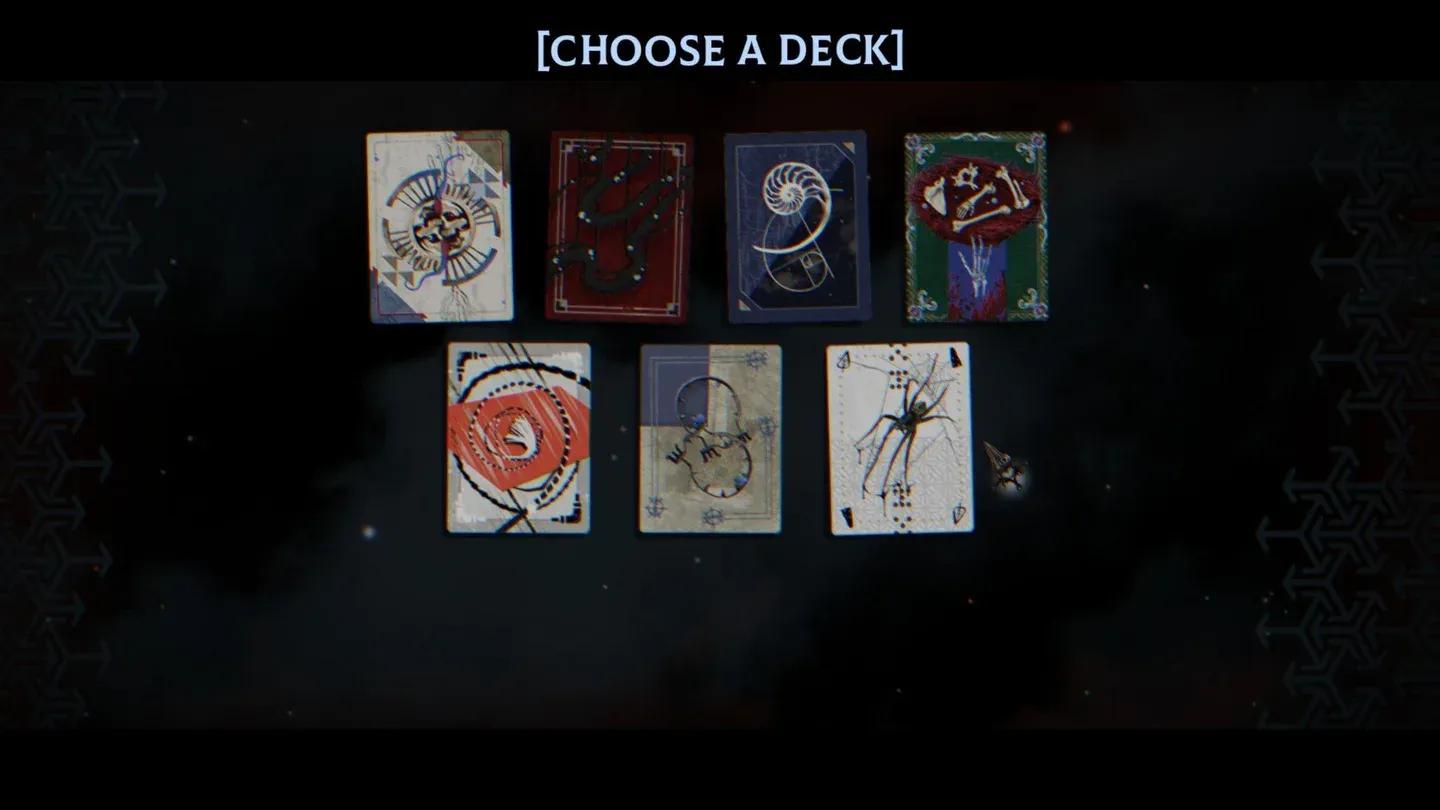
Players start their journey by choosing one of seven decks. Each deck comes with its own set of dice and cards, along with different strengths and difficulties that act as starting points for potential builds. The Shaman Deck, for instance, includes more cards at the beginning of the game but starts with five regular dice. The Architects Deck includes dice that are more restrictive in the numbers they can roll, but comes with a modifier that allows players to bring a sixth die into each round.
The Shop Phase
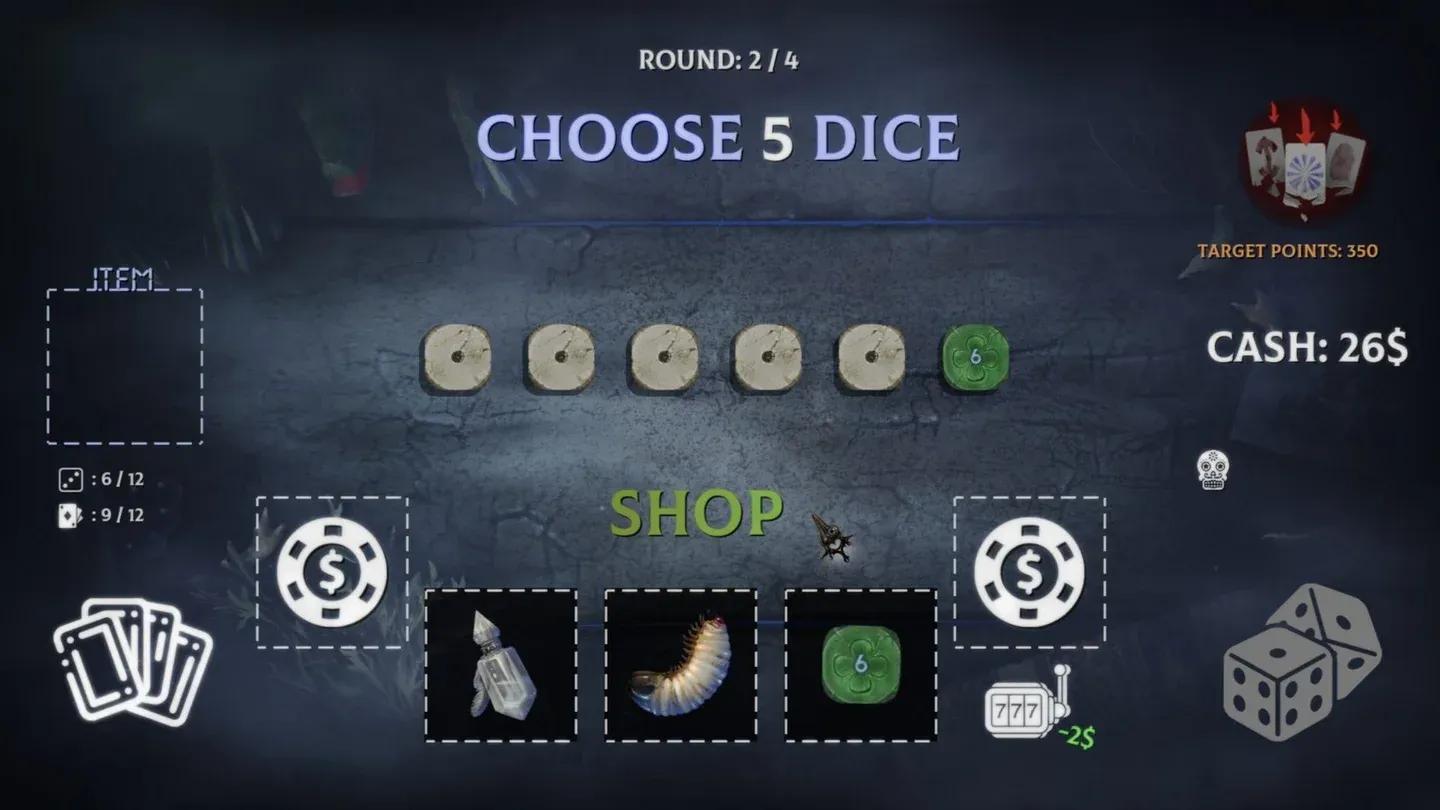
Bonereader features different opponents that players match against, requiring four round wins to defeat each one. At the beginning of each round is the Shop phase, where players can modify their deck of cards and dice by buying new ones or selling existing ones. Items are also available for purchase, offering powerful effects such as score increases, earning extra money at the end of a round, or rerolling dice for free.
A few important Shop rules to keep in mind:
- Only one item can be held at a time; unused items disappear at the end of the round.
- The shop can be rerolled for two dollars, but cannot be rerolled after an item is purchased.
- Two extra shop spaces can be unlocked for sixteen dollars each.
The shop phase ends with selecting which dice to bring into the round.
Rolling and Scoring
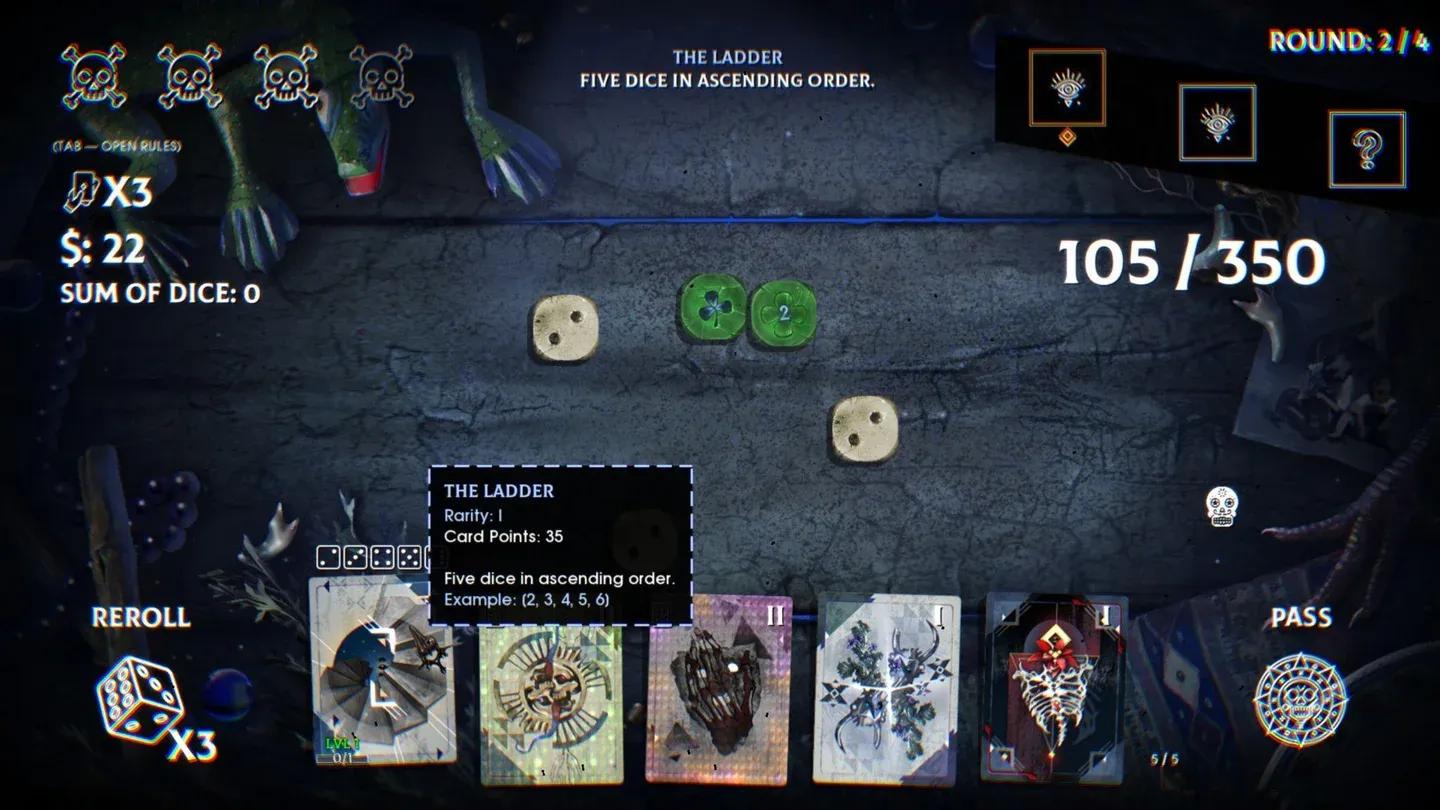
After the shop phase, the round begins. Players have four tries to meet the score needed to win, with scores from each try adding up. To score, players select dice that match a combination represented by one of the five cards in hand. Cards with more difficult combinations are worth more points but carry greater risk.
Within each try, players have three rerolls to use on any dice that have not yet been selected. Once a matching card is chosen, the try ends. The score is determined by the sum of the selected dice multiplied by the card's score and its current level. Cards level up the more they are played. At the start of the next try, dice are rerolled and a new card is added to hand to replace the one used to score.
Tattoos and Build Crafting
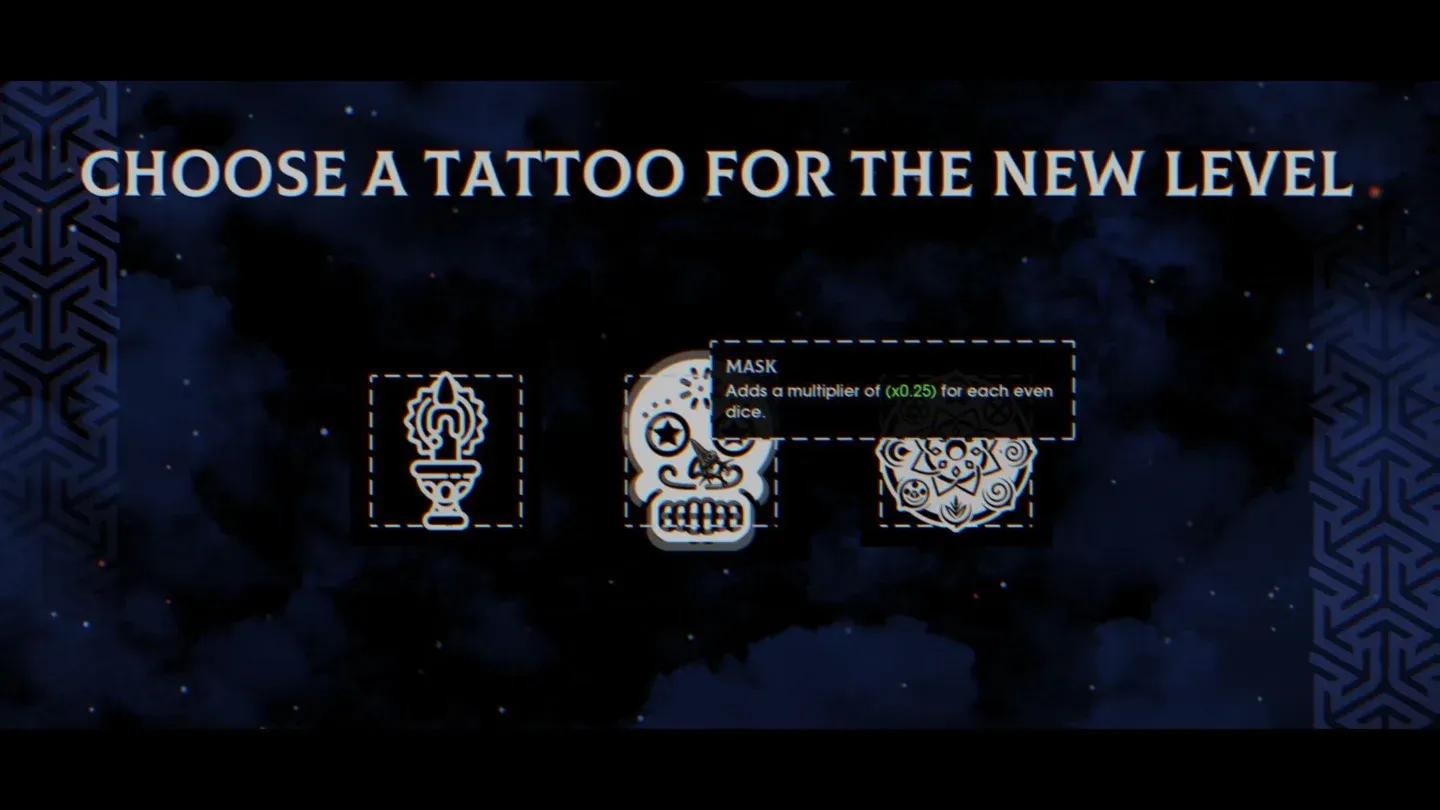
Winning a round grants money for the next shop as well as experience. Leveling up offers a choice between three tattoos , an important build-crafting tool that modifies the run going forward. Tattoo effects include:
- Increasing the number of rerolls during a try
- Increasing the number of tries available in a round
- Decreasing the score threshold needed to win a round
- Increasing the score multiplier on the last try of a round
- Granting free shop rerolls
Players will only receive a limited number of tattoos throughout a run, so selecting options that support the current build is essential.
Spells, House Rules, and Omens
Opponents modify rounds through three mechanics: Spells, House Rules, and Omens.
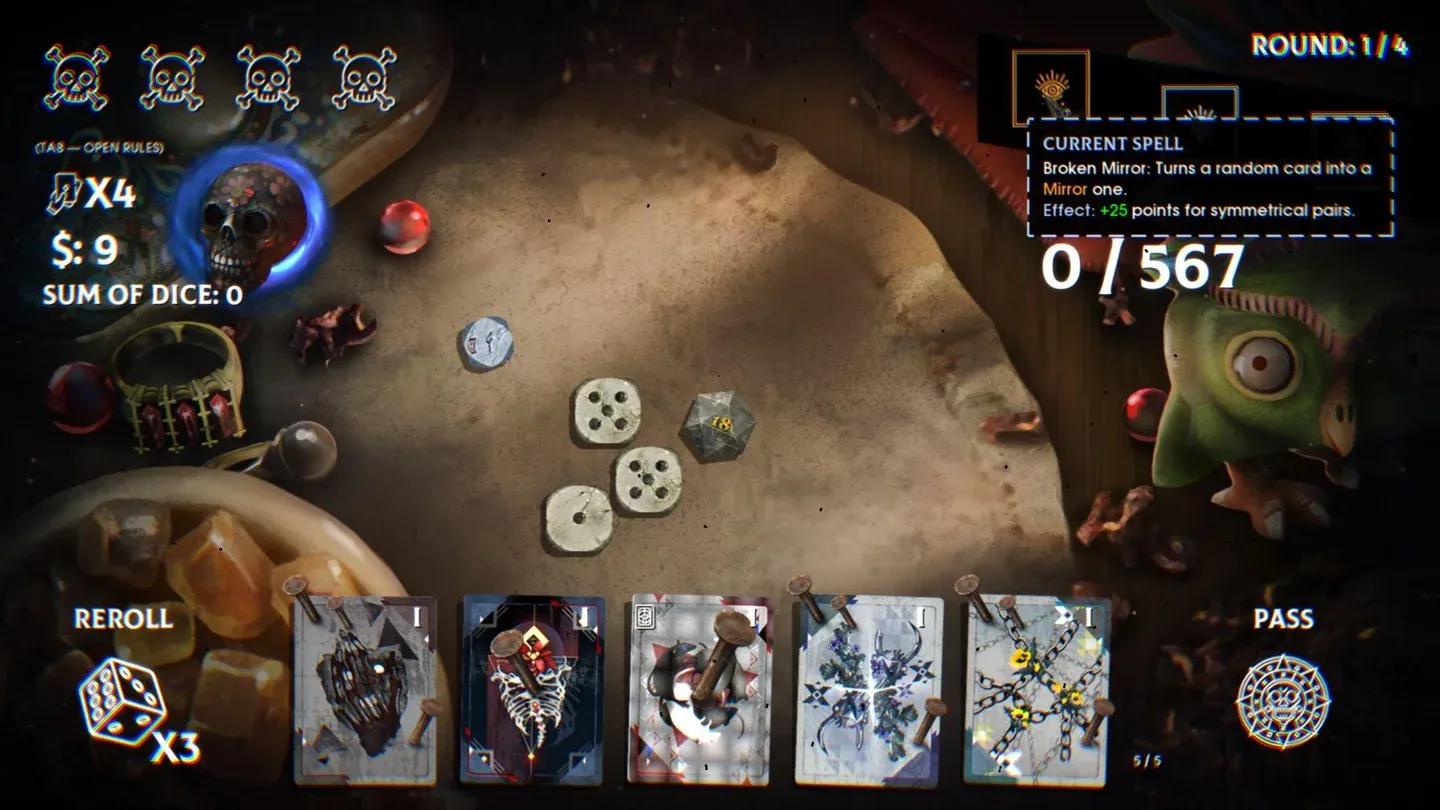
Spells are cast every time the dice are rolled, adding a modifier to a card in hand. These effects can help or hinder scoring. For example:
- The Astral modifier increases the score by 55 points and the score multiplier by 0.1 for each die showing a six in scoring.
- The Acid modifier decreases the base multiplier of the card by 35 percent.
The next three spells can be viewed in the top left of the screen at any time. A negative modifier landing on a combination that would have won on the last try can cause a devastating loss, while a helpful modifier in a tight spot can turn the tide entirely.
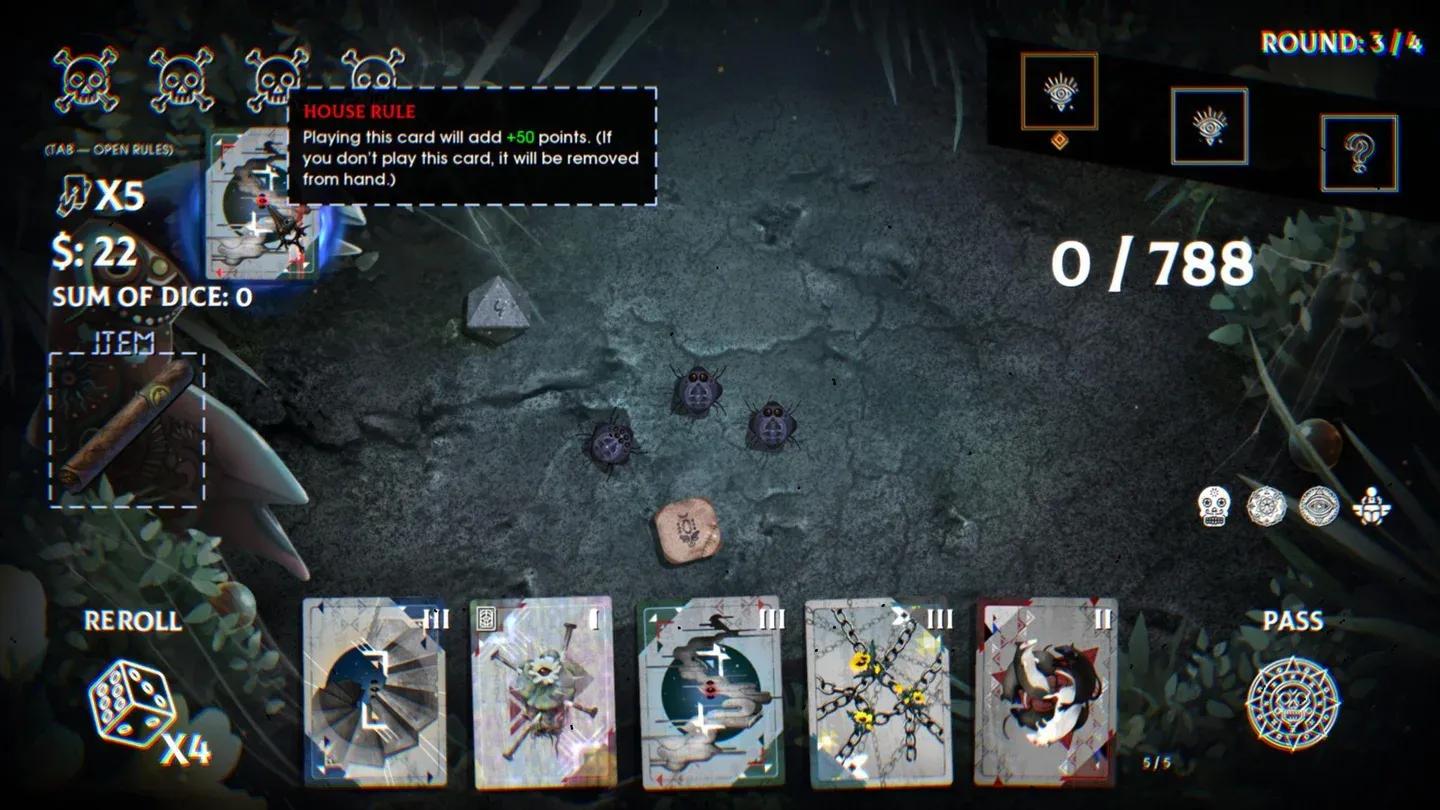
Each opponent has their own House Rule , a modifier that affects all rounds played against that opponent. One House Rule causes using an item to also consume one try. Another restricts players to only one hand of cards for the entire round, meaning cards used each try are not replaced. Playing around House Rules may require shifting strategy to incorporate different dice or cards. They are a fun gameplay element that encourages experimentation and rewards players who keep multiple options available.
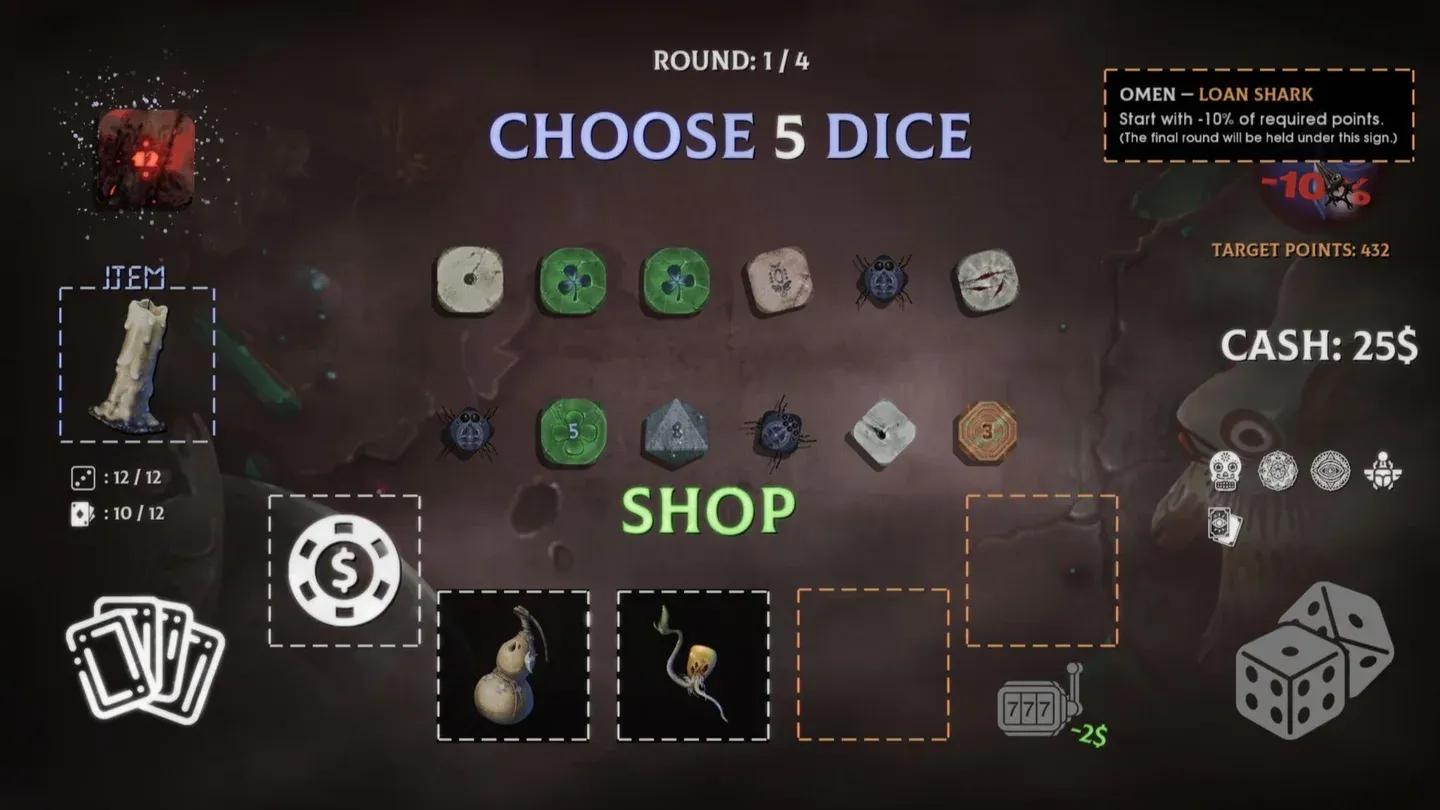
Omens function as a boss encounter element. During the fourth and final round, an omen takes effect and greatly increases the difficulty. Examples include:
- Using only Spells with negative effects
- Cards losing levels when played
- Reducing available tries to one
Players can see the active Omen in the shop before facing it, giving time to adapt strategy or use the Tarot Card item to change it. Omens are devastating but can be overcome with a well-crafted build and a little luck.
Losing and Retrying
While Bonereader features many roguelike elements, it is not a traditional roguelike. Losing only requires players to repeat the round they lost , they are not sent back to the start of the game. This design choice introduces a different sense of difficulty. Rather than discarding a failing build, players must examine what they have and figure out how to turn a losing situation into a winning one.
This pattern encourages more intentional build-crafting, as repeated failure highlights which cards and dice are underperforming. It also creates space to search for the missing piece that can finally win a particularly difficult round.
Story Mode
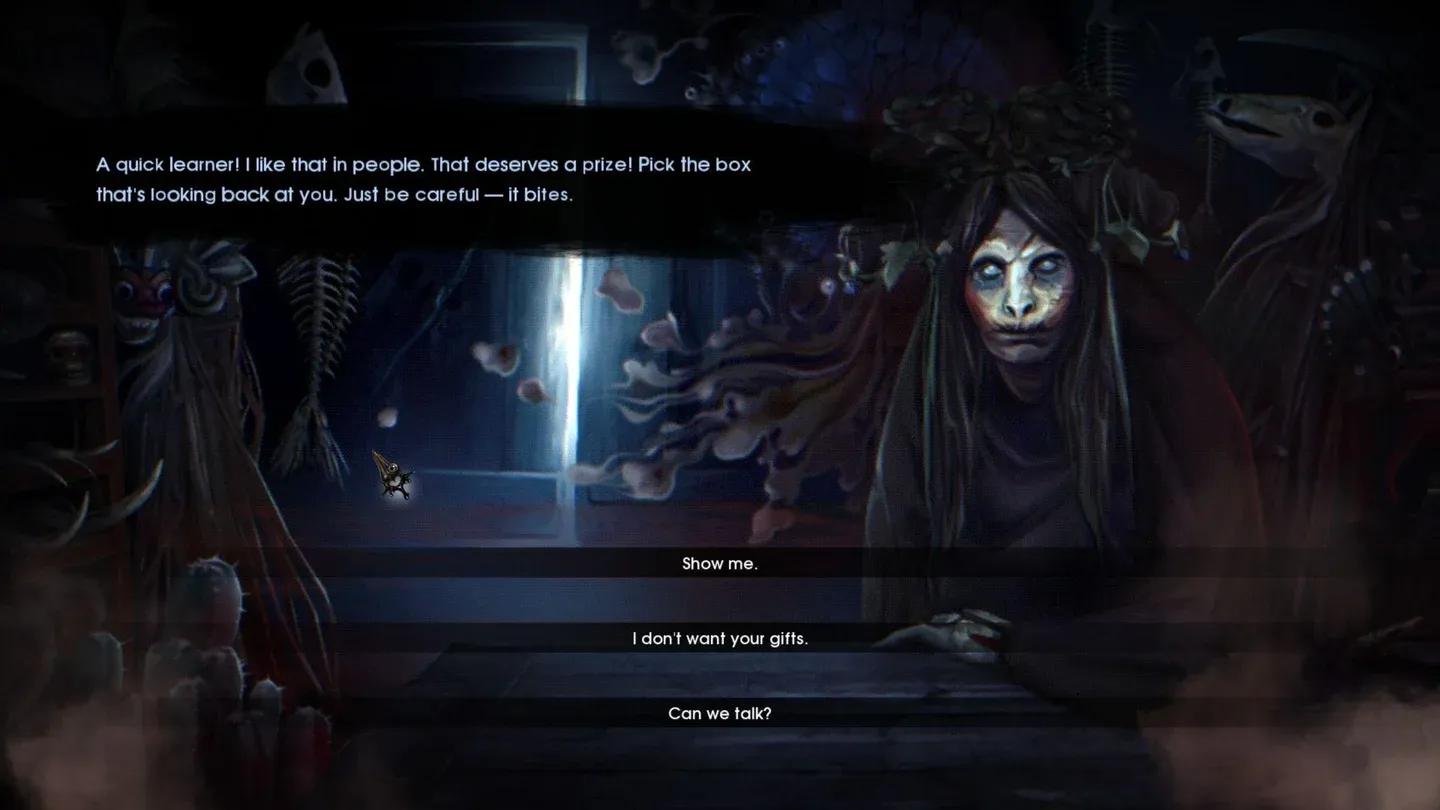
Bonereader has two modes: Story Mode and Casino Mode. Story Mode follows Harland Hill, a criminal for hire who wakes up in purgatory after dying in the electric chair. He wanders through this strange realm, meeting interesting characters and playing dice against them in an attempt to return to the world of the living. He has unfinished business , revenge against those responsible for his death , and is forced to confront who he is and why he gambles, even when he cannot be sure he can return to life.
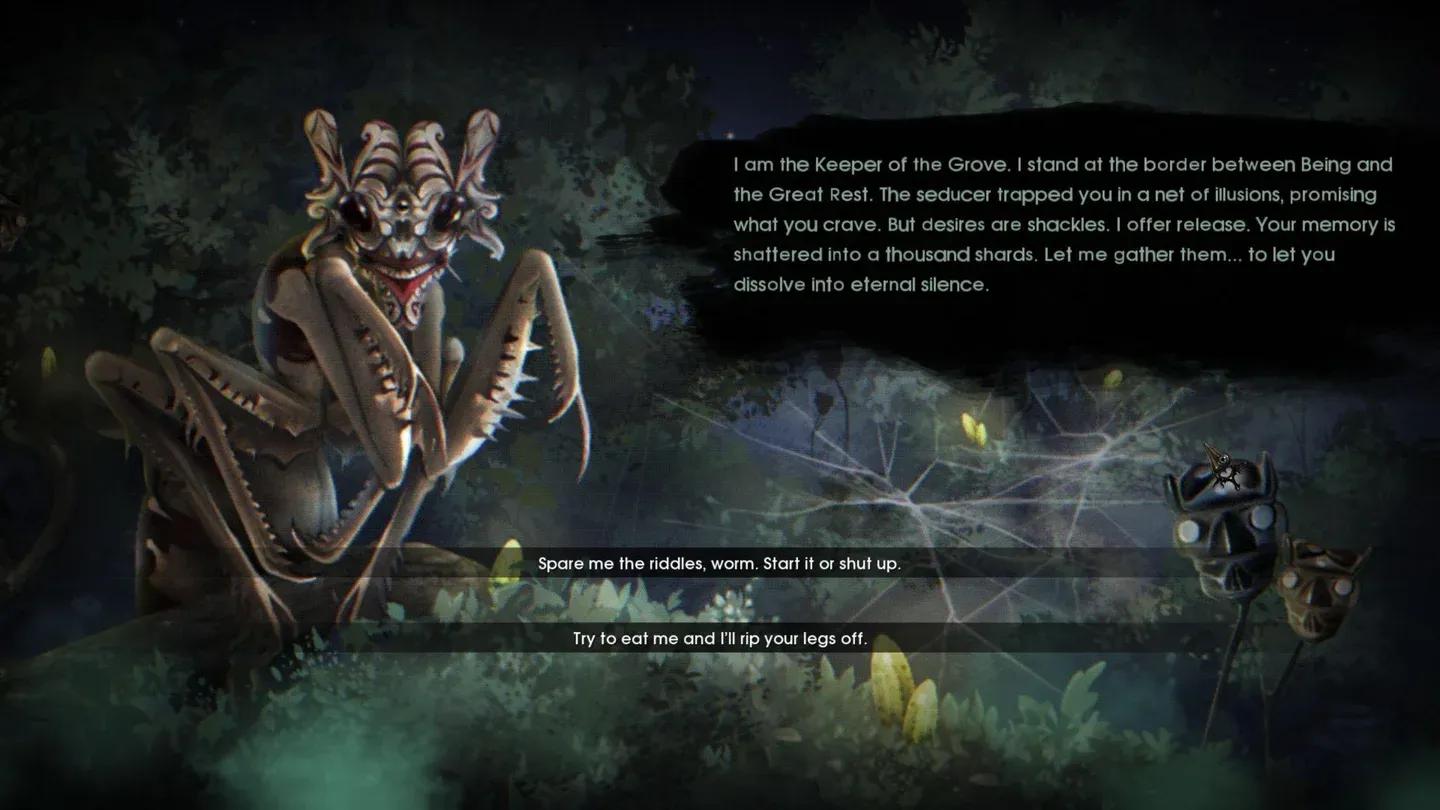
Characters and World
The characters Harland meets range from other humans lost after their deaths to mysterious supernatural entities. Characters like the Actress face their own struggle with death, expressing the loneliness of an afterlife where she no longer has to pretend to be someone she is not. Others, like the Insect, are supernatural residents who serve a purpose within the realm , offering release from memories so that the dead are not tortured by their lives. These characters create a multifaceted world full of individuals at different points in their own journeys.
Between rounds, players are presented with dialogue options that help define who they want Harland to be. He can befriend the residents of this other world or brush them off as he searches for a way back to life. Some choices yield powerful rewards and can even change the game's ending. Characters also give rewards after Harland defeats them, often providing a final detail about their nature , a part of them that continues on.
Endings and Themes
Story Mode features four endings, all determined by player decisions. As they define Harland's character, players are given the choice of what happens when his soul is put on trial by The Judge. In this final moment, Harland has one round to see if the dice truly fall in his favor.
Bonereader tells a story assisted by its gameplay. Players manipulate fate through their builds to reduce risk and pull the odds of winning in their favor. At the same time, Harland is forced to reckon with whether what happened to him was bad luck or the result of his own choices. The denizens of limbo want Harland to recognize what he needs to grow, but ultimately his fate is in his own hands.
Casino Mode
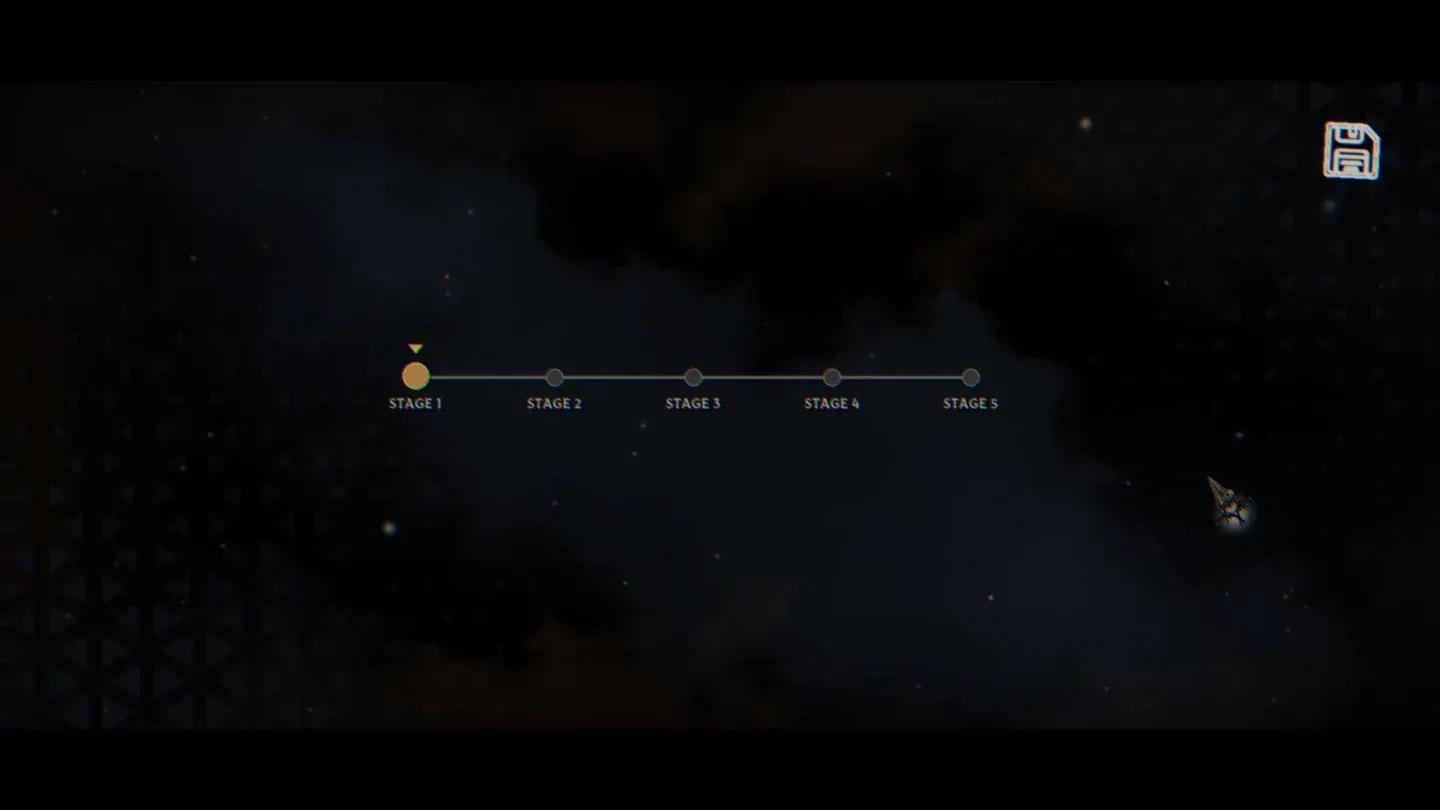
For a harder challenge that gets straight into the gameplay without the story, Bonereader offers Casino Mode. This mode features five generic opponents instead of the flavorful characters found in Story Mode. Players take on these opponents across four rounds each, purely for the love of the game.
Casino Mode escalates in difficulty and provides more of a challenge than the variable difficulty of Story Mode opponents. Beating an opponent does not grant the extra rewards found in Story Mode, so careful money and shop management is key to good deckbuilding. Casino Mode also offers achievements for winning with each of the starting decks.
While Casino Mode is not a true roguelike, it scratches that itch for players who love games that test deckbuilding skills through repeatable gameplay. Story Mode showcases talented art and writing, but Casino Mode focuses on the best of Bonereader's core gameplay , and the most dedicated players will love spending time here testing builds and chasing high scores.
Overall Impression
Bonereader is a fun game with two very enjoyable modes. Luck is always present, but skill can be used to overcome risk and consistently roll favorable outcomes. Managing which dice and cards to hold onto opens up a number of strategies, allowing players to pivot and adapt to whatever the situation demands.
Story Mode offers a compelling journey through a world between life and death, with plenty of opportunities for Harland to explore his relationship with the life he has lived. Casino Mode is where the real challenge lies, providing a rewarding experience as players overcome their own fate through skill and smart build-crafting. The synergistic gameplay loop and haunting atmosphere of Bonereader form a fantastic experience that a wide range of players will enjoy.
Bonereader releases on August 6 on Steam and GOG, and anyone interested can wishlist it now.
