

Advertisement

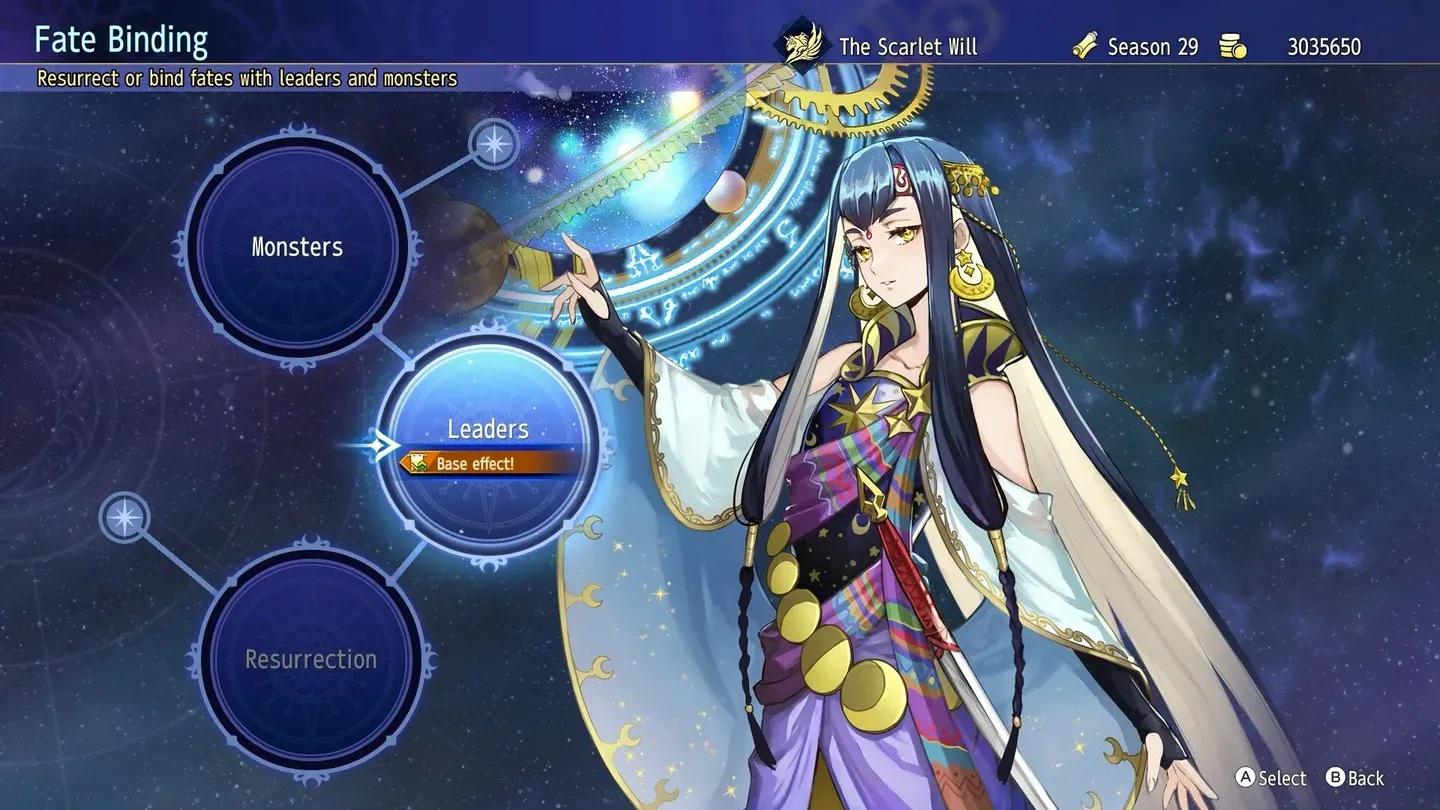
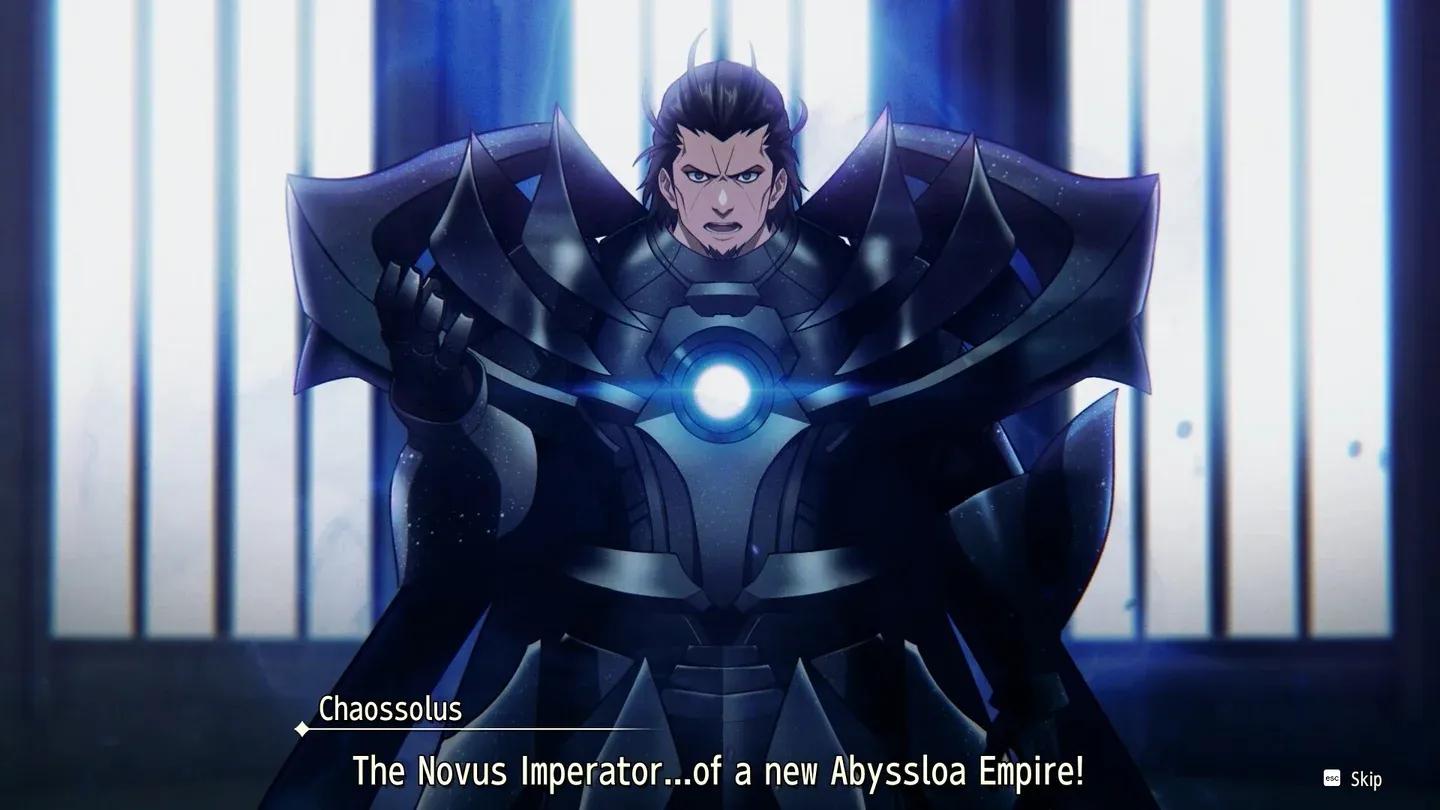
Overview
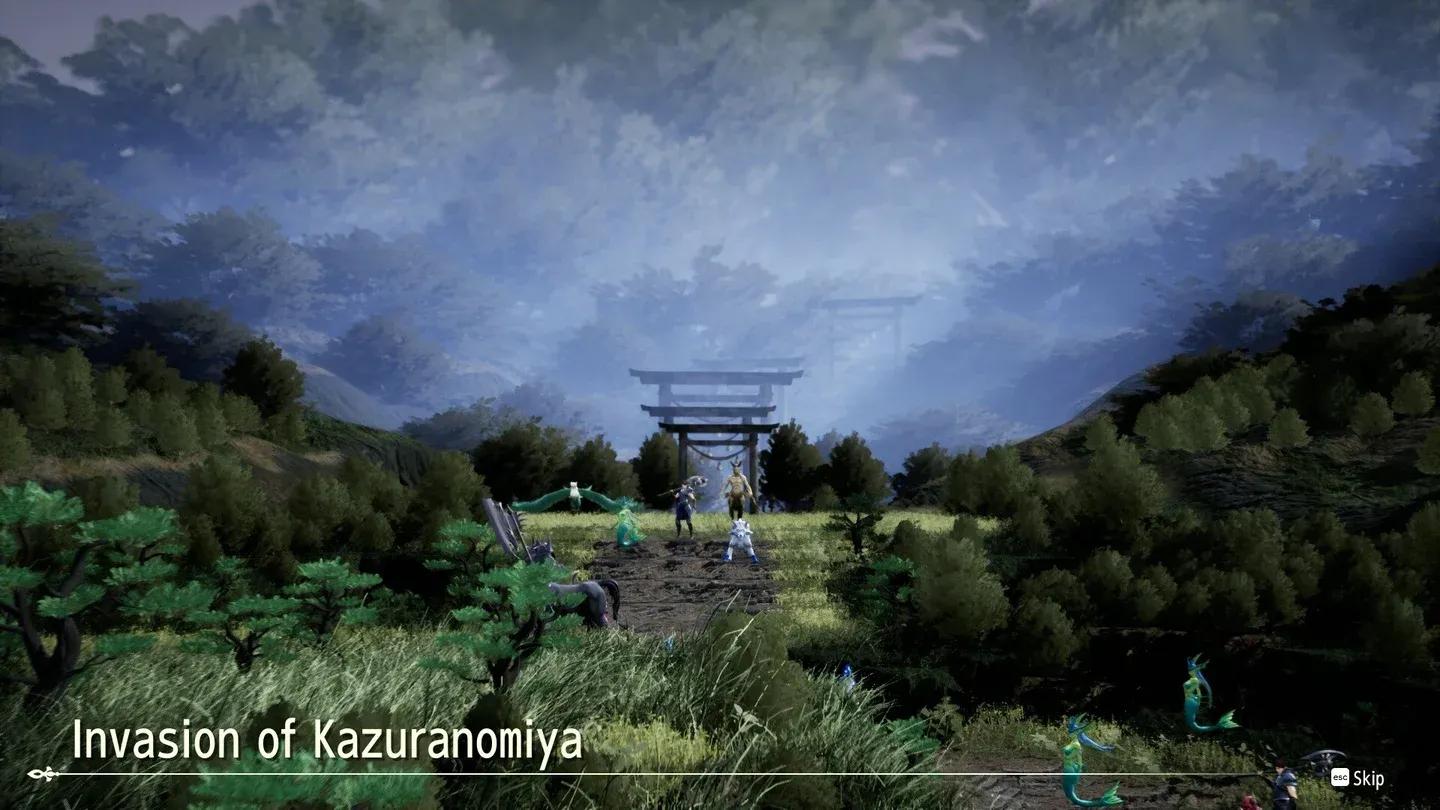
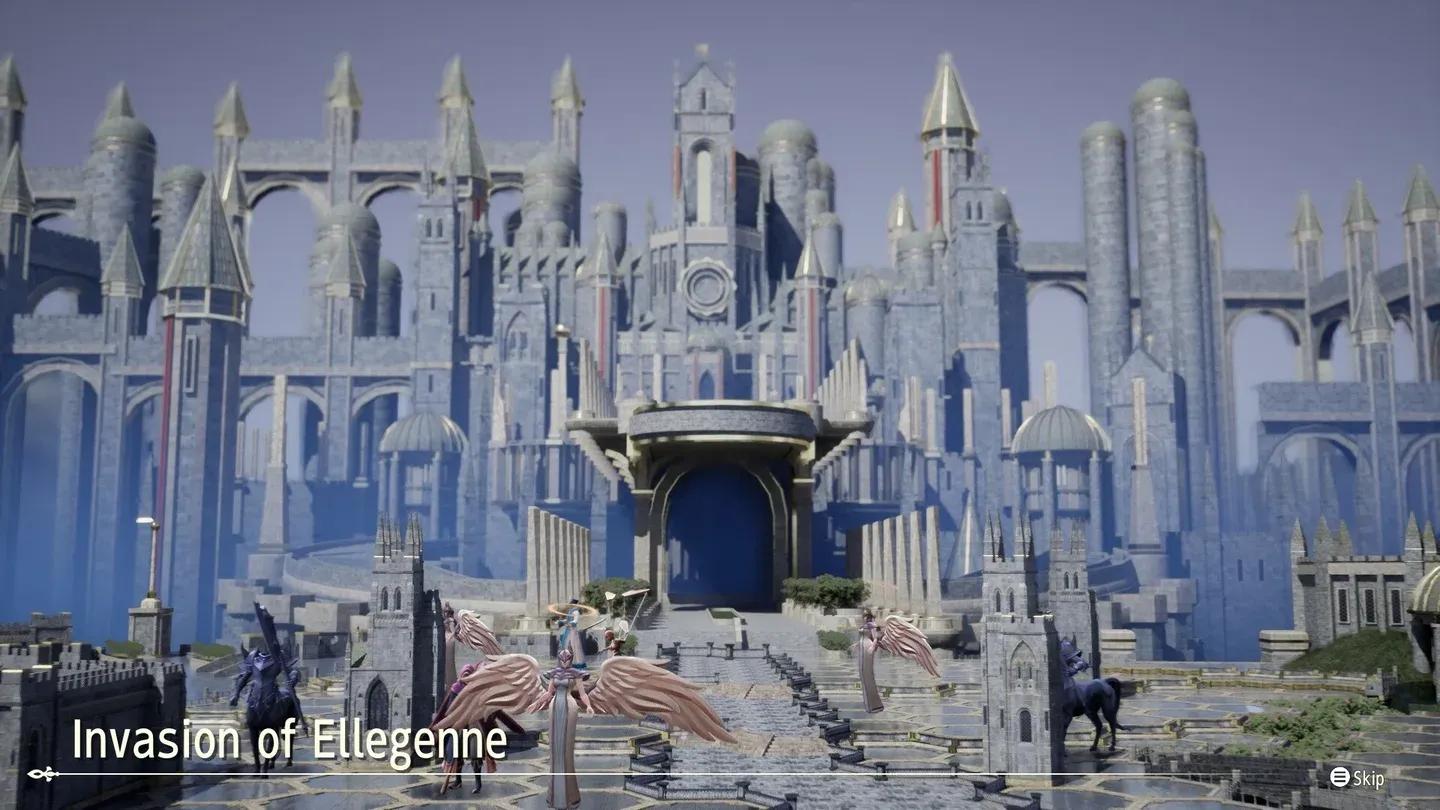
Brigandine Abyss is a strategy RPG developed by Adglobe and published by NIS America, picking up the thread of a world that thought it had outrun its darkest chapter. Two hundred years after the arcane armor known as the Brigandine ended the Abyssloa Empire's conquest, that empire is back. The Kingdom of Solginat has collapsed into violence, and the continent's fragile order is fracturing. Six nations now stand at the center of the conflict, each with its own reasons to fight and its own version of the story.
The game offers two distinct ways to engage with that conflict. Story Mode walks players through each of the six nations' narratives, giving meaningful context to the wars being fought. Mission Mode opens things up considerably, letting you choose from 24 playable nations, each with a unique win condition that shapes how you approach the campaign. That 24-nation roster is the kind of number that makes a second or third playthrough feel genuinely different rather than just harder.
BRIGANDINE ABYSS content image
Gameplay and mechanics: how does Brigandine Abyss actually play?
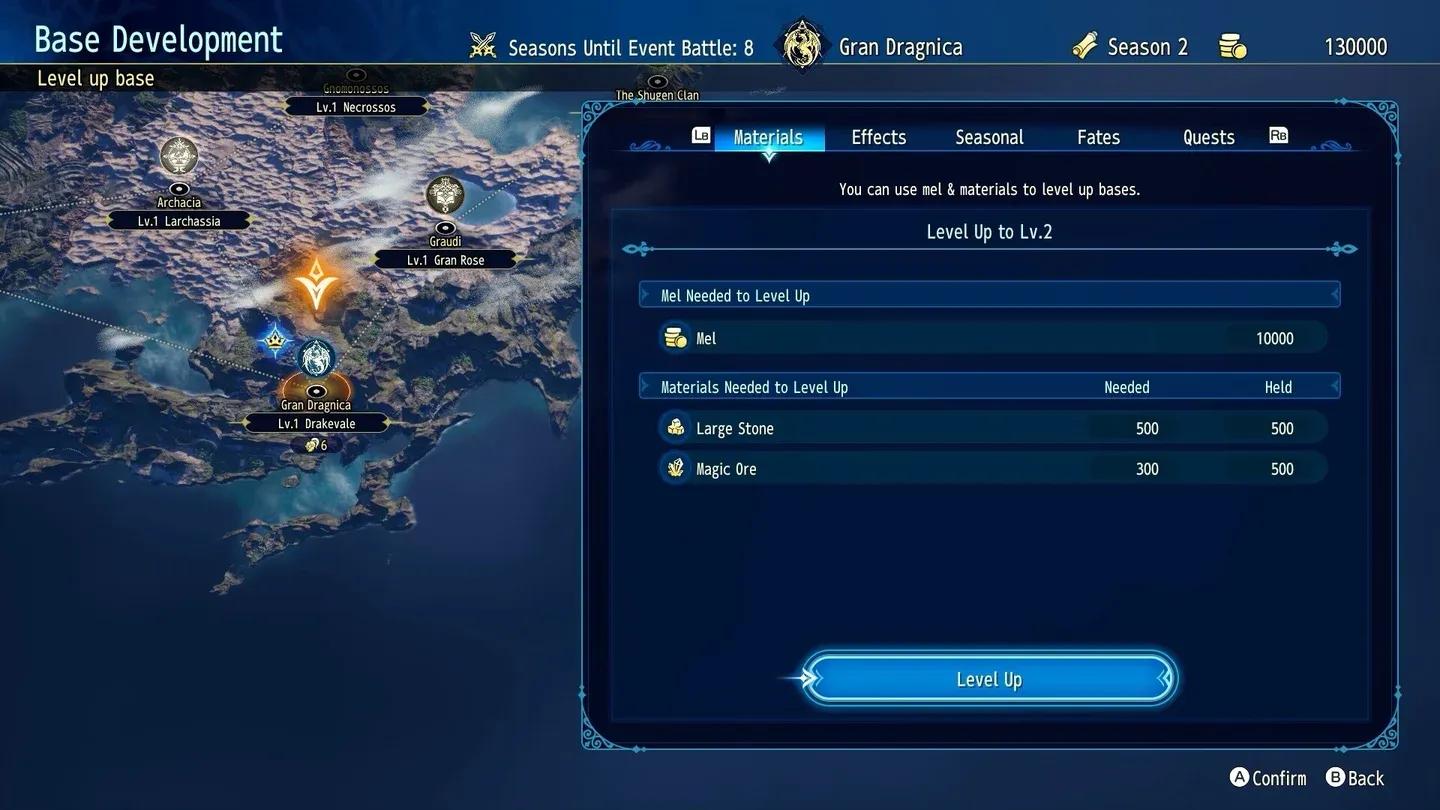
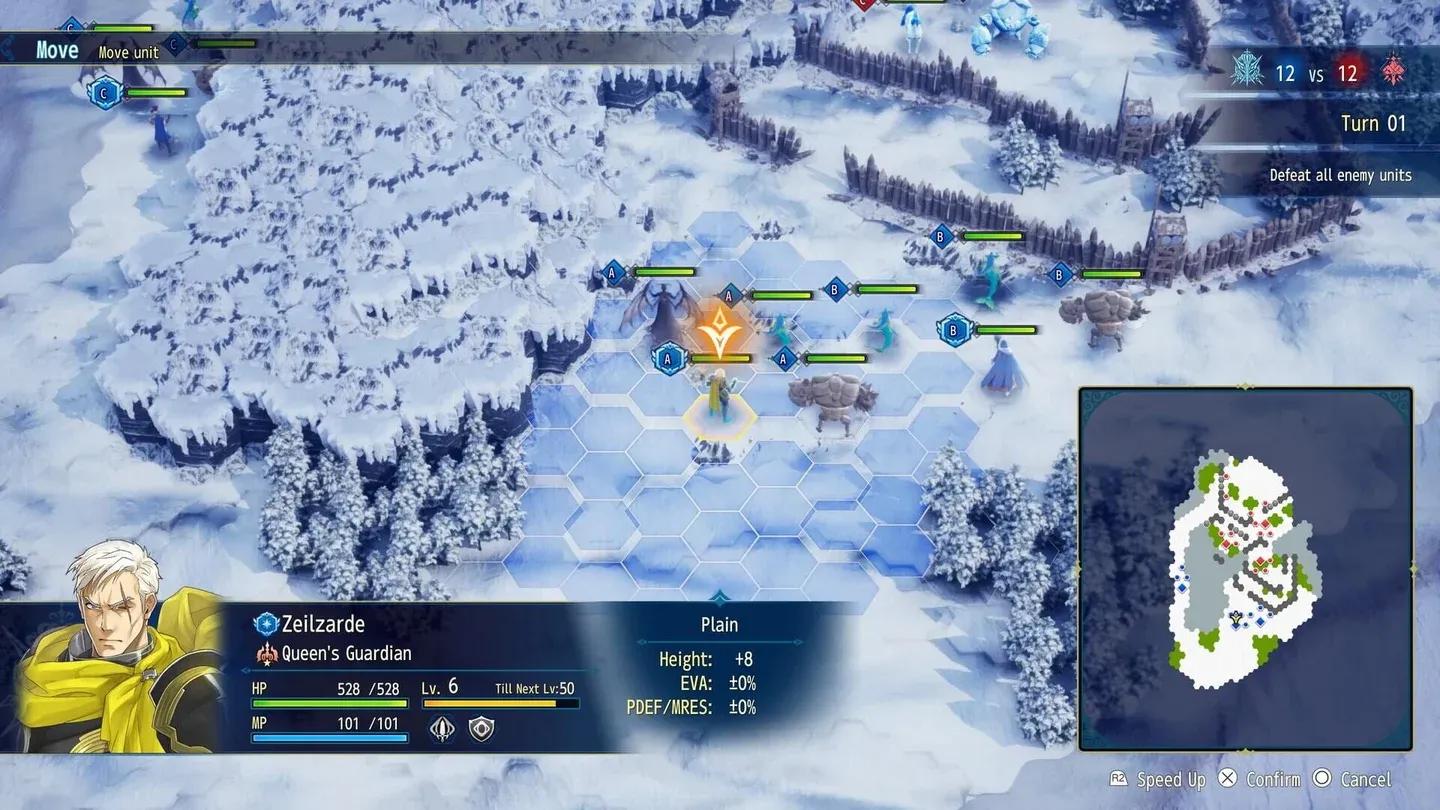
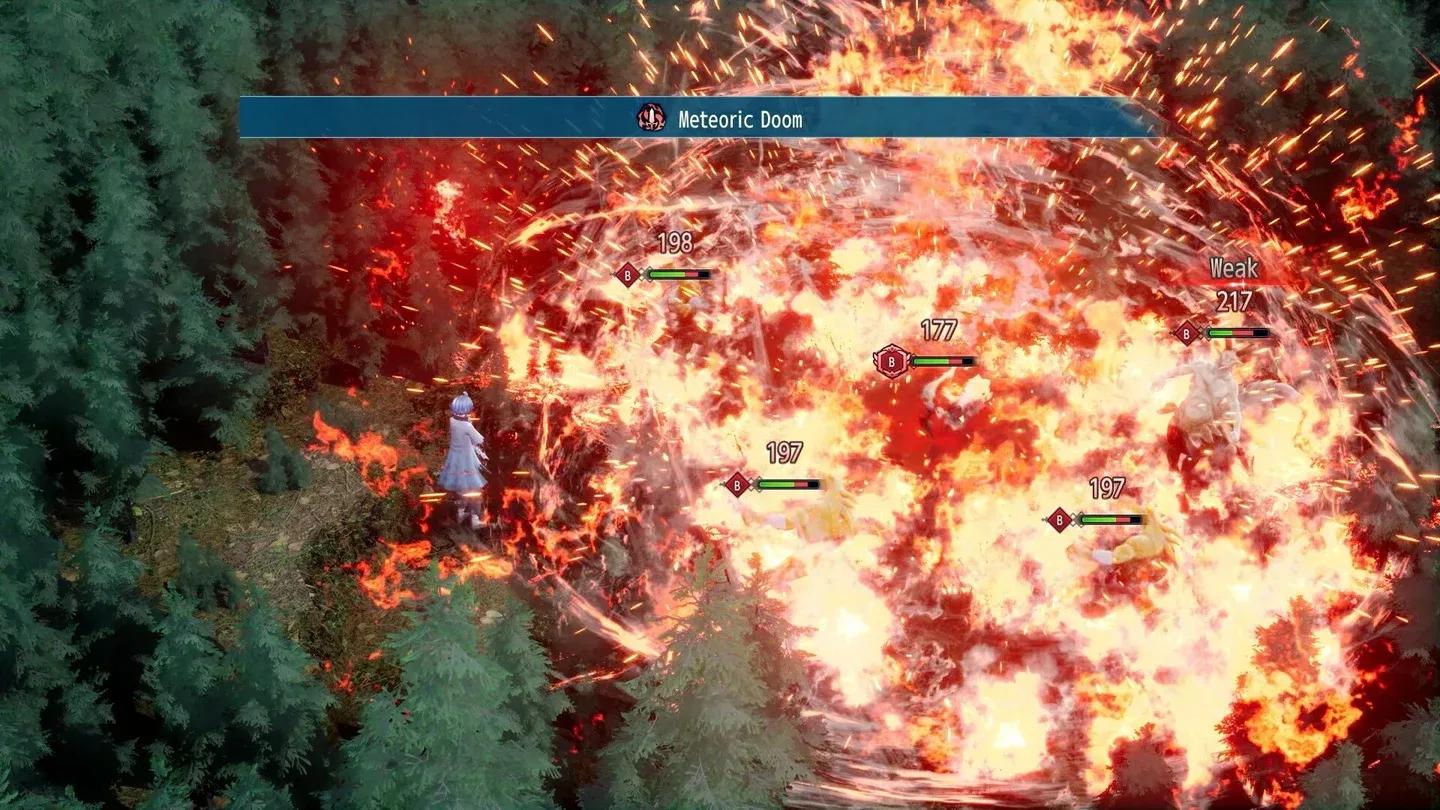
Brigandine Abyss runs on a two-phase loop that alternates between preparation and aggression. During Organization Phases, you strengthen allied troops, manage resources, and set up your forces for the battles ahead. Task management here is not busywork; the efficiency of your upgrades directly shapes what you can field when the fighting starts.
BRIGANDINE ABYSS content image
Key mechanics at a glance:
- Hexagonal grid turn-based combat
- Dual-phase loop: organization and attack
- 24 selectable nations in Mission Mode
- Six narrative campaigns in Story Mode
- Monster unit management and rallying
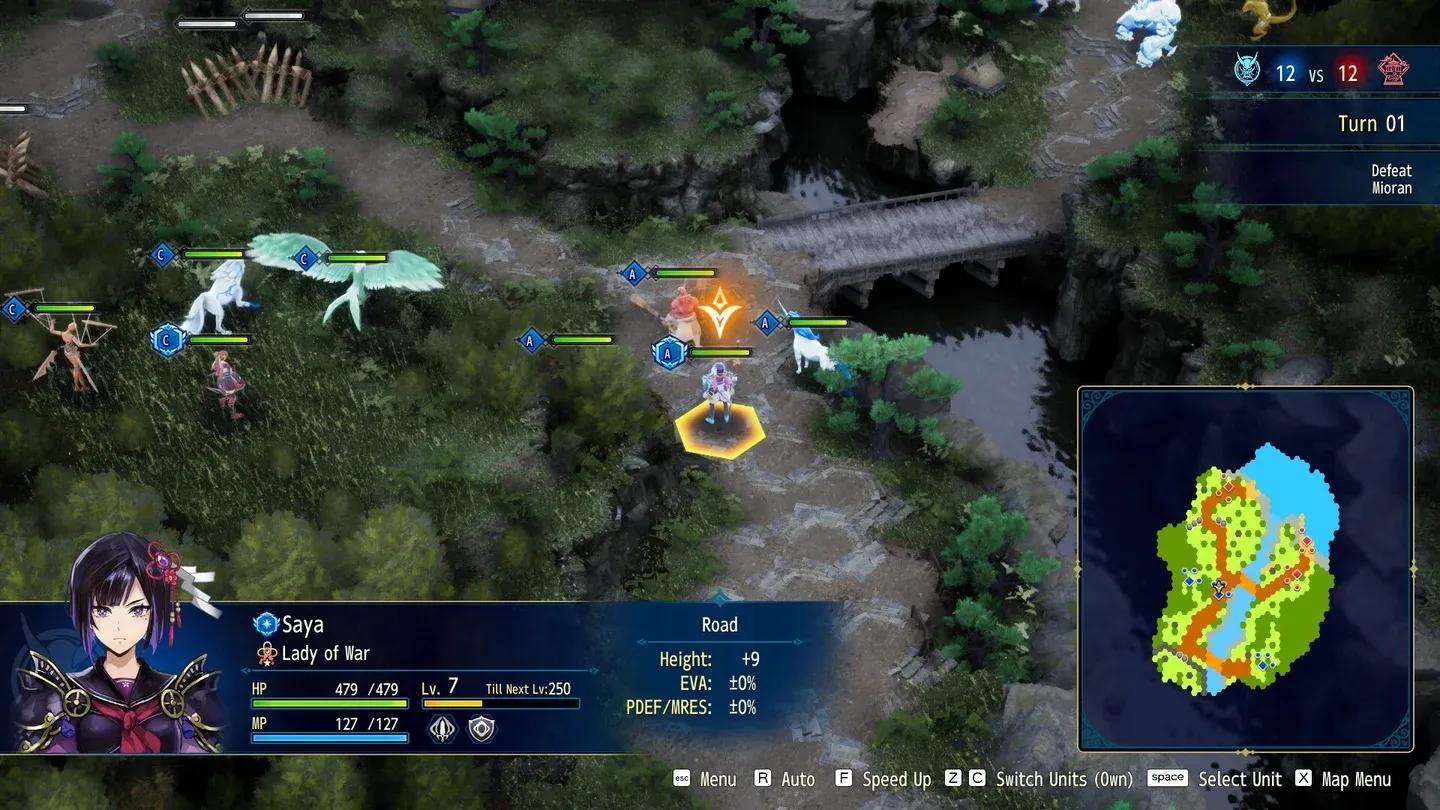
Attack Phases shift the focus outward. Invading neighboring nations is optional, but the resources and personnel you can capture make a real difference. The choice to push aggressively or consolidate is yours, and both approaches have genuine trade-offs.
BRIGANDINE ABYSS content image
Hexagonal combat and tactical depth
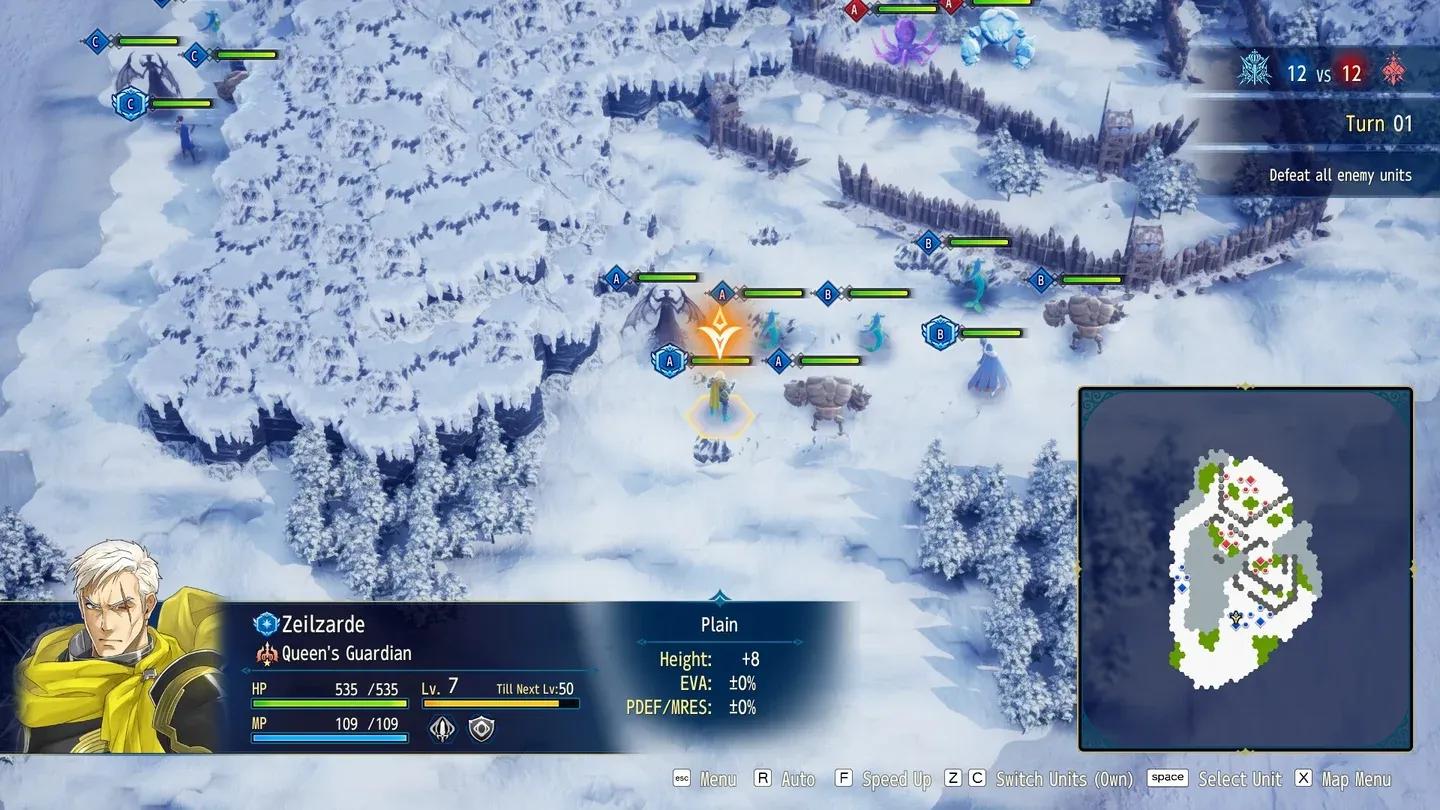
Battles play out on a hexagonal grid, which gives positioning and unit facing real weight. You can target enemy leaders directly to force a retreat, or grind through opposing units one at a time. Neither approach is universally correct, and the game seems designed to make you read each engagement before committing.
The monster management layer adds another dimension to combat preparation. Rallying and developing your monster units between battles is part of the strategic loop, not an afterthought. Players who put time into their roster during Organization Phases will feel the difference on the battlefield.
World and setting
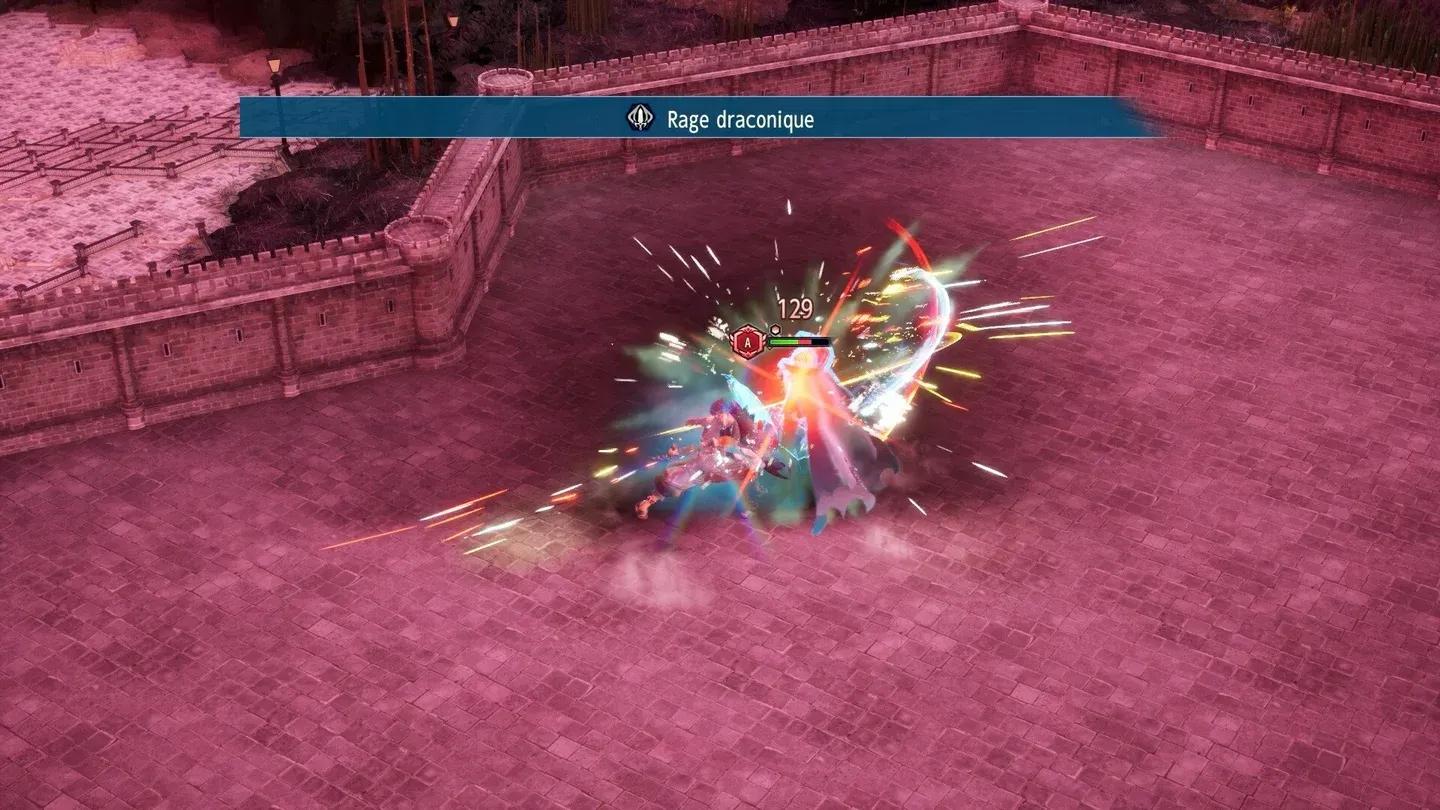
The fiction here leans into classic high-fantasy political drama without drowning in it. The sorcerer Lunadea's legacy runs through the world's history, and the queen of Mysteine carries that tradition forward as the continent mobilizes against Solginat's new would-be emperor. Each of the six Story Mode nations has a distinct perspective on the same crisis, which means the same events can read very differently depending on who you are playing as.
BRIGANDINE ABYSS content image
Content and replayability
For a strategy RPG, replayability lives or dies on how much the experience changes between runs. Brigandine Abyss puts serious weight behind that question. Six full story campaigns with distinct narratives, 24 nations to command in Mission Mode, and individual win conditions per faction give the game a structural variety that most titles in the genre do not match. The turn-based tactics framework and nation-building loop hold up across repeated playthroughs because the political map shifts with every decision made during Attack Phases. Fans of hexagonal strategy games and grand-scale RPG campaigns will find plenty of reasons to return.
| Requirement | Minimum | Recommended |
|---|---|---|
| OS | Windows 11 | Windows 11 |
| Processor | Intel® Core™ i5‑4670 (quad‑core), 3.40 GHz or higher | Intel® Core™ i5-7600 (quad-core) 3.50 GHz or higher |
| Memory | 16 GB RAM | 16 GB RAM |
| Graphics | NVIDIA® GeForce® GTX 1060 (VRAM 4GB) or higher | NVIDIA® GeForce® RTX 2060 (VRAM 6 GB) or higher |
| DirectX | Version 12 | Version 12 |