Overview
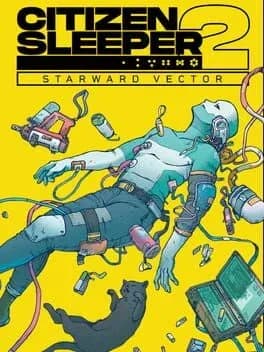
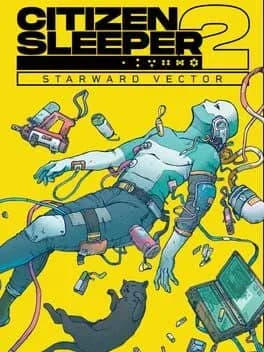
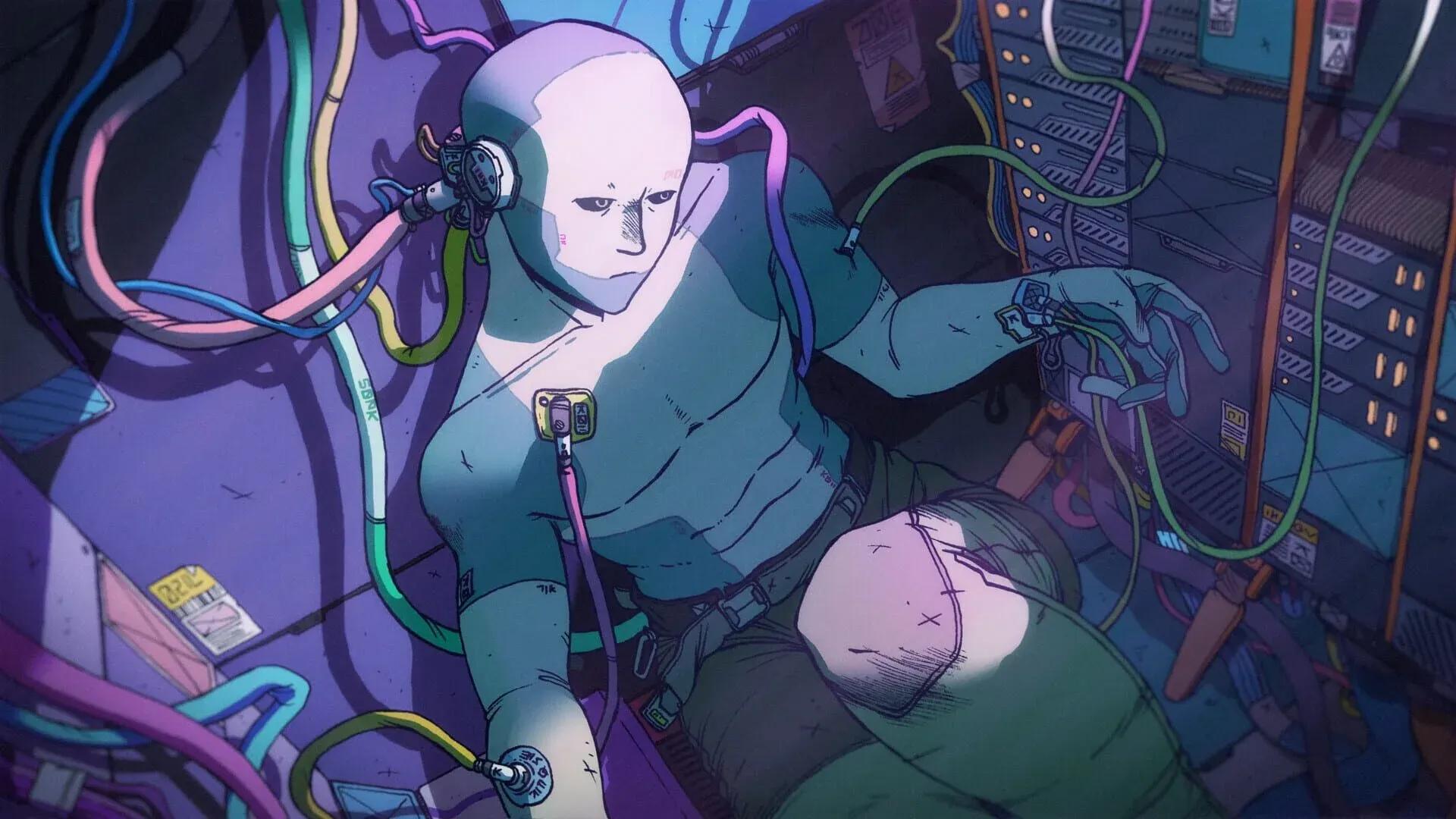
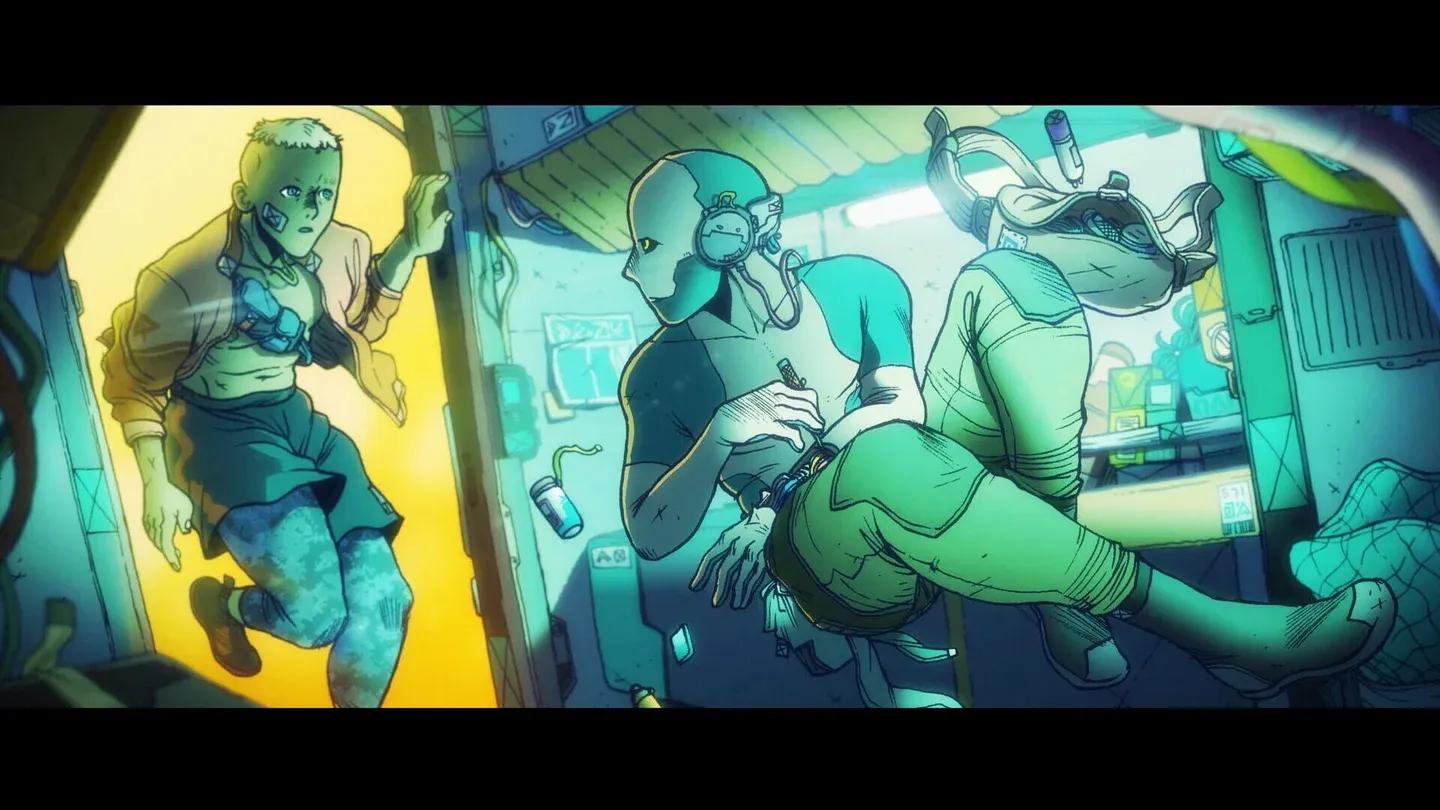
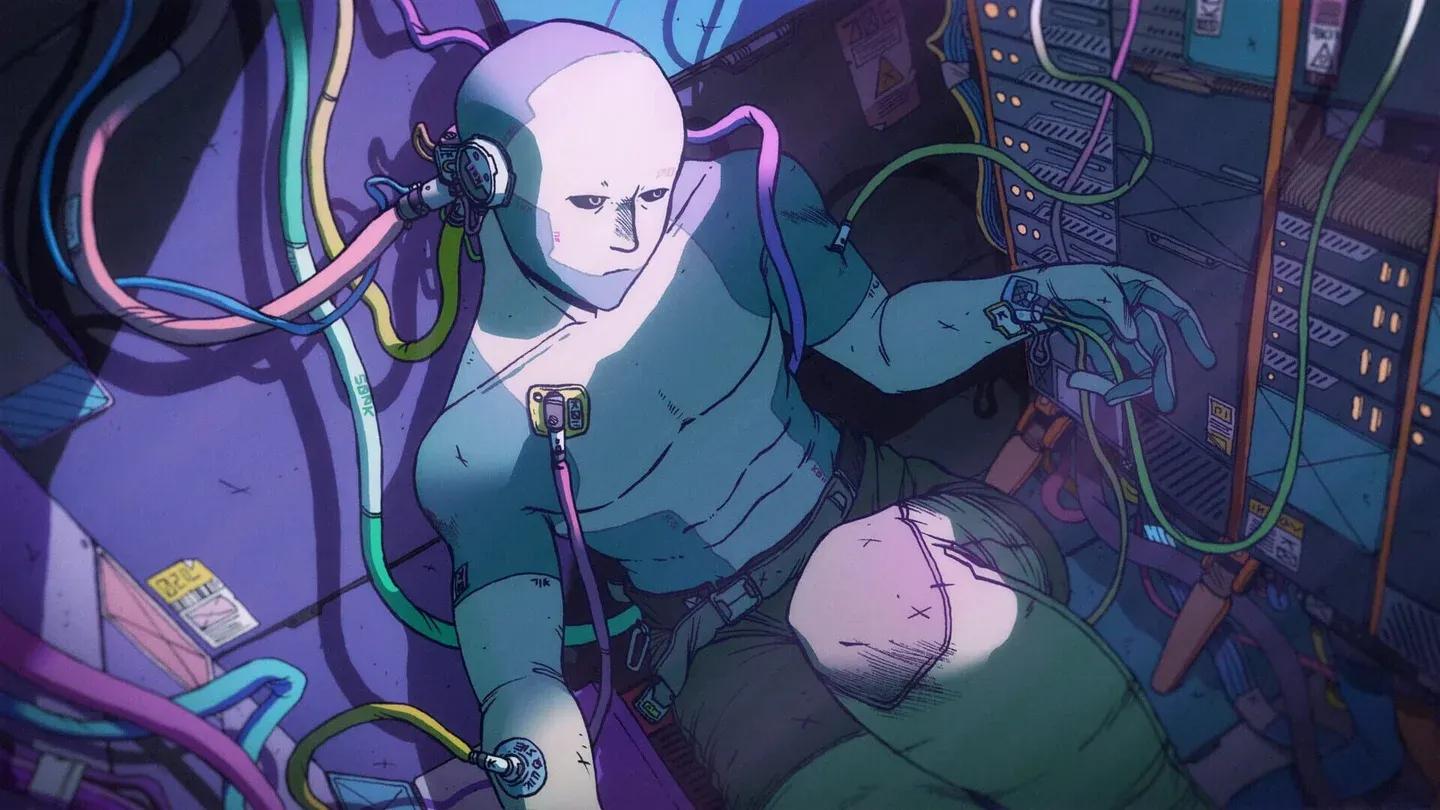
Citizen Sleeper 2: Starward Vector is the sequel to Jump Over the Age's widely praised 2022 RPG, and it arrives with a clear sense of purpose. Set in the Starward Belt, a loosely connected network of asteroid habitats teetering on the edge of systemic collapse, the game follows a Sleeper: an android whose mind is a corporate emulation of a human consciousness. After breaking free from both a megacorporation and a local criminal gang, the Sleeper wakes with a malfunctioning body, no memory, and a stolen ship. The task ahead is survival, and the means are entirely up to the player.
Published by Fellow Traveller and developed by a one-person studio, Citizen Sleeper 2 launched on January 31, 2025, across PC (Steam and Epic Games Store), PlayStation 5, Xbox Series S/X, Nintendo Switch, and macOS. The game is also available through Xbox Game Pass, making it one of the more accessible indie RPG releases of the year.
Tabletop-Inspired Mechanics: How Does the Dice System Work?
The dice system sits at the heart of Citizen Sleeper 2, and it rewards thoughtful play rather than pure luck. At the start of each cycle, the player rolls a pool of dice and assigns them to actions across the Belt's various locations and contracts. Higher rolls unlock better outcomes, but even low numbers have uses if the player understands how to manage their resources.
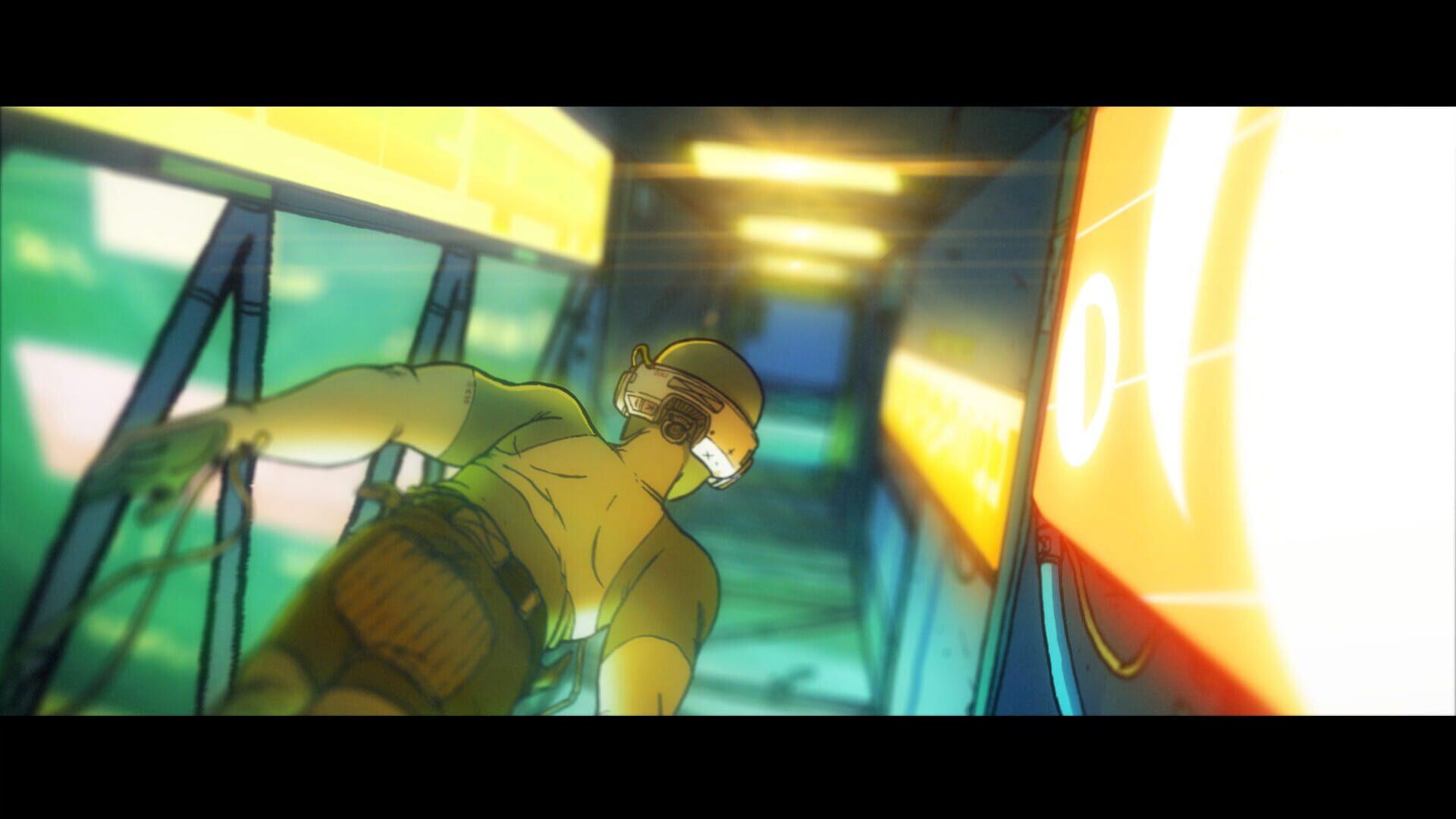
Key mechanics include:
- Class-specific "Push" abilities for high-risk moments
- Stress and damage systems that degrade your dice pool
- Reroll options to shift the odds on critical actions
- Skill checks that reflect your chosen class and build
- Branching contract outcomes based on preparation and crew
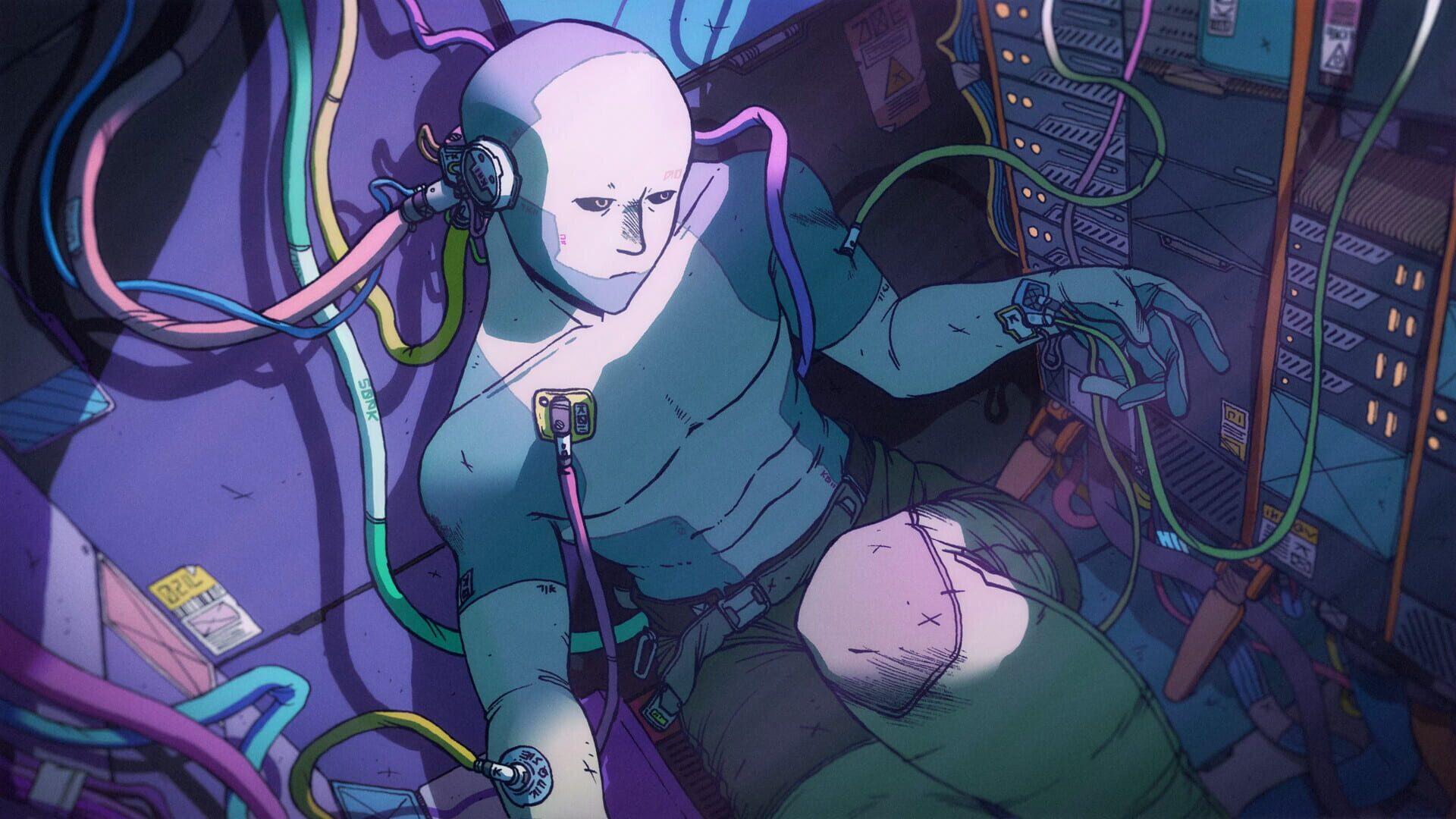
Each of the available character classes brings a distinct tactical identity to these systems. The Push ability, new to the sequel, allows players to escalate a situation dramatically, either turning a failing run into a success or compounding an already dangerous situation. It is the kind of mechanic that makes every session feel authorial, as though the story is genuinely responding to how you play.
A World Worth Exploring
The Starward Belt replaces the single-station setting of the original game with a multi-hub open structure. Players navigate freely between locations, taking on contracts, building relationships, and upgrading their ship, a battered Rig that serves as both home base and primary resource sink. The Belt is designed to reward curiosity; hidden stories and meaningful characters populate its corners, but the game never forces a particular path.
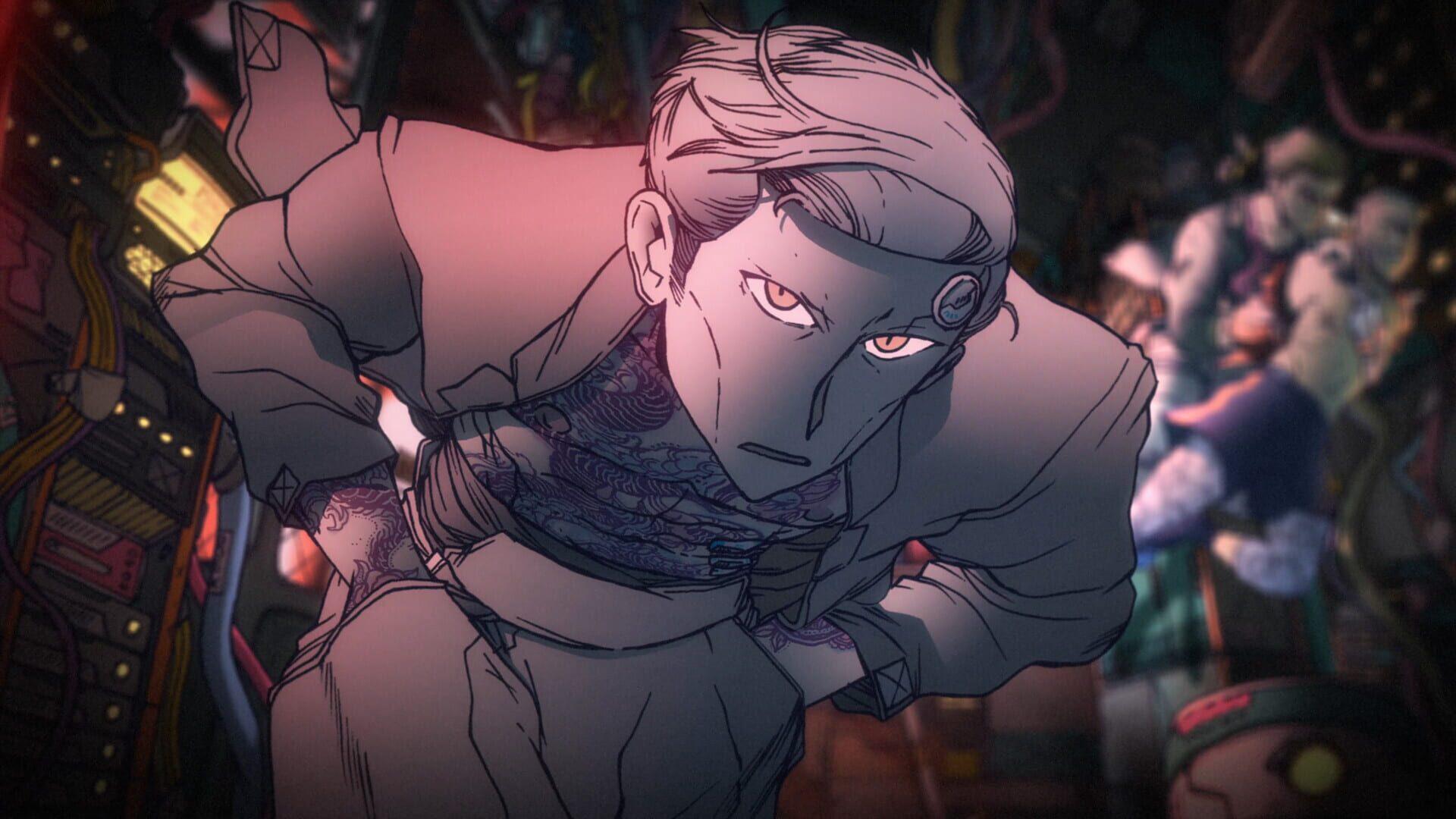
Contracts represent the sequel's most significant structural addition. These are self-contained, multi-cycle missions that take the Sleeper away from the Belt's social hubs and into more dangerous, focused scenarios. Exploring derelicts, conducting heists, surveying asteroids, and repairing ships in the field all demand careful preparation and adaptable thinking. The risk-reward calculus is constant, and the consequences of failure are meaningful.
Visual and Audio Design
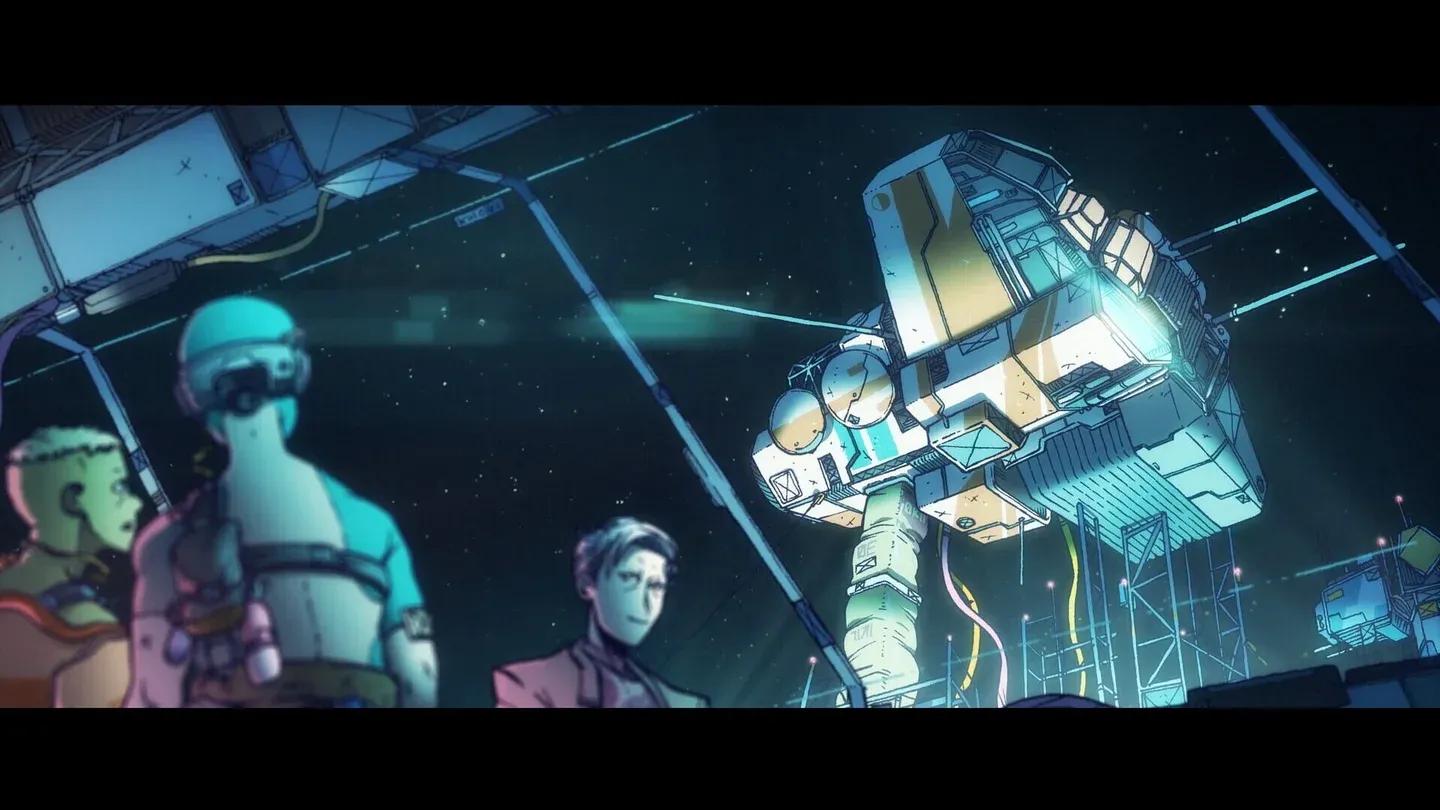
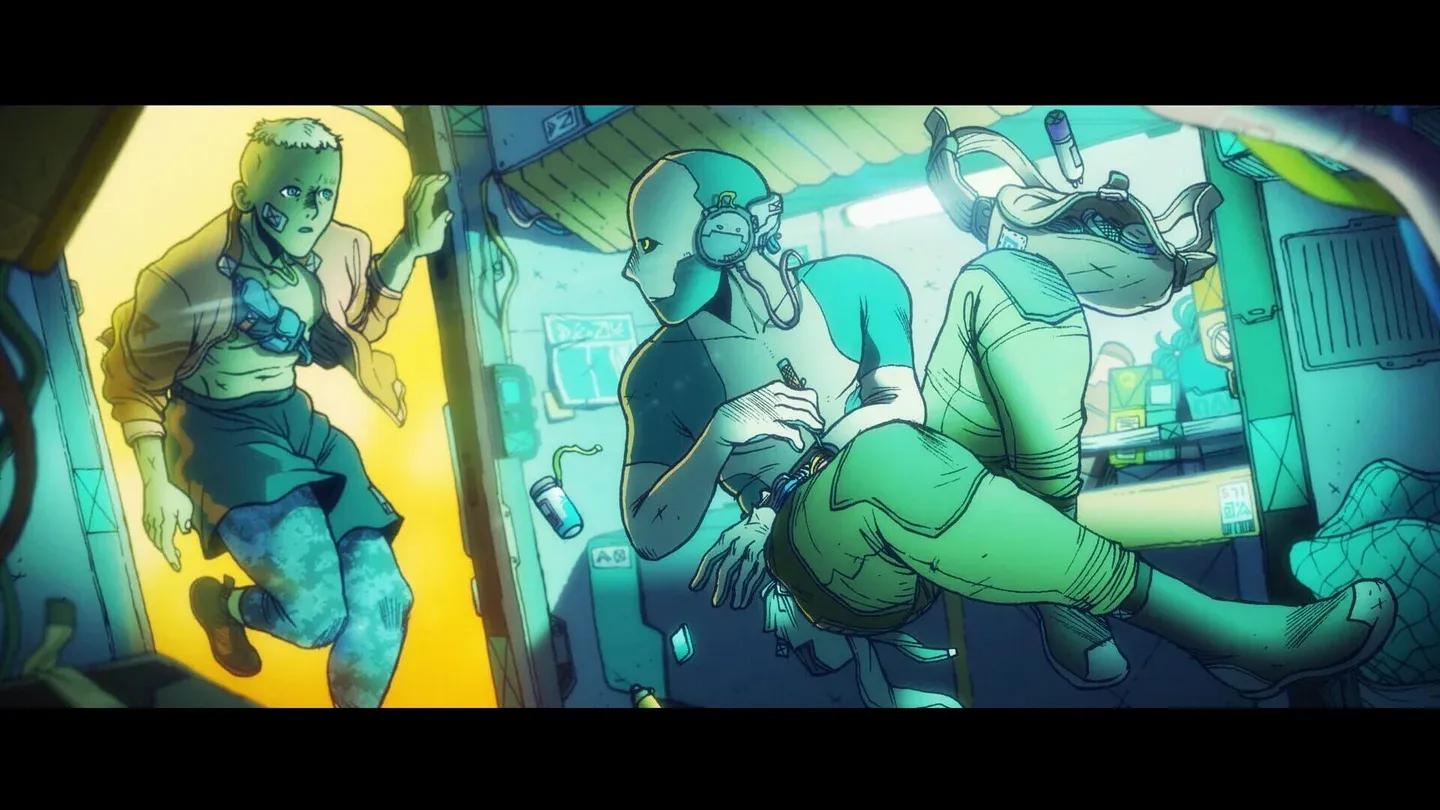
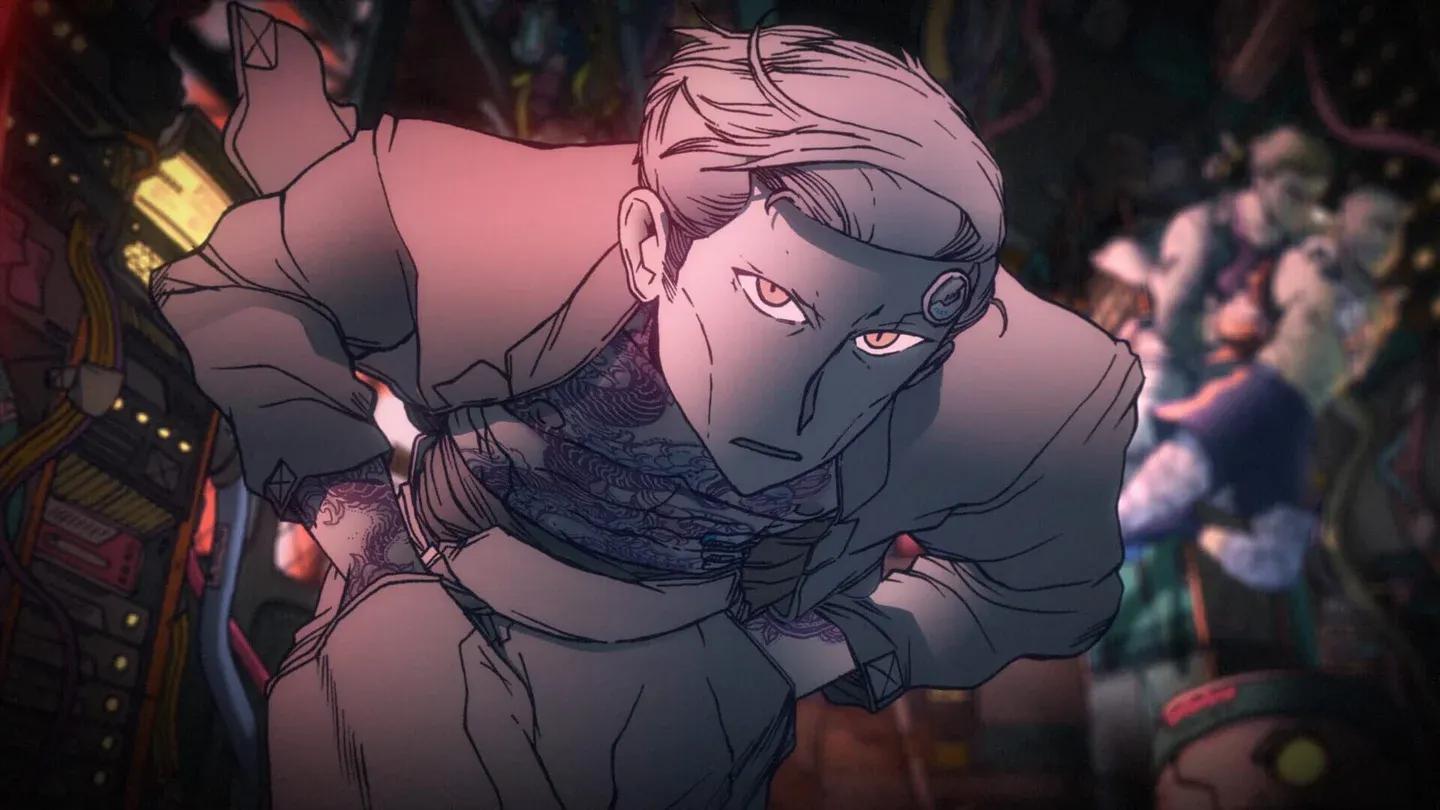
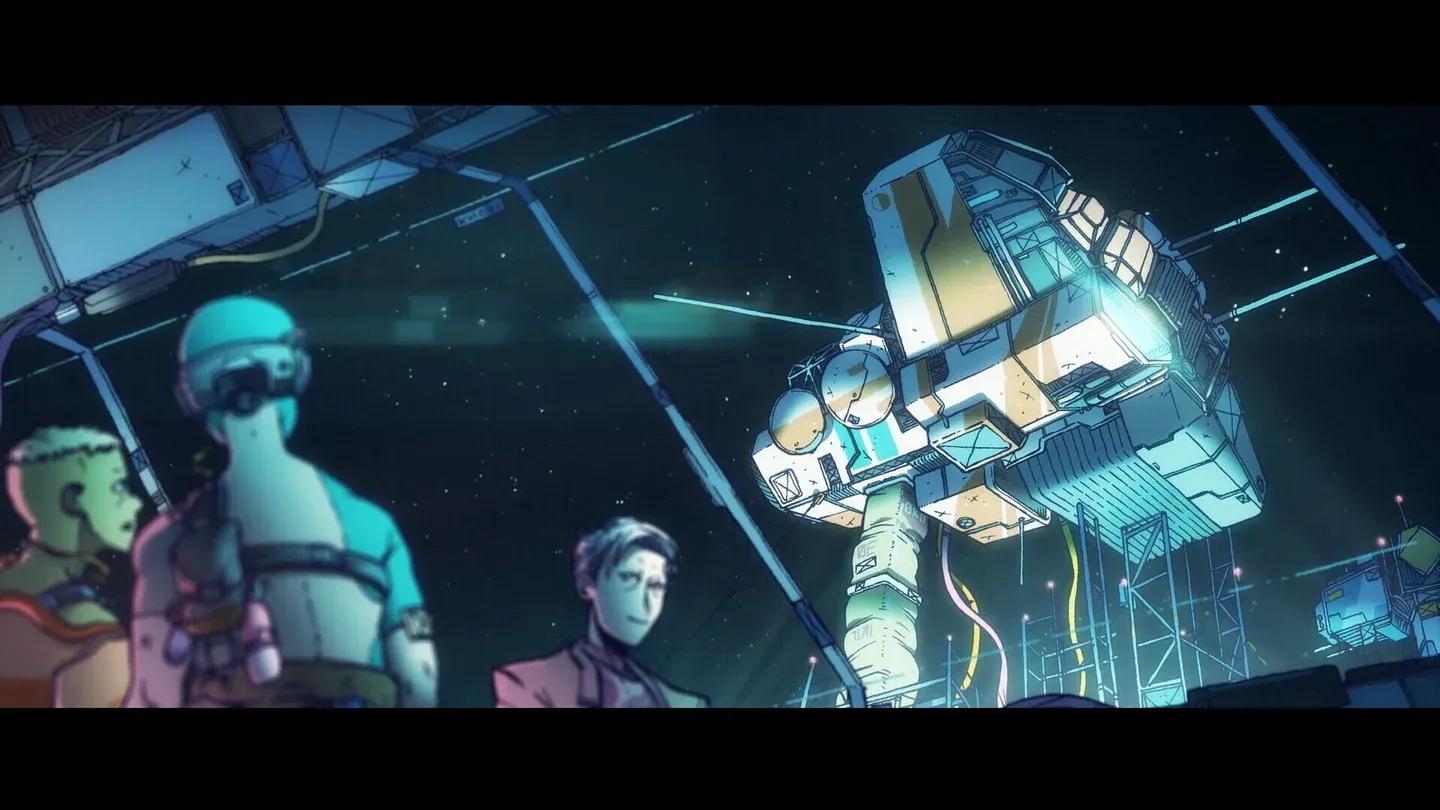
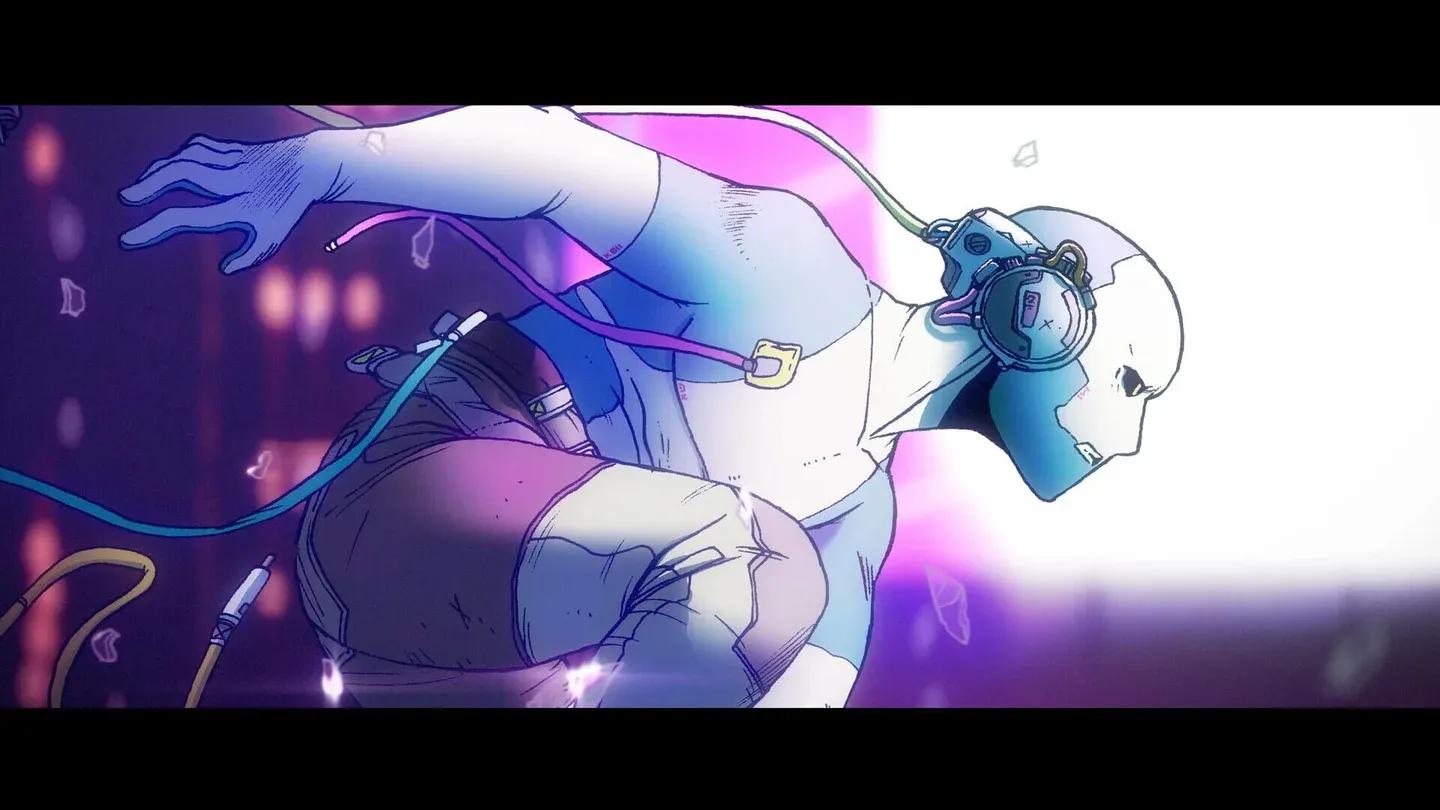
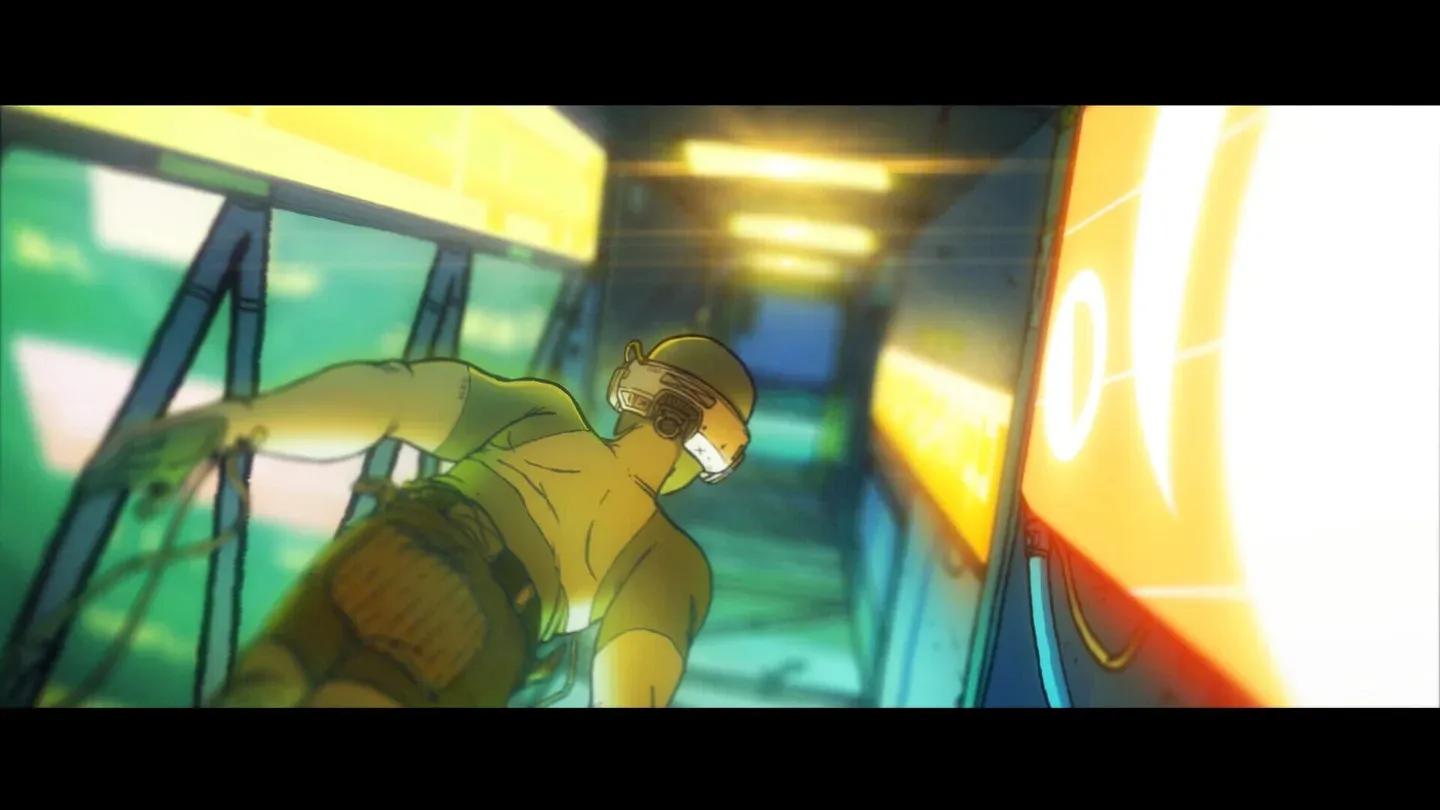
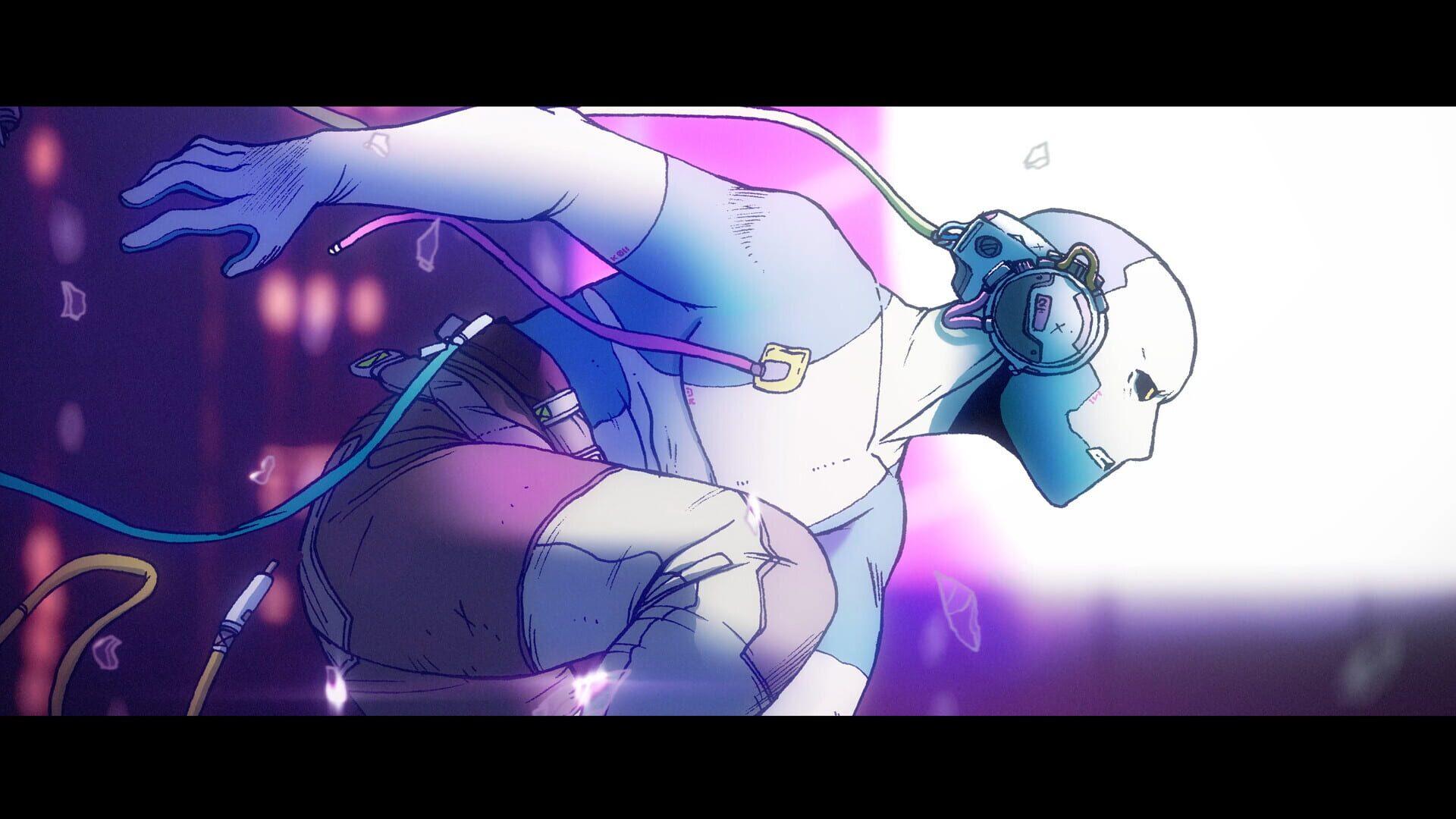
The creative team behind the original game returns intact. Guillaume Singelin's comic-influenced illustration style gives the Belt a gritty, lived-in visual identity, with character portraits and environmental art that communicate personality without excess. Amos Roddy's score layers ambient electronic textures over quieter, more intimate compositions, matching the game's rhythm of tense action and reflective downtime.
Impact and Reception
Critical reception has been strongly positive. Game Rant describes it as "a must-play indie game for 2025," while Easy Allies called it "the first true GOTY." The PlayStation Store community rating sits at 4.79 out of 5 from over 300 ratings, reflecting broad player satisfaction across platforms. Gareth Damian Martin, the sole developer behind Jump Over the Age, has received GDCA and IndieCade awards for prior work, with multiple BAFTA nominations underscoring the studio's standing in the independent development space.
Conclusion
Citizen Sleeper 2: Starward Vector is a precise, deeply considered narrative RPG that expands on its predecessor without losing the intimacy that made the original resonate. The tabletop-inspired dice mechanics create a genuine tension between risk and reward, while the Starward Belt's open structure gives players meaningful agency over how their story unfolds. For anyone drawn to story-rich indie RPGs with systemic depth and exceptional writing, this is a title that earns its place at the top of the genre.