Overview
Cozy Builder is a casual sandbox building game from Pangea Game Studios, published by indie.io and available on Windows through Steam. Its countryside setting brings architecture, gardening, and small-scale production together around a château that players build and inhabit.
Vineyard Valley needs repair after an earthquake leaves its homes damaged. Rebuilding gives the creative work a purpose beyond completing a private estate: each restored home contributes to the countryside’s recovery. The setting connects personal expression with the larger task of making an inhabited place feel cared for again.
How does building work in Cozy Builder?
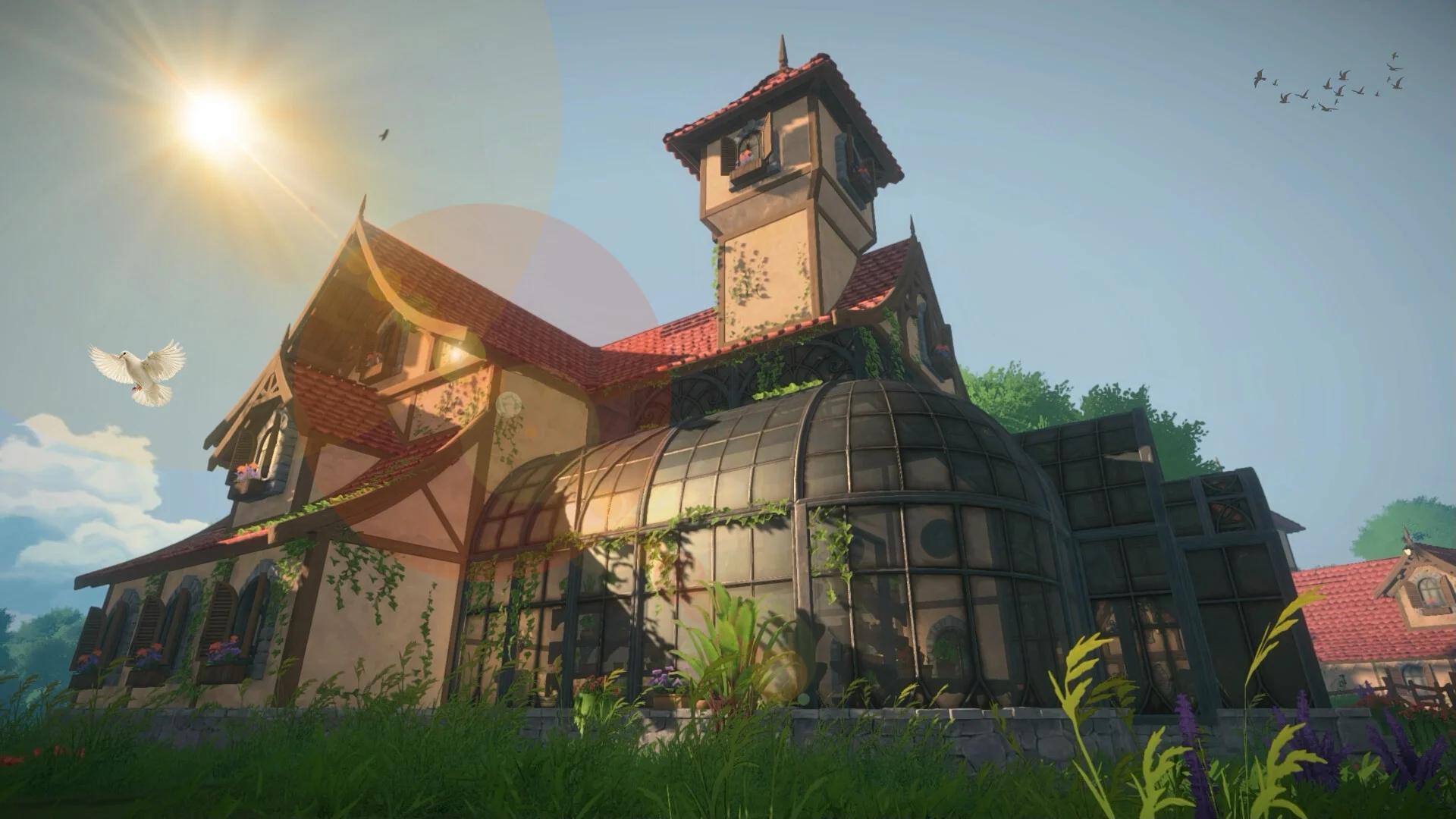
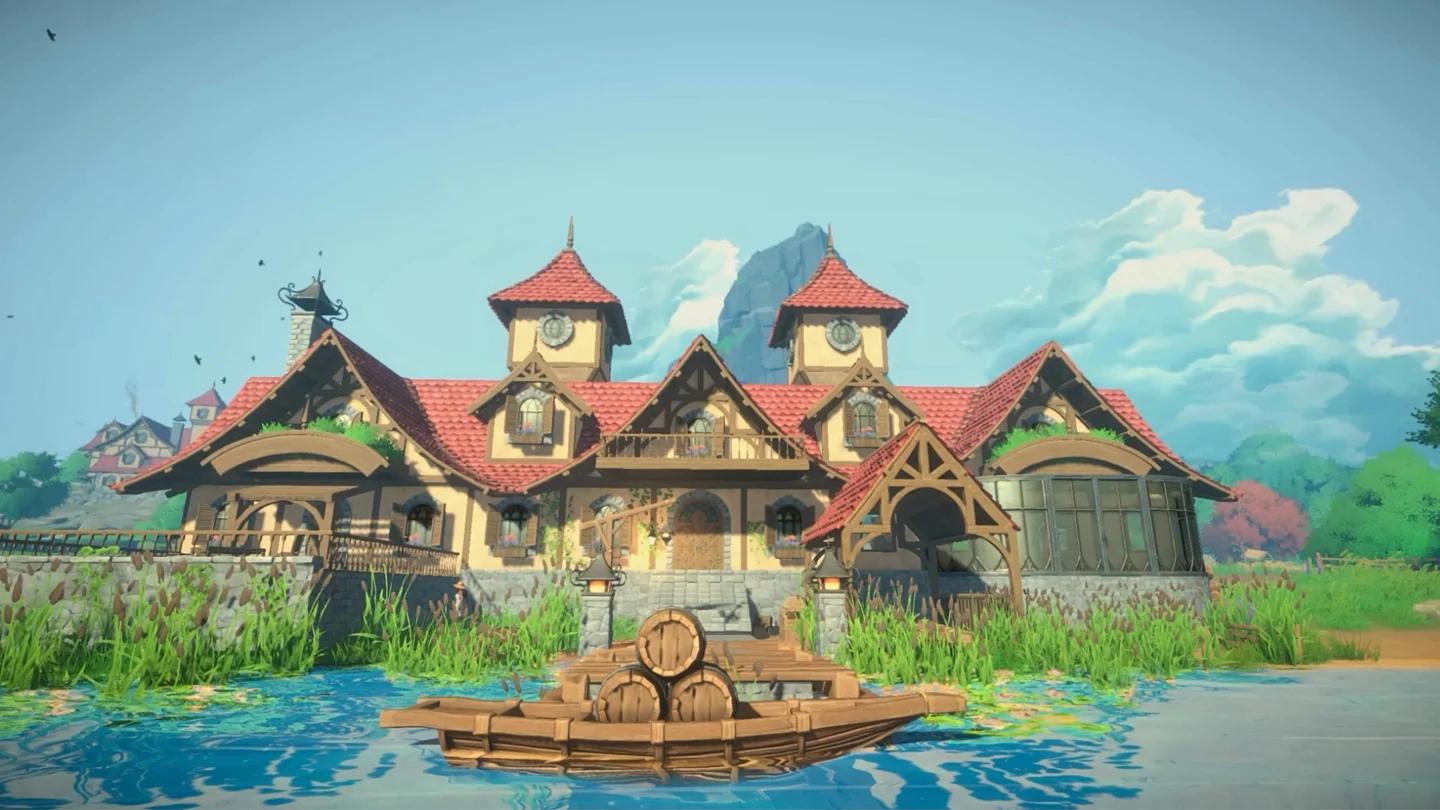
Cozy Builder uses customizable modular pieces to construct homes from the ground up. Players assemble the architecture themselves, with projects spanning modest cottages and expansive estates. The building system makes individual components the basis of a home’s appearance.
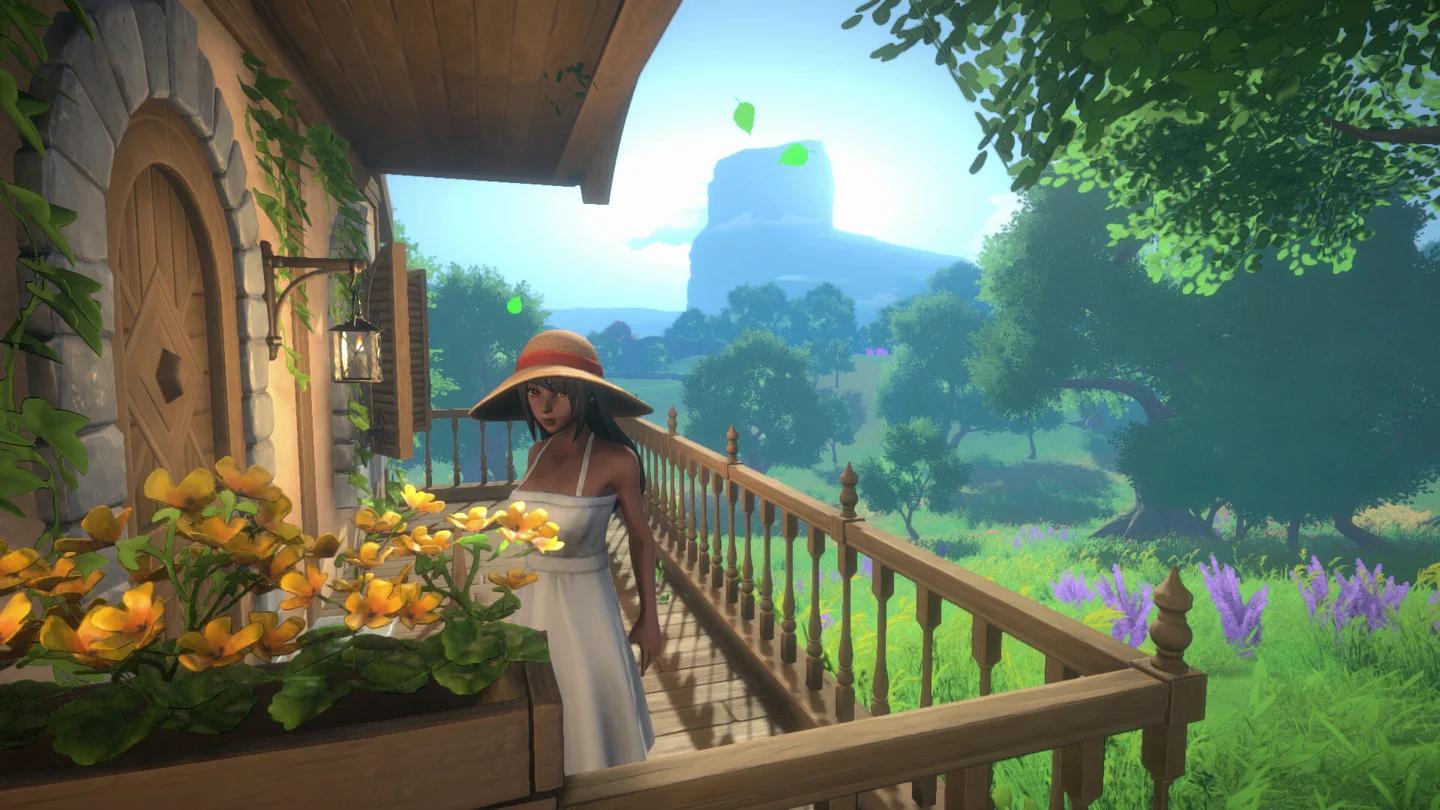
Architectural options include:
- Ivy-covered walls
- Decorative arches
- Gabled rooftops
The range of building sizes supports different design ambitions. A smaller house puts attention on a compact structure, while a larger château offers a broader architectural project. Both use the same central idea: shaping a building through its constituent parts.
Players can also enter their château and explore it in 3D. Construction produces a space to walk through, connecting the design process with the experience of occupying the finished rooms.
Decorating rooms and growing indoor gardens
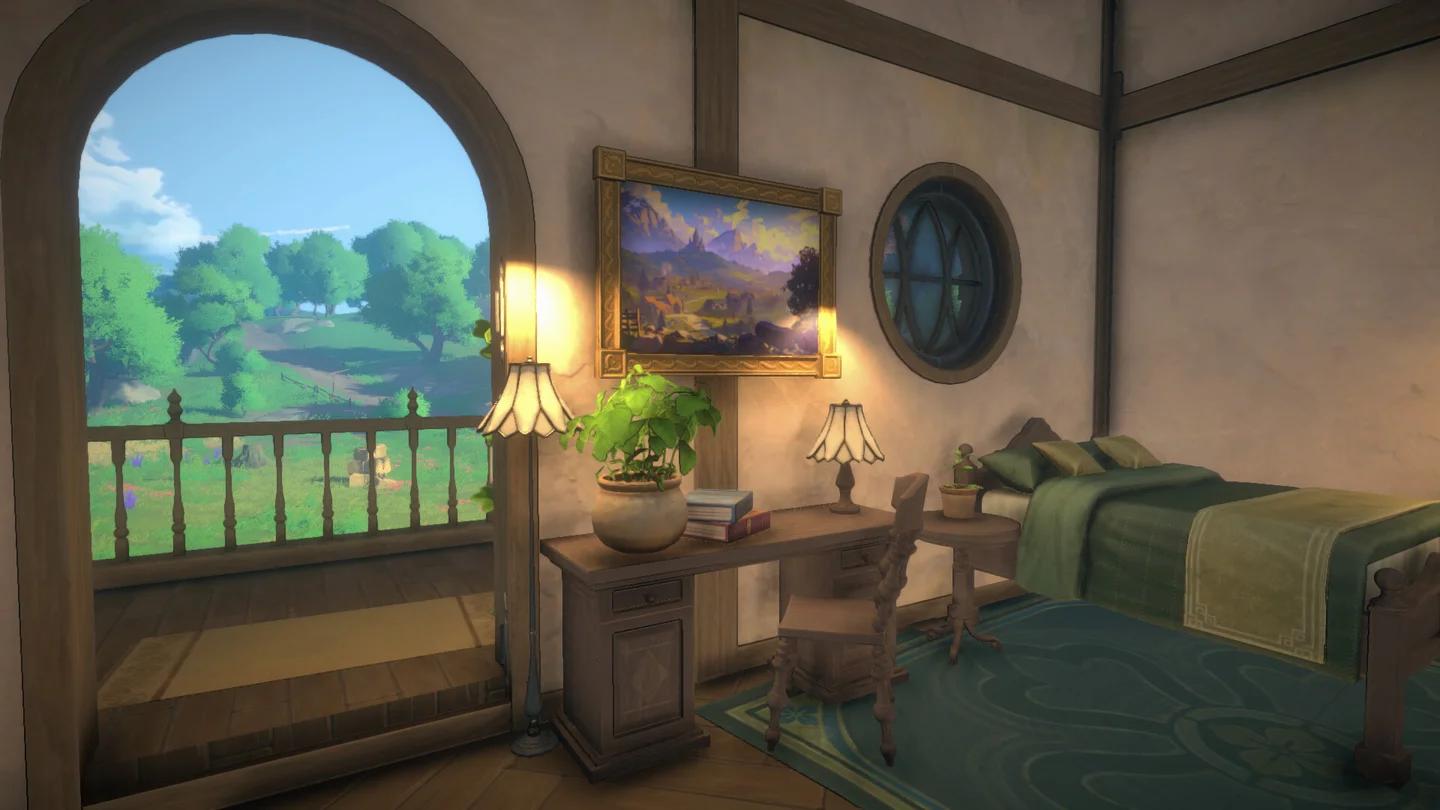
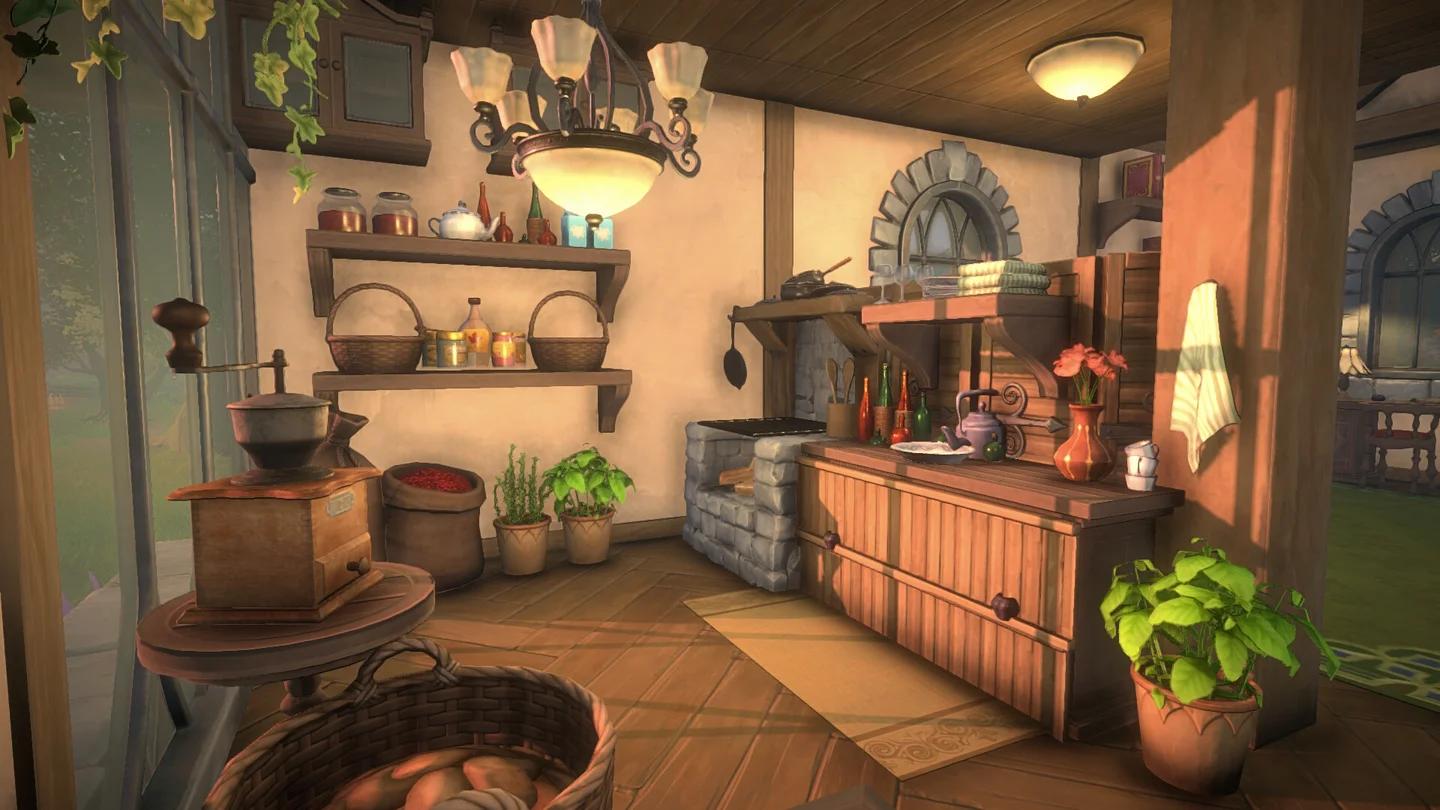
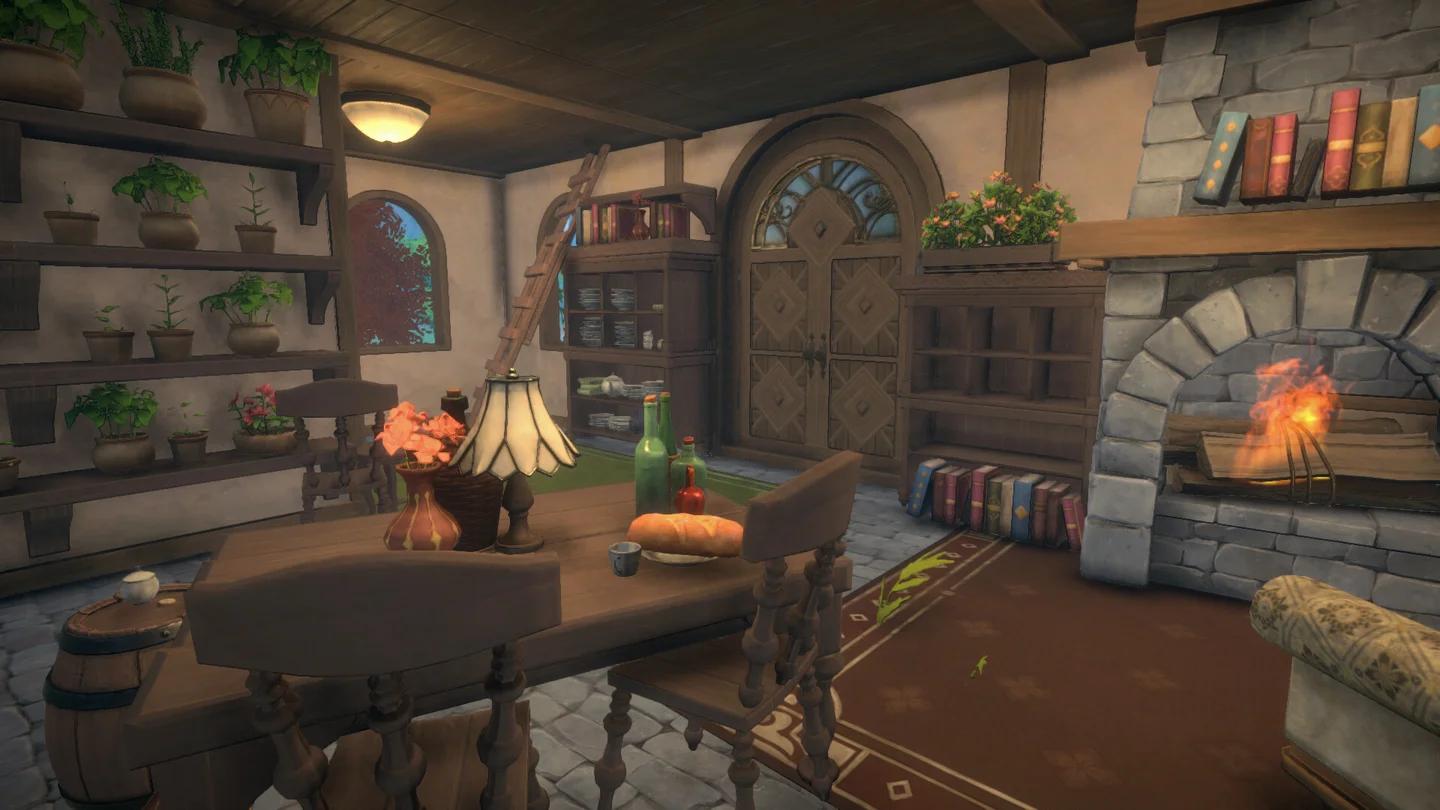
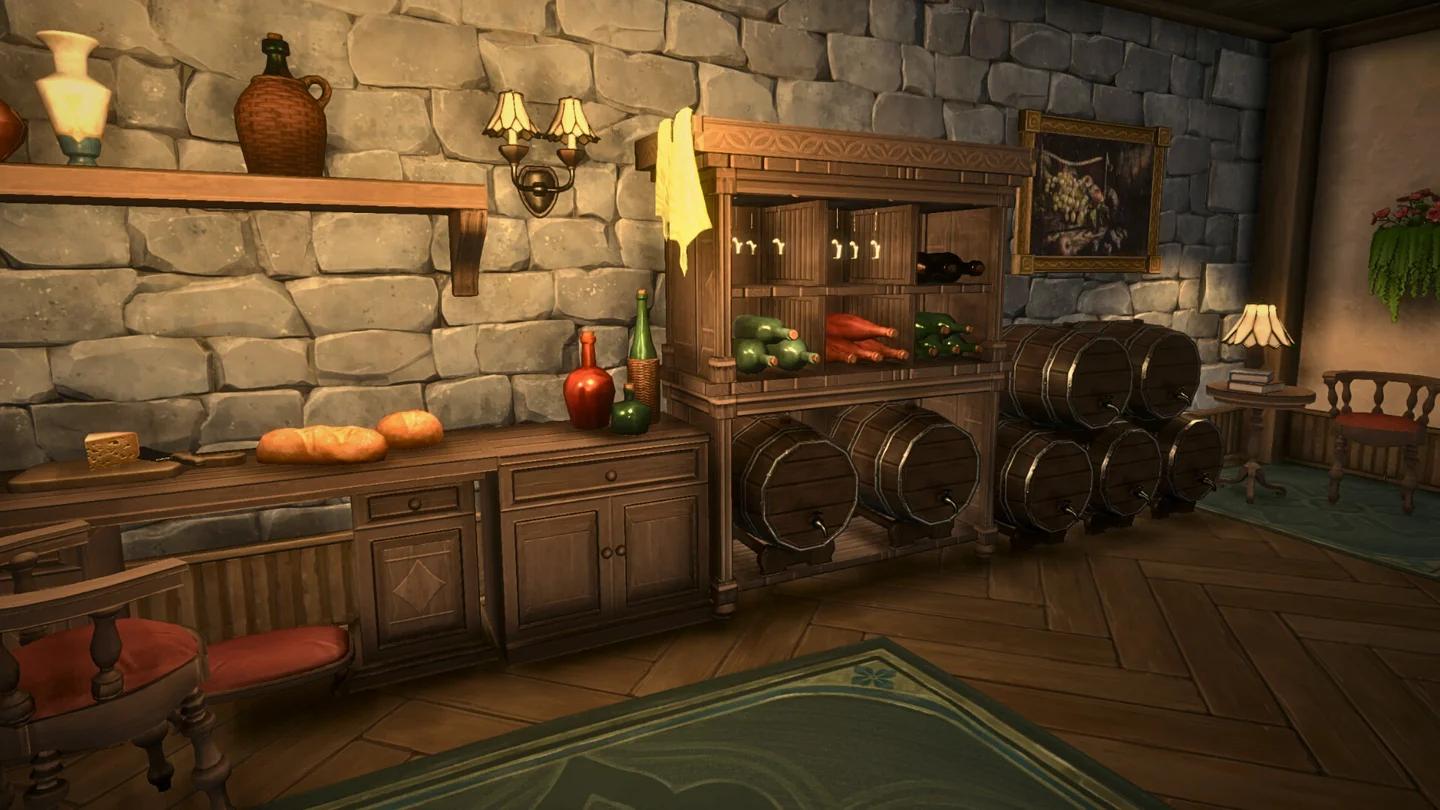
Interior decoration extends the building process through furniture, artwork, and handcrafted details. These objects establish the character of individual rooms after the main structure takes shape, giving home design a second layer beyond walls and rooflines.
Outdoor spaces receive similar attention through gardens and terraces. Decoration reaches across the property, allowing the grounds to form part of the design instead of leaving the creative work at the front door. The estate includes places for both domestic interiors and planted spaces.
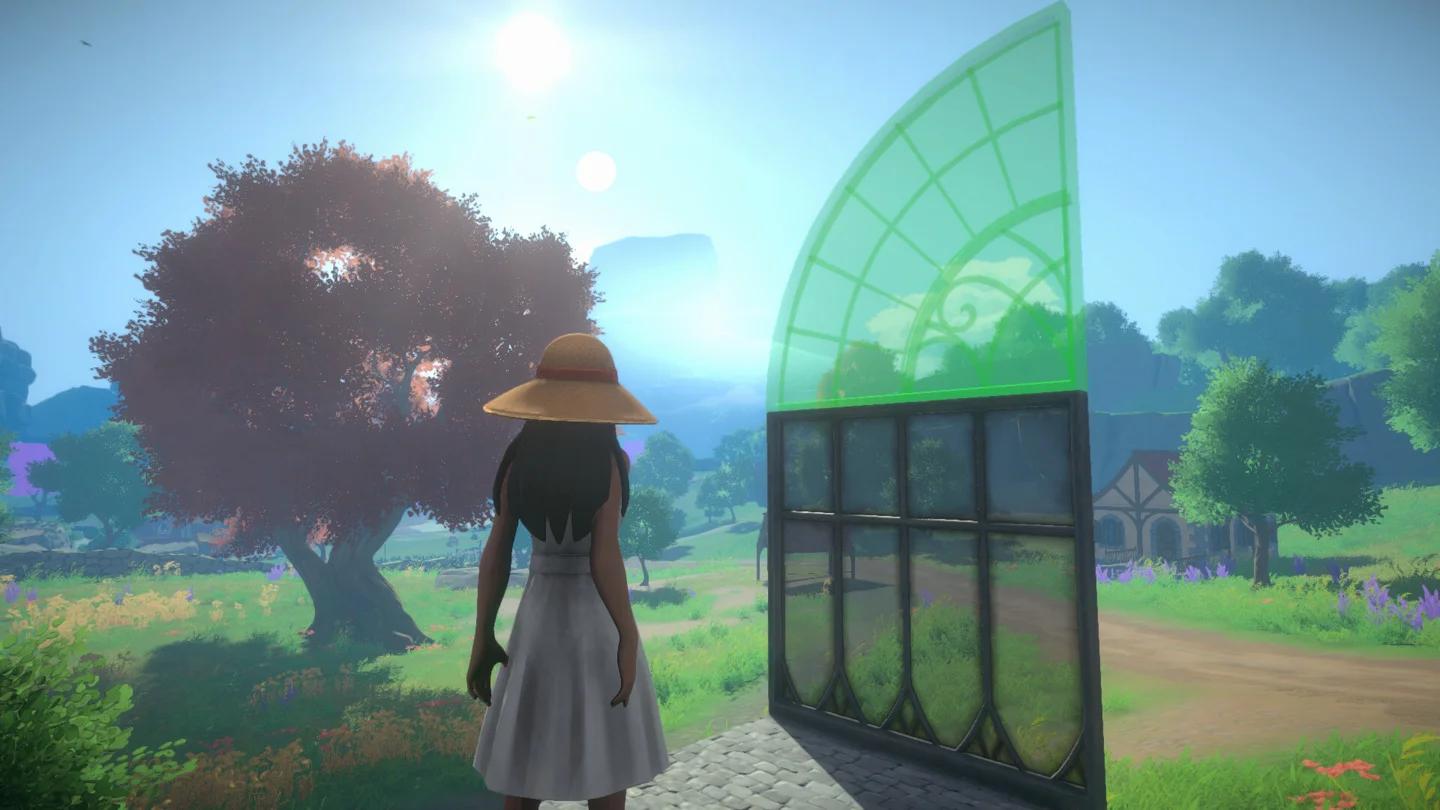
Greenhouses connect directly with home interiors and provide room for indoor gardens. Players collect rare plants and tend flowers within these glass structures. Gardening therefore serves two purposes: caring for living collections and composing spaces where planting becomes part of the architecture.
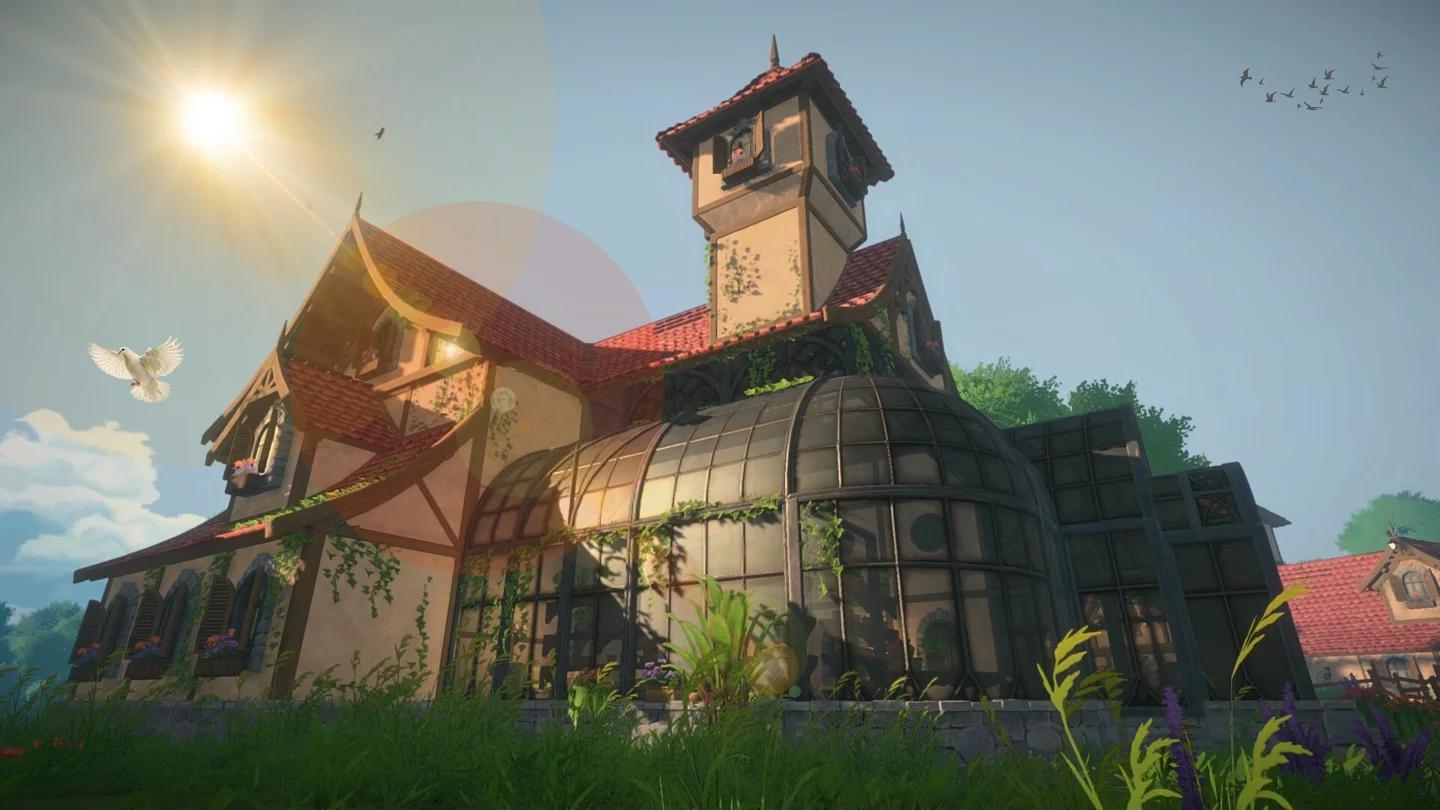
Harvesting, winemaking, and countryside life
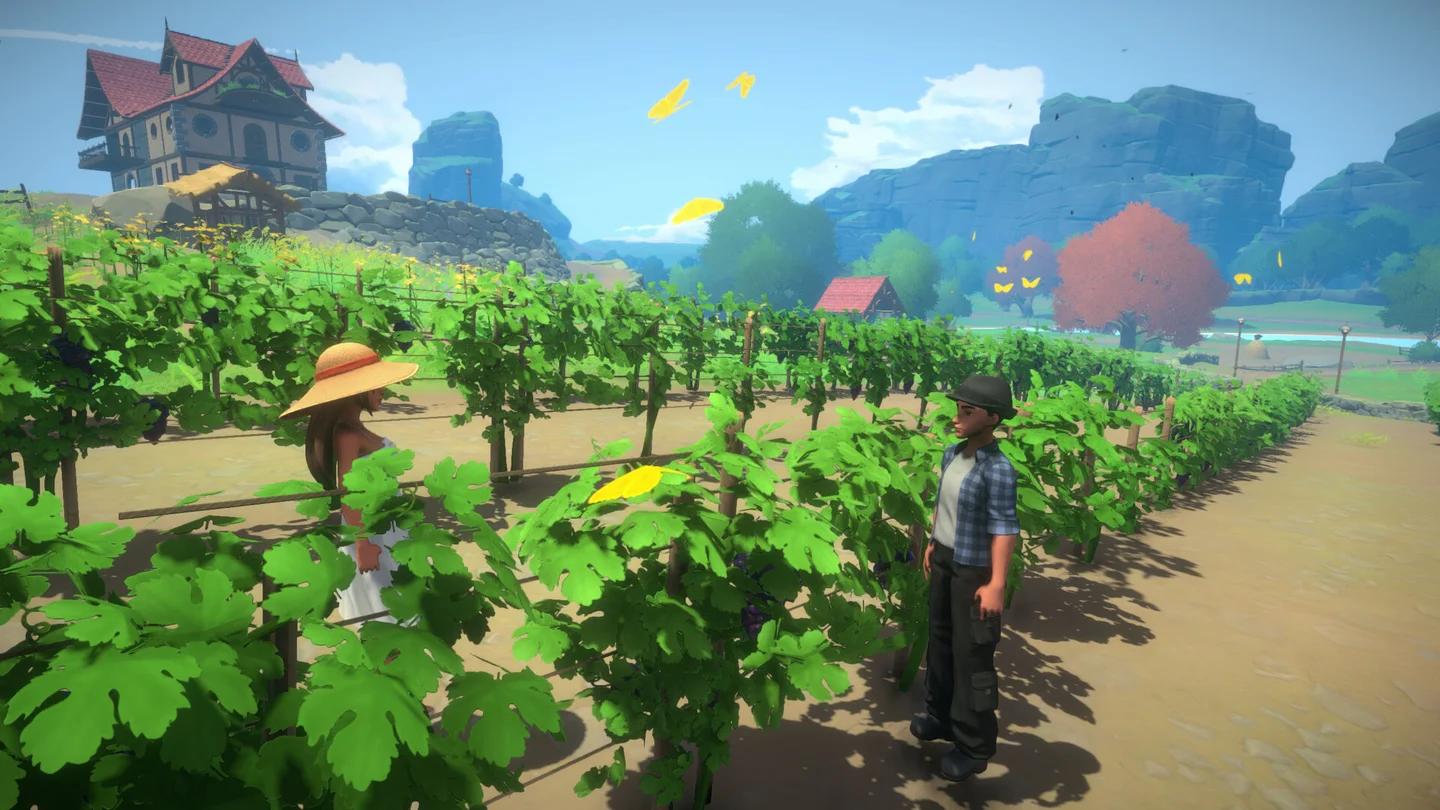
The vineyard supports a production loop built around harvesting and crafting. Grapes become wine through fermentation, blending, and bottling, making winemaking a sequence of activities alongside construction. The countryside supplies ingredients as well as a backdrop for the estate.
Harvests also include olives and heirloom produce, while foraging provides herbs and wildflowers. Crafting expands into preserves and rustic goods, broadening the uses for gathered materials beyond the vineyard’s signature product. These activities give players practical reasons to spend time outside their buildings.
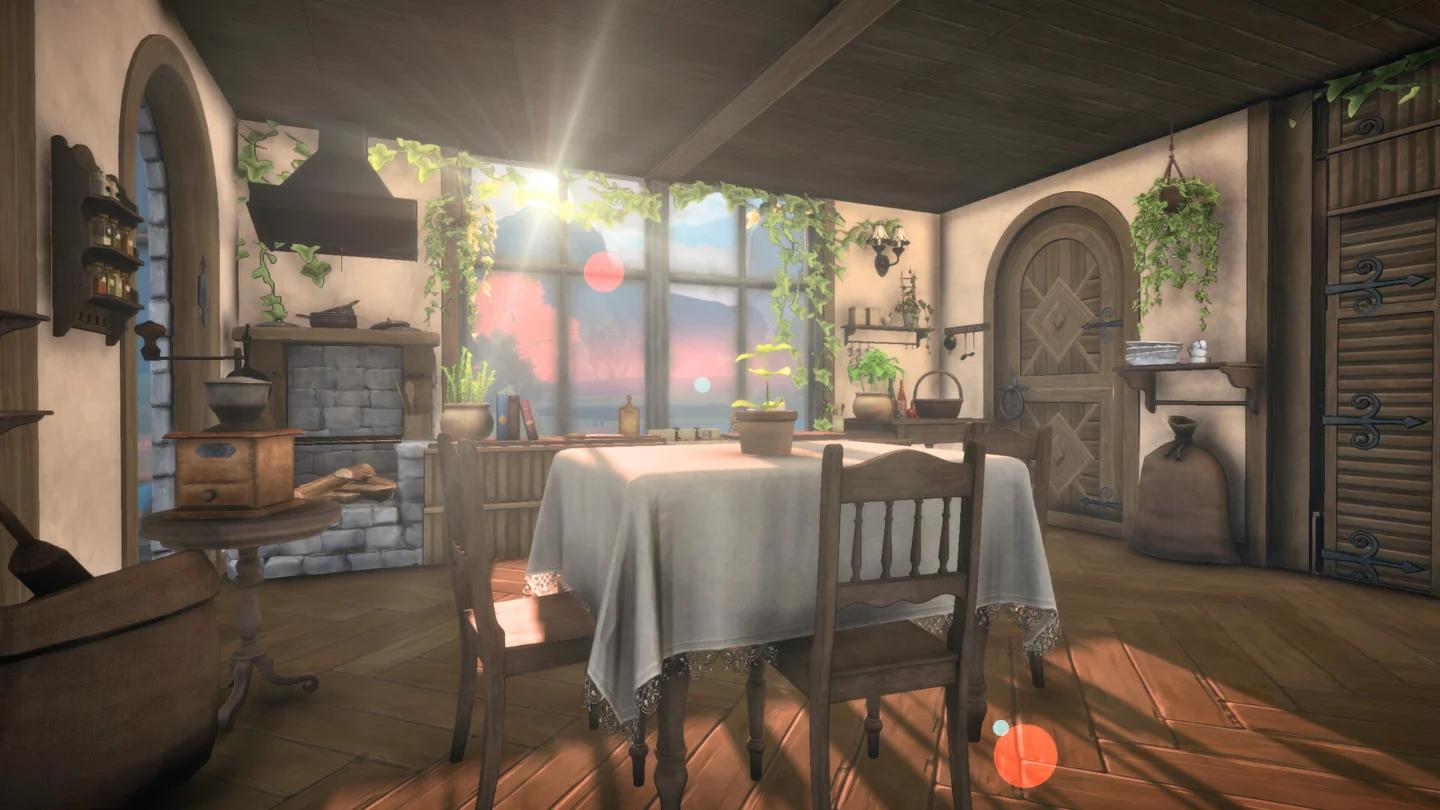
Finished goods can go to townsfolk or be sold to fund building projects. This connection between crafting and construction gives the sandbox a supporting resource loop: time spent gathering and making goods contributes directly to further creative work across the valley.