
Advertisement

Overview
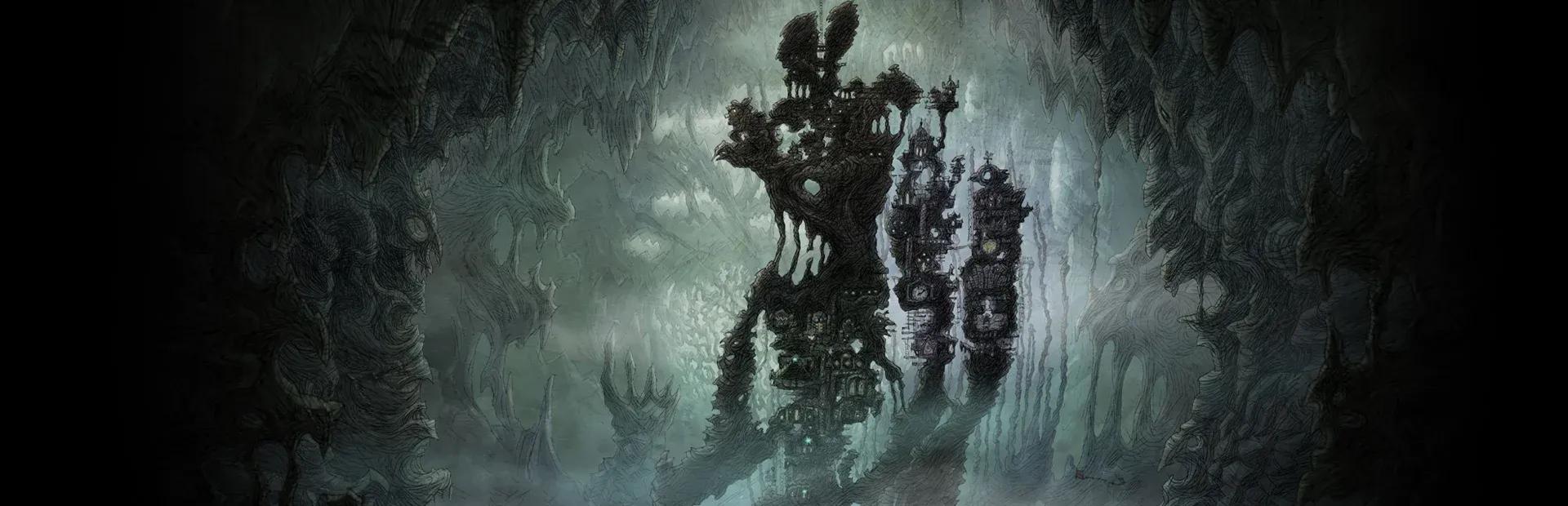
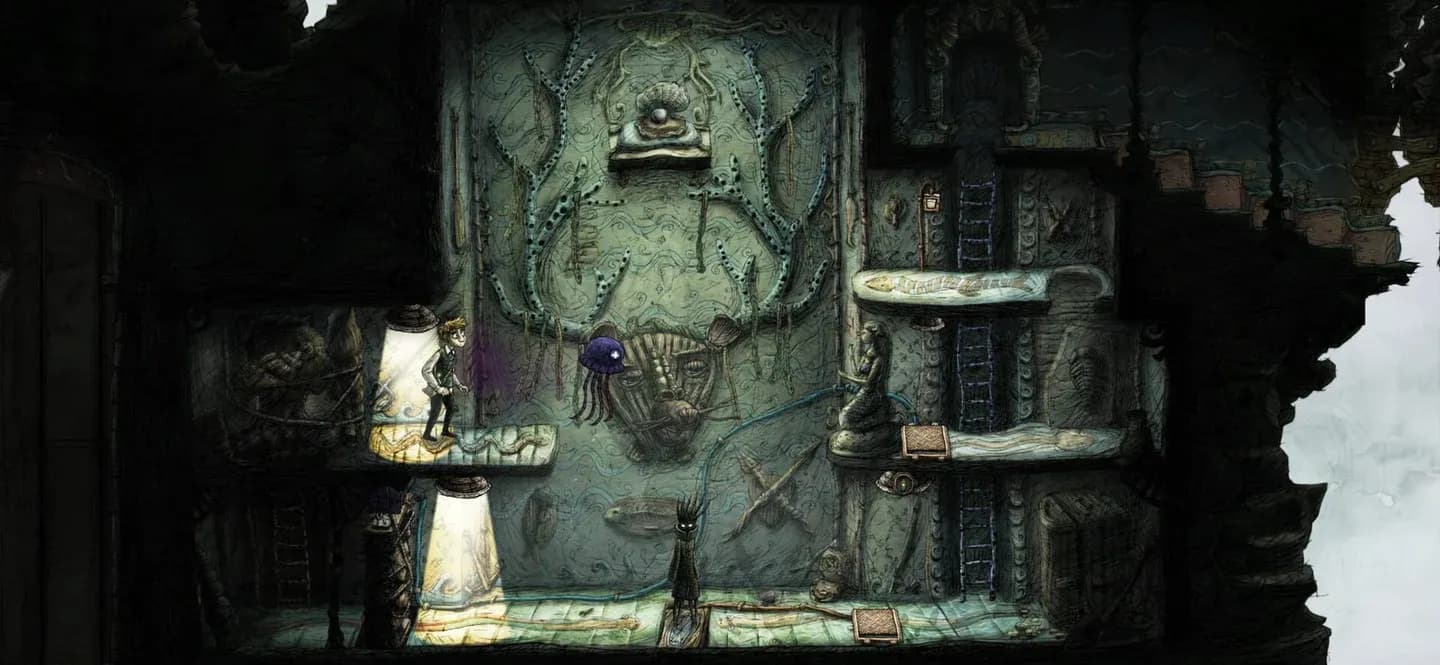
Creaks drops you into a collapsing apartment wall and sends you spiraling down into a bizarre subterranean world populated by avian folk and furniture that comes disturbingly alive in the dark. Amanita Design spent years on this one, and the ambition shows. Every screen feels hand-painted rather than assembled, and the world communicates entirely without dialogue or text, relying on visual cues and physical comedy to tell its story.
The premise sounds simple: descend through a crumbling building, solve puzzles, reach the bottom. The execution is anything but simple. Each room introduces new creature types and environmental rules, layering complexity gradually until you're orchestrating elaborate chains of monster behavior to clear a path forward.
Creaks content image
Gameplay and mechanics
The central mechanic that defines Creaks is creature transformation. Furniture monsters, the hulking wardrobes and lamp creatures stalking each room, operate on a strict rule: they only behave as monsters in the dark. Step into the light yourself and they freeze, reverting to harmless furniture. The puzzle design builds entirely on this one rule and what you can do with it.
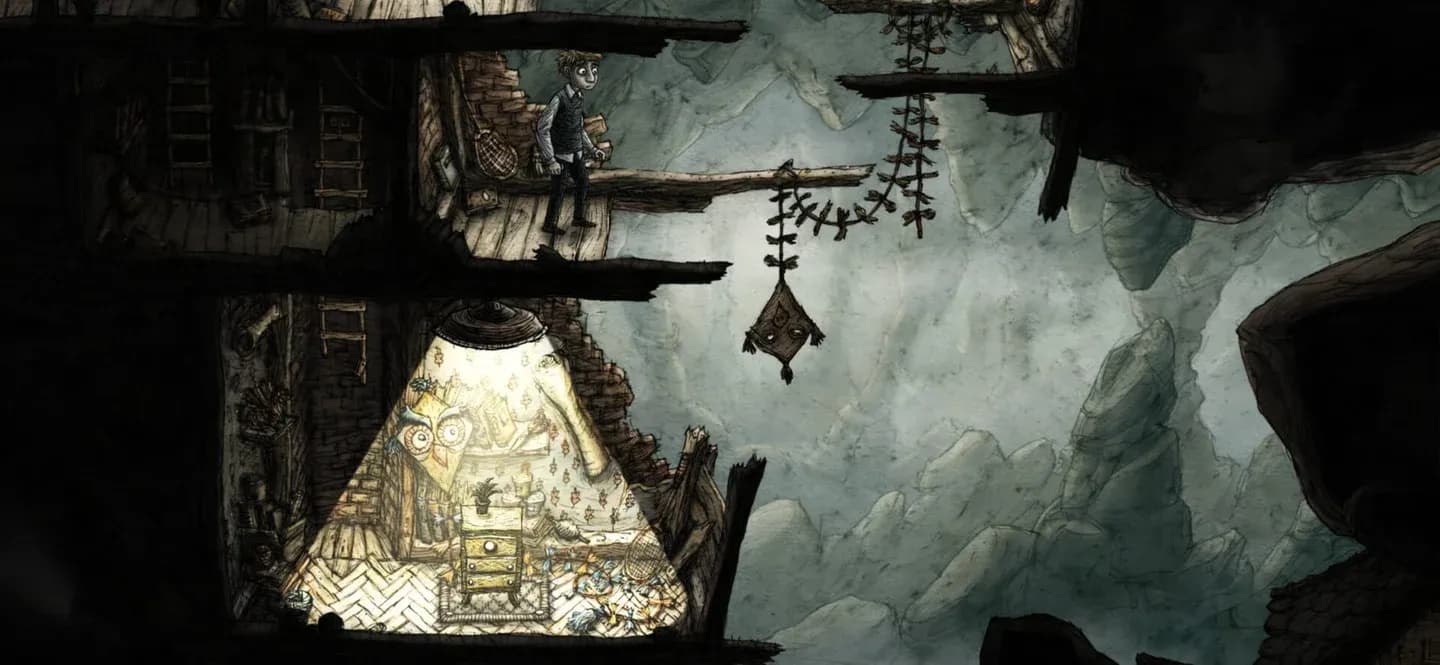
Creaks content image
Key mechanics include:
- Light-based monster freezing
- Environmental chain reactions
- Creature-to-creature manipulation
- Platforming with timed movement
- Room-scale logic puzzles
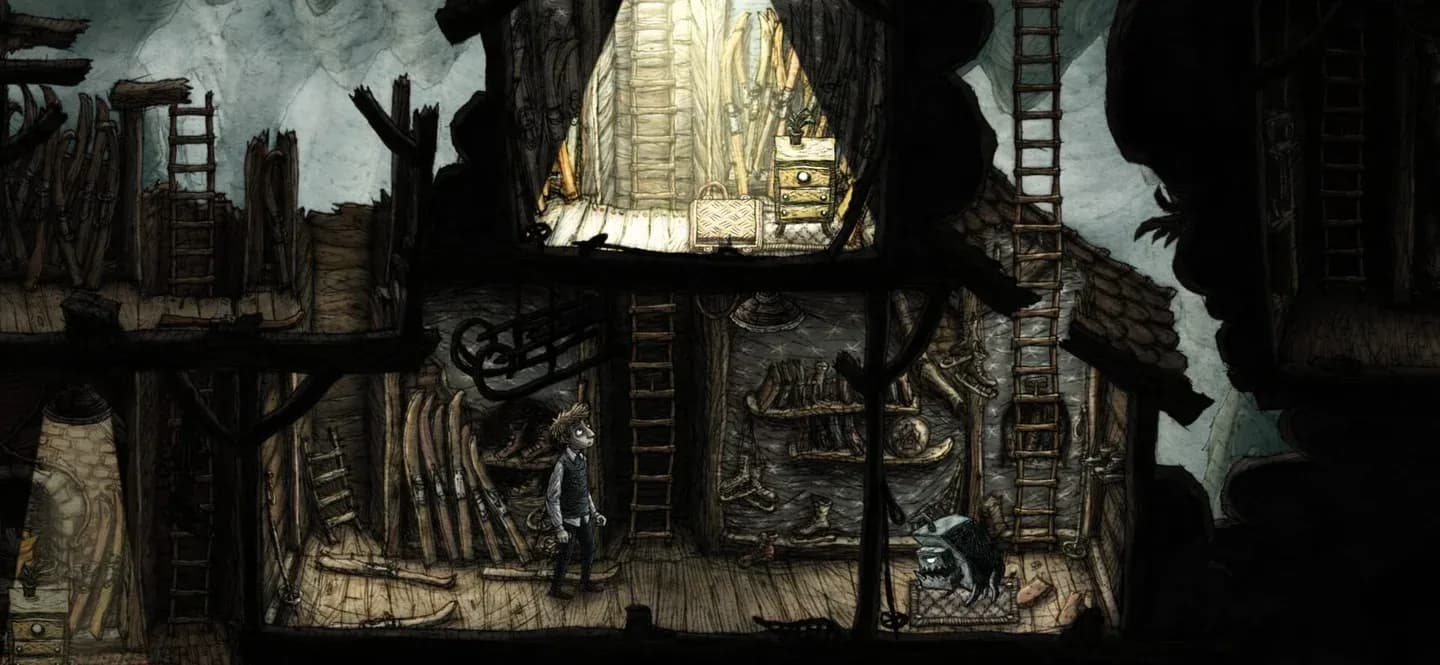
The difficulty curve is patient. Early rooms teach the basics through failure rather than tutorials, and later puzzles require you to think several moves ahead, routing monsters across a room so their transformed positions create the path you need. It never feels unfair, which is a harder design achievement than it looks.
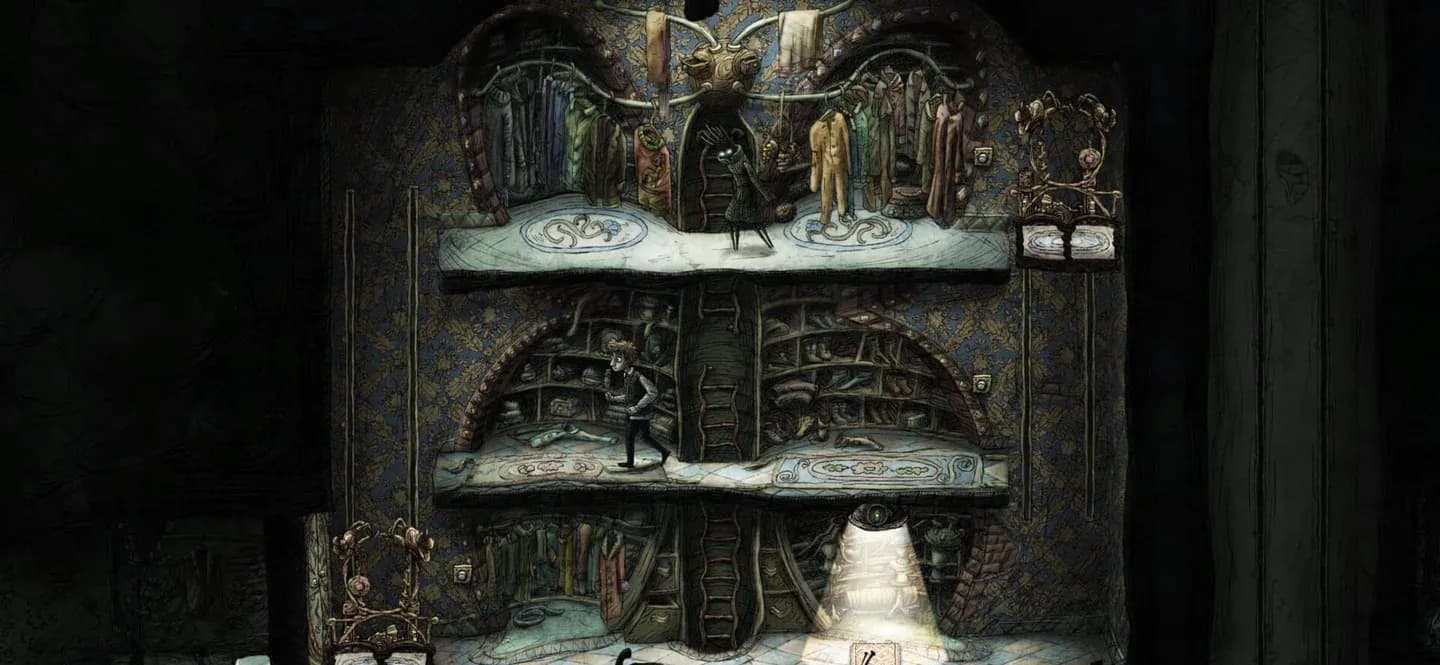
Creaks content image
Visual and audio design
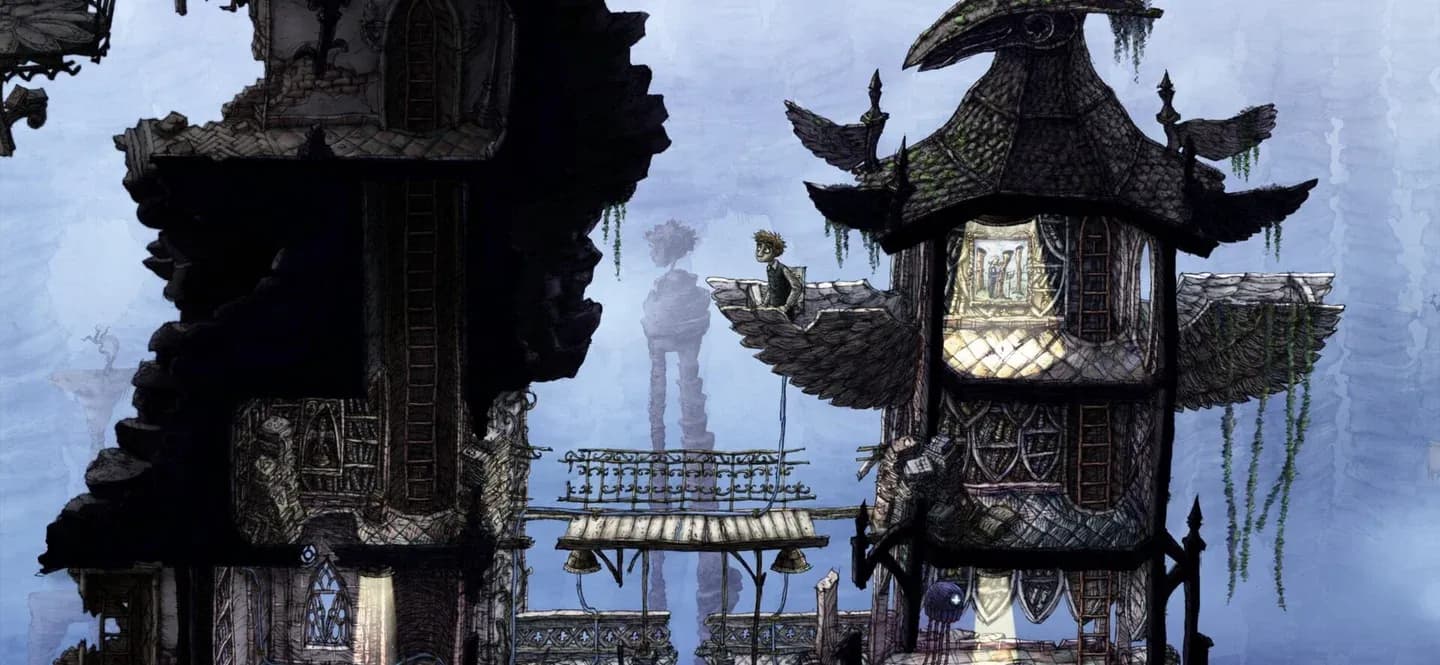
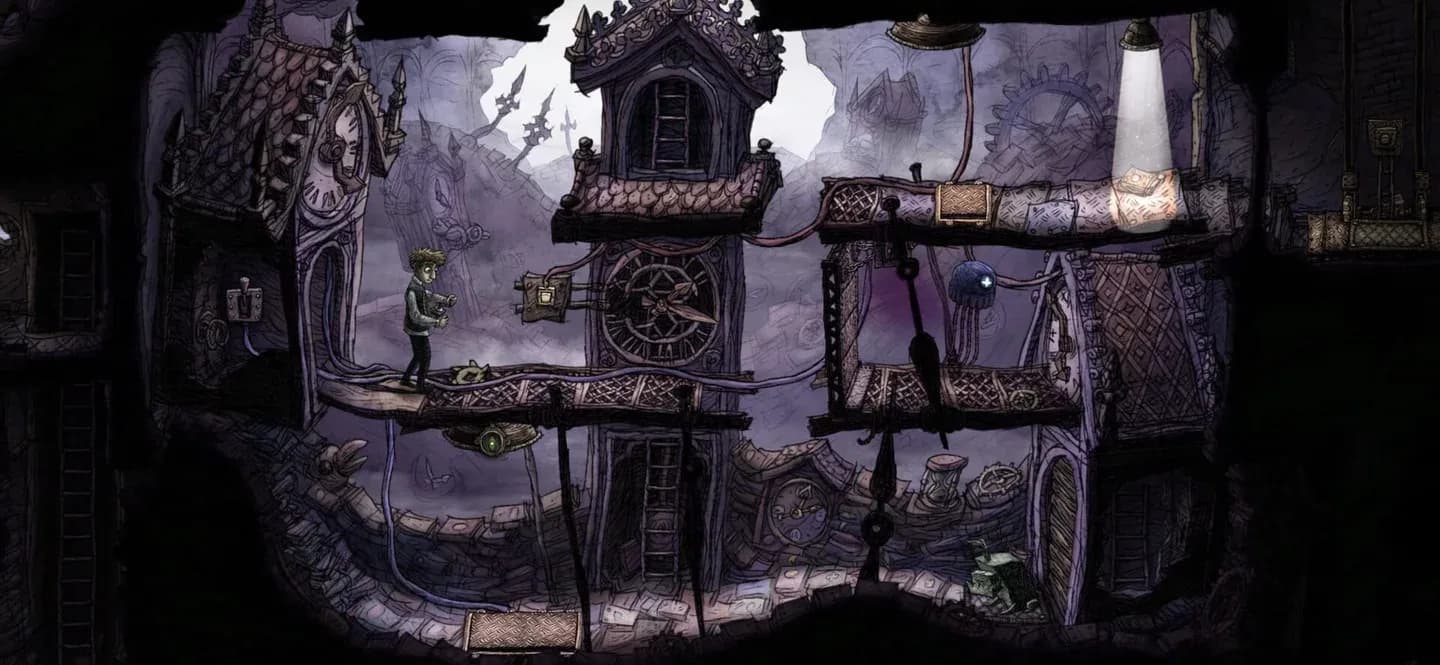
Amanita Design's art direction has always been distinctive, but Creaks represents something more sustained than their earlier point-and-click work. The hand-painted aesthetic holds up across dozens of rooms without repeating itself, shifting tone as you descend deeper into stranger territory. The color palette darkens and warps in ways that feel genuinely unsettling without relying on horror conventions.
The soundtrack comes from Hidden Orchestra, the Edinburgh-based project of Joe Acheson, and it matches the visuals beat for beat. Acoustic textures, jazz-influenced percussion, and atmospheric strings build a score that sits somewhere between eerie and melancholy. The music responds to puzzle states, swelling slightly when solutions click into place, which adds a tactile satisfaction to every cleared room.
What kind of story does Creaks tell?
Creaks tells its story entirely through environmental detail and animation. There is no narration, no subtitles, no dialogue. The protagonist is a young man who discovers a hidden world behind his bedroom wall and descends into it, and everything you learn about that world comes from observing it carefully.
The avian folk society below has a visual language of its own: hierarchies suggested by costume, relationships communicated through gesture, history implied by architecture. Players who pay attention will piece together a narrative that feels complete and emotionally resonant. Players who don't will still experience a satisfying mechanical puzzle game. Both approaches work, which is the mark of genuinely confident worldbuilding.
Creaks content image
Impact and legacy
Creaks arrived in July 2020 to strong critical reception, earning a 4.76-star average from over 1,300 PlayStation ratings, and it holds up as one of Amanita Design's most technically accomplished releases. The puzzle-platformer genre is crowded, but few entries commit so fully to a single mechanical idea and then exhaust its possibilities so thoroughly. The game runs across PC, Switch, PlayStation, Xbox, iOS, macOS, and Epic Games Store, making it accessible on virtually any platform. For fans of atmospheric indie puzzle games with handcrafted art direction and music that genuinely enhances the play experience, Creaks remains a high-water mark.