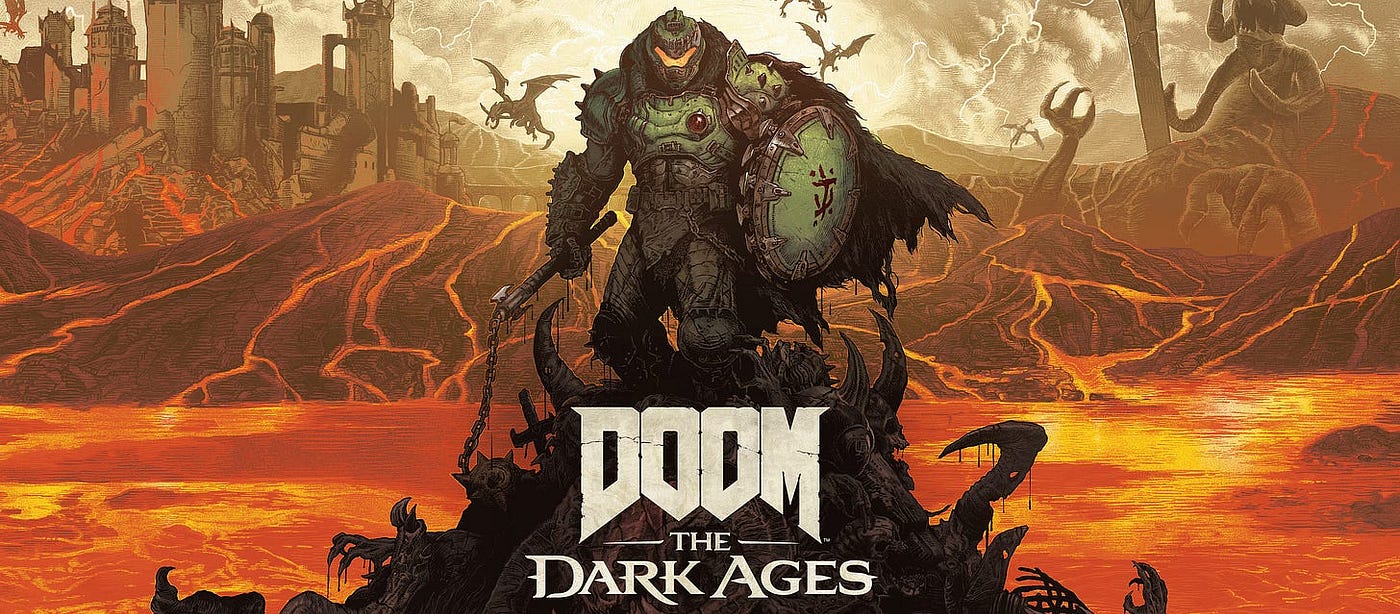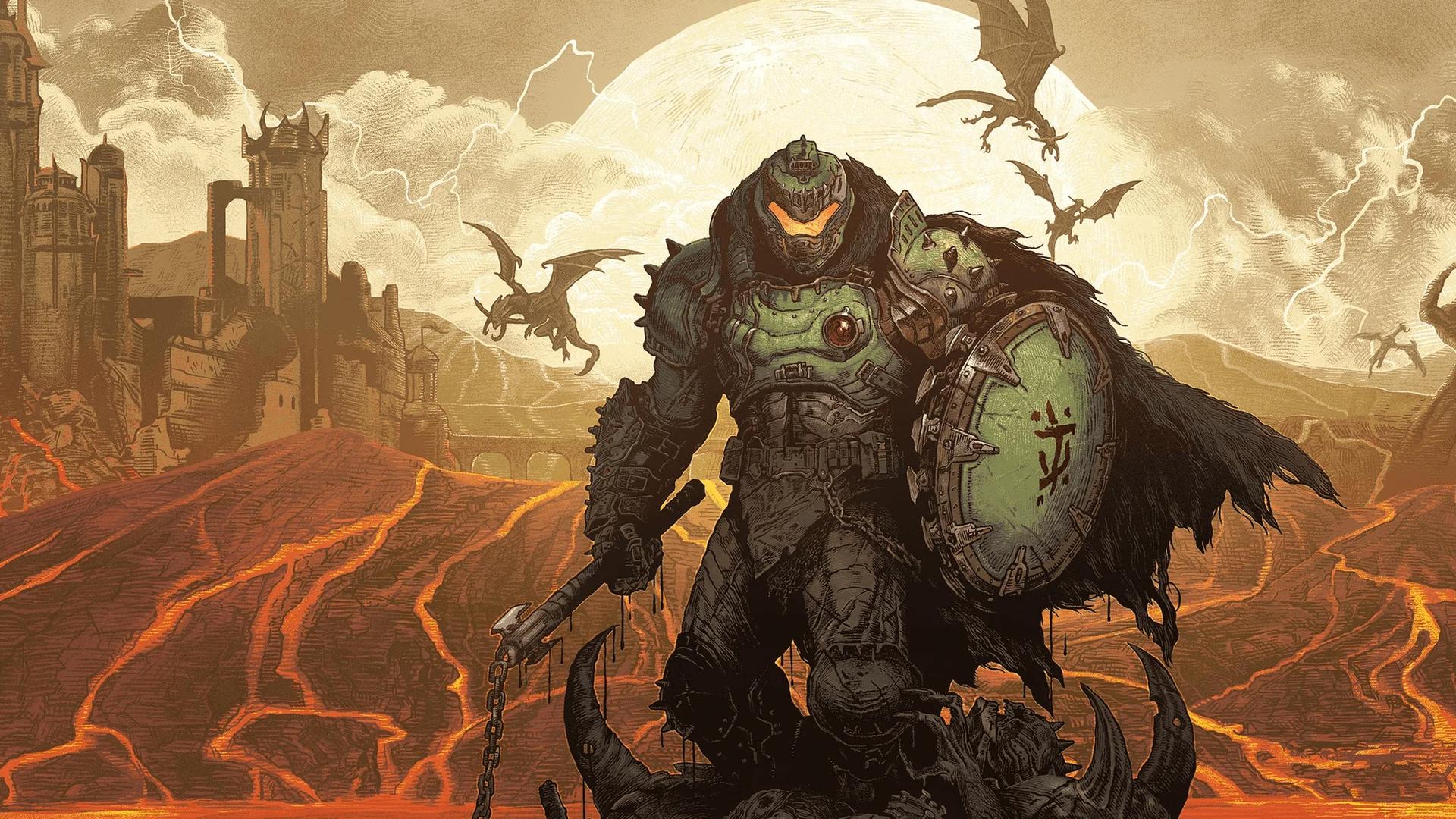

In DOOM, players should secure Skulls at Round Checkpoints to protect earned progress, or opt for Risk It to activate a multiplier that puts all unsecured Skulls at stake.
Slaughter Mode in DOOM: The Dark Ages is an endless horde-survival challenge with escalating encounters across multiple arenas. Your immediate goal determines the better checkpoint choice: protect rewards while learning the encounters, or accept a possible loss when chasing a larger payout. For your first attempts, prioritize learning how reliably you can reach the next checkpoint before building a chain of multipliers.
How to access Slaughter Mode
Slaughter Mode arrived with Update 5 and is included at no additional cost if you own any one of the following:
- Revelations DLC.
- DOOM: The Dark Ages Premium Edition.
- DOOM: The Dark Ages Premium Upgrade.
The base game alone does not grant access. Check that your game has Update 5 installed and that you own an eligible edition or add-on before troubleshooting the mode.
If you're struggling with Revelations access on a Steam Premium Edition copy, follow the DOOM: The Dark Ages Revelations DLC not loading fixes before buying the DLC again.
How Rounds and Skulls work
Clear the arena to advance
Each Round features either a randomized or curated encounter. Runs draw on different enemy encounters, boss fights, and arenas, so a familiar starting point does not guarantee an identical sequence of fights.
Clear the current arena of demons to be transported to the next battleground. Another encounter awaits there, and the challenge escalates as you push deeper into the run.
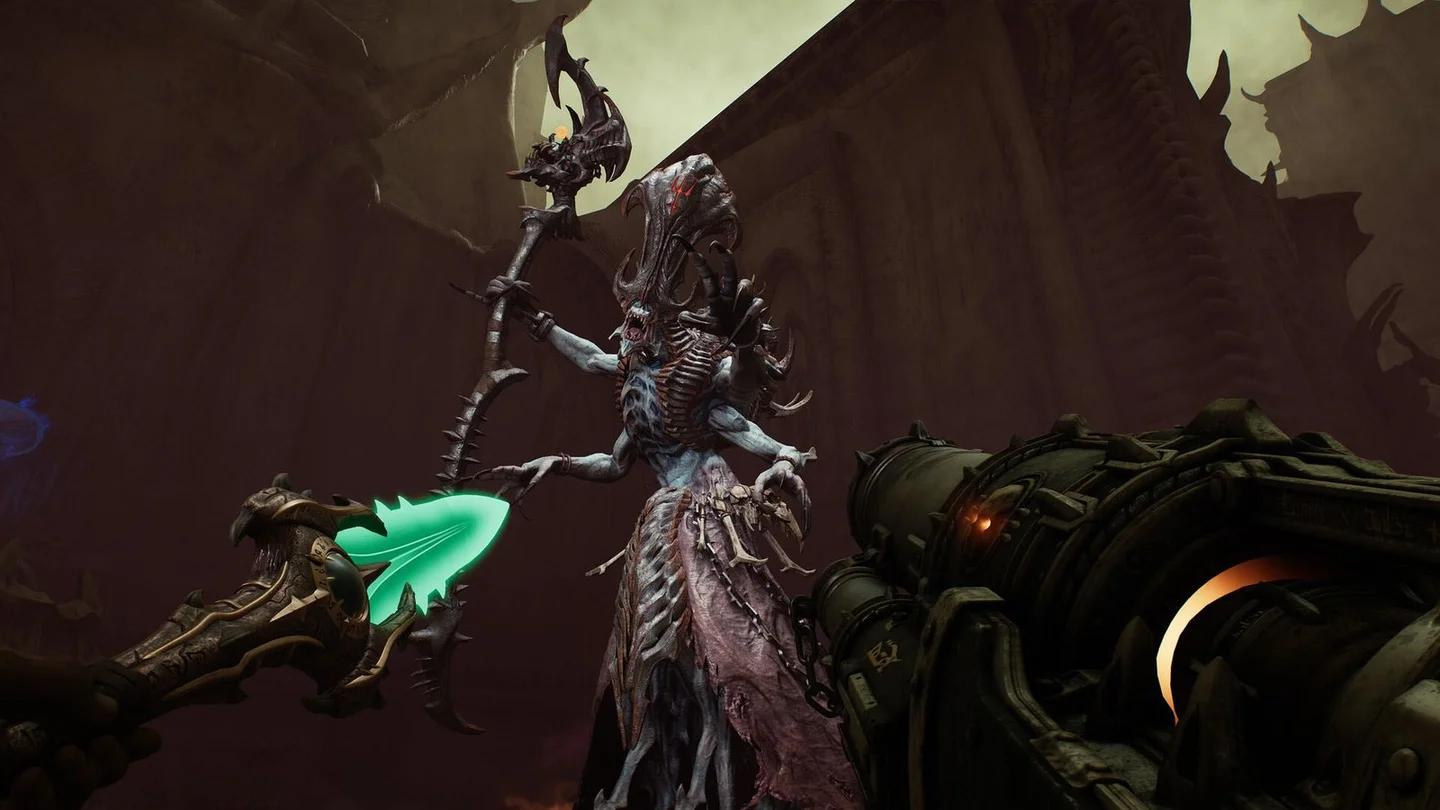
A Slaughter Mode demon arena
The mode tracks your Personal Best and includes a personal-best leaderboard. Weekly challenges provide additional opportunities for rewards, giving you another objective alongside reaching a later Round.
Skulls advance your Profile Level
Completing Rounds earns Skulls. Those Skulls advance your Profile Level, unlocking cosmetic rewards and new Badge Ranks. You can work toward these unlocks across repeated attempts without making every run a push for your deepest Round.
Reward types have different usage restrictions:
| Reward type | Where you can use it |
|---|---|
| Slayer skins | Slaughter Mode only |
| Weapon skins | Across all modes |
| Profile icons | Your profile |
| Andrew Hulshult's IDKFA soundtrack tracks | Slaughter Mode and the Ripatorium |
Choose the reward you want to pursue before deciding how aggressively to play. Consistent, secured earnings suit an unlock-focused session; a larger potential payout comes with the possibility of losing progress that remains at risk.
How Round Checkpoints unlock later starting points
Reaching a Round Checkpoint unlocks that Round as a starting point for a later run. This unlock is separate from the decision about protecting the Skulls currently in play.
How to start from a passed checkpoint
For your next attempt:
- Start a new Slaughter Mode run.
- Choose any checkpoint Round you have already passed as your starting point.
You can also begin again from the start. Choose a later checkpoint when you want to reach deeper encounters sooner, without replaying all the opening Rounds.
Treat checkpoint access as a way to spend more of an attempt on the encounters you want to improve at. It shortens the route back to later combat; you still need to clear each arena you enter.
Should you Secure Skulls or choose Risk It?
Round Checkpoints are also where you decide what to do with your current Skull earnings. The two options serve different goals.
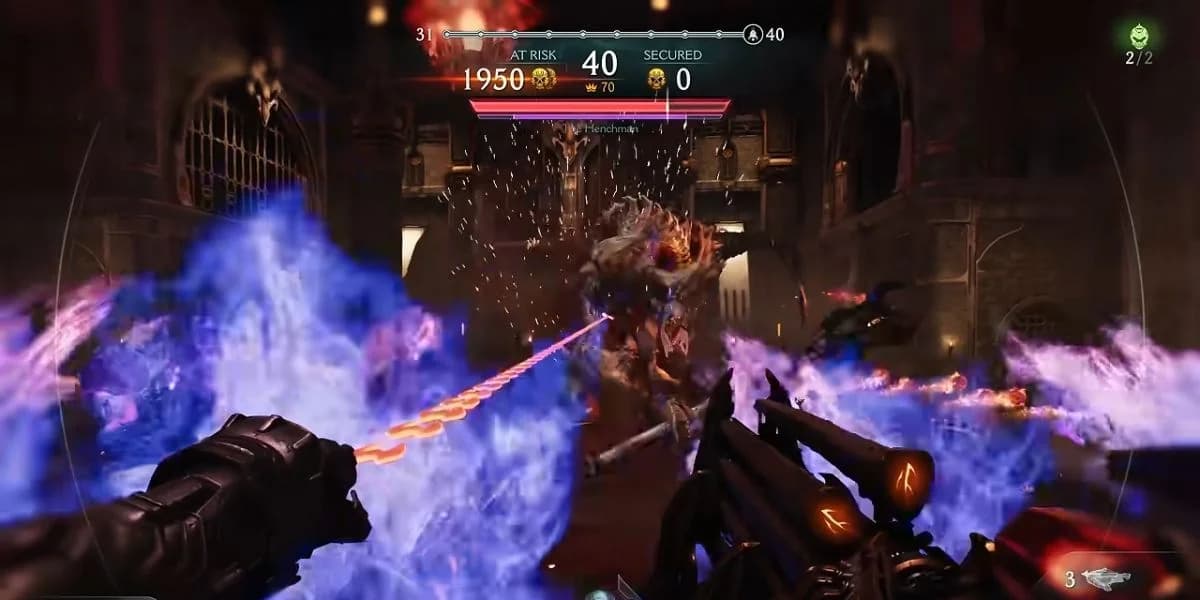
Slaughter Mode checkpoint choices
| Checkpoint choice | Effect on your Skulls | Choose it when |
|---|---|---|
| Secure | Locks in your current Skull earnings | You want to keep earned reward progress |
| Risk It | Adds a Skull multiplier while leaving unsecured earnings at risk | You accept a possible loss for a larger potential payout |
How the multiplier chain works
After choosing Risk It, your next milestone is the next Round Checkpoint. Complete it, and you can either Secure what you have earned or choose Risk It again for an even greater potential Skull payout.
Each successful stretch gives you another decision. You do not need to keep choosing Risk It just because you selected it at an earlier checkpoint. Reassess the earnings you would be putting at stake before extending the chain.
Decide what you are willing to lose
Use these questions at a checkpoint:
- Are you working toward an unlock? Secure earnings you want to keep.
- Are you still learning the encounters? Favor protecting progress while you learn how far you can reliably push.
- Are you deliberately chasing a larger payout? Consider Risk It only if losing the unsecured total is acceptable.
A higher multiplier is not automatically the better choice. Judge it against the progress already in play, not just the reward you might earn next.
Update 5 settings and weapon changes to check
Adjust screen-edge damage effects
Update 5 adds two controls to the UI settings tab that can help if damage effects make crowded encounters harder to read:
- Screen Damage Effects lets you toggle damage effects around the screen edges, including the low-health vignette, without disabling unrelated effects such as Haste.
- Low Health Effect Intensity adjusts the low-health vignette from 0% to 100%.
Use the intensity setting if you want to reduce the vignette without removing it entirely. Use the separate damage-effects toggle when you want to change the broader screen-edge feedback.
Account for changed weapon matchups
If weapon choices are holding back your attempts, review the DOOM: The Dark Ages upgrade paths and weapon builds alongside Update 5's balance changes. Earlier upgrade priorities need to be considered against the current weapon effects.
For example, the Super Shotgun now deals 75% more damage against the Archvile and 13.3% more against its armor. Superheating that armor takes two shots instead of three. The Combat Shotgun's Eat This! damage also increased by 10%.
These are specific weapon and matchup changes, not a reason to assume every encounter favors the same gun. Use your next attempt to judge whether you can clear the stretch ahead consistently before committing another checkpoint's earnings to Risk It.