

Biggest discounts, free games, and limited-time offers across every major gaming store.
Never pay full price again.
Overview
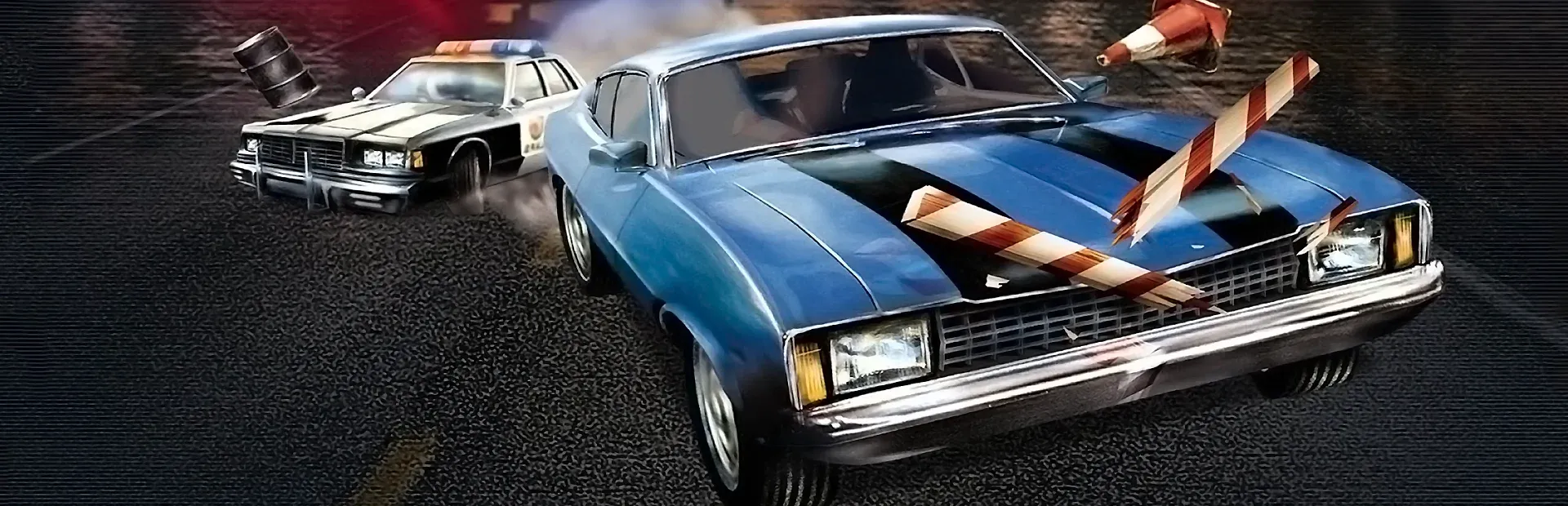
Released in June 1999 by Reflections Interactive and published by GT Interactive Software, Driver arrived at a moment when open-world games were still finding their footing. The premise is sharp: NYPD officer John Tanner goes undercover to infiltrate a crime syndicate led by a man named Castaldi, using his skills as a former professional racing driver to earn trust from increasingly dangerous criminals. The story moves across four cities, each with its own layout and mission structure, building toward a plot that touches on political assassination and FBI corruption.
What made Driver stand out at launch was its commitment to a cinematic driving experience over arcade-style racing. The game's physics model rewards smooth, controlled driving rather than brute speed, and the handling feels closer to a 1970s cop thriller than a traditional racing game. Missions range from delivering vehicles without damage to acting as a getaway driver for bank robberies, and the variety keeps the game from feeling repetitive despite its focused mechanics.
Driver content image
Gameplay and mechanics
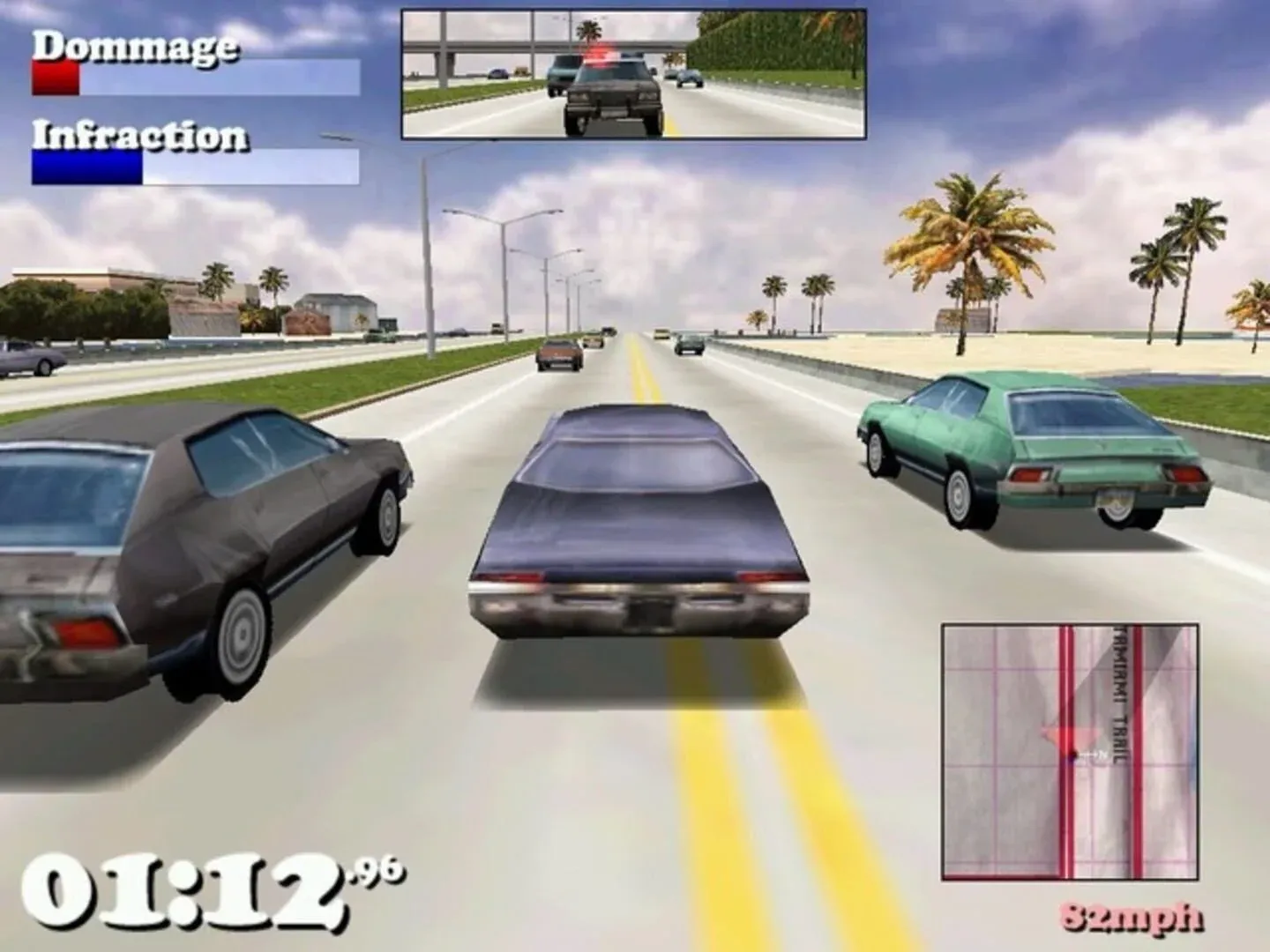
Driver's core loop is built entirely around vehicular control. On foot sections are minimal to the point of near-absence, which was a deliberate design choice that keeps the focus on driving at all times. The mission structure gives players specific objectives tied to Tanner's undercover work, and failing them often means blowing your cover or attracting too much police attention.
Driver content image
Key gameplay elements include:
- Getaway driving under police pursuit
- Vehicle delivery without damage thresholds
- Tailing and surveillance missions
- Road chases against rival drivers
- A Felony system that escalates police response
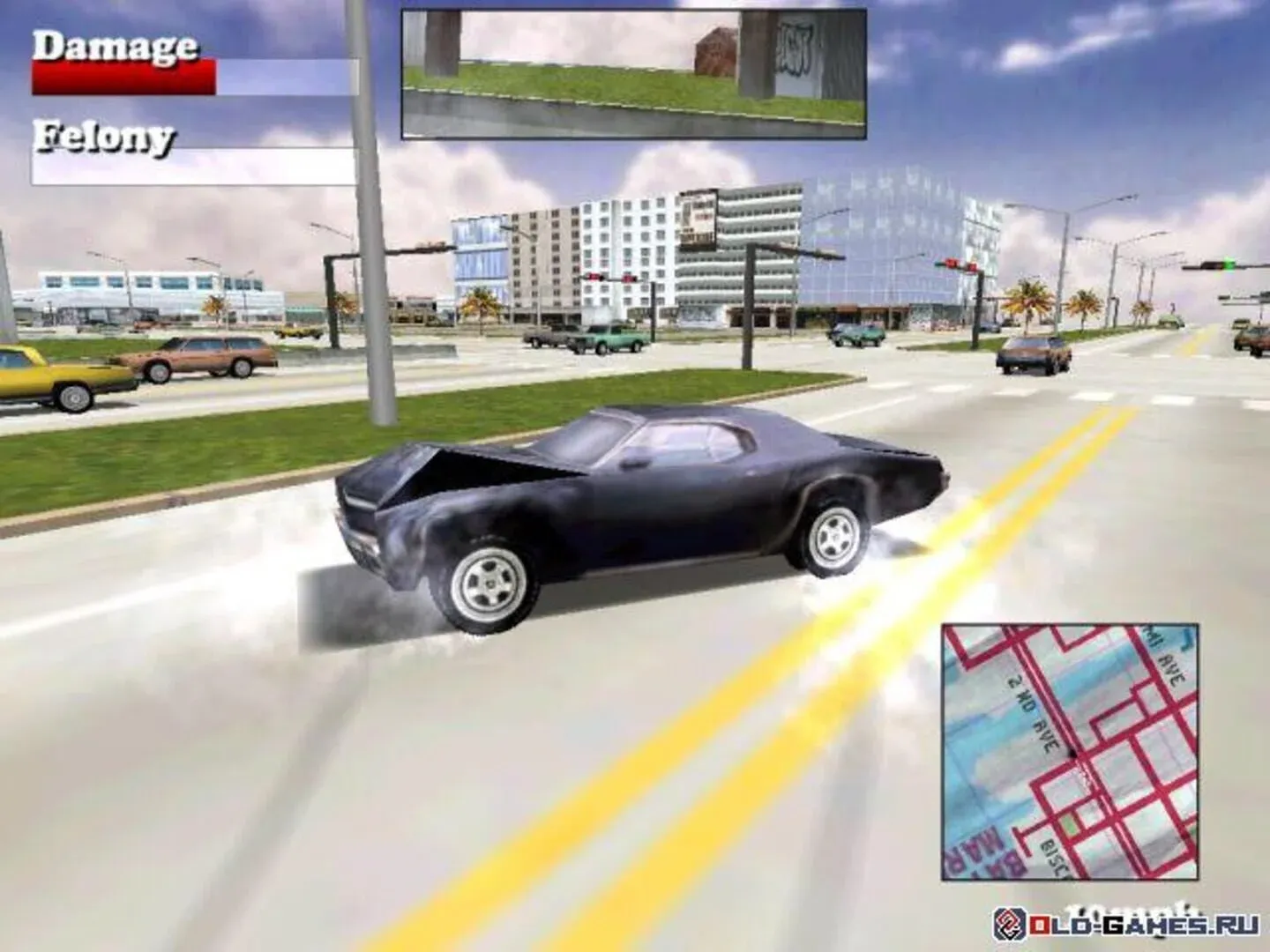
The Felony meter functions as a tension mechanic, tracking how aggressively you drive and how much attention you attract. Push it too high and police response becomes overwhelming. Managing it while completing objectives is the central challenge across all four cities.
Driver content image
World and setting
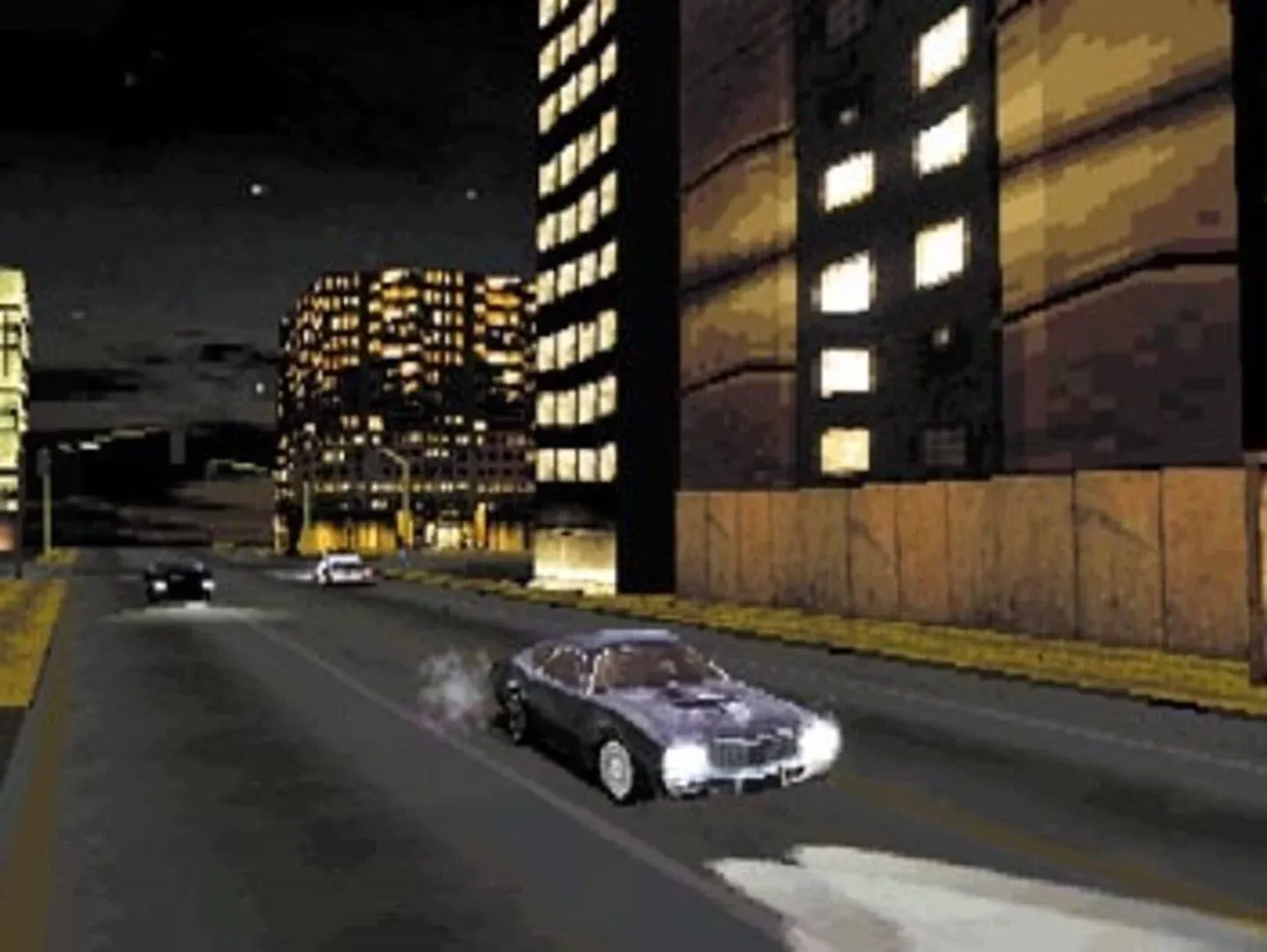
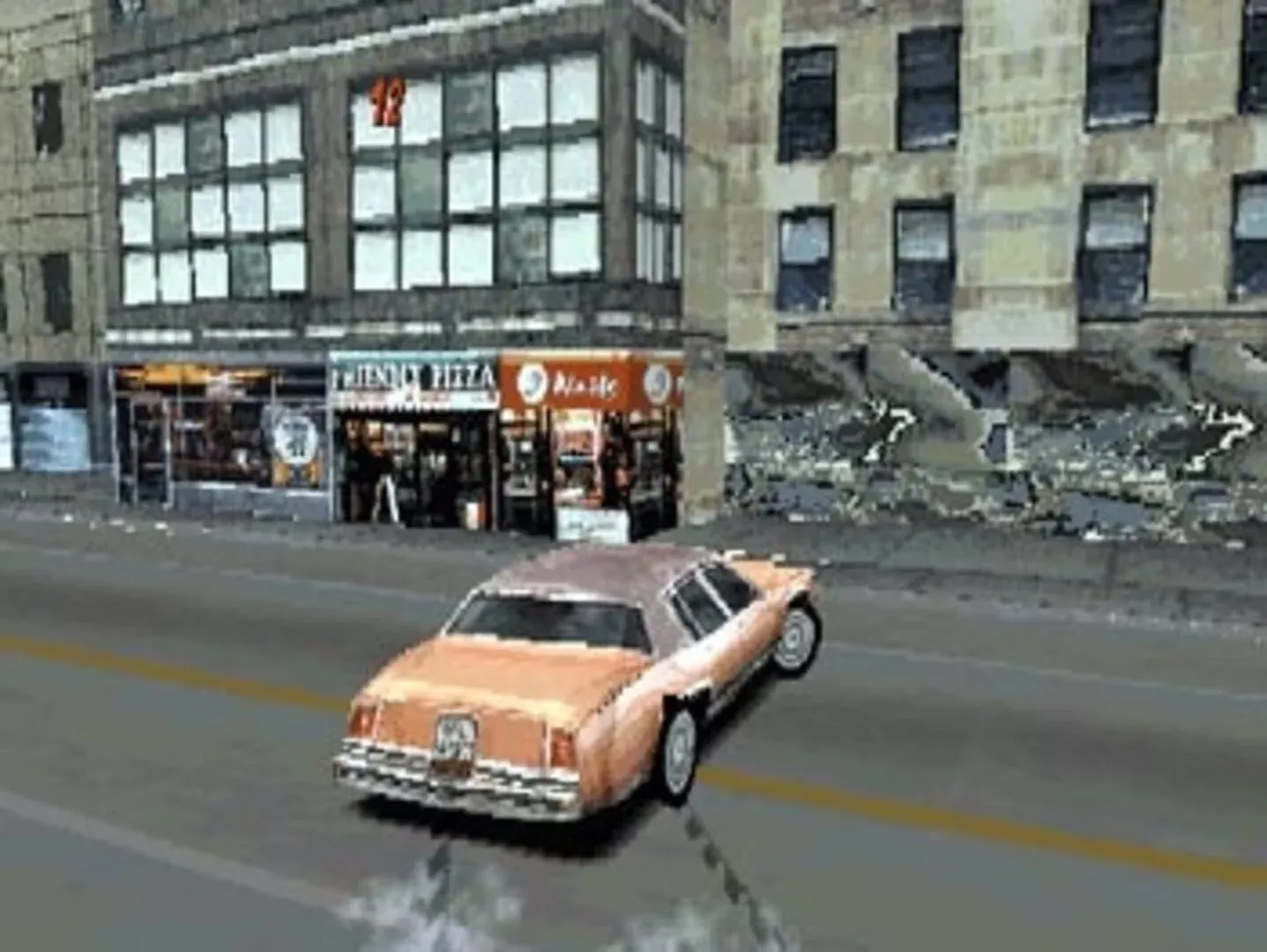
Each of the four cities in Driver has a distinct visual identity and road network. Miami's wide boulevards and coastal roads contrast with San Francisco's famous hills, which the game replicates well enough to make certain chases genuinely disorienting. Los Angeles adds freeway sections that open up high-speed runs, while New York's dense grid creates tight, claustrophobic pursuit sequences.
Driver content image
The story connecting these locations is more involved than most driving games of the era attempted. Tanner's investigation moves through a web of gangsters, corrupt politicians, and FBI agents, culminating in a plot to assassinate the President of the United States. Tanner ultimately saves the President by ignoring direct orders, then refuses to return his badge, suspicious that corruption has reached his own department. It's a genuine narrative ending, not just a credits screen.
Impact and legacy
Driver arrived before Grand Theft Auto III redefined open-world crime games in 2001, and its influence on that genre is hard to ignore. The combination of open city environments, mission-based criminal objectives, and a story-driven structure laid groundwork that later games expanded significantly. Reflections Interactive went on to develop subsequent entries in the Driver series, building directly on the systems established here.
The game shipped on PlayStation, Windows, macOS, and later Xbox, reaching a wide audience for its time. Its reputation among driving game fans remains strong, particularly for the handling model and the cinematic chase sequences that still feel purposeful decades later. For players interested in the history of open-world driving games, Driver is a direct link to how the genre developed before sandbox design became the default expectation.