

EA Sports has been teasing a serious rethink of Career Mode for EA Sports FC 27, and the full picture is now clear. The changes arriving in September go well beyond cosmetic tweaks. TransferRoom integration, a dynamic overall rating system, creator-built challenges, and organic player rivalries are all confirmed, and each one addresses a complaint Career Mode fans have been making for years.
What's new in the FC 27 Career Mode transfer system?
The transfer market has always been the weakest part of Career Mode. Fixed fees, no real negotiation depth, and an AI that rarely surprised you. FC 27 fixes that with a direct partnership with TransferRoom, a real-world platform used by clubs to identify and negotiate signings.
The headline feature from that partnership is xTV (Expected Transfer Value). Think of it as a realistic price anchor when you scout a target. The xTV won't always be spot-on, but it gives you a meaningful baseline before you open negotiations, which is far more useful than the guesswork the old system forced on you.
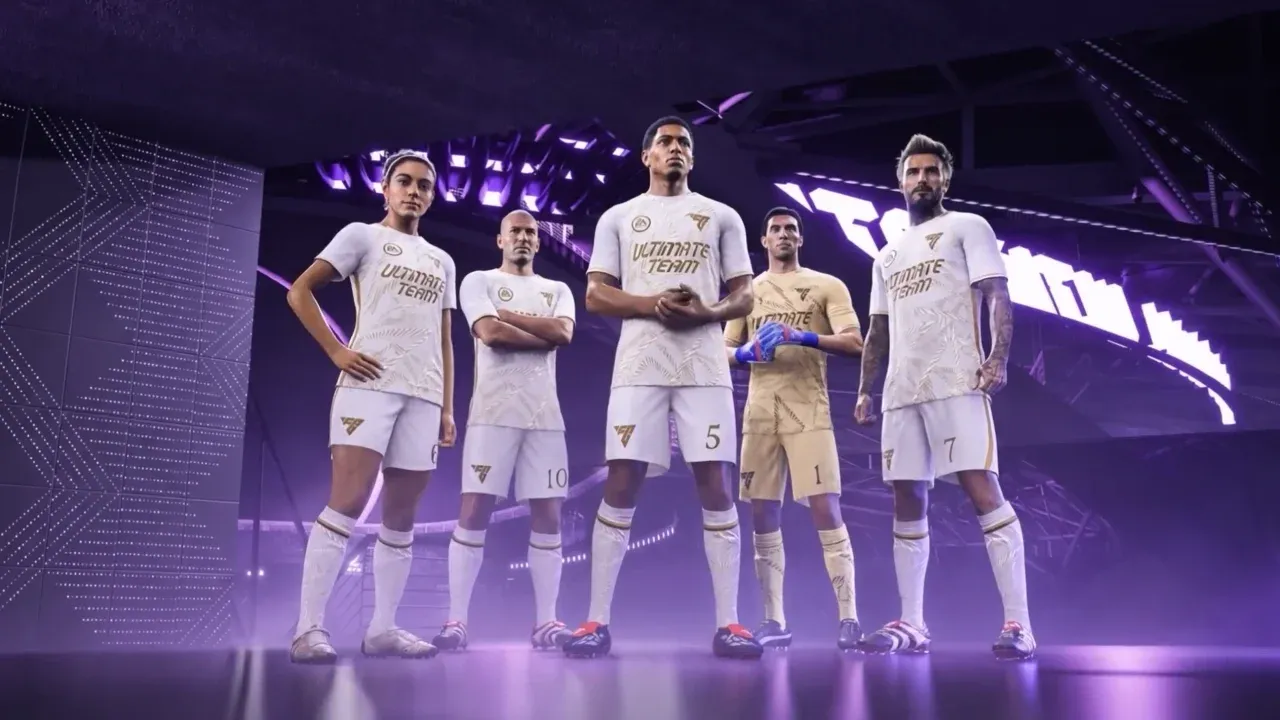
TransferRoom xTV scouting view
Negotiations themselves have been rebuilt from the ground up. The old cutscenes are gone. You now speak directly with the opposing club's manager to work out a deal. Upfront fees are no longer mandatory either. You can structure payments in instalments, reduce the initial outlay, and attach future bonus conditions to the deal. Selling a player works the same way, and the AI will try to do the same to you when bidding for your squad members.
Player contract negotiations have also gained complexity. Clauses are now part of the conversation, but players will push back with their own demands. Accept, counter, or walk away. The choice is yours, but there are no guaranteed outcomes.
There's also a new time element. Even after you agree a fee, the transfer isn't done. A rival club can still swoop in with a better offer, and you'll need to convince the player to choose you. The shortlist UI has been cleaned up as well, letting you track all active targets from a single view rather than clicking through each one individually.
How does Dynamic OVR change player development?
Static overall ratings have made Career Mode feel artificial for a long time. A 78-rated midfielder stays 78 unless you grind out specific development milestones. FC 27 replaces that with a Dynamic OVR system where ratings shift based on actual in-game form.
A player on a hot streak will see their rating climb. A rough patch brings it back down. That applies to every player in your squad, not just youth prospects. Jude Bellingham is the example EA Sports used directly: players with broad positional flexibility will take a smaller hit when deployed outside their natural role. For less versatile players, the positional penalty is steeper.
Every player now has up to seven positions in their profile, with one primary position where they perform at their best. Familiarity with the other six depends on the individual player's attributes and stats.
Dynamic OVR rating tracker
EA Sports is also introducing a baseline overall system that sets a floor for each player's rating based on their position. Ratings will move above and below that baseline throughout a season, reflecting both form and development progress at your club.
What are Creator Challenges and how do they work?
Career Mode has always been a solo experience. Creator Challenges change that without turning it into a full multiplayer mode.
Content creators can build specific challenge scenarios and share them with their audience using a code. You can do the same with friends. The companion app supports this too, so you can set up and share challenges without booting the game. The practical use case is compelling: if a real club is going through a rough spell, someone can recreate those exact conditions as a challenge and see if their community can do better.
Friendly leagues and head-to-head challenge comparisons are the natural extension of this feature. It's a social layer that Career Mode has needed for a while, and it doesn't require an internet connection to play the actual save.
How do Unexpected Events and Rivalries affect your save?
Unexpected Events return from FC 26, but with more variety and higher stakes. Some are straightforward, like managing an injury to a key player. Others involve squad ego clashes that can derail your season if you handle them badly. The morale system ties directly into how these events resolve, so the consequences feel meaningful rather than cosmetic.
Rivalries are new and generate organically within your save. The example EA Sports gave is a Haaland vs. Mbappé type dynamic, where two high-profile players in your squad develop a competitive tension. How that rivalry plays out depends on results and how you manage both players. Bragging rights between rivals have a knock-on effect on form and morale going forward.
Rivalry event notification
These systems push Career Mode closer to the kind of emergent storytelling that simulation games like Football Manager have delivered for years. Whether the execution matches the ambition is something that will only become clear once the game launches in September.
Is FC 27 Career Mode worth playing?
On paper, this is the most significant Career Mode update in years. The TransferRoom partnership adds genuine market realism. Dynamic OVR makes squad management feel less like spreadsheet maintenance. Creator Challenges give the mode a social dimension it's never had. Rivalries and Unexpected Events push the narrative layer forward.
The honest answer is that the features read well but need to be tested in actual saves before any verdict is final. The transfer rework in particular has a lot of moving parts, and the quality of the AI's negotiation behaviour will determine whether instalment deals and rival bids feel authentic or just annoying.
For everything else coming to the game before launch, including how to choose the right edition, check out the EA FC 27 editions guide and the full EA Sports FC 27 strategy guides collection at GAMES.GG.