Overview
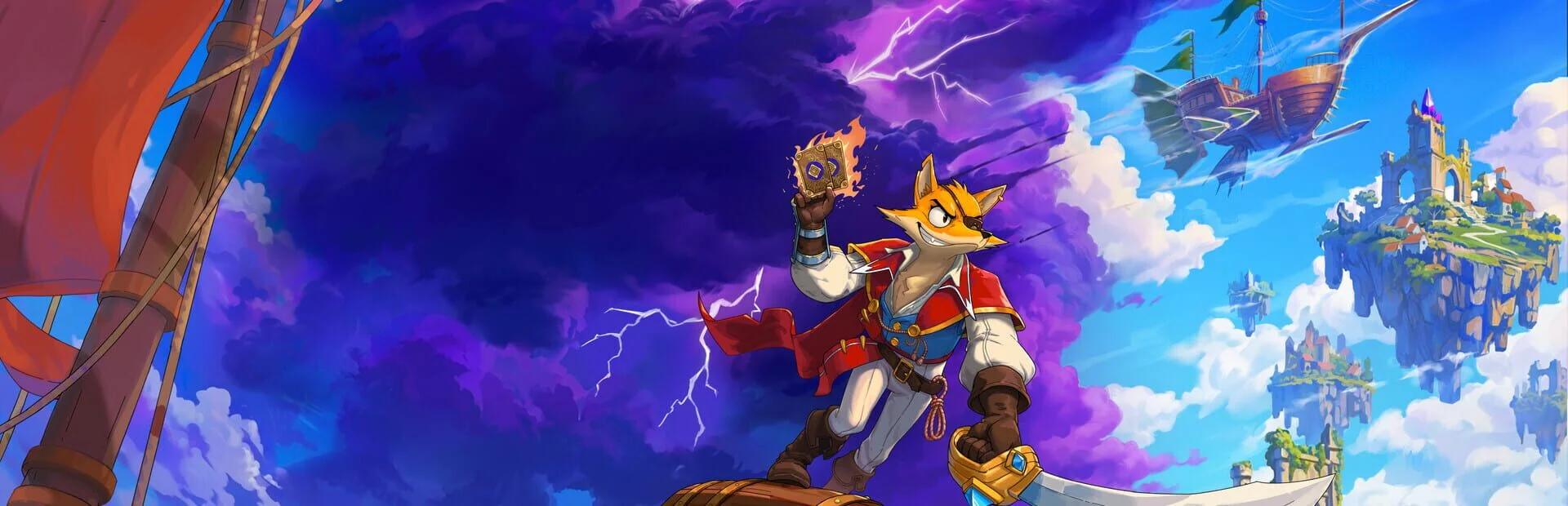
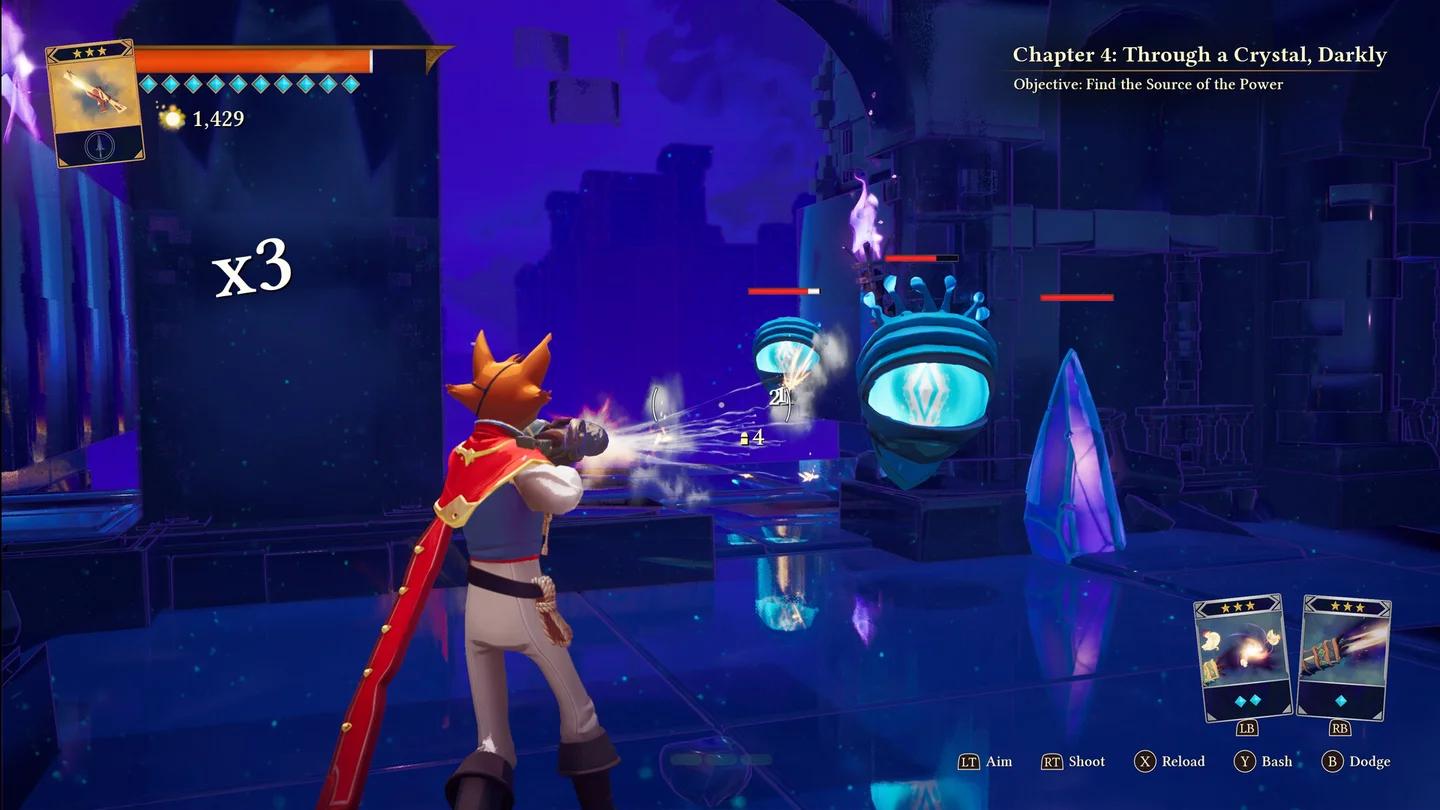
Ever After Again: A Stories Adventure is an action RPG built around branching stories and combat builds that can change without restarting. Developed and published by Spearhead Games, this standalone sequel to Stories: The Path of Destinies returns to Boreas, where former sky pirate Reynardo faces another threat to the world.
The story picks up ten years into Reynardo’s life with Zenobia, a sorceress and Emperor Isengrim’s adopted daughter. His victory over Isengrim supplies the backstory, but the sequel introduces its setting without requiring the original adventure. Floating islands and airships define Boreas, while the Book of Destinies provides the means to search for another winning outcome.
How do choices shape the story?
Choices change Reynardo’s route through the adventure, producing different consequences as the story branches and loops. Finding the Hero Path involves exploring alternatives, including decisions that lead to his death. An unsuccessful route still reveals something about the possibilities within the story, making discovery part of the reason to follow another branch.
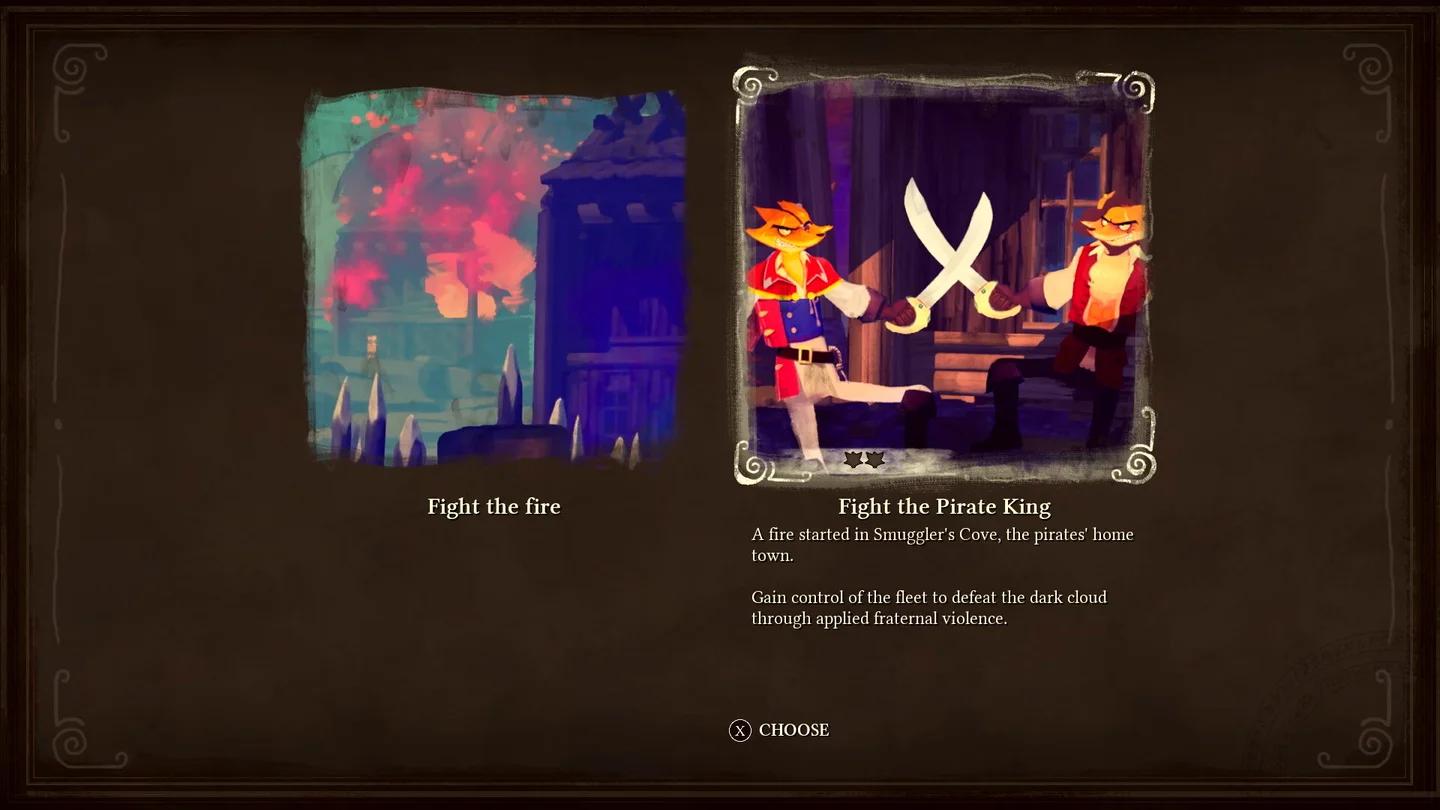
Reynardo’s adventures also have a running commentary. A reactive narrator acknowledges victories and questions dubious judgement as events unfold, giving even a disastrous decision its own comic payoff. Ancient horrors and personal drama provide the stakes; the narration keeps the hero’s mistakes firmly in view.
- Branching story paths
- Reactive comic narration
- Weapon-and-spell combos
- Flexible card-based builds
Combat built around combinations
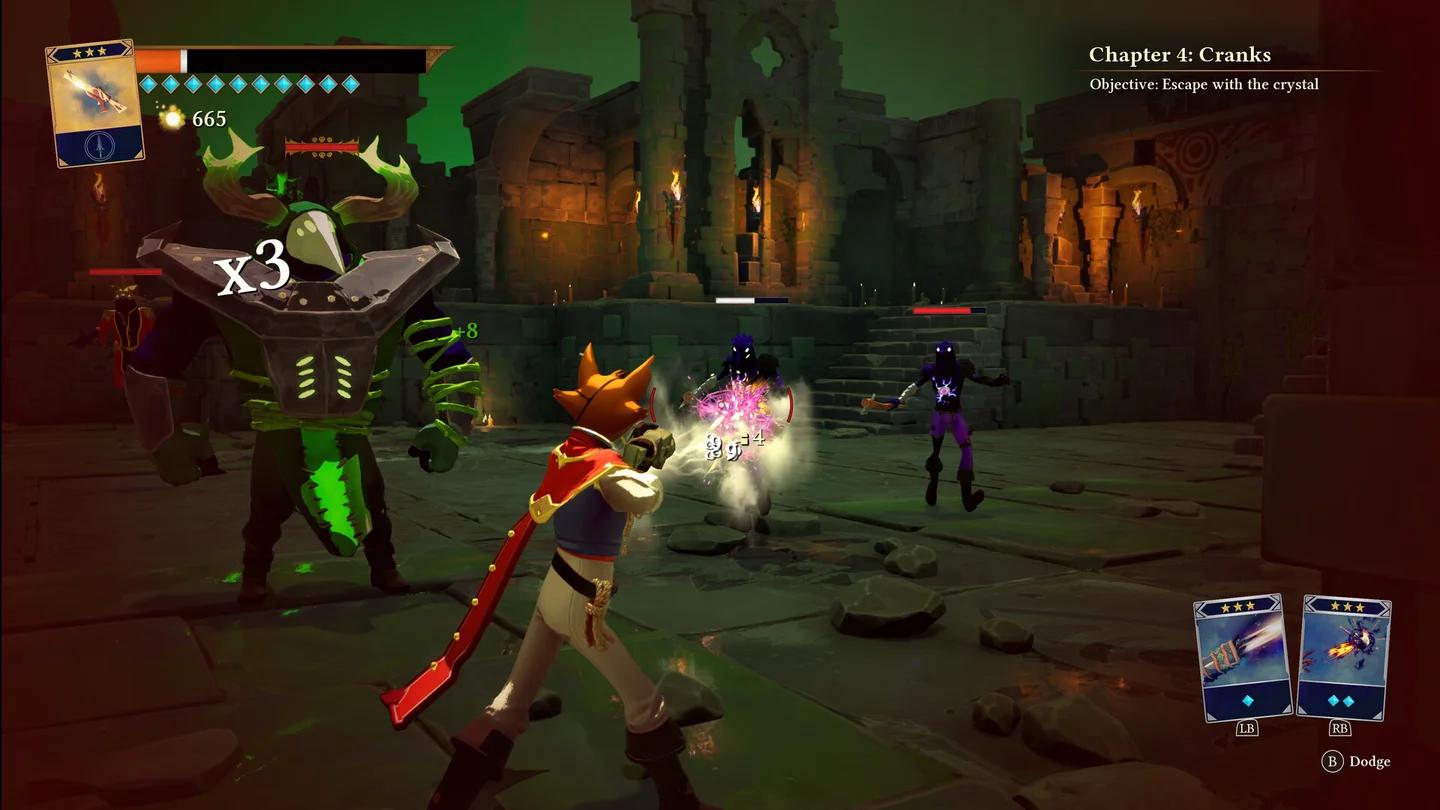
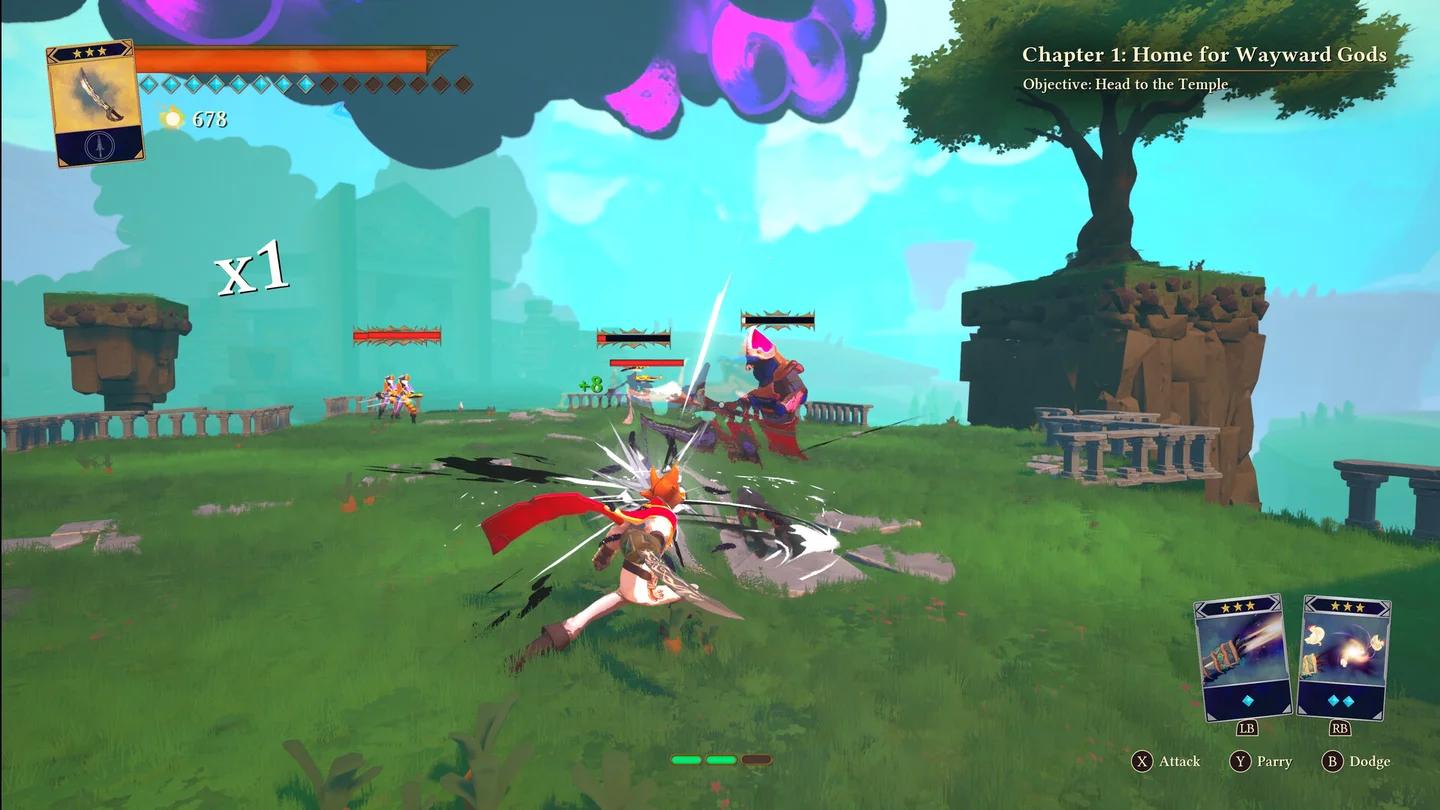
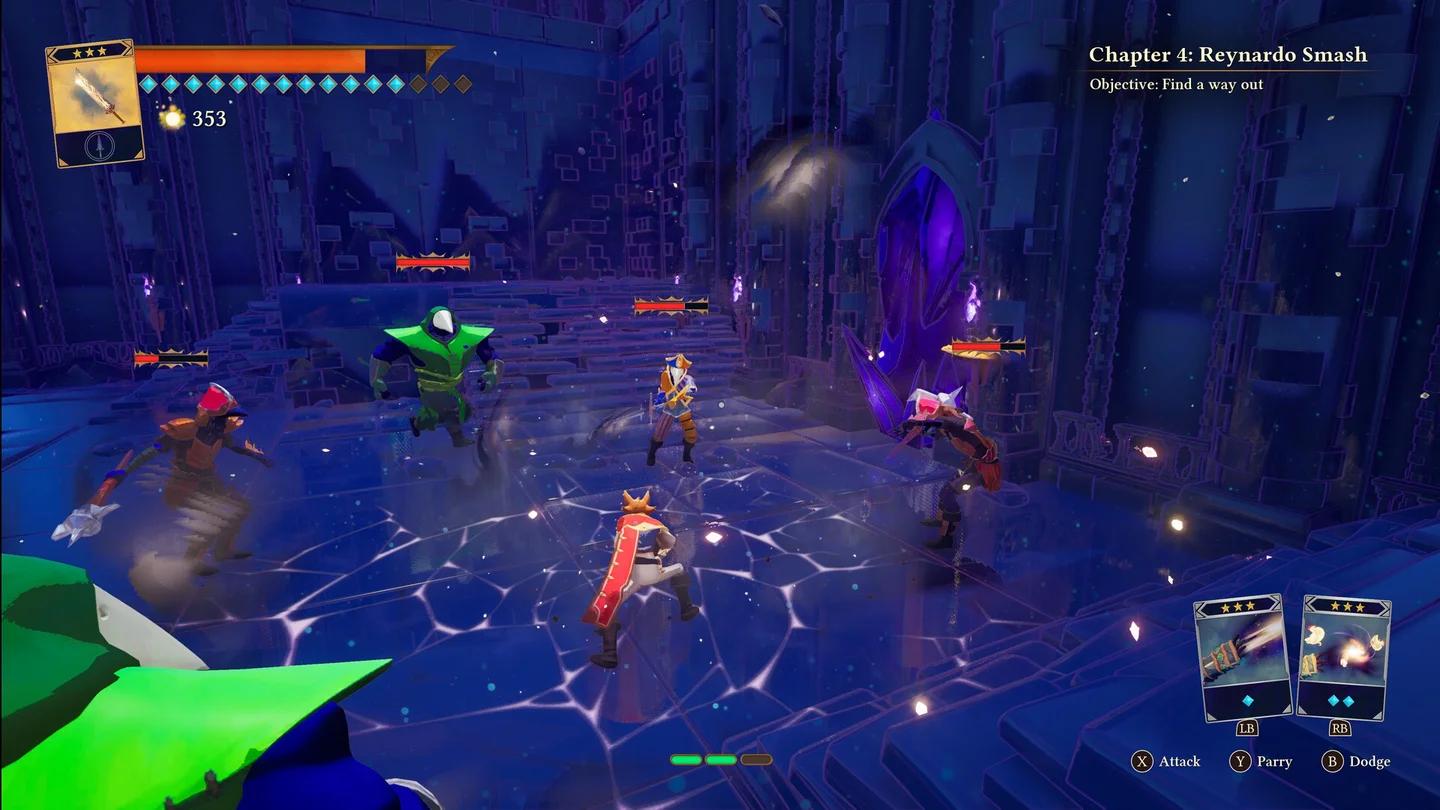
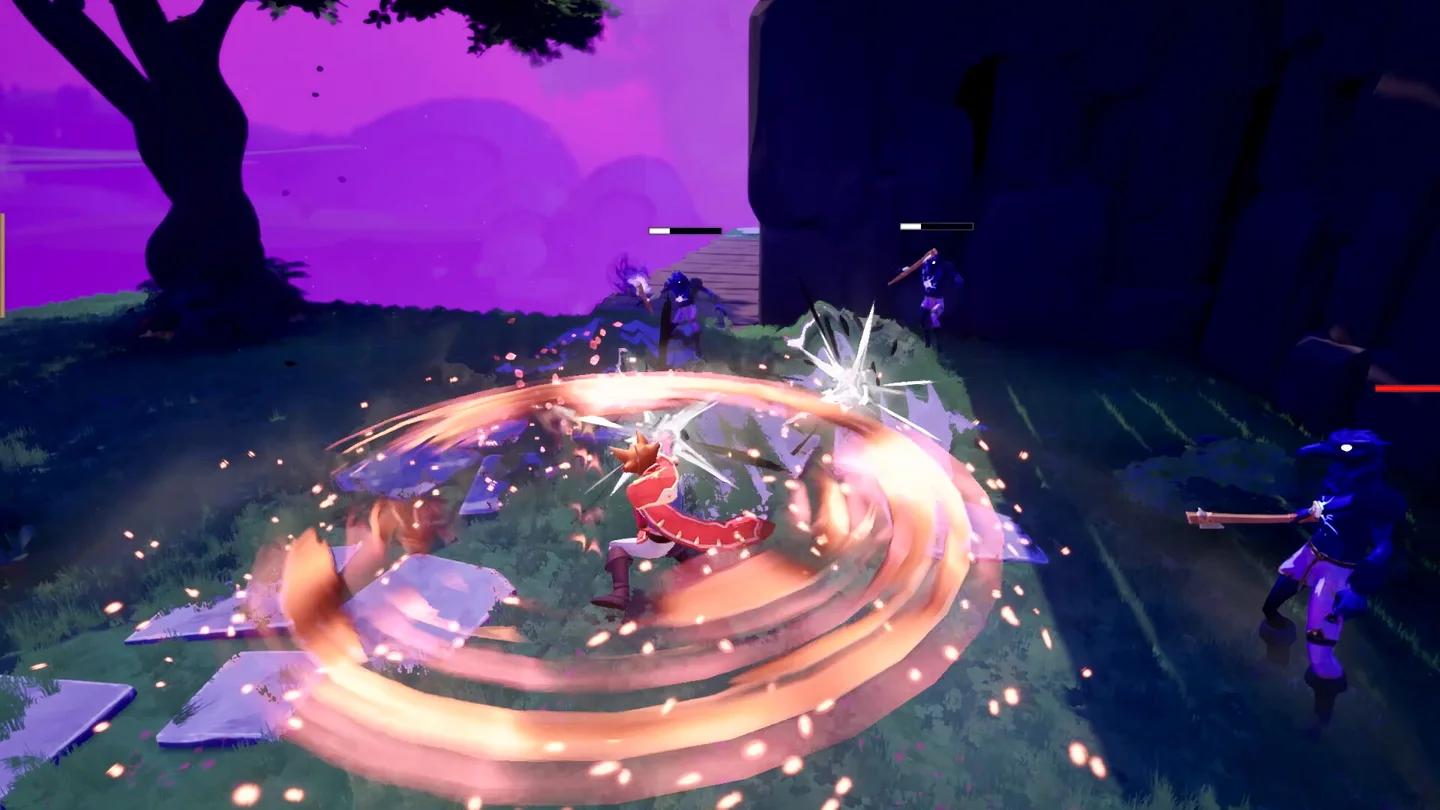
Reynardo fights with melee weapons, ranged attacks, and magic, connecting them through combos and action chains. These tools belong to the same combat system, so swordplay and spellcasting contribute to combinations rather than occupying separate roles. Adapting those combinations to different challenges forms the action side of the adventure.
The contrast with Reynardo’s retirement gives the premise its humor. A decade into domestic life, he is back fighting through dangerous situations with a toolkit that supports more than his old reputation as a hero. The combat pairs that returning-character setup with room to change how he fights.
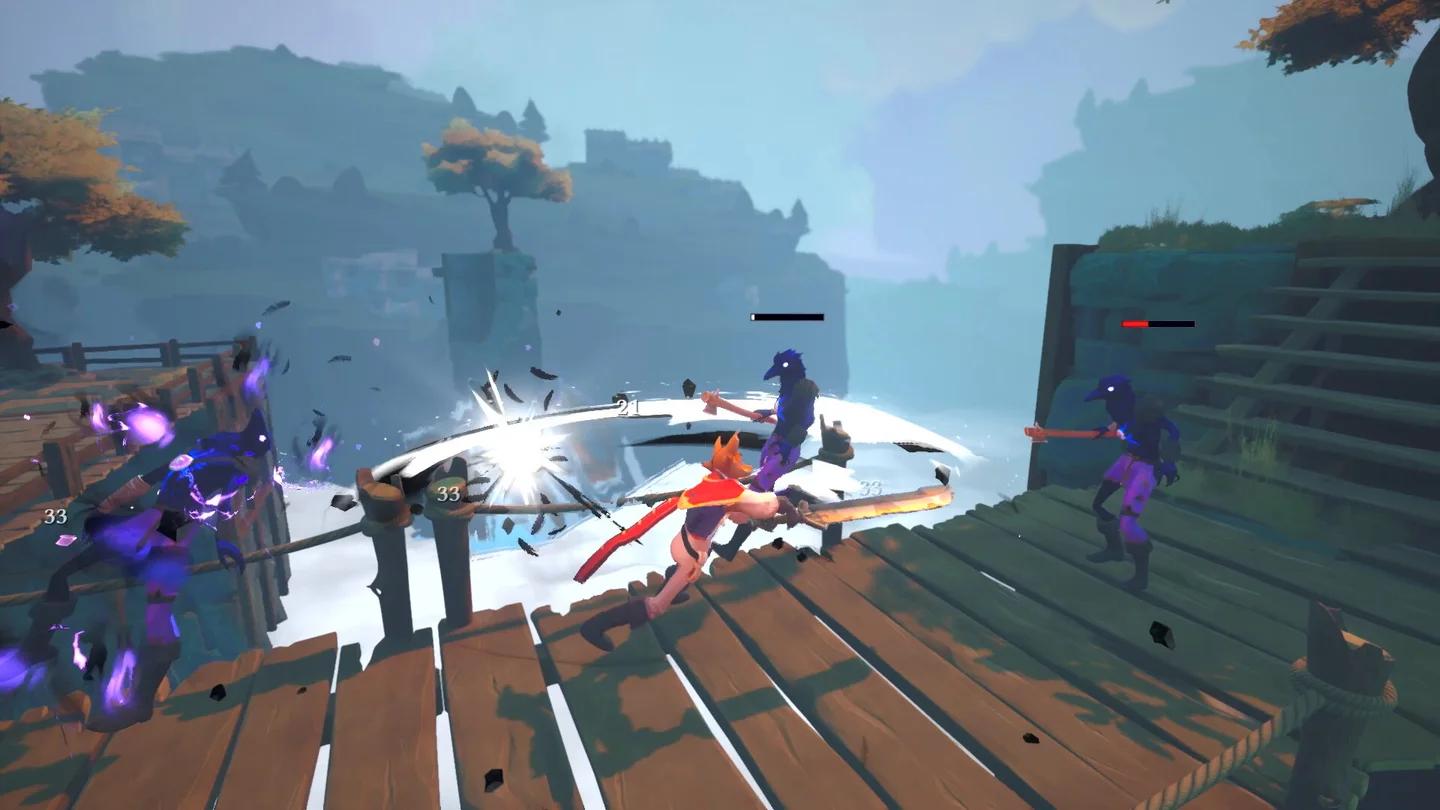
Card progression without a fixed build
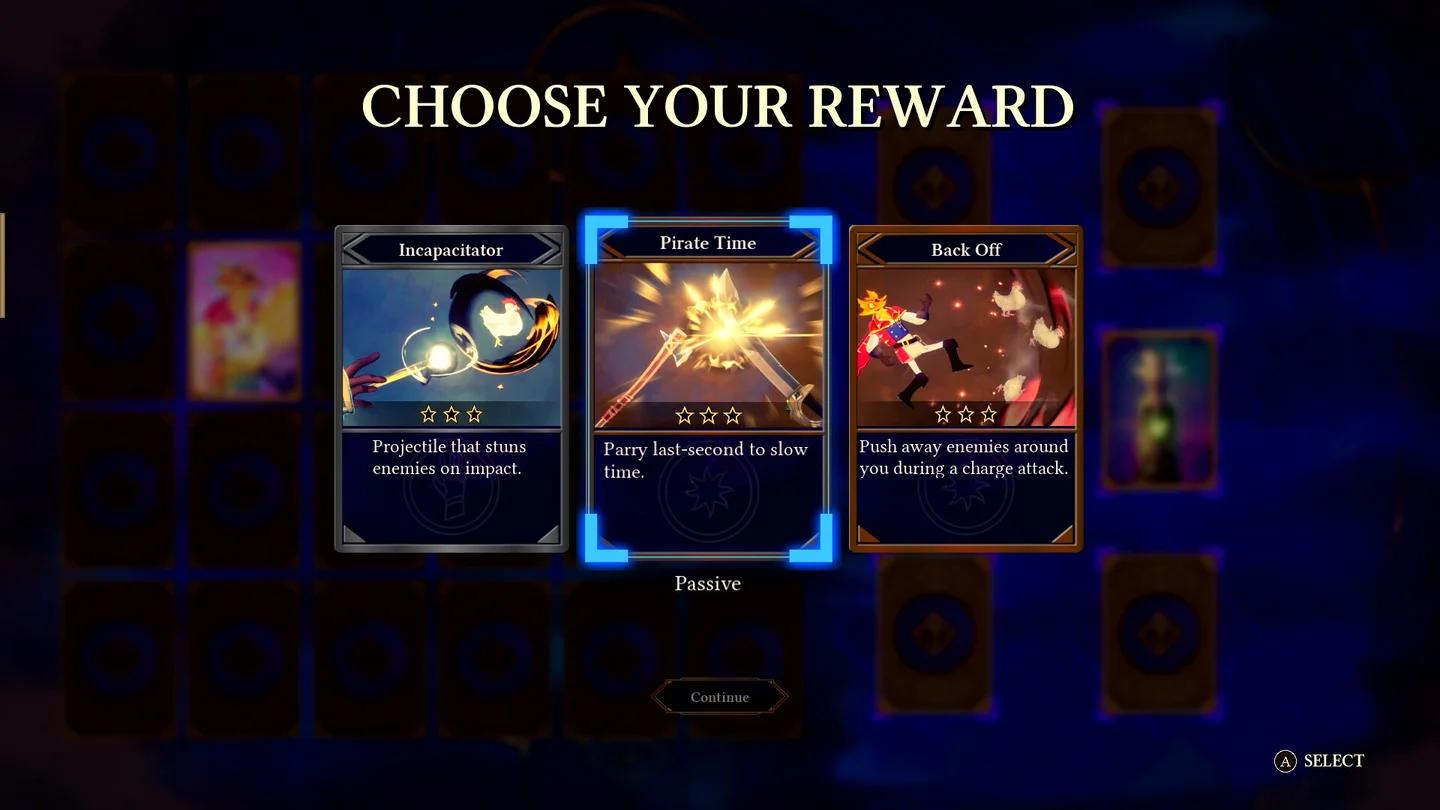
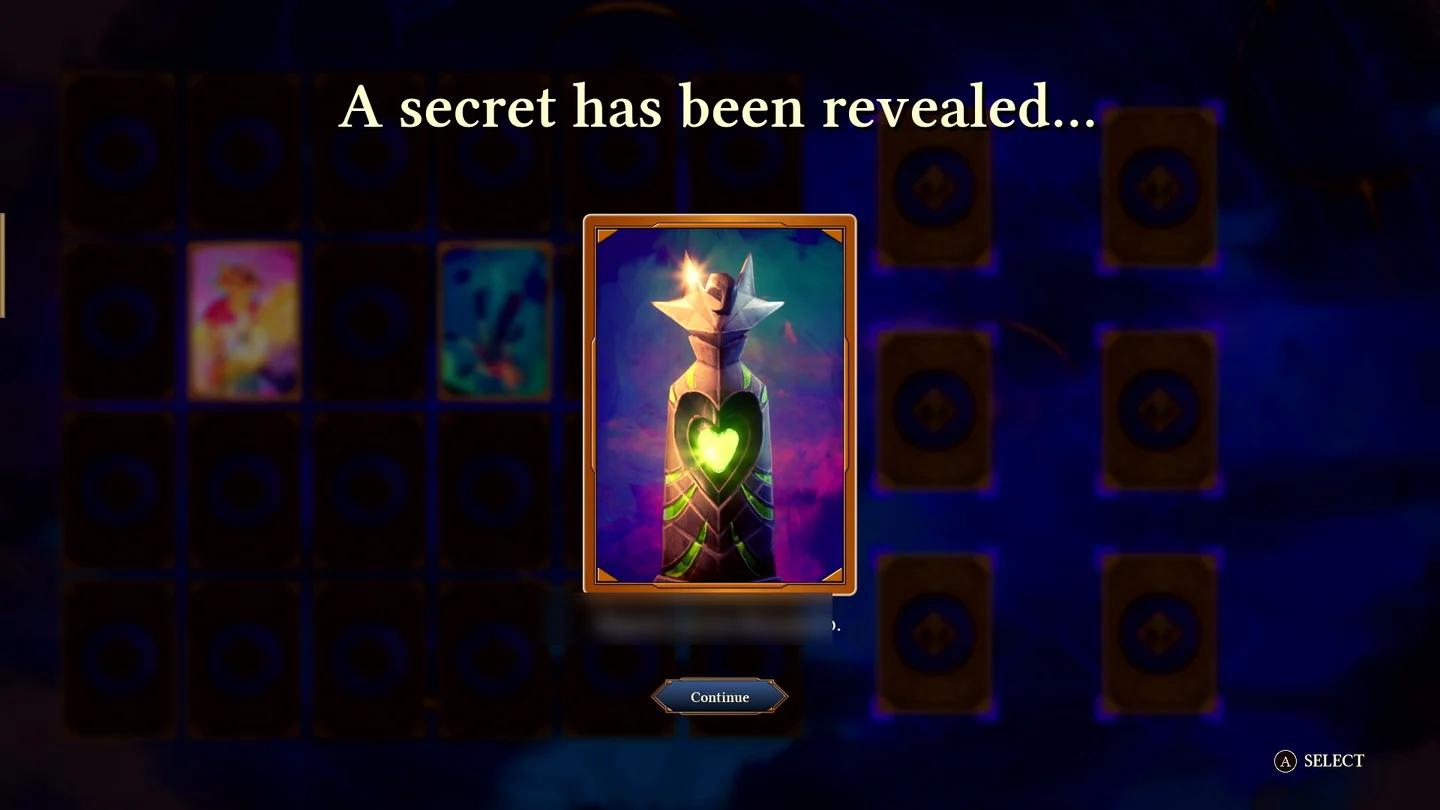
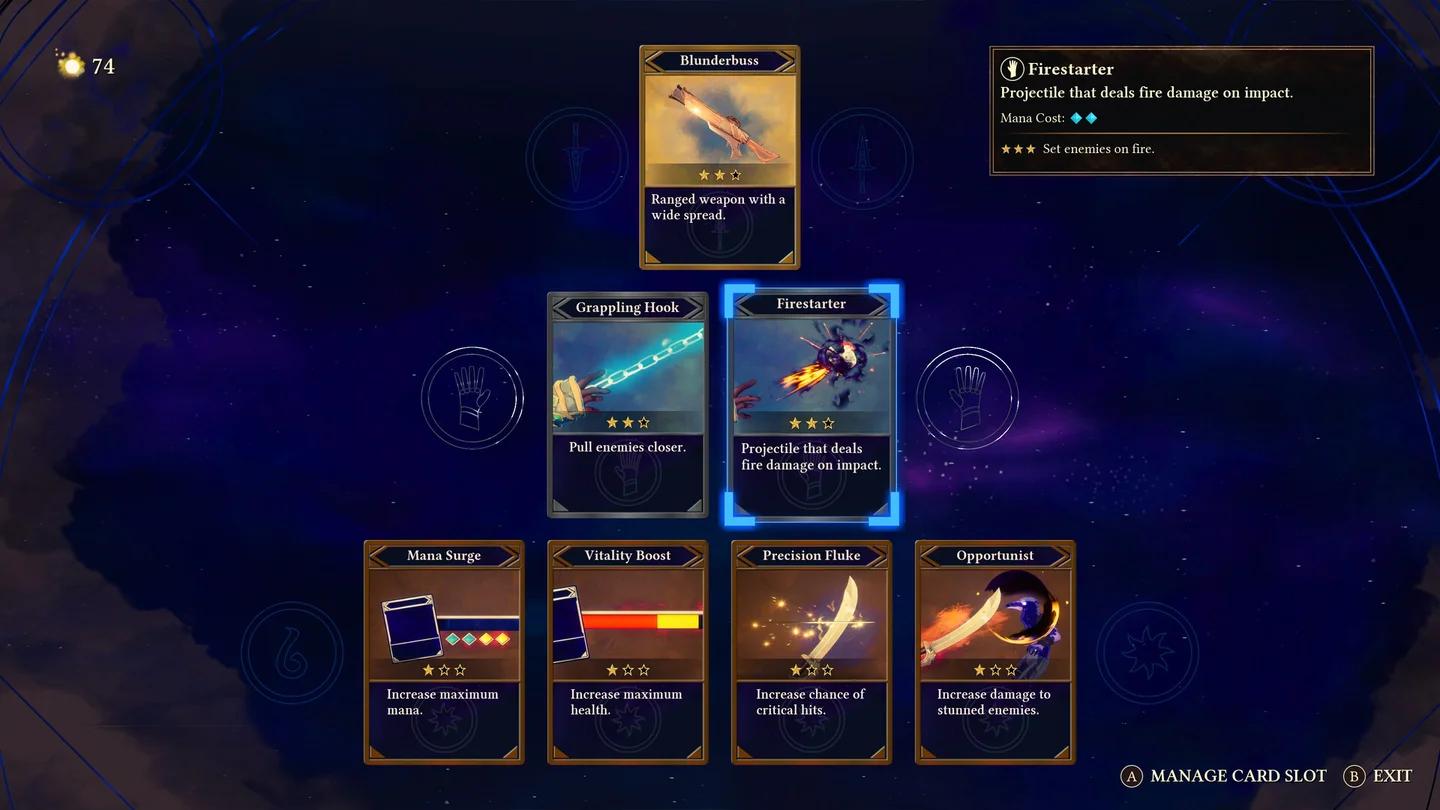
Completing story paths feeds directly into Reynardo’s character progression. Cards grant weapons, spells, and passive powers, and those options support upgrades. Following another route therefore serves two purposes: it explores the narrative’s possibilities and unlocks more tools for building a different version of the hero.
Reynardo can switch between a damage-focused glass cannon and a tougher tank without restarting the adventure or committing permanently to either role. The important distinction is flexibility: unlocking a card expands his options rather than forcing a lasting class choice. Branching storytelling supplies new paths to explore, while card-based progression gives those completed paths a practical reward in the action-RPG combat.