Biggest discounts, free games, and limited-time offers across every major gaming store.
Never pay full price again.
Overview
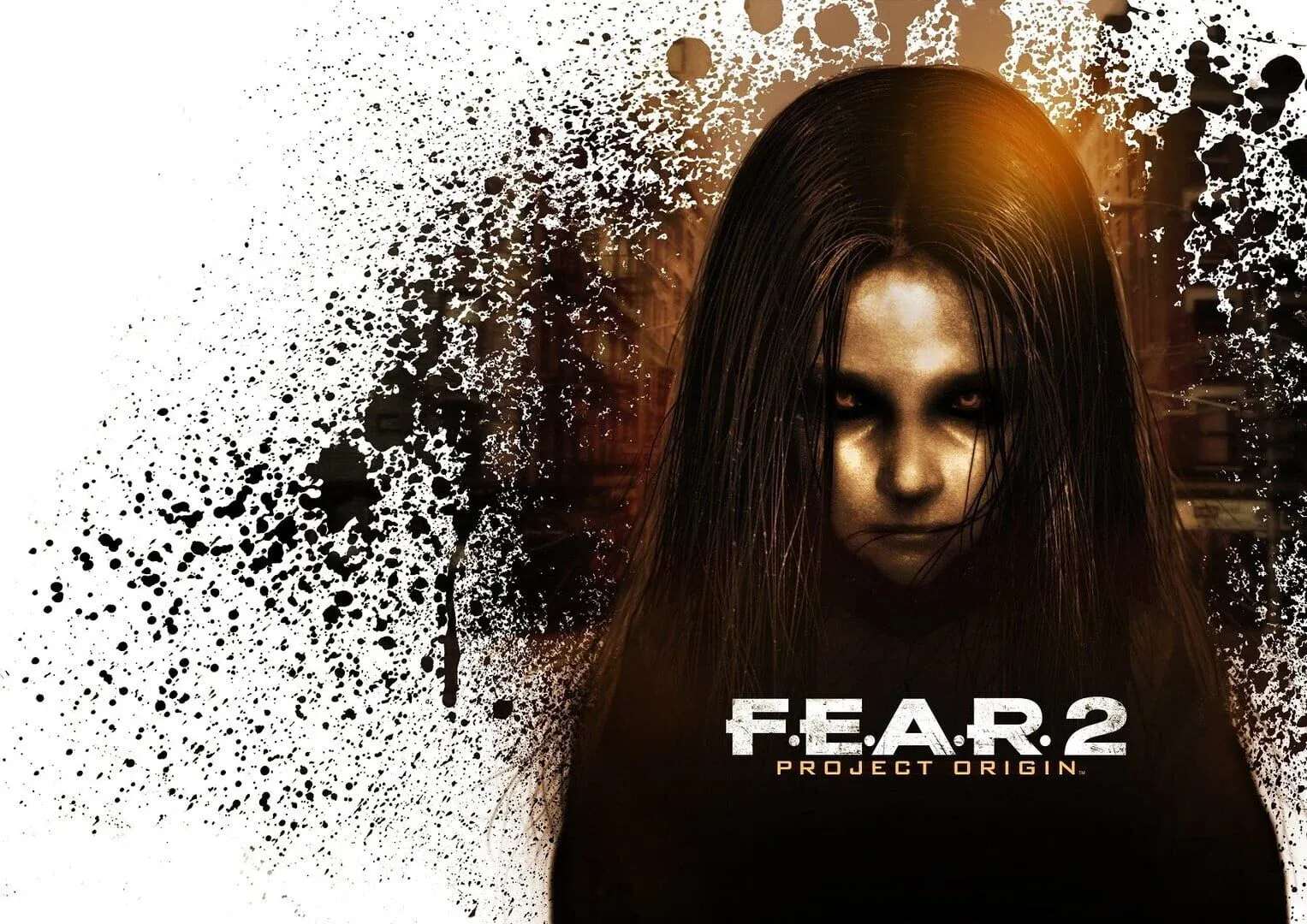
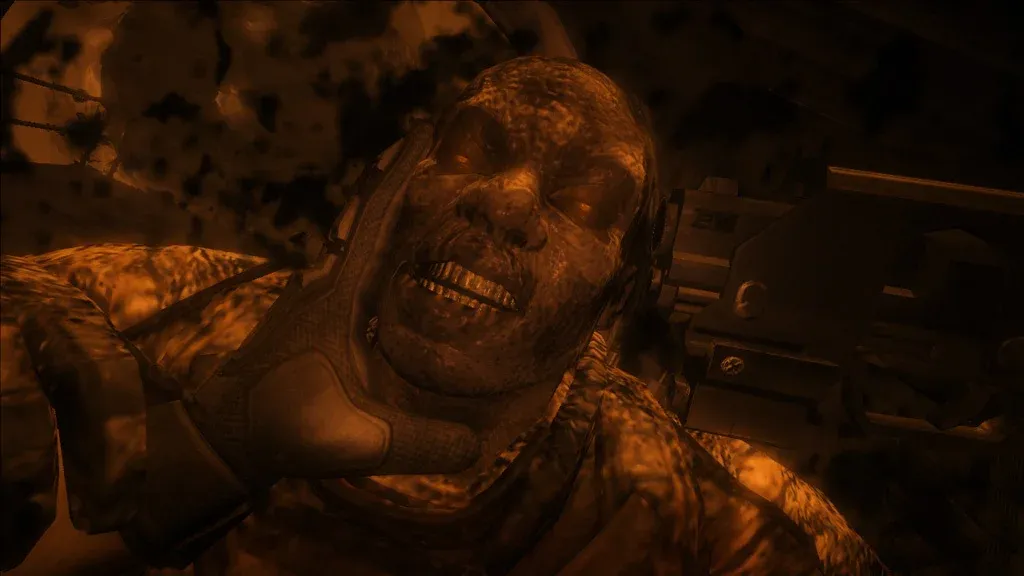
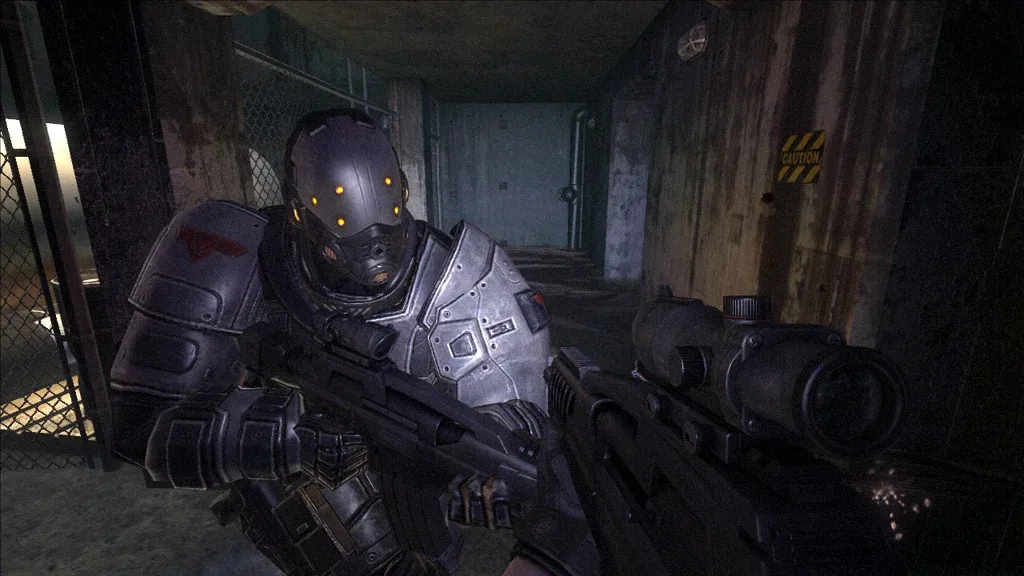
F.E.A.R. 2: Project Origin is Monolith's 2009 sequel to their acclaimed first-person horror shooter, and it builds on the original's formula in almost every direction. You play as Sgt. Michael Becket, a Delta Force operator dispatched to arrest Armacham president Genevieve Aristide roughly 30 minutes before the events of the first game conclude. What starts as a straightforward military mission collapses into something far worse as Alma Wade's power spirals beyond any containment.
The game strips out the events of the expansion packs Extraction Point and Perseus Mandate, treating the original F.E.A.R. as the only canonical predecessor. That clean continuity choice keeps the story focused, and Becket's connection to Alma gives the narrative a personal weight that the first game's anonymous protagonist couldn't quite achieve.
F.E.A.R. 2: Project Origin content image
Gameplay and mechanics
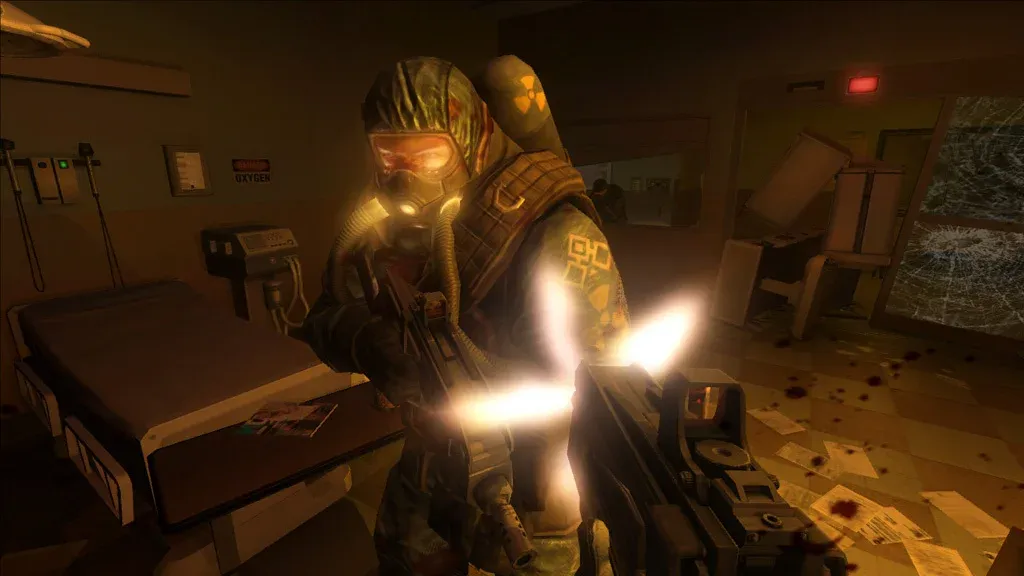
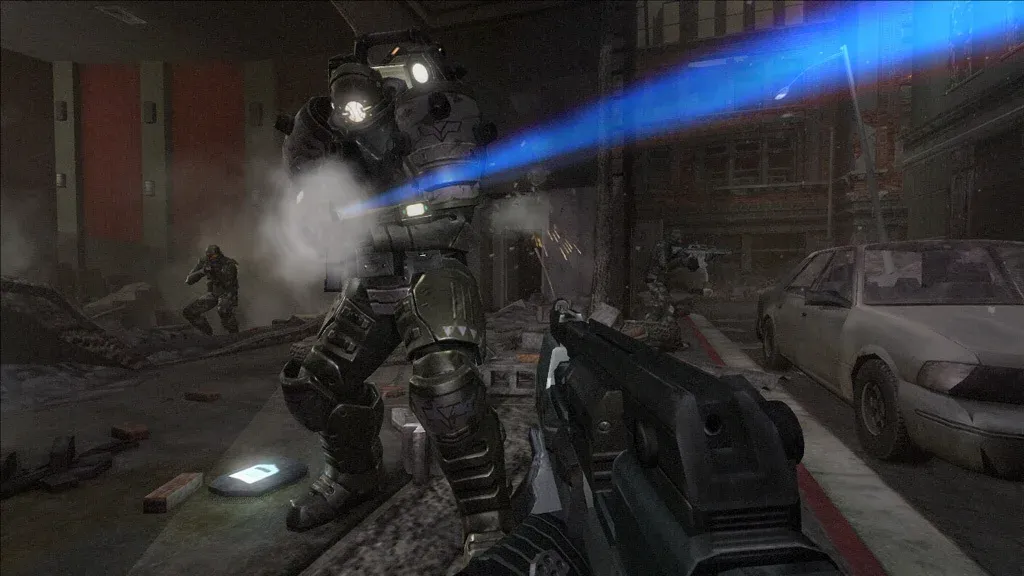
The core first-person shooter loop carries over from the original, with bullet-time slow motion remaining the defining mechanic. Becket's enhanced reflexes let players stretch a firefight into a carefully choreographed moment of flying shell casings and collapsing enemies. The system still holds up because the enemy AI is genuinely reactive, using flanking routes, suppressive fire, and environmental cover in ways that make the slow-motion payoff feel earned rather than cheap.
F.E.A.R. 2: Project Origin content image
Key mechanics in F.E.A.R. 2:
- Slow-motion bullet-time combat
- Grab-and-drag movable cover
- Iron sight aiming
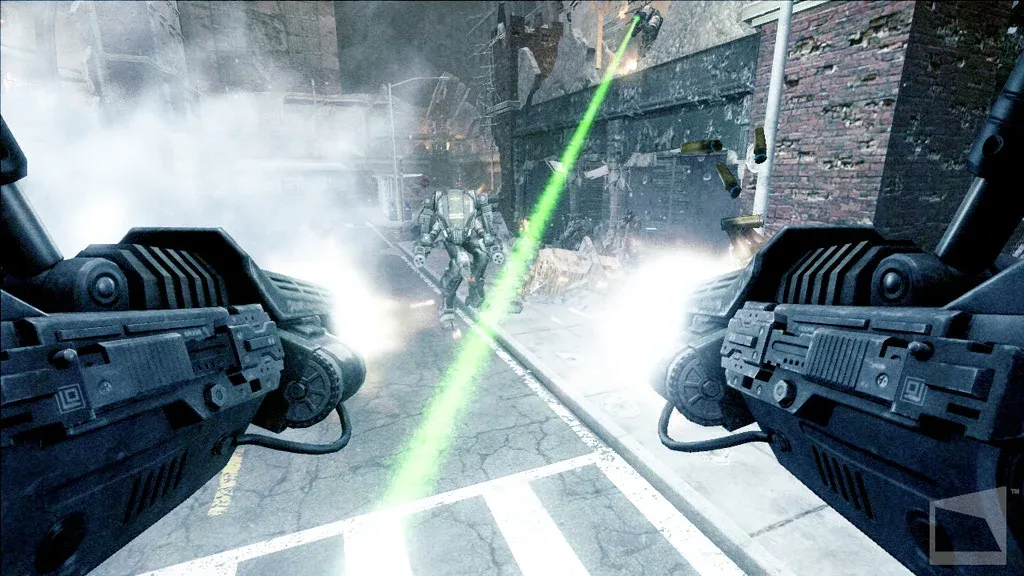
- Pilotable combat mechs
- Environmental interaction for instant cover
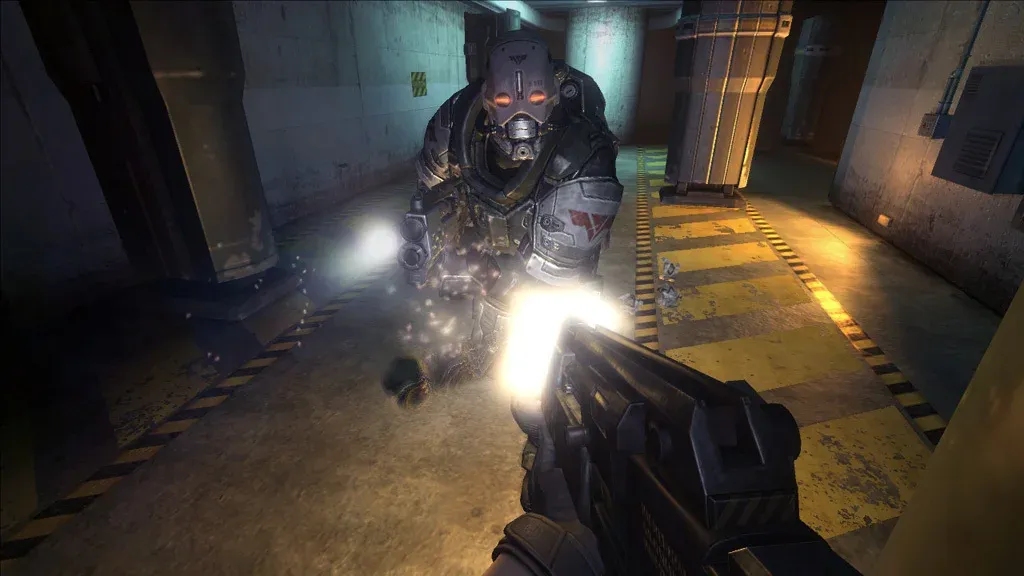
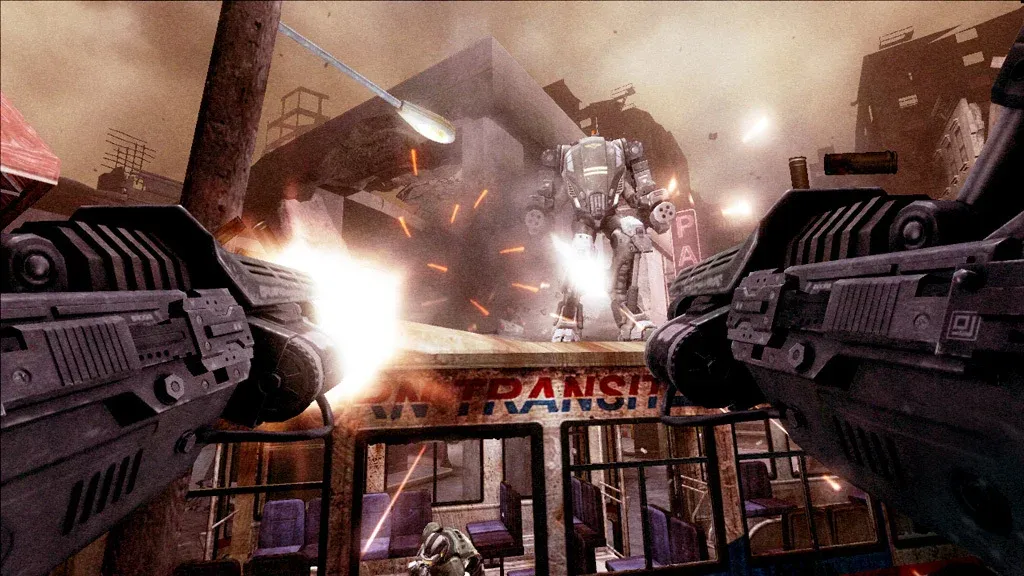
New additions push the game beyond a simple re-run. Iron sight aiming gives gunfights more precision, grab-and-drag cover lets players reshape the battlefield on the fly, and the combat mech sequences break up the pacing with a satisfying shift in scale. Environments are noticeably more open and varied than the first game's corridor-heavy design, mixing tight indoor spaces with larger outdoor areas.
F.E.A.R. 2: Project Origin content image
World and setting
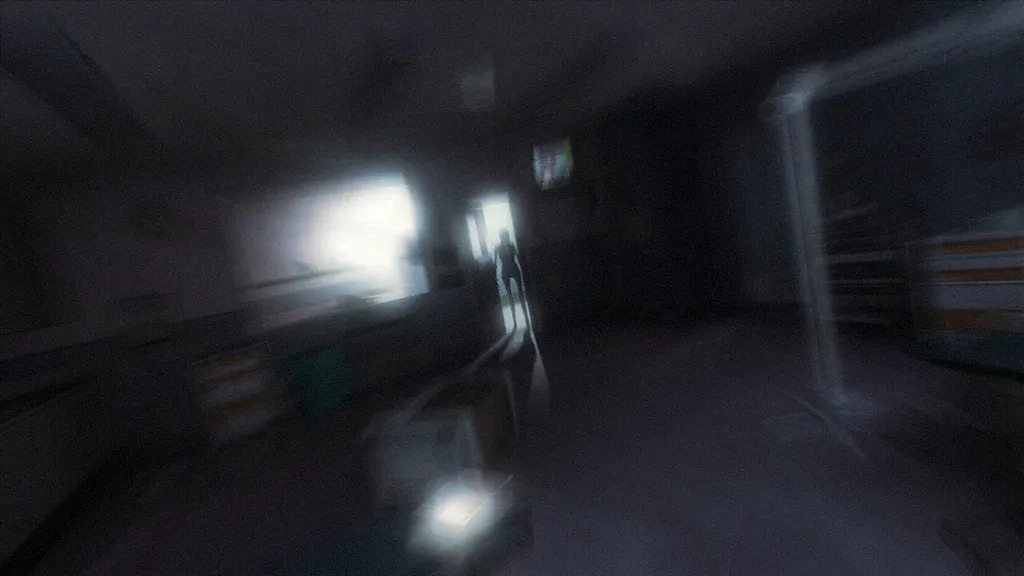
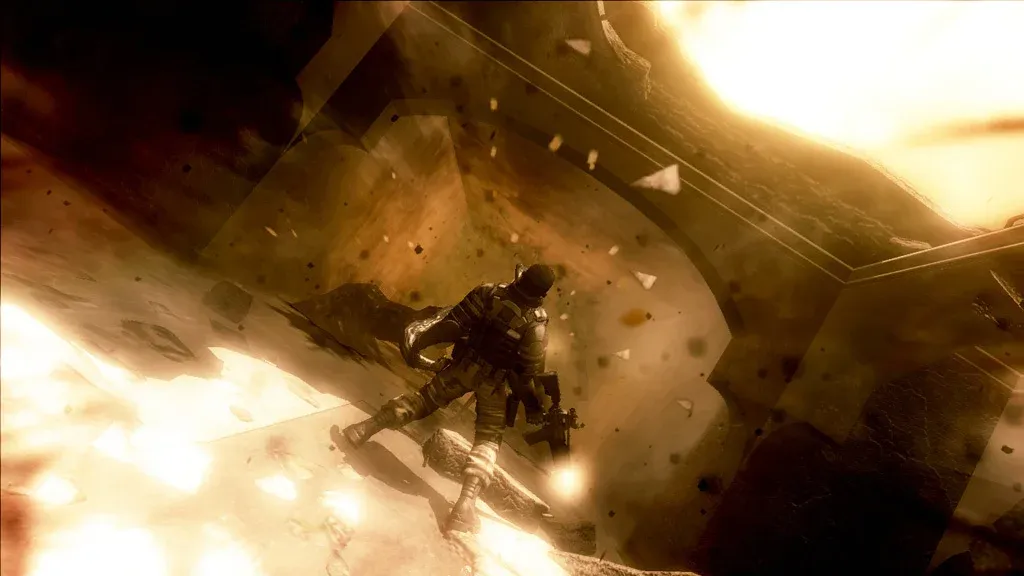
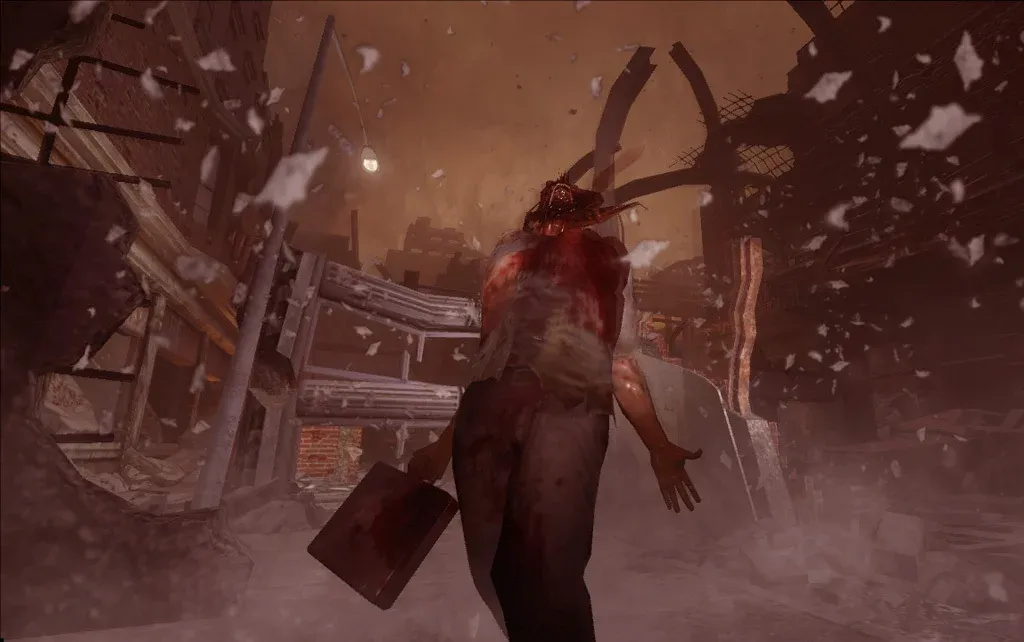
Alma Wade remains one of gaming's more unsettling antagonists, and F.E.A.R. 2 leans hard into that. The post-explosion cityscape gives Monolith room to build out a genuinely oppressive atmosphere, cycling through destroyed office buildings, underground facilities, and suburban wreckage. The horror sequences are woven directly into the action rather than separated into distinct scare segments, which keeps the tension consistent.
F.E.A.R. 2: Project Origin content image
Becket's story also benefits from being the direct target of Alma's obsession. That personal threat gives the supernatural horror a concrete anchor, and the game uses it to build toward one of the more memorable endings in the series.
Multiplayer and replayability
Beyond the campaign, F.E.A.R. 2 includes competitive multiplayer with a mode selection built around the game's fast, reflex-driven combat. The Toy Soldier update, released April 16, 2009, added three maps with a sharp visual gimmick: players shrink to a few inches tall and fight across a retro pinball machine (FullTilt), a blood-soaked hospital lab room (Cockroach), and a sandbox playground (Recess). Climbing pill bottles and using toy bulldozer cockpits as cover is exactly as chaotic as it sounds, and the maps hold their own distinct identity within the multiplayer rotation.
The single-player campaign offers a direct, well-paced run through the horror shooter genre with enough enemy variety and environmental change to stay engaging across its full length. For players who want to revisit specific sequences or push through on higher difficulty settings, the structure rewards multiple playthroughs without overstaying its welcome.