Overview
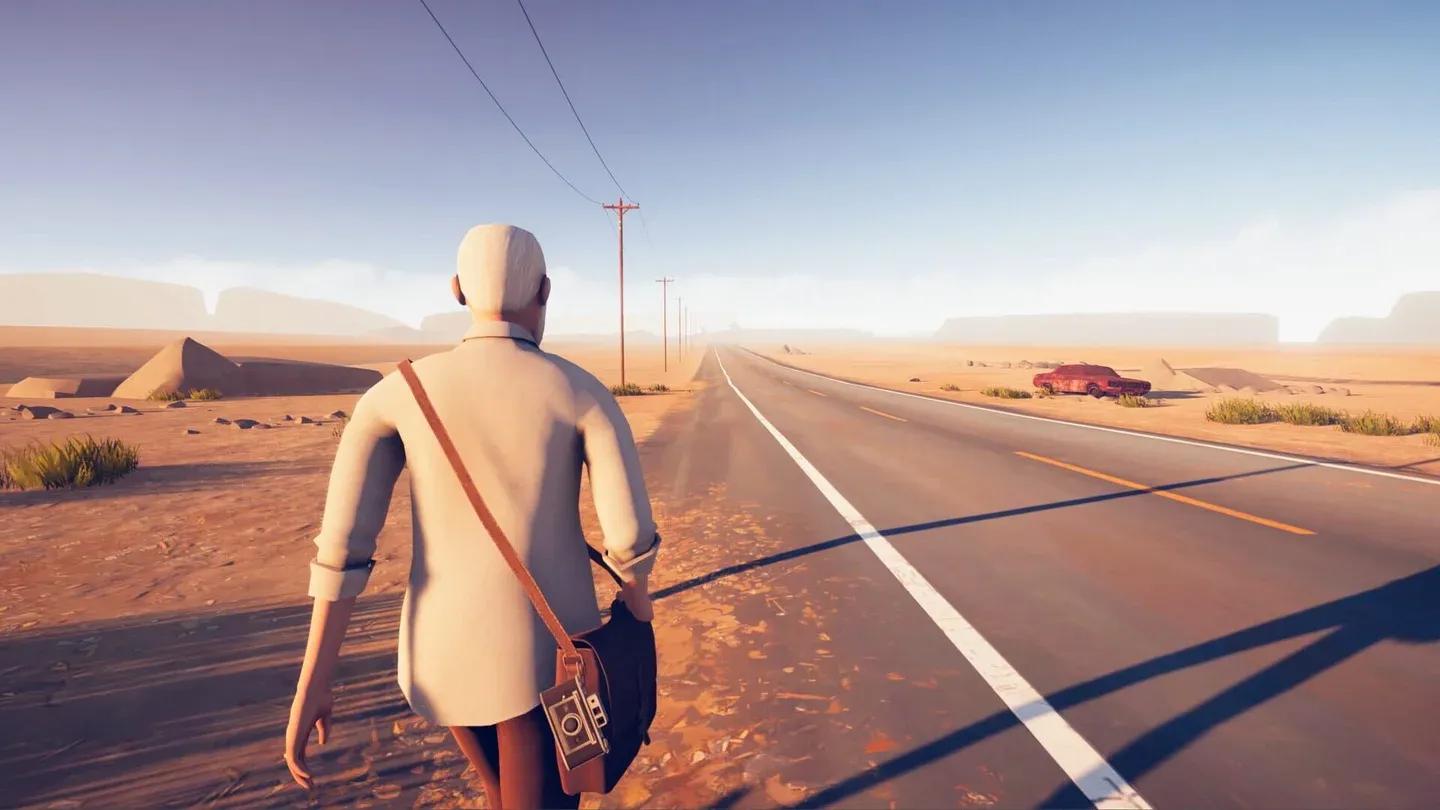
Forever Ago is a single-player narrative adventure from Third Shift, a small indie studio founded by two friends, and published by Annapurna Interactive. The game follows Alfred, a man set adrift by tragedy who heads north on a road trip with no clear destination, only the vague hope of finding something worth holding onto. It arrives on PC, PlayStation, Xbox, Nintendo Switch, and Epic Games Store on October 8, 2026.
The premise is deceptively simple. Alfred travels through expansive, beautiful places, documents the world with a camera, crosses paths with strangers, and slowly builds connections that feel earned rather than scripted. Third Shift describes itself as a narrative-focused studio, and every design choice in Forever Ago reflects that priority.
Forever Ago content image
Gameplay and mechanics
Forever Ago centers its moment-to-moment play on exploration and photography. Key features include:
Forever Ago content image
- Camera-based memory capture
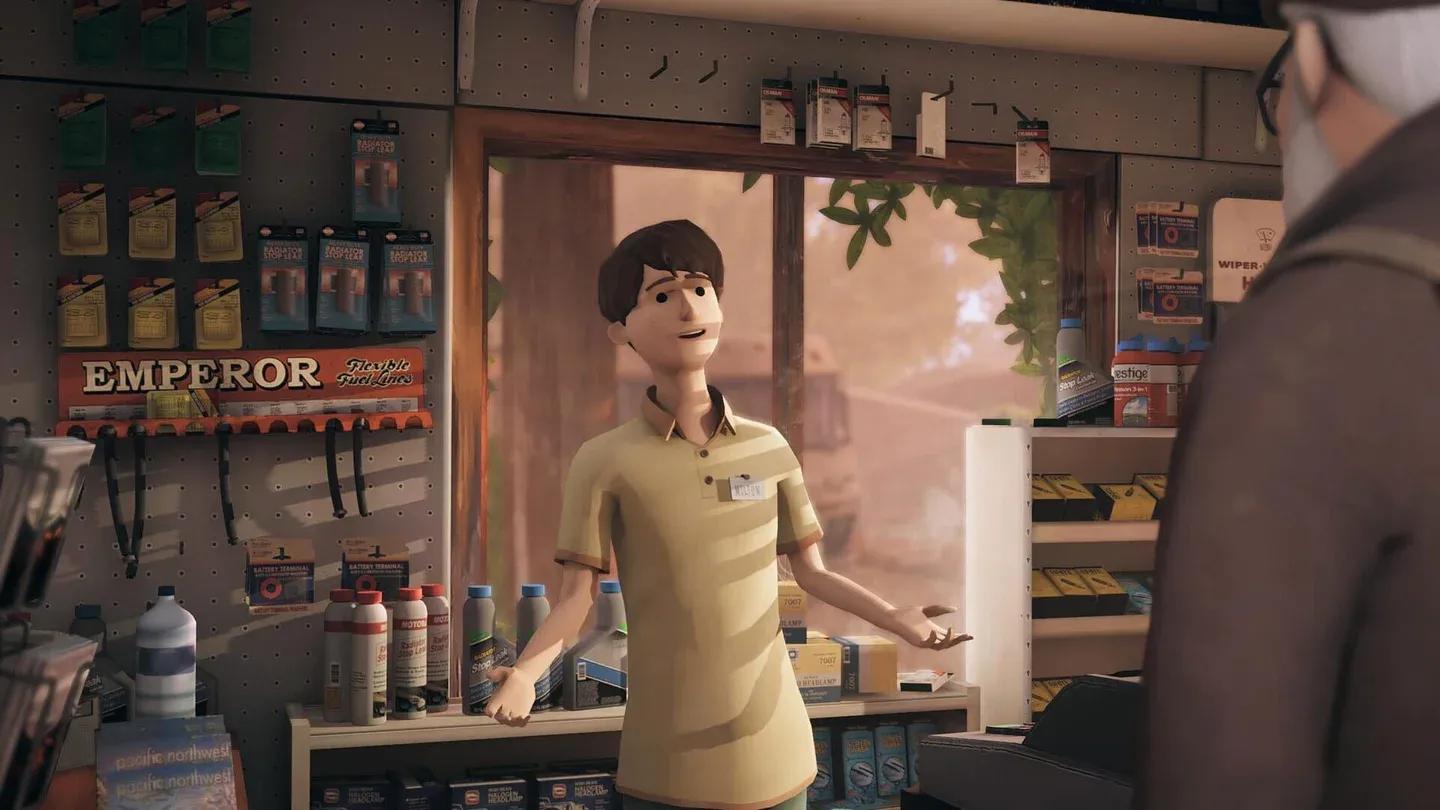
- Character encounters and conversations
- Road trip traversal through varied environments
- Single-player narrative progression
- Redemption-driven story structure
The photography mechanic does more than collect scenery. Capturing memories appears to be how the game externalizes Alfred's internal journey, turning observation into a form of emotional processing. That loop, moving through the world and choosing what to remember, gives the game a reflective quality that separates it from more action-forward adventure titles.
Forever Ago content image
World and setting
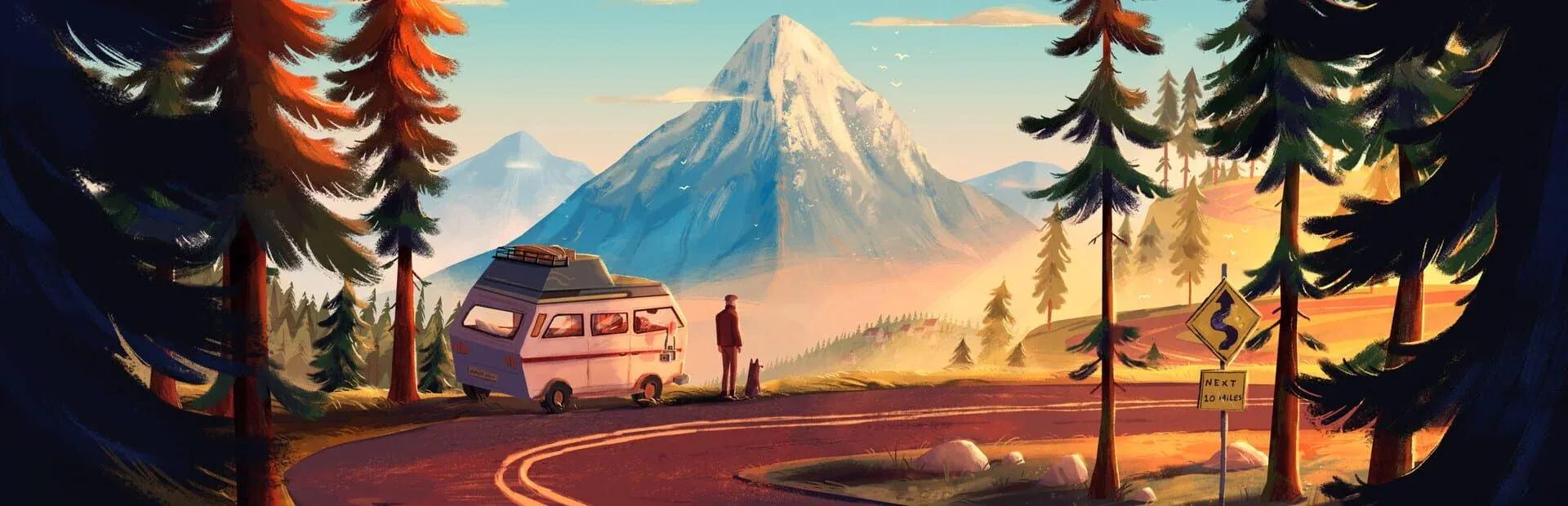
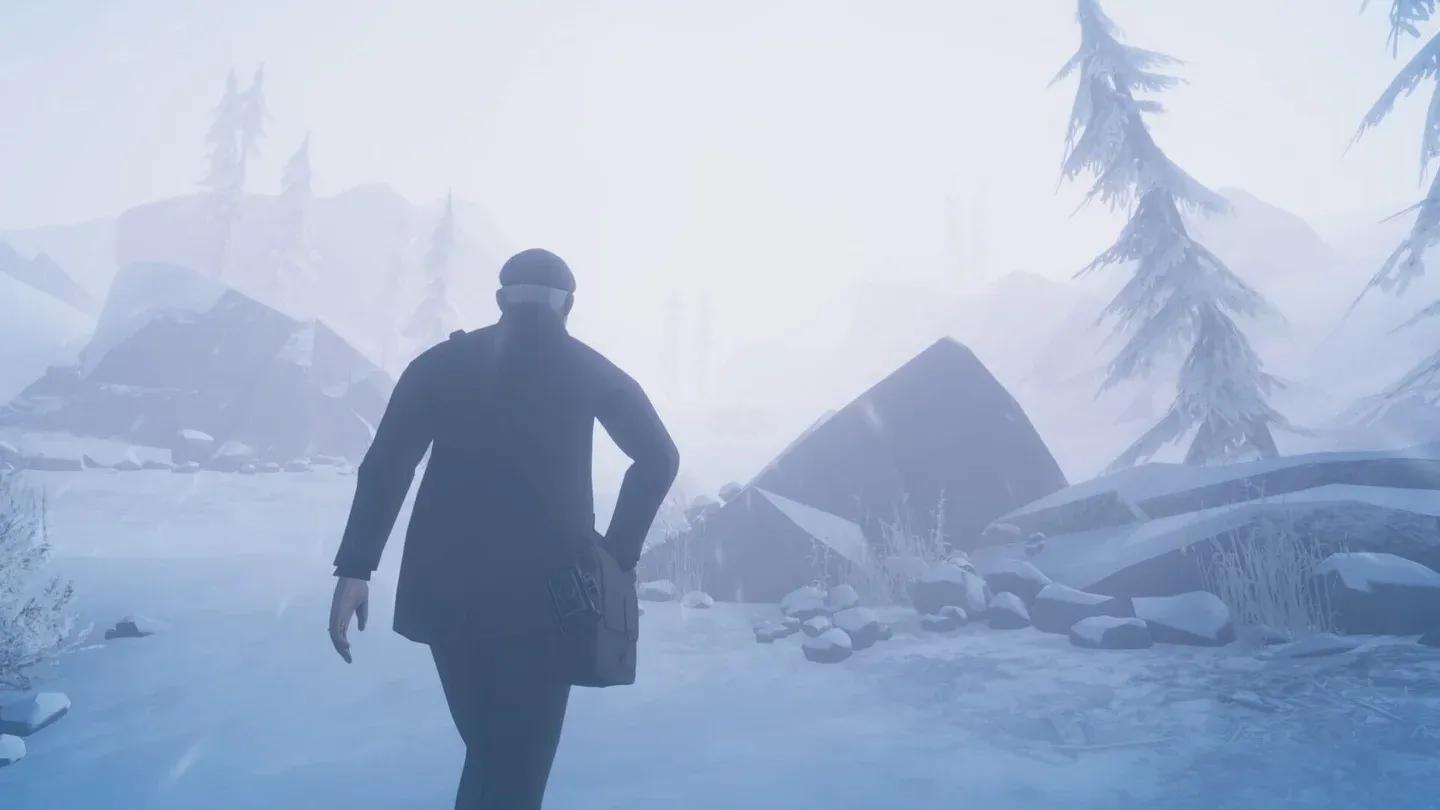
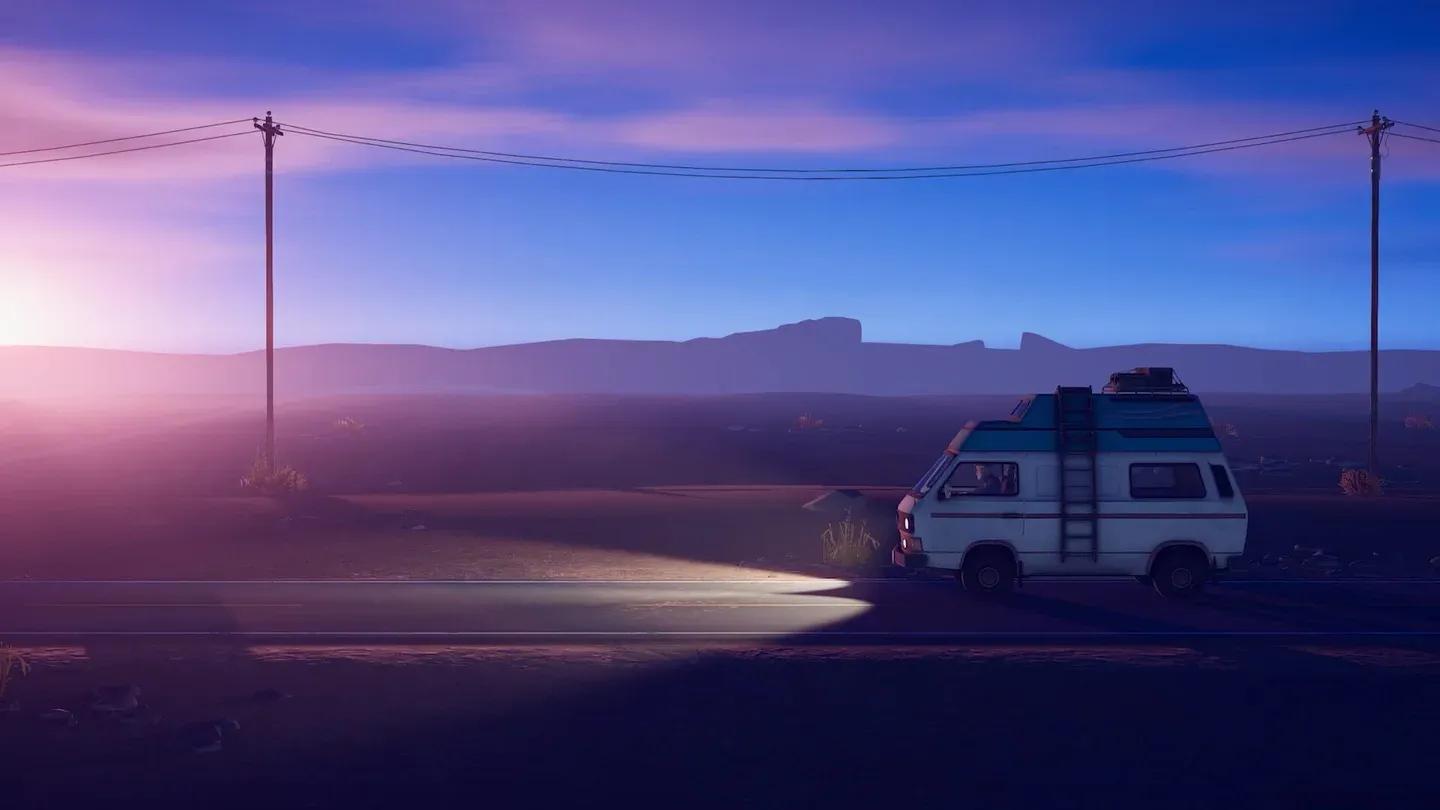
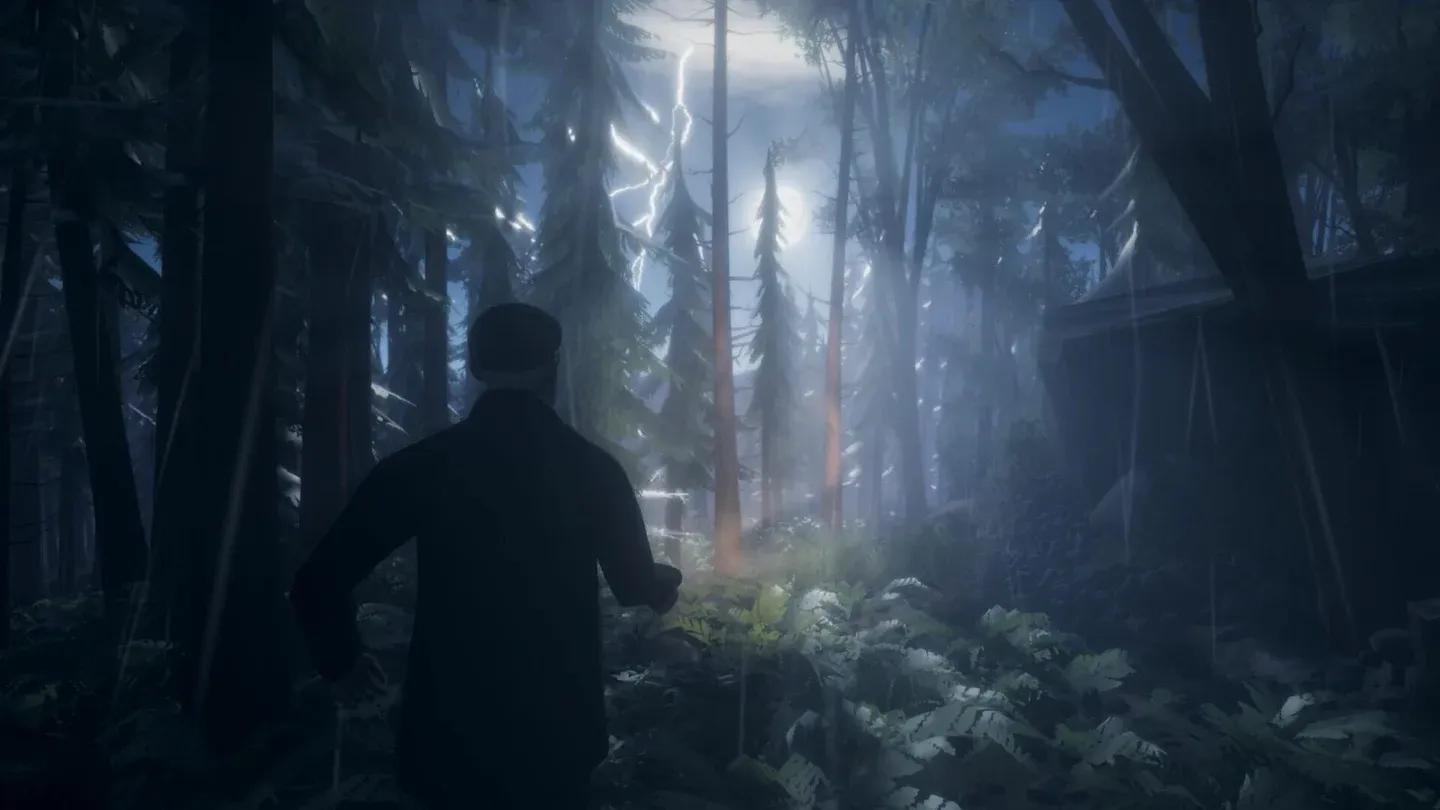
What does a road trip north look like in Forever Ago? The available screenshots and trailer reveal large, open spaces with a sense of quiet isolation, punctuated by moments of human connection. The environments carry a melancholic warmth, places that feel lived-in without being busy.
Third Shift appears to be building a world where solitude is the default and connection is the exception, which makes every new character Alfred meets feel meaningful. The contrast between vast, lonely landscapes and compact, intimate conversations gives the game a distinctive rhythm.
Does Forever Ago have a strong narrative focus?
Yes, and that is the clearest thing about it. Third Shift was founded specifically to make narrative games, and Forever Ago is their debut. Alfred's search for redemption after an unspecified tragedy drives every element of the design, from where he travels to who he talks to and what he photographs.
Annapurna Interactive's involvement adds further weight to that commitment. The publisher has backed story-driven indie games consistently, and Forever Ago fits squarely in that tradition.
Forever Ago content image
Visual and audio design
The art style leans toward soft, naturalistic visuals with an emphasis on atmosphere over spectacle. Early footage suggests a color palette that shifts with environment and mood, giving each location a distinct emotional texture. The scale of the outdoor spaces feels intentional, designed to make Alfred appear small against the world he is trying to navigate.
For a game built around quiet introspection and road trip exploration, the visual language matters as much as the writing. What Third Shift has shown so far suggests a careful eye for how place and light can carry a story without a single word of dialogue.