
Advertisement

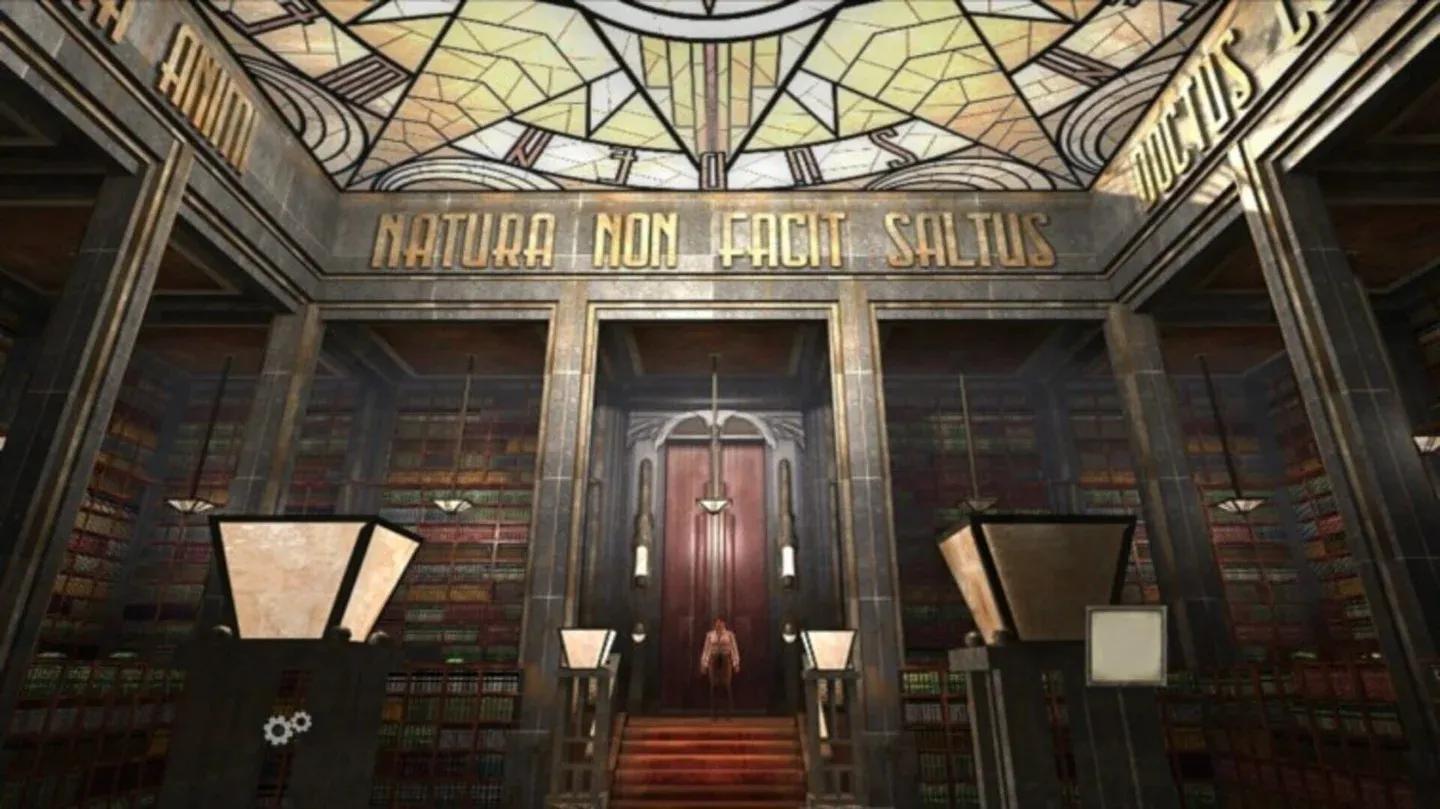
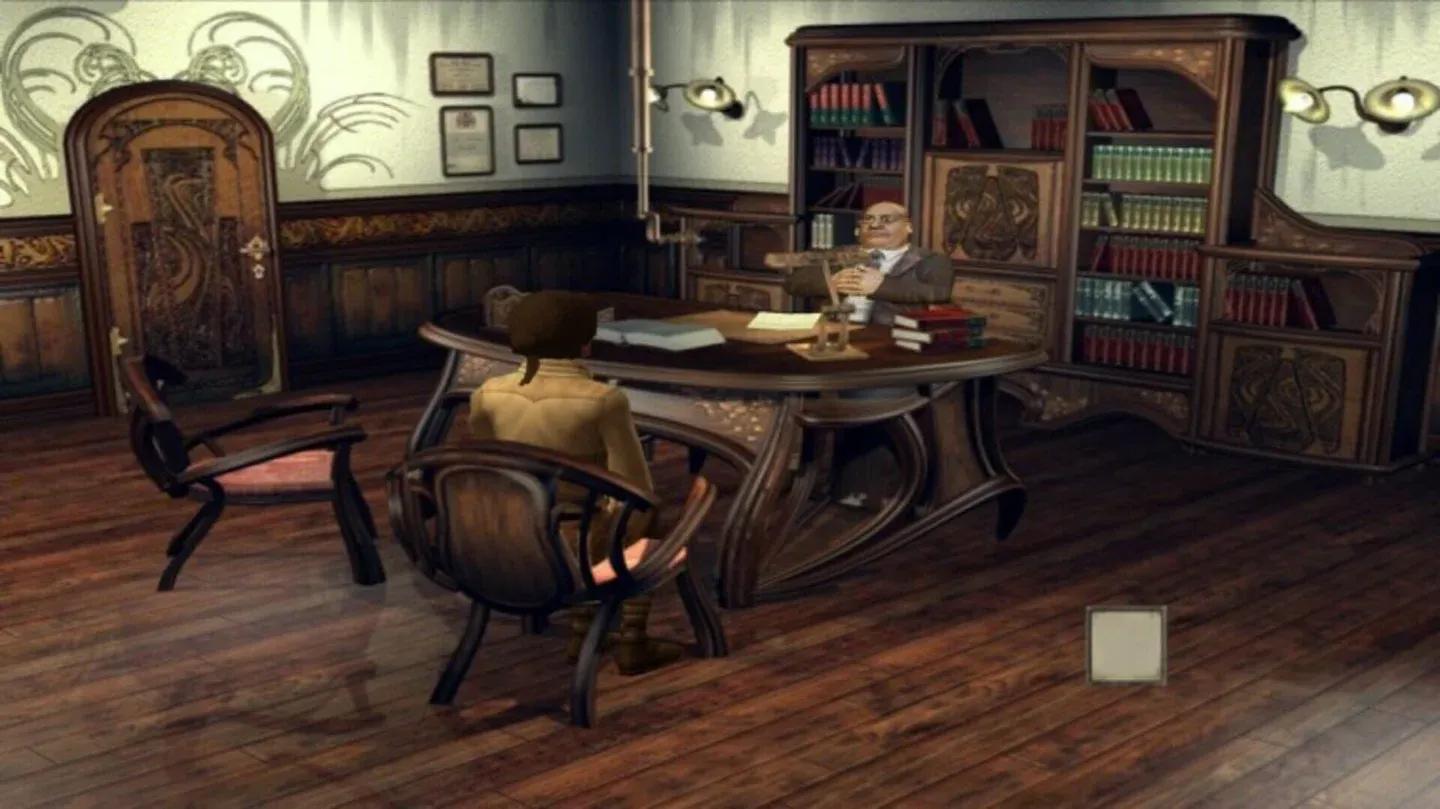
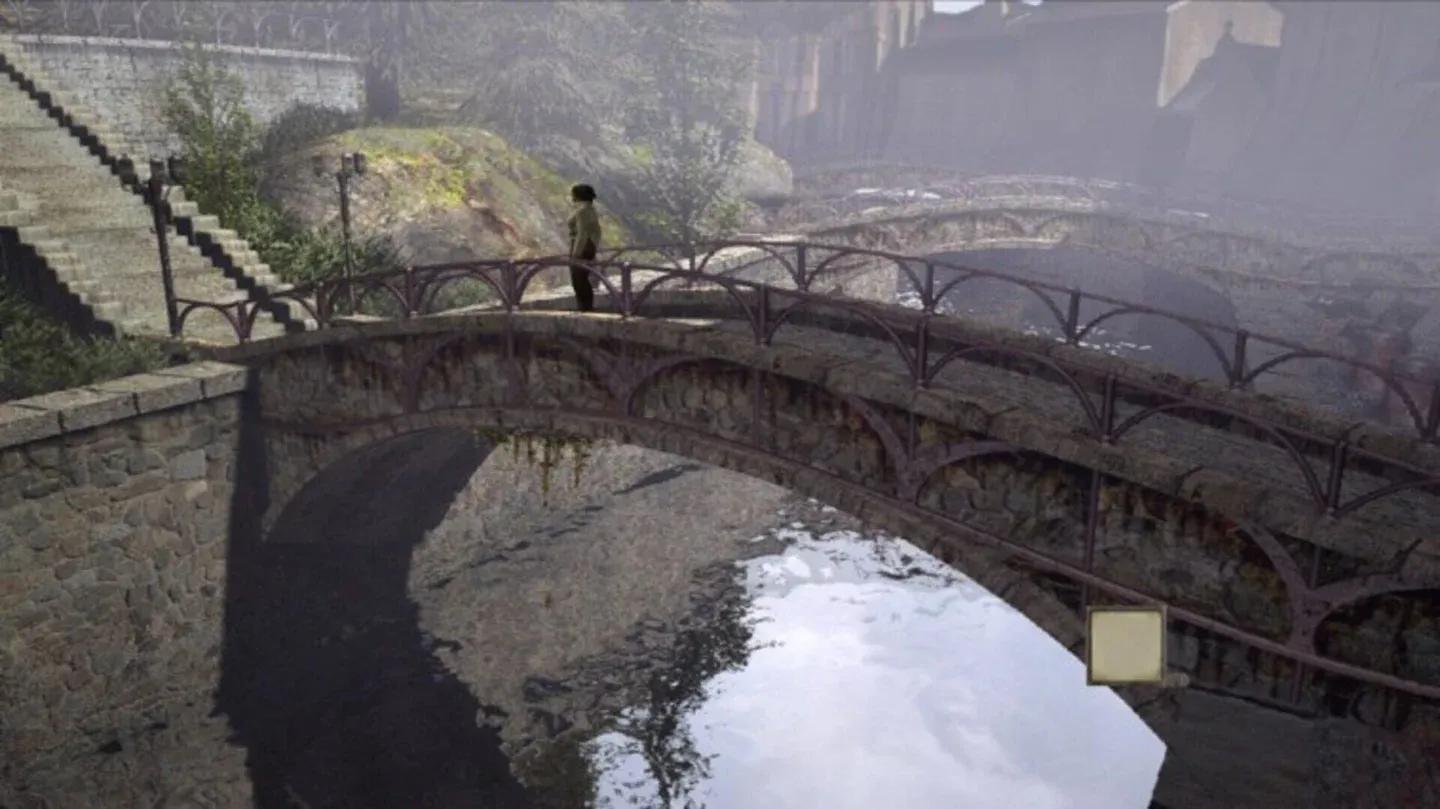
Overview
Syberia puts players in the shoes of Kate Walker, a New York lawyer dispatched to a remote Alpine village to finalize the sale of an automaton factory. The catch: the factory's eccentric owner, Hans Voralberg, has vanished. What should take a day stretches into an odyssey that carries Kate from the cobblestoned towns of Western Europe deep into the frozen reaches of Eastern Russia, chasing a man obsessed with finding a mythical island and the last mammoths on Earth.
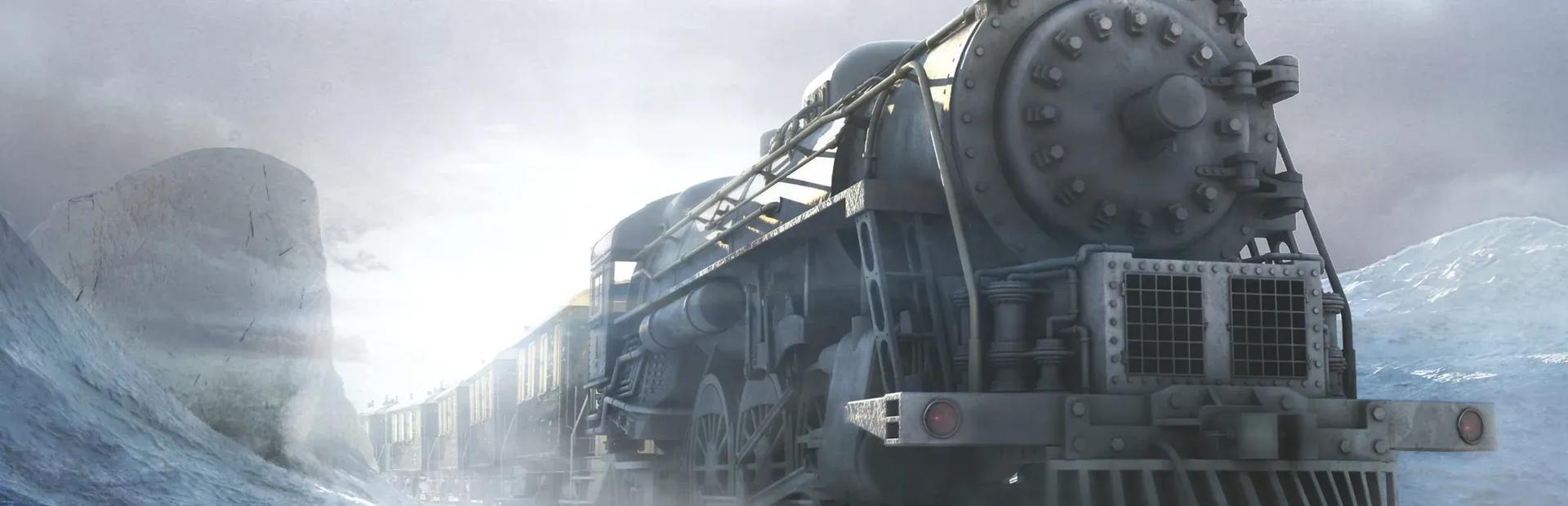
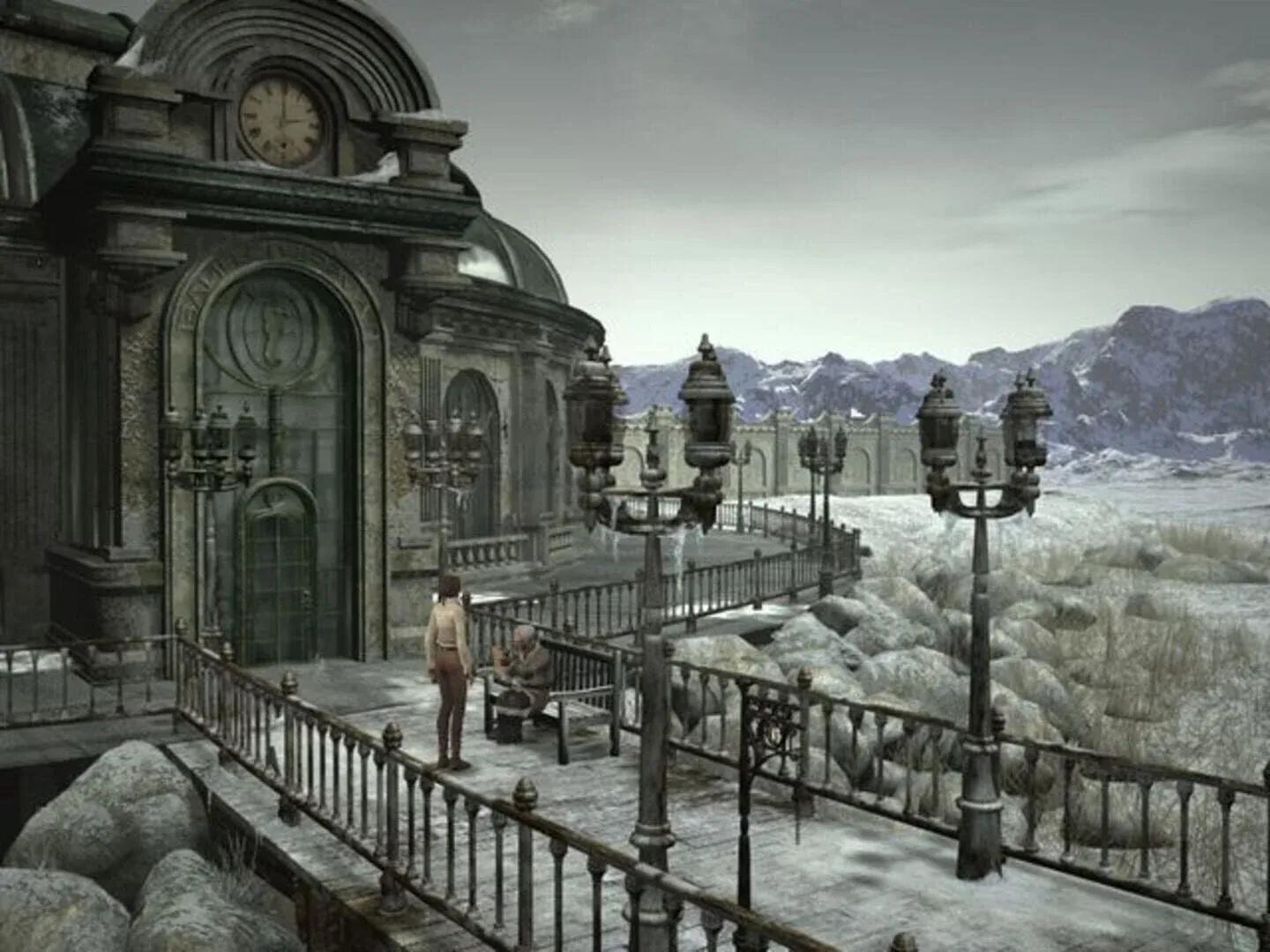
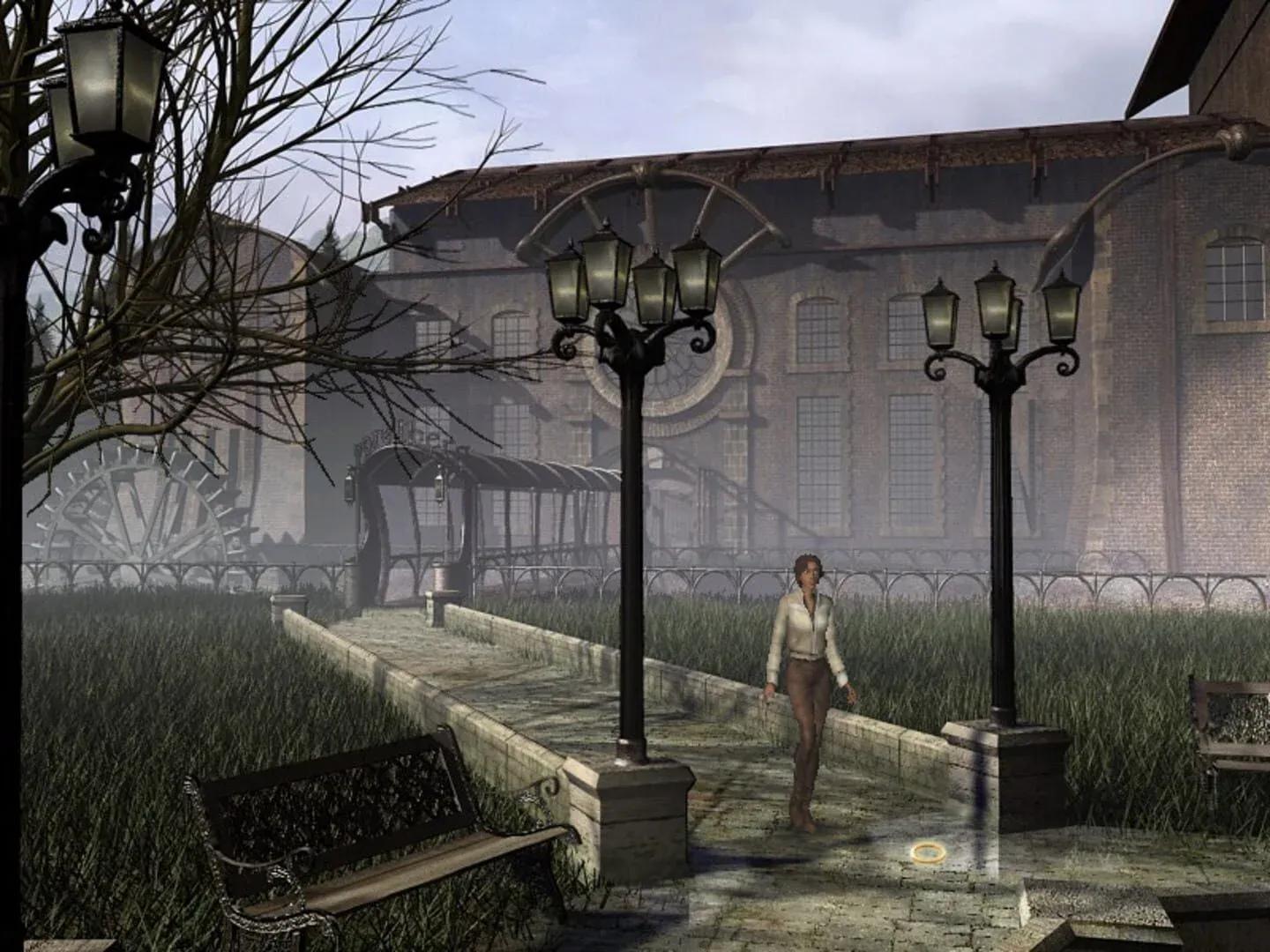
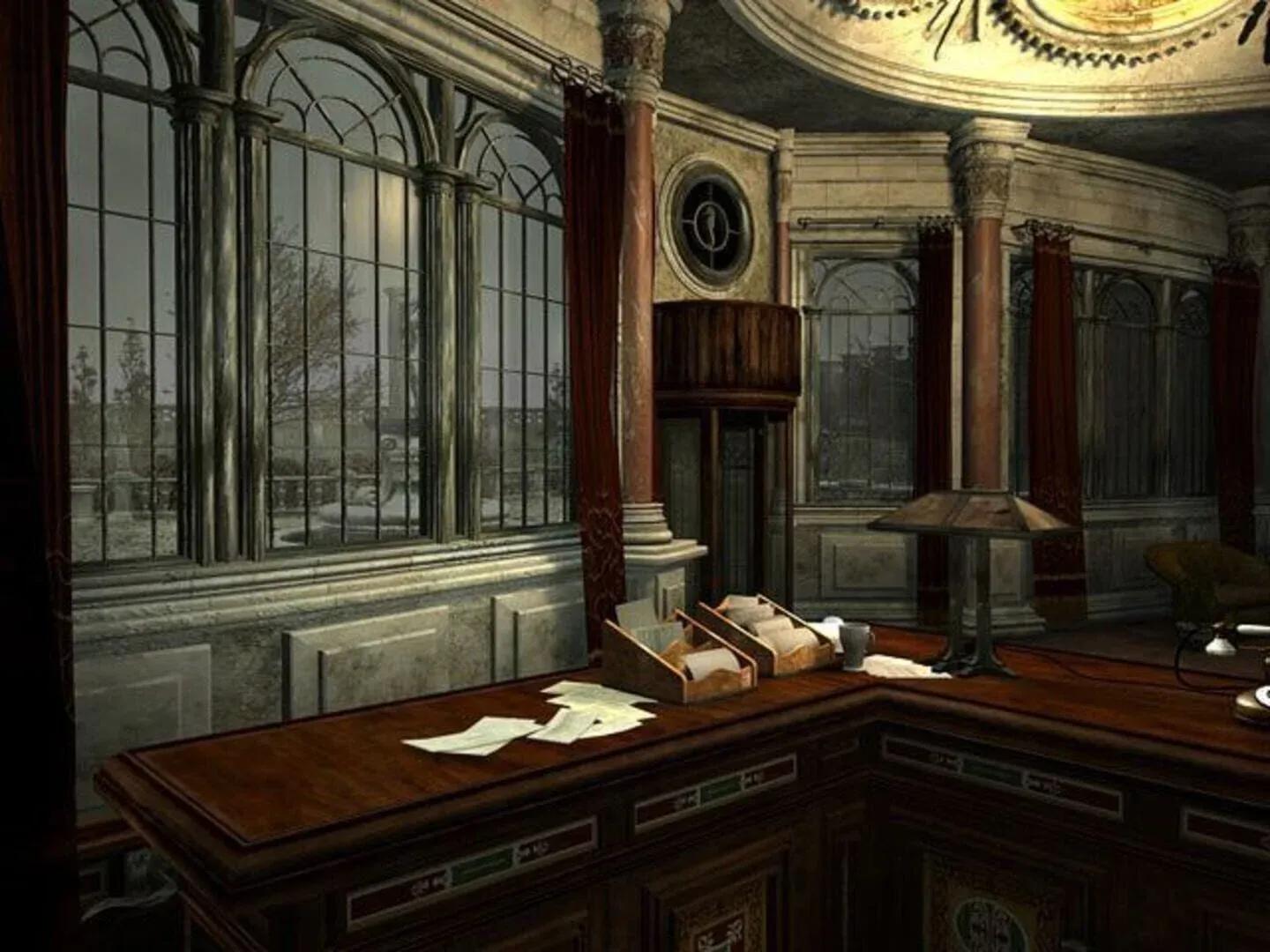
Developed by Microïds Canada and originally released in August 2002, the game was designed by Benoît Sokal, whose background as a comic artist gives Syberia a visual identity unlike anything else in the genre. Every location feels like a panel from a forgotten graphic novel: clockwork mechanisms line crumbling facades, snow-dusted train stations sit in eerie silence, and hand-painted backdrops stretch out with a melancholy that no amount of polygon count could replicate.
Syberia content image
Gameplay and mechanics
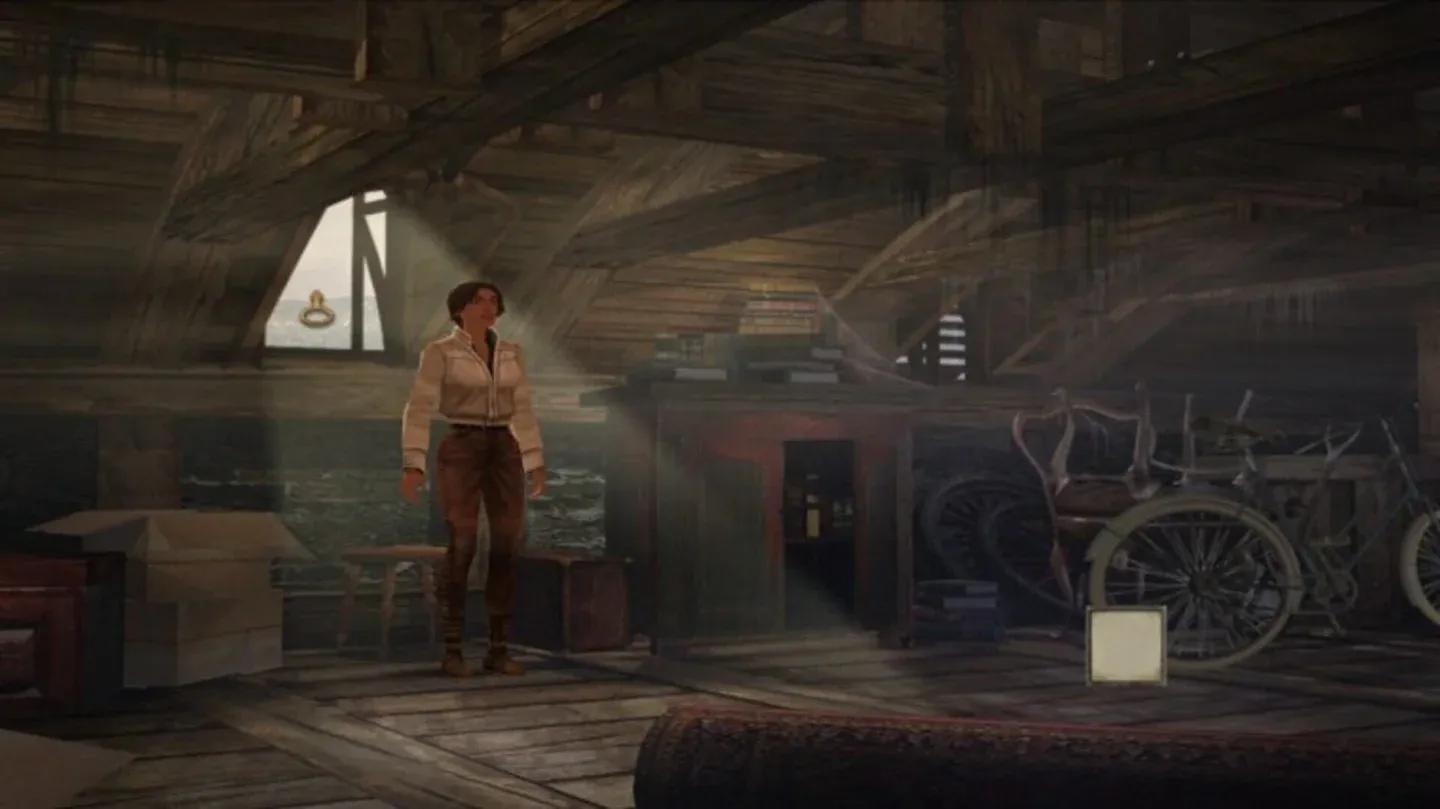
Syberia plays as a traditional point-and-click adventure, built around environmental exploration, item collection, and puzzle solving. The core loop is straightforward: examine your surroundings, pick up objects, talk to characters, and figure out how pieces connect. Puzzles lean toward logic and observation rather than the obtuse inventory combinations that made some contemporaries frustrating.
Syberia content image
Key gameplay elements include:
- Automaton interaction and repair puzzles
- Multi-location item retrieval chains
- Dialogue trees that reveal backstory
- Train travel as a narrative pacing device
- Environmental puzzles tied to clockwork machinery
The automaton companion Oscar deserves special mention. He is the mechanical train conductor who becomes one of the most quietly affecting characters in the game, functioning as both a puzzle tool and a surprisingly touching presence throughout Kate's journey.
Syberia content image
World and setting
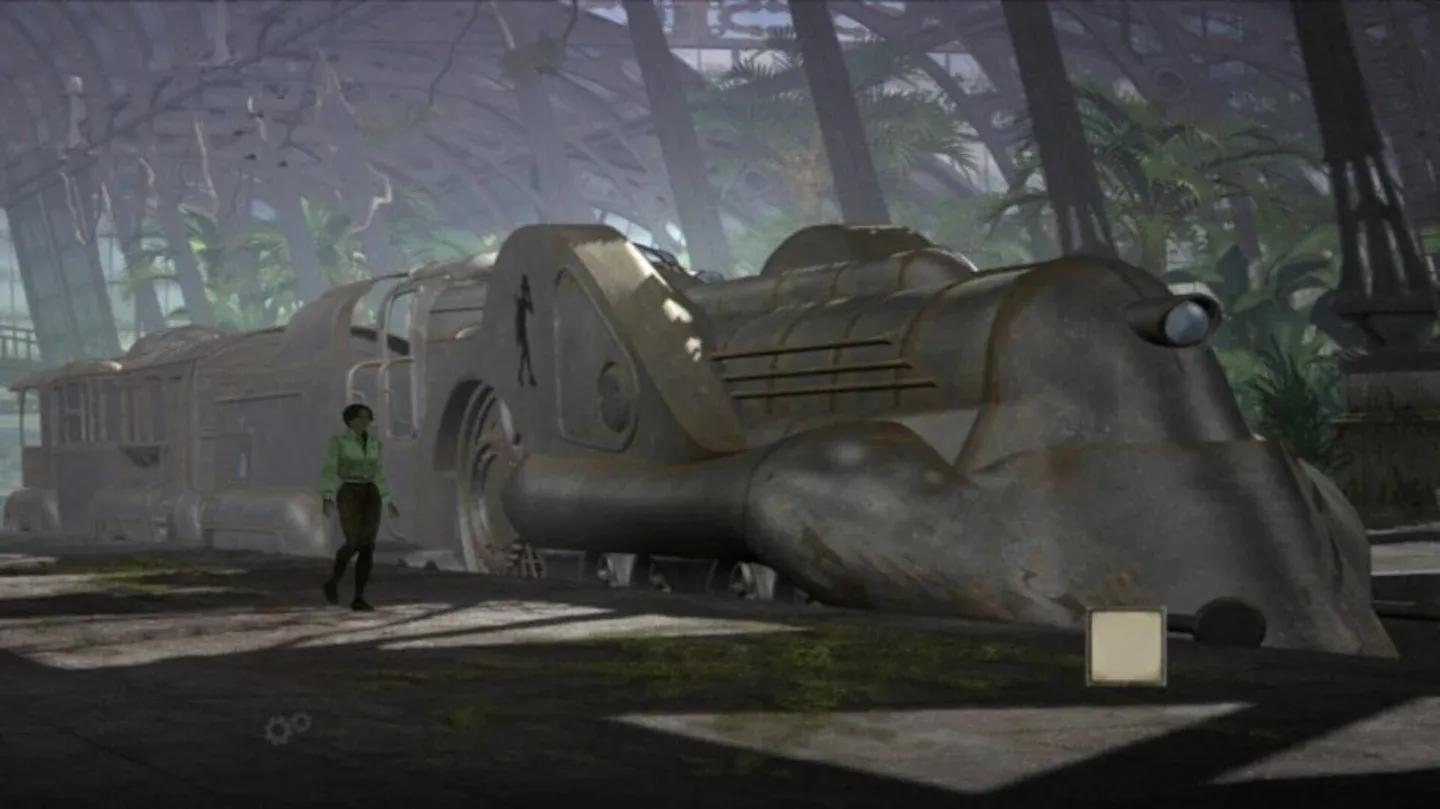
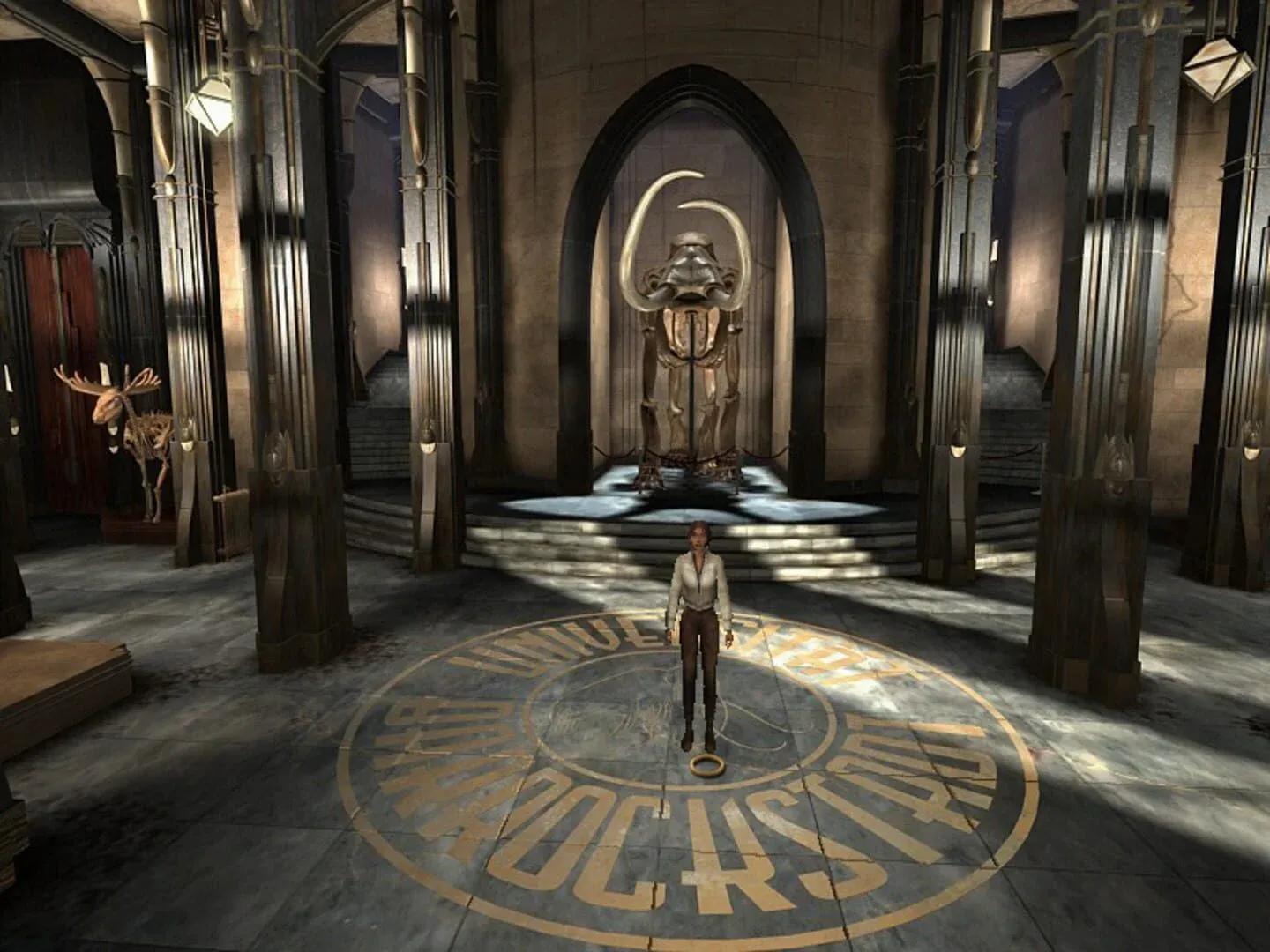
The world Syberia builds is its strongest asset. Sokal invented an alternate Europe where automaton technology developed alongside conventional industry, leaving behind ruins of mechanical ambition wherever Kate travels. Barrockstadt, Aralbad, Komkolzgrad: each location has its own distinct personality and history, and none of them feel like generic adventure game backdrops. They feel inhabited, even when they are empty.
The writing earns its emotional weight gradually. Kate's phone calls home to her boyfriend, mother, and law firm grow increasingly strained as the journey pulls her further from the life she knew. By the time the story reaches its conclusion, the gap between who Kate was at the start and who she has become is the real subject of the game.
Impact and legacy
Syberia arrived at a moment when the point-and-click genre was widely considered commercially dead. It sold well enough to spawn two sequels and a remastered version, and it remains a reference point for narrative adventure games that prioritize atmosphere over action. The PlayStation Store remastered edition carries a rating of 4.48 out of 5 stars from over 537 players, a number that speaks to how well the core experience translates to modern audiences.
The game is available across an unusually broad range of platforms including Windows, macOS, Nintendo Switch, PlayStation, Xbox, Android, iOS, Steam, and Epic Games, making it accessible to almost any player. For fans of story-driven adventure games, Syberia remains one of the clearest examples of what the genre can do when a strong artistic vision drives every design decision.
Syberia content image