
Biggest discounts, free games, and limited-time offers across every major gaming store.
Never pay full price again.
Overview
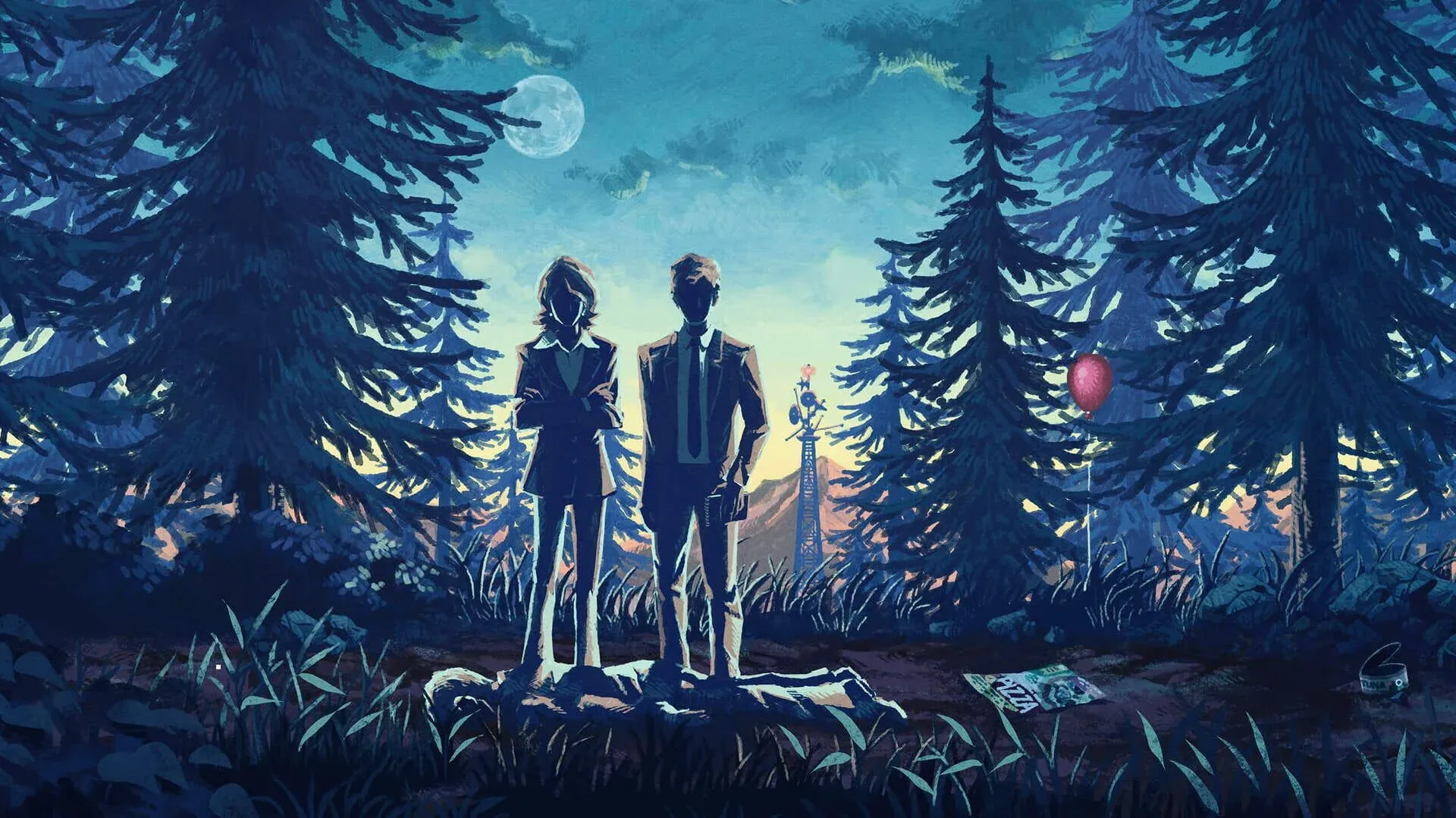
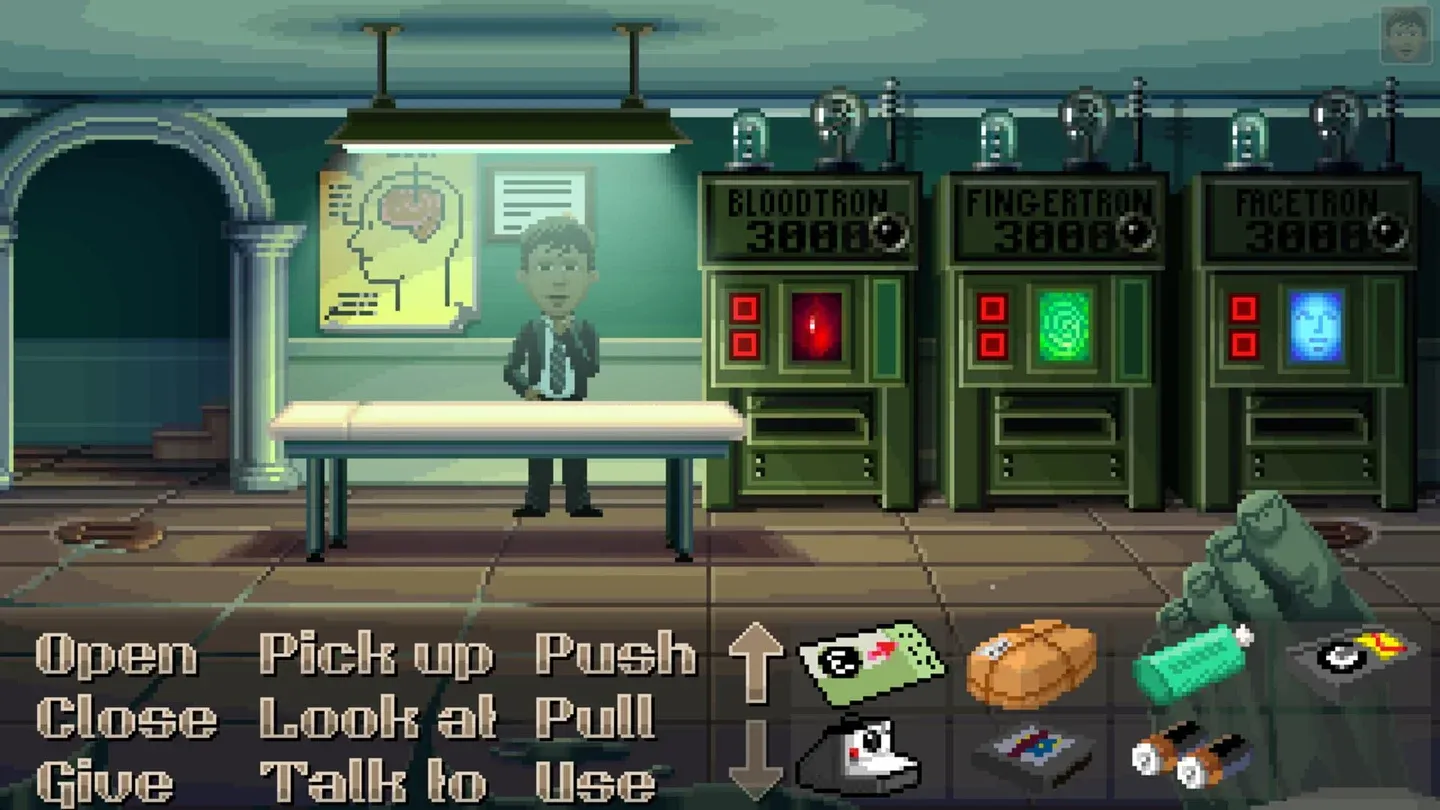
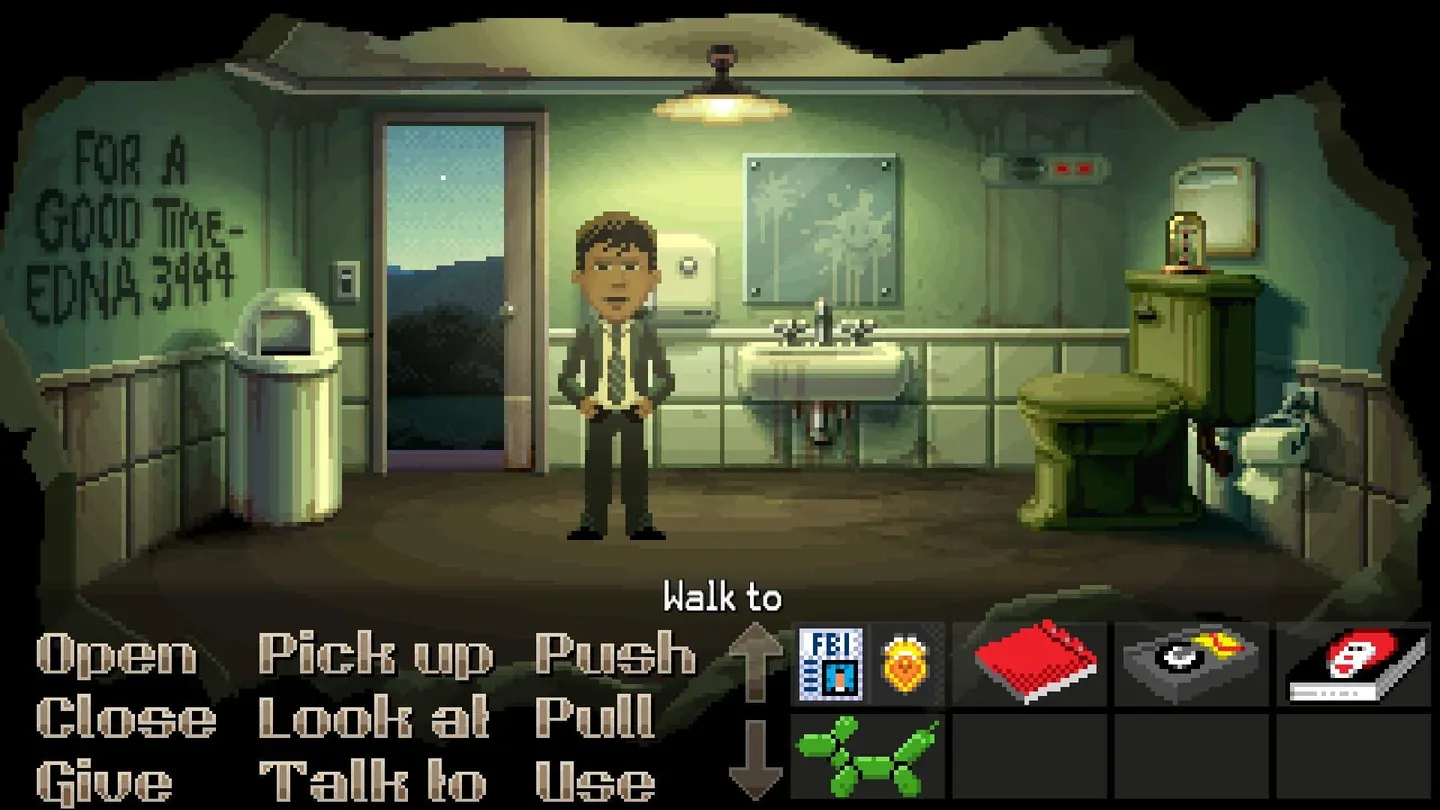
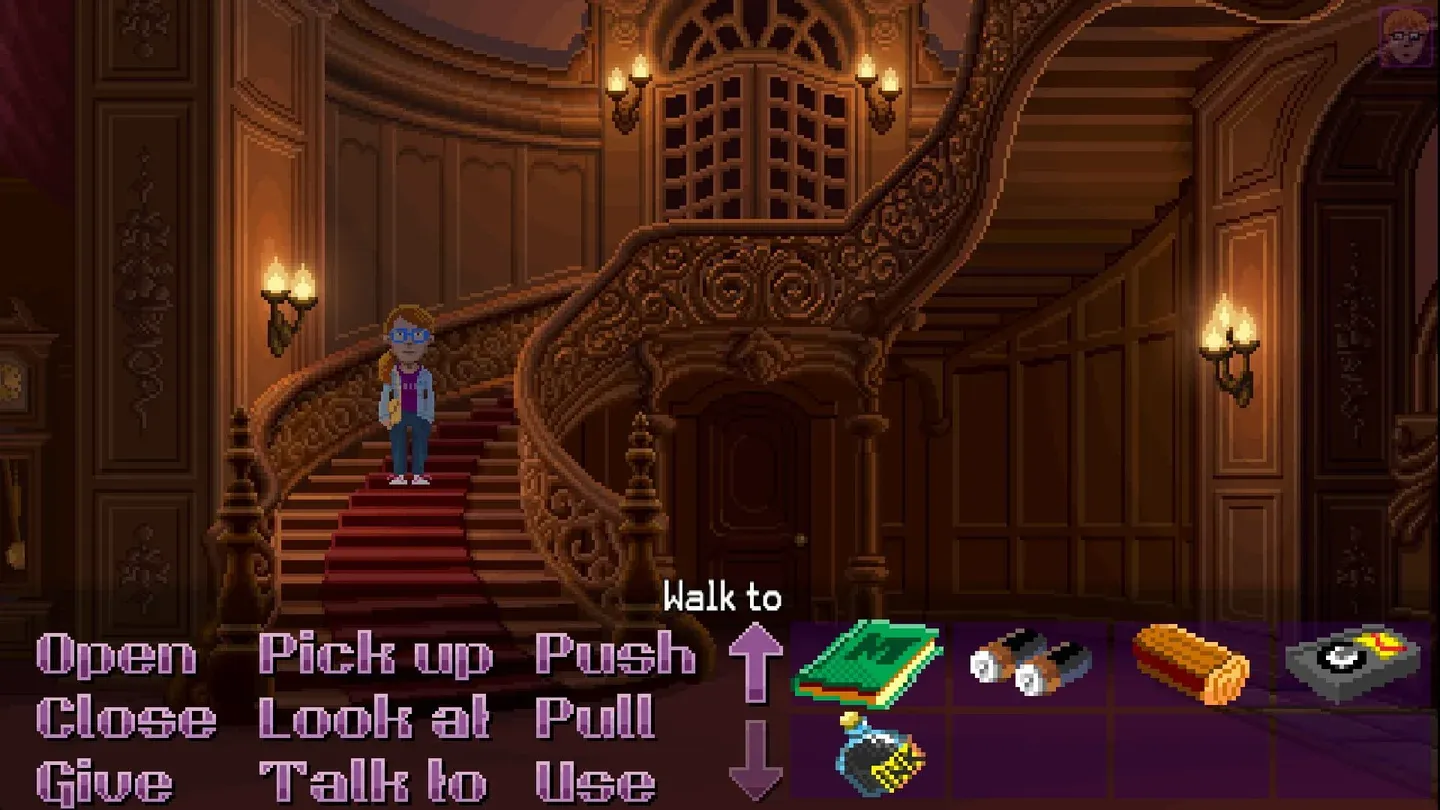
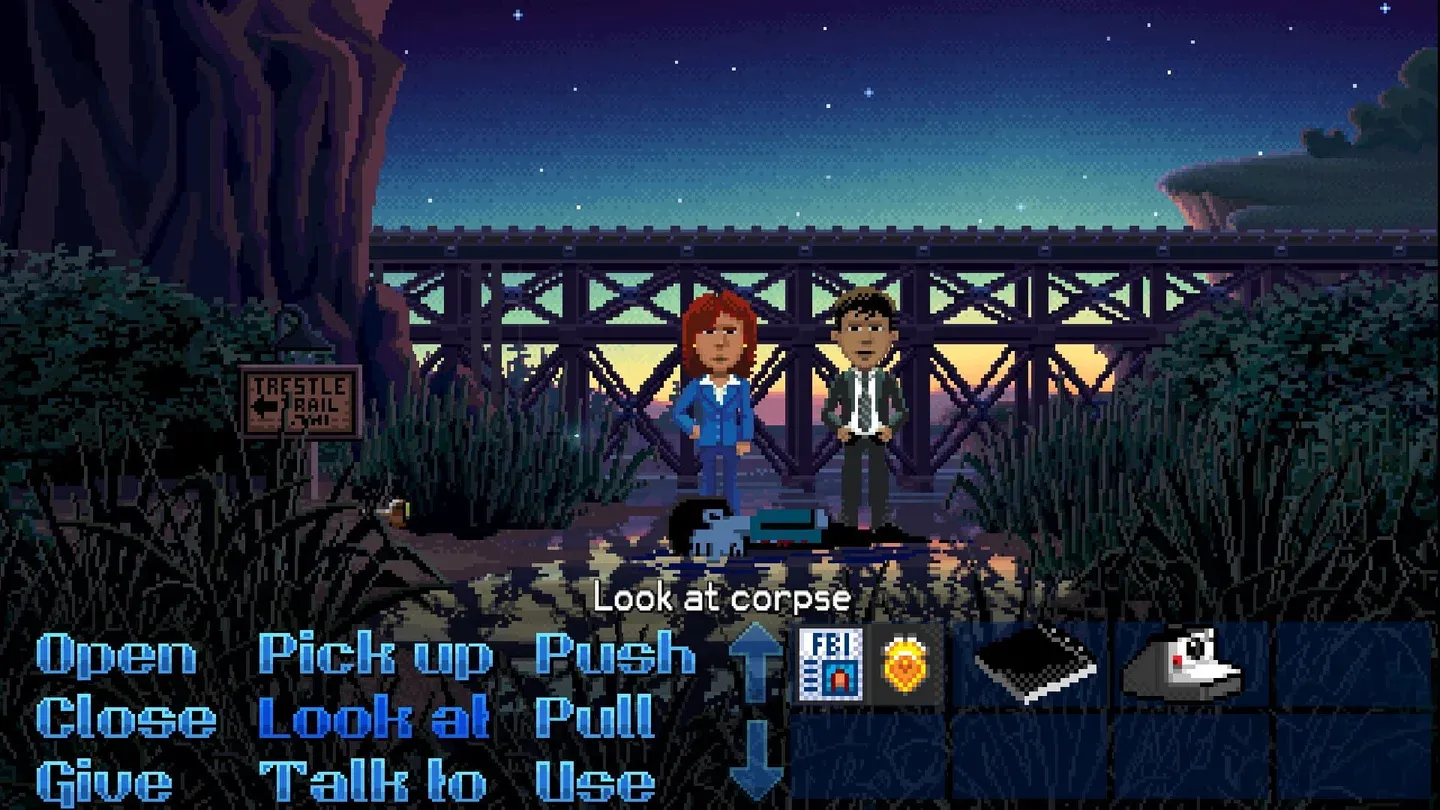
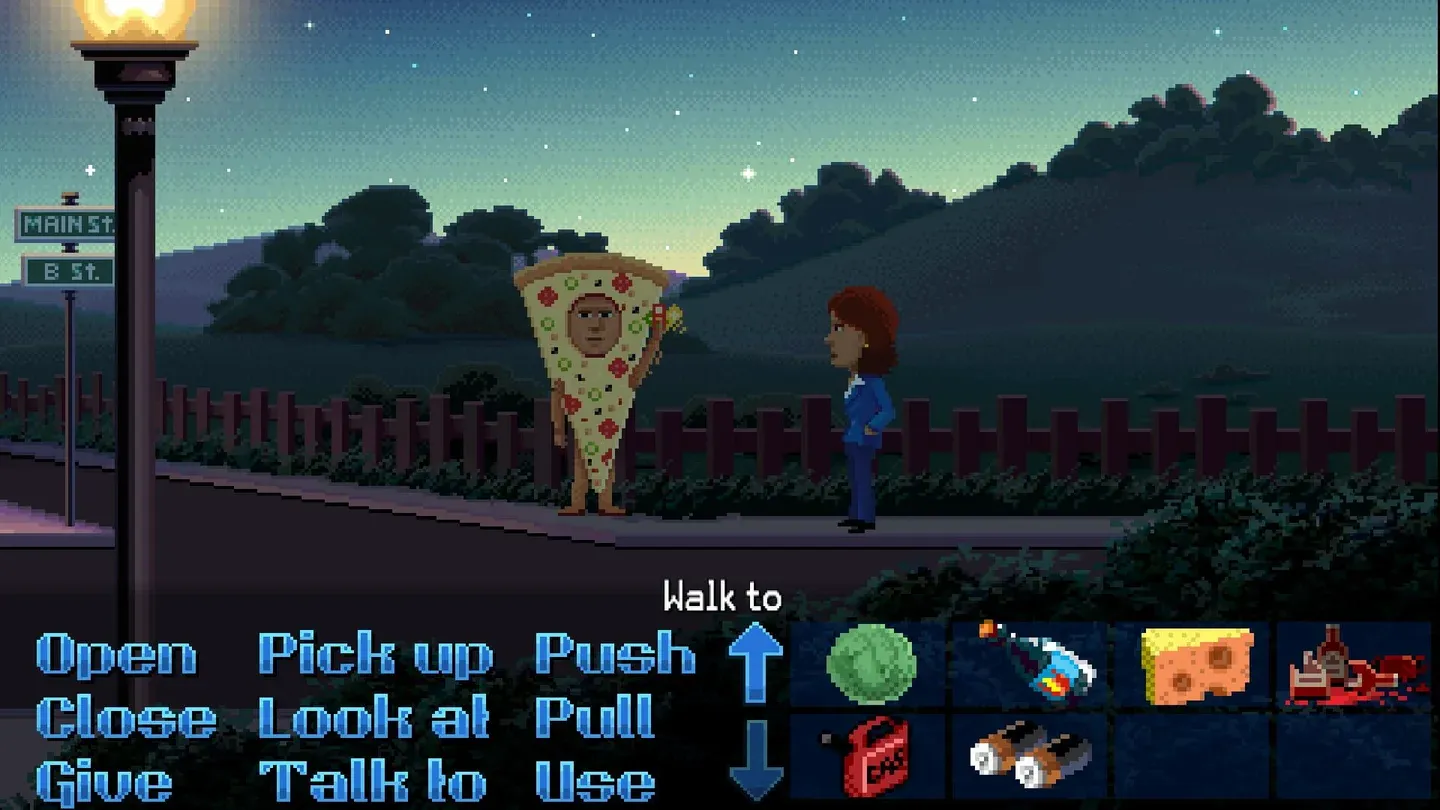
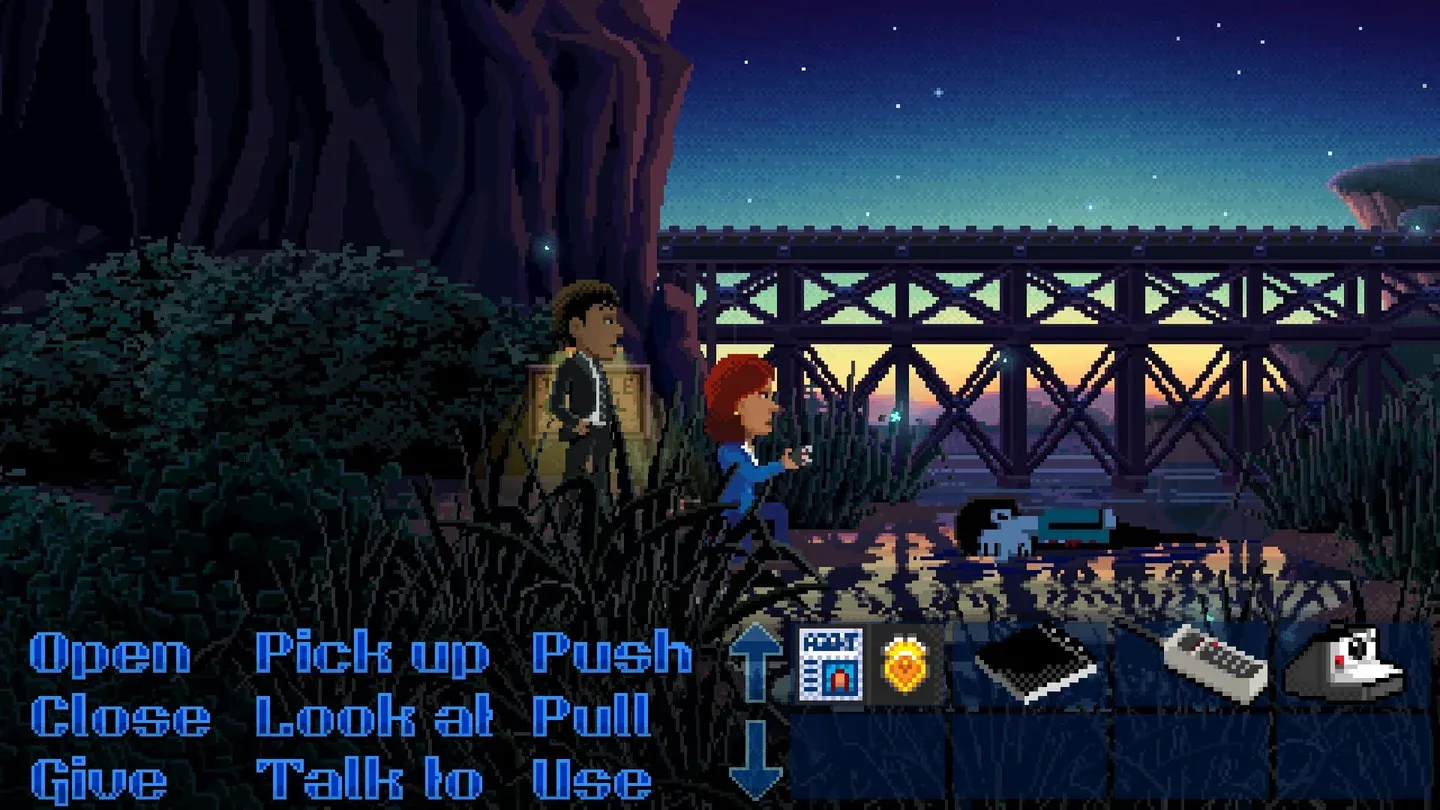
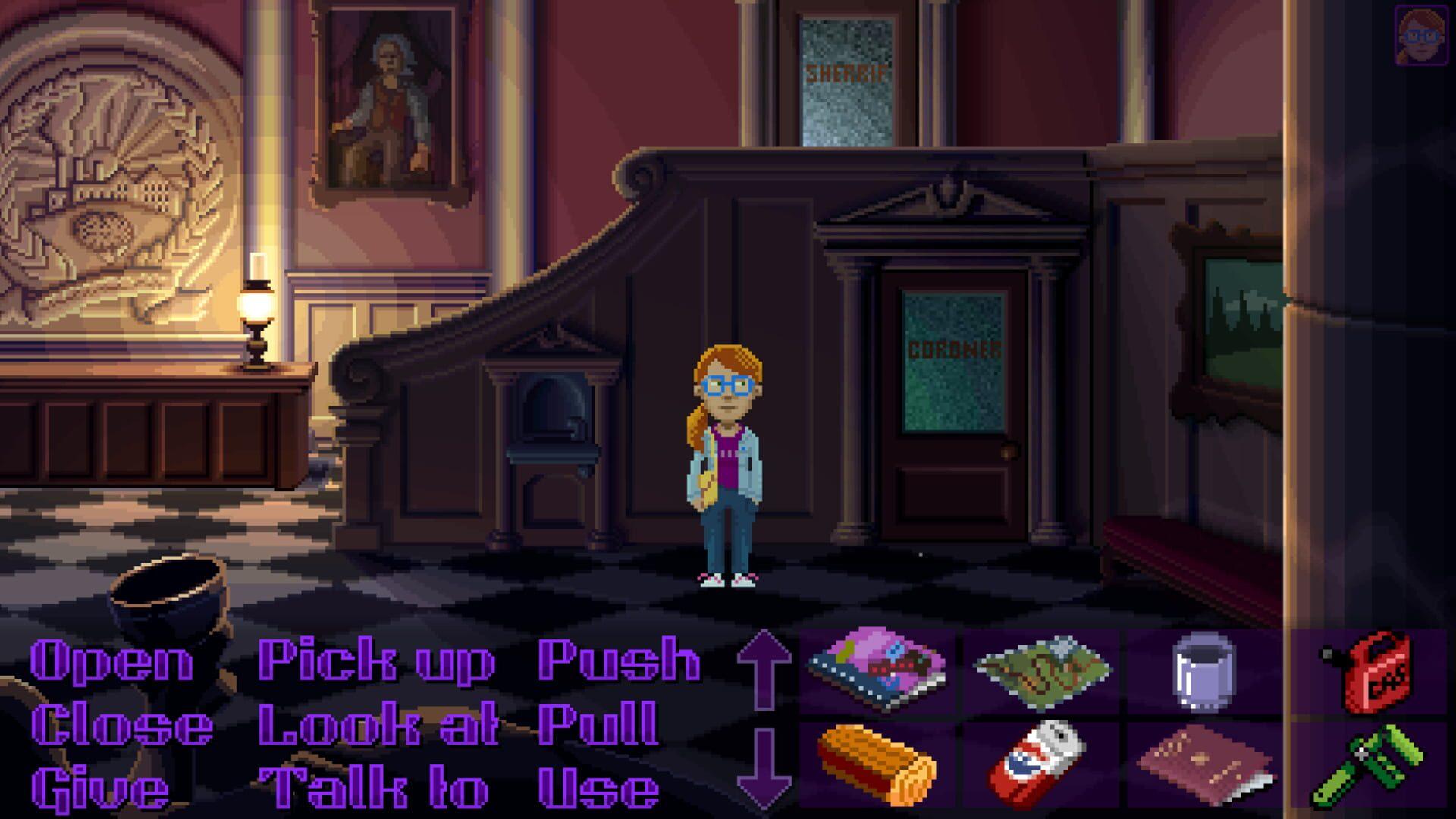
Thimbleweed Park is a point-and-click adventure game developed and published by Terrible Toybox, released on March 30, 2017. Set in the fictional, run-down town of Thimbleweed Park in 1987, the game follows two federal agents investigating a murder, though the case quickly spirals into something far stranger. Five playable characters, a haunted hotel, a burnt-out pillow factory, and toilets powered by vacuum tubes are just the beginning.
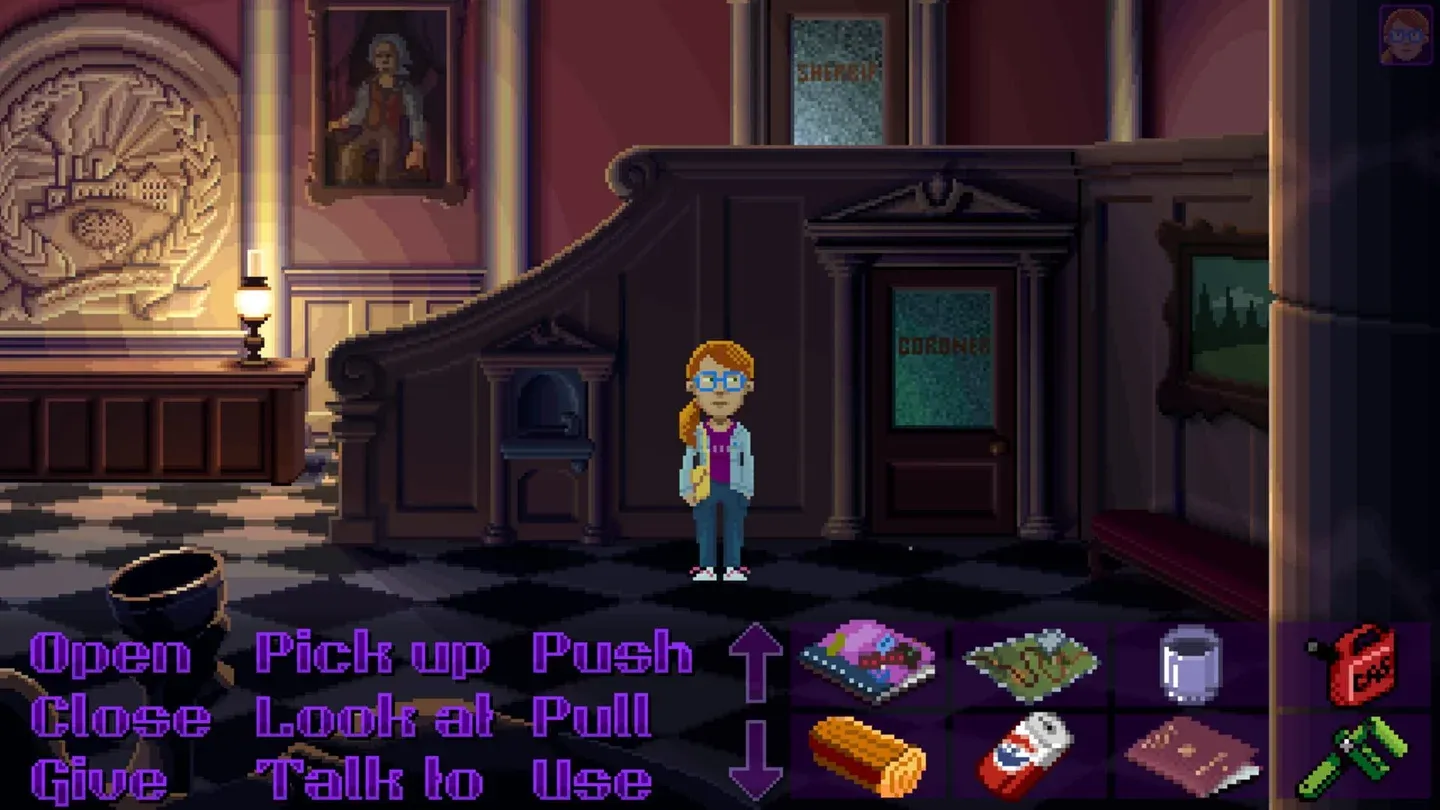
The game wears its LucasArts lineage openly. Gilbert and Winnick built the SCUMM engine back in the 1980s, and Thimbleweed Park feels like a direct continuation of that era, right down to the pixel art style and verb-based interaction system. That's not nostalgia bait, though. The writing is sharp enough to stand on its own, and the mystery has real teeth.
Gameplay and mechanics
The core loop is classic adventure game territory: explore environments, collect items, combine them, and talk to everyone. Key features include:
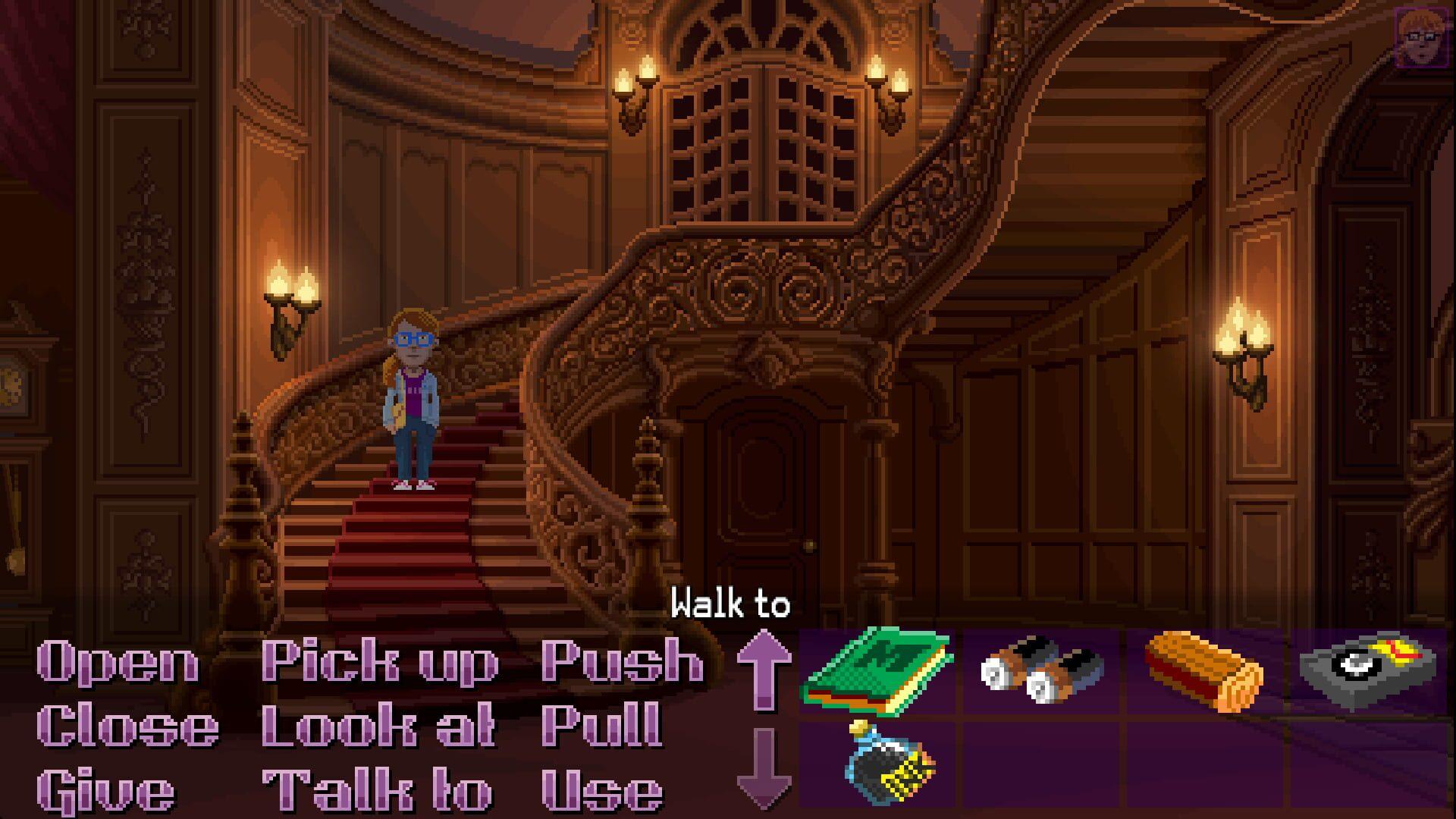
- 5 fully playable characters
- Casual and Hard difficulty modes
- Verb-based puzzle interaction
- Branching character dialogue
- A guaranteed joke every 2 minutes (terms and conditions apply)
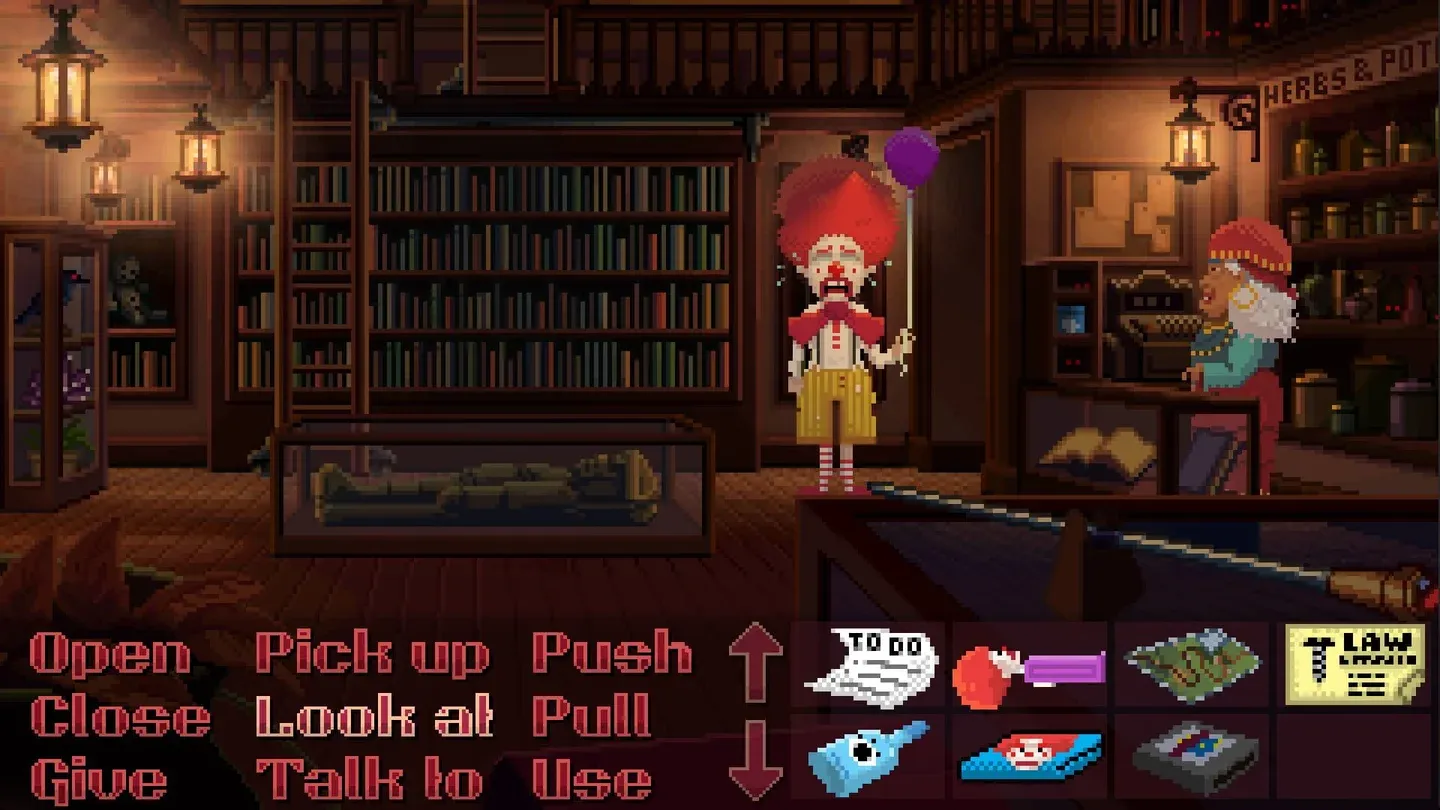
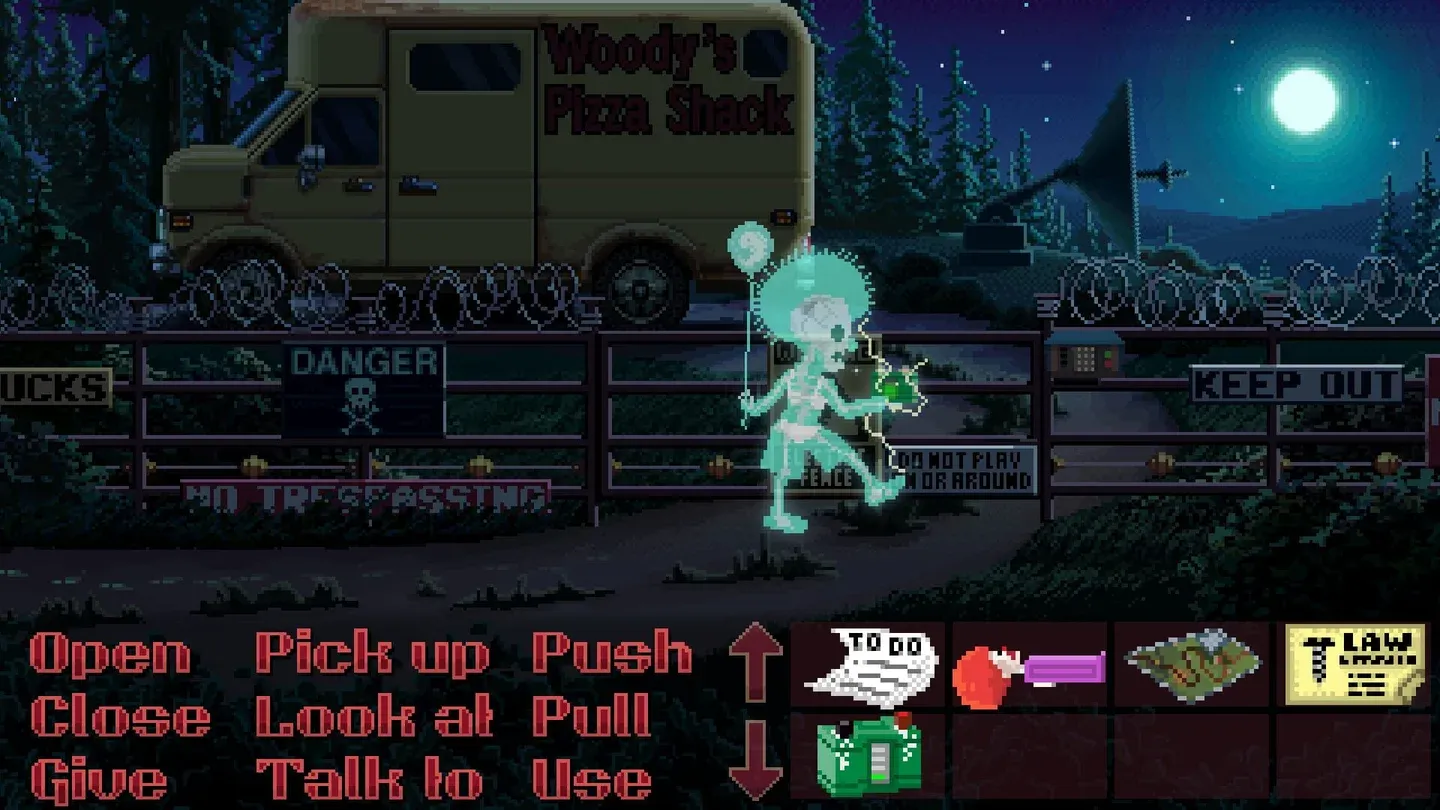
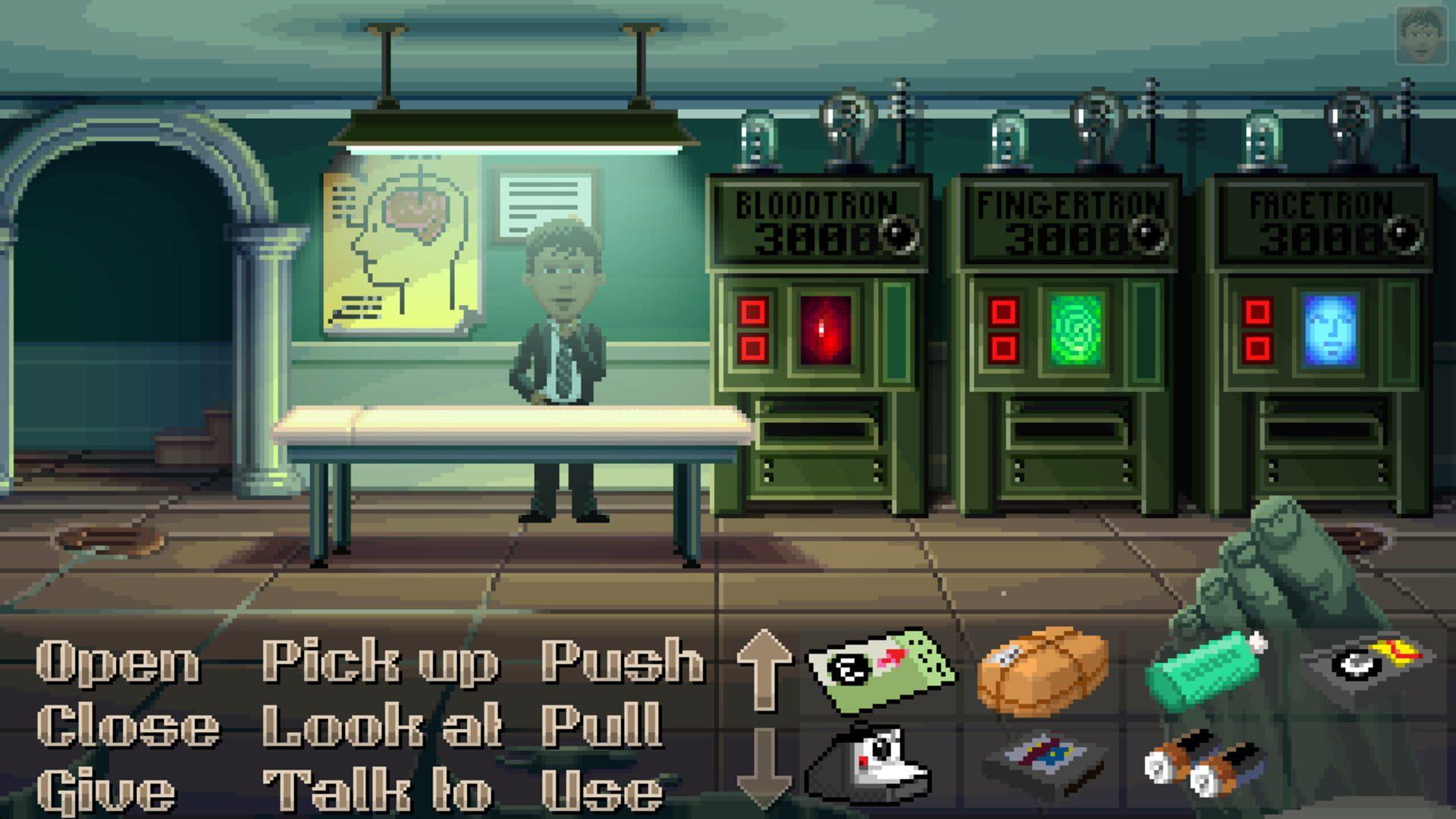
Switching between characters is where things get interesting. Each of the five has their own inventory and perspective, and many puzzles require coordinating between them. Agent Ray, Junior Agent Reyes, ghost Franklin, aspiring developer Delores, and the spectacularly unpleasant Ransome the Clown all have reasons to be in Thimbleweed Park, and figuring out how those reasons connect is the real puzzle beneath the puzzles.
World and setting
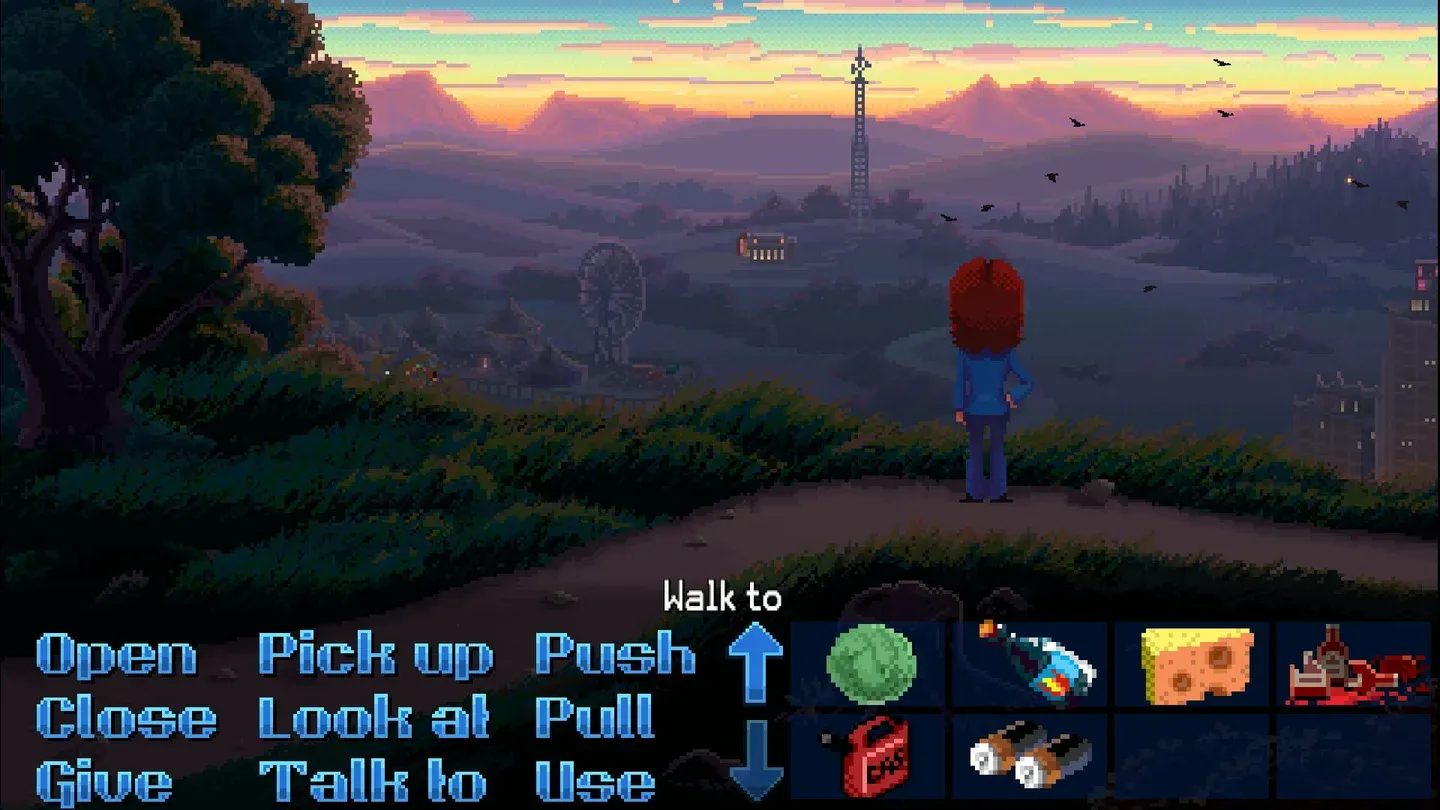
Thimbleweed Park, the town, is a specific kind of American nowhere. It once had a thriving pillow factory, a hotel with actual guests, and a functioning business district. Now it has 80 residents, a defunct circus, and a pixelating corpse under a bridge that nobody seems particularly concerned about. The atmosphere pulls hard from Twin Peaks, with that same unsettling blend of mundane small-town detail and outright supernatural weirdness.
The 1987 setting gives the game room to play with period-appropriate technology and culture. References to early personal computers, pay phones, and pre-internet communication feed naturally into both the puzzles and the humor. The world feels constructed with care rather than assembled from genre tropes.
Is Thimbleweed Park worth playing if you never played classic adventure games?
Yes, and the Casual mode exists specifically for that reason. Hard mode targets players who remember spending three days stuck on a single puzzle in Day of the Tentacle, while Casual mode trims the more obtuse puzzle chains without gutting the story. The narrative works as a standalone mystery regardless of whether you have any attachment to 1980s adventure games.
The five-character structure also keeps the pacing moving in ways that older adventure games rarely managed. When one character's thread stalls, another's picks up, and the story's central questions, including who Agent Ray actually works for and what Reyes knows about that factory fire, stay genuinely interesting across the full runtime.
Impact and legacy
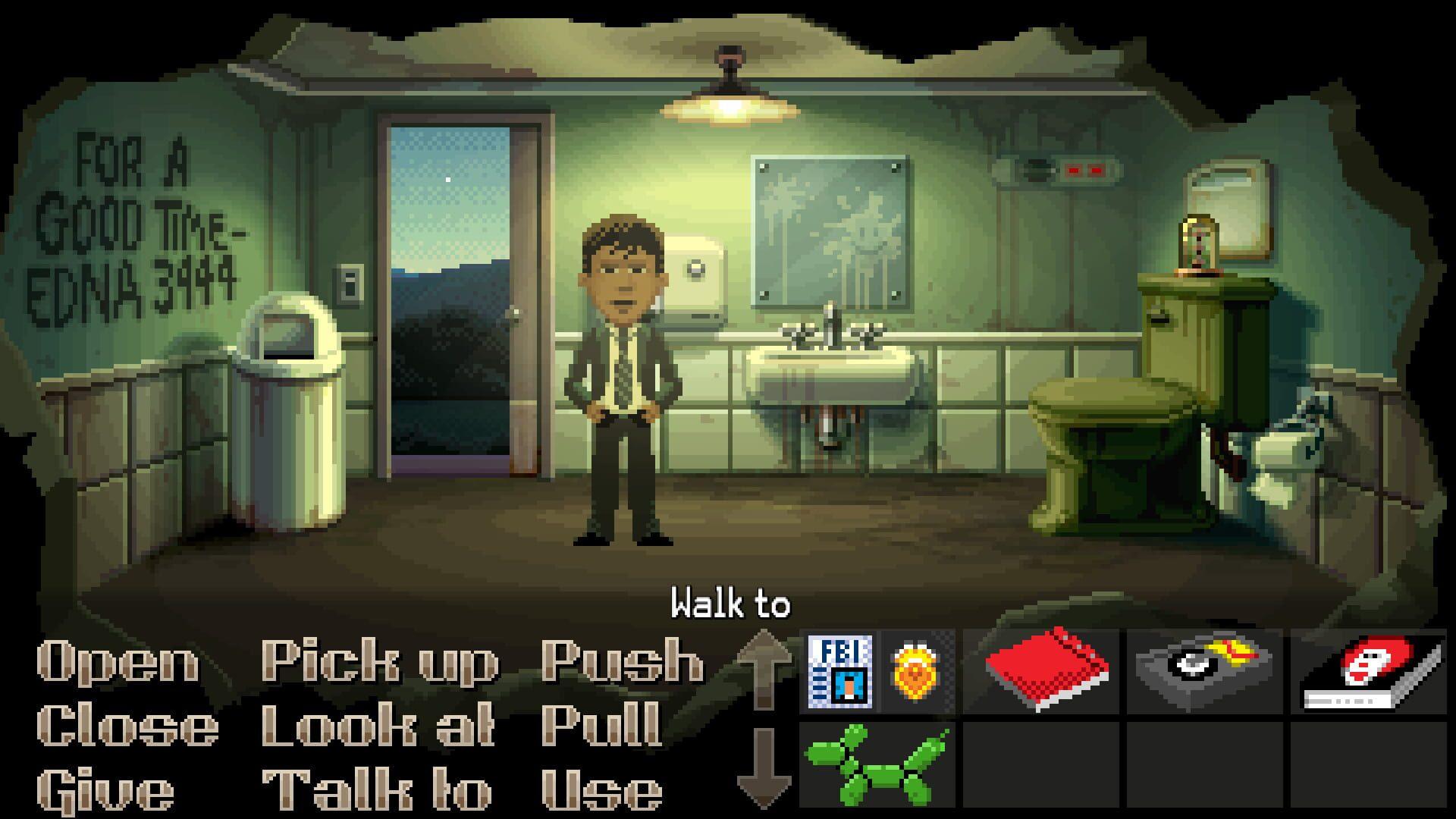
Thimbleweed Park arrived after a successful Kickstarter campaign that raised over $626,000, signaling real appetite for this style of game. The pixel art aesthetic and verb-based interface felt like a deliberate argument that the classic adventure game format still has something to offer, not just as nostalgia but as a design philosophy. The game's willingness to be genuinely weird, to commit to its mystery and let the comedy land without undercutting the tension, is what separates it from a simple throwback. Ransome the Clown alone is worth the price of admission.