

Biggest discounts, free games, and limited-time offers across every major gaming store.
Never pay full price again.
Overview
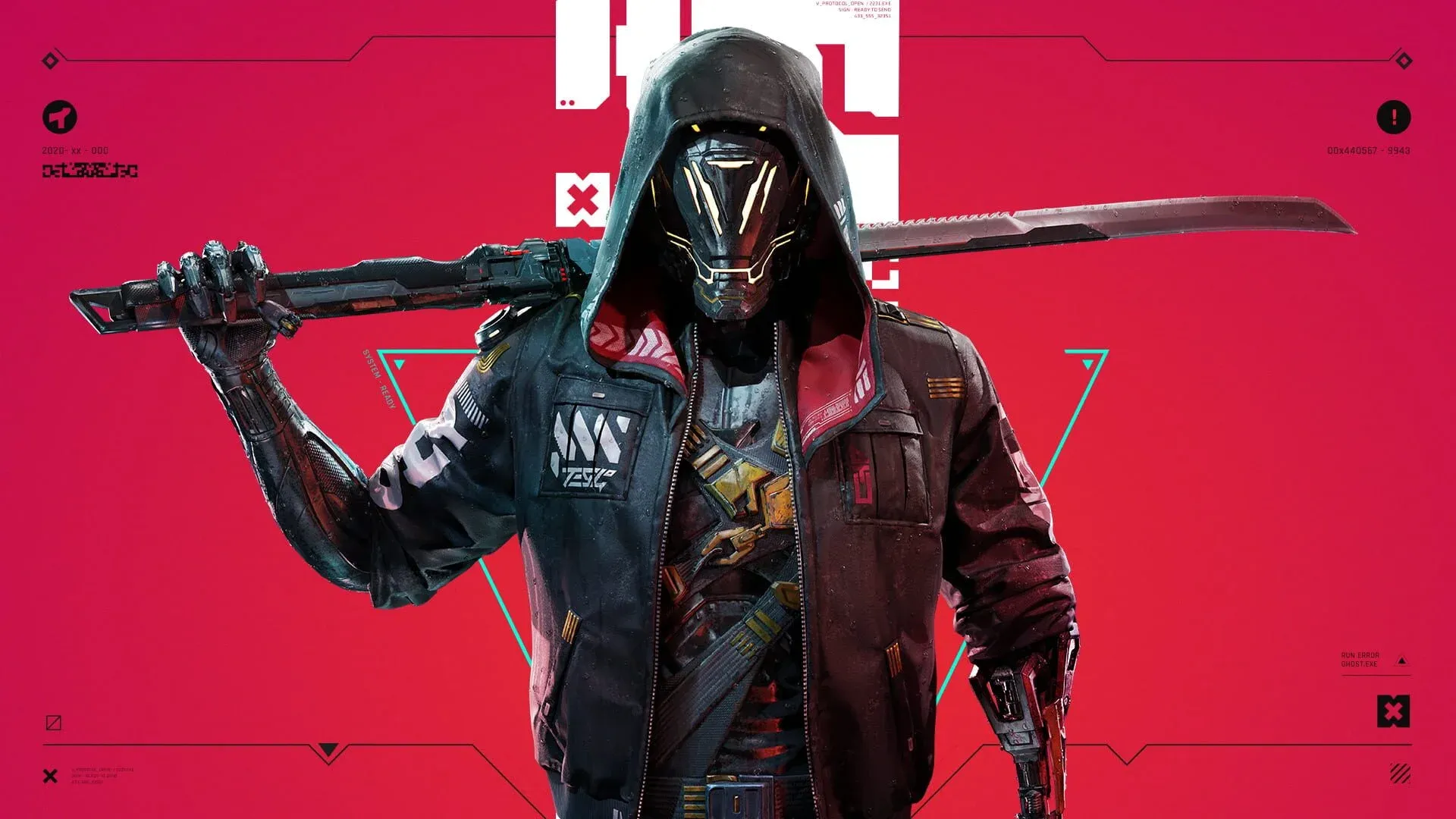
Ghostrunner drops you into Dharma Tower, a colossal megastructure that serves as humanity's last refuge after a world-ending cataclysm. The Architect who built it is dead. The Keymaster who rules it is ruthless. A rebellion is brewing at the lower levels, and you, a cyber-warrior with a severed past, are the only one who can fight through both the physical world and cyberspace to reach the top. The story is lean and propulsive, feeding you answers in fragments as you climb.
Developed by Slipgate Ironworks and published by 505 Games, the game launched in October 2020 across PC, PlayStation, Xbox, and Nintendo Switch. It carries an ESRB Mature rating for blood, gore, and strong language, and plays exactly as that rating implies: fast, brutal, and unforgiving.
Gameplay and mechanics
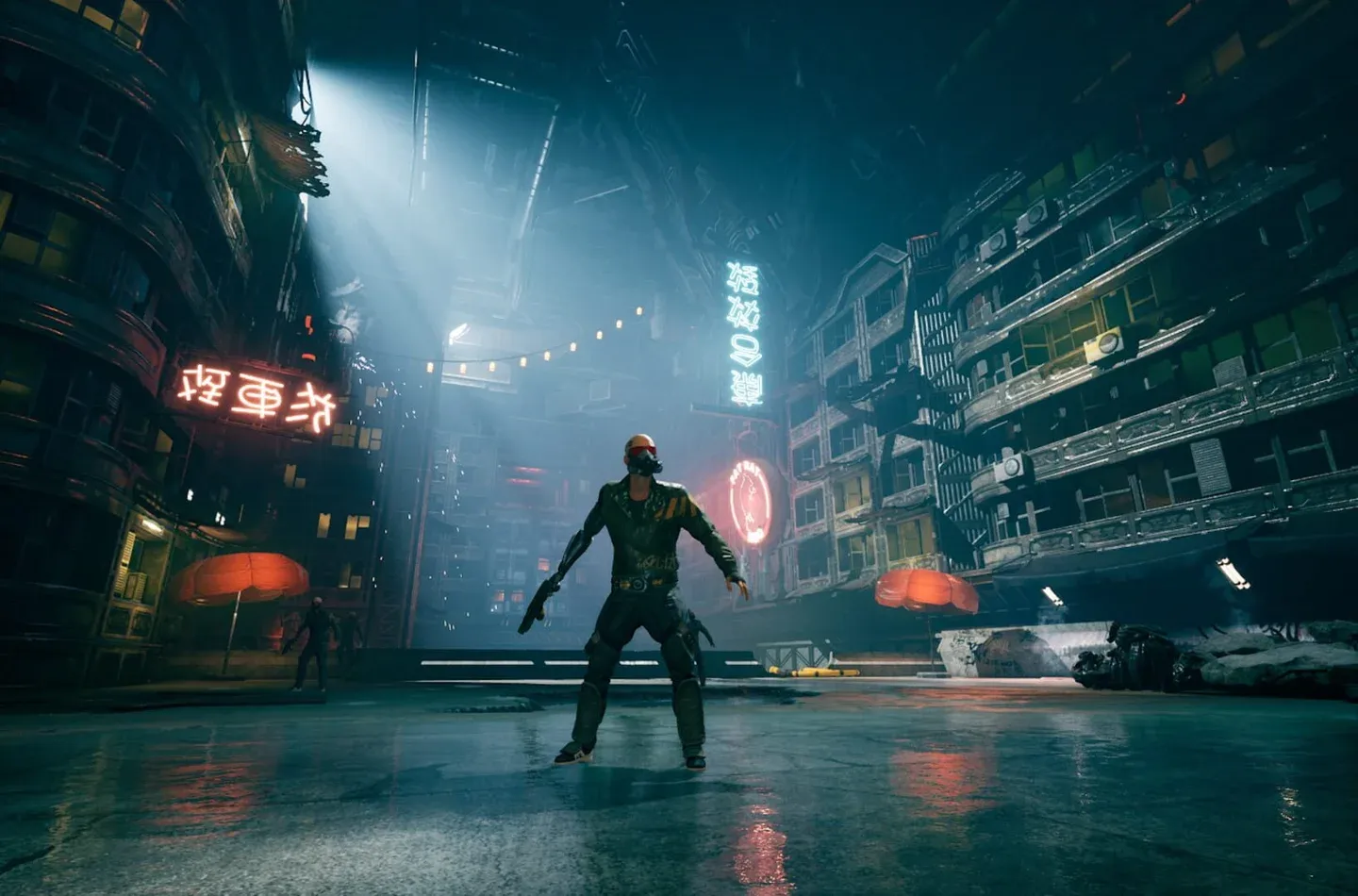
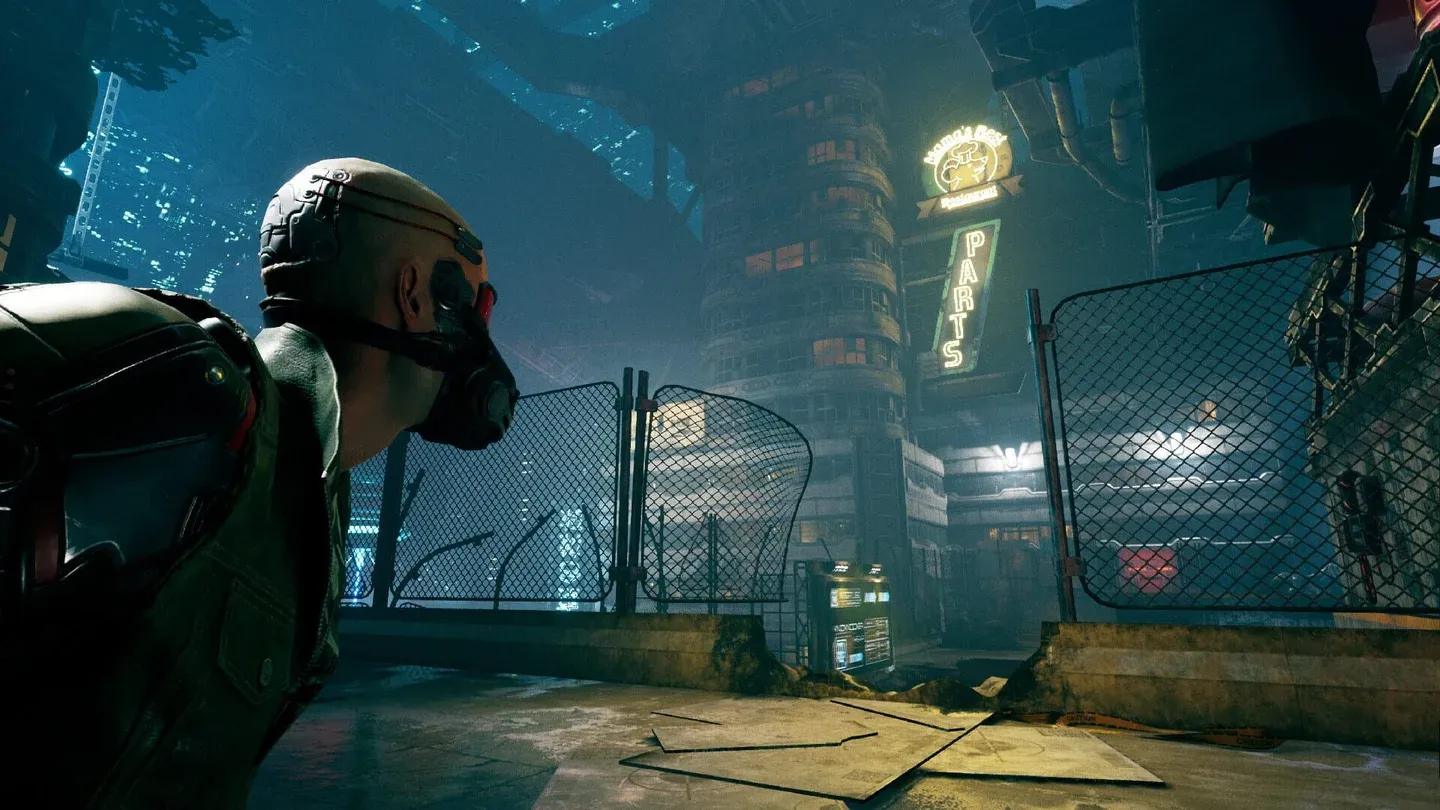
The core loop is simple to describe and genuinely hard to master. You move at speed, using wall-runs, grappling hooks, and mid-air dashes to close distance on enemies. One hit kills you. One hit kills them. Every encounter is a puzzle you solve with momentum.
Ghostrunner content image
Key mechanics at a glance:
- Wall-running and grapple traversal
- One-hit kill system for both player and enemies
- Bullet time dash to dodge projectiles
- Cyberspace ability upgrades
- Instant respawn at the last checkpoint
The instant respawn is what holds the whole thing together. There is no loading screen between death and retry, which transforms failure from frustration into iteration. You die, you watch what went wrong for half a second, and you try again. Most players will die hundreds of times across the campaign, and the game is designed around that expectation.
Ghostrunner content image
World and setting
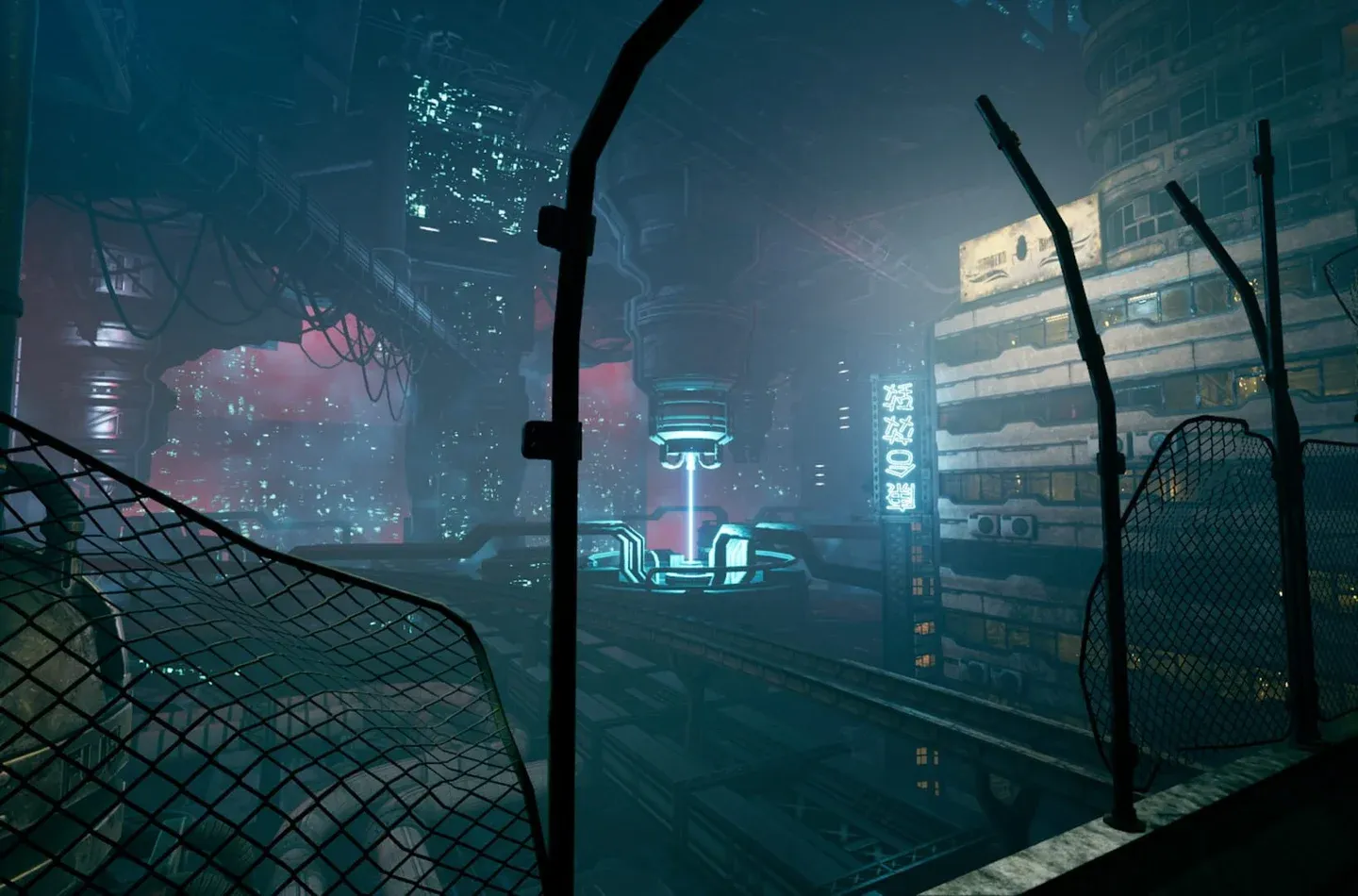
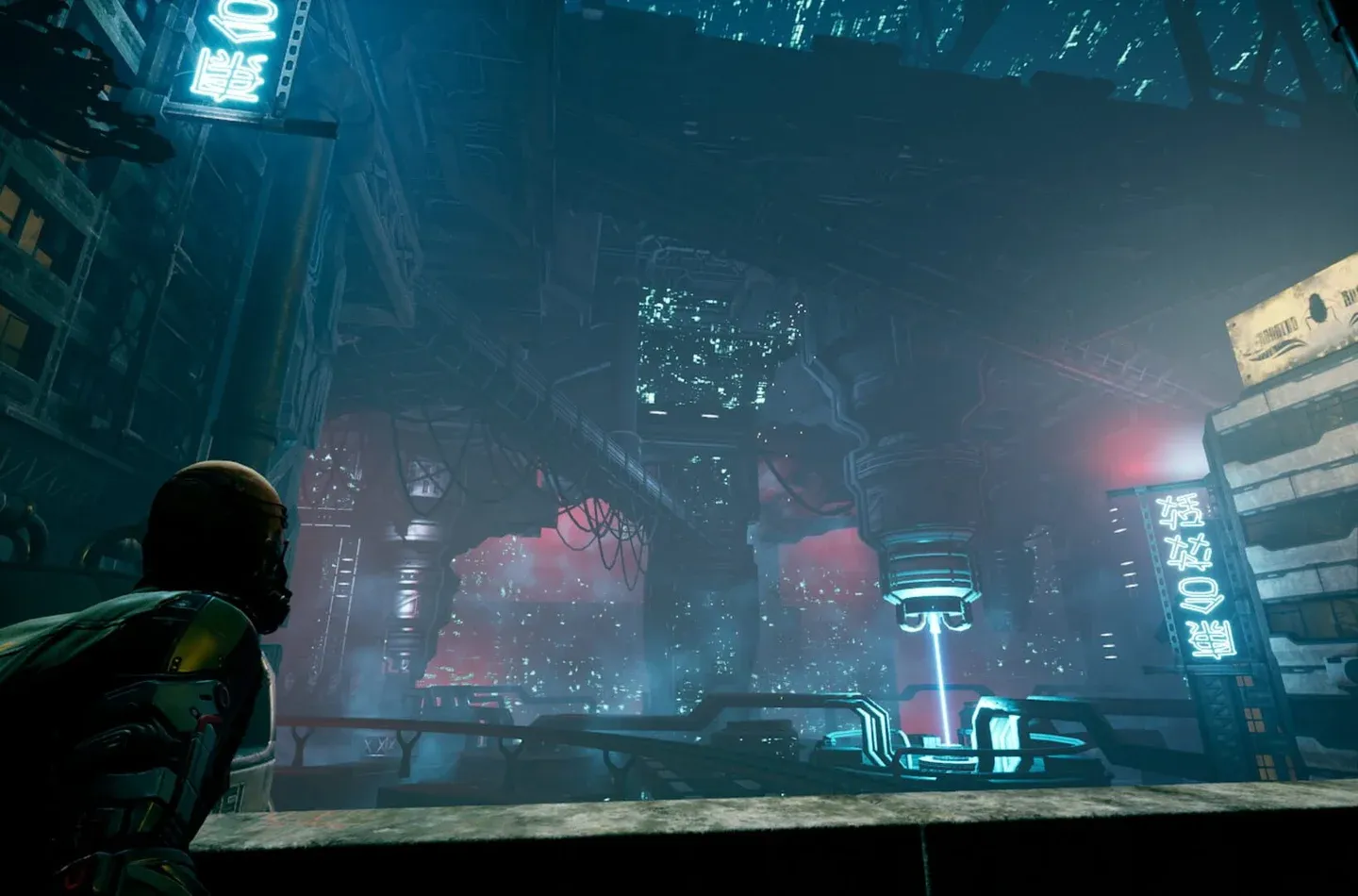
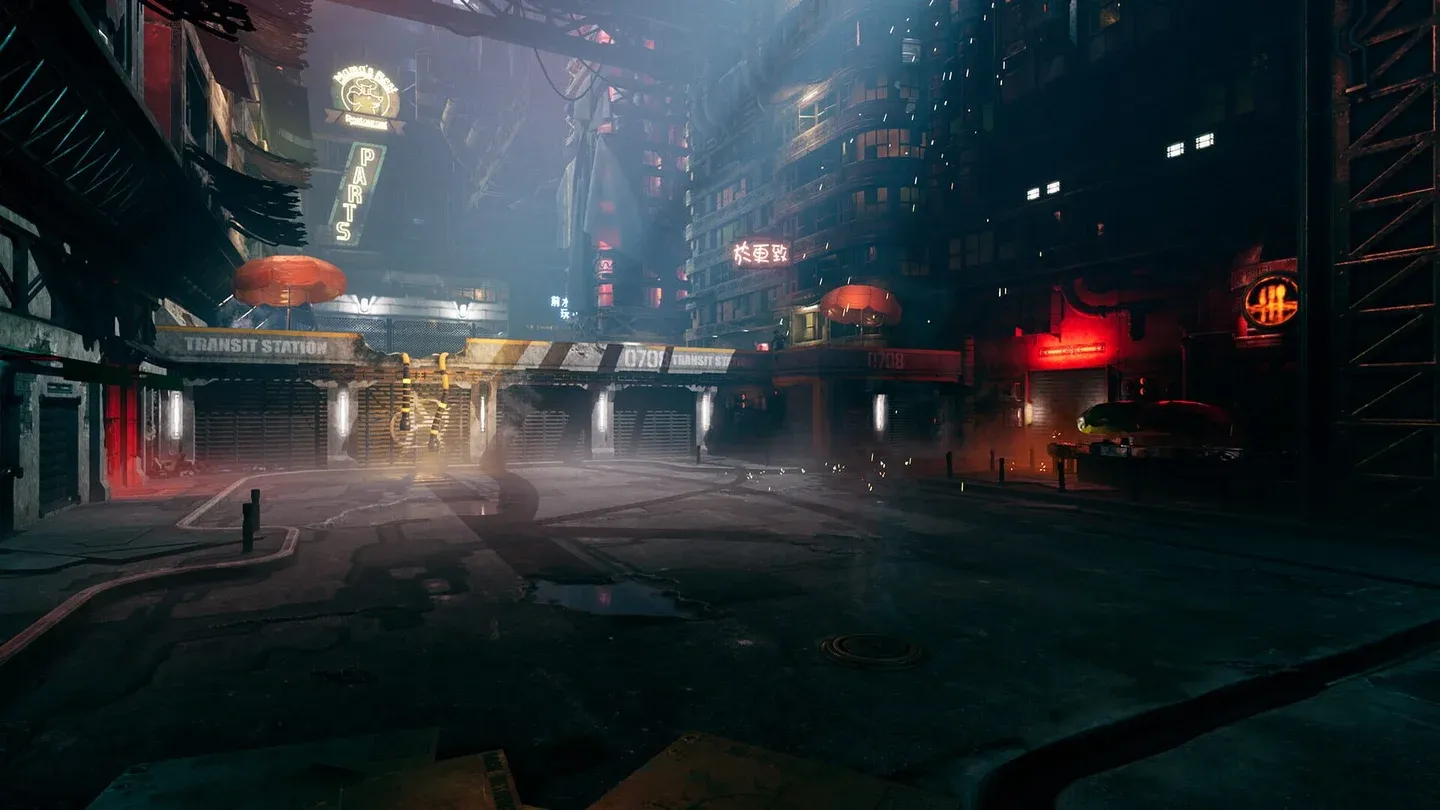
Dharma Tower is a genuine piece of cyberpunk worldbuilding. Society inside the tower is stratified by implants assigned at birth, a detail that gives the rebellion narrative real weight. The lower levels are dark, industrial, and claustrophobic. Higher floors open into neon-lit corridors and server rooms that double as arenas. The contrast between physical environments and cyberspace levels, where geometry becomes abstract and rules bend, keeps the visual design from feeling repetitive.
The story never overstays its welcome. Ghostrunner tells it through brief dialogue exchanges and environmental detail rather than cutscenes, which suits the pace of the game perfectly.
Ghostrunner content image
Is Ghostrunner as hard as it looks?
Yes, and deliberately so. The one-hit death system is not a difficulty setting you can toggle off. It is the entire design philosophy. Enemies with guns, shields, and tracking projectiles are placed to force creative movement solutions rather than direct confrontation. Some encounters take ten attempts. Some take fifty. The game never apologizes for this.
What makes it work is precision. Controls are tight enough that deaths almost always feel earned rather than arbitrary. When a run fails, the cause is visible and fixable. That clarity of feedback is what separates a game with high difficulty from one that simply feels unfair.
Visual and audio design
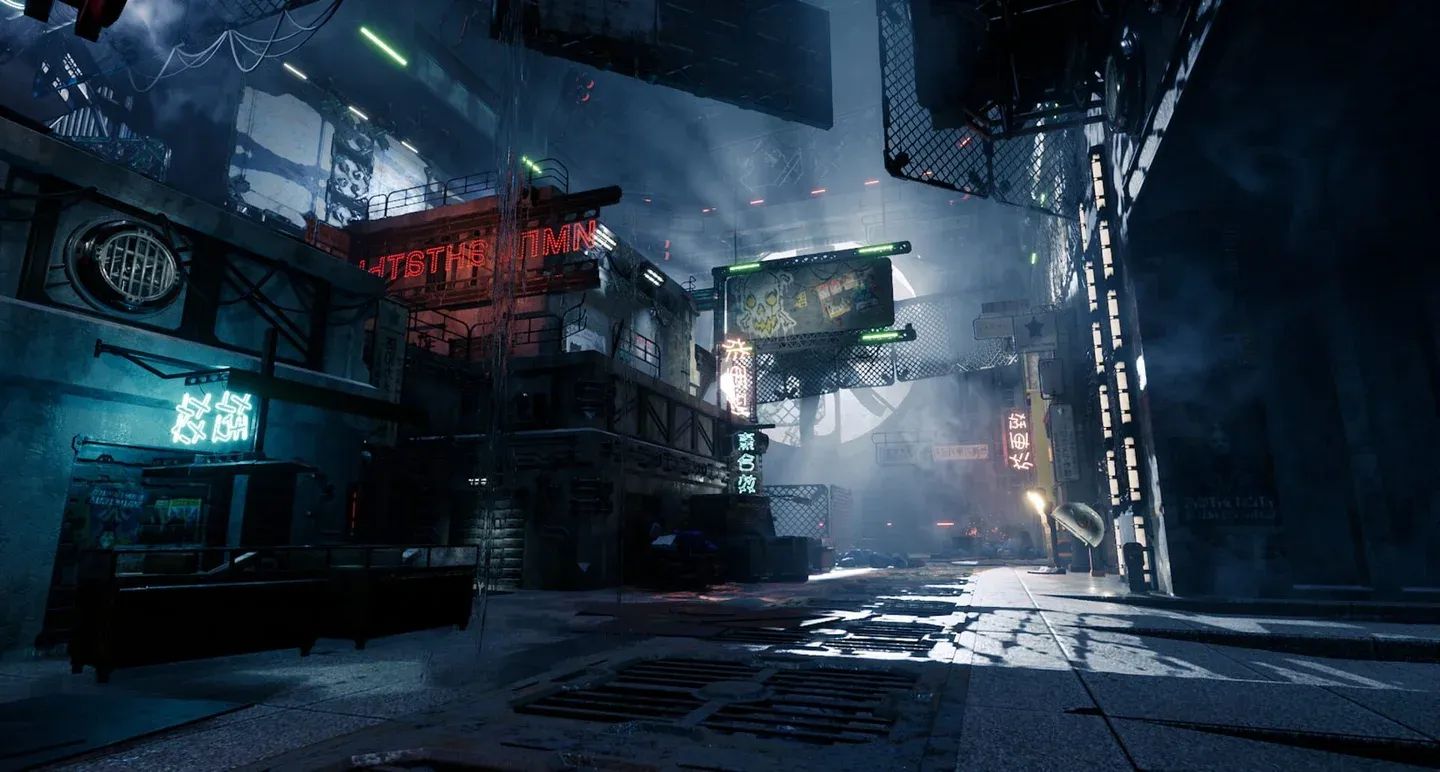
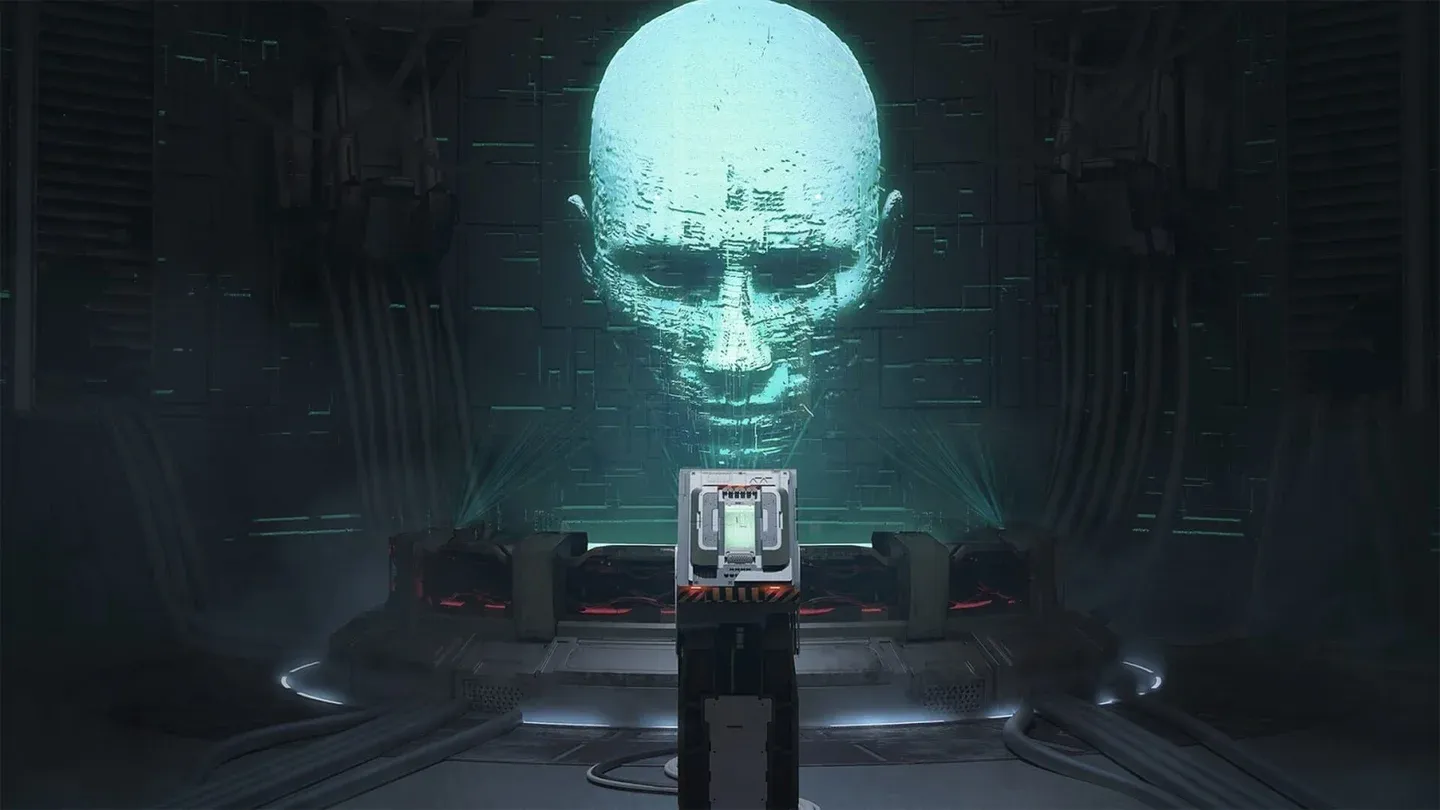
The cyberpunk aesthetic is executed with real conviction. Neon against darkness, geometric cyberspace voids, and enemy designs that communicate threat at a glance all contribute to a world that feels considered rather than generic. The soundtrack by Daniel Deluxe and?)XTRAVAGANZA leans hard into industrial electronic territory, matching the aggression of the gameplay without ever feeling like background noise.
Ghostrunner content image
Performance holds up across platforms, with the Xbox Series X and S versions receiving optimization updates post-launch. On PC the game runs well on mid-range hardware, keeping the fast-paced movement readable even at high speeds.