Overview
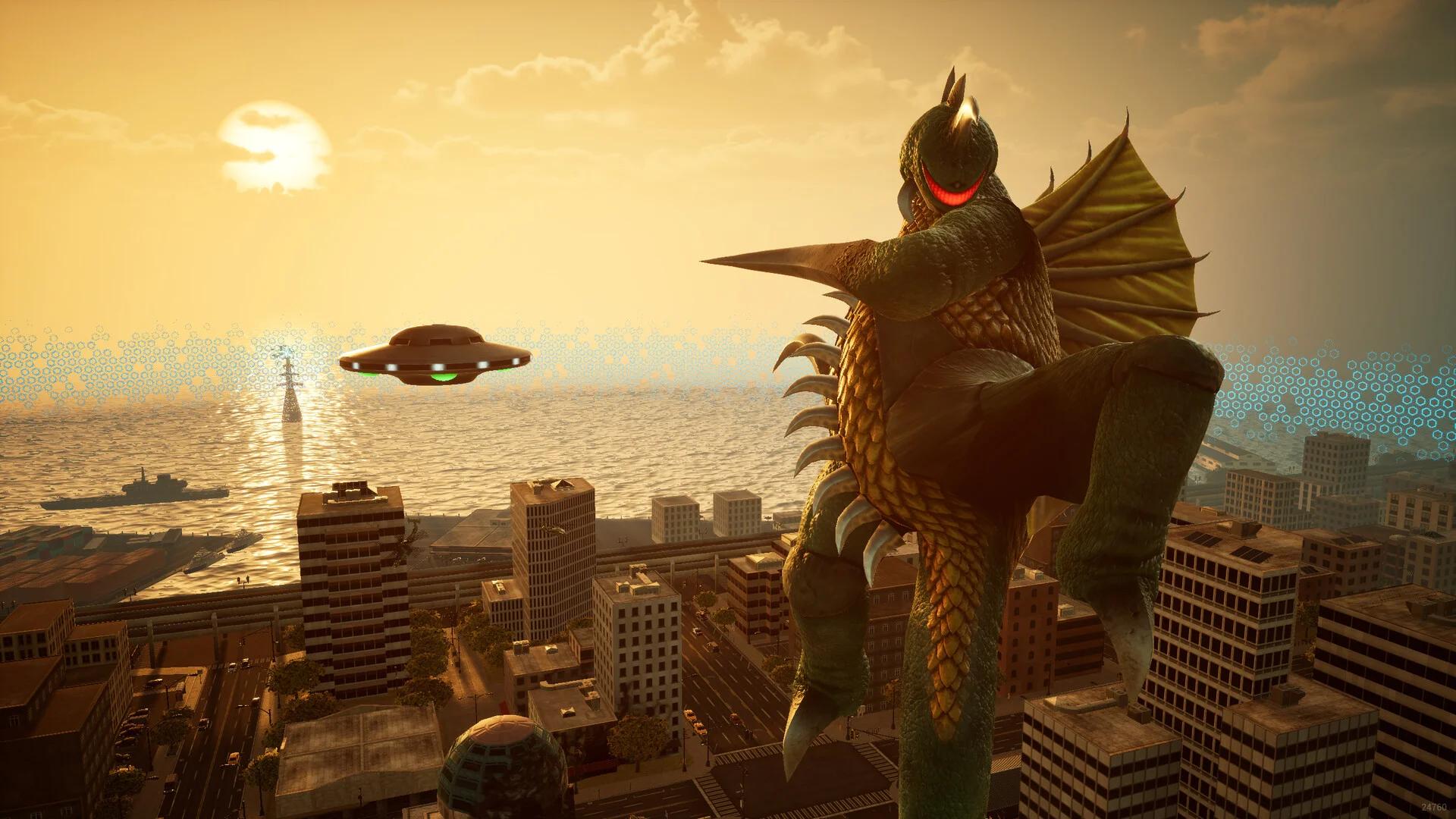
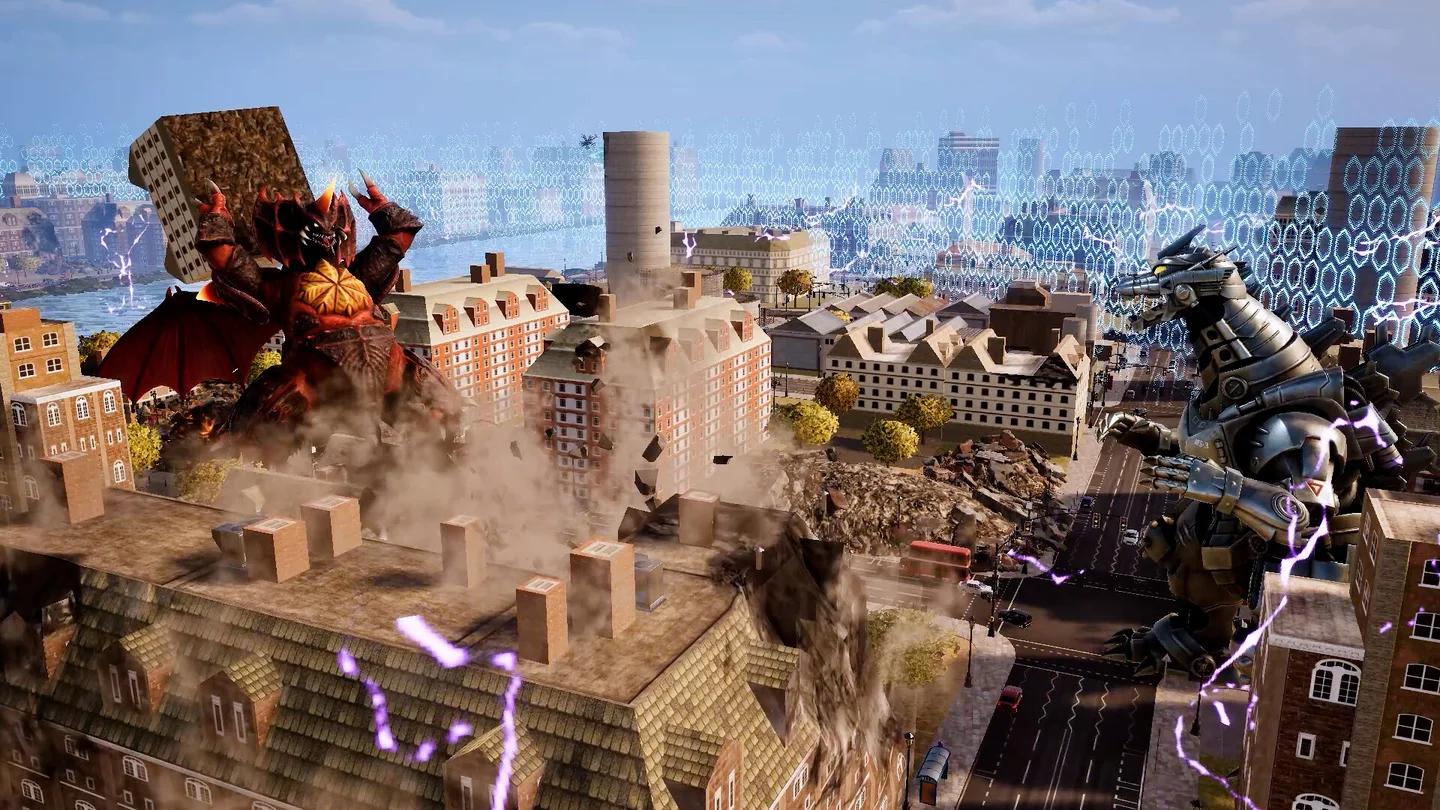
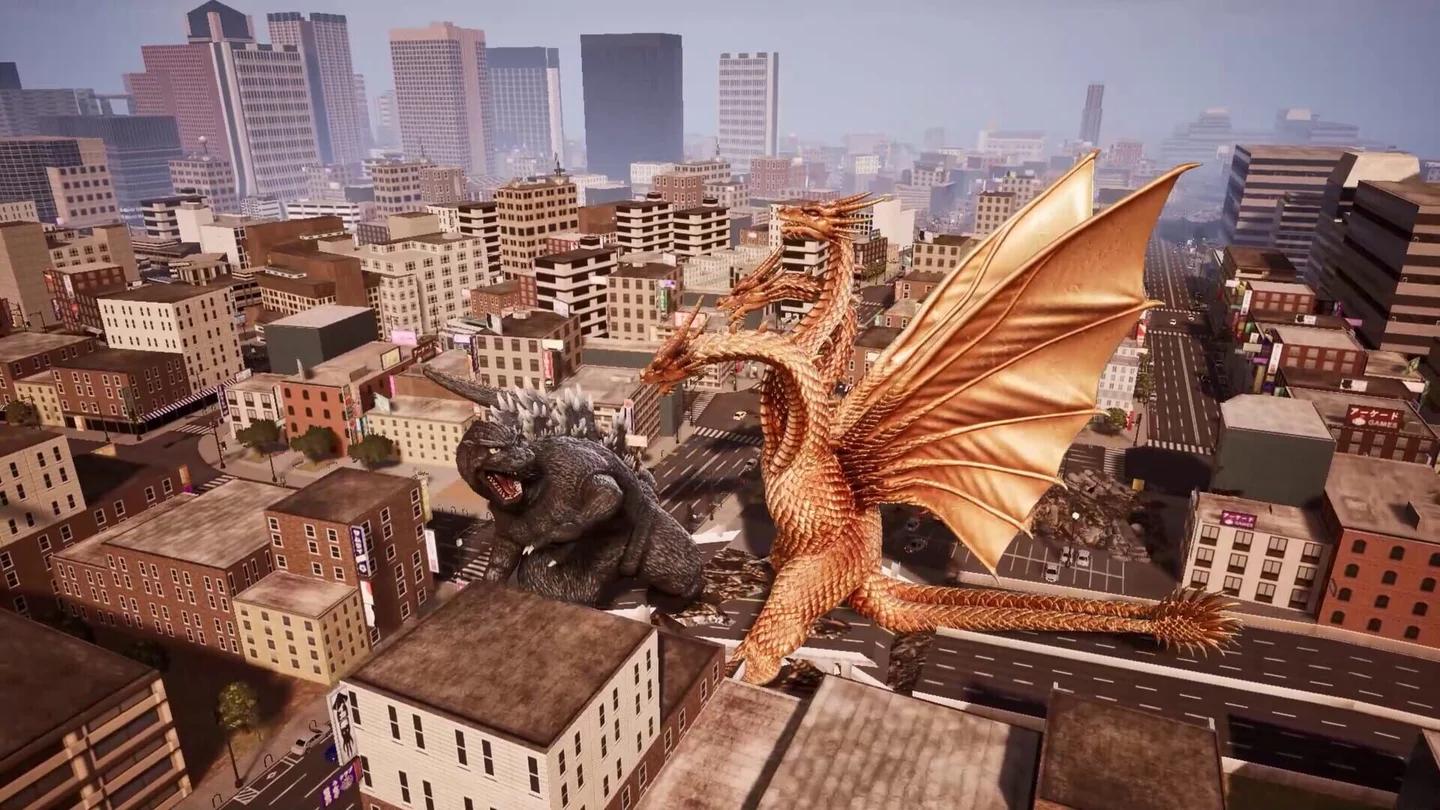
Godzilla: Destroy All Monsters Melee Remastered brings Pipeworks Studios' 2002 arena fighter to Windows PC, Xbox, PlayStation, and Nintendo Switch. Atari publishes this updated edition, which places giant-monster combat inside environments that participate directly in the action.
The remaster rebuilds the original's visuals and introduces gameplay and quality-of-life changes. Its defining feature remains the relationship between fighters and their surroundings: a city contains objects that monsters can pick up and use during a battle.
How does kaiju combat work?
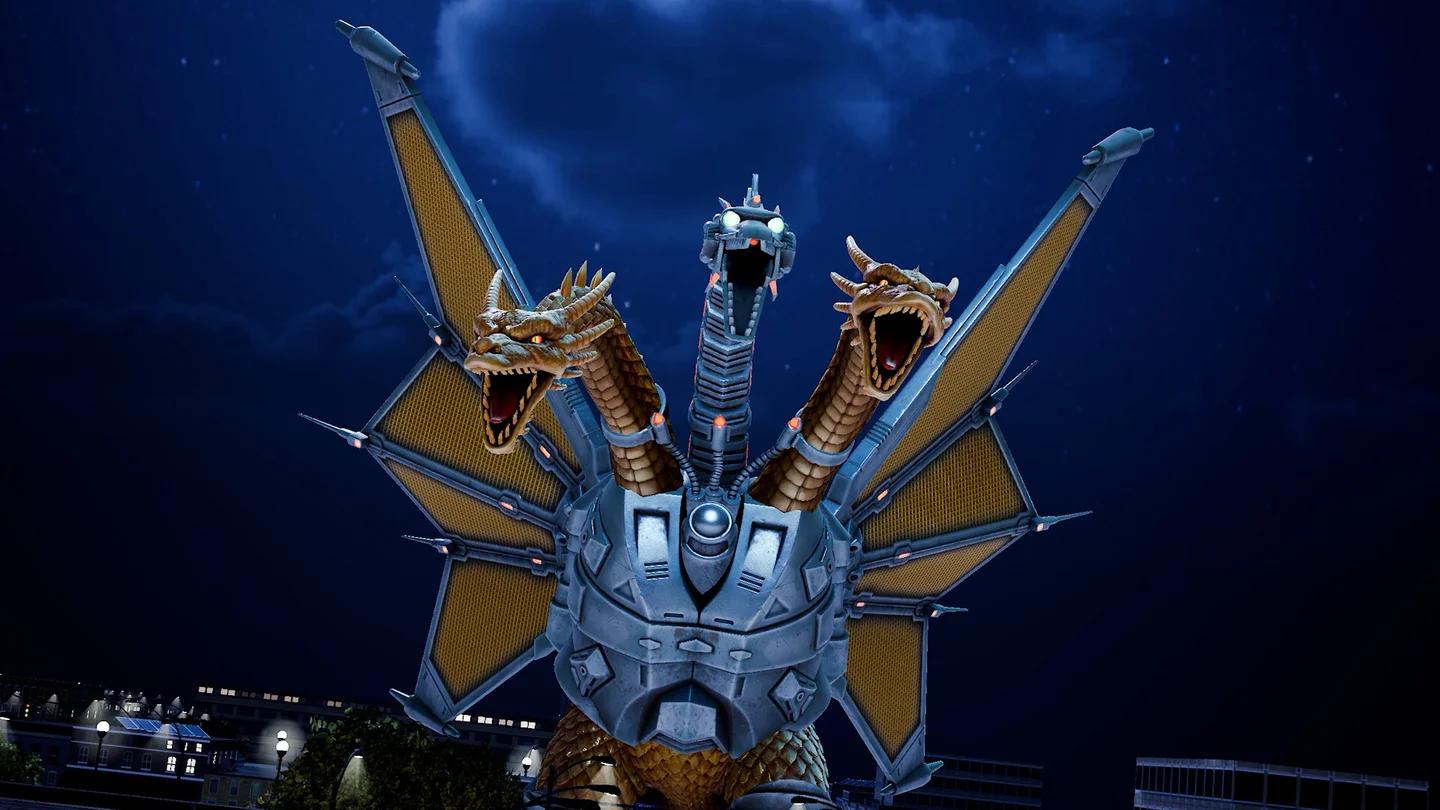
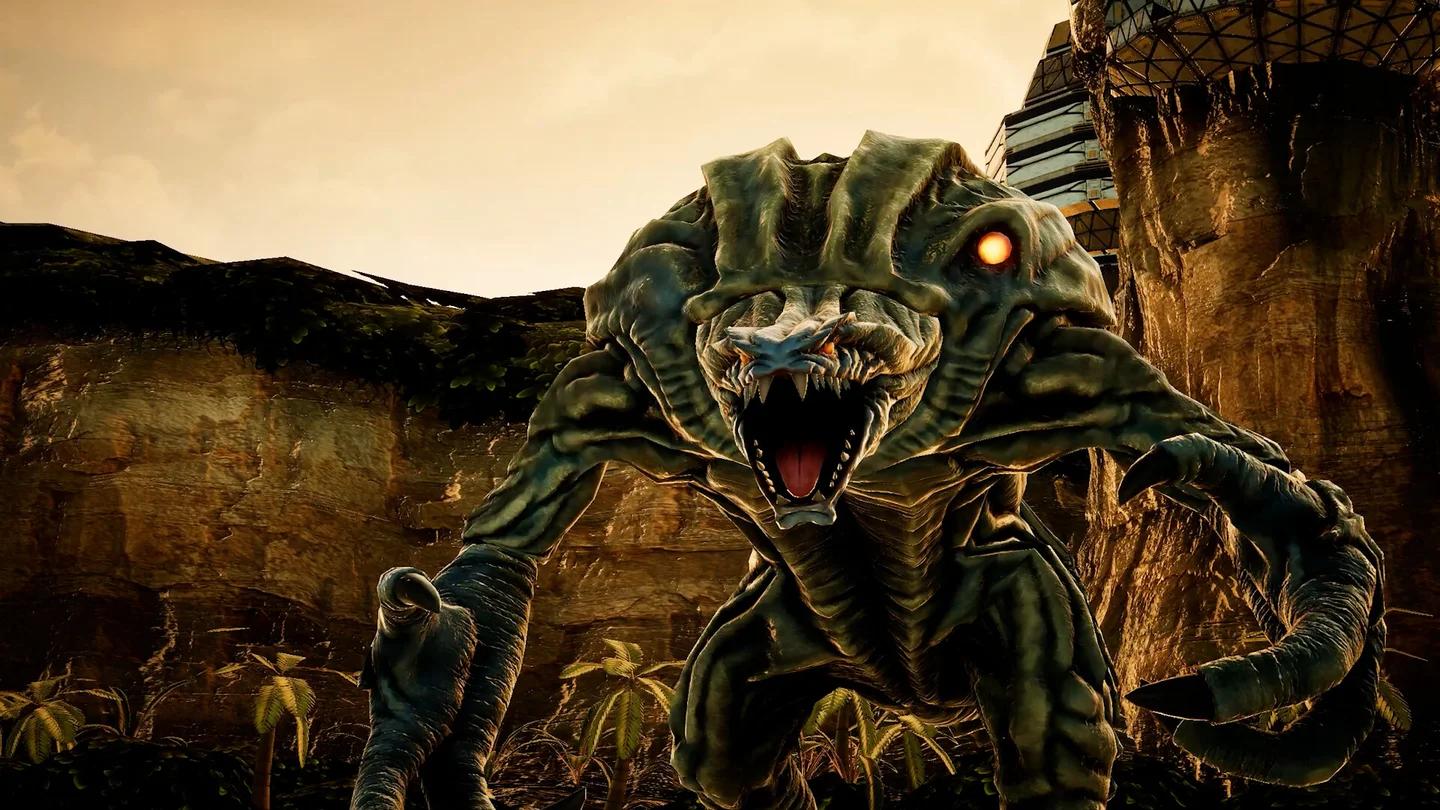
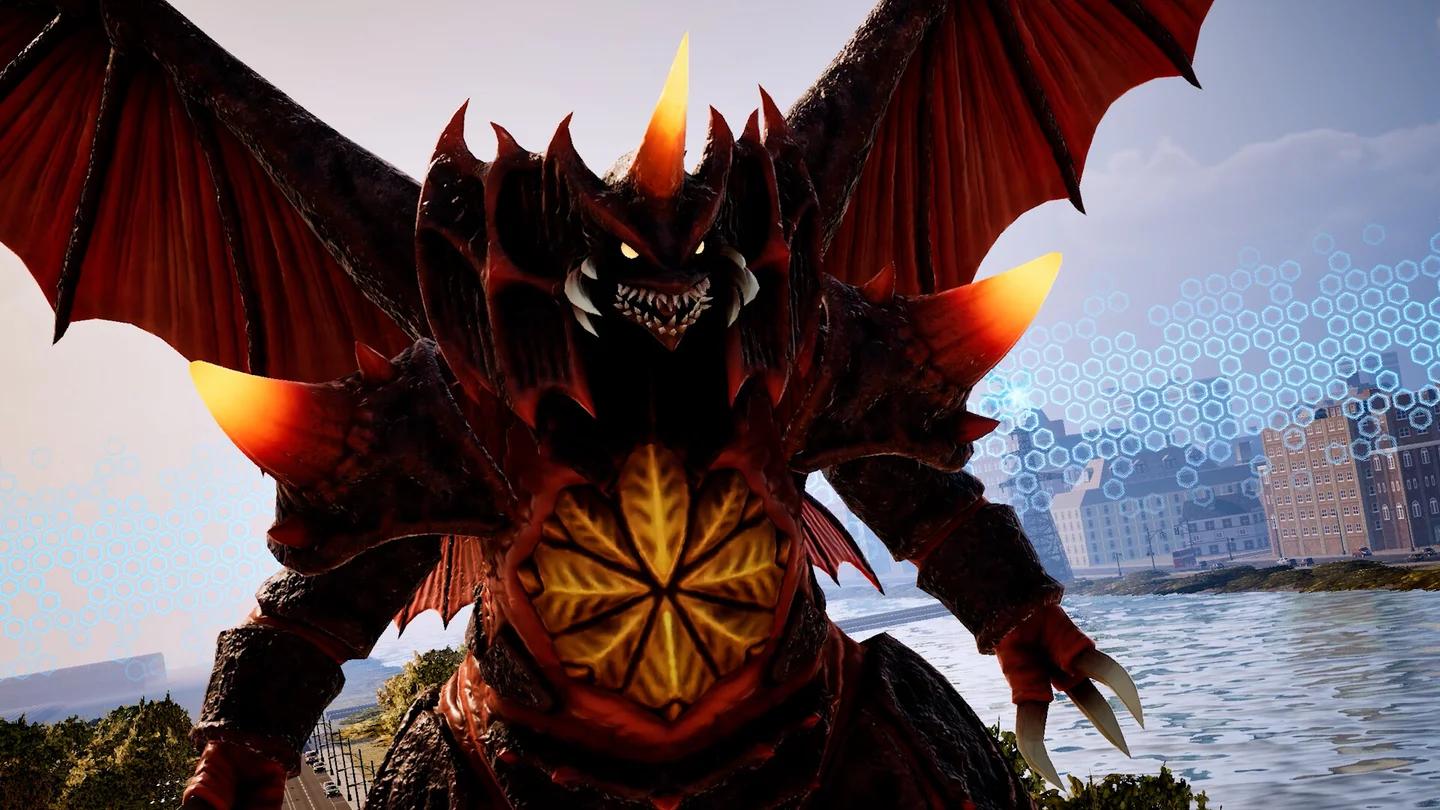
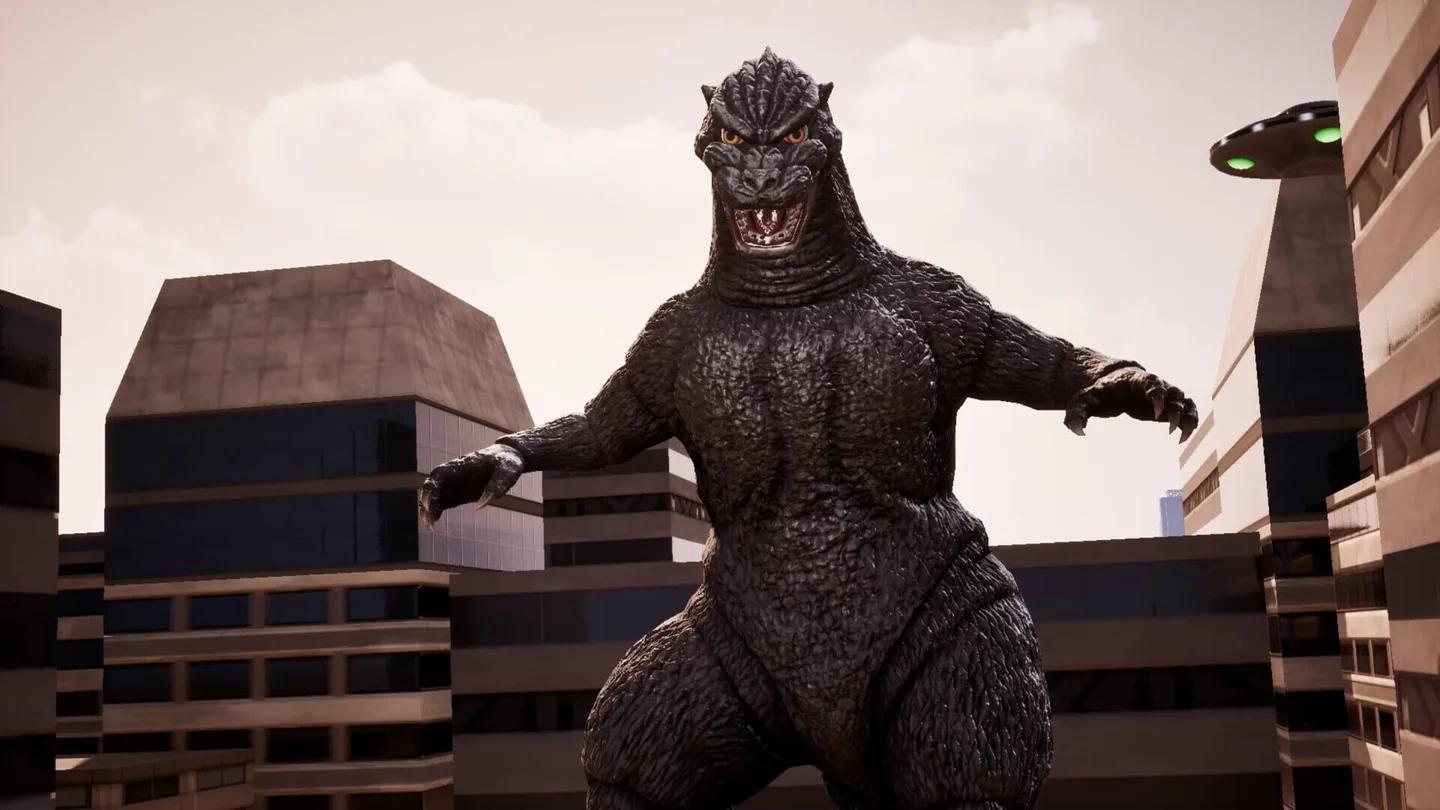
Combat combines a roster of 12 playable kaiju with distinct movesets and environmental weapons. Each monster brings its own attacks, making character selection a choice about fighting tools as well as appearance.
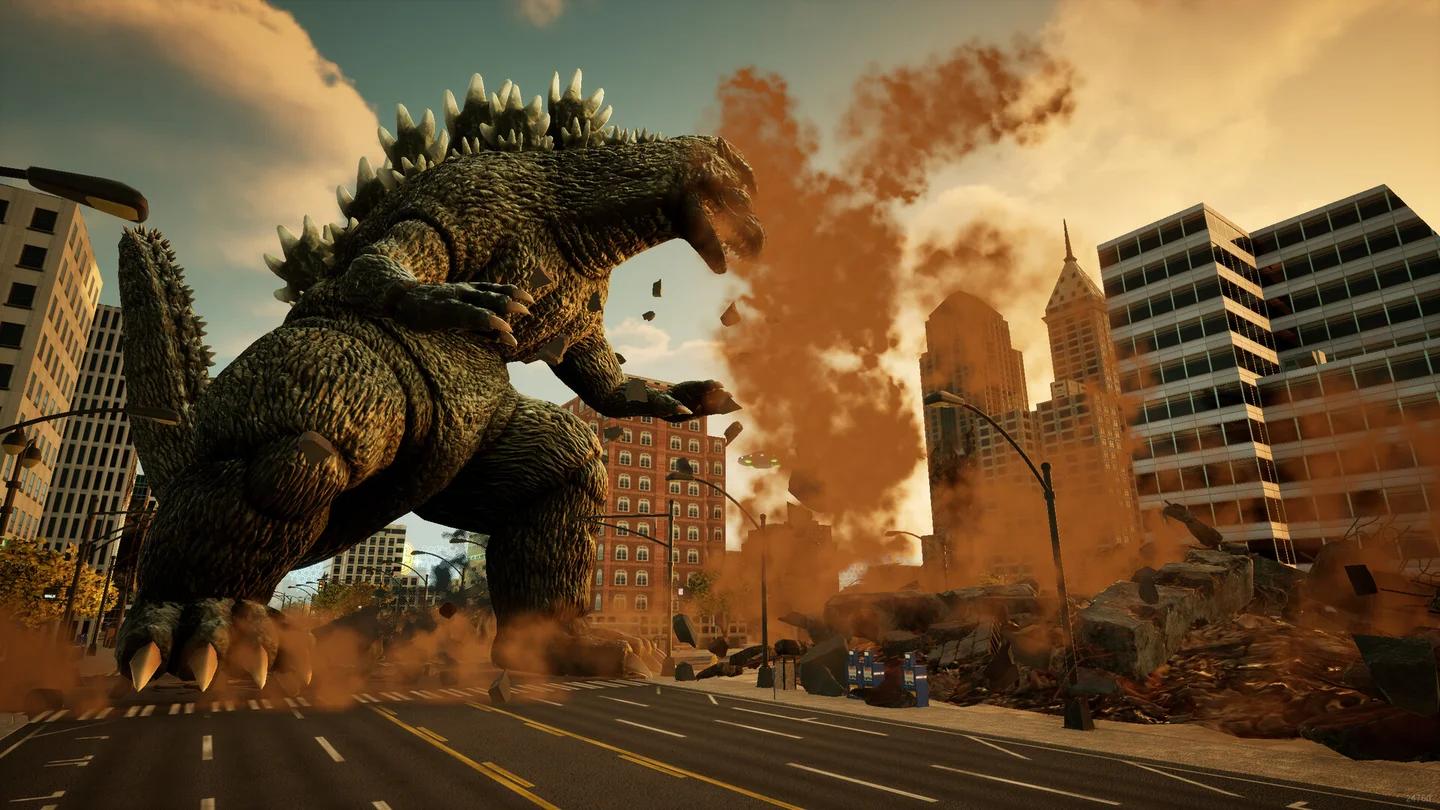
- Close-range melee attacks
- Ranged energy blasts
- Special Rage Mode strikes
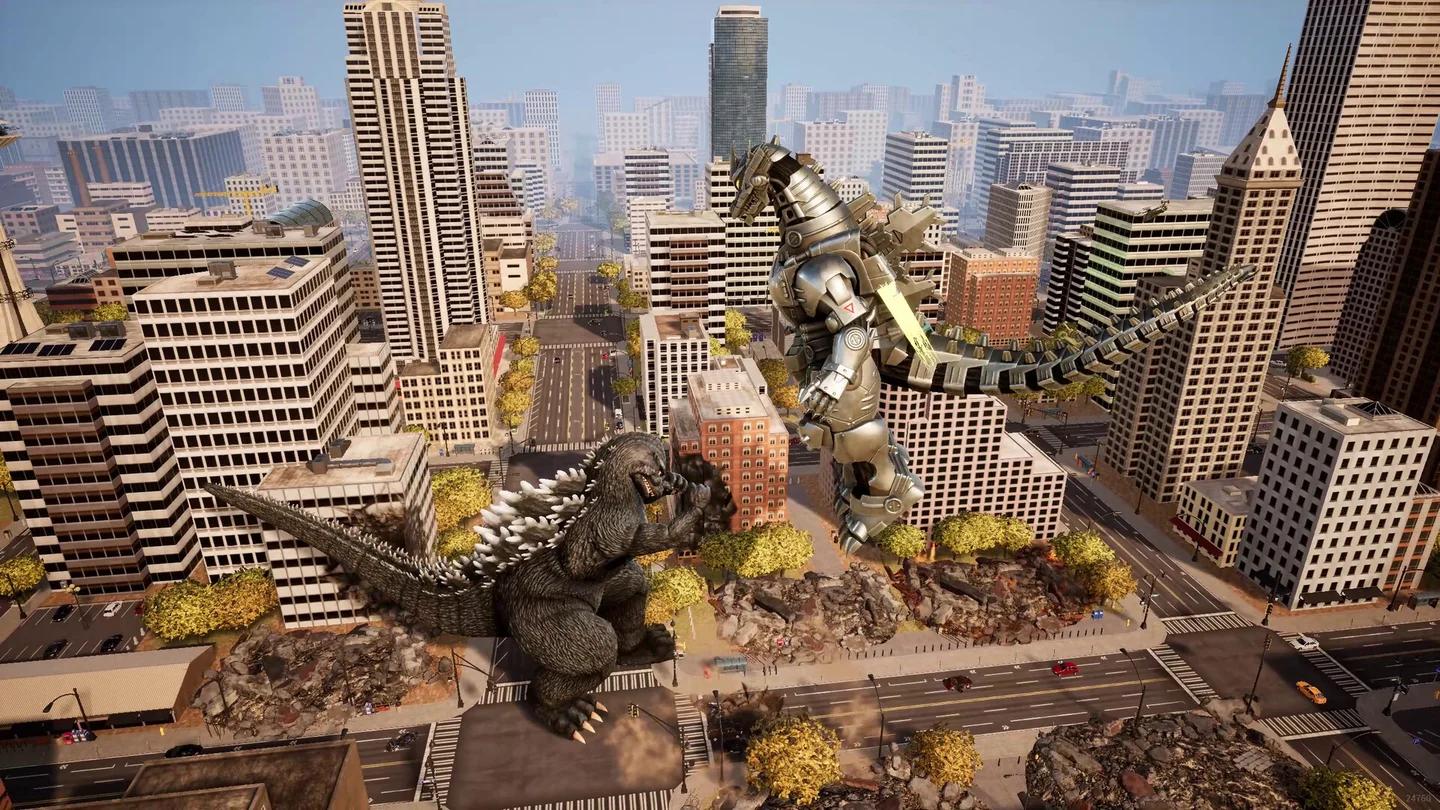
- Throwable buildings and landmarks
Melee attacks bring monsters into striking distance, while energy blasts provide an option for attacking from farther away. Those different attack types give fights a reason to shift between close confrontations and ranged exchanges. Rage Mode adds special strikes to the available moves.
Environmental combat introduces another practical choice. A monster can attack directly or turn a nearby structure against an opponent. A skyscraper becomes a projectile, making the placement of city structures relevant to an arena fight.
Cities under alien control
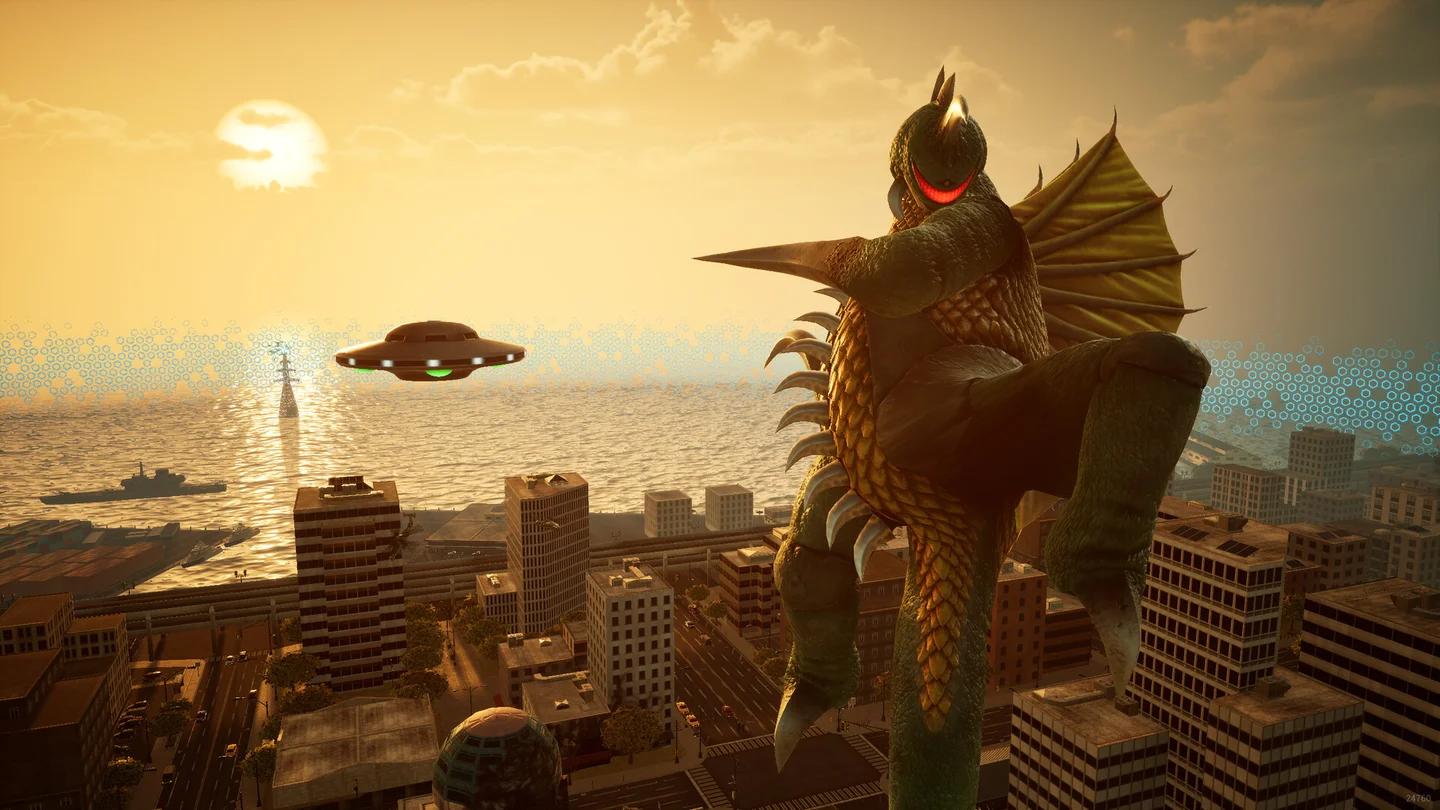
The story centers on the Vortaak, an alien race that invades Earth and takes control of its giant monsters. The invaders send those creatures against cities around the globe. One monster escapes their control and battles the others to drive the Vortaak away.
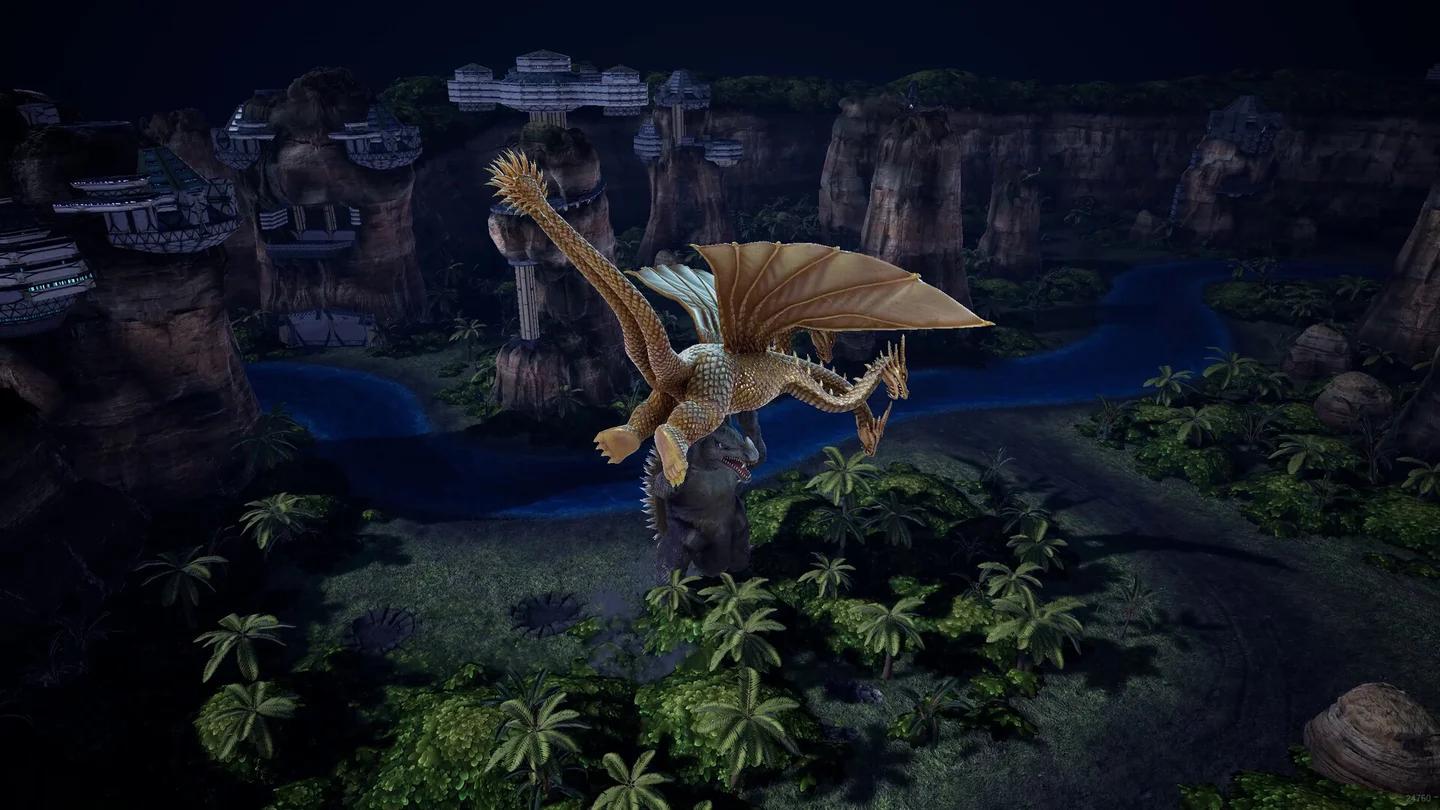
The eight battle locations include recreated real-world cities, Monster Island, and the alien Mothership. The invasion extends beyond urban destruction, taking monster confrontations into both kaiju territory and the attackers' own vessel.
Every location has day and night variations. These alternate presentations apply across the arena selection, including settings beyond the human cities.
Campaigns, multiplayer, and flexible unlocks
Single-player includes additional campaigns for each kaiju, giving the solo offering content tied to individual monsters. Local co-op supports play together on the same system, while online multiplayer adds a way to play with friends remotely.
Progression uses a revised unlock system covering monsters, locations, and gallery items. Players can unlock those rewards in any order, choosing which category and item to pursue next.
That freedom supports concrete priorities: a preferred monster can come before another arena, or gallery items can take precedence over expanding the fighting roster. The arena brawler connects its unlock choices to playable characters, battle settings, and collectibles without requiring one fixed order.