Overview
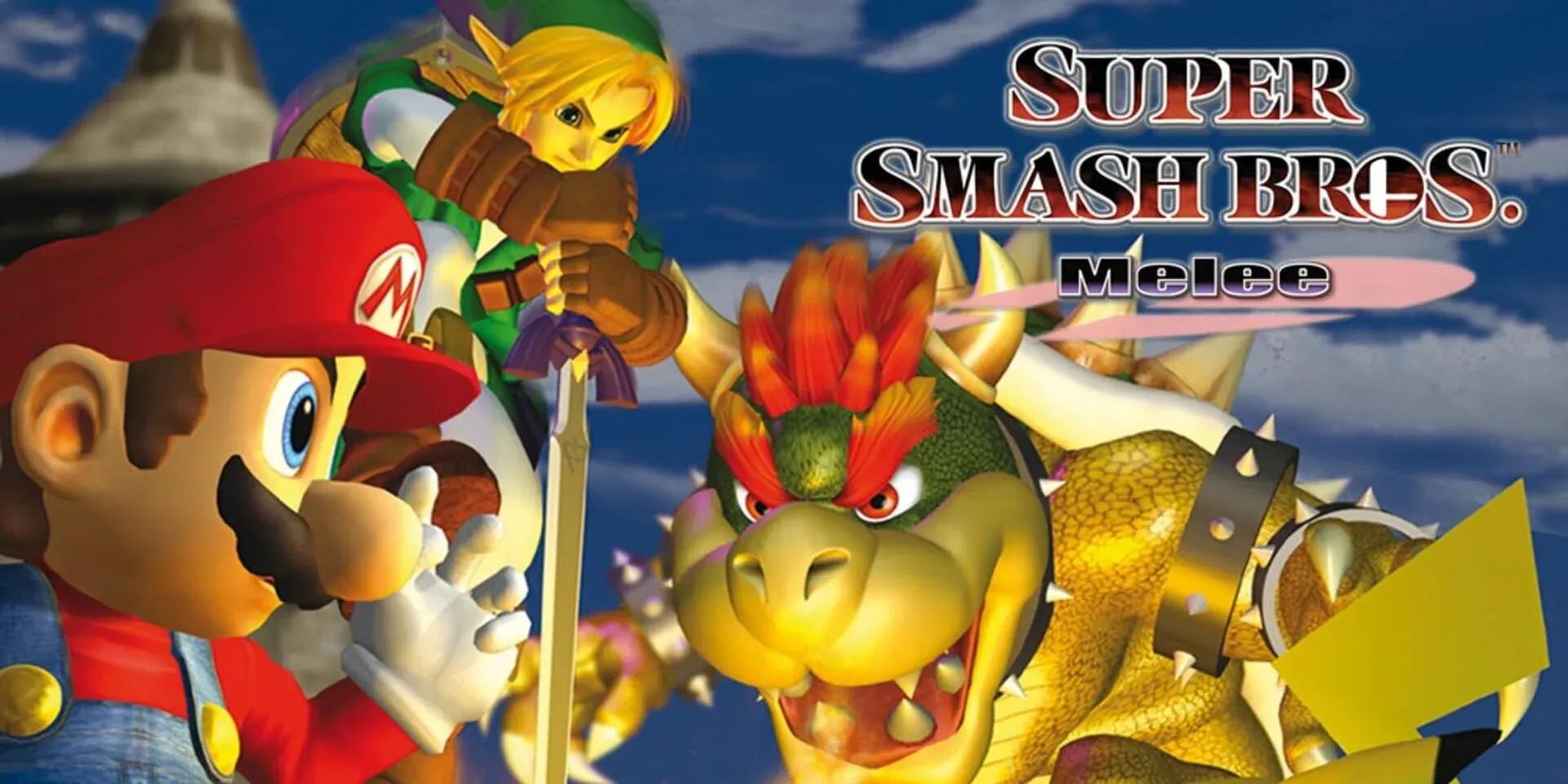
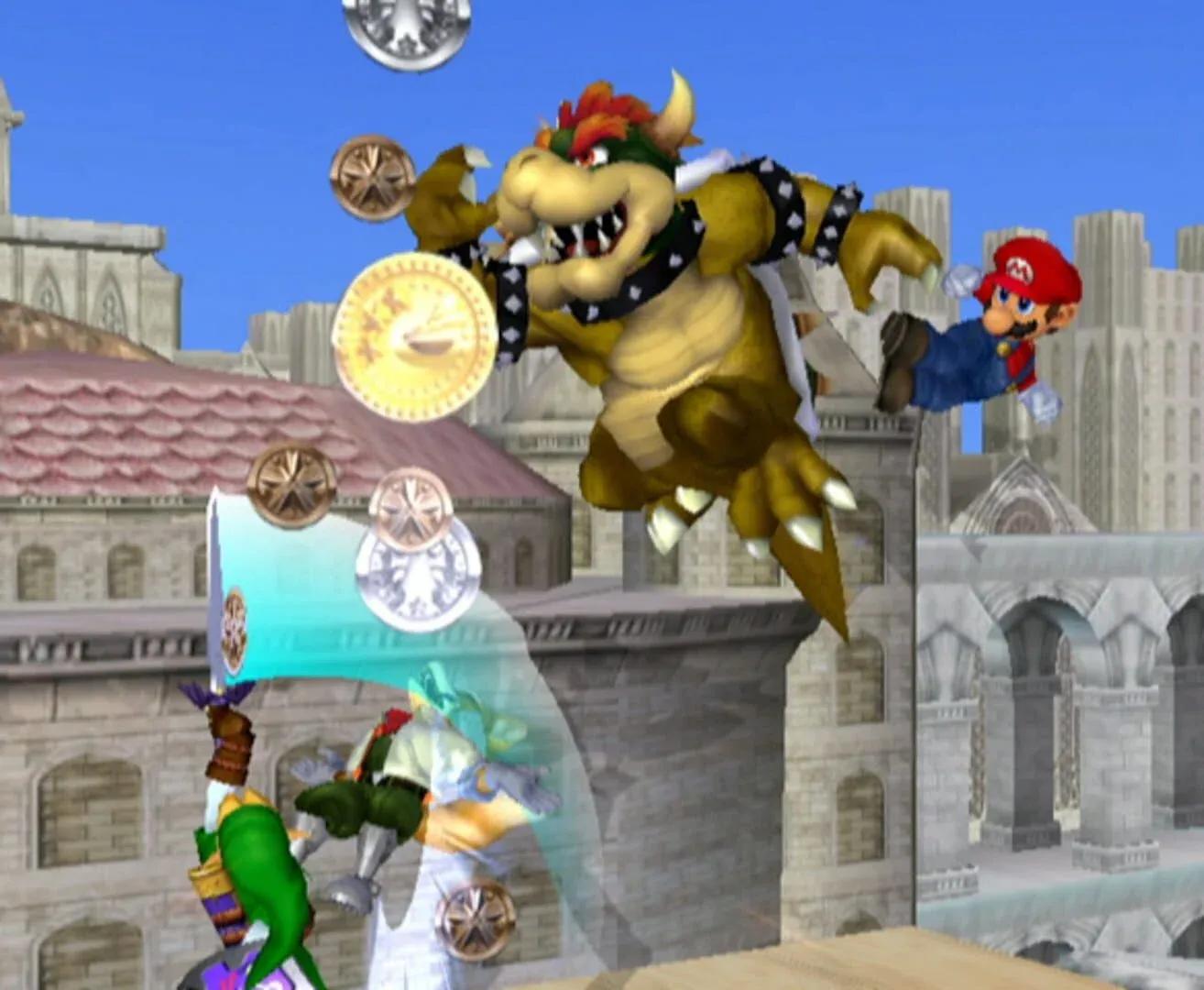
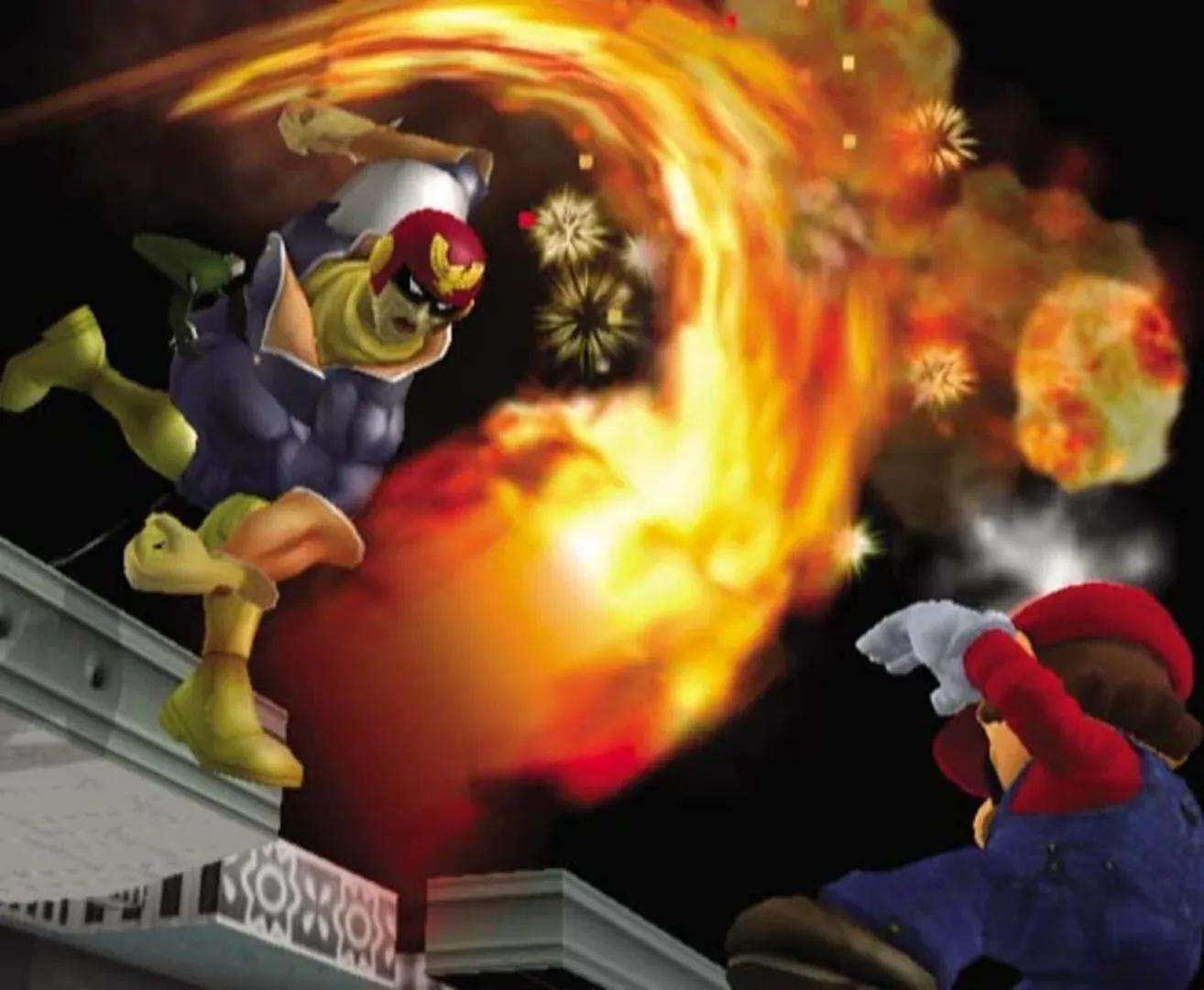
Super Smash Bros. Melee is a crossover platform fighter developed by HAL Laboratory and published by Nintendo for the GameCube in November 2001. Rather than depleting a health bar, players win by launching opponents off the stage entirely. Damage accumulates as a percentage, and the higher that number climbs, the farther a character flies when hit, making every exchange feel genuinely dangerous as a stock wears thin.
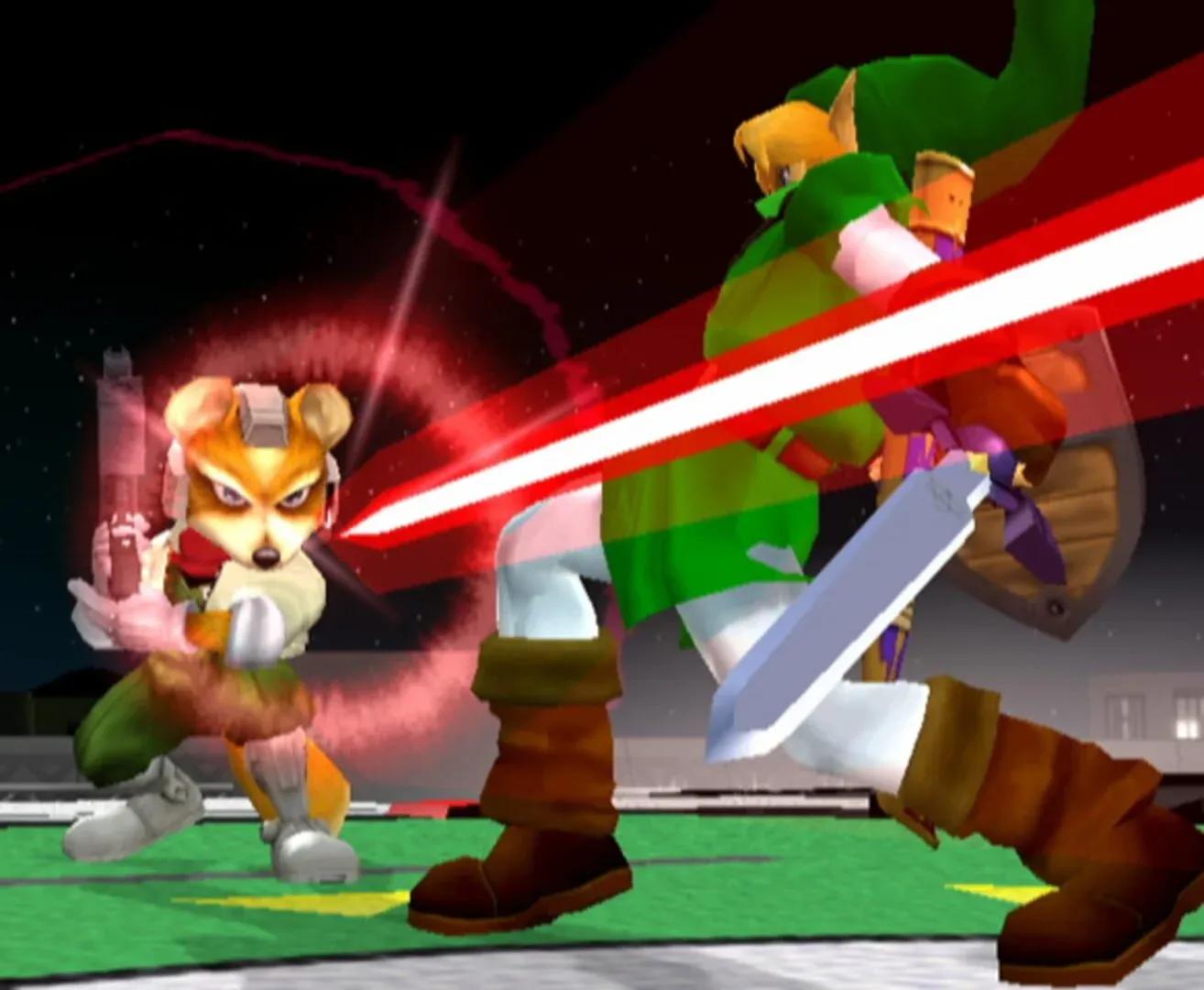
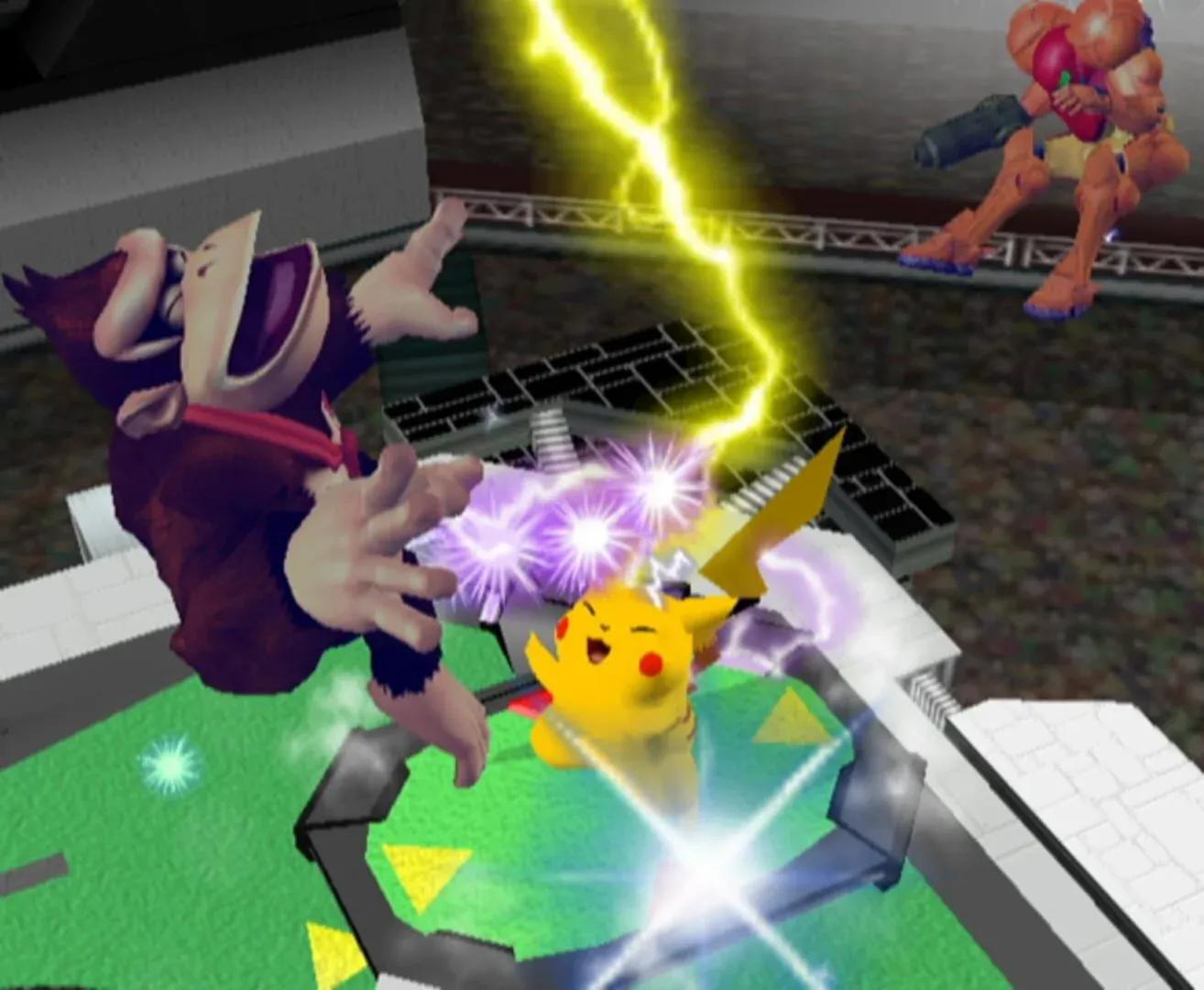
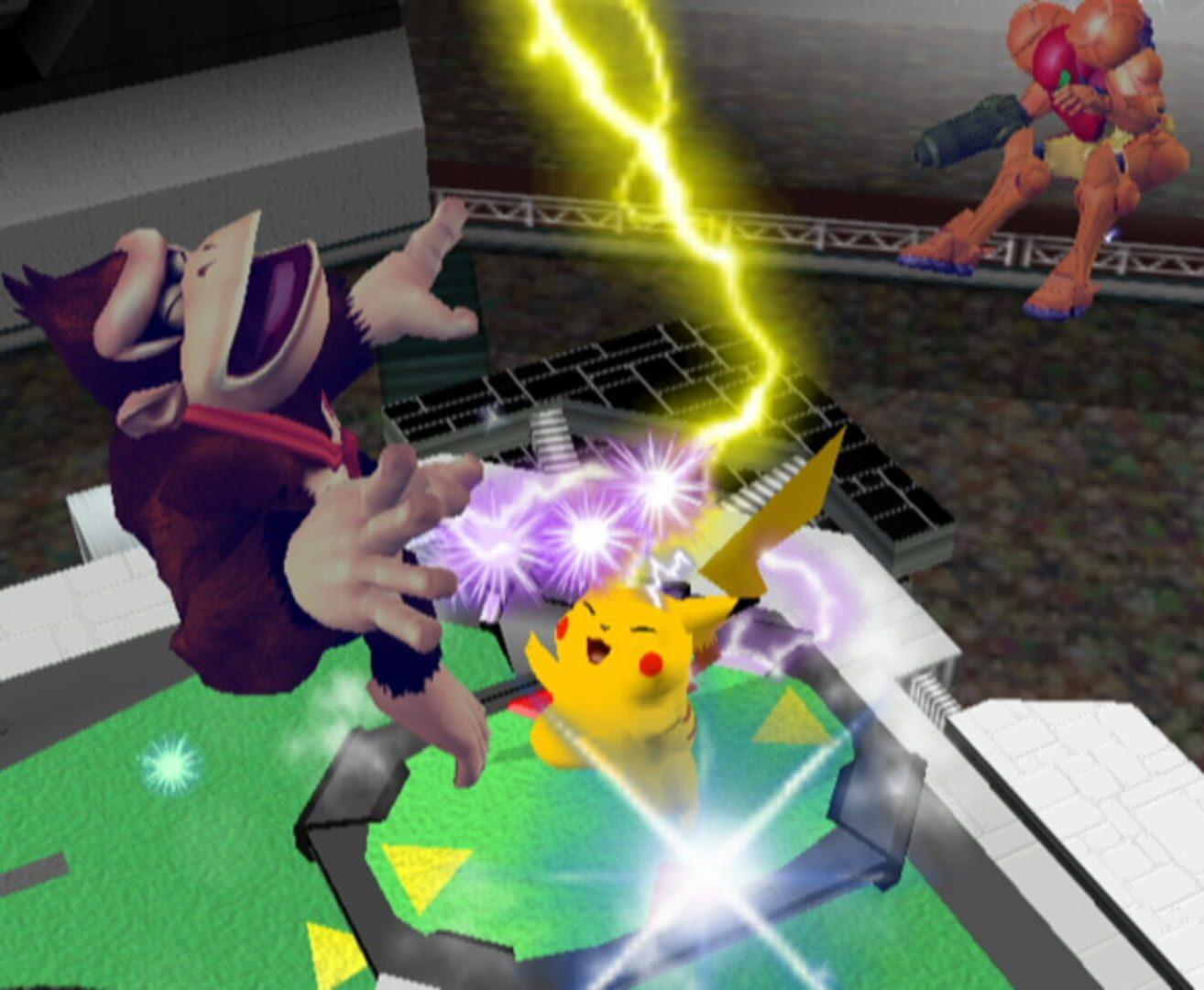
The cast pulls from across Nintendo's biggest franchises: Mario, Link, Samus, Fox McCloud, Pikachu, Marth, and 26 characters total. Each fighter moves and feels distinct, with weight, fall speed, and aerial mobility shaping how every matchup plays out. Controls are built around simple joystick directions combined with a single attack button, but the depth hiding underneath that simplicity is what kept players grinding for years.
Gameplay and mechanics
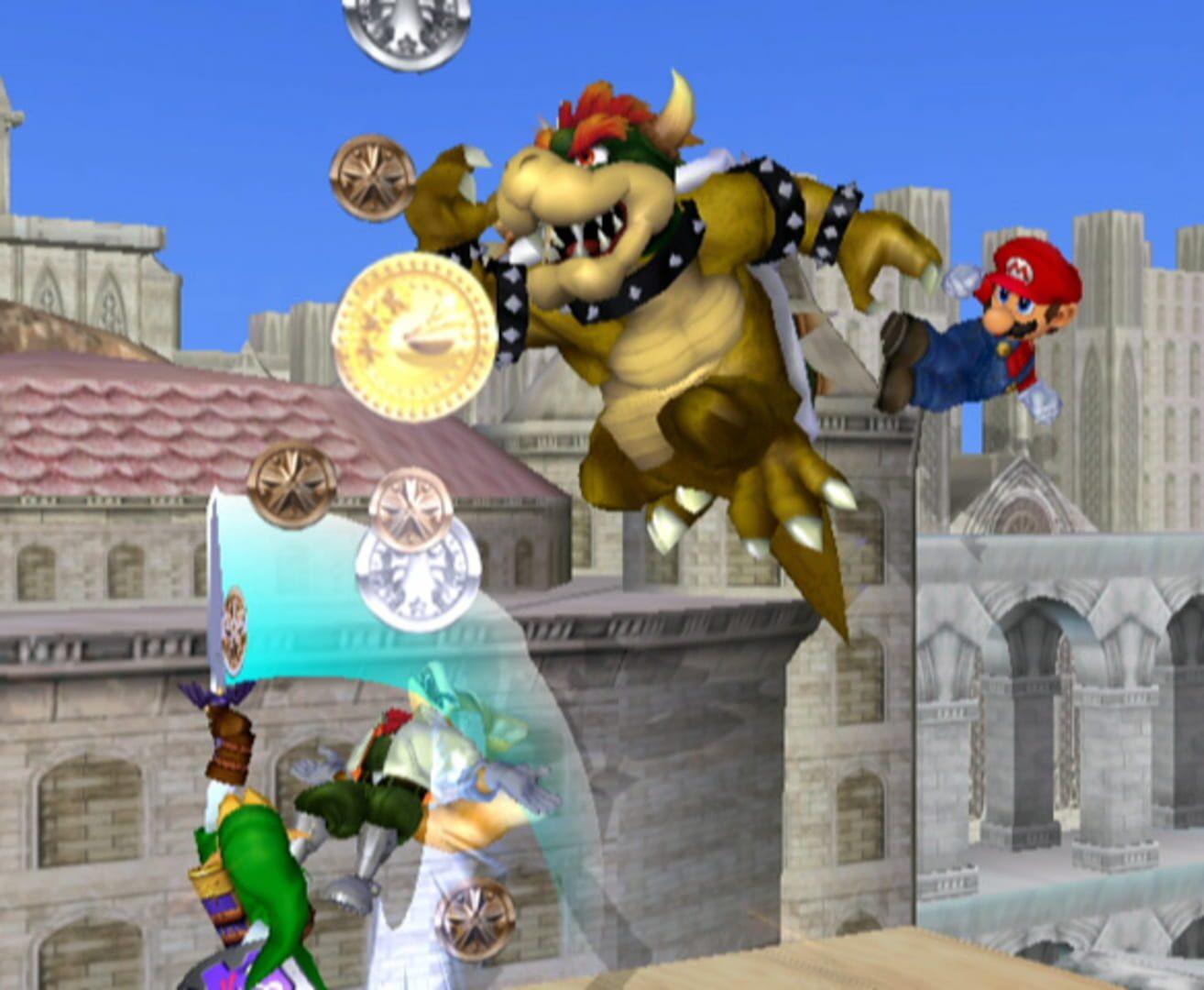
Melee's core combat loop rewards players who master its movement system. The game runs at 60 frames per second and responds to inputs with a precision that later Smash entries deliberately dialed back. Key mechanics include:
- Wavedashing for quick lateral repositioning
- L-canceling to cut aerial landing lag in half
- Dash dancing to bait and punish opponents
- Edge-guarding to prevent recoveries
- Shield pressure to break defensive habits
These techniques were never officially documented. Players discovered them through experimentation, and that community-driven knowledge base became part of what makes Melee feel like its own subculture.
What makes Melee different from other platform fighters?
Melee sits at the technical end of the platform fighter spectrum. Where later Smash games smoothed out movement and reduced the impact of advanced techniques, Melee kept its physics engine raw. That rawness created a skill ceiling high enough that top players are still finding new optimizations today. The game's speed, the specificity of its combo routes, and the way aerial momentum carries through attacks all combine to produce a style of play that no direct sequel has replicated.
Single-player content includes Classic Mode, Adventure Mode, All-Star Mode, and a Trophy collection that covers Nintendo history up to 2001. These modes give newcomers plenty to explore before they ever touch a versus match.
Multiplayer and competitive legacy
Melee supports up to 4 players simultaneously, and the versus mode is where the game has always lived or died. Stock battles with a 4-stock, 8-minute timer became the competitive standard, with Final Destination and Battlefield serving as the go-to neutral stages for serious play.
The competitive scene built around Melee is one of gaming's more remarkable stories. Events like EVO and The Big House have hosted Melee brackets drawing thousands of entrants, and top players like Armada, Mango, and Hungrybox became household names within the fighting game community. That scene operated for years without official Nintendo support, driven entirely by player passion and grassroots tournament organizers.

Content and replayability
Beyond versus play, Melee packs a substantial amount of content for a 2001 release. The Trophy collection alone contains over 290 items spanning Nintendo's history, each with a short description that reads like a mini museum. Event Match mode offers 51 scripted scenarios with specific win conditions, giving solo players a structured challenge outside of the standard modes. The combination of deep competitive mechanics and a wide single-player offering means Melee has never really had a "finished" state for most players who pick it up.