Overview
Super Mario Bros. 3 arrived on the Famicom in Japan in October 1988, and it immediately raised the bar for what a side-scrolling platformer could accomplish. Nintendo R&D4, led by Shigeru Miyamoto and Takashi Tezuka, built something that felt genuinely larger than anything the NES had produced before it. Eight distinct worlds, dozens of levels, and a cast of bosses each with their own quirks made it feel less like a sequel and more like a reinvention.
The story is simple but effective. Bowser has dispatched his seven children, the Koopalings, across the Mushroom World. Each one has stolen a magic wand and used it to transform a king into an animal. Mario and Luigi must fight through each kingdom, defeat the Koopaling waiting at the end, and return the wand before moving on. It is a linear goal delivered through a world that rewards exploration.
Gameplay and mechanics
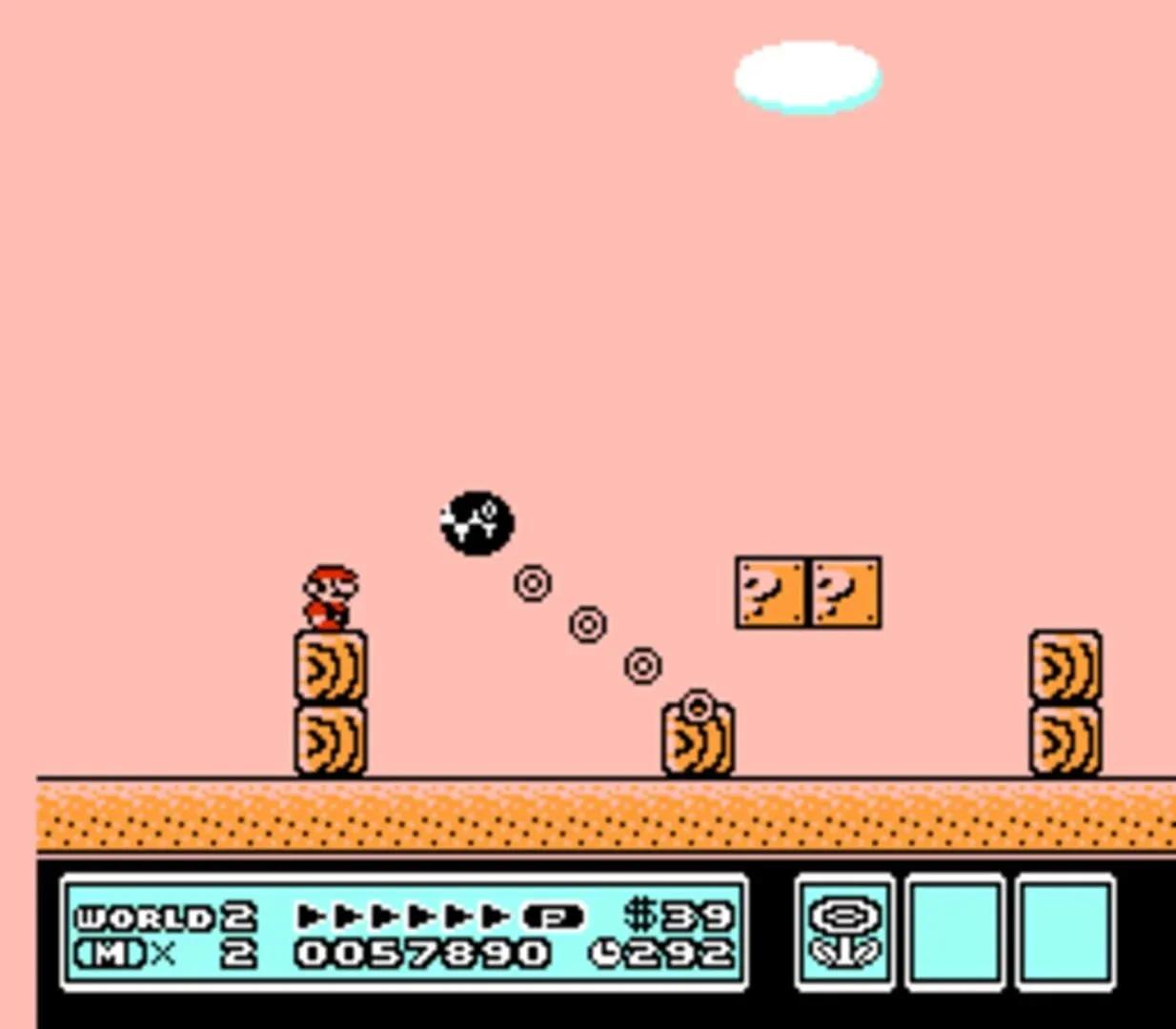
The core loop in Super Mario Bros. 3 is tighter and more varied than its predecessors. Mario moves with a familiar weight, but the range of actions available to him expanded significantly compared to the original Super Mario Bros.
Super Mario Bros. 3 content image
Key mechanics include:
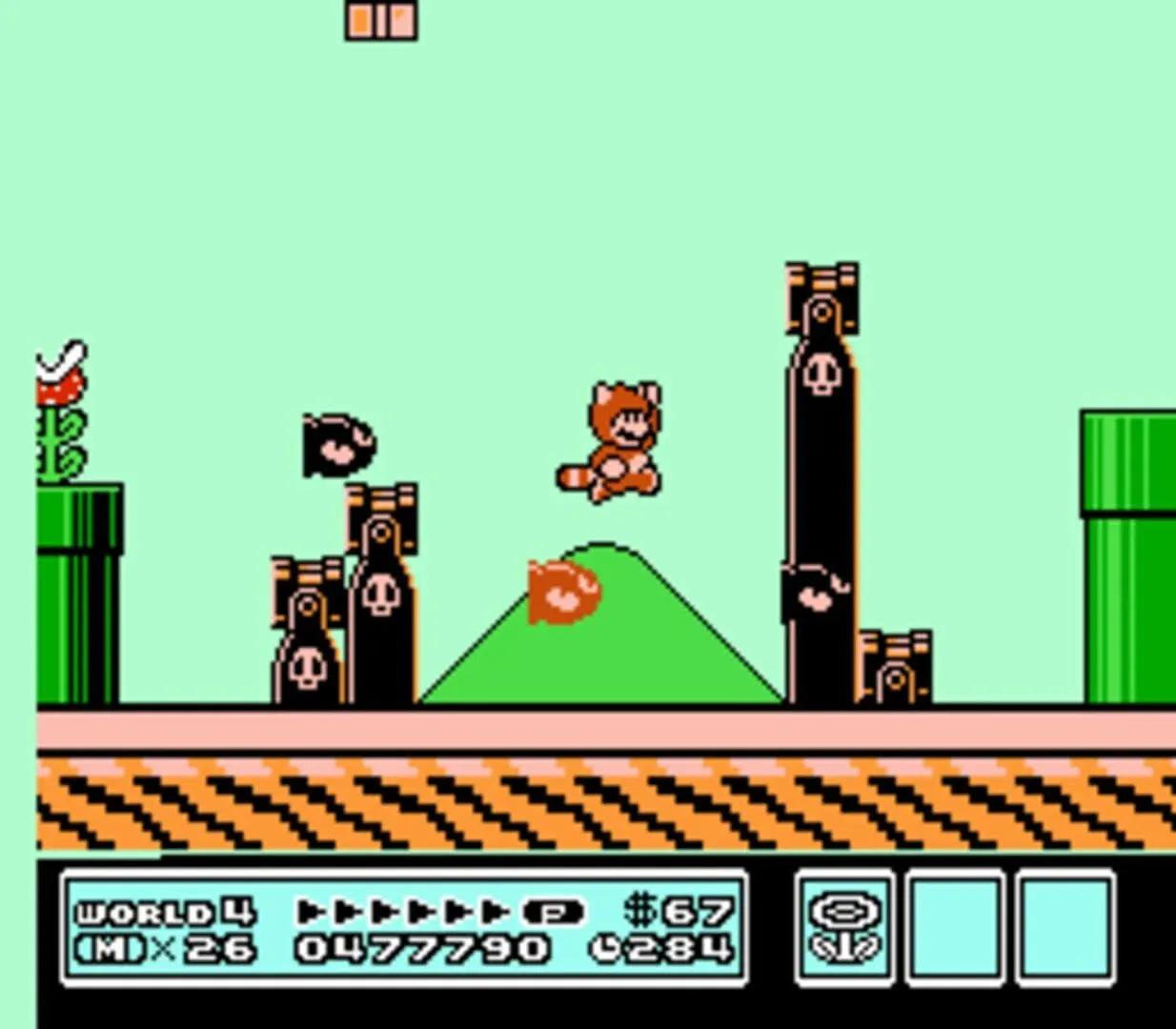
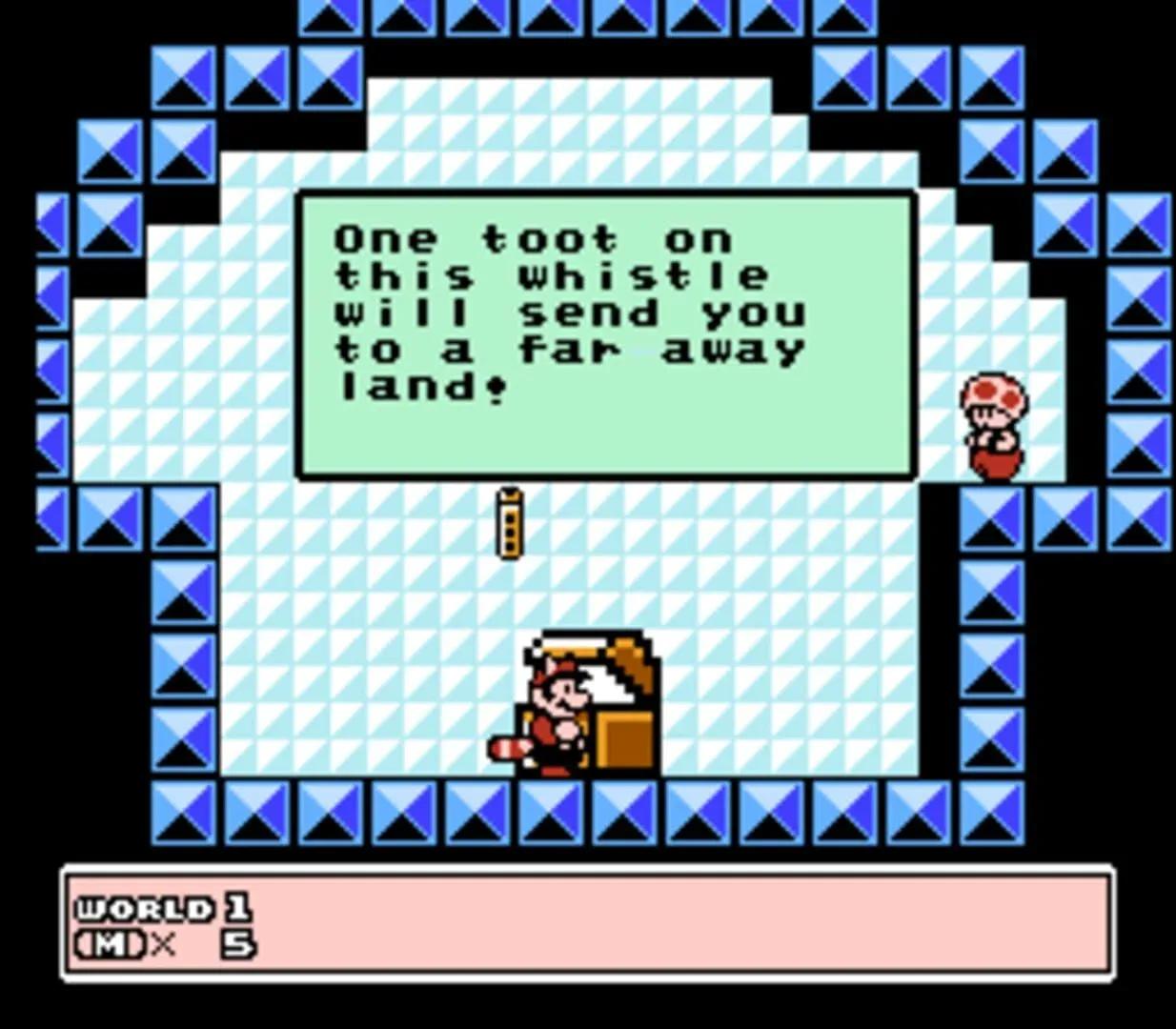
- Super Leaf grants the Tanooki tail for flight and hover
- Fire Flower returns from earlier entries
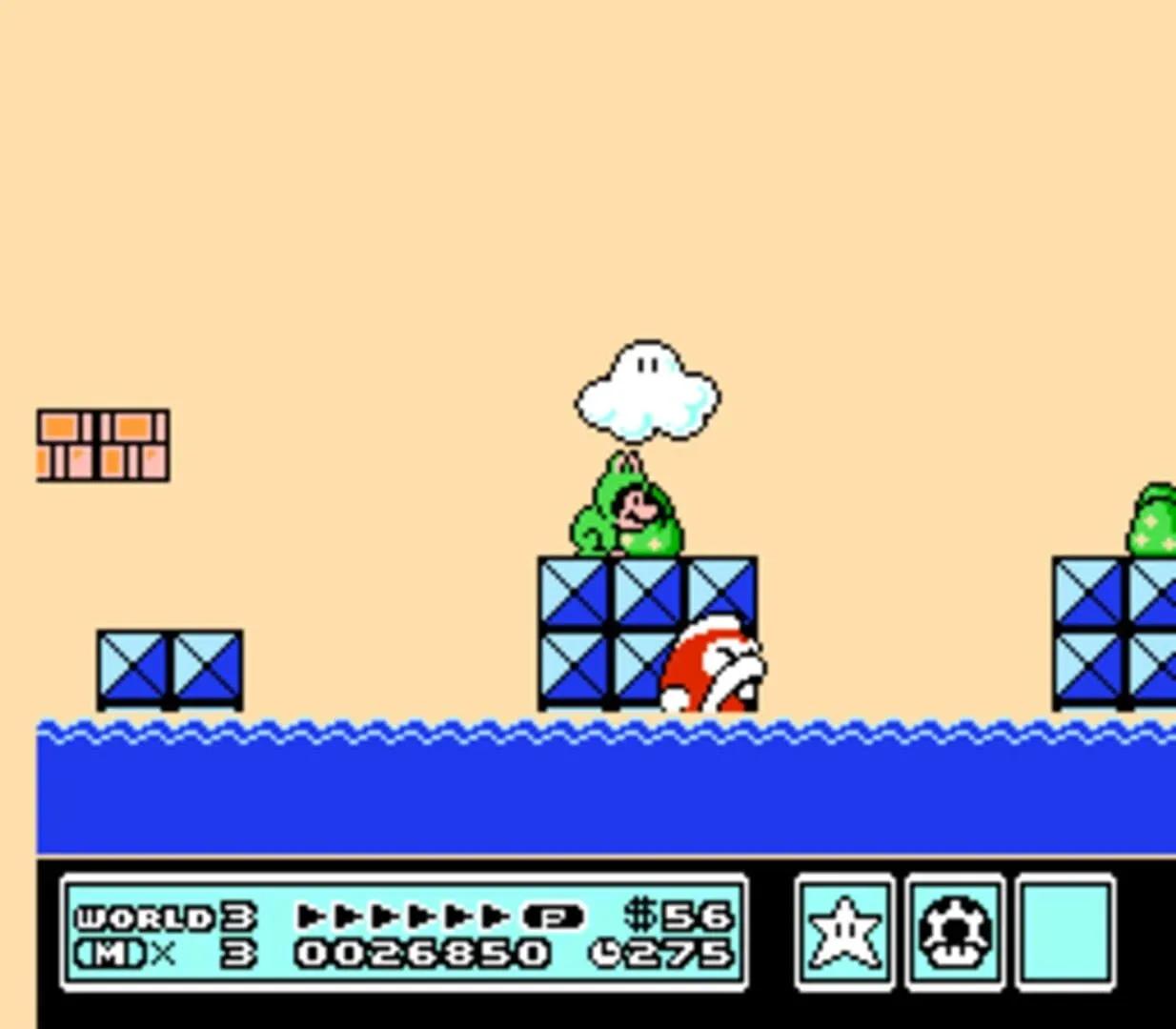
- Frog Suit improves underwater movement
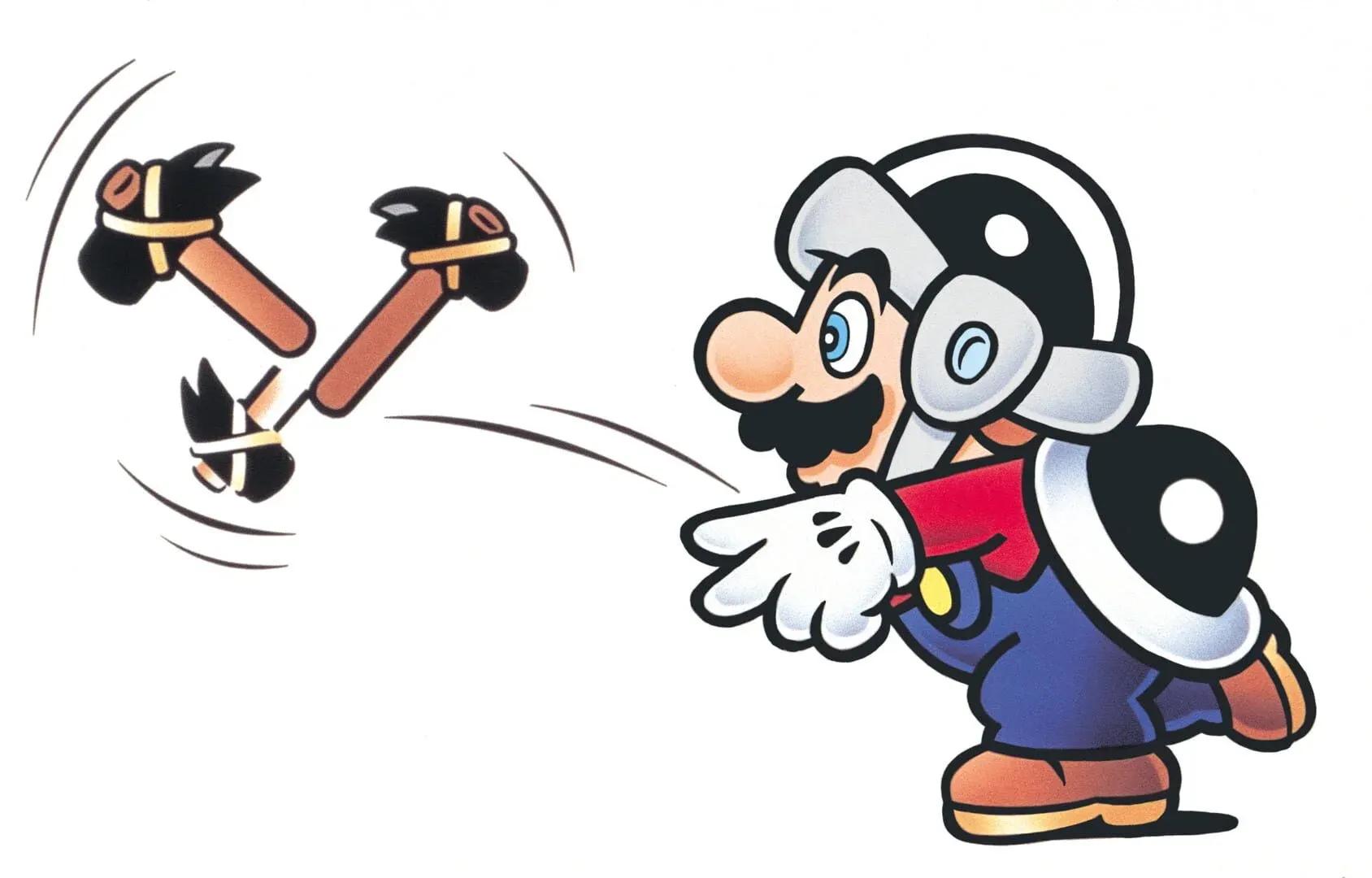
- Hammer Suit blocks most enemy projectiles
- P-Wing enables extended flight across an entire level
Super Mario Bros. 3 content image
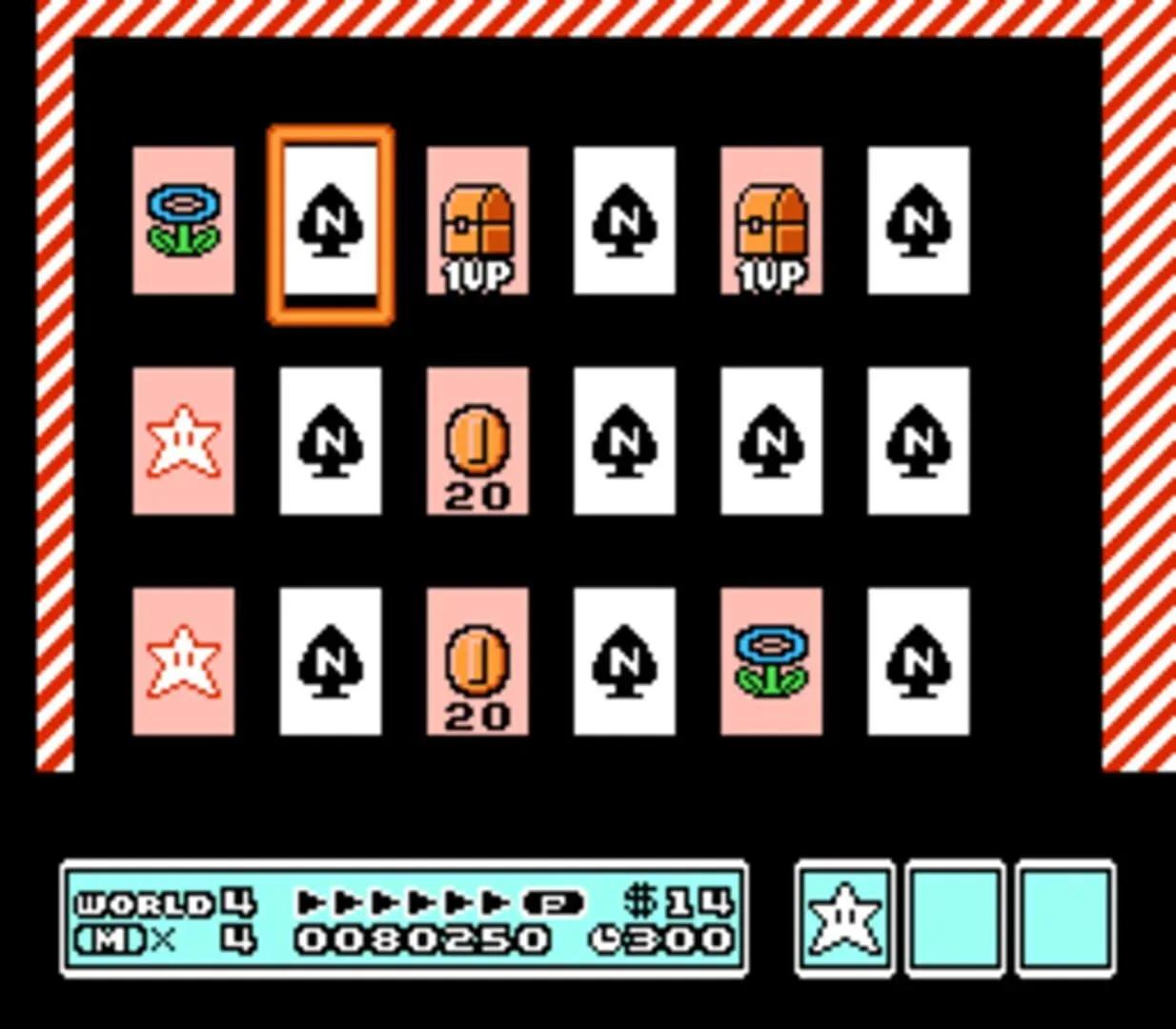
The world map is where Super Mario Bros. 3 separates itself from straightforward level-select screens. Each world map functions as its own mini-environment, with branching paths, Toad houses offering item rewards, and optional fortress levels that unlock shortcuts. Players can carry items between levels and choose when to use them, adding a light strategic layer to what is otherwise a reflex-driven game.
World and setting
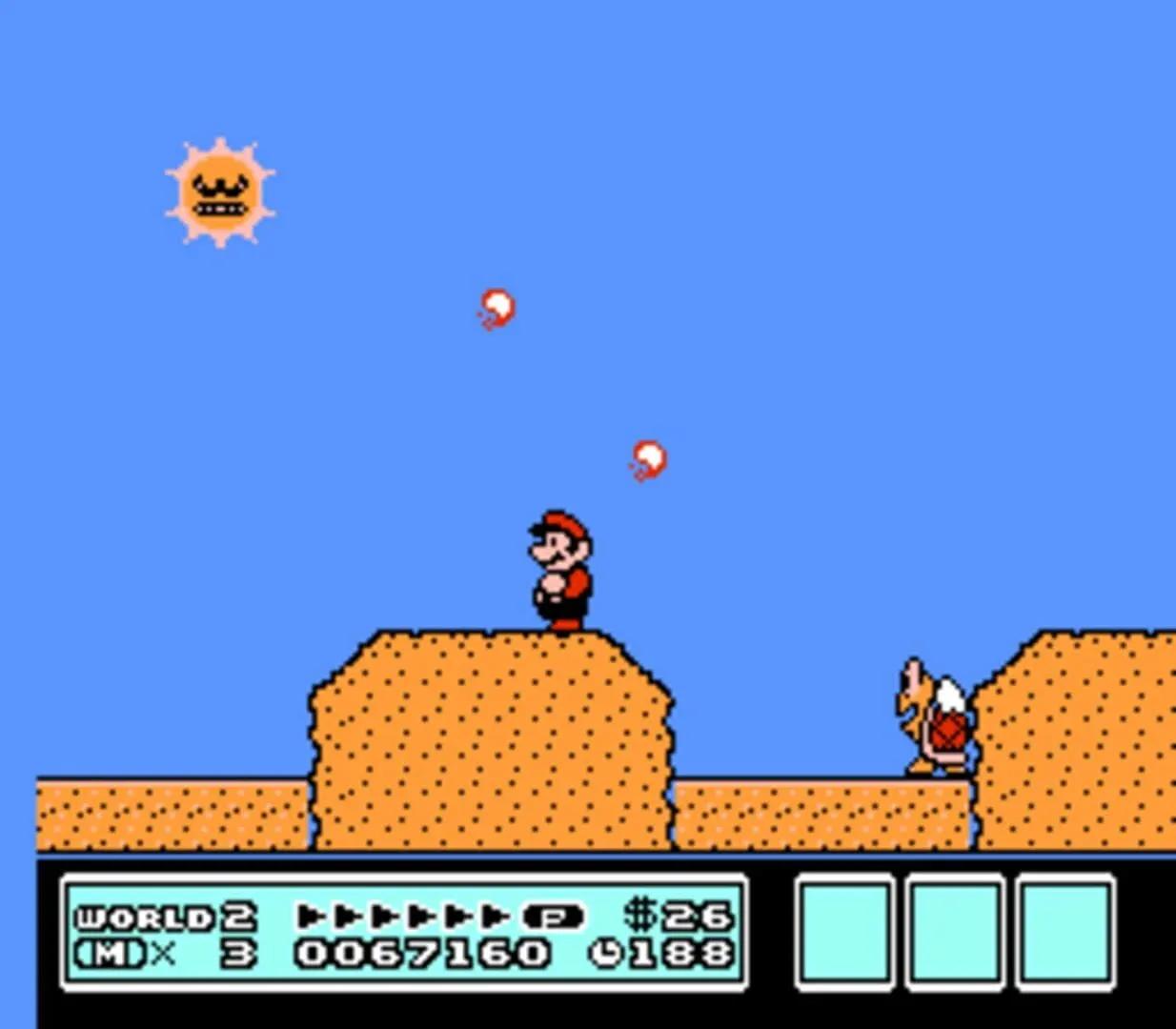
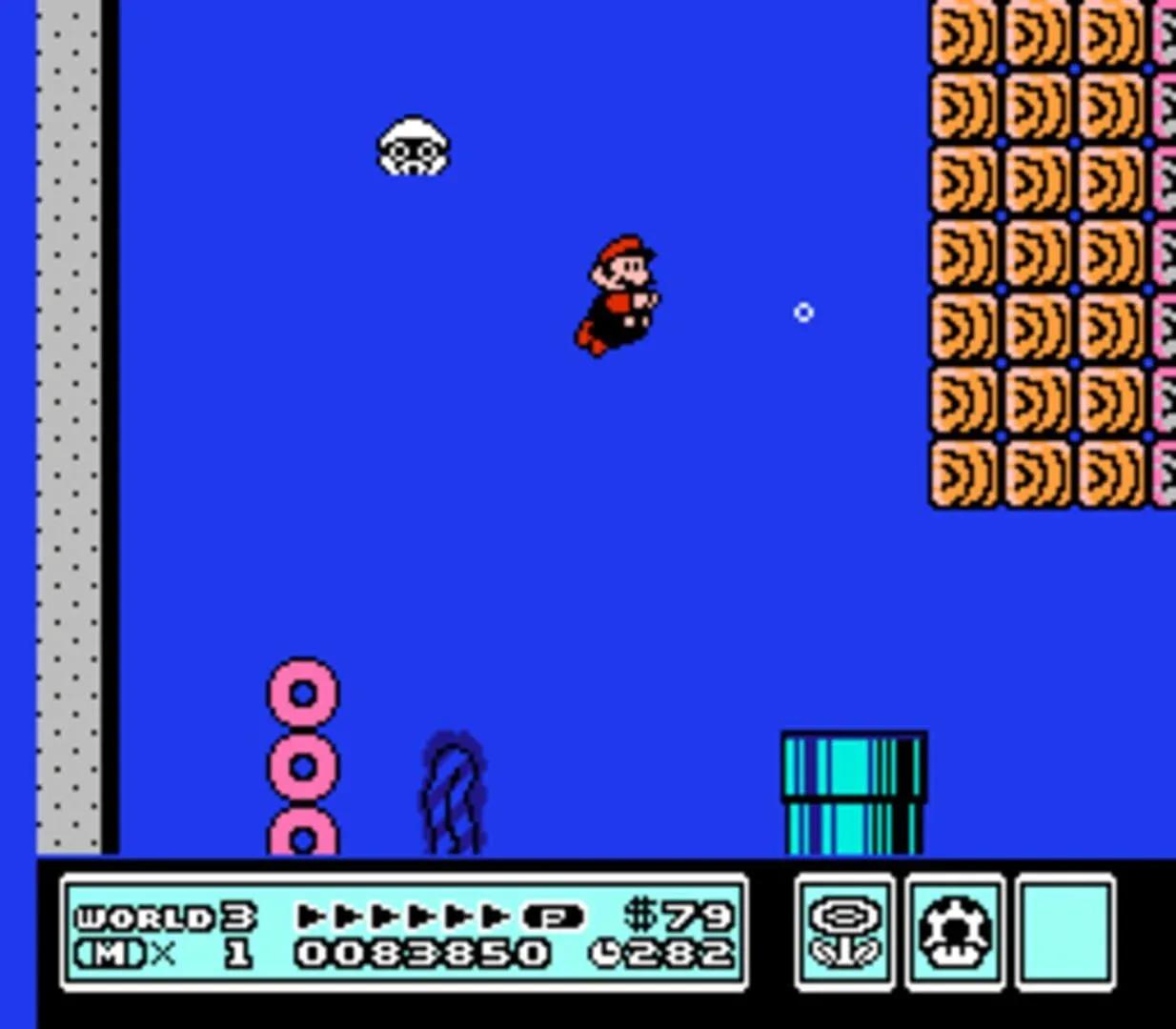
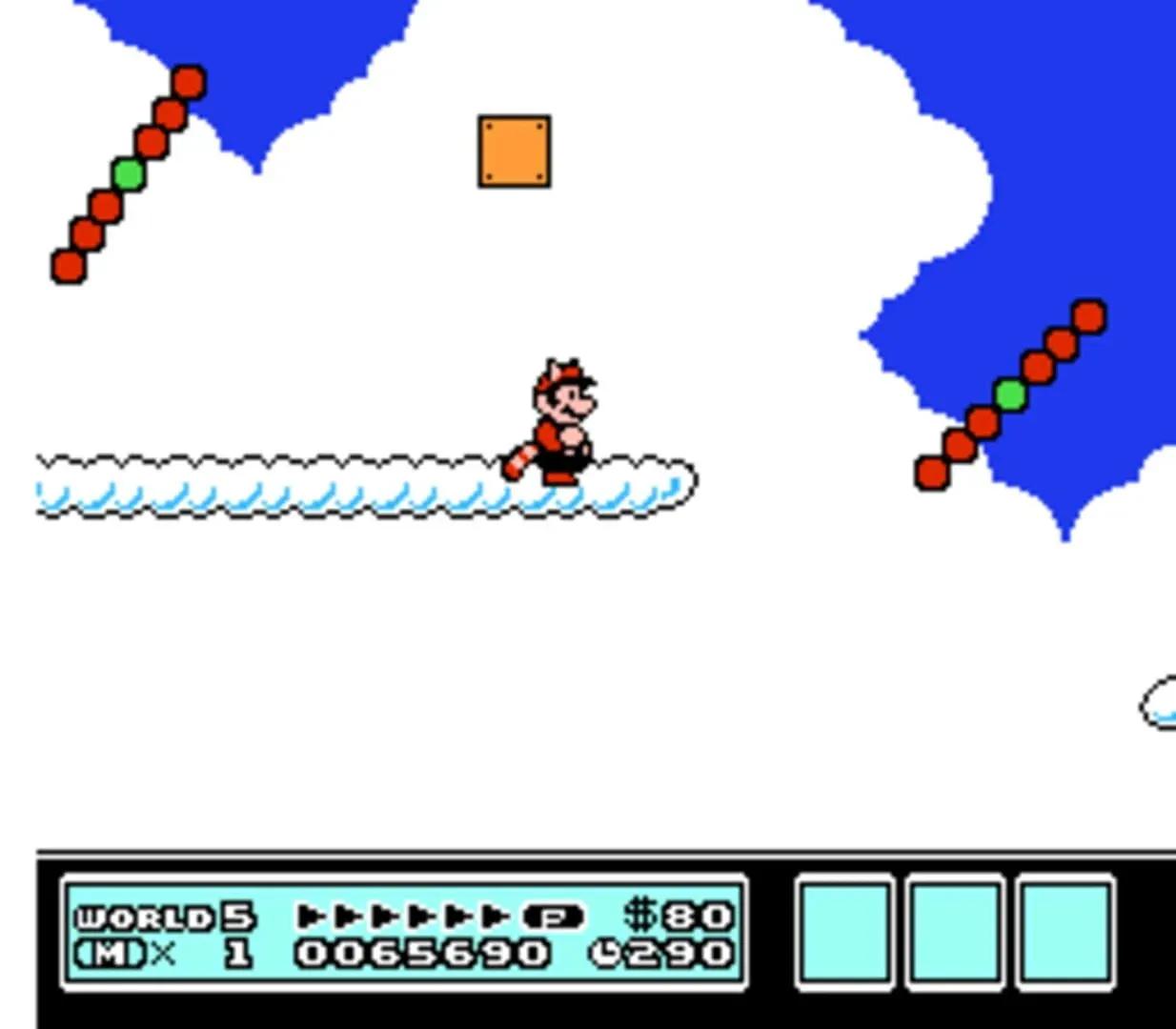
Each of the eight worlds has a distinct visual identity and mechanical theme. World 3 is a water-heavy archipelago. World 4 is oversized, with giant enemies and enlarged pipes. World 7 sits in the clouds. These are not just aesthetic differences; the environments change how levels are built and what movement options feel most useful.
Super Mario Bros. 3 content image
The Mushroom World itself has a storybook quality to it. The overworld maps are drawn in a flat, illustrated style that makes the whole thing feel like a board game come to life. That visual framing, combined with the theatrical curtain that opens each session, gave the game a playful self-awareness that set it apart from more straightforward action titles of the era.
Impact and legacy
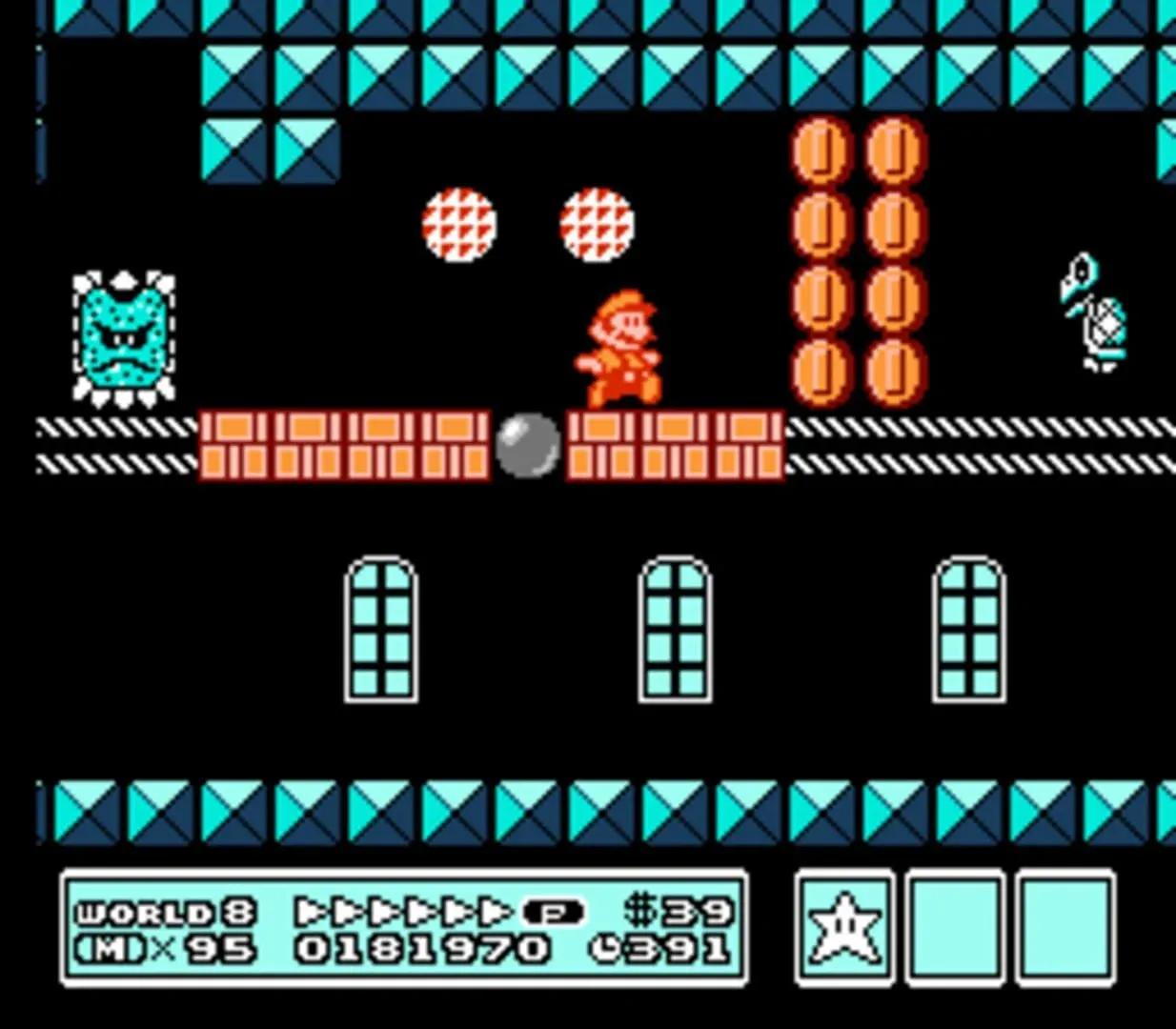
Super Mario Bros. 3 is consistently cited as one of the best games ever made, and that judgment is backed by decades of consistent re-releases and continued player engagement. It appeared on the Super Nintendo via Super Mario All-Stars in 1993, arrived on the Wii Virtual Console in 2007, and has been available through Nintendo Switch Online since 2019. The game has never really left circulation.
Super Mario Bros. 3 content image
Its design philosophy, giving players tools and trusting them to experiment, became a template for platform game design throughout the 1990s. The Koopalings went on to appear in dozens of subsequent Mario titles. The Tanooki Suit became one of the most recognizable power-ups in gaming. Super Mario Bros. 3 did not just succeed as a product; it shaped the genre it belongs to.