Overview
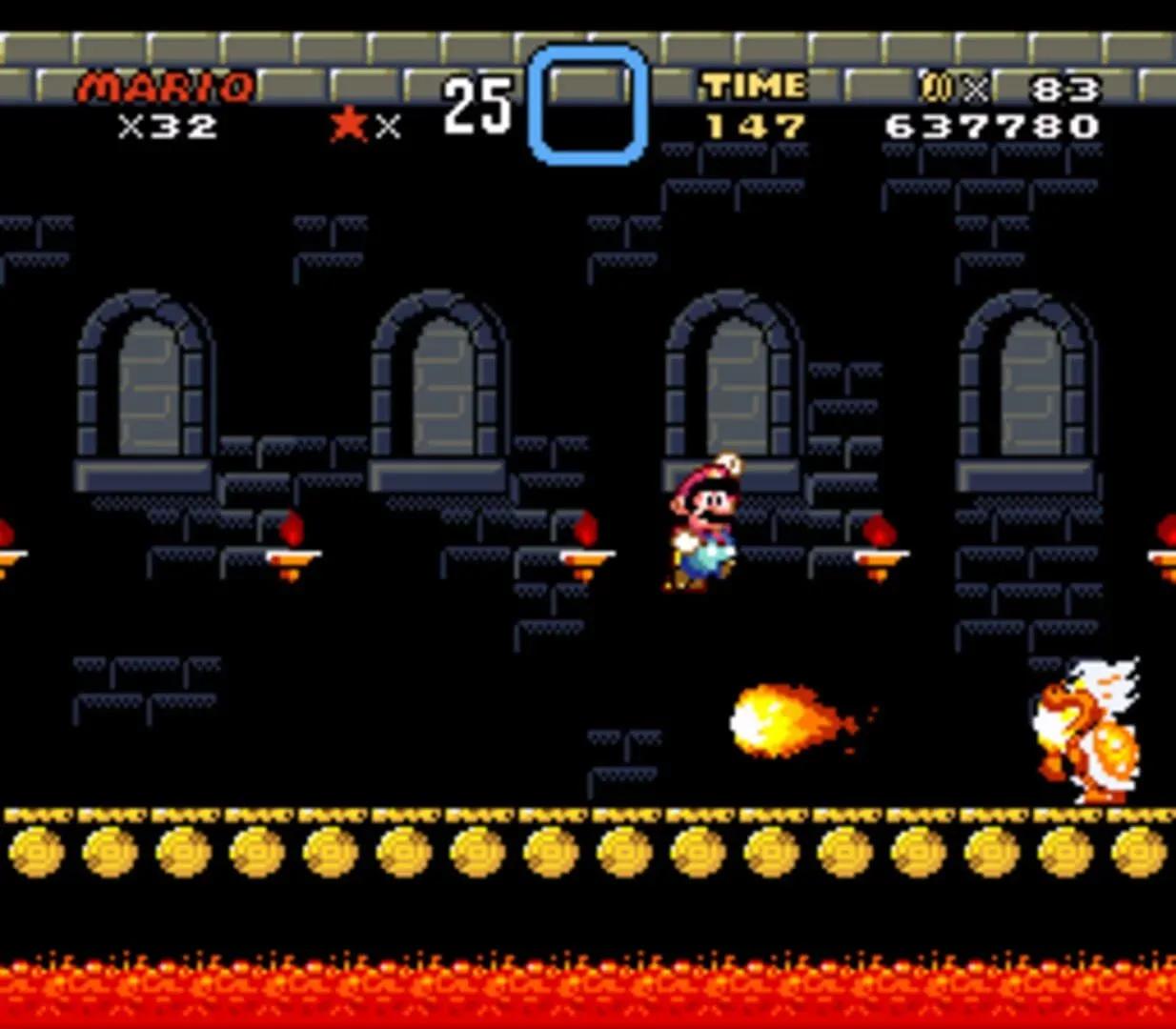
Super Mario World arrived as a launch title for the Super Nintendo Entertainment System in November 1990, and it immediately made clear that Nintendo's new hardware wasn't just an upgrade, it was a reinvention. Developed by Nintendo Entertainment Analysis & Development, the game sends Mario and his brother Luigi into Dinosaur Land on what starts as a vacation and quickly becomes a full-scale rescue operation after Bowser kidnaps Princess Peach.
The scope here was unlike anything in the series at the time. Seven worlds sprawl across a non-linear map, with 96 exits hidden across dozens of stages. That number matters because Super Mario World doesn't just ask you to reach a flagpole. It asks you to find the second exit, the secret path, the hidden key that unlocks a shortcut you didn't know existed. Completionists still spend hours hunting down every last stage.
Super Mario World content image
Gameplay and mechanics
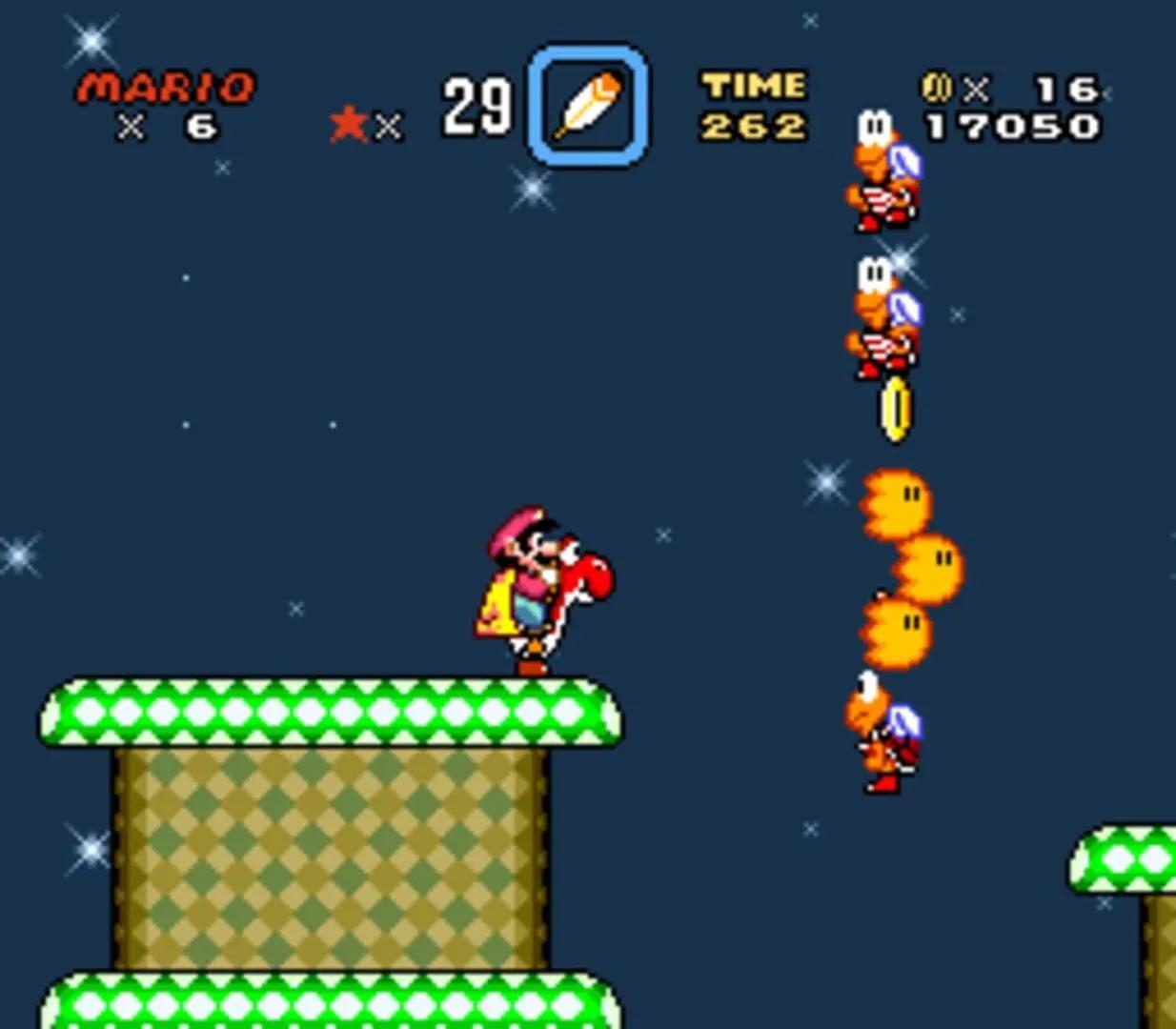
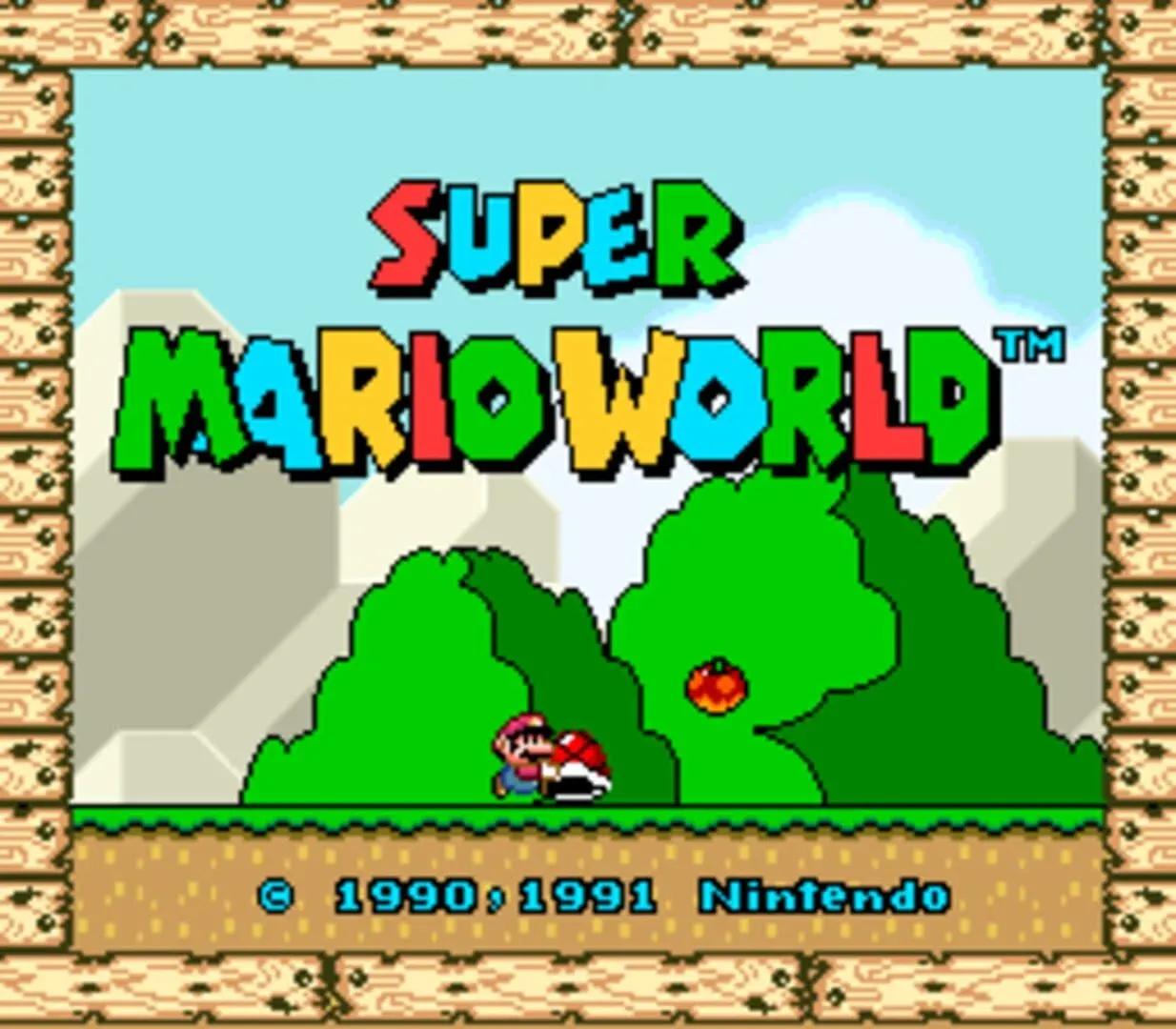
The core movement in Super Mario World is the tightest the franchise had seen up to that point. Mario runs, jumps, spins, and flies with a precision that makes replaying stages feel rewarding rather than repetitive. Key mechanics include:
Super Mario World content image
- Cape feather flight and spin attacks
- Yoshi's tongue grab and shell storage
- P-Balloon and Fire Flower power-ups
- Star Road secret exits
- Colored Yoshi variants with unique abilities
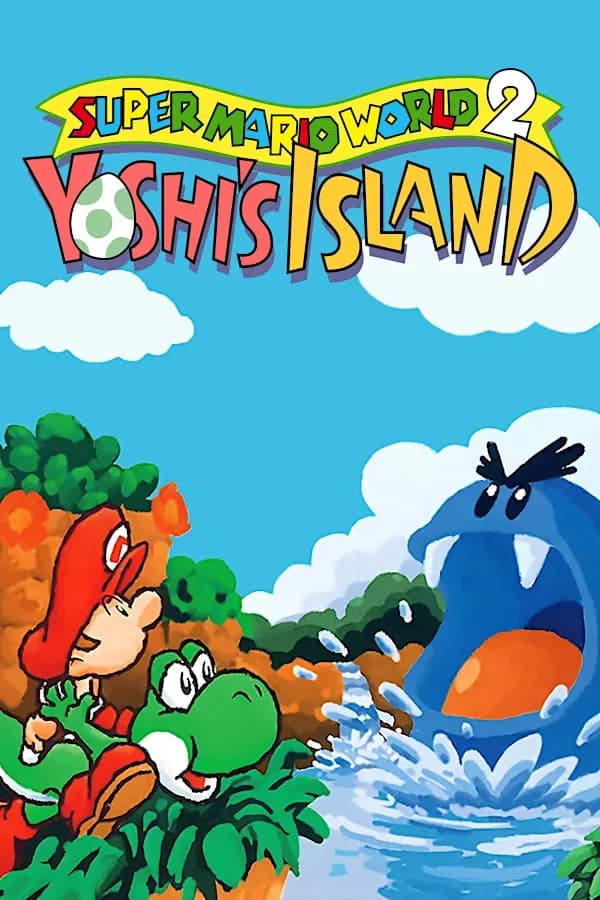
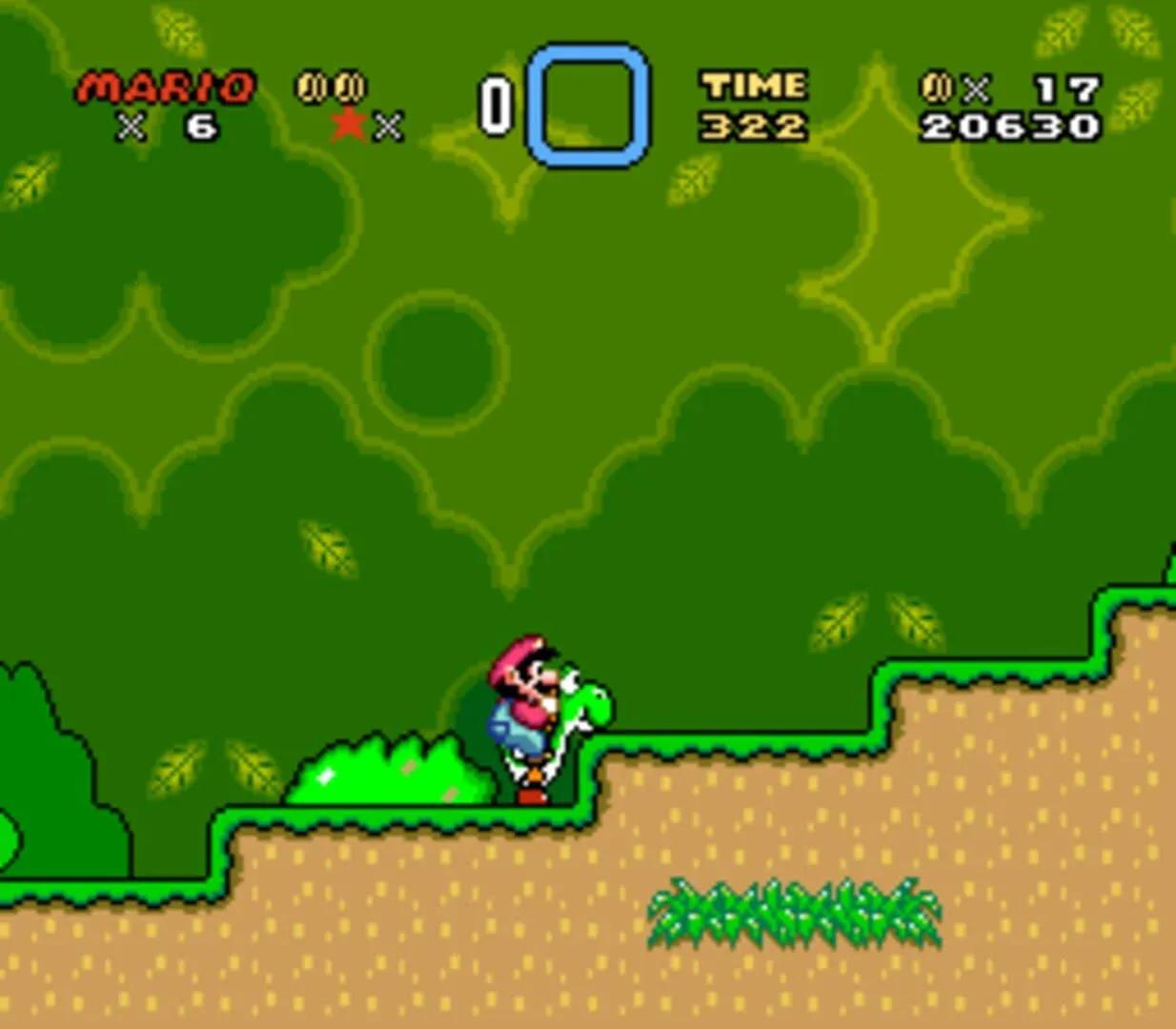
Yoshi is the real star of the mechanical additions. The dinosaur companion can swallow enemies, hold shells in his mouth for delayed effects, and sprint into a flutter jump that bails Mario out of bad situations. Different colored Yoshis found in later stages each carry a unique ability tied to the shell color they hold, adding a layer of strategy to a game that could easily have coasted on its momentum.
What makes the world map so different from earlier Mario games?
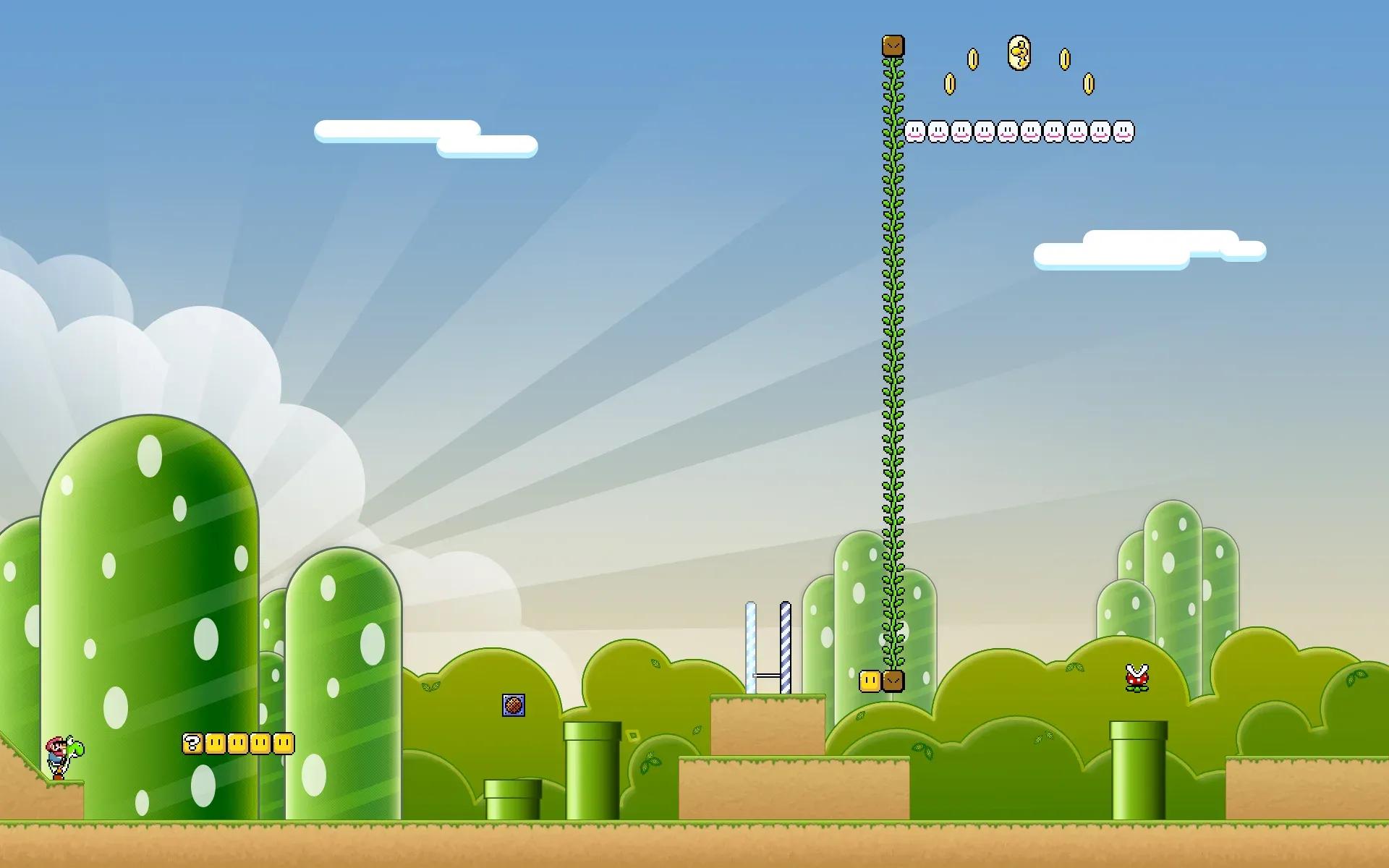
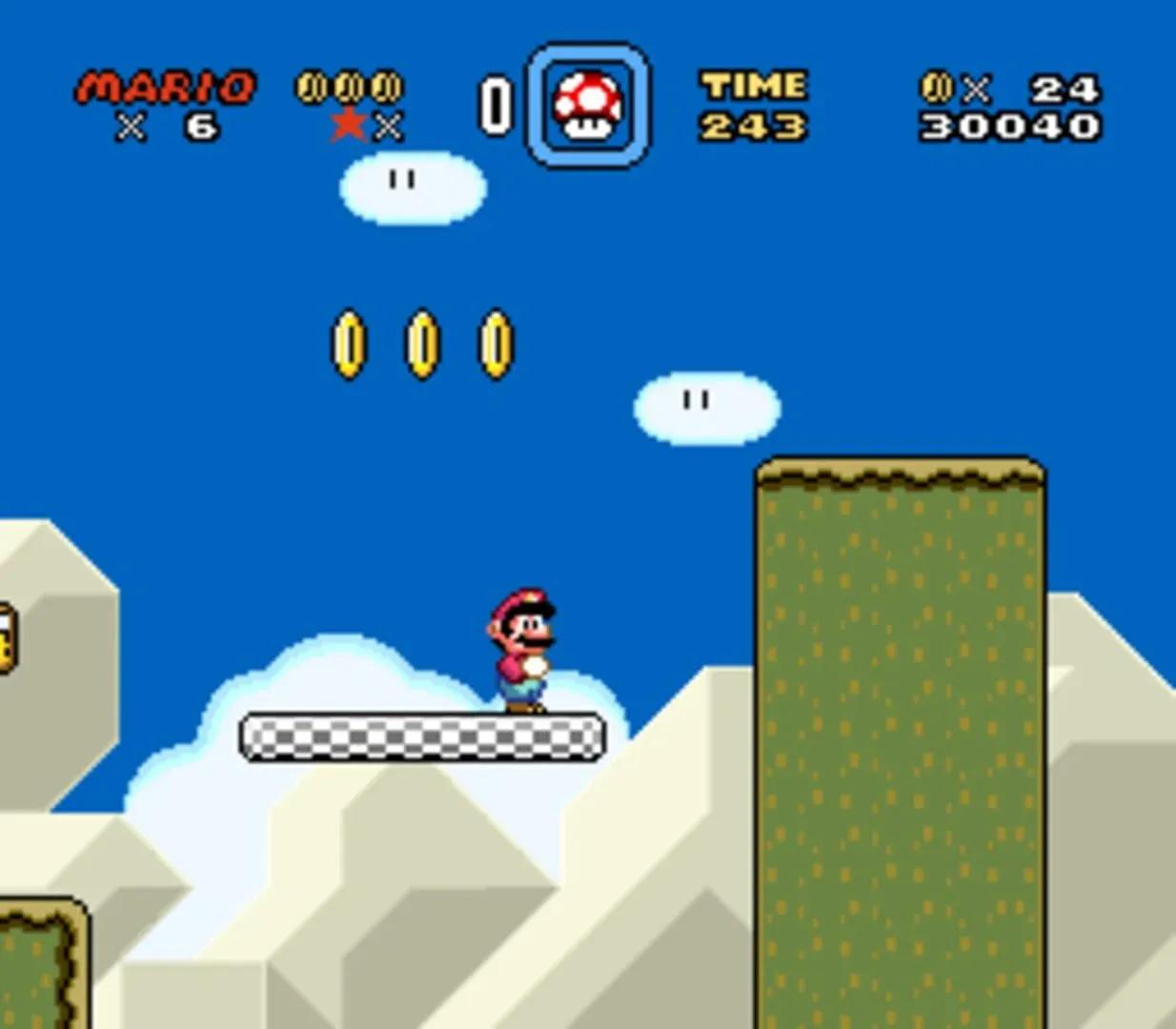
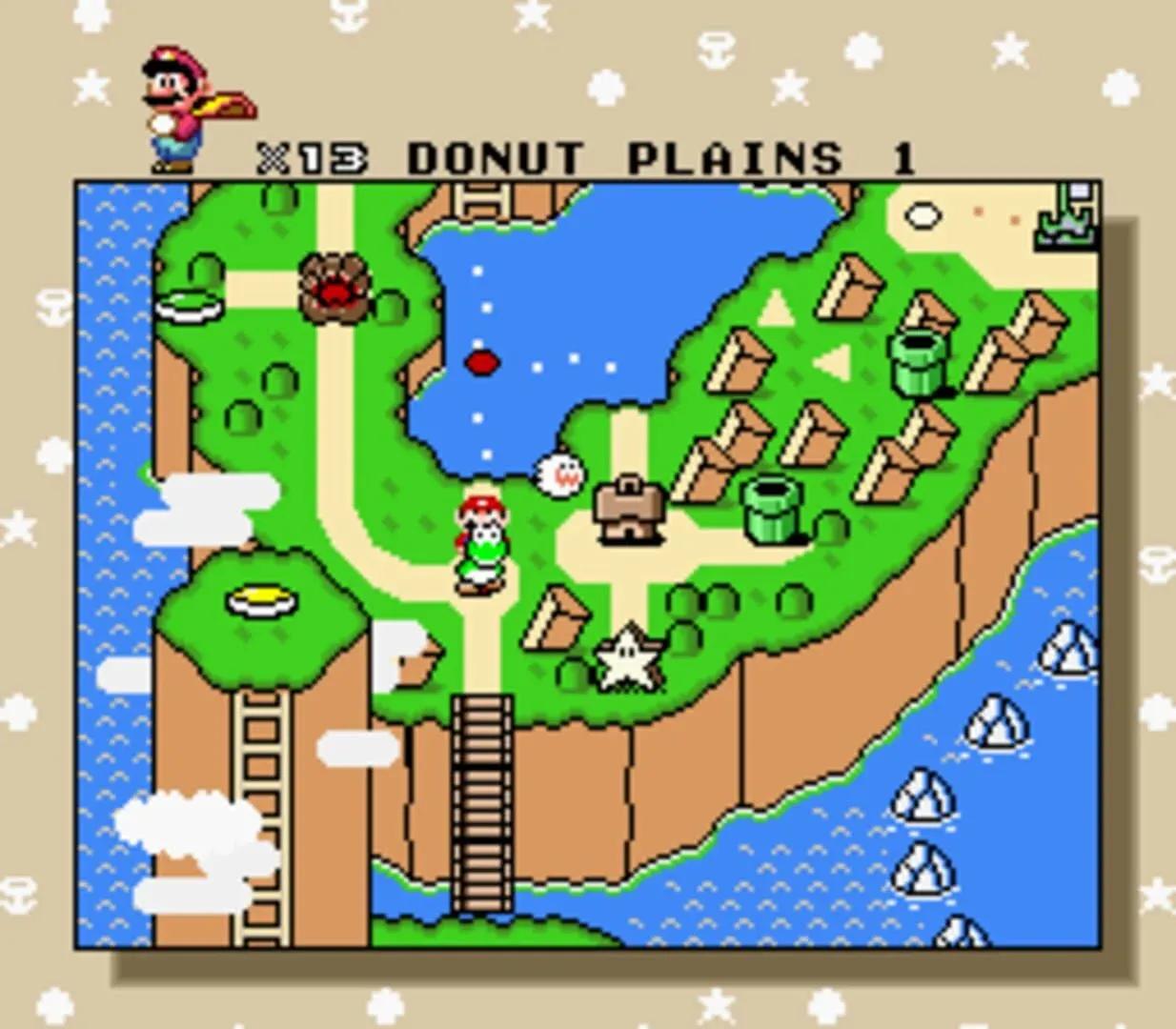
Previous entries in the franchise used a largely linear world map that marched players from stage to stage with little deviation. Super Mario World scraps that approach entirely. The Dinosaur Land map branches constantly, hiding Ghost Houses, fortresses, and switch palaces behind paths that only open when you find the right exit. Some stages have two completely different routes through them, and clearing both unlocks new sections of the map that other players might never see.
Super Mario World content image
This design philosophy means two players can finish the game with wildly different experiences. One might sprint through the main path in a few hours. Another might spend a weekend locating every Star Road entrance and unlocking the Special World stages, which remix earlier levels with new obstacles and renamed tiles.
Impact and legacy
Super Mario World shipped with over 20 million copies sold across the SNES lifetime, making it one of the best-selling games of its era. Its influence on 2D platformer design is visible in nearly every side-scroller released in the decades since, from the branching world maps to the idea that a single game can hold dramatically more content than its completion percentage suggests.
Super Mario World content image
The game's art direction, with its bright color palette, expressive character animations, and distinctive enemy designs, gave the SNES a visual identity that stood apart from the competition. Koji Kondo's soundtrack remains instantly recognizable, blending jazzy percussion with melodic themes that change dynamically as stages progress. Decades after its original release, Super Mario World continues to anchor discussions about what 2D platformers can achieve when design, music, and mechanics all pull in the same direction.