Overview
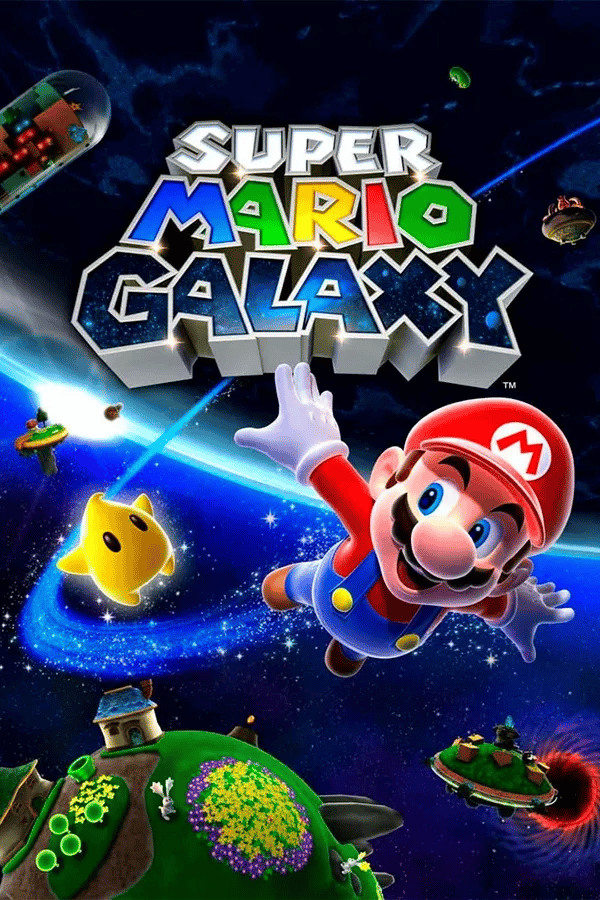
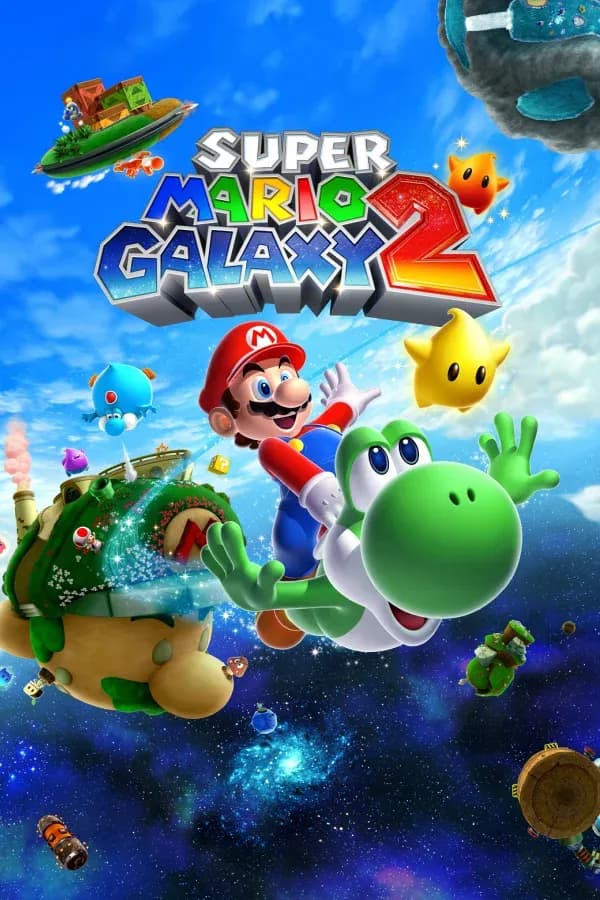
Super Mario 3D Land arrived on the Nintendo 3DS in November 2011, developed by Nintendo Entertainment Analysis & Development. The game positions itself as a bridge between two very different Mario traditions: the open, exploratory 3D worlds of Super Mario Galaxy and the linear, obstacle-course design of Super Mario Bros. 3. Rather than simply splitting the difference, it builds something distinct from both.
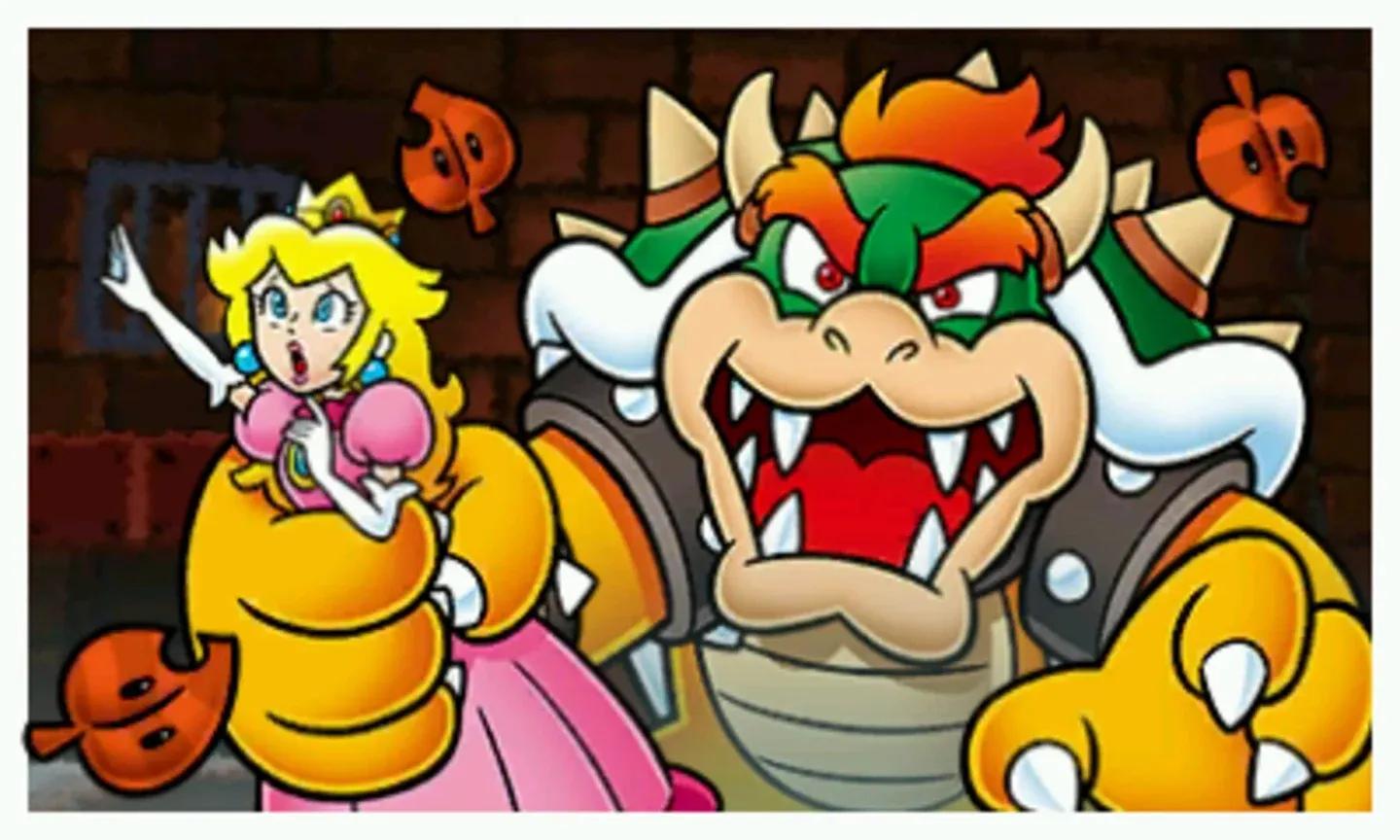
The setup is familiar. A storm strips the Tail Tree in the Mushroom Kingdom of its leaves, and Princess Peach disappears overnight. Mario finds nothing at the tree except an envelope containing a photograph of Peach in Bowser's grip. The rescue mission begins immediately, with no pretense of complexity. That directness carries through every design decision in the game.
Gameplay and mechanics
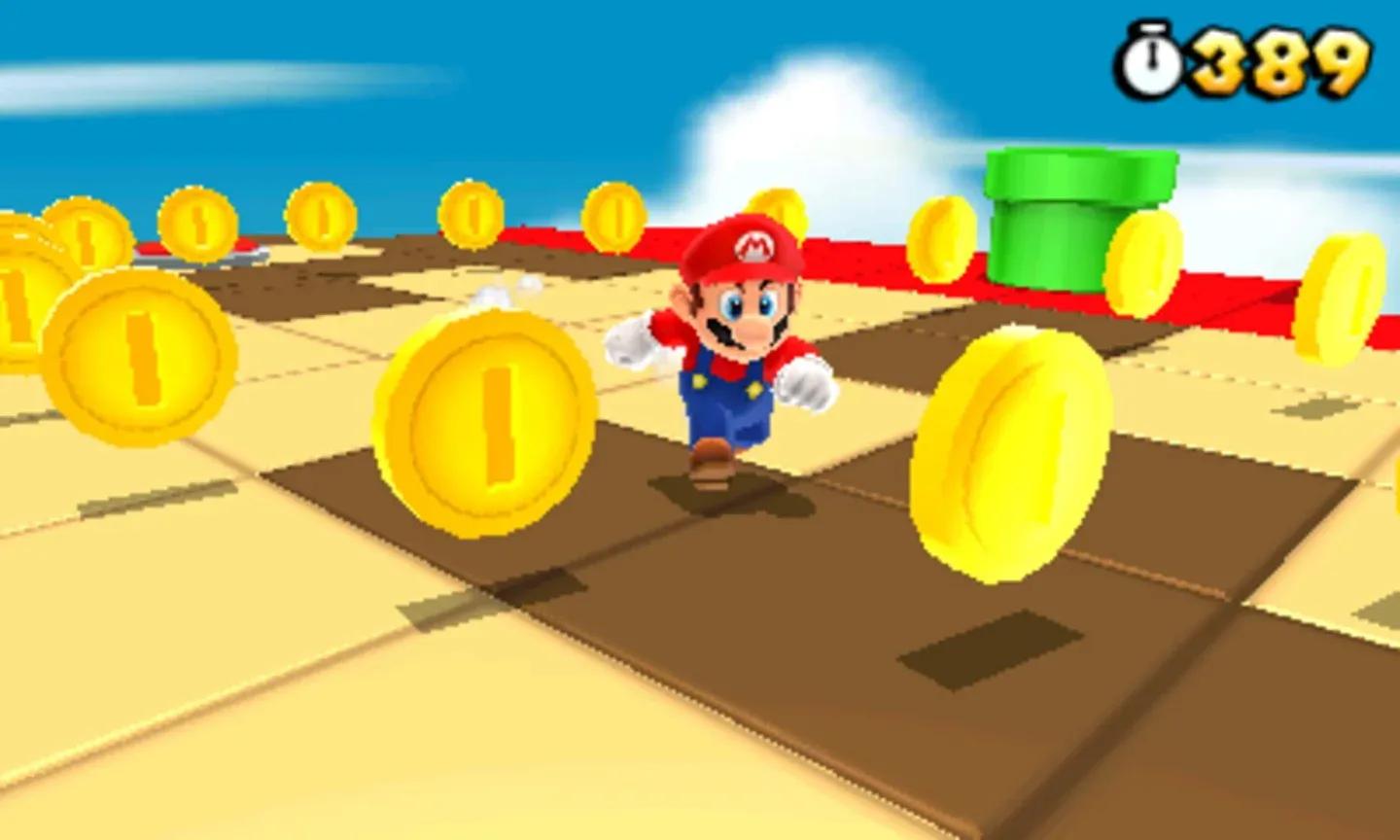
The core loop is built around short, focused levels that each present a clear challenge and a flagpole finish. Unlike the sprawling hub worlds of Super Mario 64 or the galaxy-hopping of its space-set successors, 3D Land organizes its content into a world map that any Super Mario Bros. veteran will recognize instantly. Levels take roughly two to three minutes to complete, which makes the game exceptionally well-suited to handheld play.
Super Mario 3D Land content image
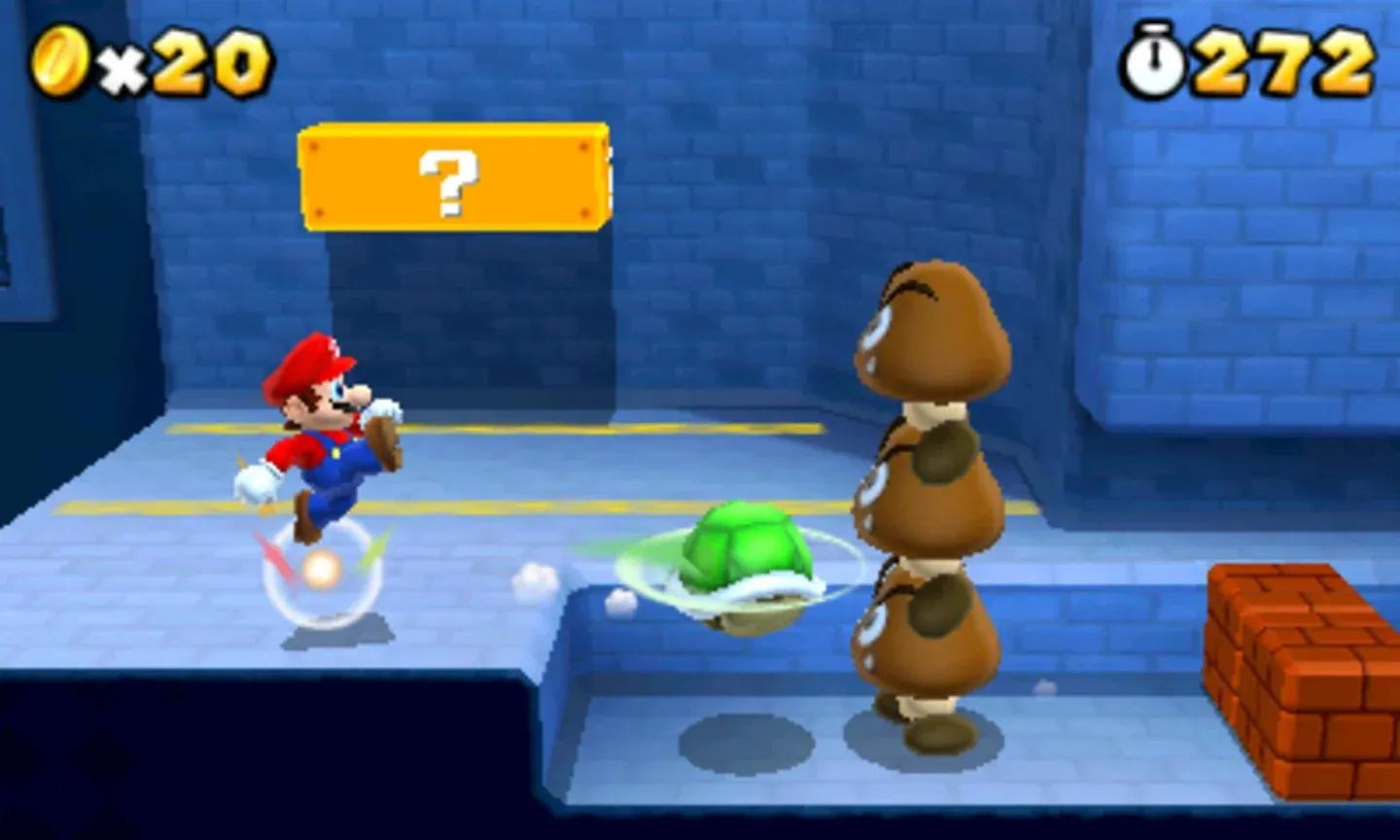
Key mechanics that define the experience:
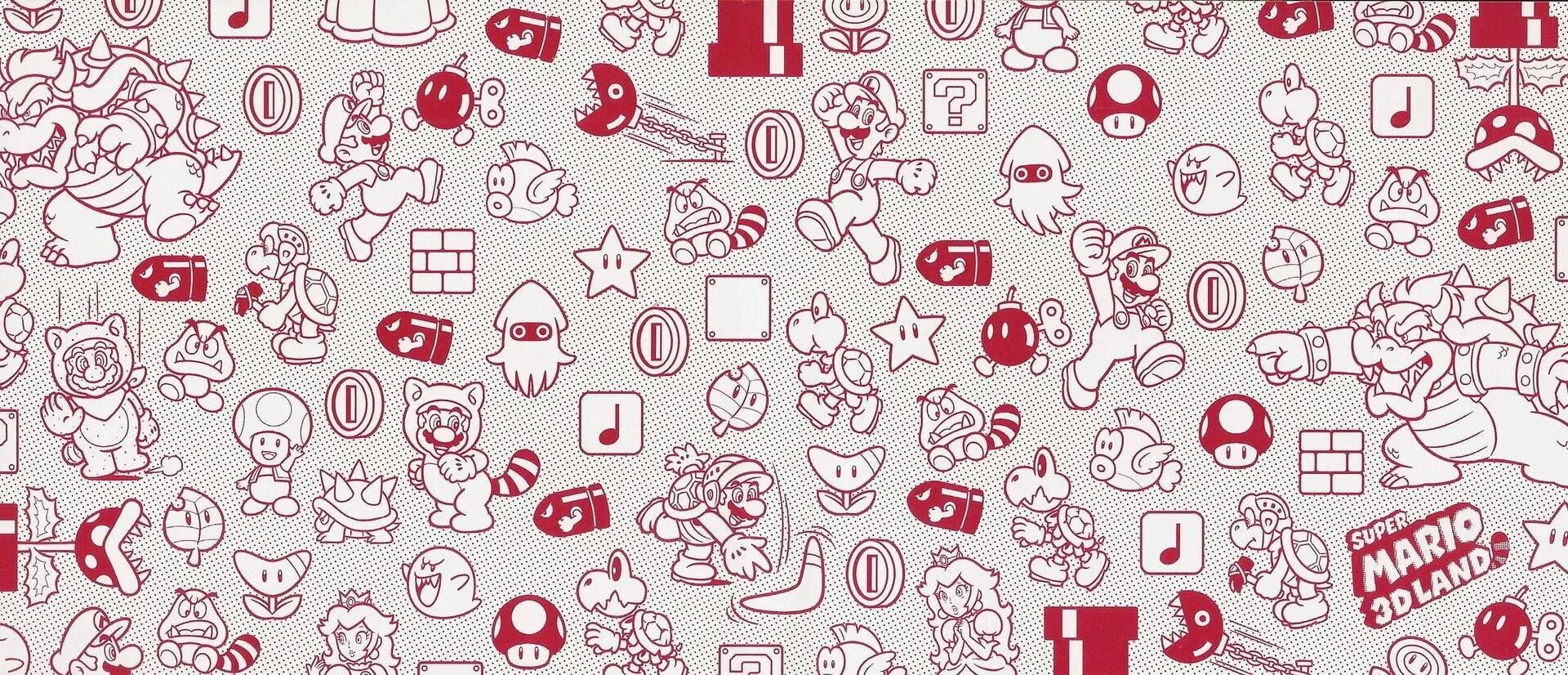
- Tanooki Suit returns as the signature power-up
- Boomerang Flower adds a projectile combat option
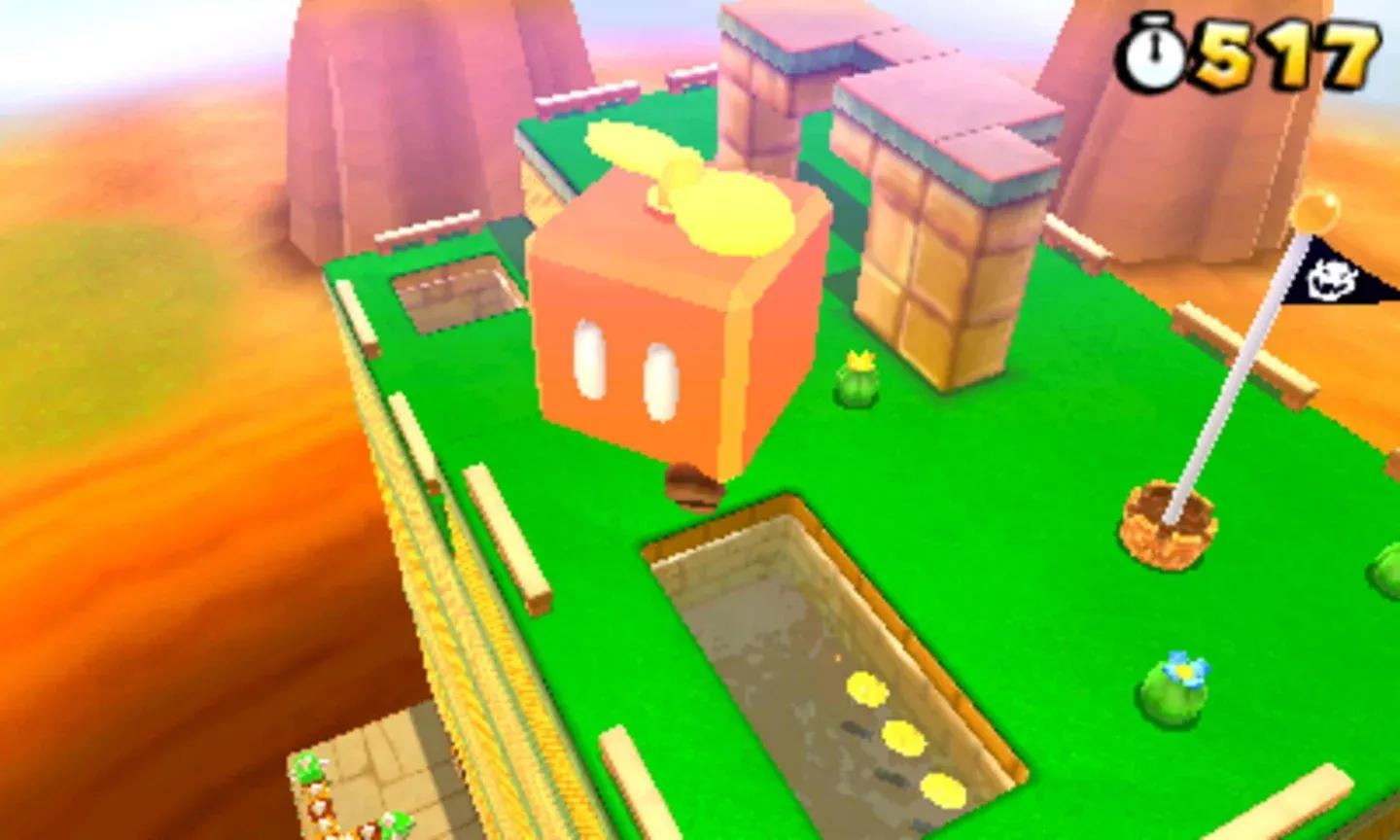
- Propeller Block enables vertical shortcuts
- Star Medals unlock later worlds
- Special Worlds extend the challenge after the credits
Super Mario 3D Land content image
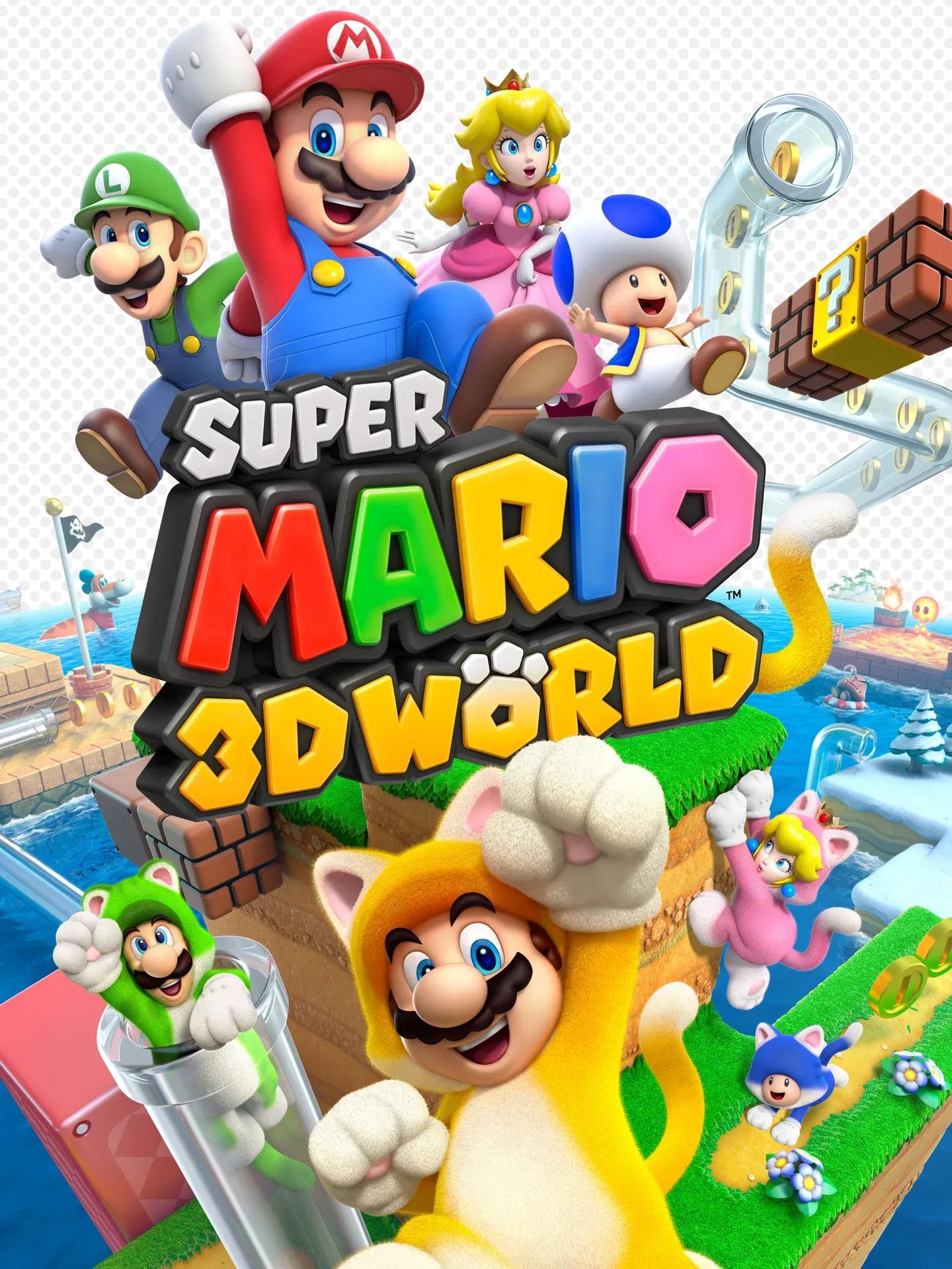
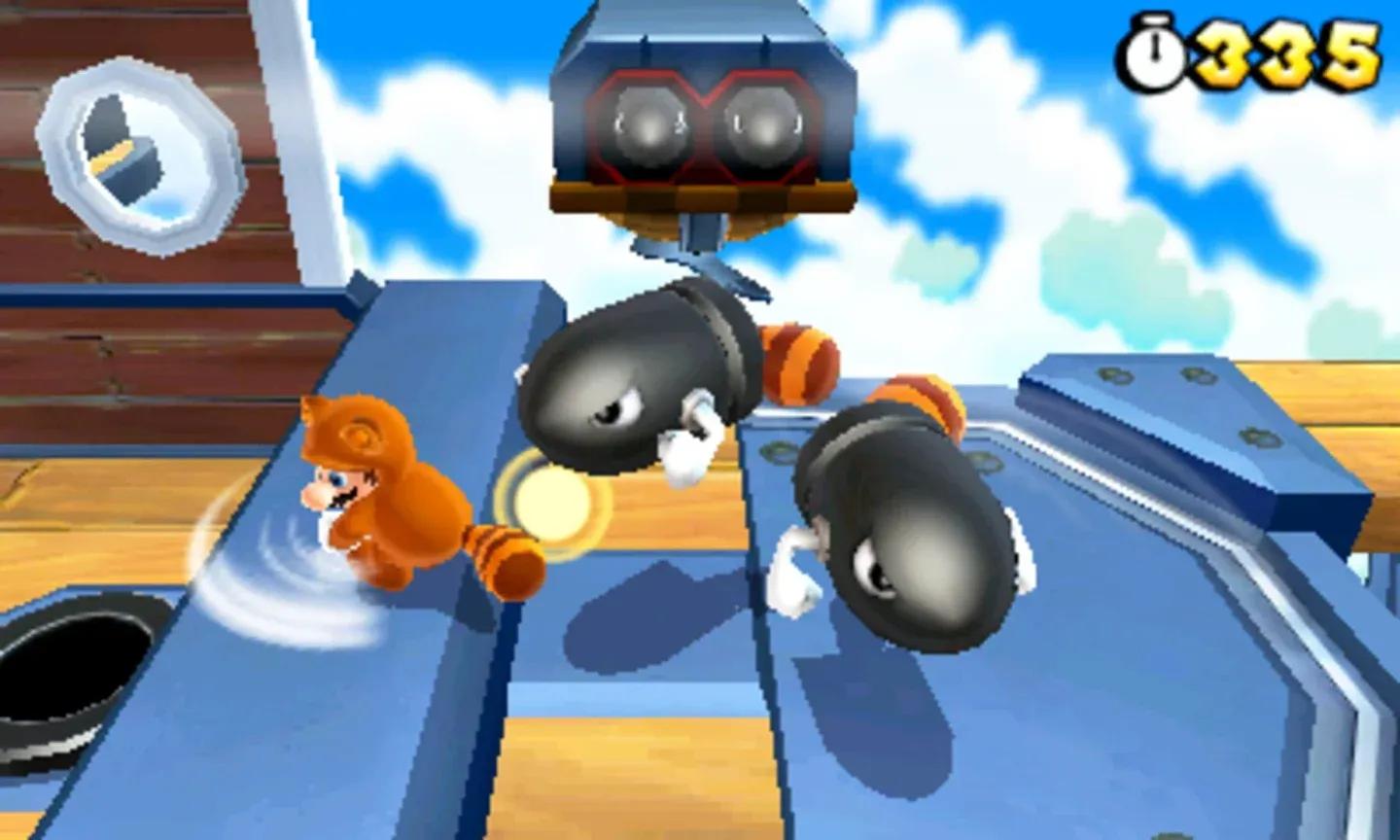
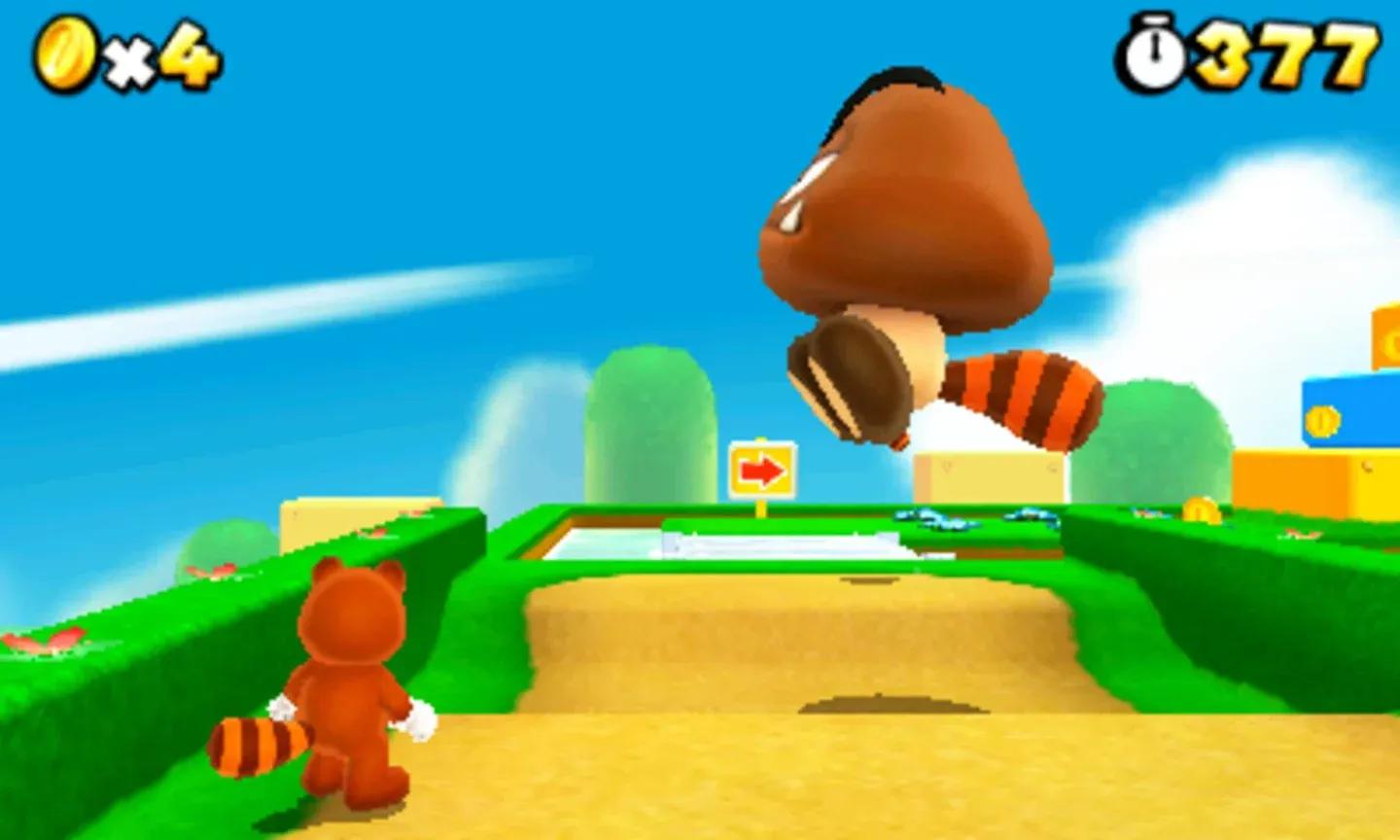
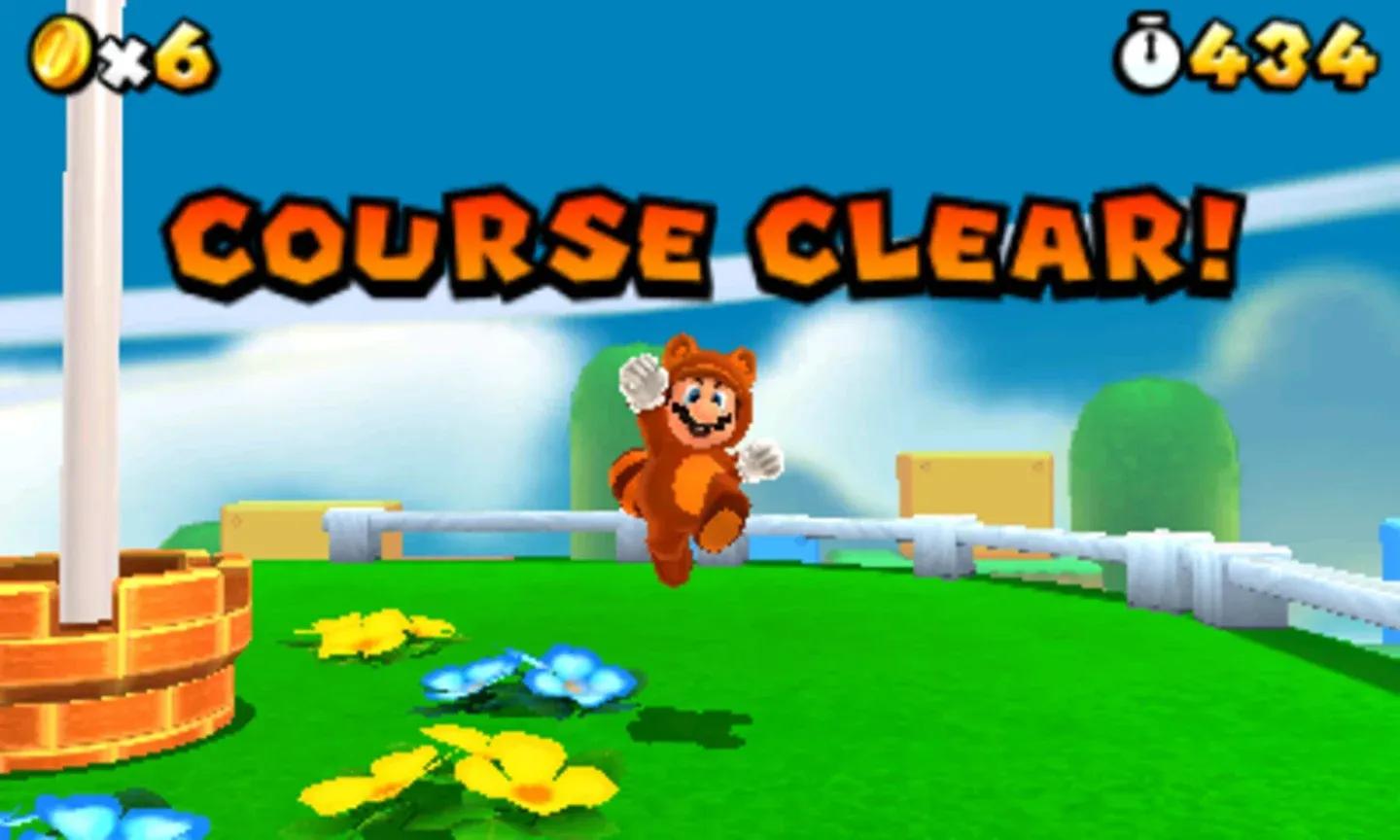
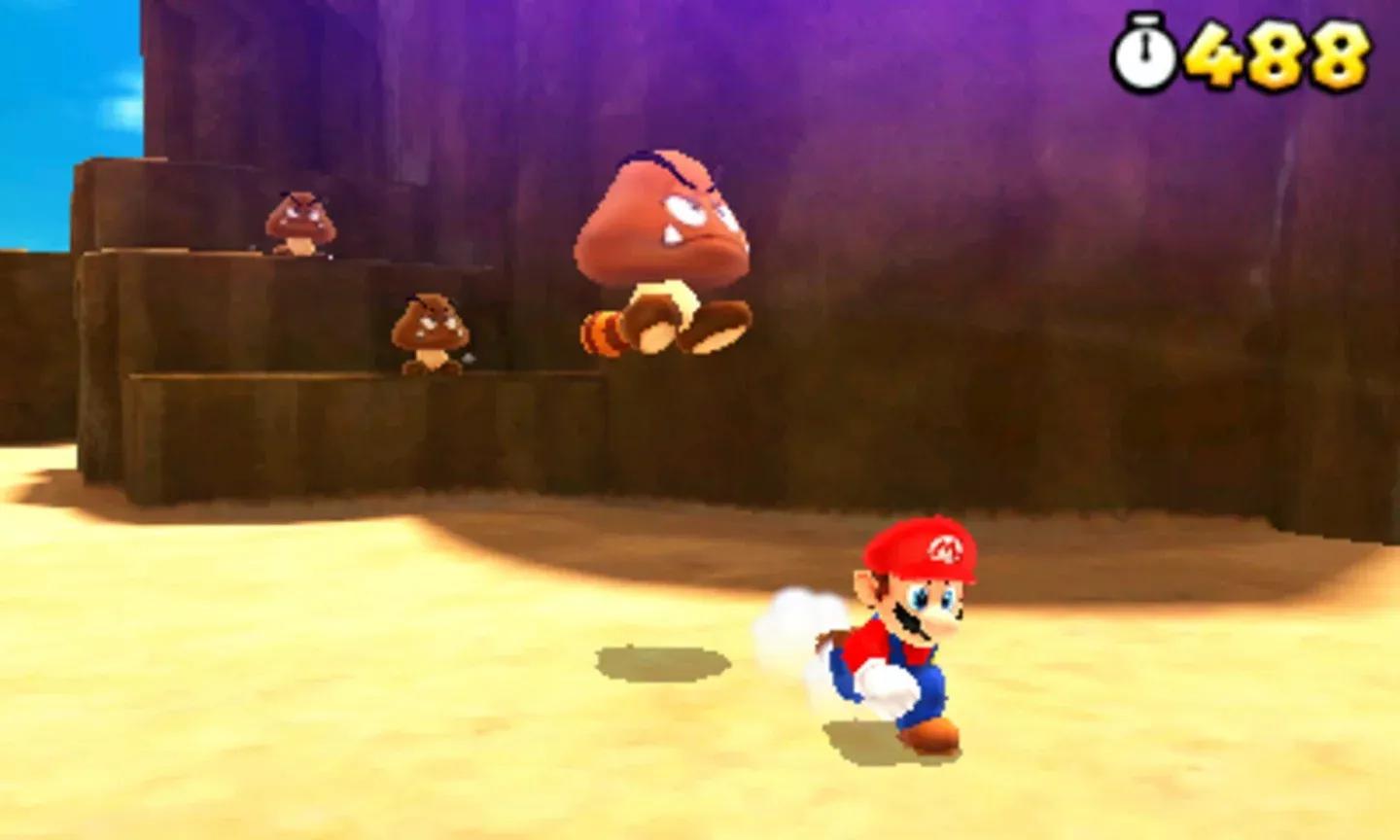
The Tanooki Suit is the game's most prominent power-up, letting Mario float briefly after jumps and attack enemies with a tail swipe. It reappears here as a direct callback to Super Mario Bros. 3, and its inclusion shapes the game's identity more than any single level design choice. Players who struggle with a stage can sometimes receive a special Tanooki suit that grants temporary invincibility, a mechanic that keeps the game moving without forcing players into frustrating loops.
What does the 3D add?
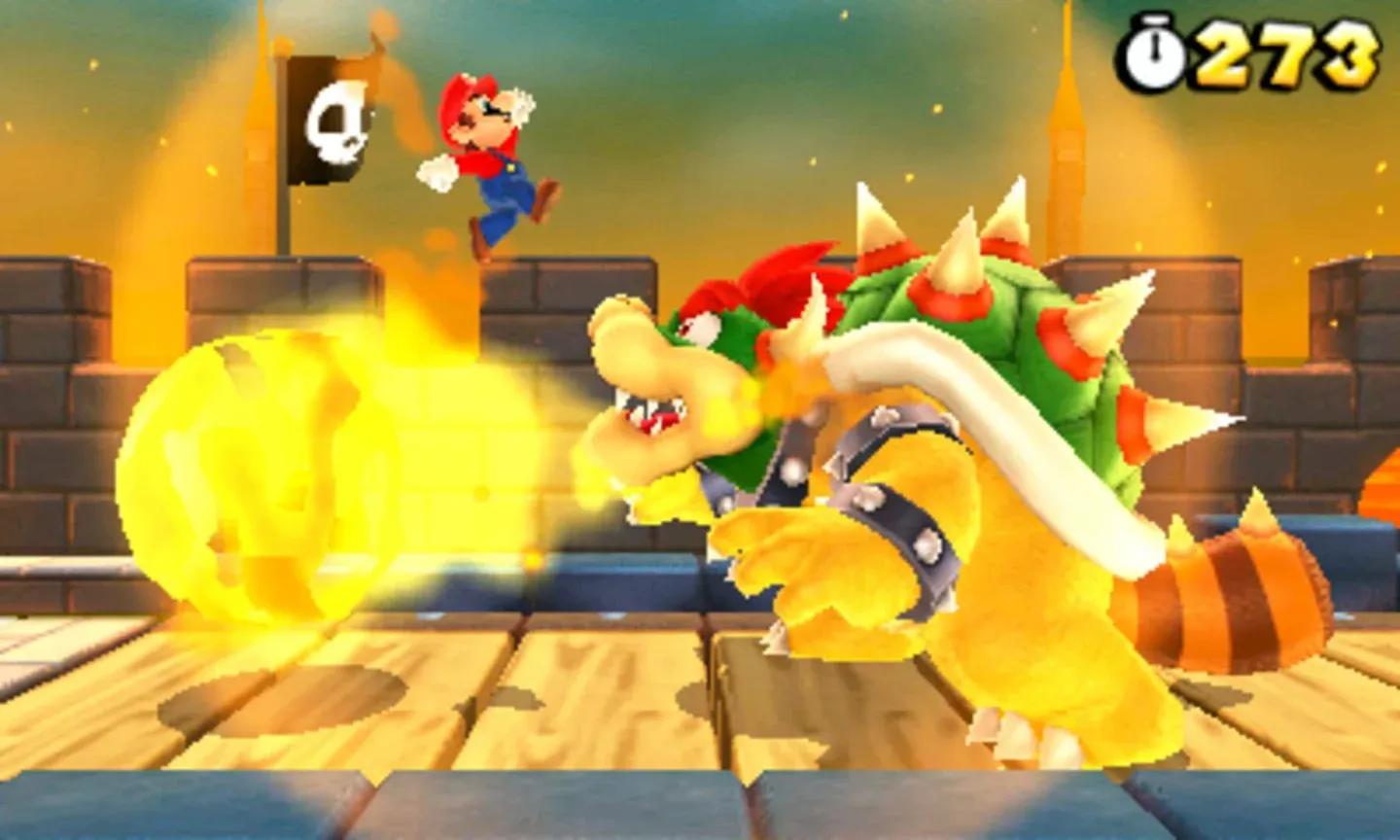
The 3DS stereoscopic 3D effect in this game is not cosmetic. Depth perception genuinely helps players judge distances between platforms, a problem that has plagued 3D platformers on flat screens since the genre began. Nintendo built levels specifically around this, using narrow platforms and projectiles aimed directly at the camera to make the effect functional rather than decorative.
Super Mario 3D Land content image
Beyond depth perception, the camera stays fixed or semi-fixed throughout most levels, which removes the frustration of manual camera control that complicates many 3D platformers. The result is a game that plays with the precision of a 2D Mario while occupying three-dimensional space.
Impact and legacy
Super Mario 3D Land sold over 12 million copies on the 3DS, making it one of the best-selling games on the platform. Its design philosophy directly informed Super Mario 3D World on the Wii U, which expanded the same formula to four-player co-op and a home console screen. The approach of using fixed cameras and linear level structures in a 3D Mario context proved durable enough to anchor two separate entries in the series.
Super Mario 3D Land content image
For anyone interested in 3D platformers with tight controls and a low barrier to entry, 3D Land remains a precise and confident piece of game design that holds up well over a decade after its release.