Overview
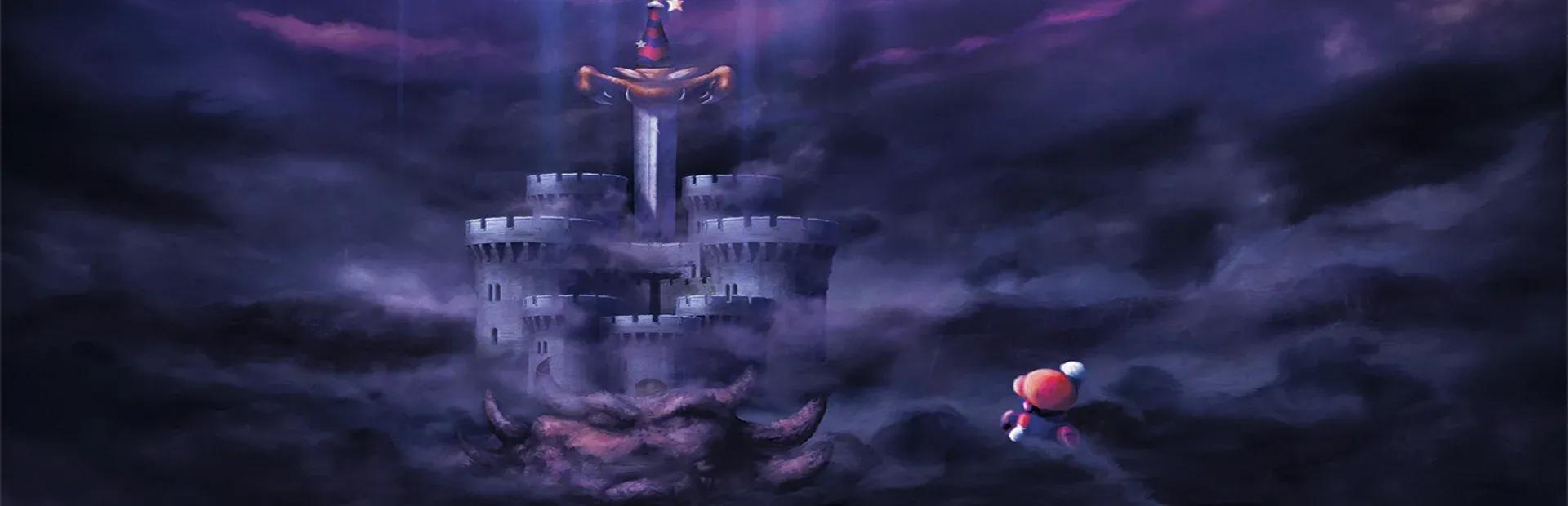
Super Mario RPG: Legend of the Seven Stars arrived in 1996 as a collaboration between Nintendo and Square, the studio behind Final Fantasy. The premise starts familiar enough: Mario heads to Bowser's castle to rescue Princess Toadstool. Then a massive sword named Smithy crashes through the roof, scatters the seven Star Pieces across the Mushroom Kingdom, and turns the whole rescue mission into something much stranger and more ambitious.
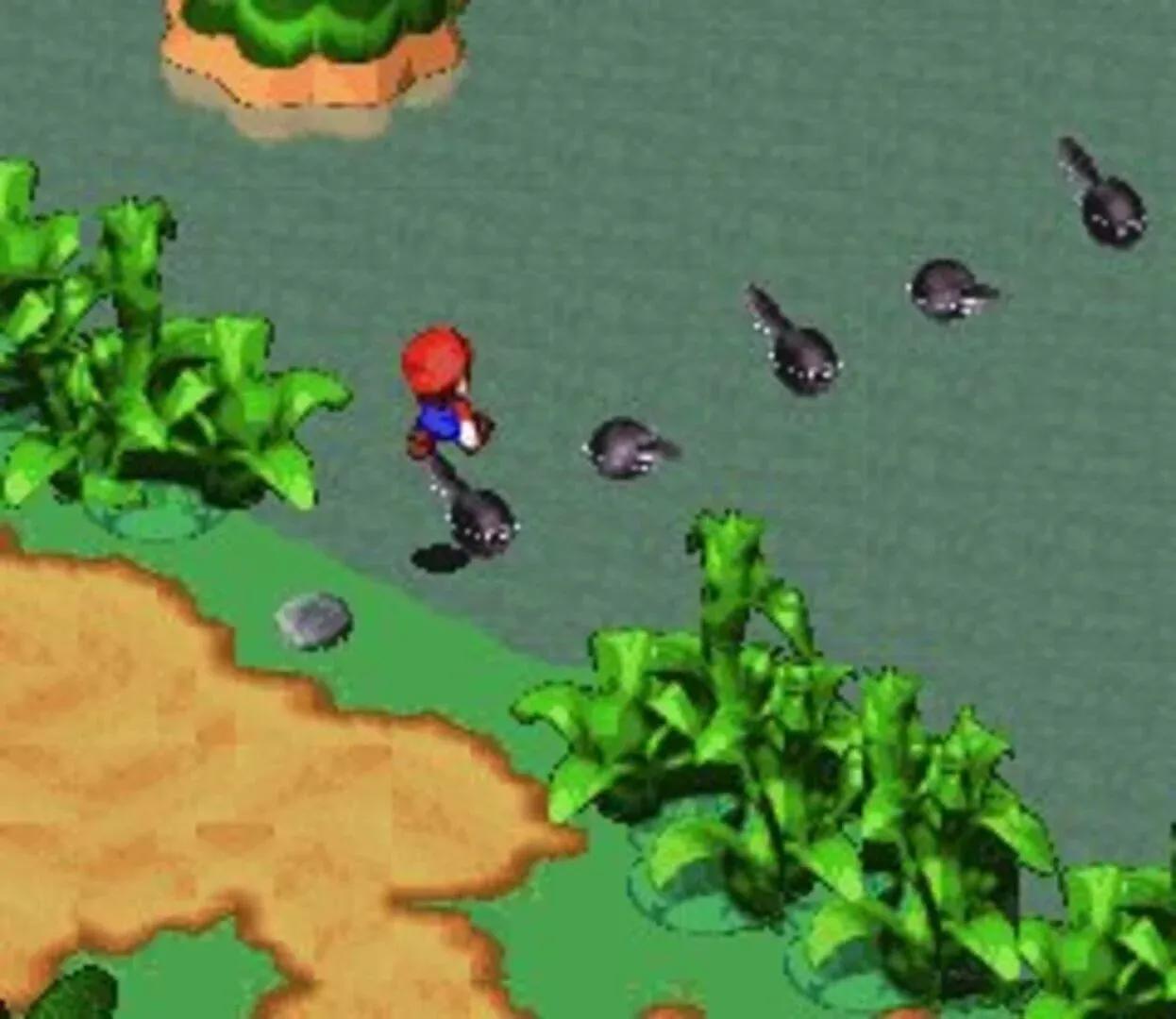
What followed was a JRPG built on the bones of the Mario universe but with Square's fingerprints all over the design. The Star Road, a pathway that makes wishes come true, is shattered, and Mario has to collect every piece to fix it. That quest takes him through deserts, mines, a sunken ship, a volcanic mountain, and a casino run by a frog. The tonal range is wide, and the game commits to every bit of it.
Super Mario RPG: Legend of the Seven Stars content image
The remake released on Nintendo Switch in November 2023 brought updated 3D visuals, rearranged music, and new post-game boss fights. The core game remained unchanged, which is either a compliment to the original design or a sign that nobody wanted to risk touching it.
Gameplay and mechanics
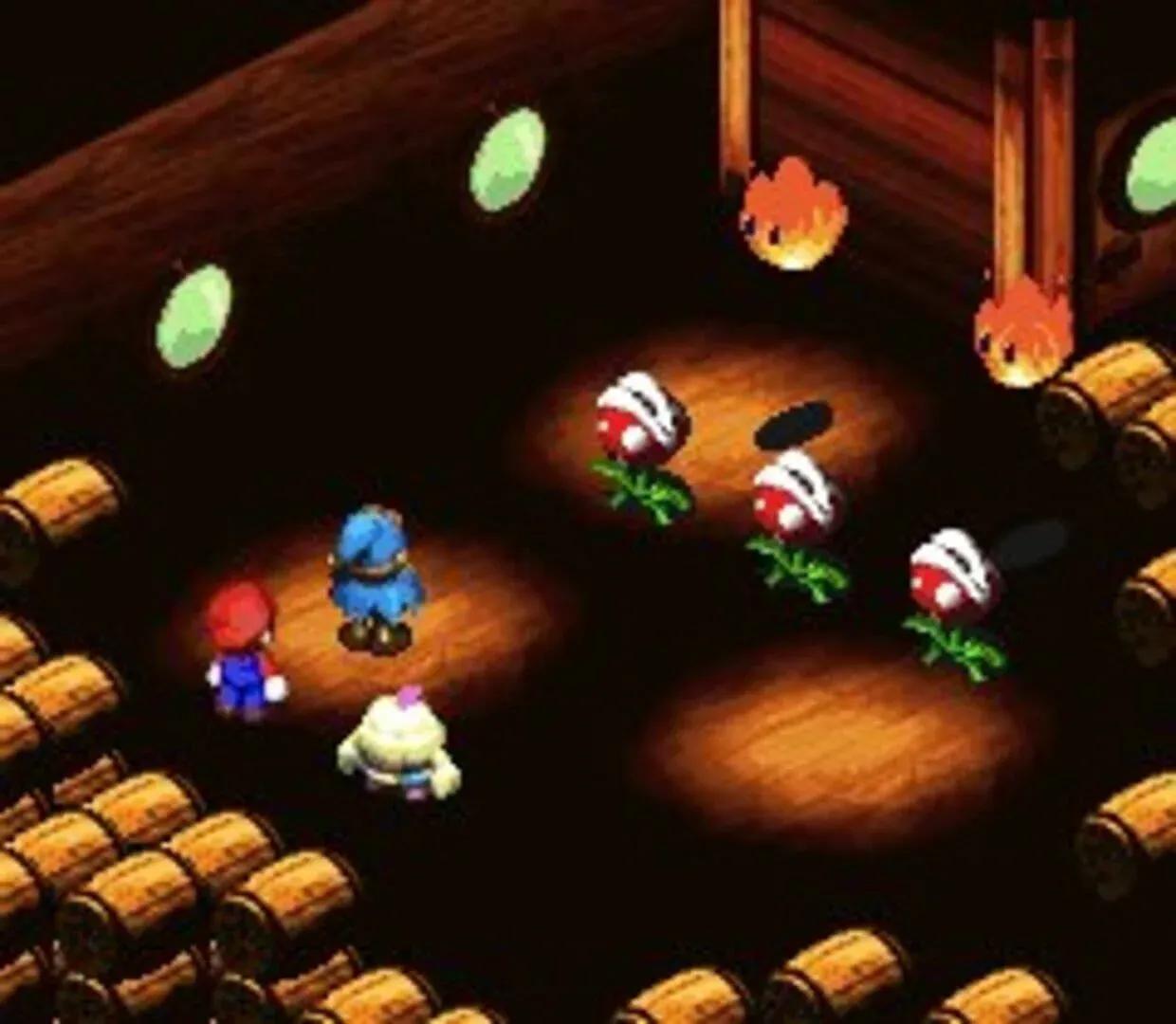
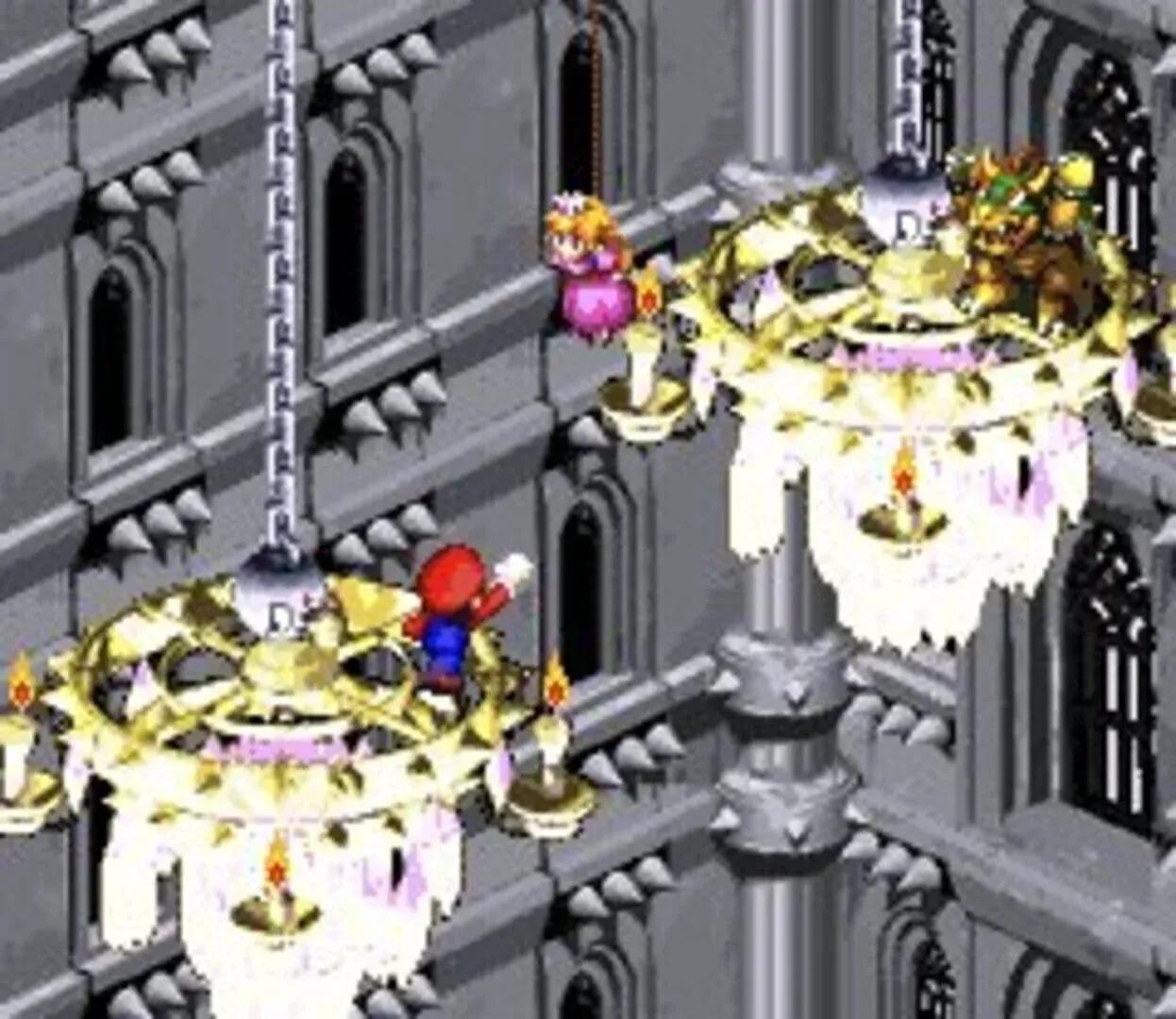
The combat system is where Super Mario RPG separates itself from other turn-based JRPGs of its era. Every attack has a timed input window: press the button at the right moment during Mario's jump and you deal extra damage. The same applies to blocking incoming hits. It sounds simple, but it keeps every single battle active rather than passive.
Super Mario RPG: Legend of the Seven Stars content image
Key combat mechanics include:
- Timed action commands for bonus damage
- Three-character parties drawn from five playable characters
- Special moves tied to each character's identity
- Status effects and elemental weaknesses
- Triple moves that activate when all three party members fill their meters
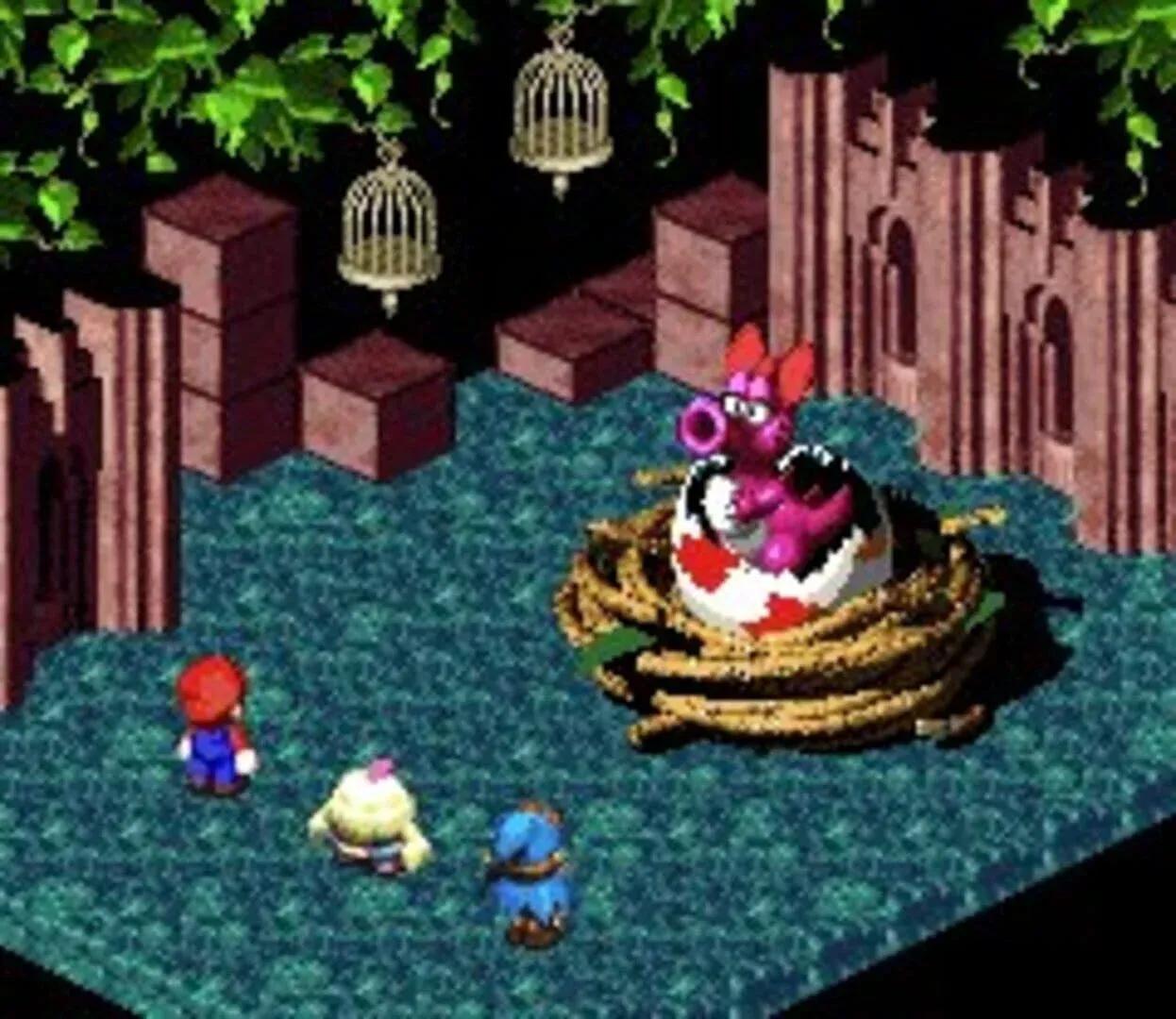
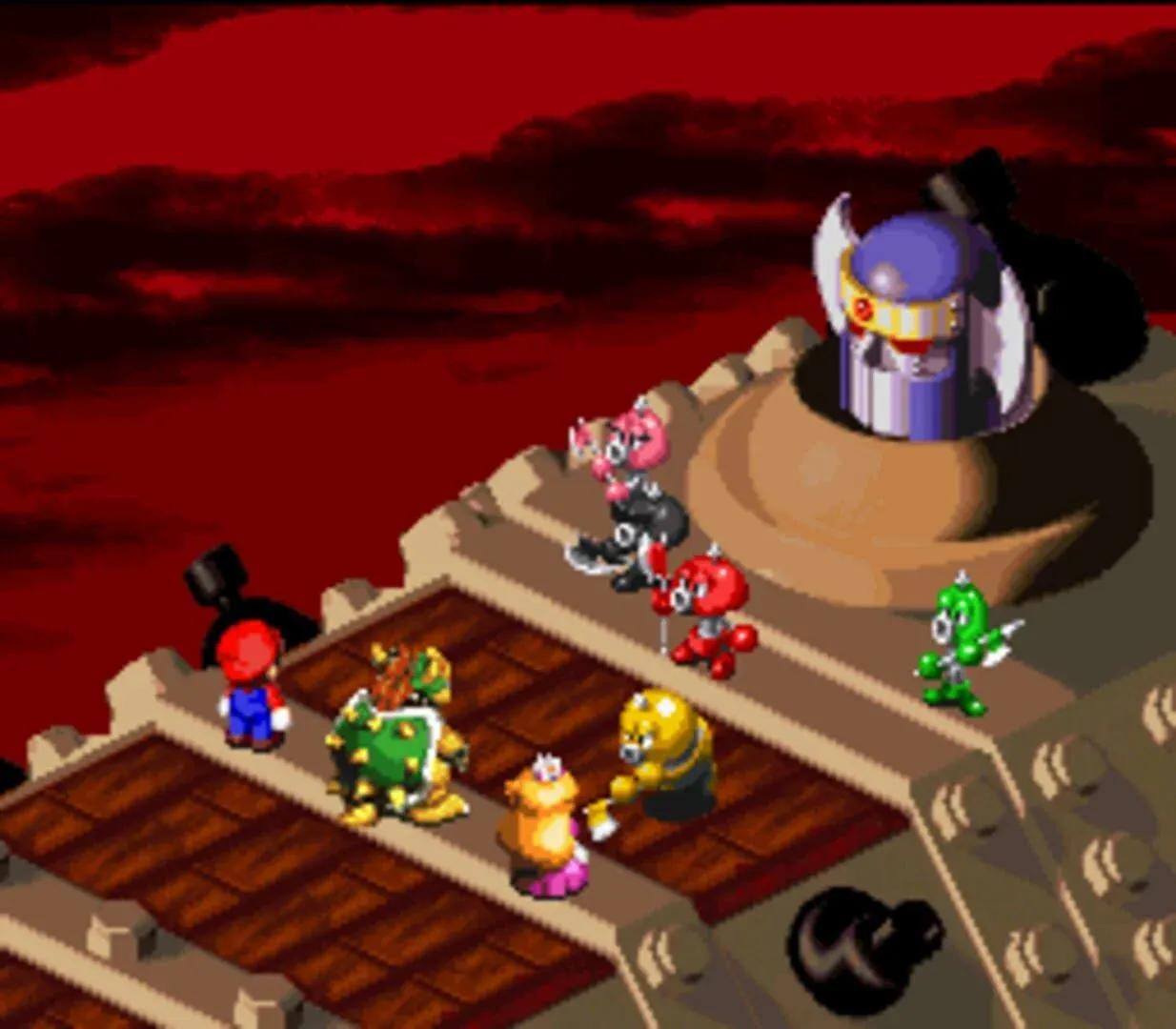
The five playable characters are Mario, Mallow, Geno, Princess Toadstool, and Bowser. Each fills a distinct role. Toadstool heals. Bowser hits hard. Geno fires projectiles with long timed windows. Mallow handles magic. The party-building decisions are real, and the game respects players enough to let them figure out synergies on their own.
Super Mario RPG: Legend of the Seven Stars content image
World and setting
The Mushroom Kingdom in Super Mario RPG looks like a Mario game but behaves like a Square RPG. Towns have NPCs with distinct personalities, side quests tucked into corners, and hidden items that reward thorough exploration. The overworld map connects locations with a point-to-point structure borrowed from earlier Mario games, but each area is dense with secrets.
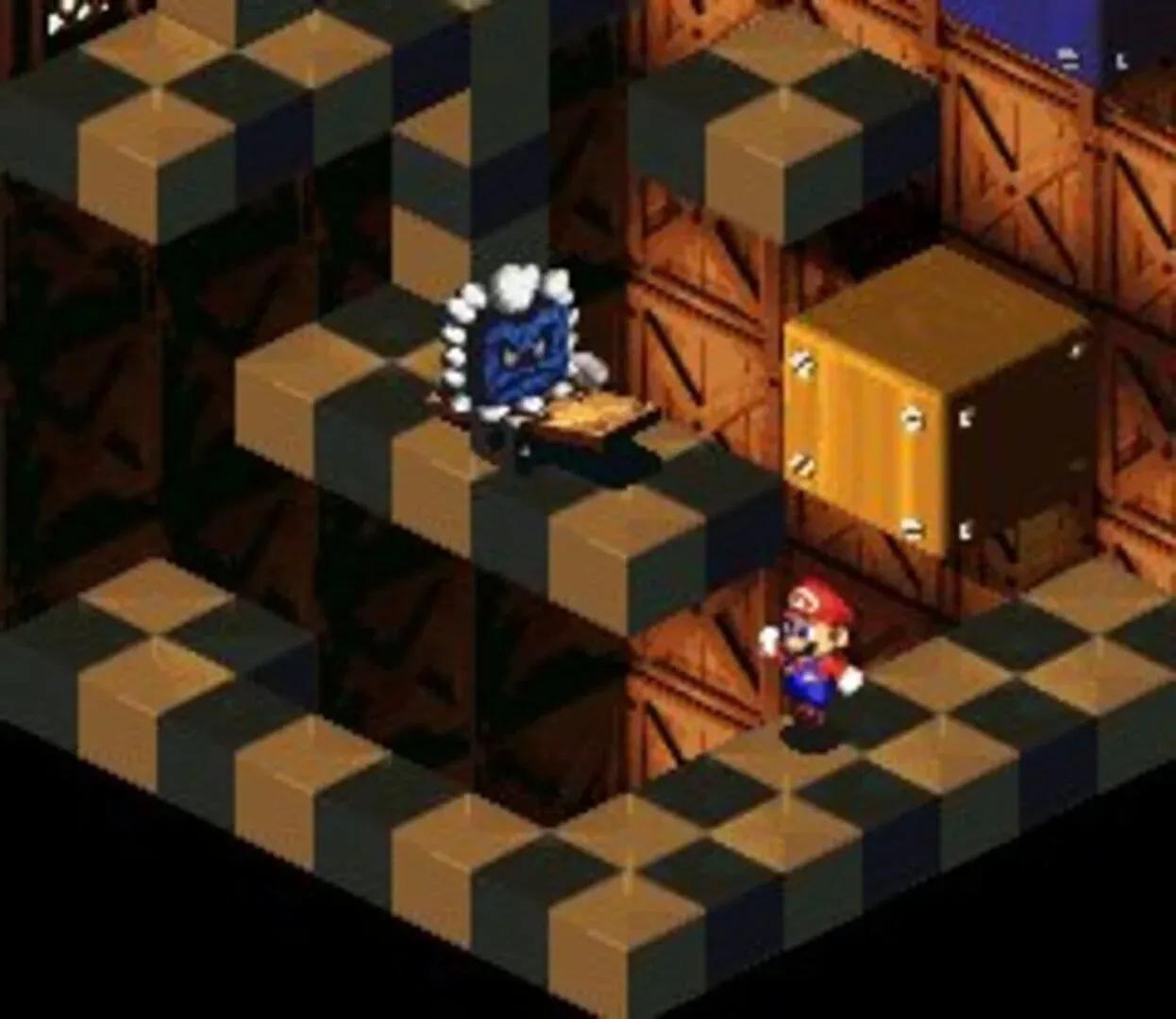
Smithy's gang occupies different regions of the map, and each boss encounter is a set piece with its own personality. The sunken ship sequence plays like a horror-lite mystery. Booster's Tower is pure physical comedy. The variety keeps the pacing sharp across a runtime that lands around 15 to 20 hours for a first playthrough.
Impact and legacy
Super Mario RPG directly influenced the two RPG franchises it spawned: Paper Mario and Mario and Luigi. Both series borrowed the timed action input system and the idea of giving Mushroom Kingdom NPCs real character. The original SNES game never received a direct sequel, but its DNA runs through every Mario RPG released since 1996.

Super Mario RPG: Legend of the Seven Stars content image
The Switch remake introduced the game to players who never had access to the SNES original or its limited Virtual Console availability. With the addition of new superboss fights that unlock after the credits, returning players have a reason to push past the finish line. The timed combat, the oddball story, and the Geno fan base that spent nearly three decades hoping he would return to something, all of it holds up as a case study in how to merge two very different game design philosophies into something that feels completely its own.