Overview
Final Fantasy VIII, developed by Square's Product Development Division 1 and originally released on February 11, 1999, is the eighth mainline entry in the Final Fantasy series. Set across a fantasy world blended with science fiction aesthetics, the game follows Squall Leonhart, a reserved mercenary student at Balamb Garden, as he gets pulled into a conflict far larger than any standard mission briefing. What starts as a contract job supporting a resistance group escalates into a war against Sorceress Edea and the military might of the Republic of Galbadia.
The Remastered version, available on PlayStation 4, Xbox One, PC via Steam, iOS, and Android, brings updated character models, a 3x speed boost option, battle assist toggles, and the ability to disable random encounters entirely. These additions make the game more accessible without stripping out the systems that defined it.
Gameplay and mechanics: how does the junction system work?
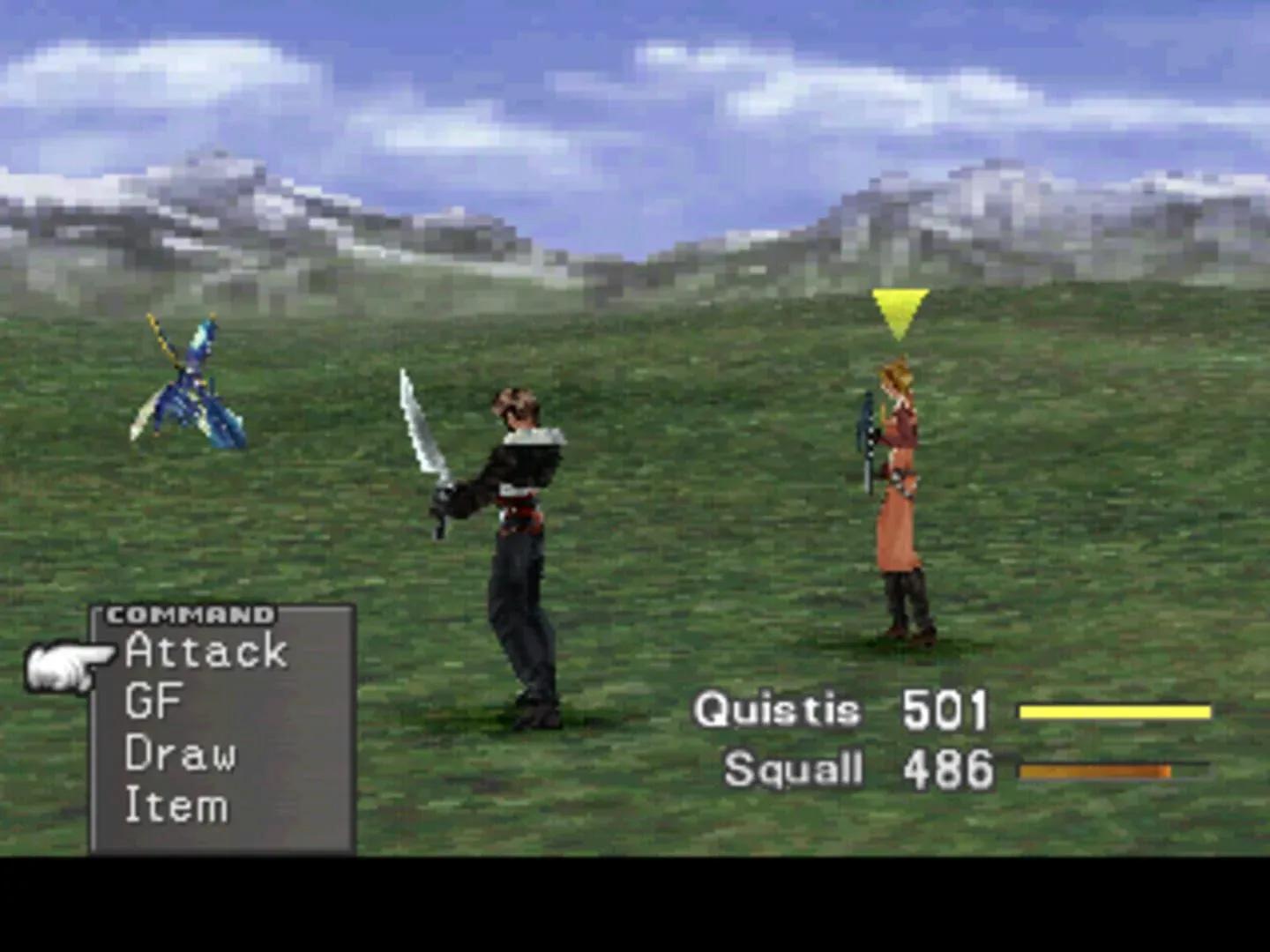
The junction system is the answer Final Fantasy VIII gives when you ask what happens if you completely abandon MP. Instead of spending magic points to cast spells, you draw magic from enemies or refine it from items, then attach those spells directly to your stats. Junction 100 Fires to your Strength and you hit harder. Junction Curaga to your HP and your health ceiling climbs. The system rewards experimentation and punishes passivity.
Final Fantasy VIII content image
Key mechanics at a glance:
- Draw magic from enemies and stock up to 100 per spell
- Junction spells to character stats for passive bonuses
- Summon Guardian Forces (GFs) to unlock abilities via the ability menu
- Active Time Battle (ATB) system governs turn pacing
- Limit Breaks trigger at low HP for high-damage moves
Final Fantasy VIII content image
Character levels exist but scale enemy difficulty alongside you, which means obsessive grinding actively works against you. The most efficient path through the game involves drawing powerful magic early, junctioning it strategically, and keeping GF abilities unlocked to expand your options. It's a system that rewards reading the mechanics, not just mashing through fights.
Triple Triad and content beyond the main story
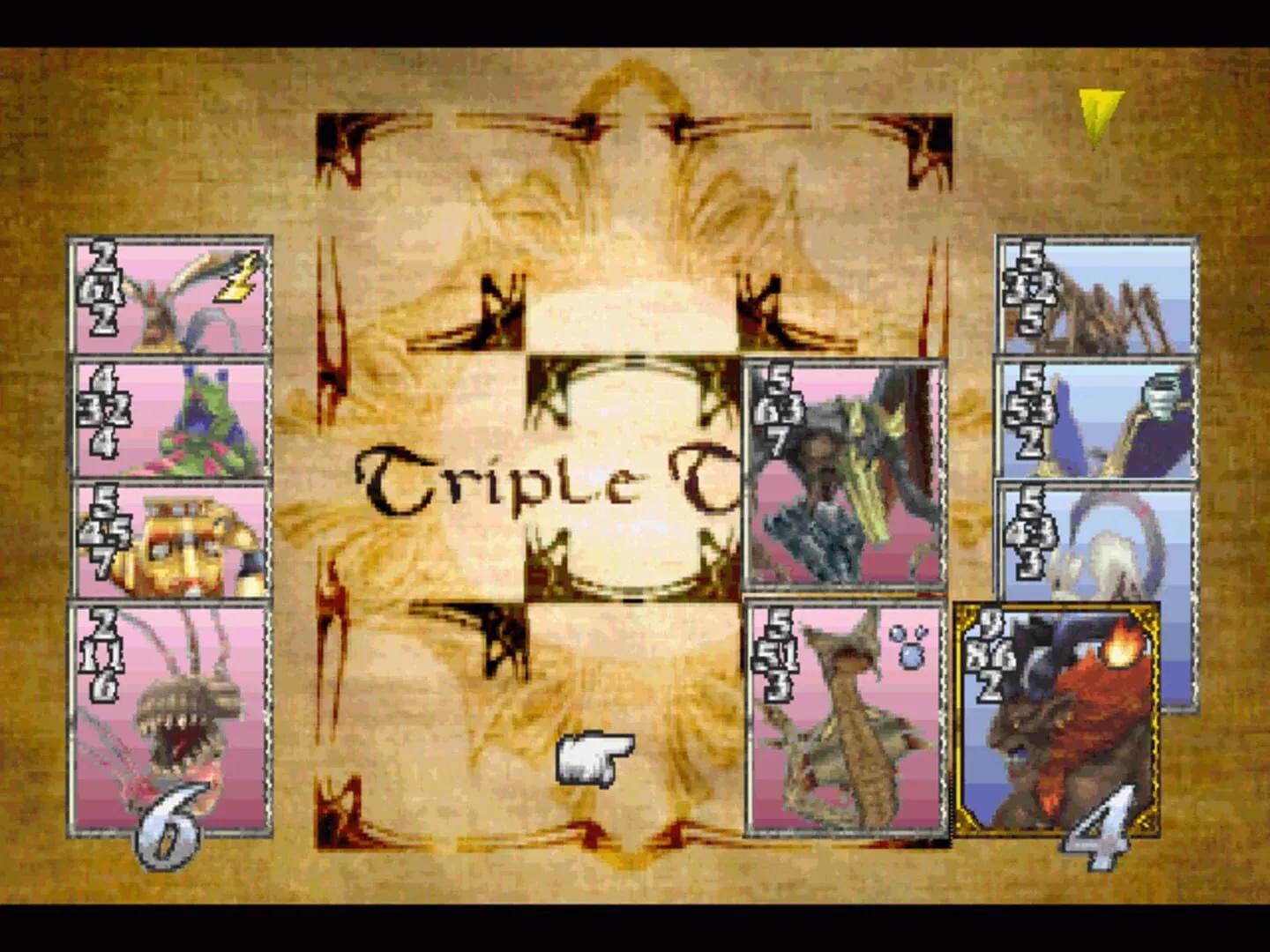
Triple Triad is the card minigame embedded throughout Final Fantasy VIII, and it's genuinely good enough to be its own game. Players collect cards representing monsters, characters, and bosses, then compete on a 3x3 grid using directional values on each card's four sides. Regional rules complicate matches as you travel the world, and rare cards can be refined into powerful items. Collecting and playing Triple Triad becomes its own parallel progression system that runs the entire length of the game.
Final Fantasy VIII content image
Beyond Triple Triad, the Remastered version includes a full card game feature set and preserves the original's considerable side content: optional GF hunts, weapon upgrading through item refinement, and the hidden Island Closest to Heaven and Island Closest to Hell for endgame magic farming.
World, story, and atmosphere
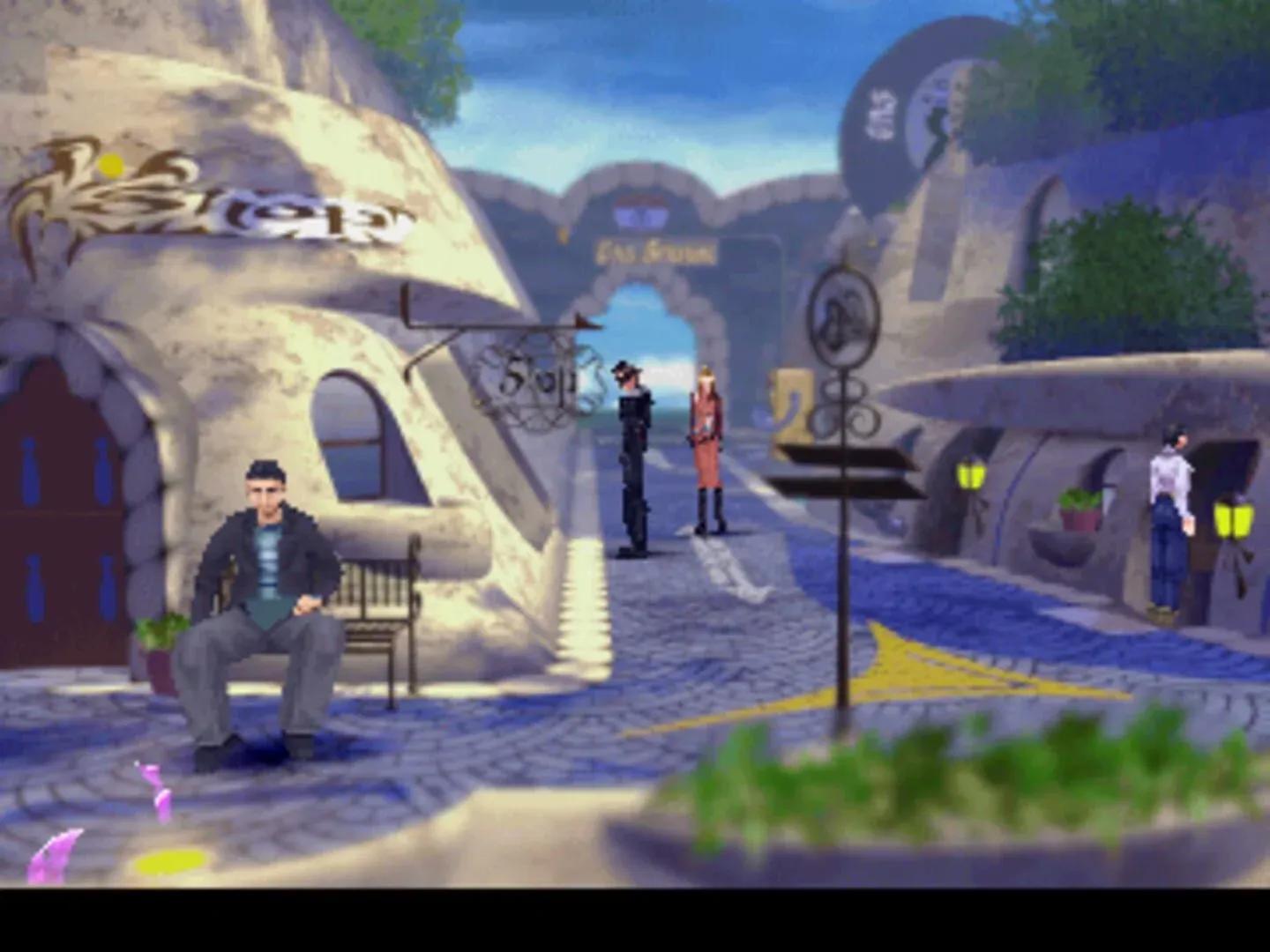
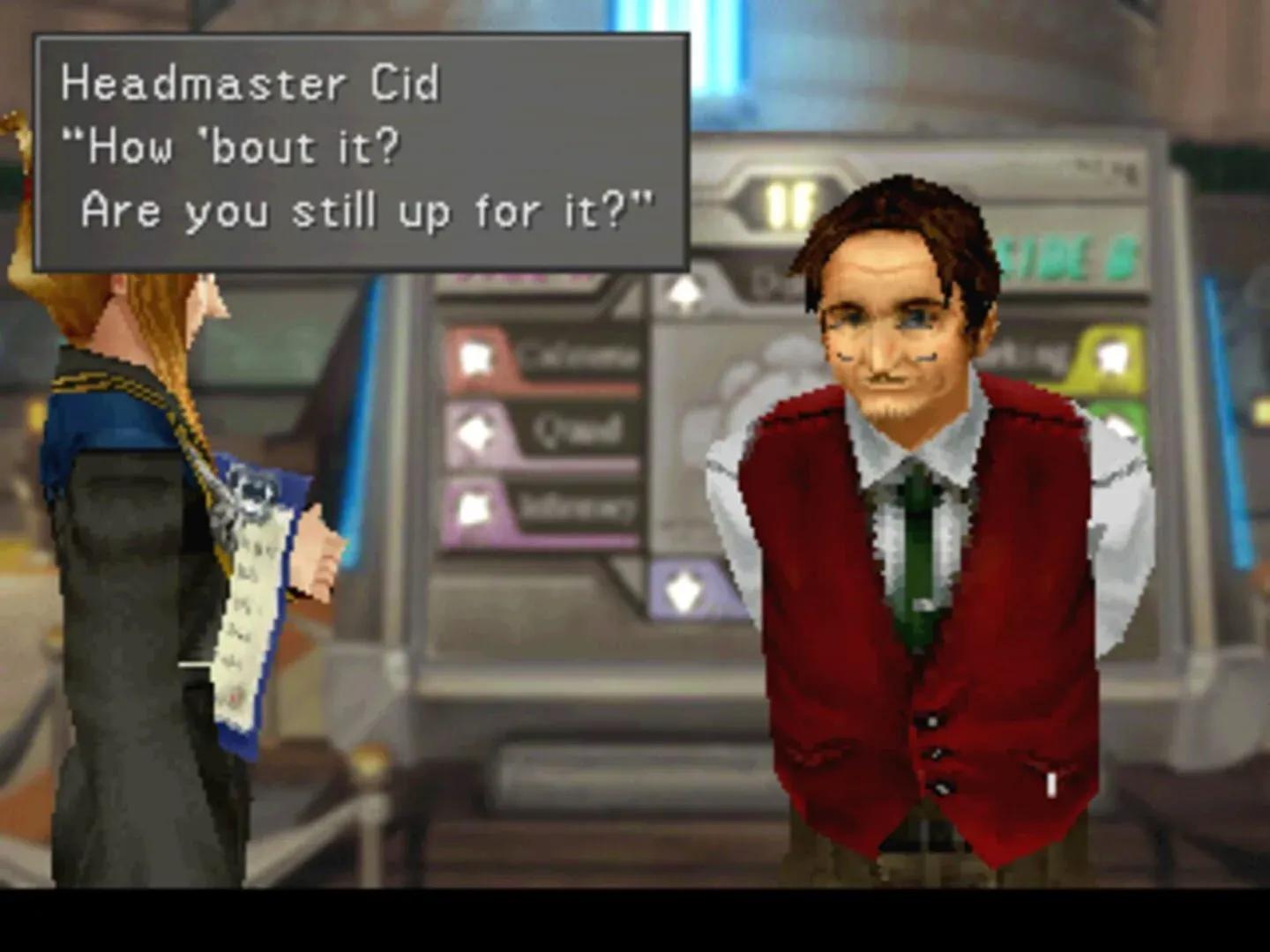
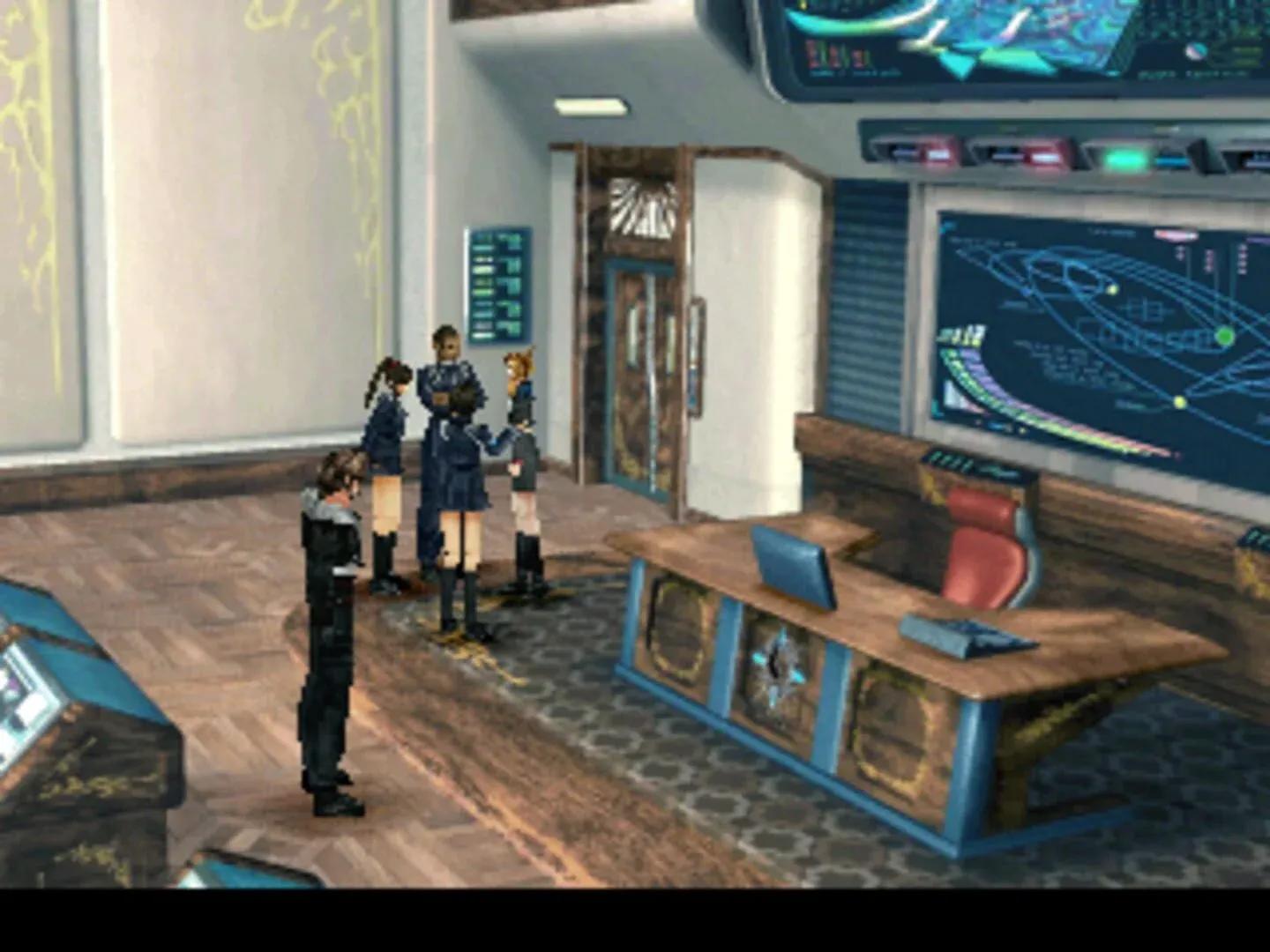
Final Fantasy VIII's world sits in an unusual place tonally. Balamb Garden functions like a military boarding school with a mercenary license. SeeD candidates go through written exams and field tests. Characters worry about grades and dance at school events. Then the plot pivots hard into sorceress mythology, time compression, and one of the series' most emotionally loaded central relationships between Squall and Rinoa Heartilly.
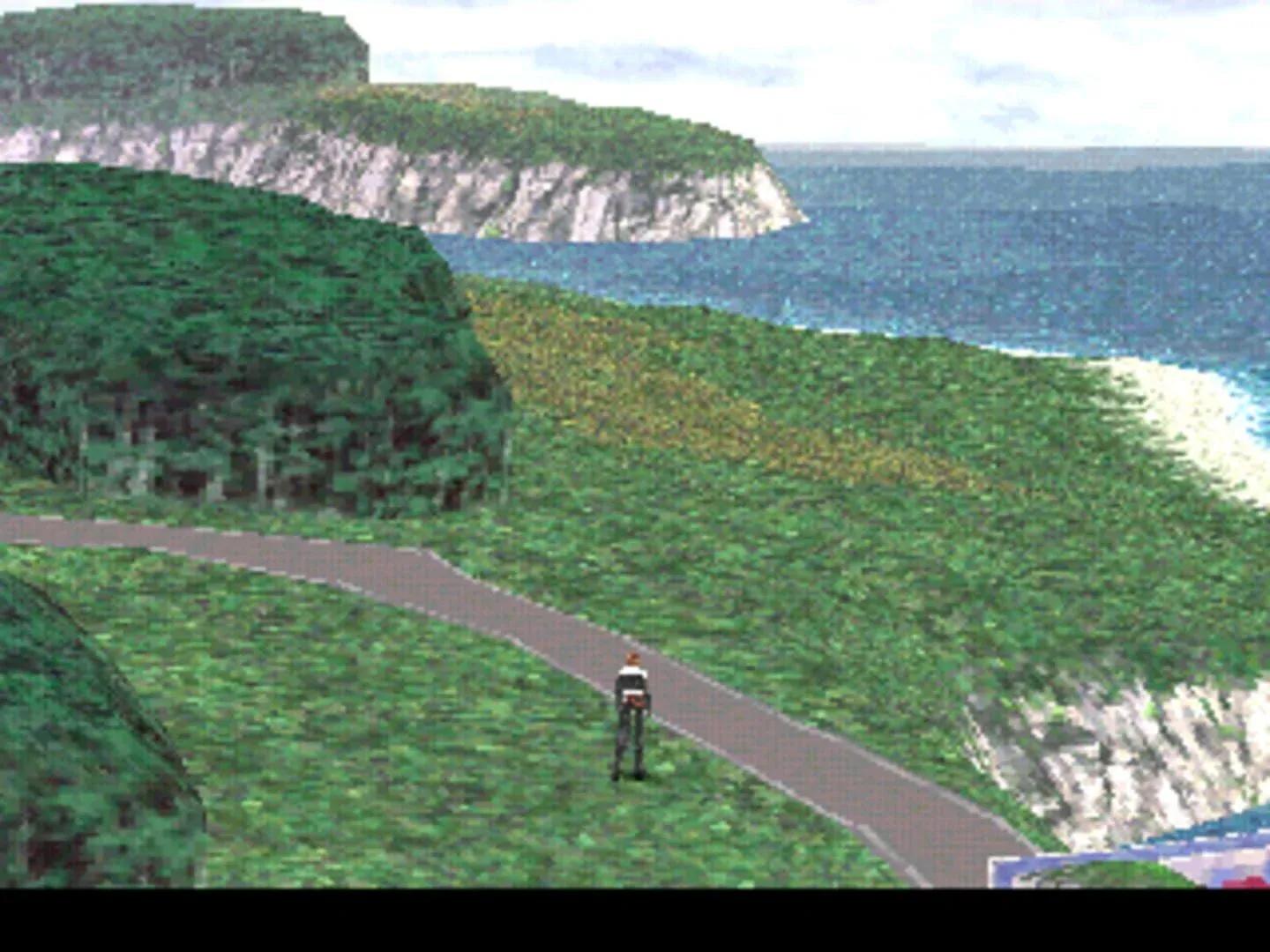
The science fantasy setting mixes modern aesthetics, including cars, televisions, and military jets, with traditional fantasy magic and summons. That contrast gives the game a distinct visual identity that separates it from both the medieval tone of Final Fantasy IX and the full sci-fi direction of Final Fantasy VII.
Final Fantasy VIII content image
Nobuo Uematsu's score remains a high point, with "Eyes on Me" standing as one of the most recognized pieces in the entire series. The Remastered version preserves the original audio while delivering cleaner visuals on modern hardware, making this the most accessible way to experience a game that still holds a strong 4.78 rating across over 17,000 PlayStation Store reviews.