Overview
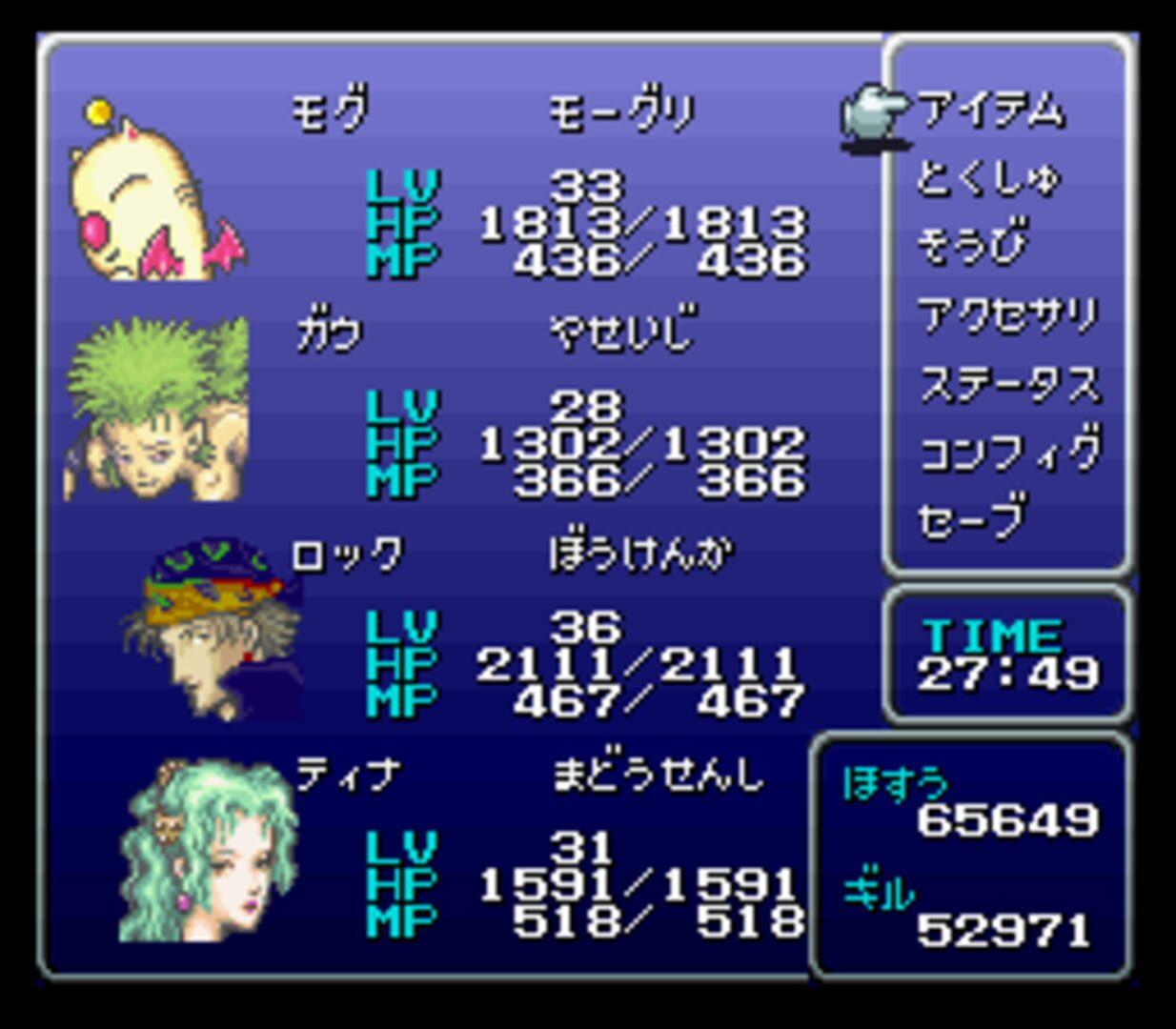
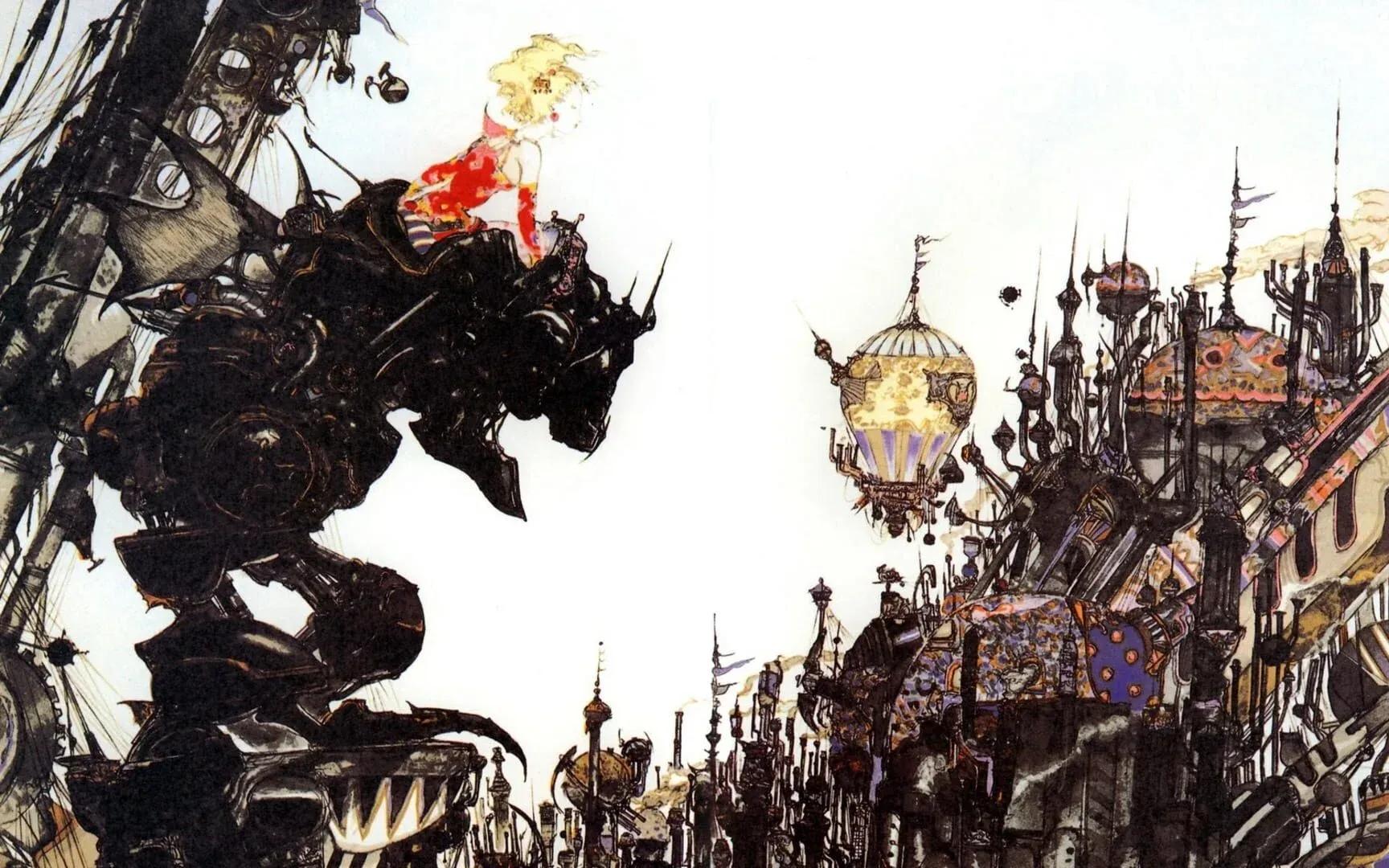
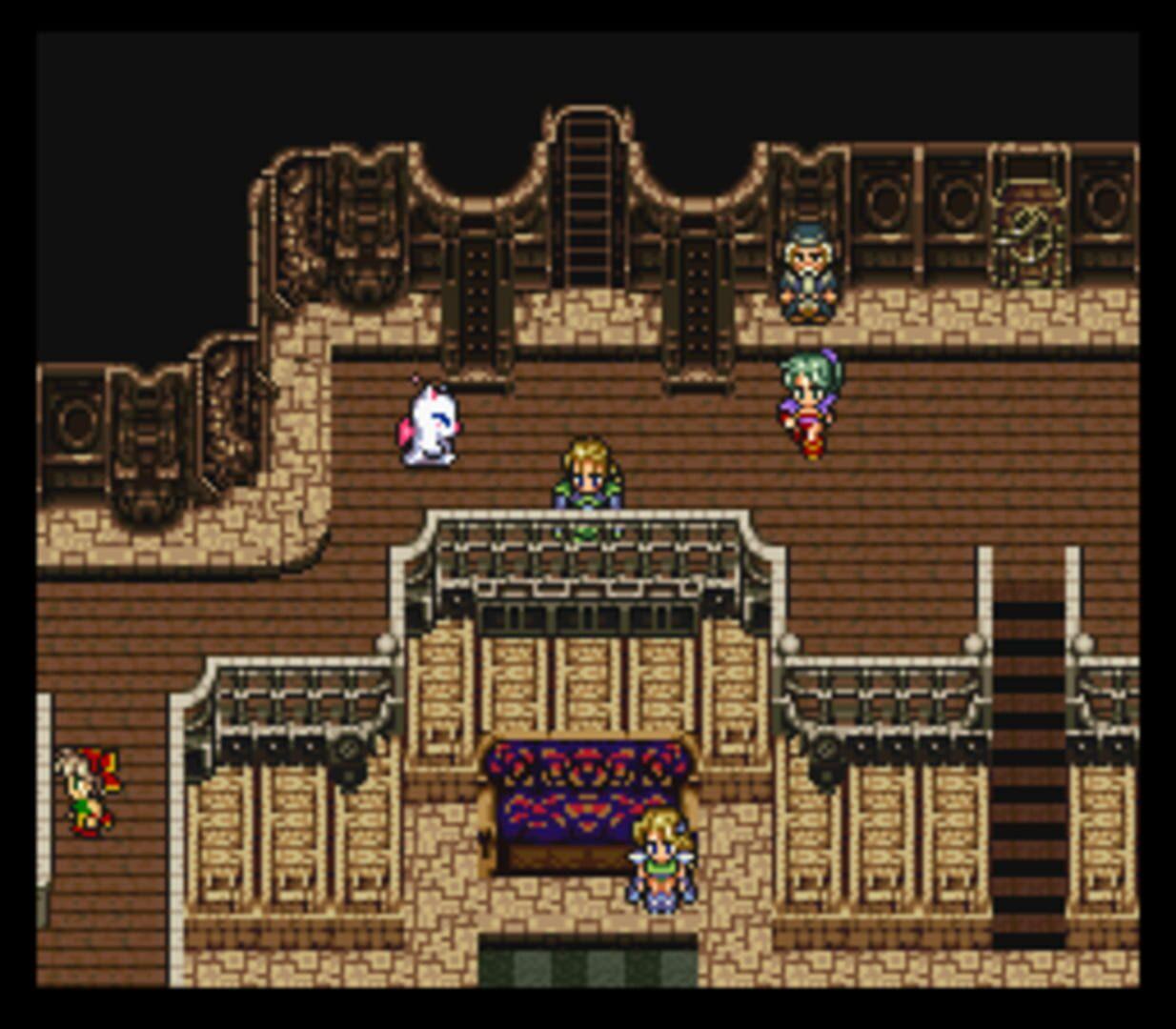
Final Fantasy VI drops players into a world where steam-powered machinery and sorcery coexist uneasily. The Gestahlian Empire has been capturing espers, magical beings of enormous power, and experimenting on them to fuel its war machine. Standing against them are the Returners, a rebel faction fighting to stop the Empire before it consumes everything. At the center of this conflict is Terra Branford, an amnesiac former imperial soldier who can use magic naturally, something almost no human can do, making her the key piece both sides desperately want.
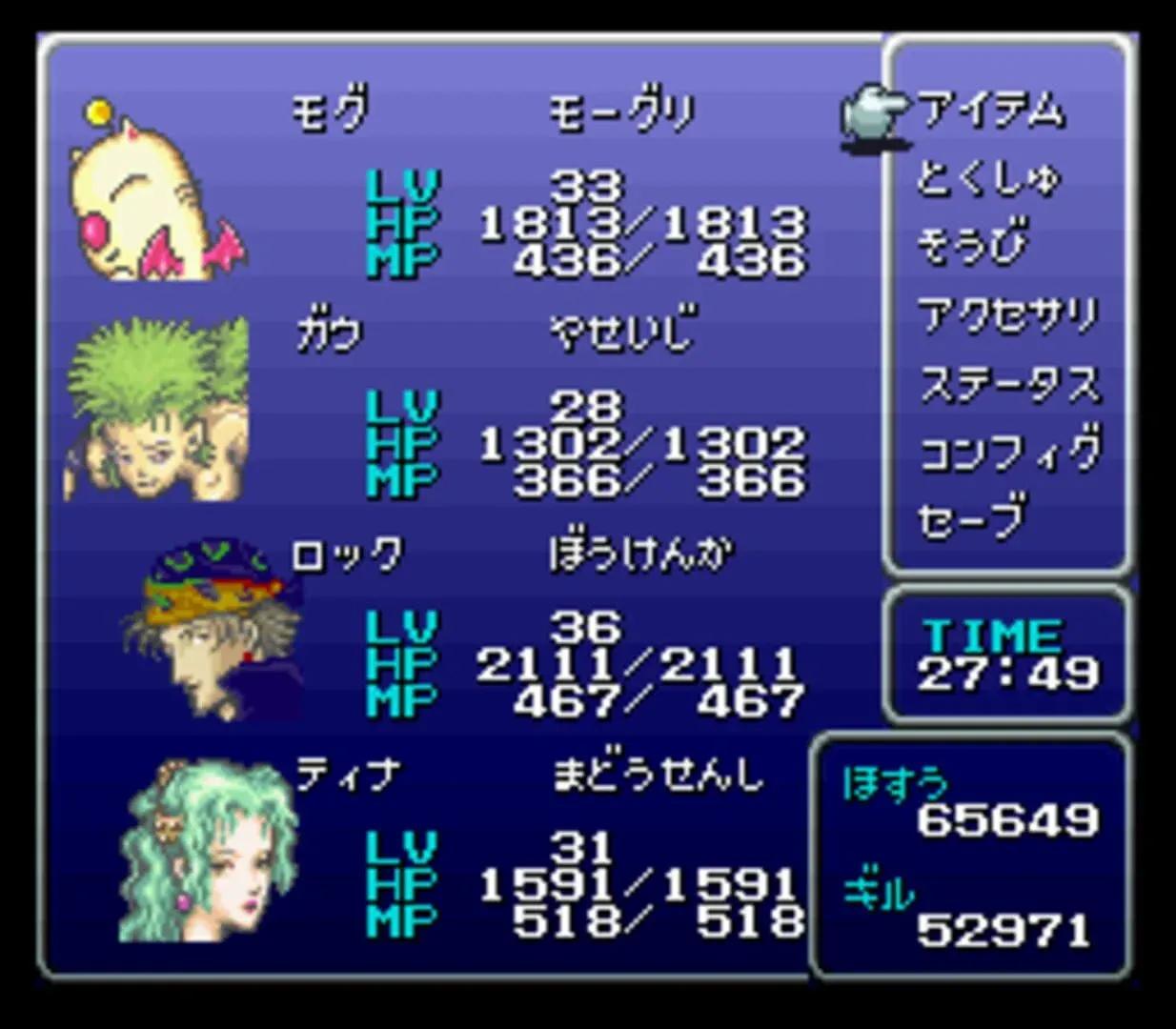
With 14 playable characters, Final Fantasy VI holds the record for the largest main-series cast, and each one feels distinct. This is not a game where the supporting cast exists to hand the protagonist items. Characters like Locke, Celes, Edgar, and Sabin carry genuine story weight, and the game gives each of them dedicated narrative arcs that actually resolve.
Gameplay and mechanics
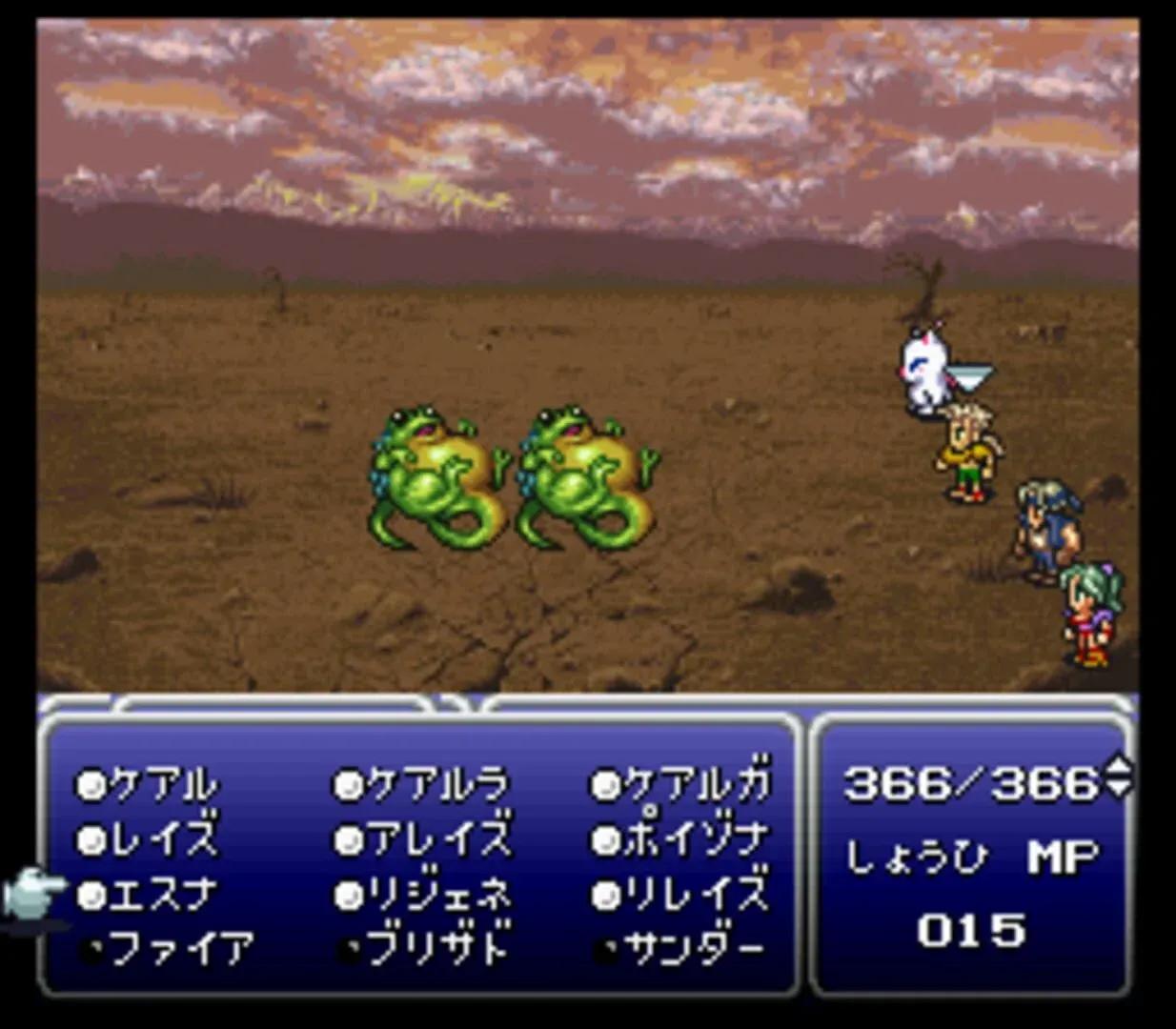
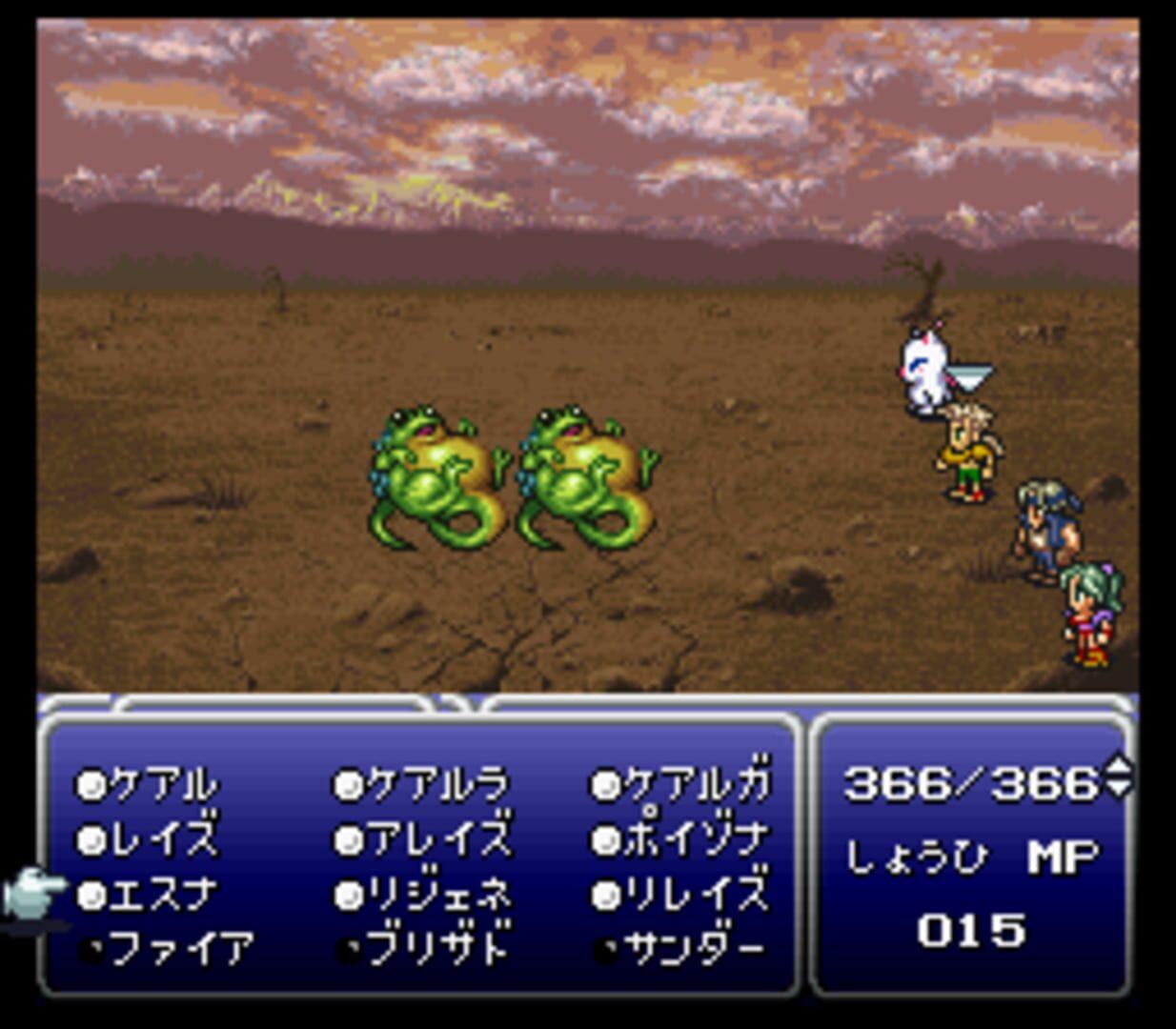
The Active Time Battle system drives combat, blending turn-based strategy with real-time pressure as ATB gauges fill at different speeds depending on character stats. Every character brings a unique ability to the party:
- Terra's Trance temporarily doubles her magic output
- Locke can steal items from enemies mid-battle
- Edgar deploys mechanical Tools that hit entire enemy groups
- Sabin executes Blitz moves using fighting game-style directional inputs
- Celes uses Runic to absorb enemy magic spells
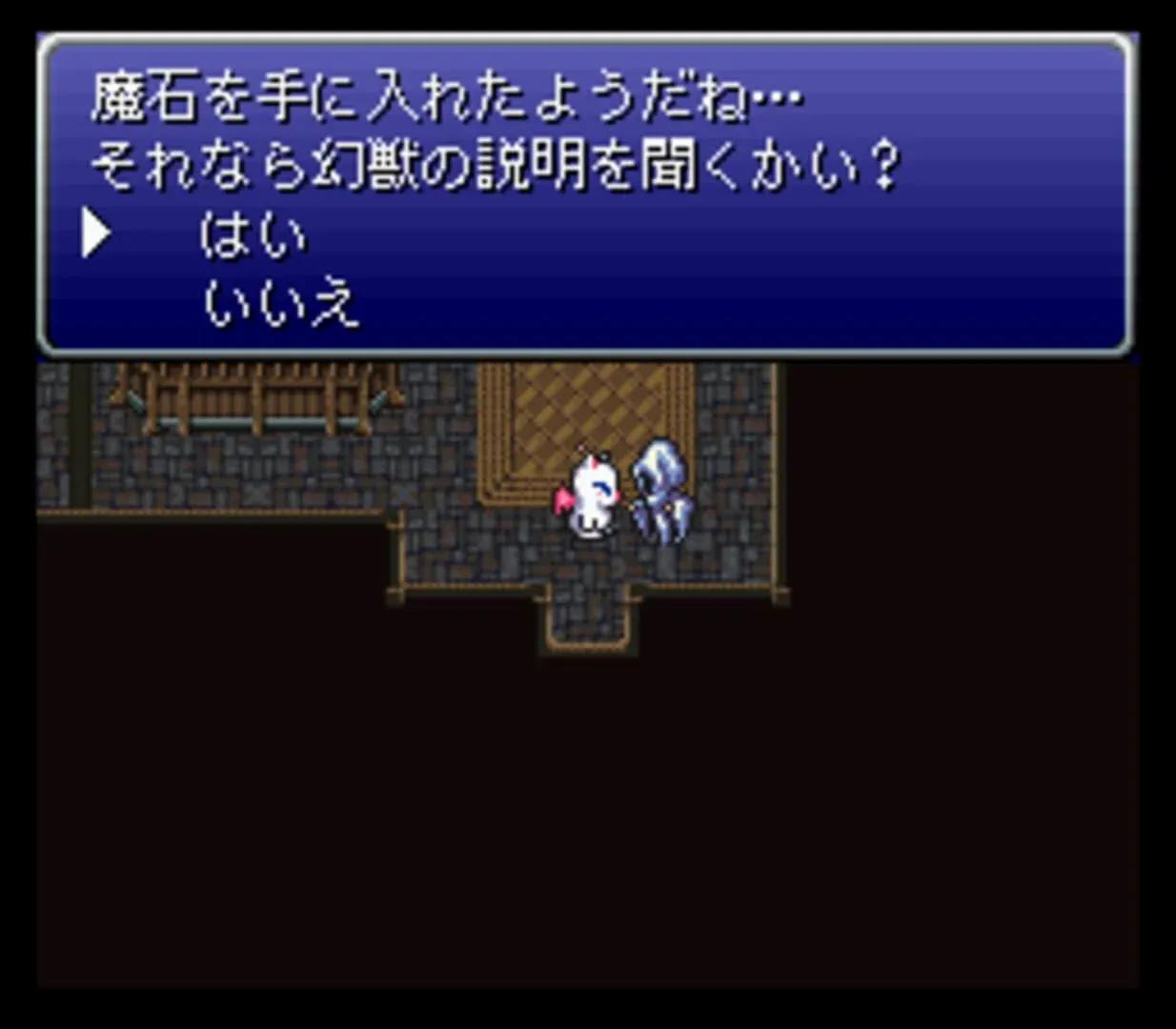
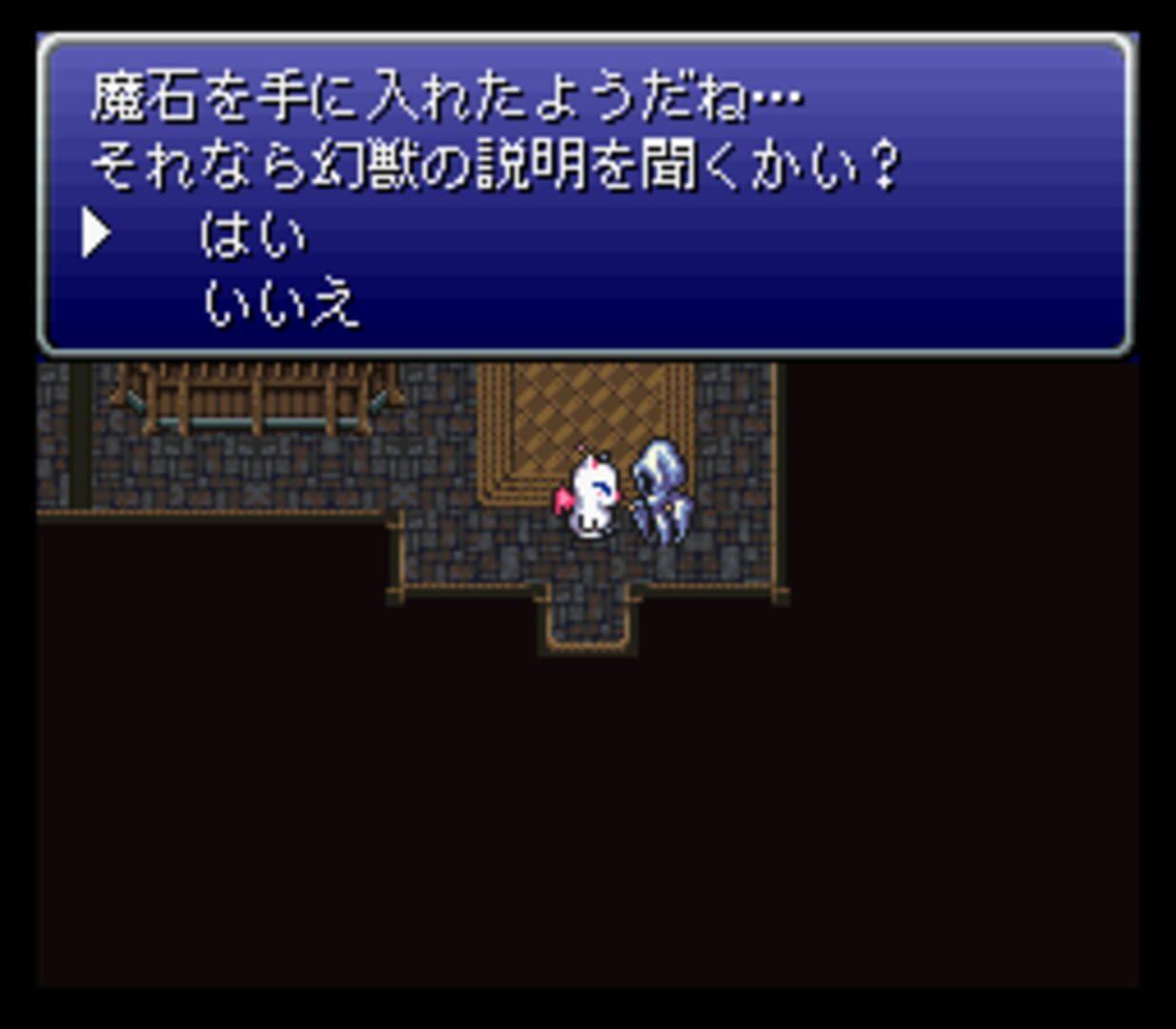
Magic progression runs through the magicite system. Equipping a magicite stone to a character lets them learn spells over time by earning Ability Points in battle. Each esper teaches different spells at different rates, so party-building becomes a question of which characters you want casting what, and how long you're willing to grind for the rarer abilities.
World and setting
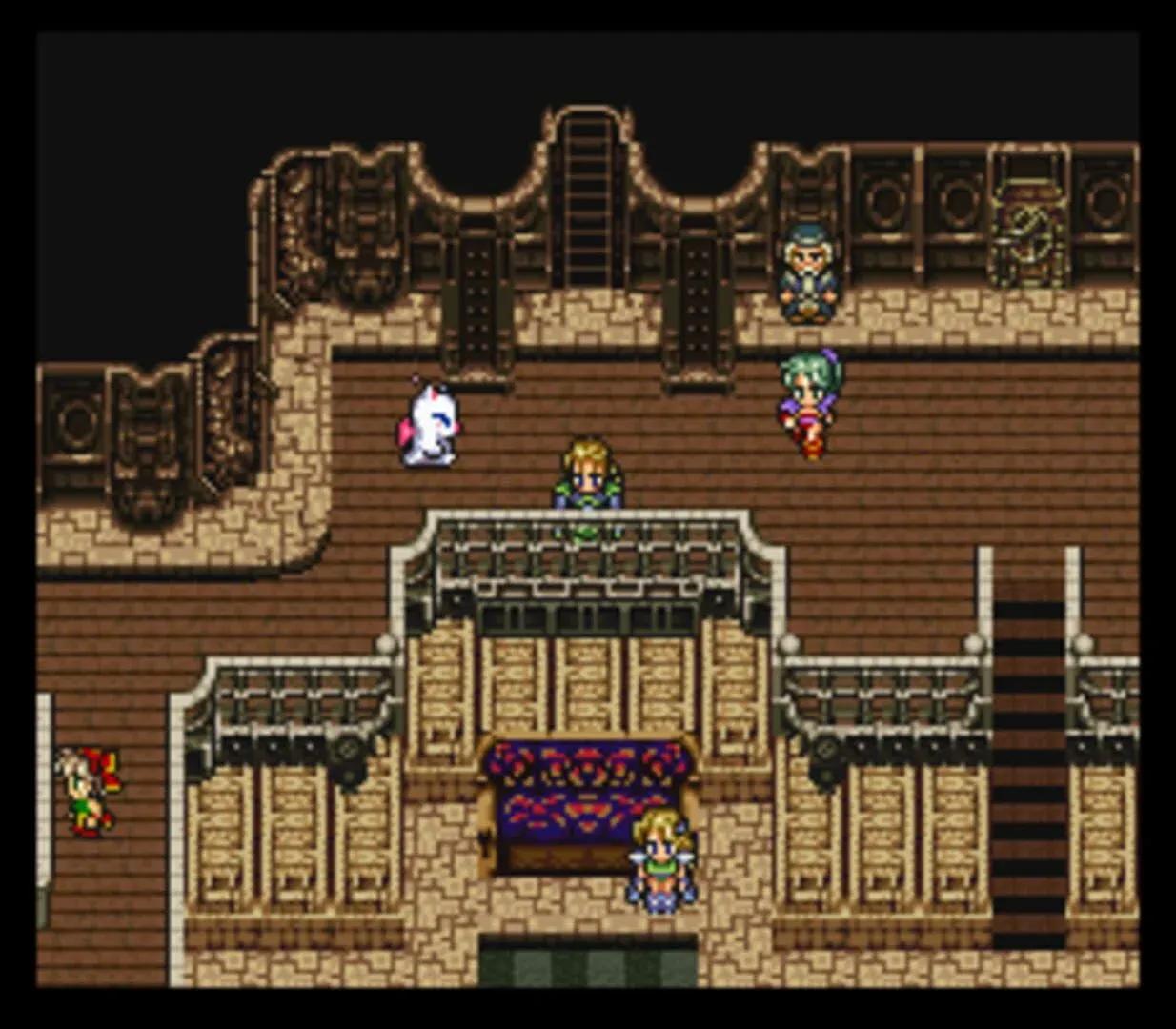
The game's steampunk aesthetic was unusual for the series at the time. Rather than the medieval fantasy of earlier entries, Final Fantasy VI builds a world where magitek armor stomps through snowy plains and trains run between industrial towns. The atmosphere shifts dramatically across the two halves of the game, moving from a conventional empire-versus-rebels structure into something far darker and stranger after the midpoint.
The villain Kefka Palazzo deserves specific mention. Unlike most Final Fantasy antagonists who want power for its own sake, Kefka actually succeeds at his goals partway through the story, fundamentally changing the world the player has been exploring. That narrative move was bold in 1994 and still lands hard today.
Visual and audio design
Final Fantasy VI was the last main-series entry built on 2D sprite graphics, and Square pushed the Super Nintendo hardware close to its limits to do it. The Pixel Remaster version available on Steam, PS4, iOS, and Android refreshes those visuals with redrawn sprites and updated backgrounds while keeping the original game's proportions and feel intact.
Nobuo Uematsu's score is the other constant across every version of the game. The opera sequence in the middle of the game, rendered entirely in the SNES's sound chip, remains one of the most technically ambitious and emotionally effective moments in RPG history. The Pixel Remaster updates the soundtrack with fully arranged versions of every track.
Impact and legacy
Final Fantasy VI sits at the top of most long-running franchise rankings, and the reasons are not hard to understand. The writing treats its characters as people rather than archetypes, the combat has enough mechanical depth to reward experimentation, and the story takes genuine risks with its structure. The Pixel Remaster release at $17.99 on PS4 makes it accessible without requiring original hardware or emulation, and the mobile versions mean it runs on iOS and Android as well. For anyone who wants to understand why this series earned its reputation, this is the entry to start with.