Overview
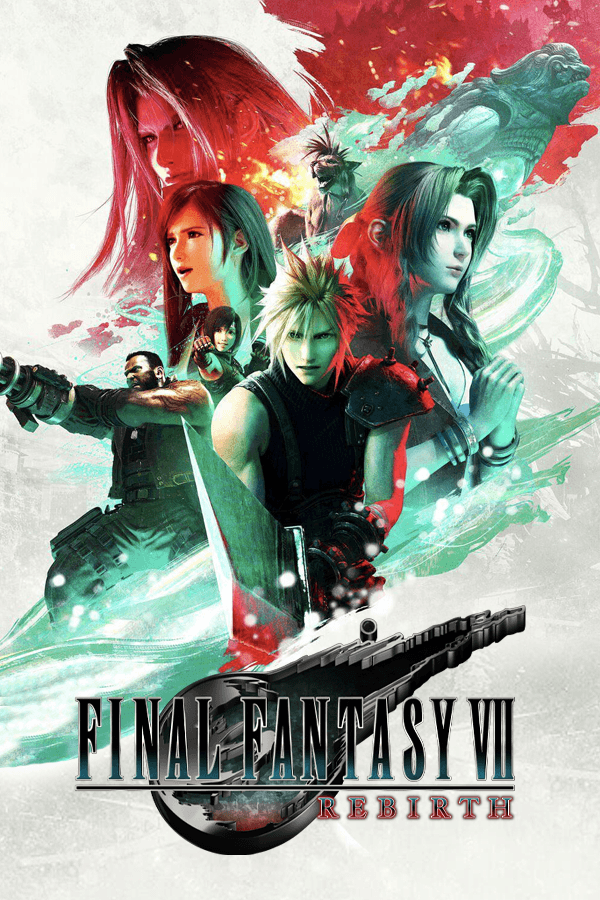
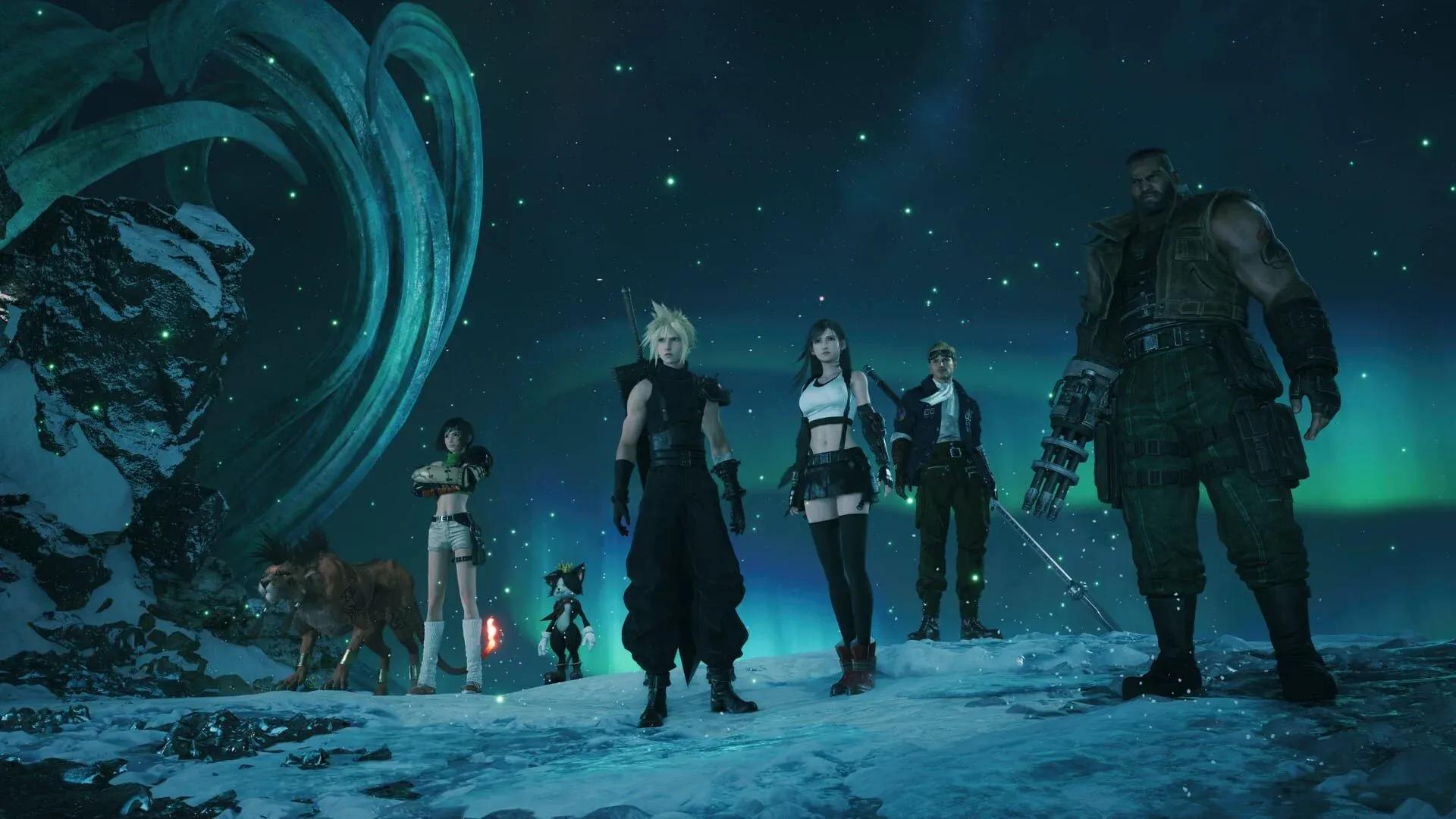
Final Fantasy VII Revelation is the third and final entry in Square Enix's ambitious FF7 remake project, picking up where Rebirth left off with Meteor already scarring the sky and the planet's guardians turning hostile. Cloud, Tifa, Aerith, and the rest of the party board the airship Highwind and set out to end things once and for all against Sephiroth. The scale here is the largest the trilogy has attempted, both in terms of world size and narrative weight.
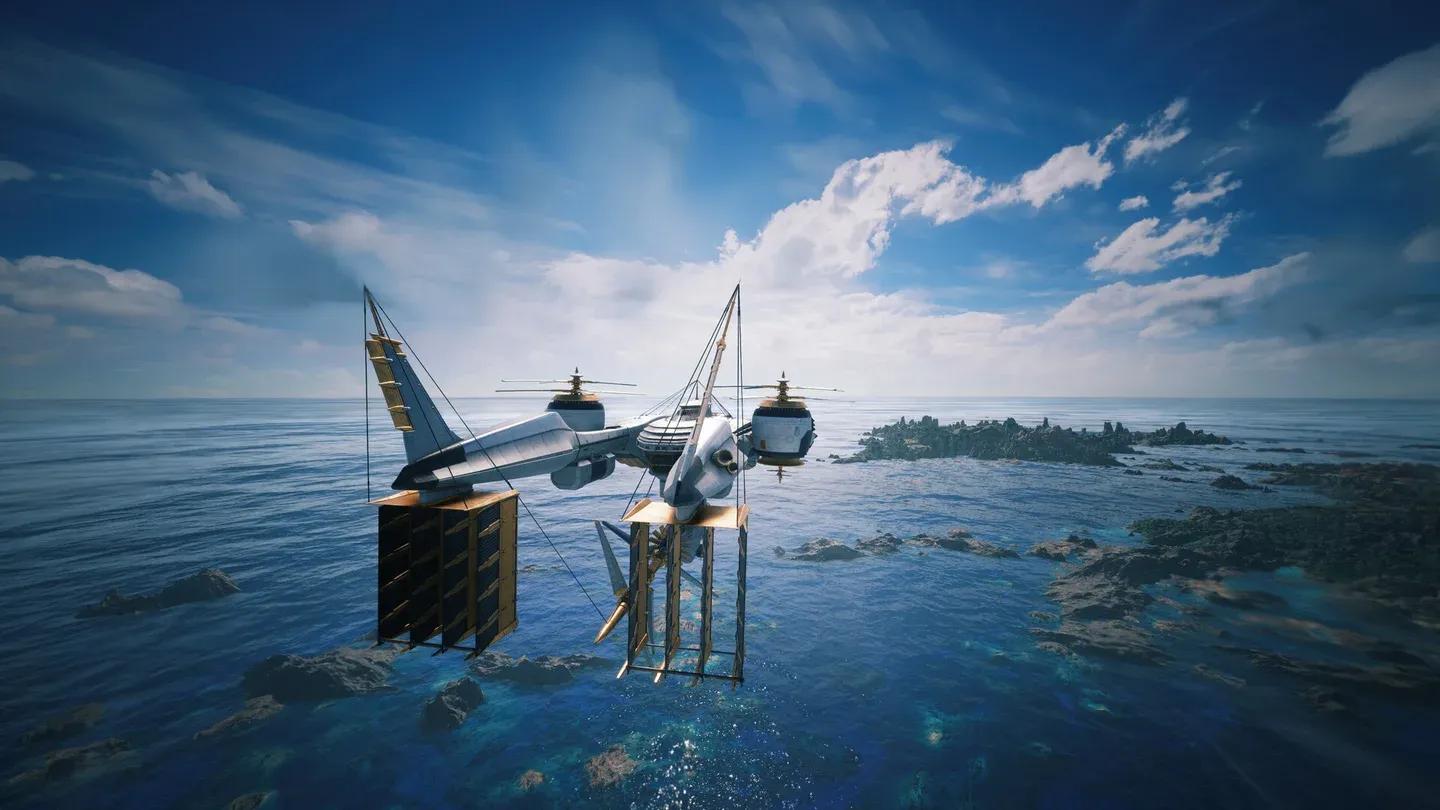
The Highwind serves as the central hub for exploration, letting players soar above the world and skydive into specific regions across a wide range of biomes, cities, and remote frontiers. This is a genuinely open approach to traversal, not a series of connected corridors dressed up as open-world design. Square Enix has built something that feels appropriately epic for a story about saving an entire planet.
Final Fantasy VII Revelation content image
Who joins the fight in Revelation?
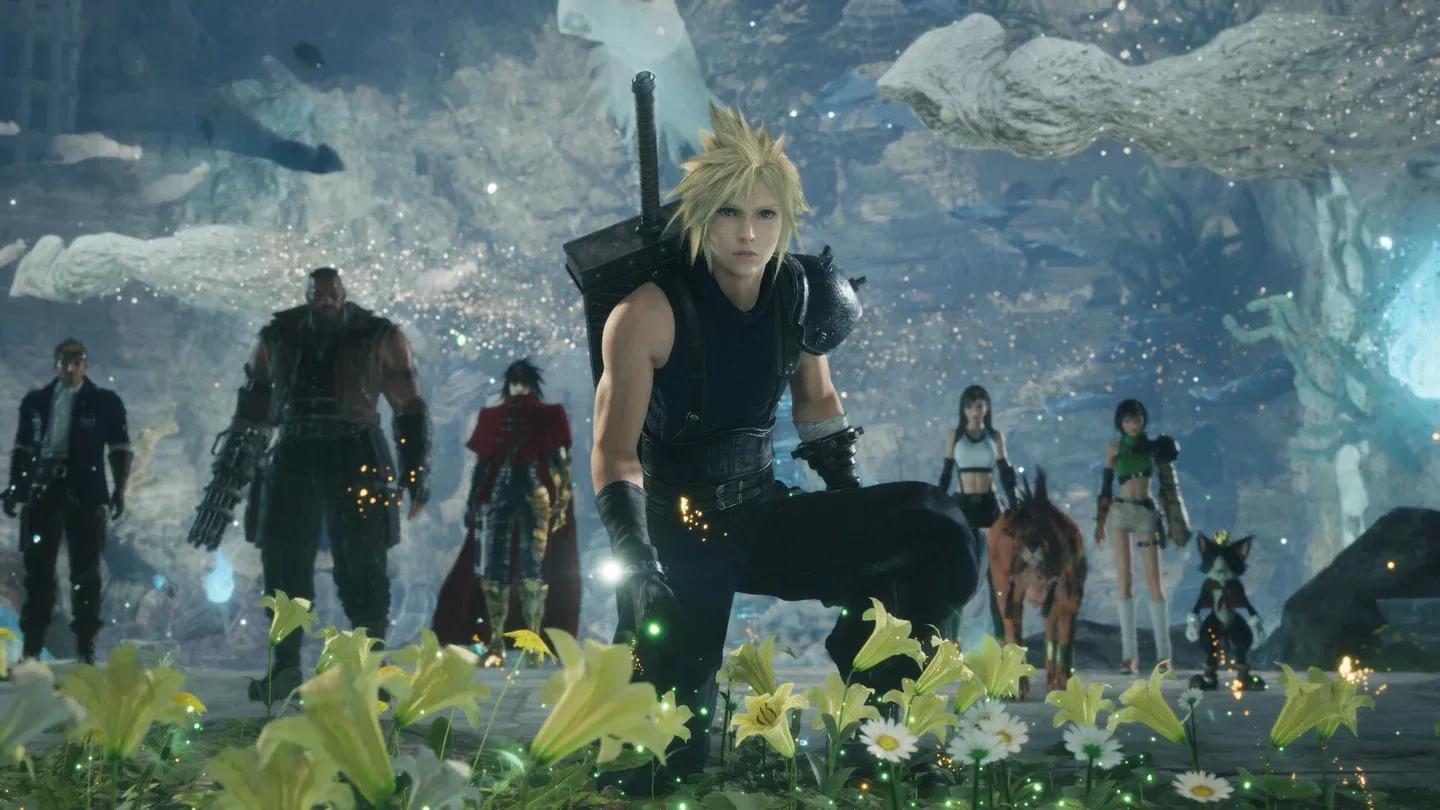
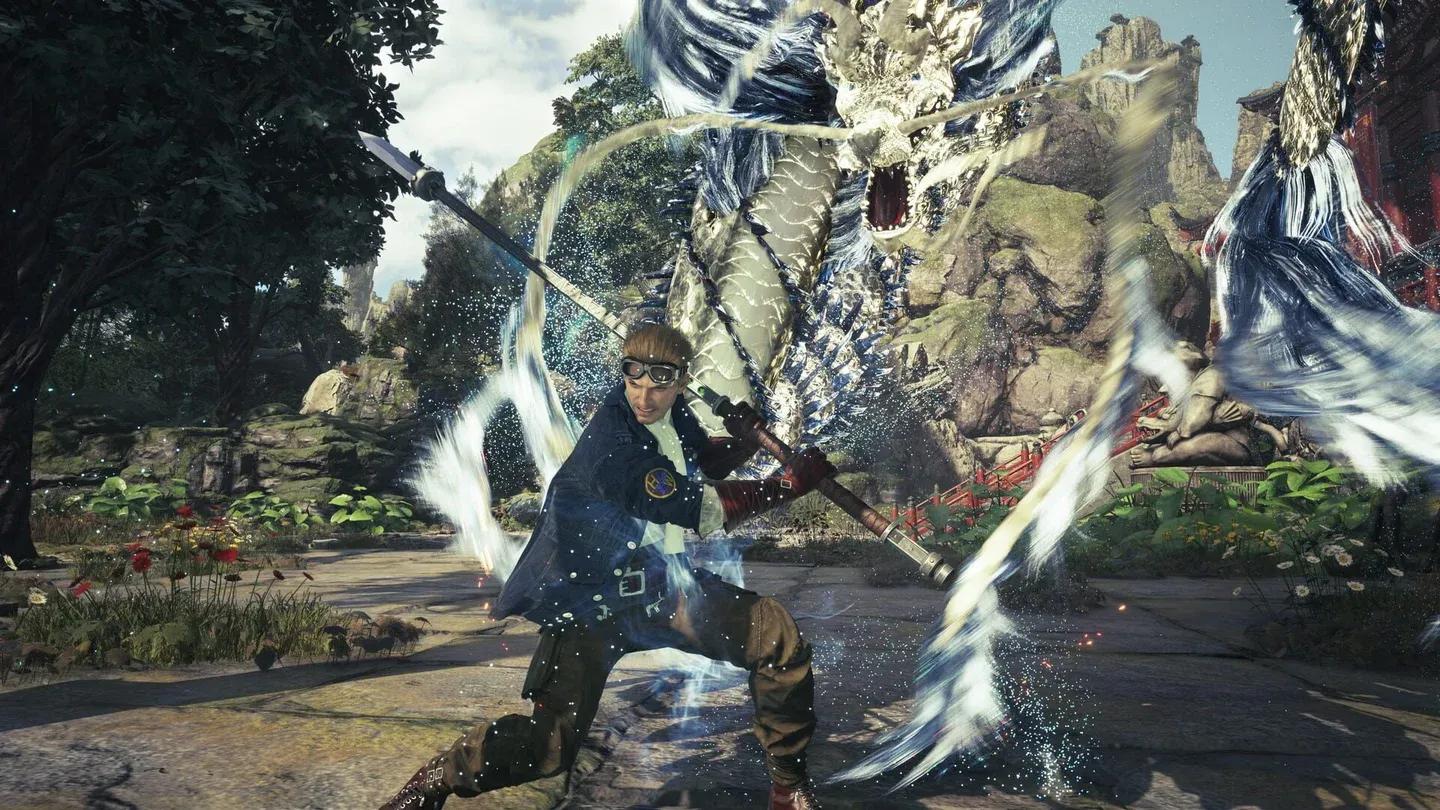
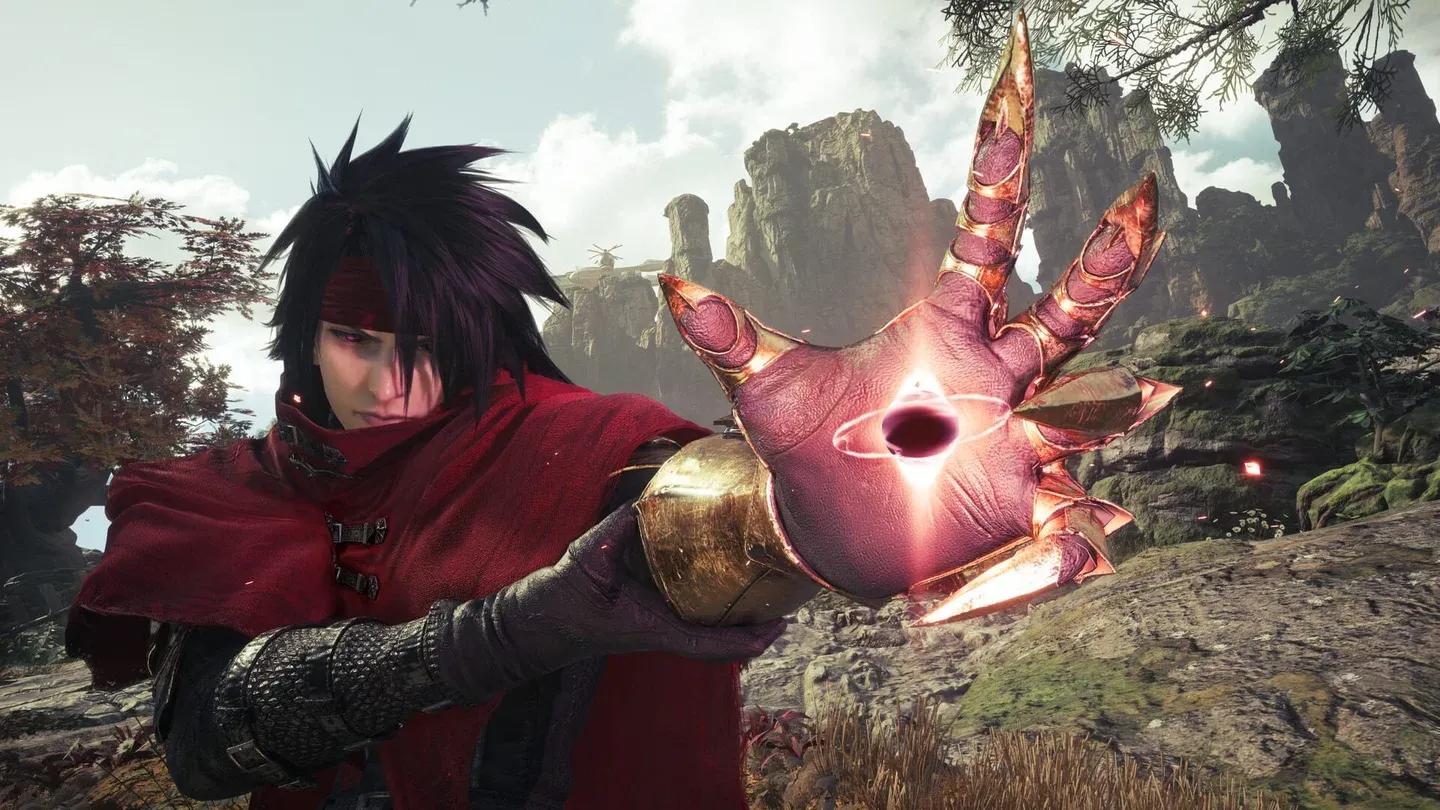
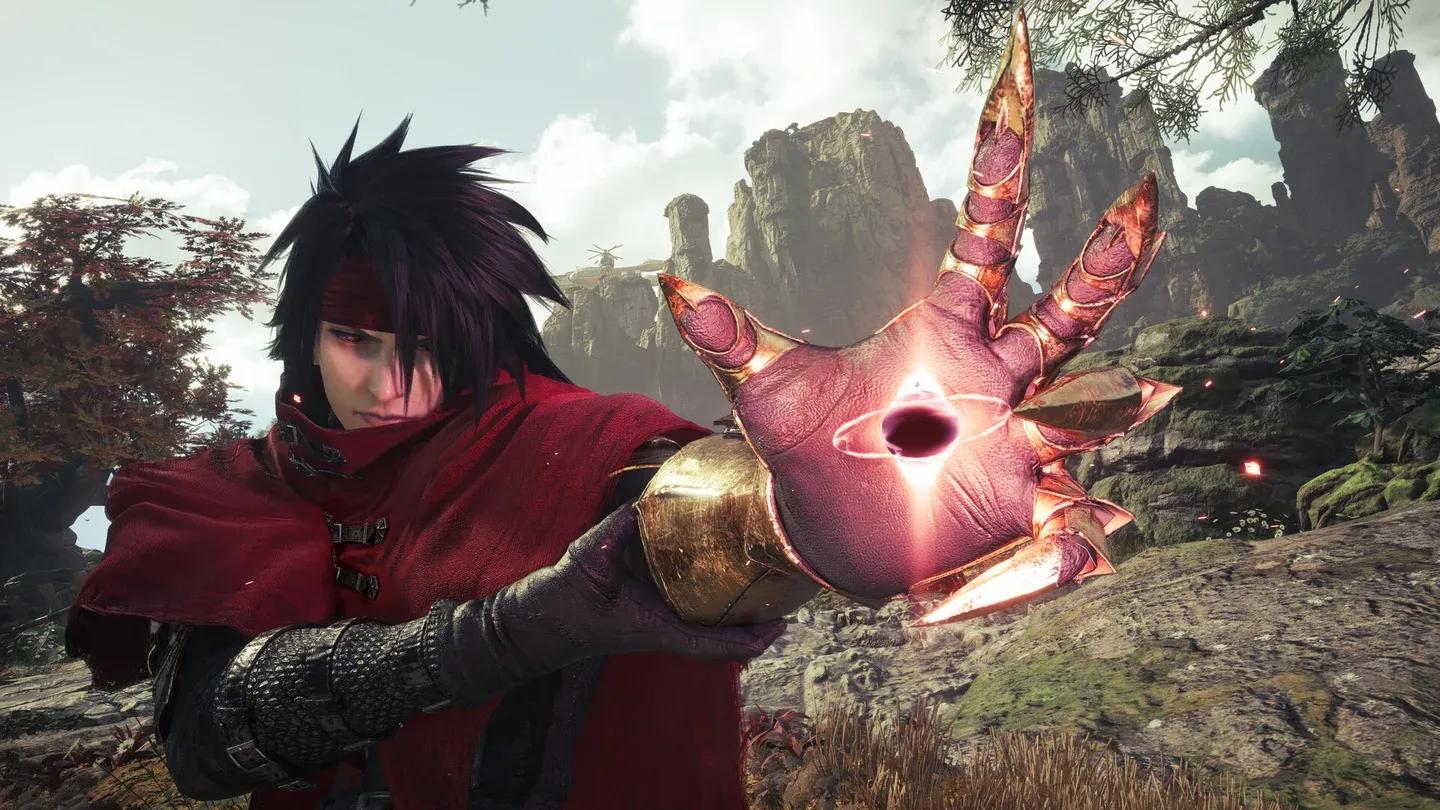
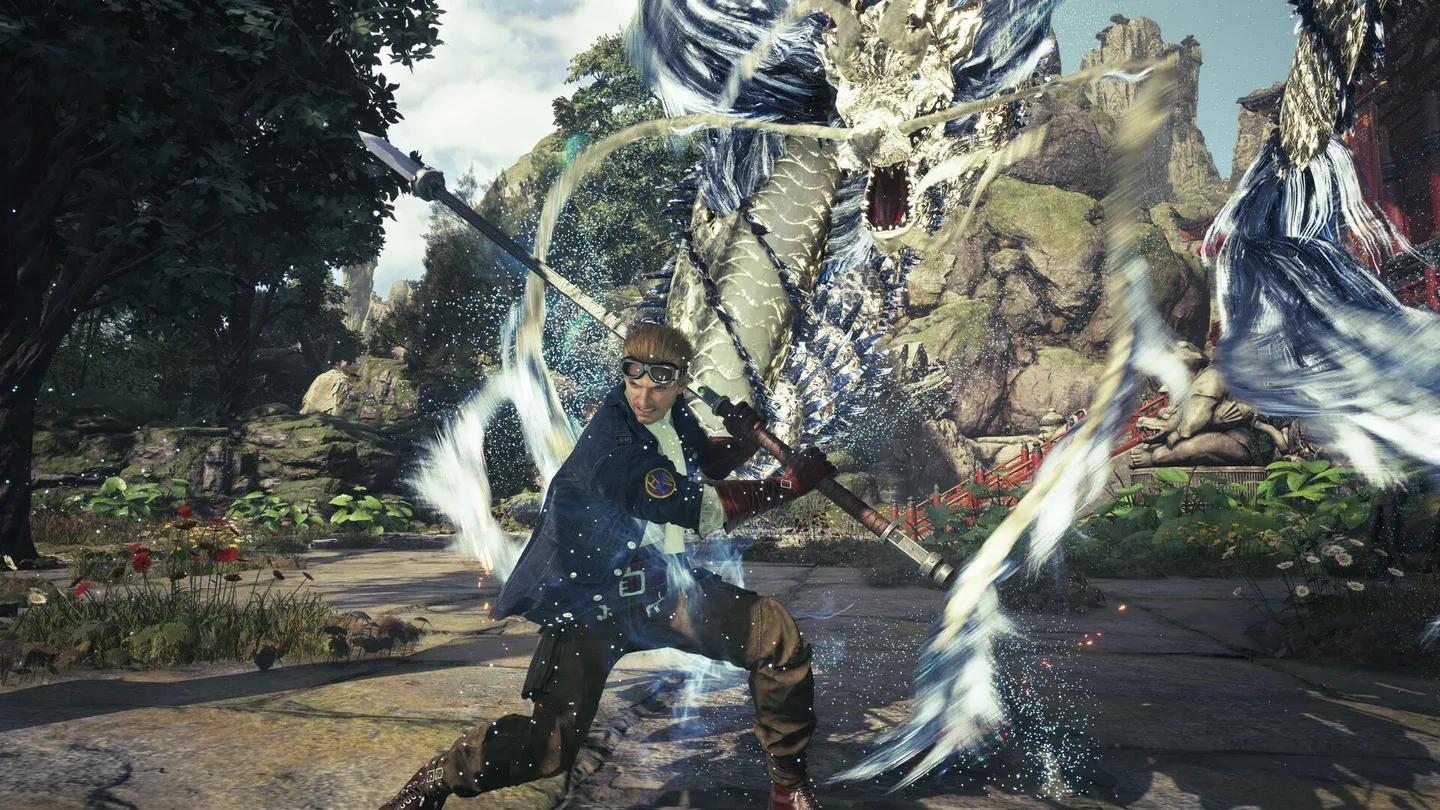
Two long-awaited characters finally become fully playable: Cid Highwind, the foul-mouthed pilot and spear-wielding brawler, and Vincent Valentine, the brooding gunslinger with transformation abilities. Both have been part of the FF7 story in prior entries but step into active combat roles here for the first time in the remake series. Their additions round out the roster and meaningfully expand strategic options in battle:
Final Fantasy VII Revelation content image
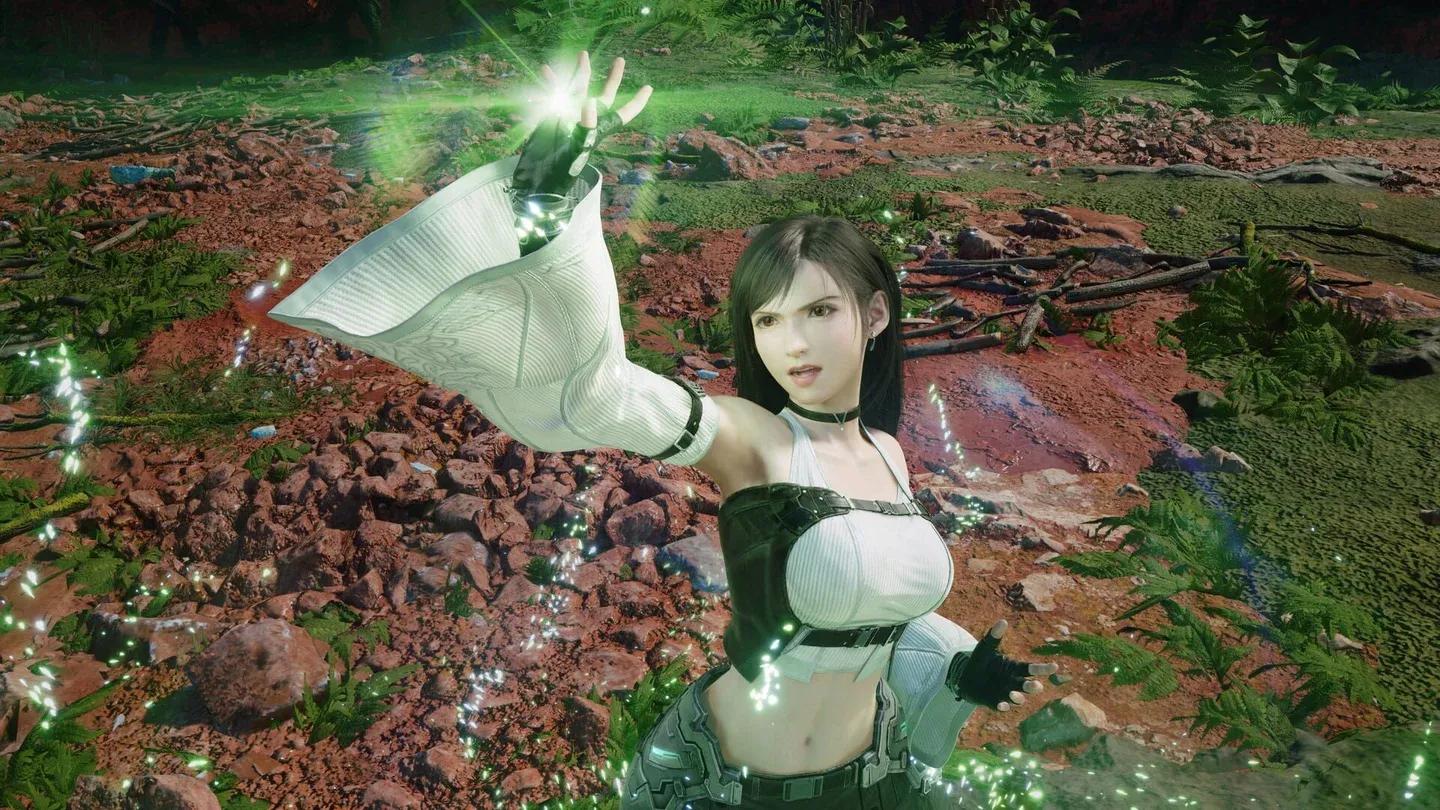
- Cid: spear-based melee with aerial combos
- Vincent: ranged gunplay with monster transformations
- Tifa: close-range martial arts and limit breaks
- Barret: ranged support and heavy firepower
- Yuffie: ninjutsu and long-range shuriken attacks
Having the full party assembled means party composition decisions carry real weight, and the variety in combat styles gives players a lot to experiment with across the game's encounters.
Final Fantasy VII Revelation content image
Combat and customization
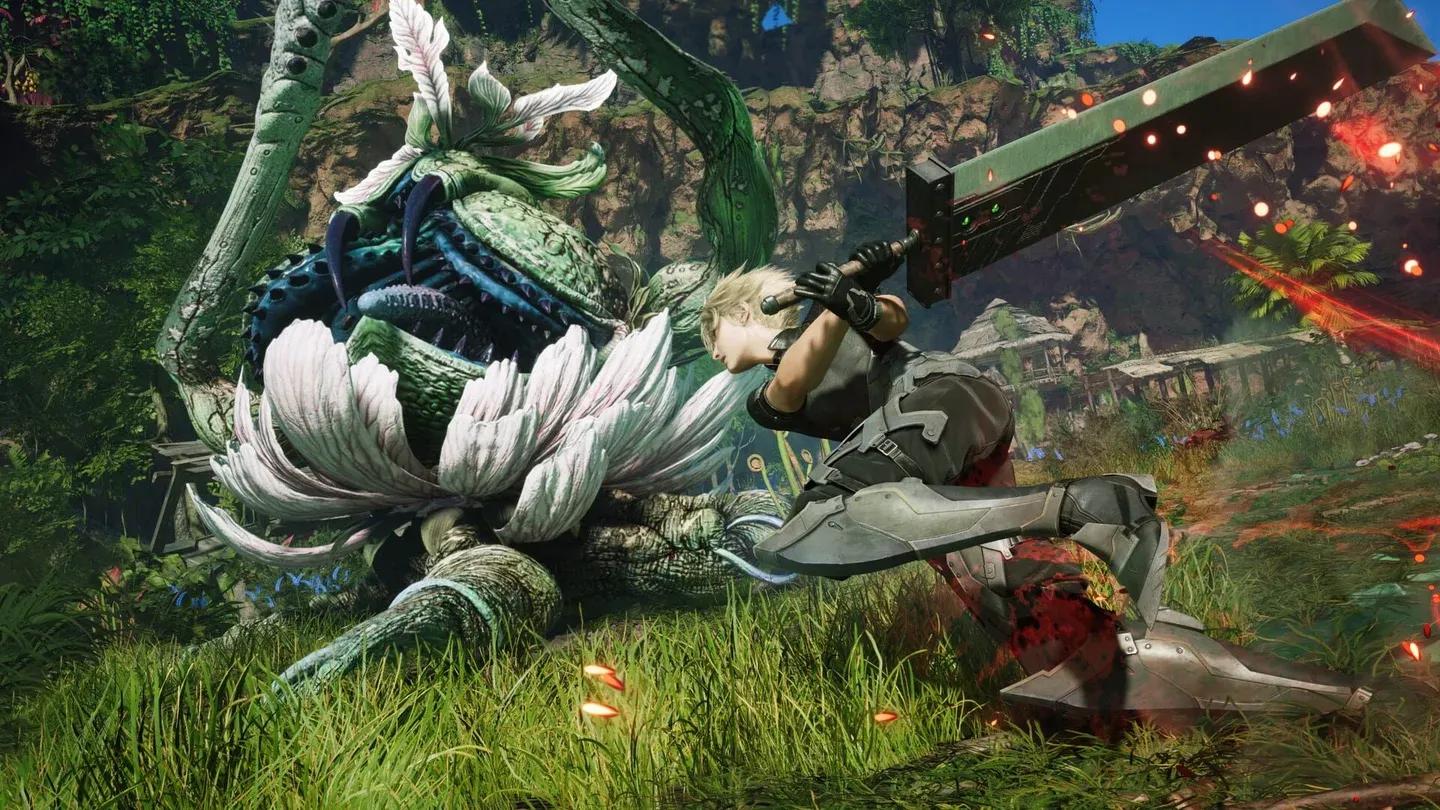
Revelation runs on the same hybrid real-time and command-based system established in Remake and refined through Rebirth, but Square Enix describes this as its most polished iteration. Players can switch between party members mid-fight, pause the action with Tactical Mode to issue commands, and chain abilities together for synergy attacks against tougher enemies.
The new FITS system adds class-based abilities and unique outfits for each character, layering on top of the existing materia and weapon upgrade frameworks. Builds can be tuned for aggressive damage output, support-focused strategies, or something in between, and the game appears designed to reward players who engage with all of it rather than just mashing through on default loadouts.
Players who carry save data from Final Fantasy VII Remake Intergrade receive the Chocobo and Moogle Summoning Materia, while Rebirth save data unlocks the Phoenix Summoning Materia. Both are cosmetically and mechanically meaningful rewards for series veterans.
World and setting
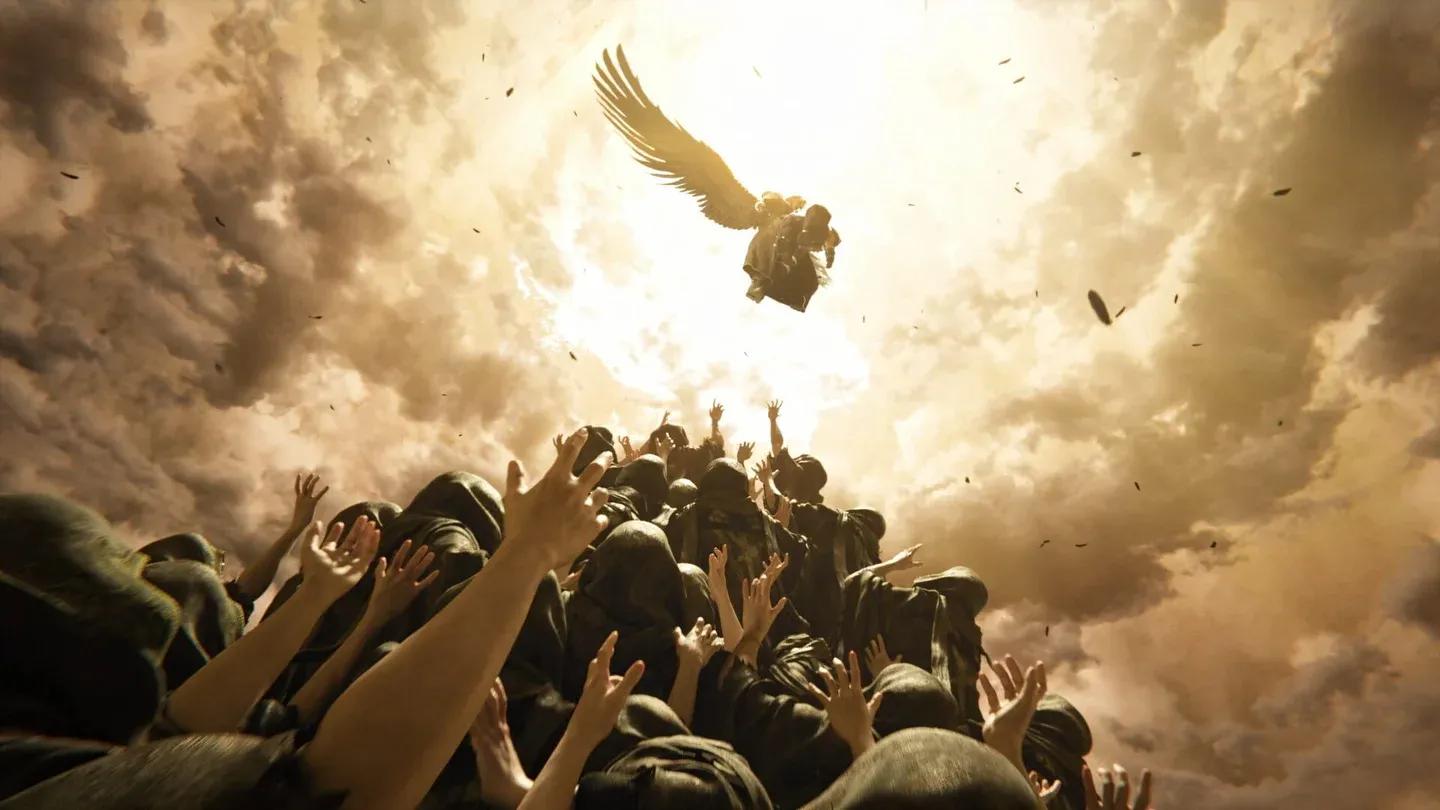
The story places Revelation at the apocalyptic endpoint of one of gaming's most recognizable narratives. Sephiroth is closer to godhood than ever, Meteor hangs in the sky as a countdown no one can ignore, and the Weapons (the planet's monstrous defensive organisms) are active across the globe. For anyone who has played through the original Final Fantasy VII or followed the remake series, this is the moment the entire project has been building toward.
Final Fantasy VII Revelation content image
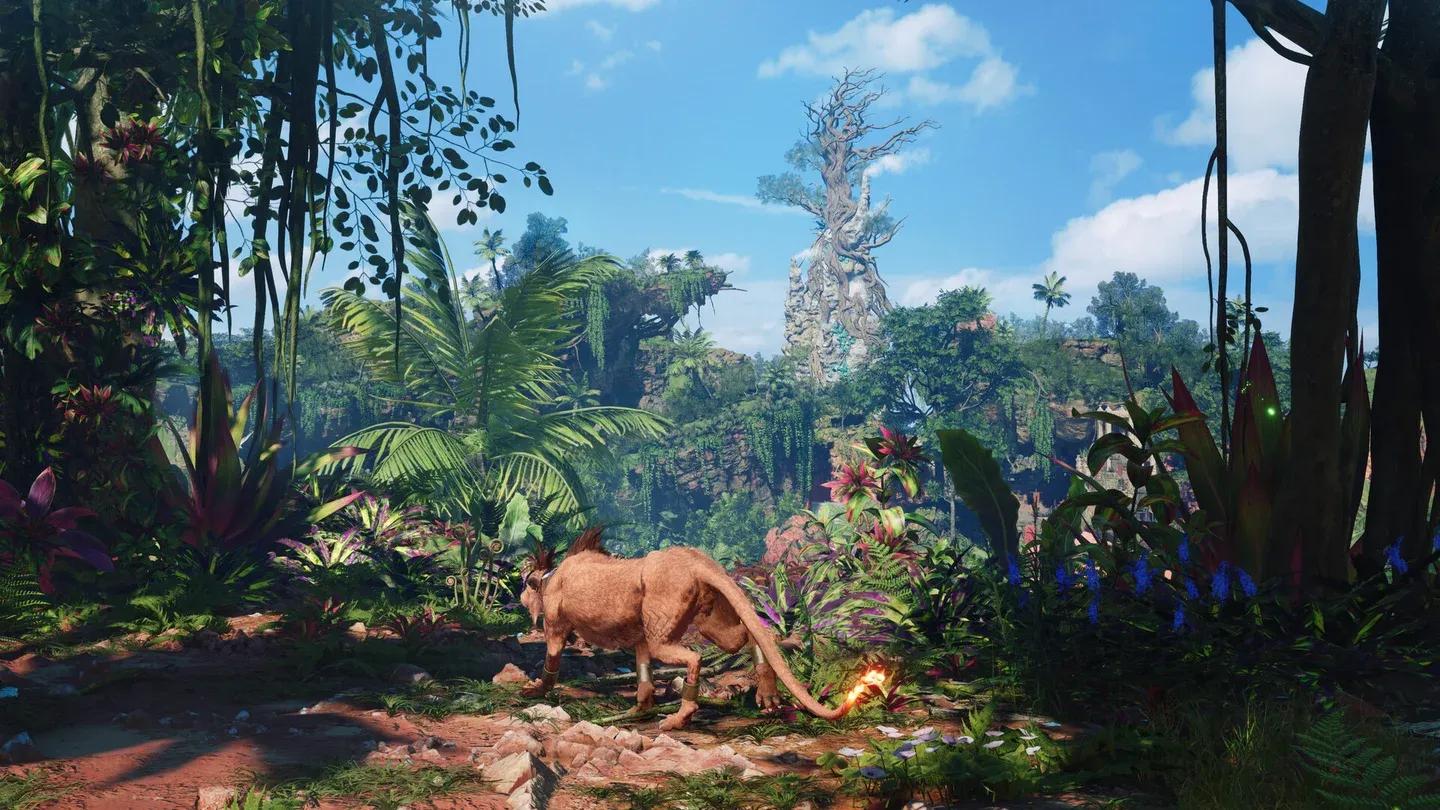
Exploring that world from the Highwind, diving into locations across varied terrain and encountering the chaos firsthand, gives the apocalyptic premise a tangible scale. The action RPG structure means the story unfolds through combat and exploration in equal measure, keeping the pacing driven by player agency rather than cutscene density alone. Revelation is planned for release in 2027 across PC, PlayStation, Xbox, Nintendo Switch, Steam, and Epic Games Store.