Overview
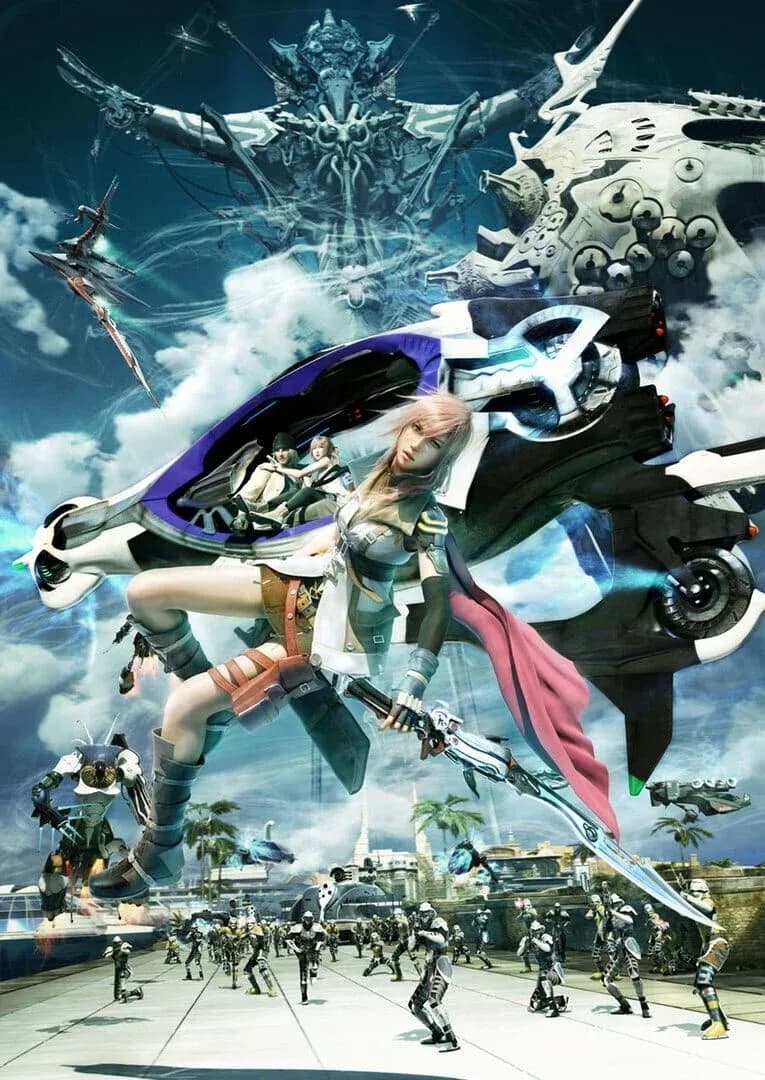
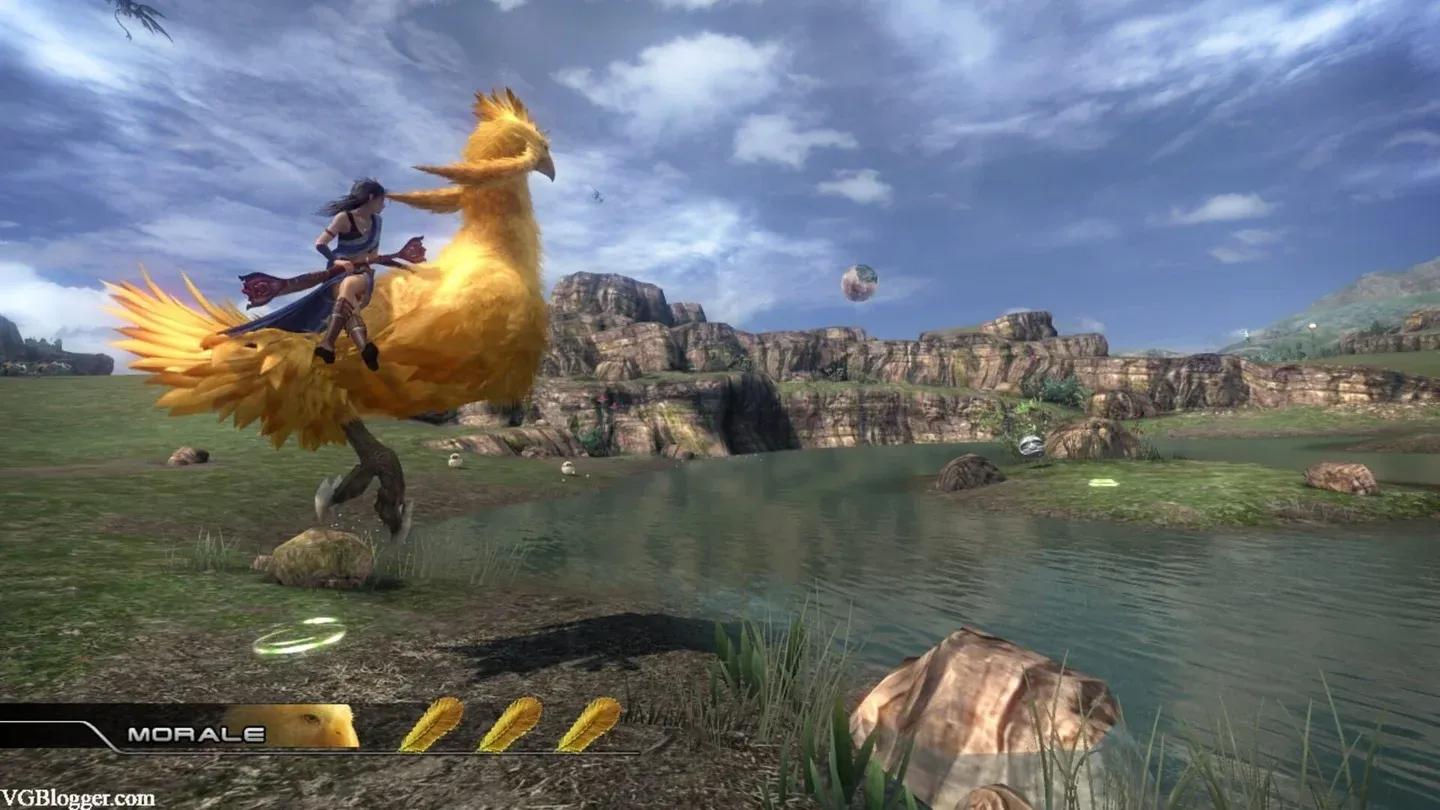
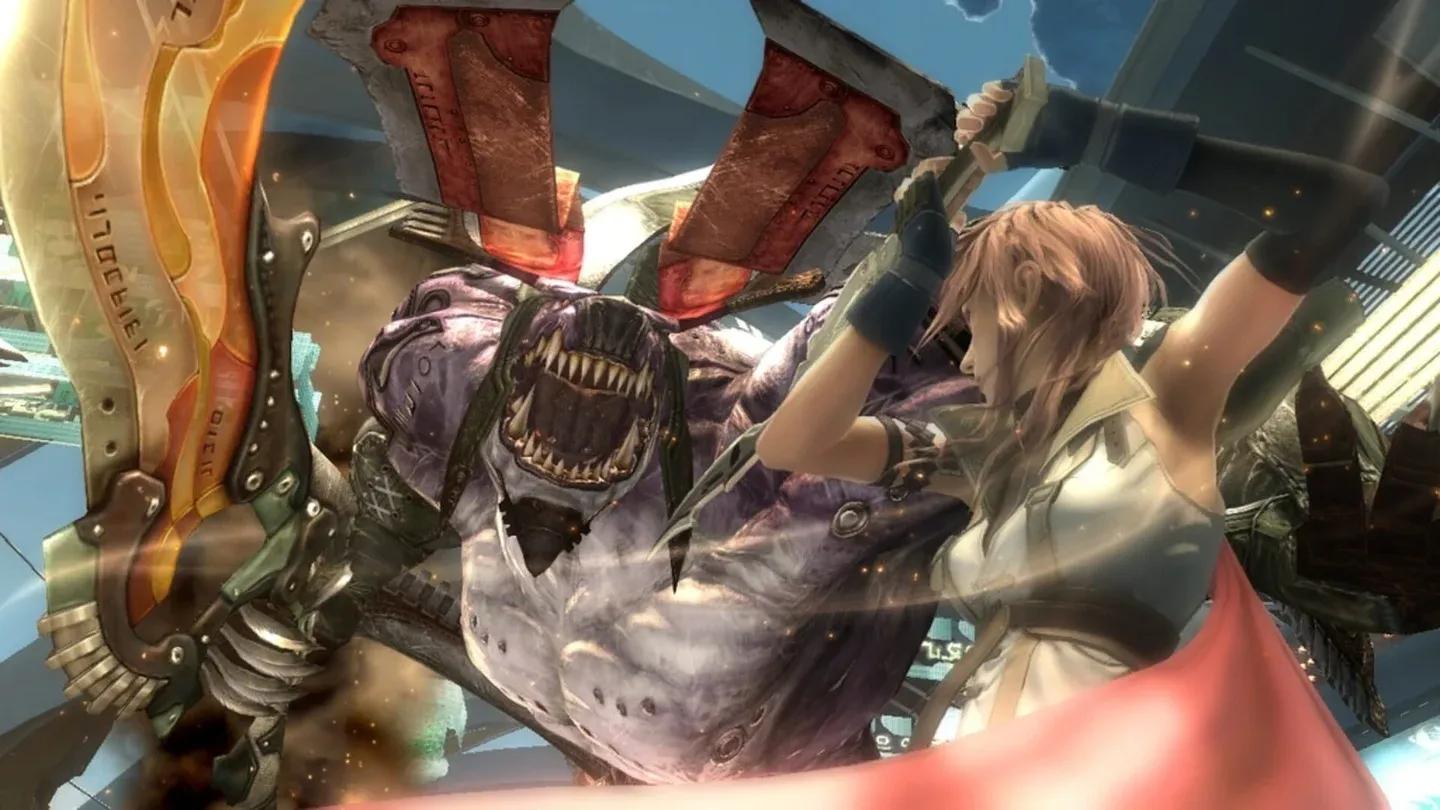
Final Fantasy XIII drops players into Cocoon, a technologically advanced shell of a world suspended above the savage wilderness of Gran Pulse. When a group of civilians are exposed to a fal'Cie, ancient machine-gods that rule both worlds, they are branded l'Cie and condemned to complete a cryptic Focus or transform into mindless monsters. Branded enemies of the state overnight, the party has no choice but to fight through military forces, twisted creatures, and their own fractured loyalties to survive.
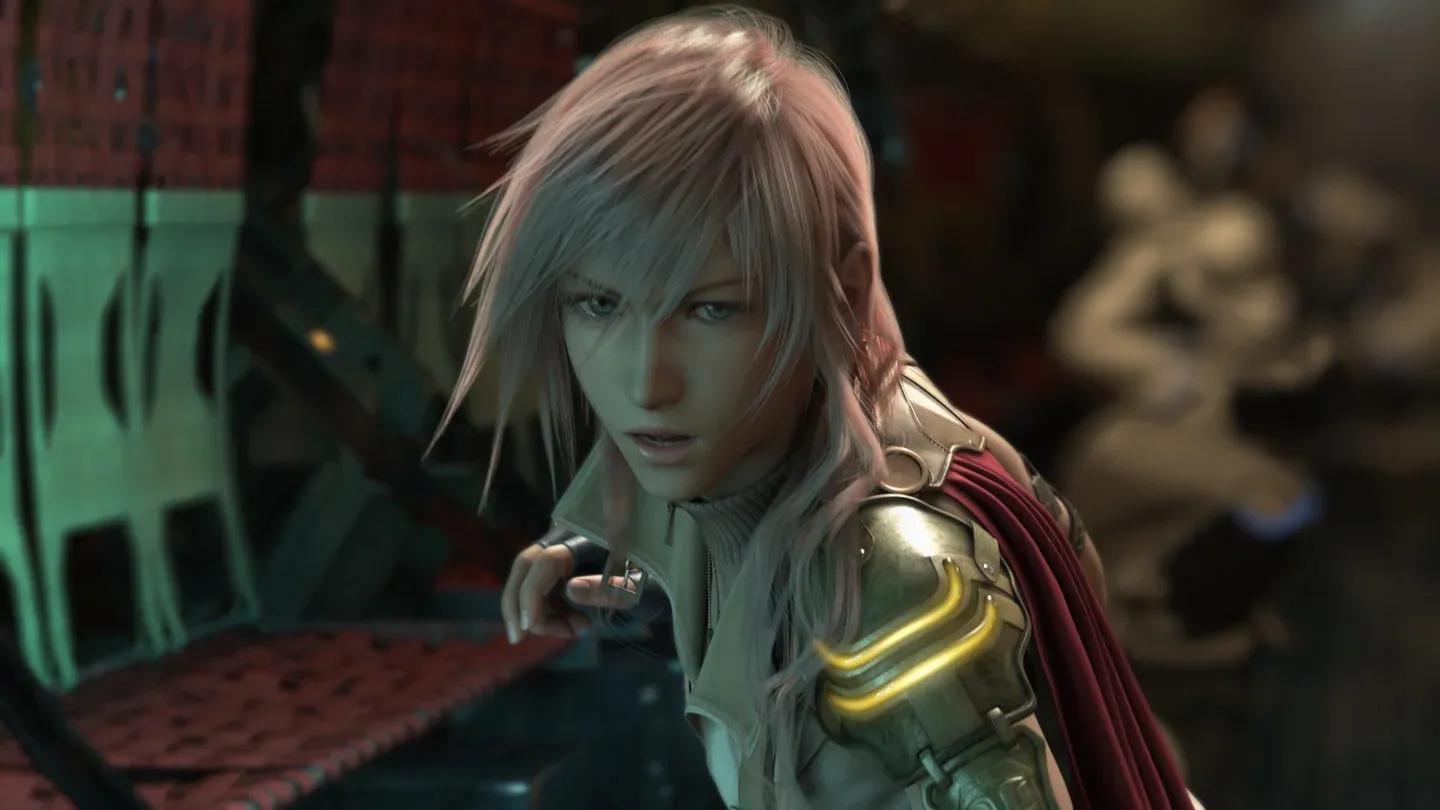
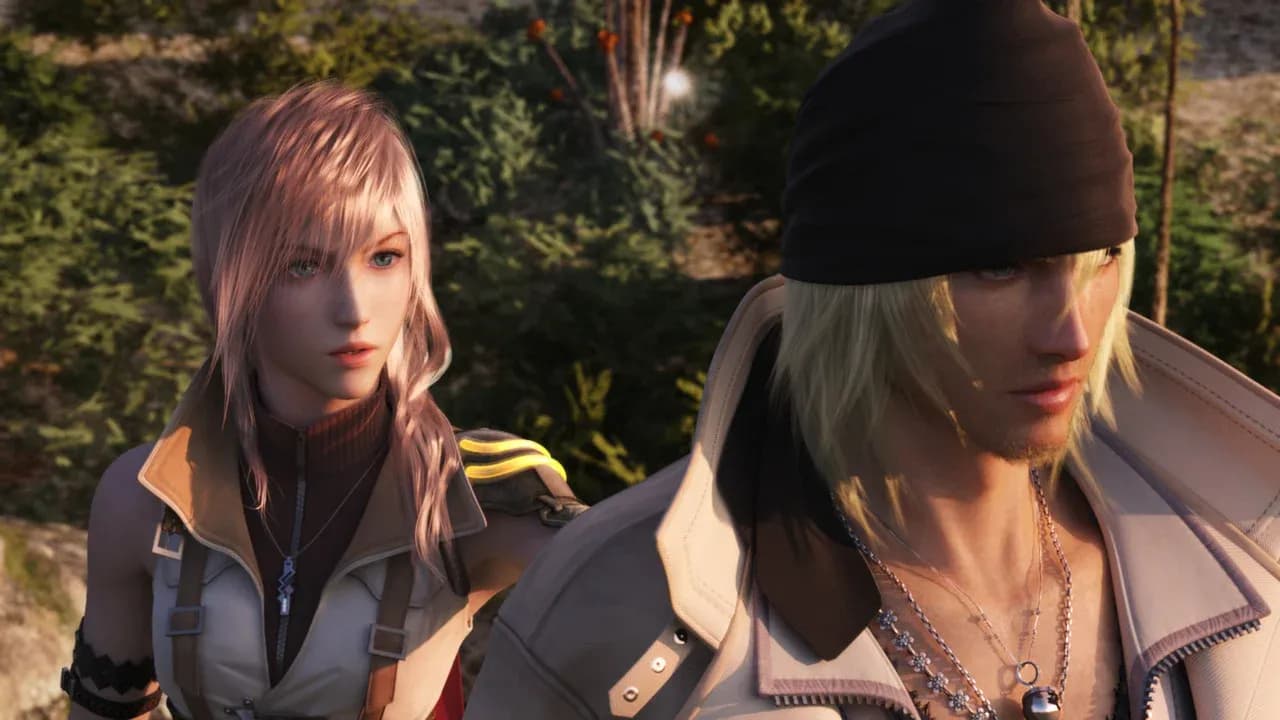
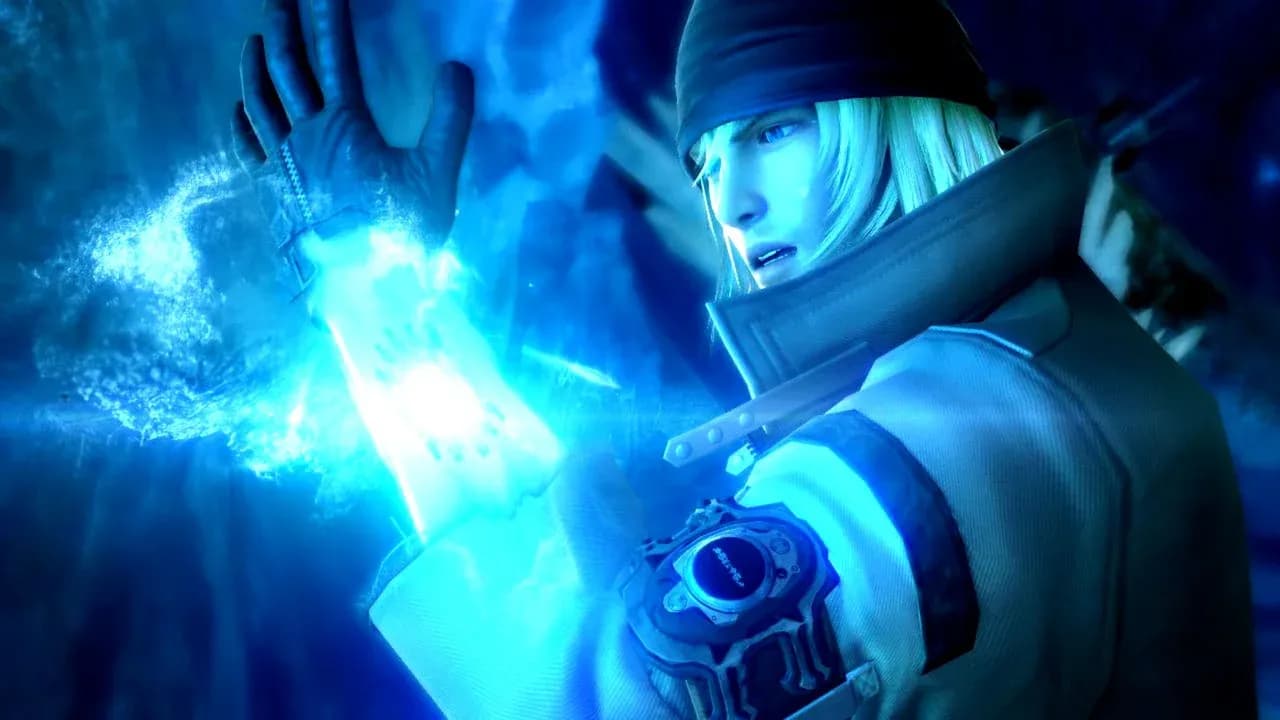
The cast anchors everything. Lightning is one of the sharpest protagonists the series has produced, a soldier who channels grief into forward momentum. Around her, Square Enix builds a group with genuine friction: the protective Snow, the terrified Vanille, the reluctant Sazh, and others who each carry a reason to keep running. The story takes time to explain itself, but the payoff is a mythology with real weight.
FINAL FANTASY® XIII content image
How does the Paradigm Shift system work?
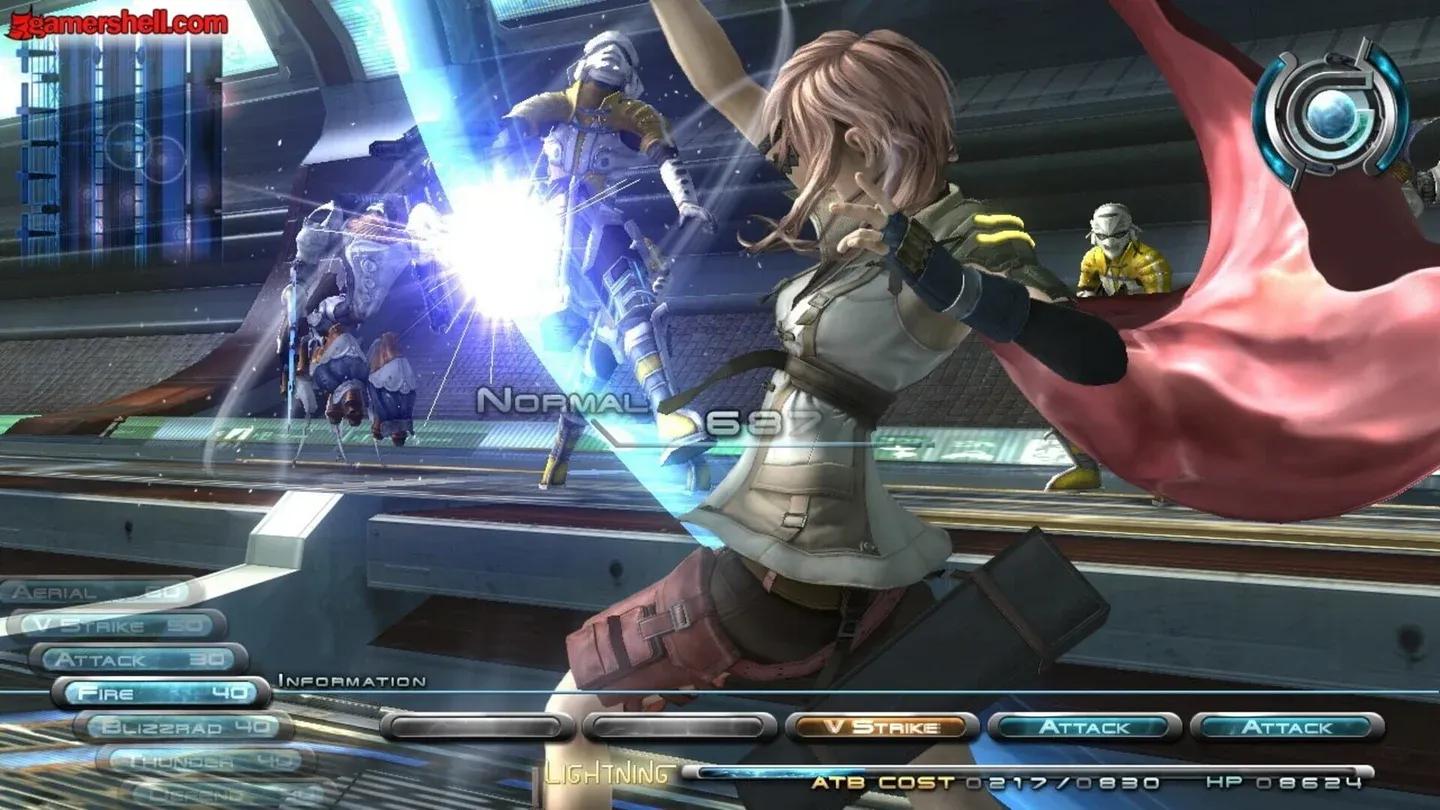
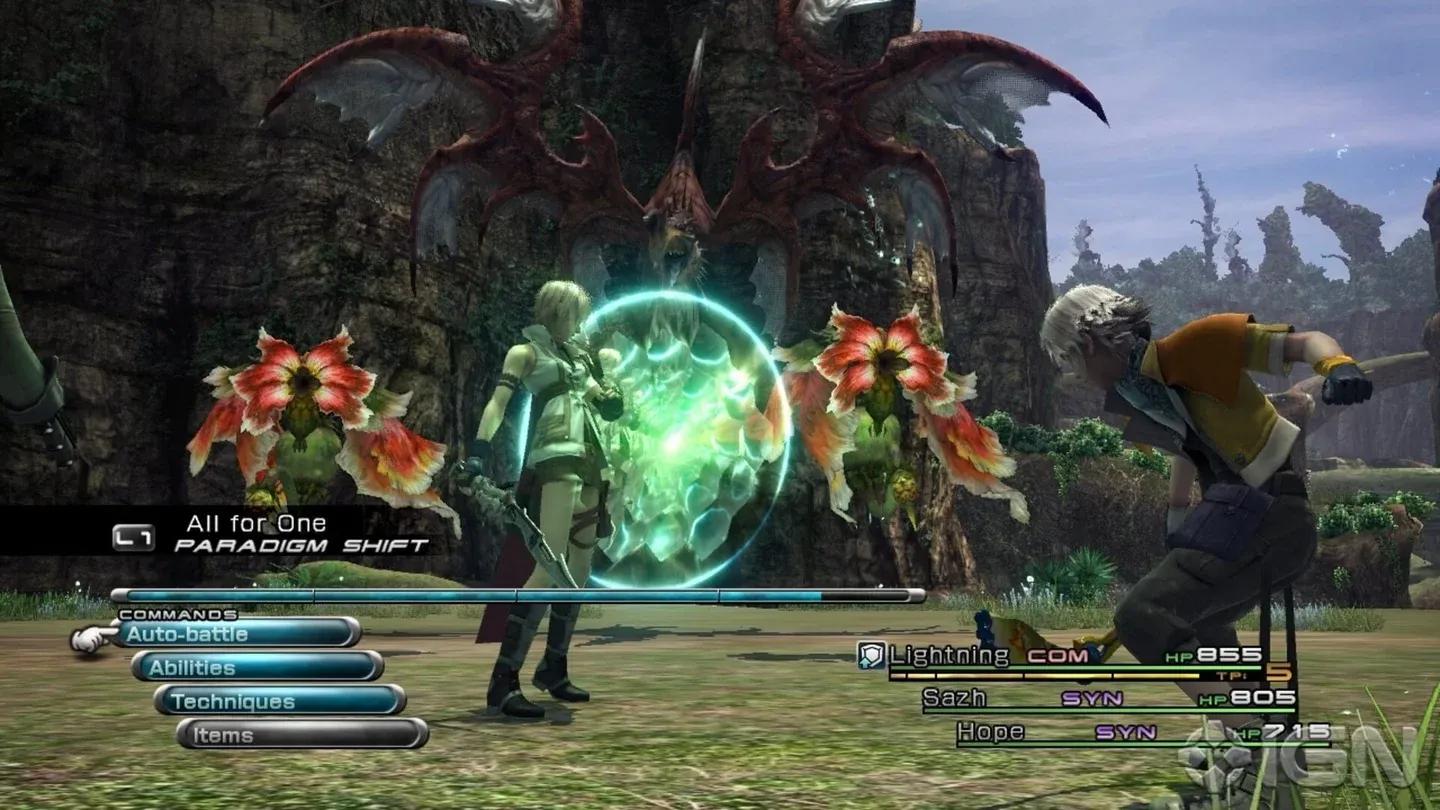
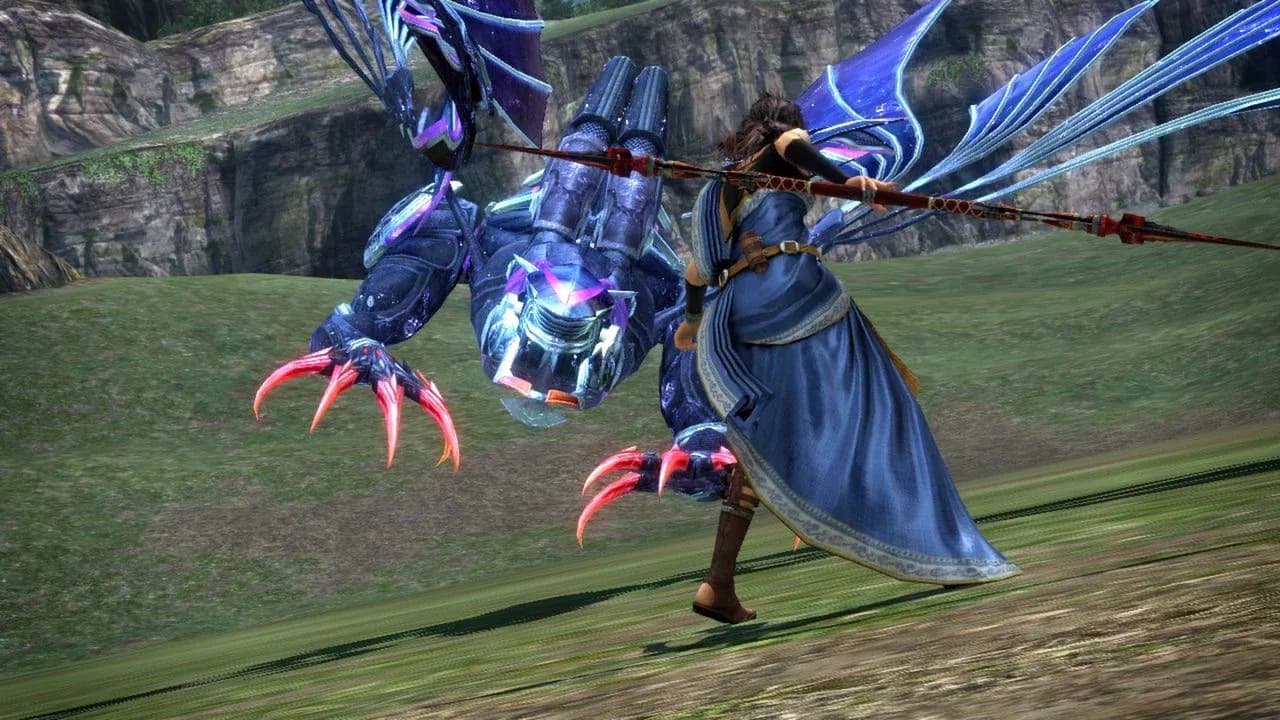
Paradigm Shift is the mechanical core of Final Fantasy XIII, and it rewards players who engage with it fully. Each character can fill one of six roles in battle: Commando, Ravager, Medic, Sentinel, Synergist, or Saboteur. A Paradigm is a preset combination of these roles across the active party, and swapping between Paradigms mid-fight is the main skill expression the game demands.
FINAL FANTASY® XIII content image
Key combat roles:
- Commando: deals physical damage, maintains chain gauge
- Ravager: drives the chain gauge up fast with elemental attacks
- Medic: heals and removes status effects
- Sentinel: draws enemy attention and reduces incoming damage
- Synergist: applies buffs to the party
- Saboteur: applies debuffs to enemies
The stagger mechanic ties everything together. Fill an enemy's chain gauge and it staggers, taking massively increased damage for a short window. Good Paradigm management is about building that gauge efficiently and then unloading with Commandos at the right moment. It sounds simple but scales into genuinely demanding fights against tougher enemies.
FINAL FANTASY® XIII content image
World and setting
Cocoon is a closed society built on dependence. The fal'Cie provide food, power, and protection, and the human population accepts that arrangement without question until the story starts pulling it apart. The contrast between Cocoon's gleaming cities and the raw, dangerous terrain of Gran Pulse gives the world a sense of scale that the game earns slowly.
The Crystarium, the game's progression system, maps onto this world-building neatly. Characters advance by spending Crystogen Points earned in battle to unlock nodes on a crystal lattice, each one granting stat boosts, new abilities, or expanded role access. The system is more linear than the Sphere Grid from Final Fantasy X, but it gives a satisfying visual sense of a character growing stronger.
Technical achievement and PC version
The PC version released on Steam in October 2014 runs at 60 frames per second with full-screen support, a meaningful upgrade over the console experience for players coming to the game later. Both English and Japanese voice tracks are included, which matters for a game this cinematically dense. The Japanese track in particular suits the more restrained emotional performances the script sometimes calls for.
FINAL FANTASY® XIII content image
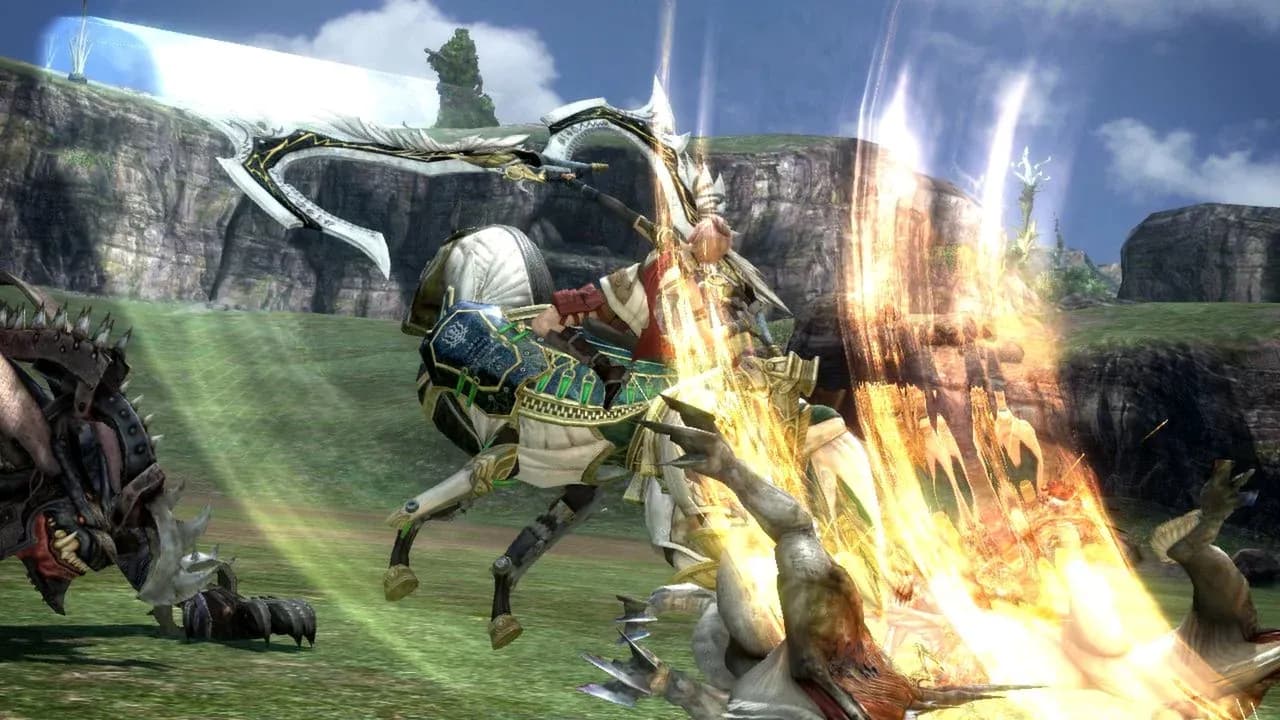
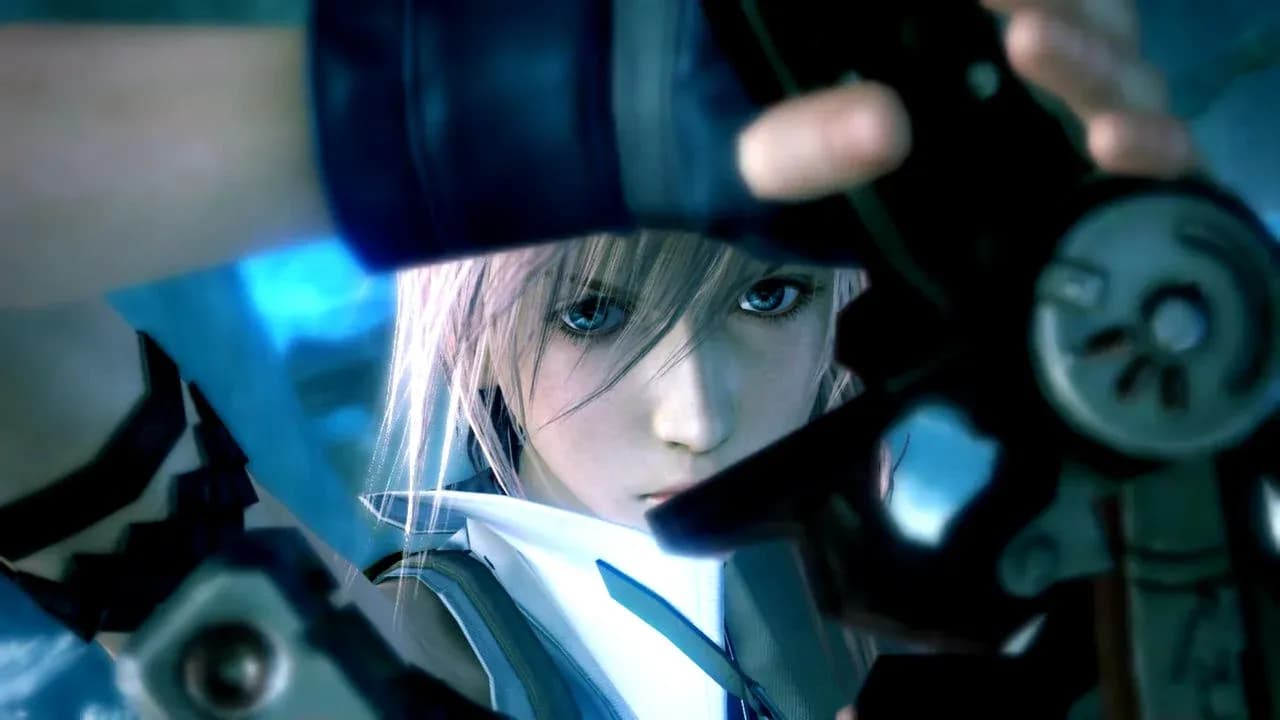
The visual direction holds up. Square Enix built Final Fantasy XIII on the Crystal Tools engine, and the character models and environment design still carry a distinct visual identity. The pre-rendered cinematics were exceptional for their time and remain impressive as storytelling set pieces. For an RPG released originally in 2009 and ported to PC five years later, the presentation is still easy to sit with.
| Requirement | Minimum | Recommended |
|---|---|---|
| Processor | 2GHz Dual Core CPU | Intel® Core™ 2 Quad (2.66 GHz)/ AMD Phenom™ II X4 (2.8 GHz) processor |
| Memory | 1 GB RAM | 2 GB RAM |
| Graphics | NVIDIA® Geforce® 8 Series/ ATI Radeon™ HD 2000 series VRAM 256MB or later | NVIDIA® Geforce® GTX™ 460/ ATI Radeon™ HD 5870 |
| DirectX | Version 9.0c | Version 9.0c |
| Storage | 60 GB available space | 60 GB available space |