Overview
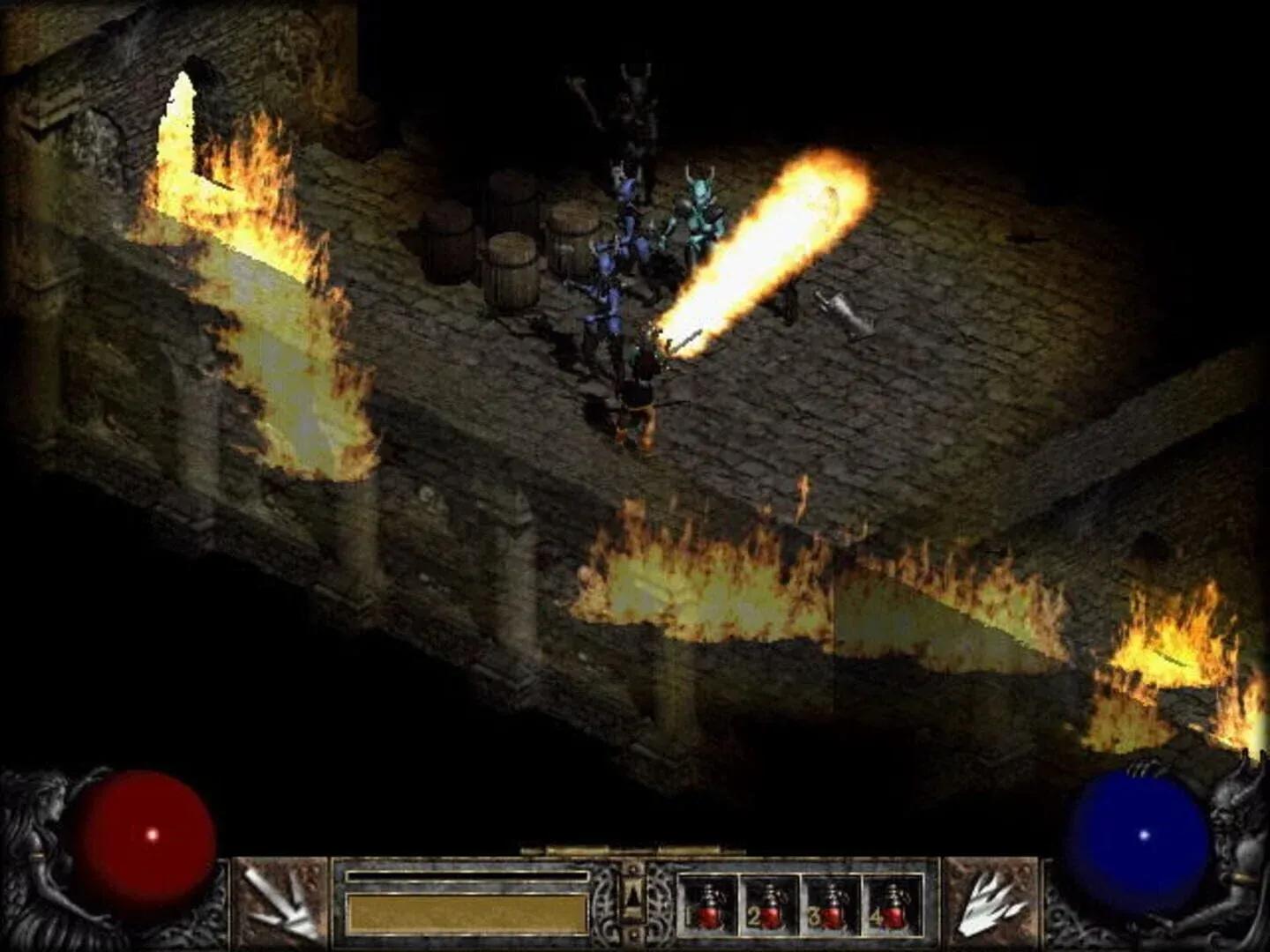
Diablo II drops players into the world of Sanctuary, picking up directly after the first game's grim ending. The unnamed warrior who defeated Diablo has been corrupted by the Lord of Terror's essence, spreading demonic chaos across the land. A new hero steps up to hunt that corrupted wanderer down and stop the Three Prime Evils from reuniting before Sanctuary becomes a permanent outpost of the Burning Hells.
The game spans four acts, each with its own distinct setting: the windswept wilderness around the Rogue Encampment, the arid deserts of Lut Gholein, the jungle-choked Kurast, and the hellish Pandemonium Fortress. Each act builds toward a climactic boss encounter, with dozens of randomized dungeons and enemy packs filling the space between. The randomization is light by modern standards, but it does enough to make repeat runs feel different.
Gameplay and mechanics
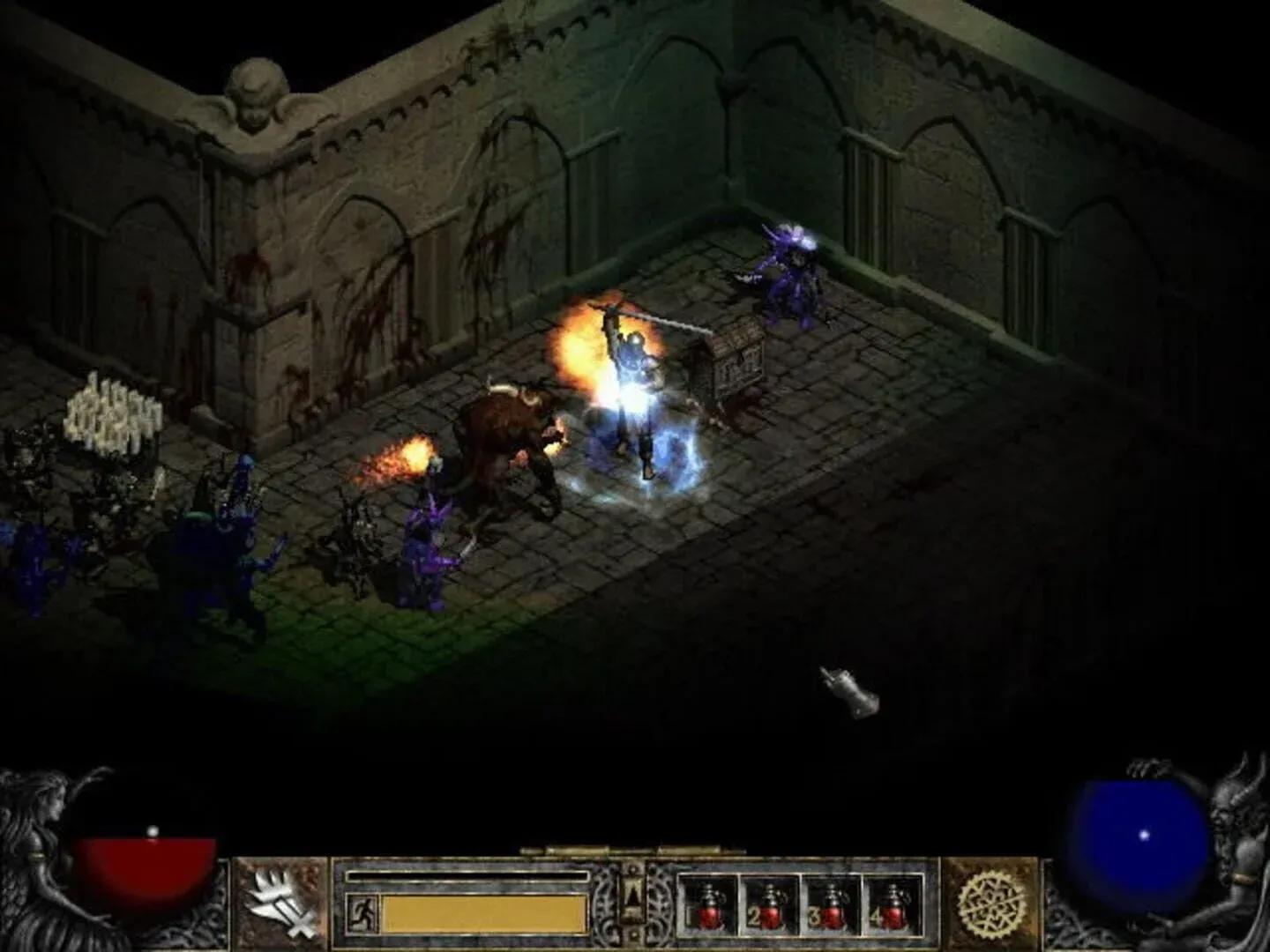
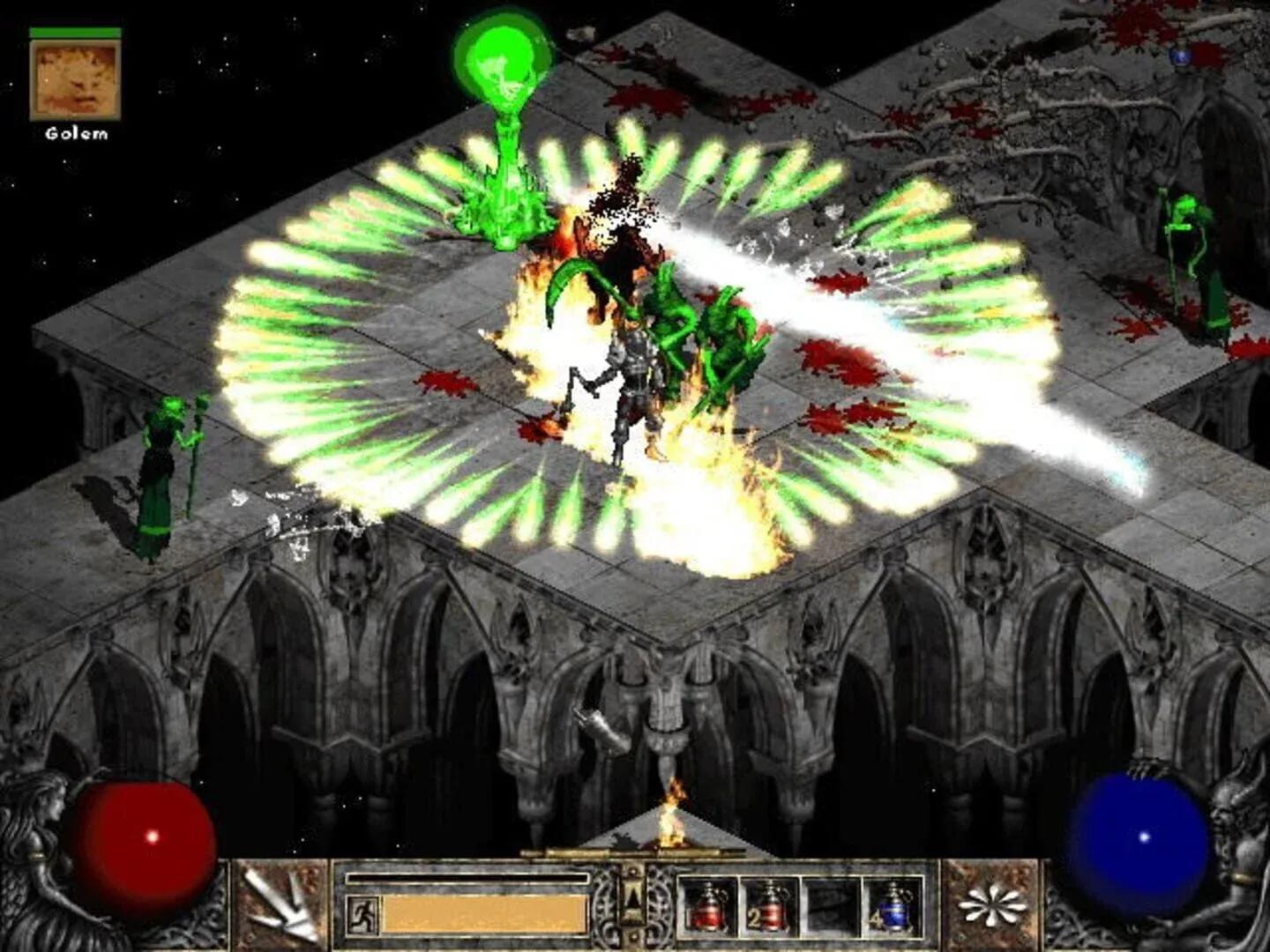
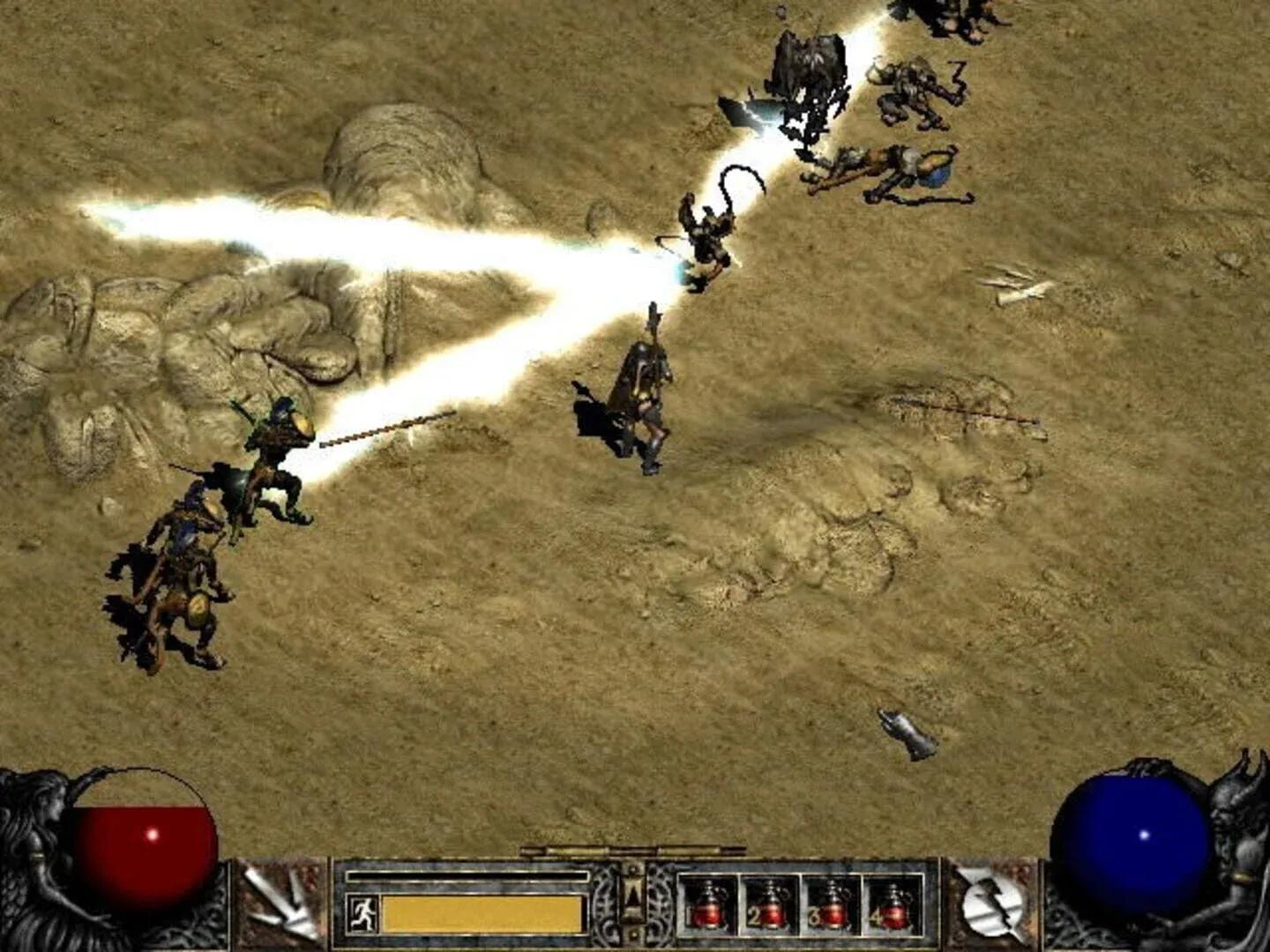
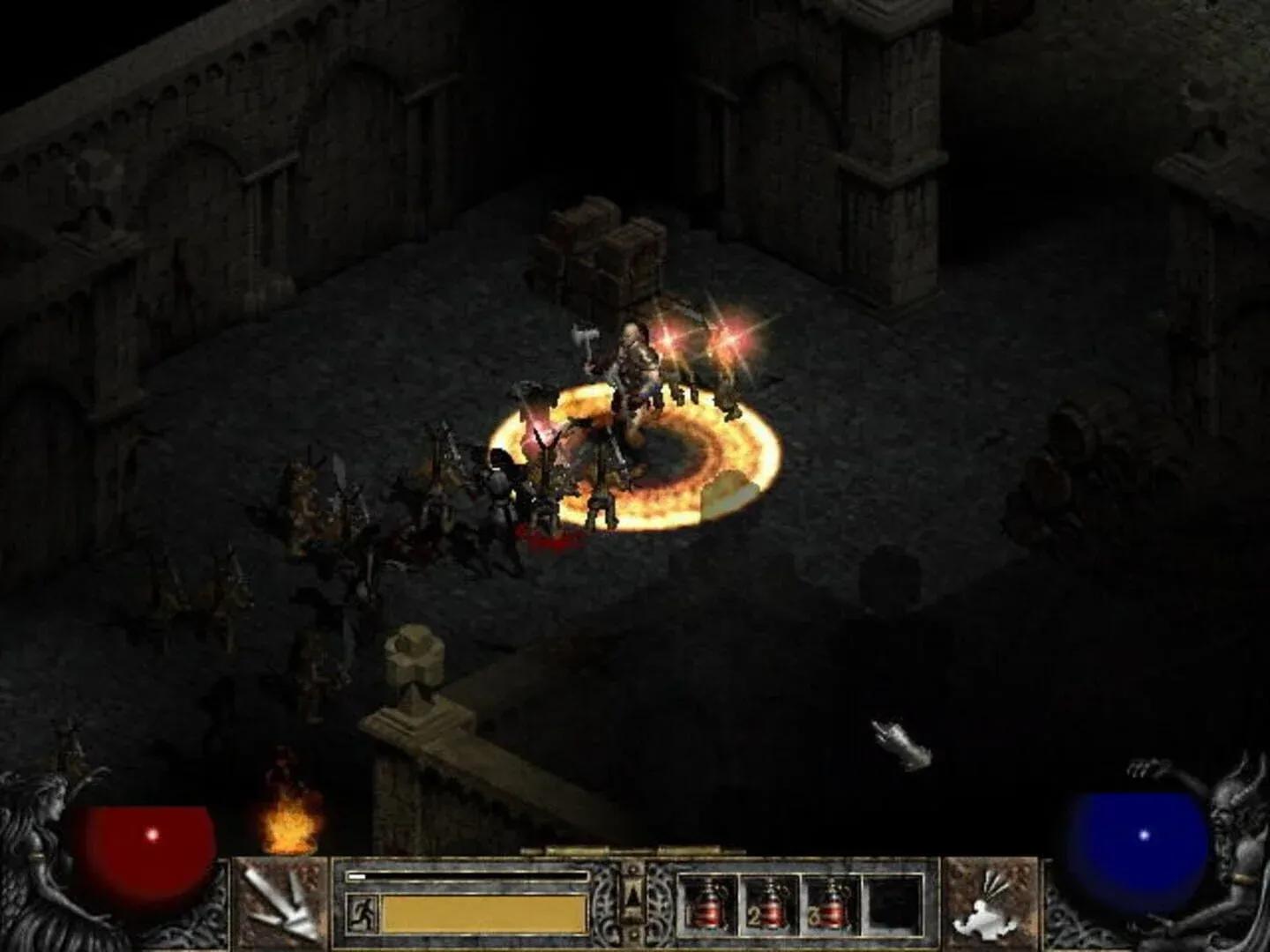
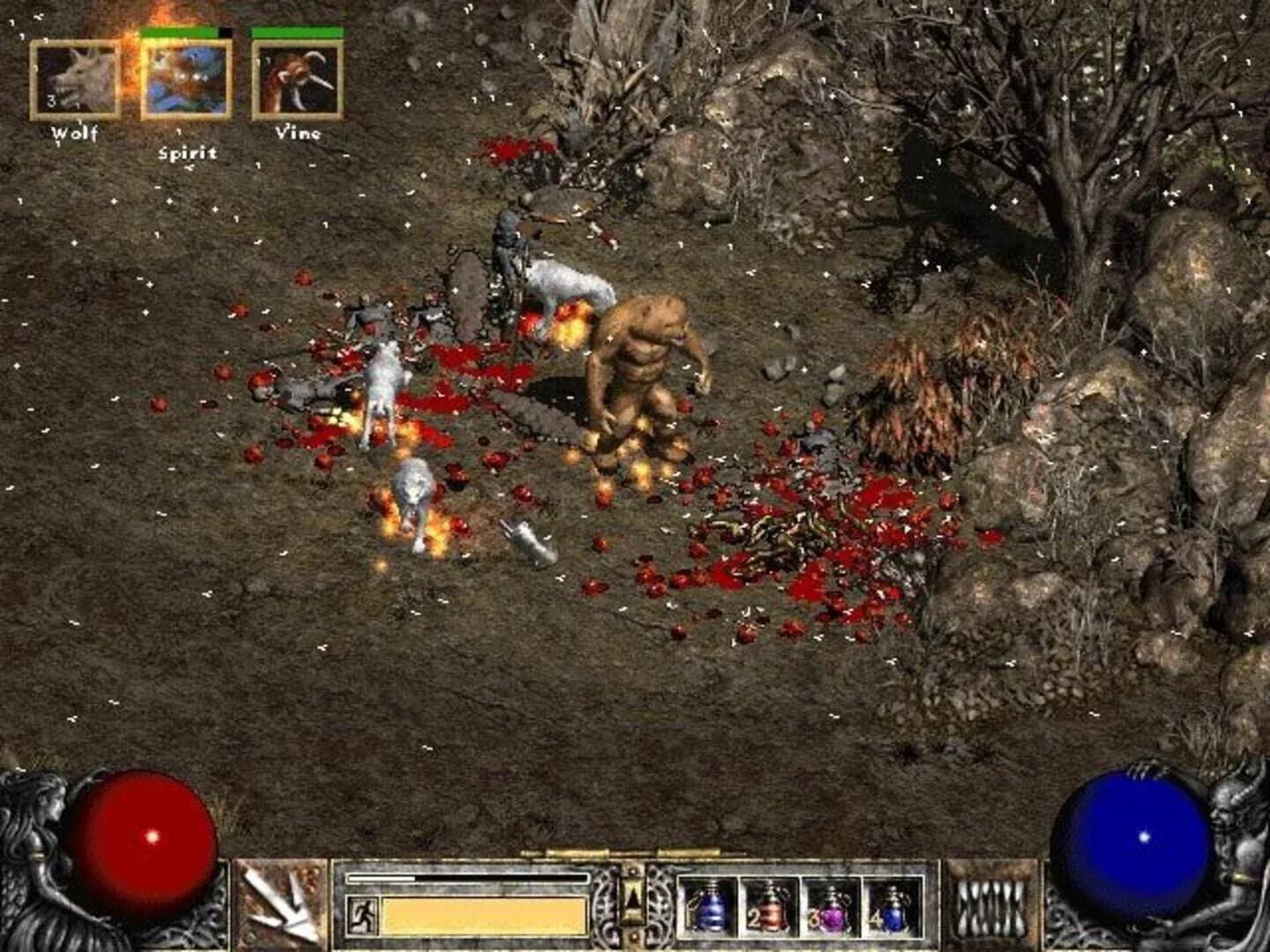
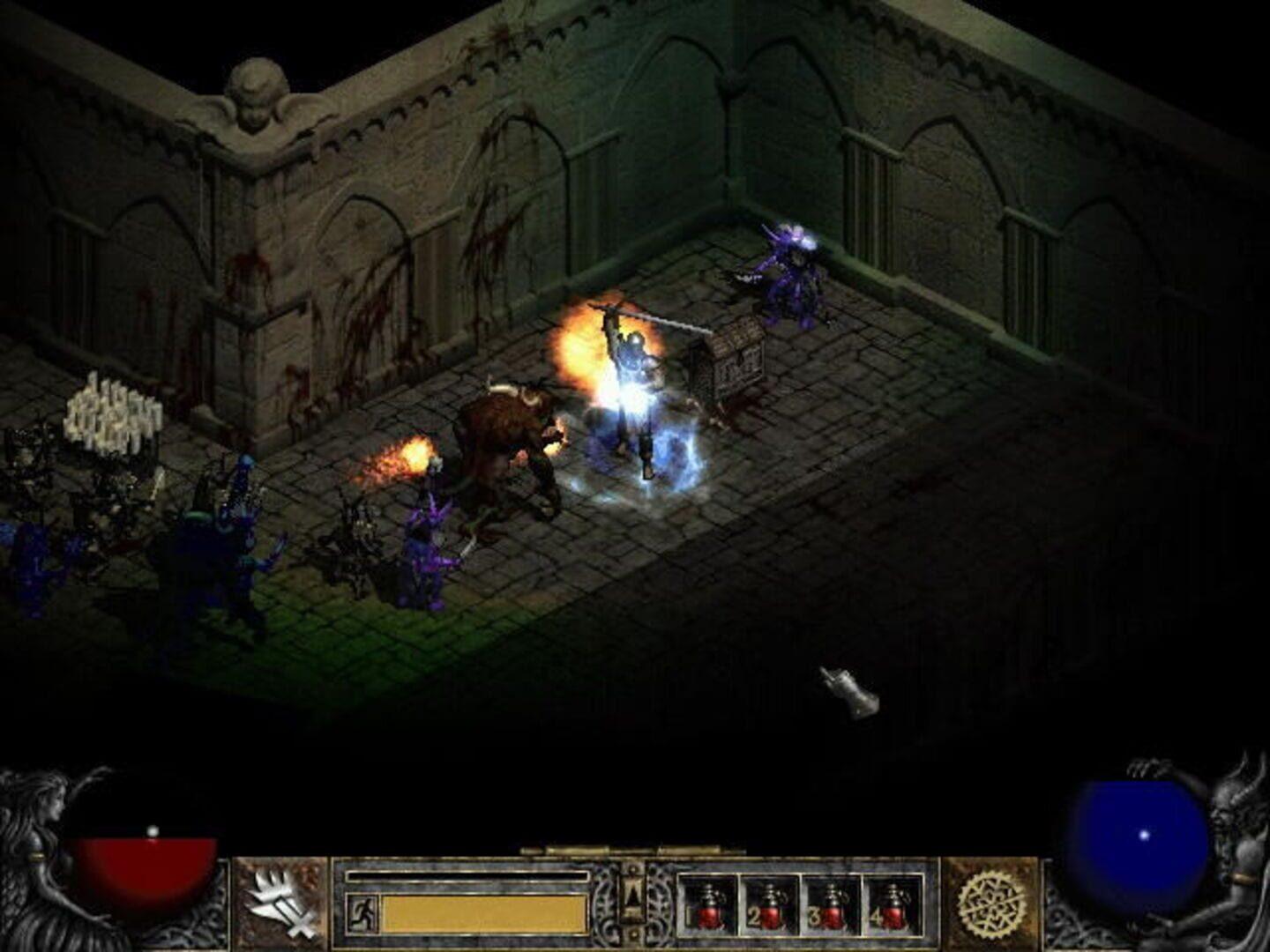
The core loop is one of the most refined in the hack-and-slash genre. Kill enemies, collect loot, build your character, repeat. What makes it work is how every piece of that loop feeds the next. Rare and unique items carry meaningful stat combinations, skill trees offer real build decisions, and the difficulty scales across Normal, Nightmare, and Hell modes to keep the challenge relevant well past the first playthrough.
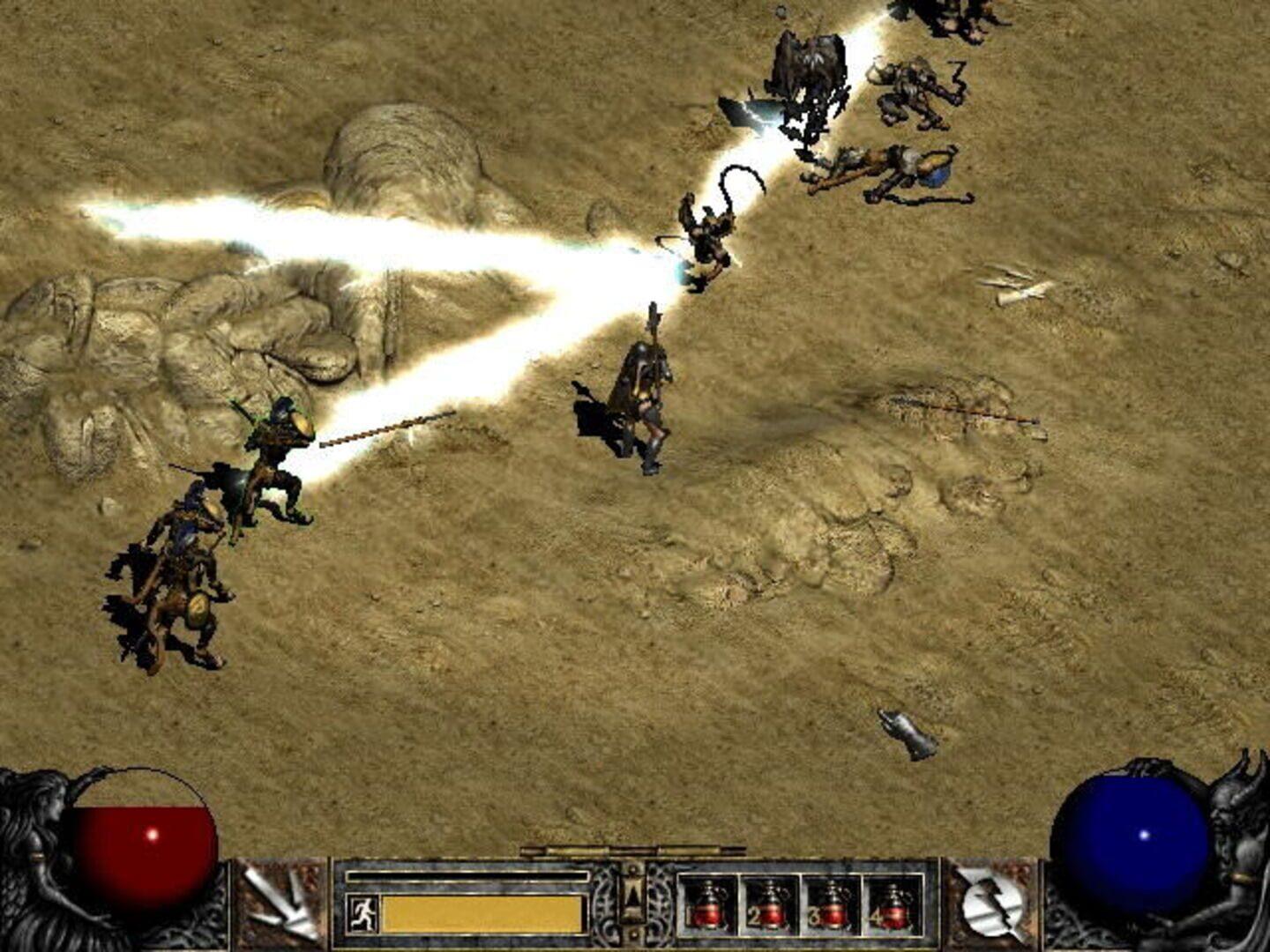
The five playable classes each have a completely different feel:
- Amazon: ranged combat with bows and javelins
- Necromancer: summon armies of skeletons and golems
- Barbarian: brute melee with dual-wield and war cries
- Sorceress: elemental magic across fire, cold, and lightning
- Paladin: aura-based support and holy combat
Each class has three skill trees, and the best builds often require players to split points across two or three of them. That decision-making is where Diablo II's depth lives.
Multiplayer and social features
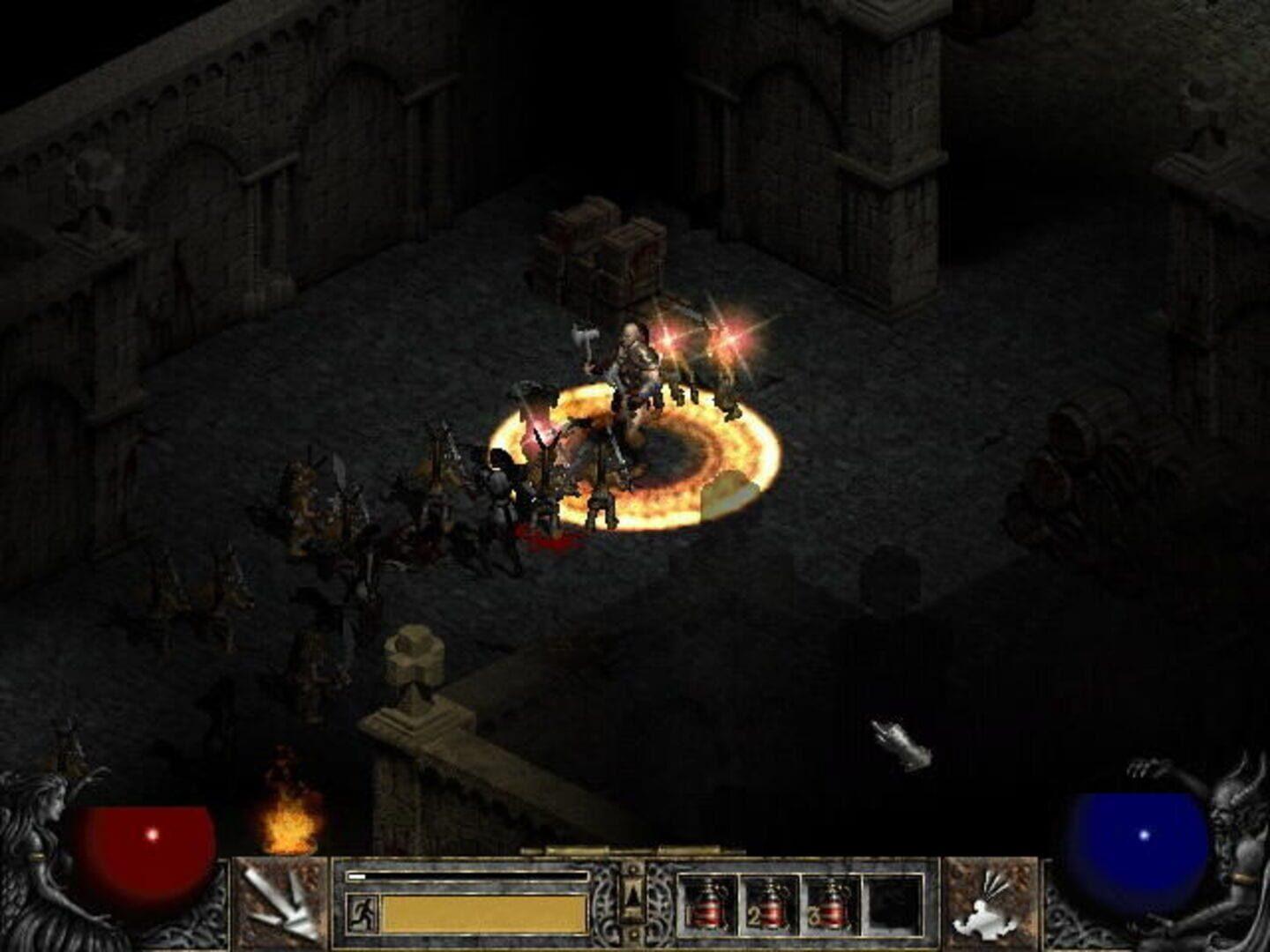
Battle.net access is free, and in 2000 that was a genuine differentiator. Up to eight players can join a game simultaneously, either cooperating through the campaign or competing in player-versus-player combat. The shared loot system creates both cooperation and tension, and the trading economy that grew around rare items became a defining feature of the community.
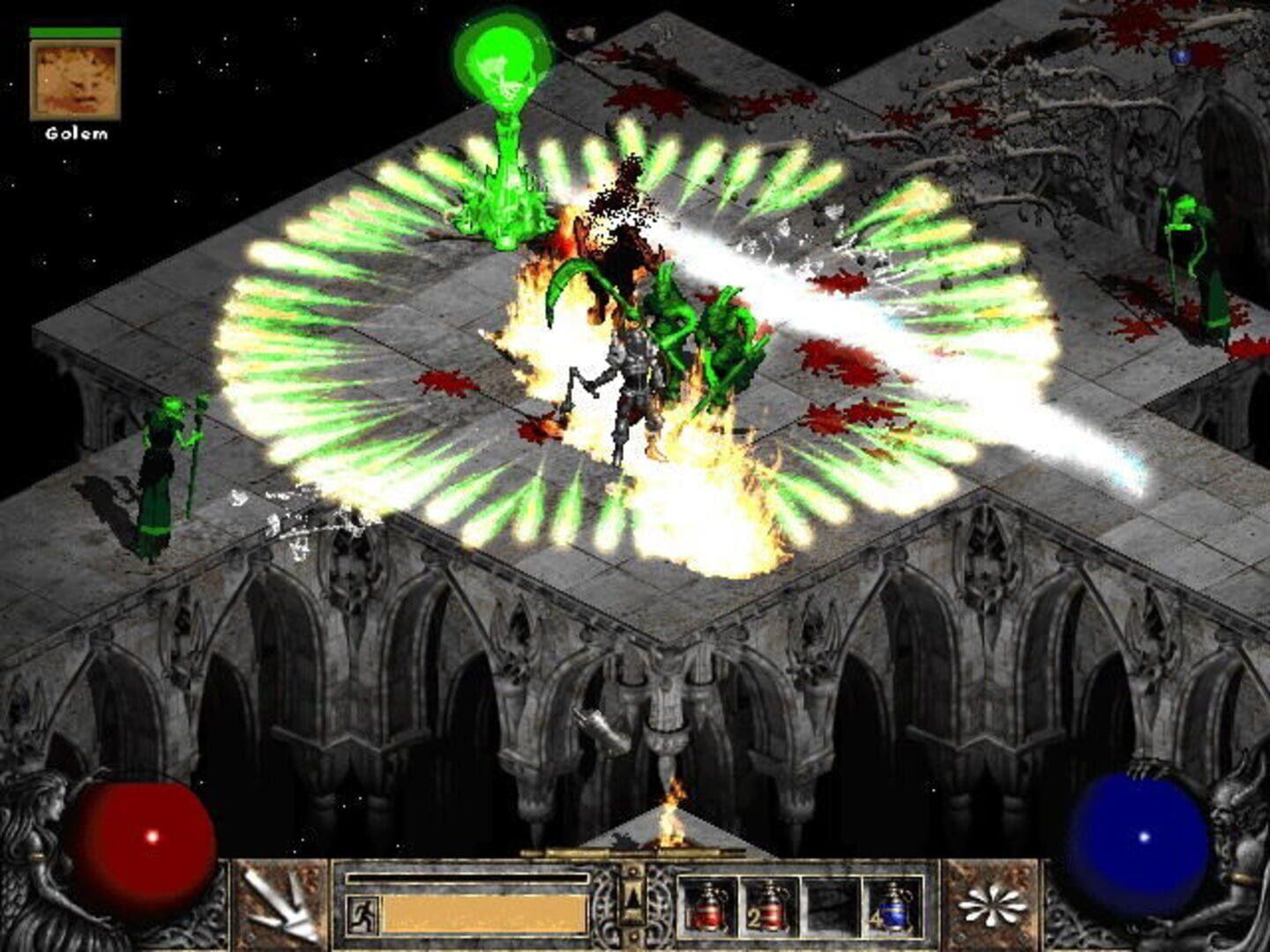
The online side also introduced hardcore mode to a wide audience, where character death is permanent. Hardcore ladder runs became a prestige challenge that serious players chased for years, and that culture has carried into the modern remaster, Diablo II: Resurrected.
Impact and legacy
Diablo II set the template that action RPGs still follow. The loot tier system of normal, magic, rare, set, and unique items became industry standard. The skill tree approach influenced everything from Path of Exile to Titan Quest. Even the isometric perspective and dark fantasy tone became genre shorthand.
The game's influence extends to how multiplayer economies in games are designed. The trading culture around items like the Stone of Jordan ring predates most modern in-game economies by years. Diablo II proved that players would invest hundreds of hours in a game with no subscription fee if the loot loop was compelling enough.
Available on Windows, macOS, and Nintendo Switch through Diablo II: Resurrected, the game remains playable and actively supported. For anyone who wants to understand where the hack-and-slash genre came from, and why loot-driven RPGs still dominate, this is the source material.