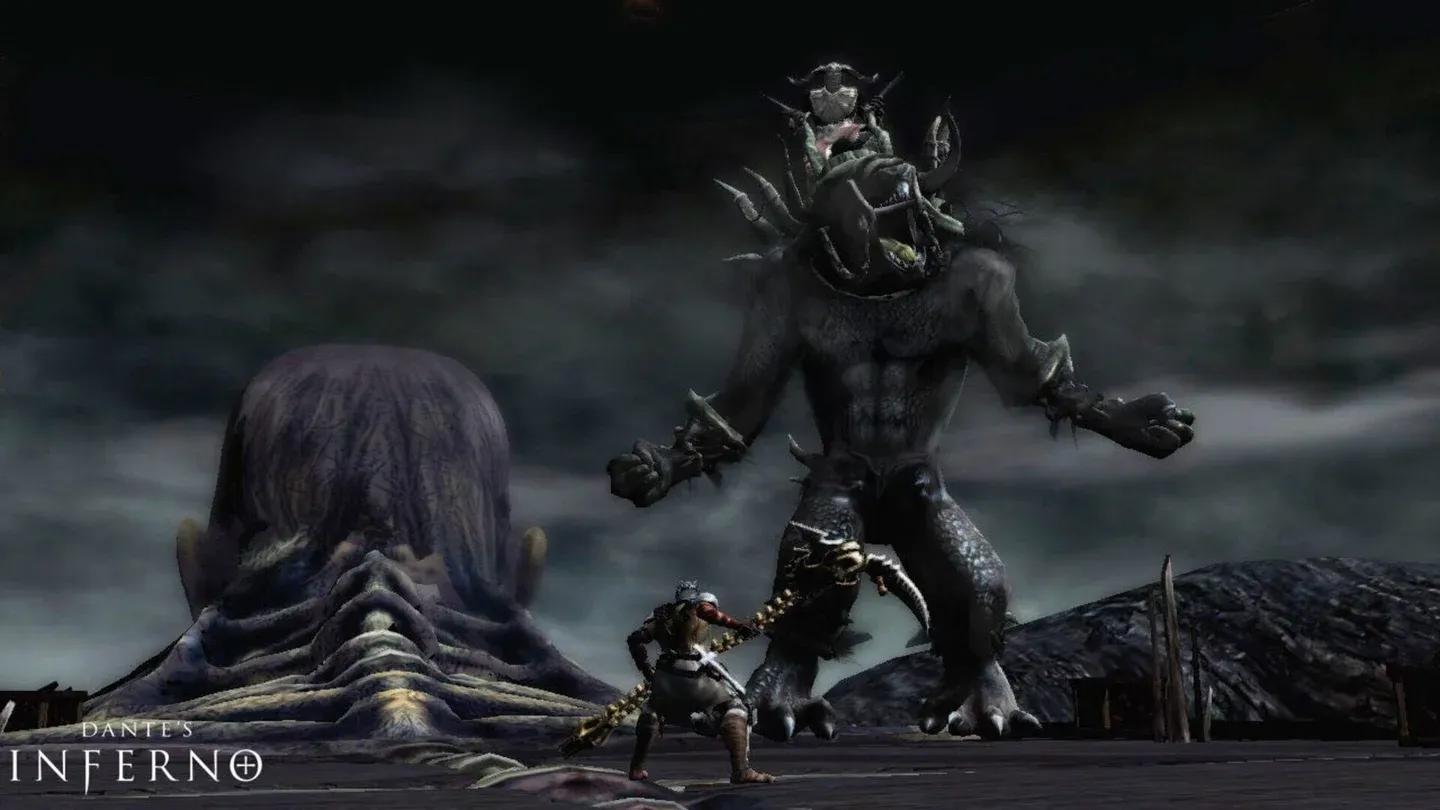
Overview
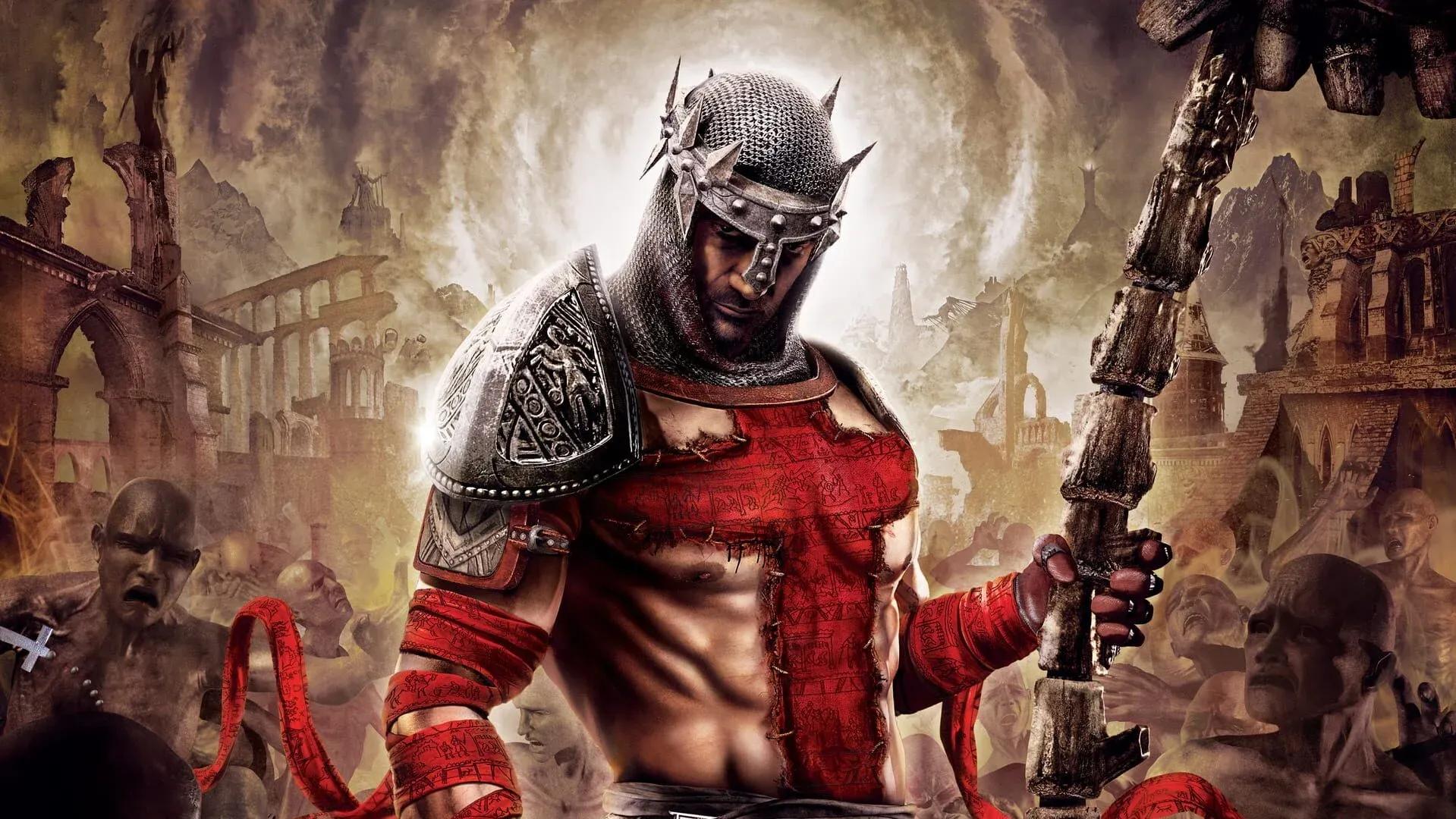
Released in February 2010 by Visceral Games and published by Electronic Arts, Dante's Inferno is a third-person hack-and-slash action game that draws its premise directly from the first canticle of Dante Alighieri's 14th-century epic poem. The game follows Dante, a Crusader knight whose beloved Beatrice is murdered and her soul seized by Lucifer before his eyes, sending him on a desperate descent through the nine circles of Hell to bring her back. What begins as a straightforward rescue mission gradually reveals itself as something far more uncomfortable: a confrontation with Dante's own war crimes, betrayals, and moral failures.
The game runs at 60 frames per second and draws obvious inspiration from Sony Santa Monica's God of War series, sharing its camera angle, combat rhythm, and general structure. That comparison is not a criticism so much as context. Visceral Games builds something distinct on that foundation by rooting every visual and mechanical choice in its literary source material, giving the game a thematic coherence that action games rarely bother with.
Dante's Inferno content image
Gameplay and mechanics
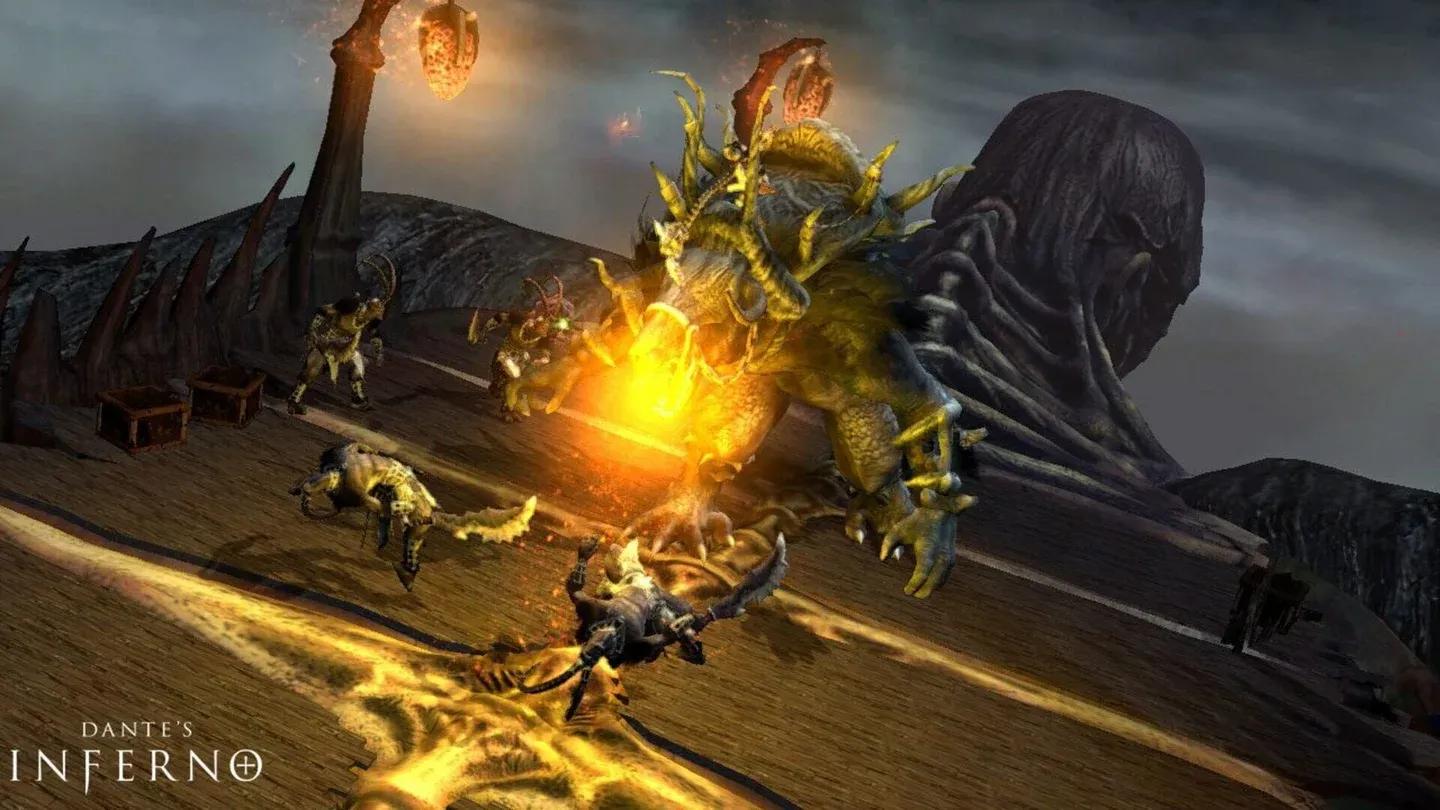
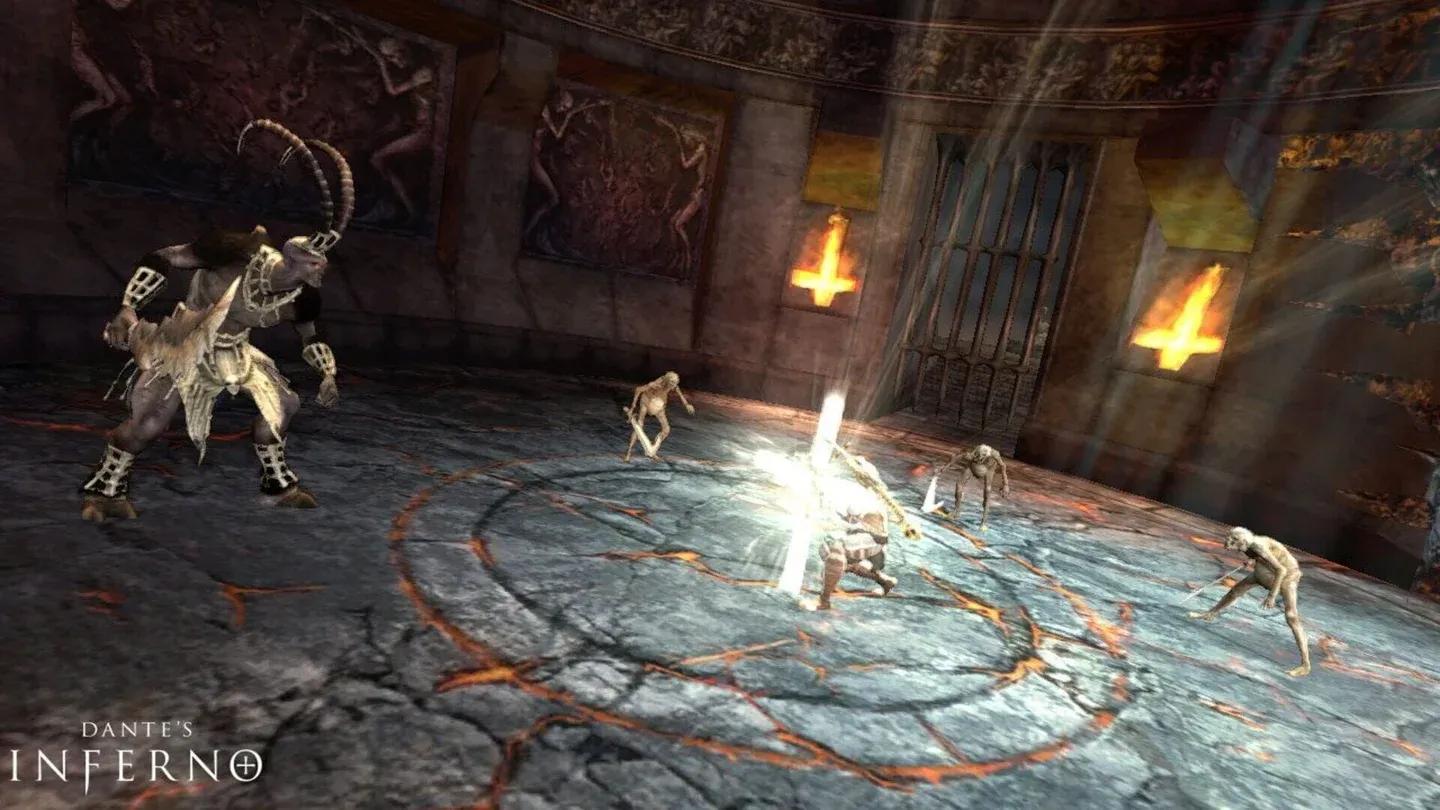
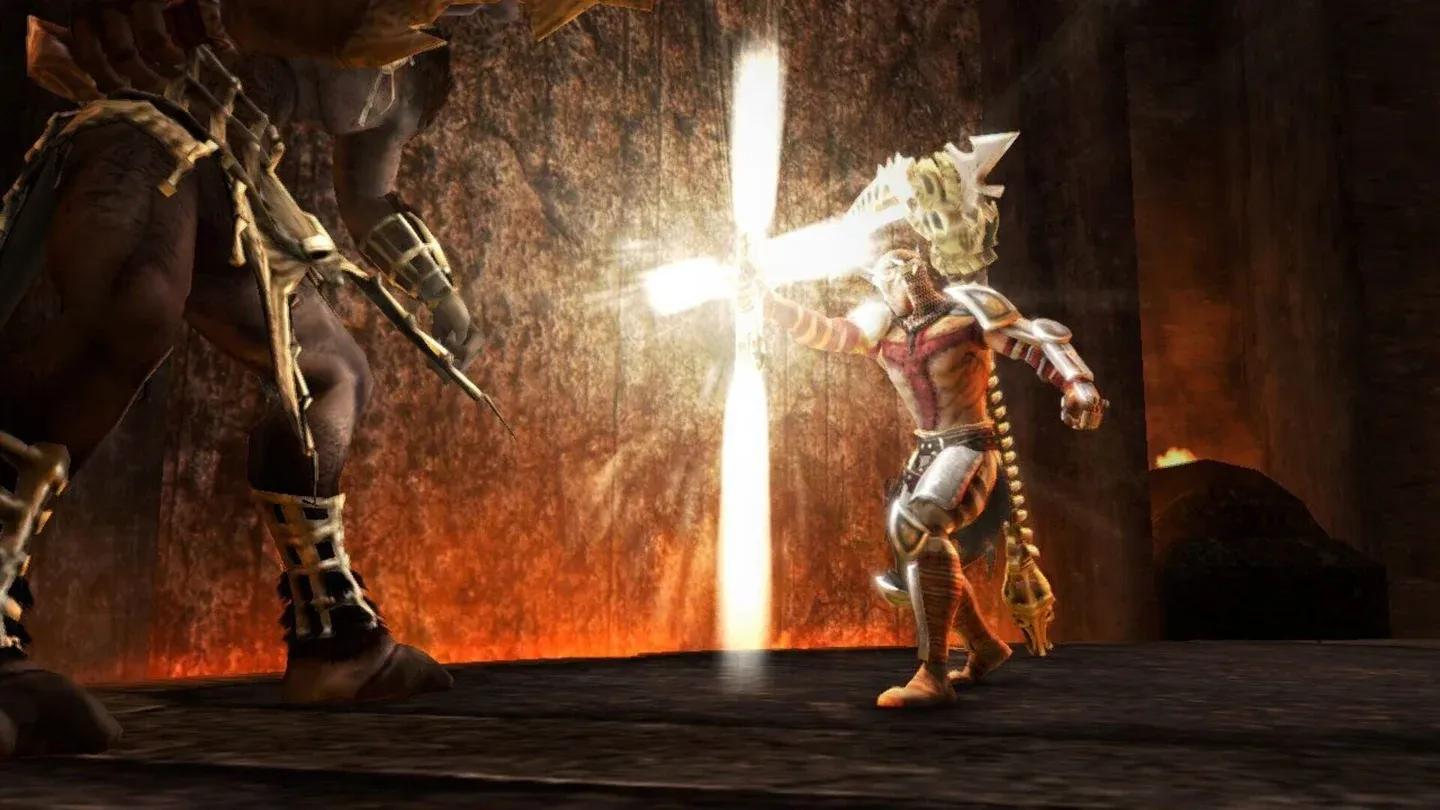
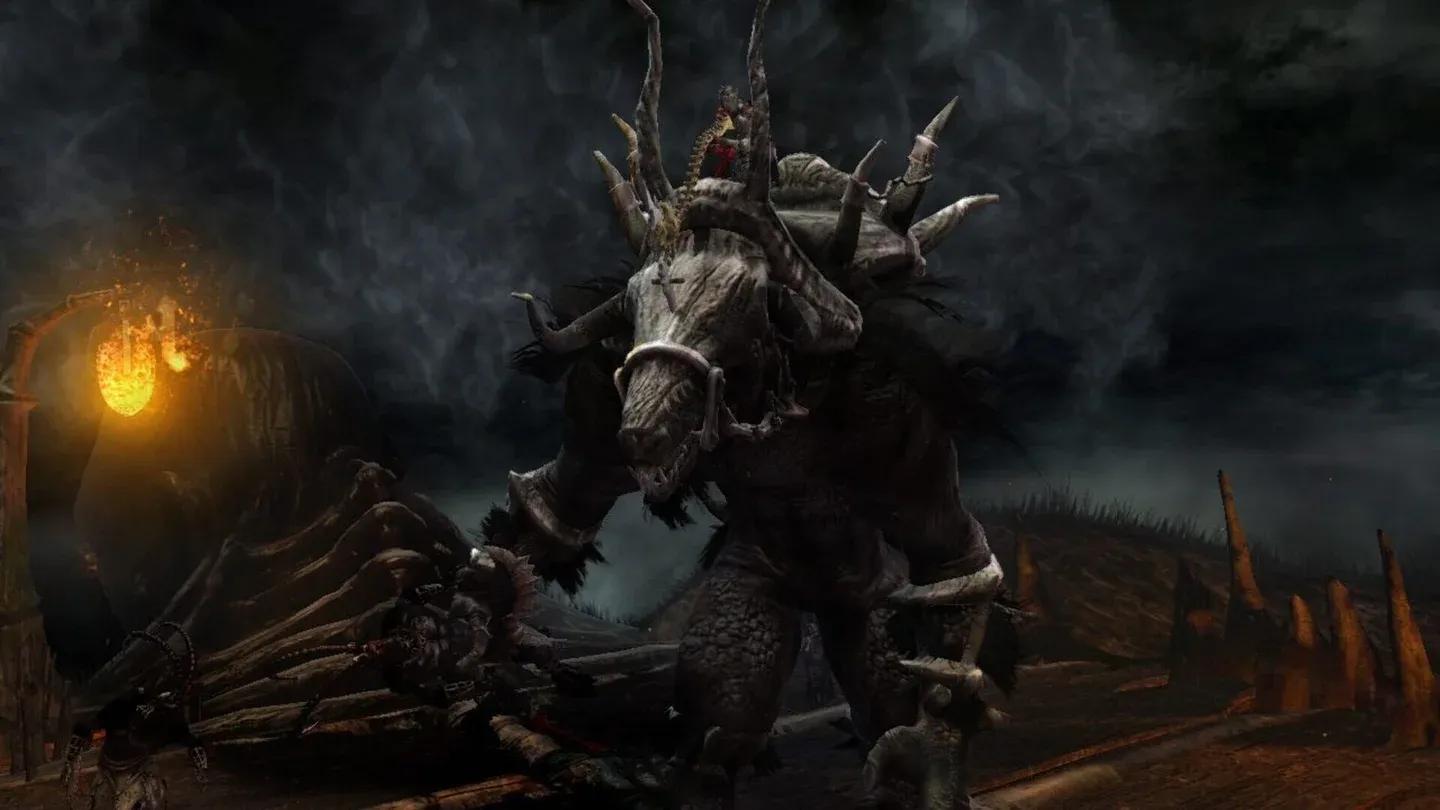
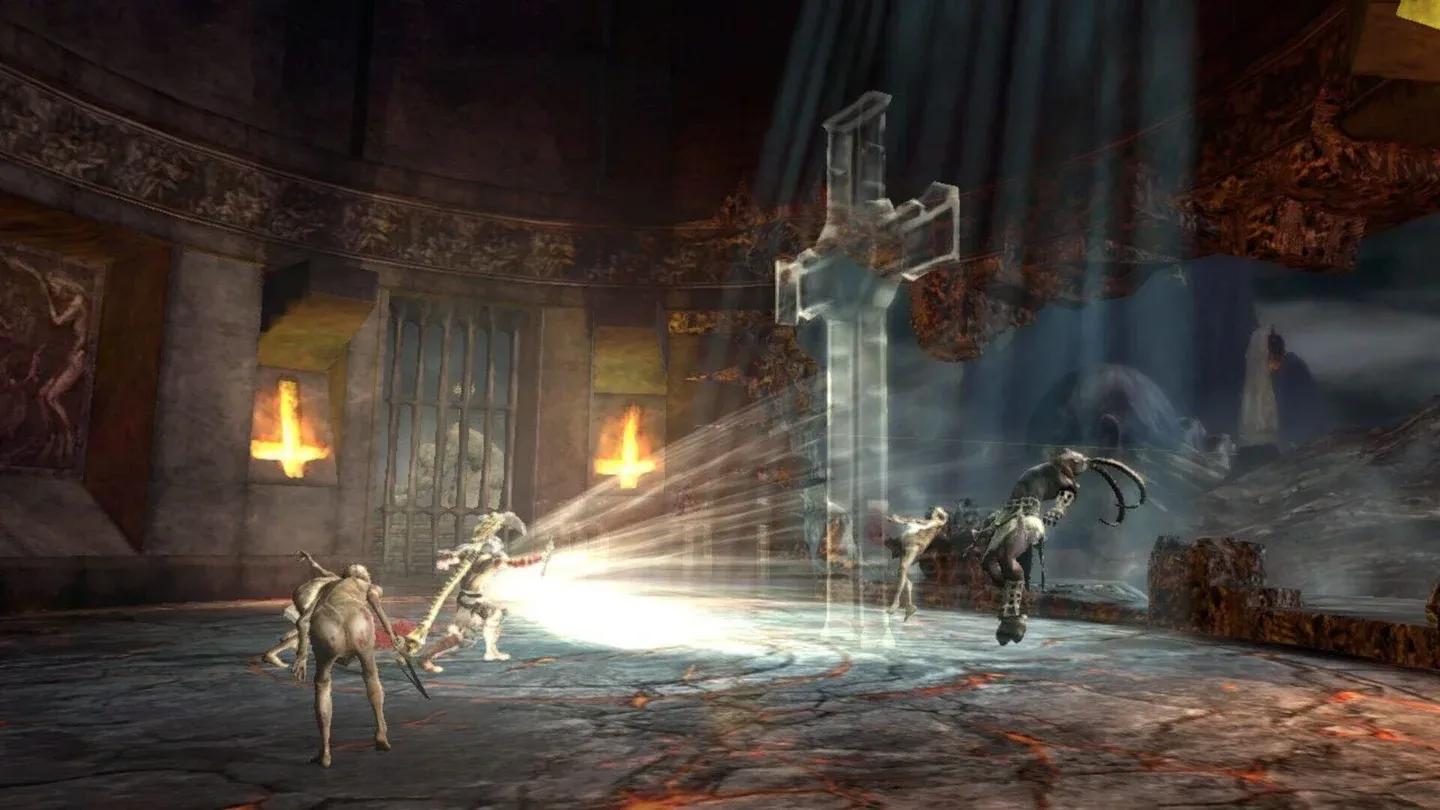
The core combat system gives Dante two primary tools: the Scythe of Death, a wide-swinging weapon suited for crowd control, and the Holy Cross, which fires projectiles and serves as a ranged option. Both can be upgraded through a progression system that splits into two paths, Unholy and Holy, rewarding players who lean into one playstyle over the other.
Dante's Inferno content image
Key mechanics include:
- Punish or absolve defeated enemies for different rewards
- Scythe and Holy Cross upgrade trees
- Magic spells unlocked through progression
- Relics that provide passive bonuses
- Boss encounters tied to each circle of Hell
The punish-or-absolve system deserves particular attention. Every defeated enemy and boss gives Dante the choice to destroy the soul outright or grant it mercy, and each option feeds a different upgrade currency. The decision rarely feels purely mechanical because the game consistently frames the choice as a reflection of Dante's own moral state.
World and setting
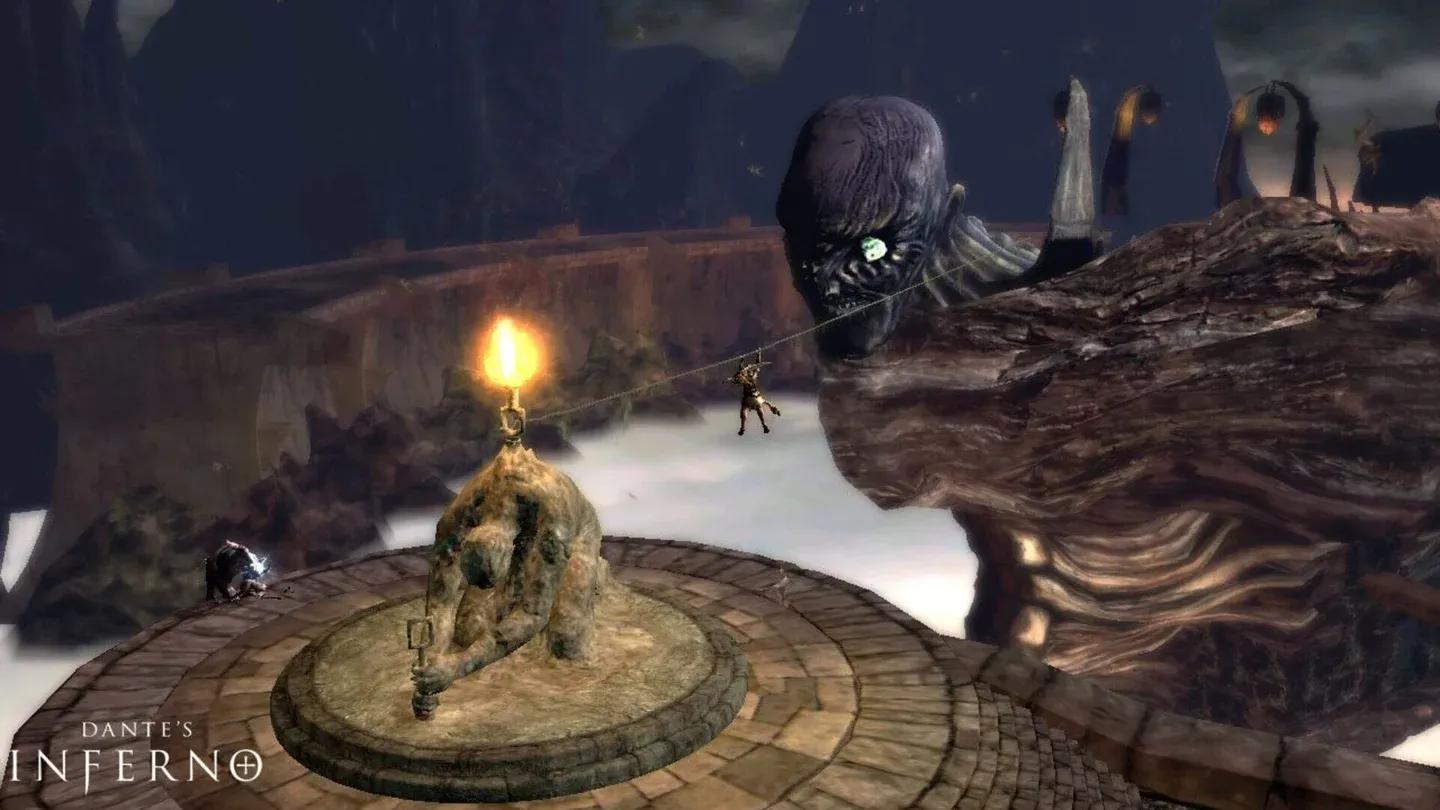
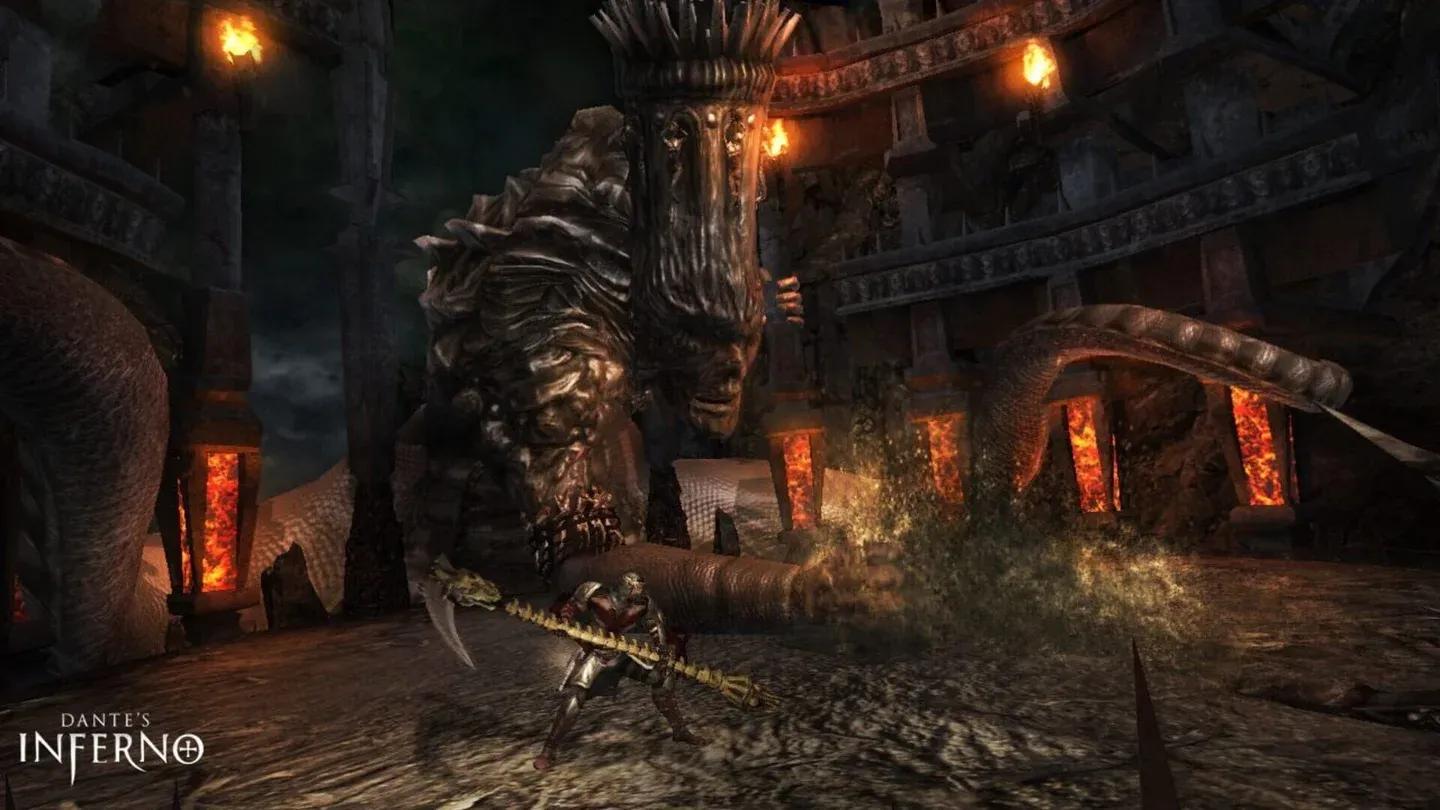
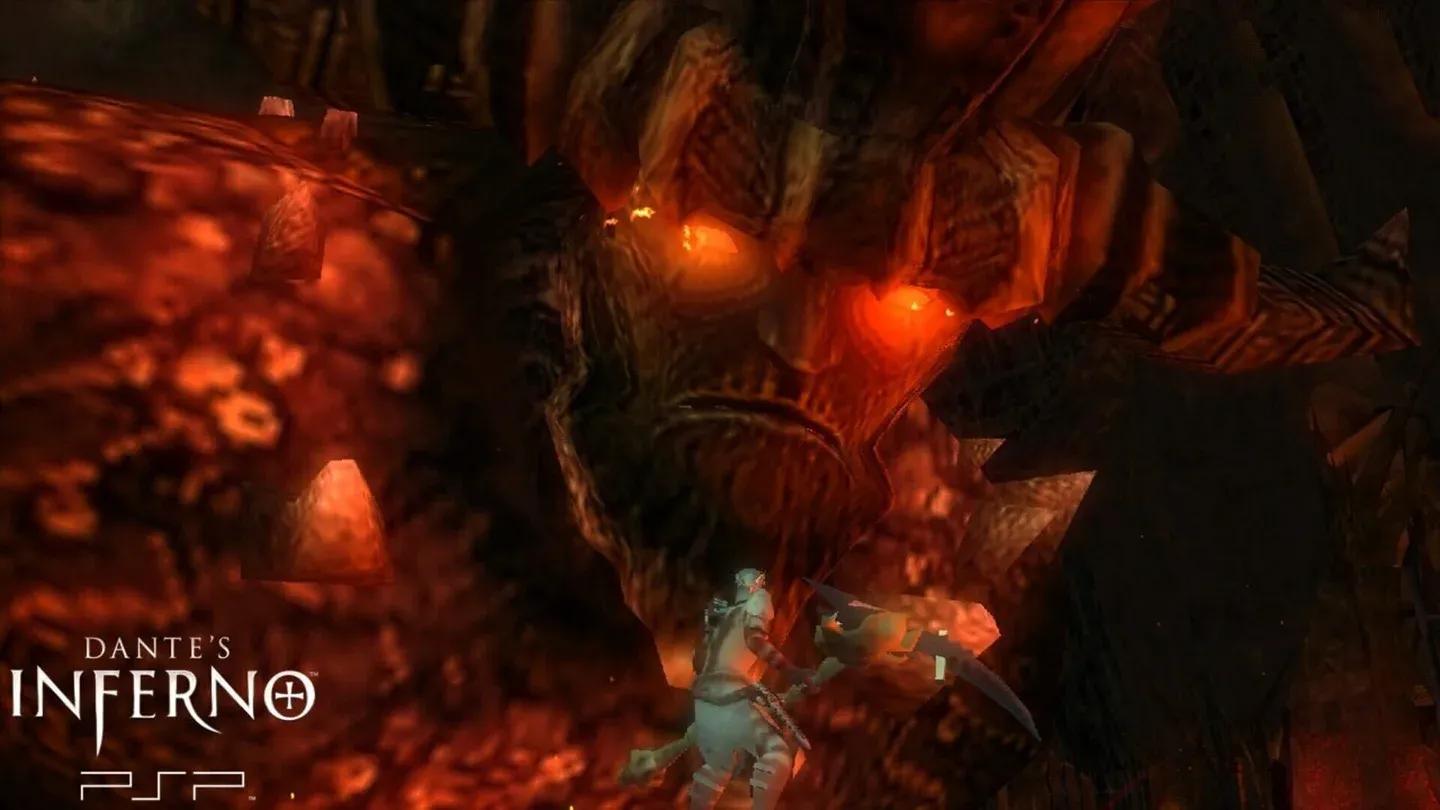
Each of the nine circles, Limbo, Lust, Gluttony, Greed, Anger, Heresy, Violence, Fraud, and Treachery, functions as a self-contained environment with its own visual identity and dominant enemy type. Visceral Games commits hard to making each circle feel genuinely different. The circle of Lust is fleshy and grotesque, built from writhing bodies and corrupted flesh. Greed is gold-drenched and mechanical. The transitions between circles create a genuine sense of descent.
Dante's Inferno content image
The game also populates Hell with historical and mythological figures drawn directly from Alighieri's poem. Cleopatra, Virgil, King Minos, and Cerberus all appear in forms that stay close to their literary descriptions while being adapted for interactive combat. Virgil serves as Dante's guide, appearing at key moments to provide context and narrative weight without overstaying his welcome.
Does Dante's Inferno hold up as a story?
The story is more layered than the combat-focused marketing suggested at launch. Lucifer spends the game dismantling Dante's self-image by revealing the truth about his conduct during the Crusades, including the betrayal of Beatrice before her death. By the time Dante reaches the ninth circle, the rescue mission has become secondary to the question of whether he deserves to succeed at all.
The ending deliberately refuses a clean resolution. Dante frees Beatrice and begins to ascend from Hell, but the game frames this not as full redemption but as the beginning of a longer reckoning. For a 2010 action game built around scythe combos and boss fights, that restraint is genuinely surprising.
Dante's Inferno content image
Impact and legacy
Dante's Inferno arrived during a period when the hack-and-slash genre was crowded and comparisons to God of War were unavoidable. The game never fully escaped that shadow, but it carved out a specific identity through its commitment to its source material and its willingness to make the protagonist genuinely culpable rather than simply heroic. The nine-circle structure, the moral upgrade system, and the literary adaptation remain the game's most distinctive qualities, and they still hold up as design decisions worth studying.