Overview
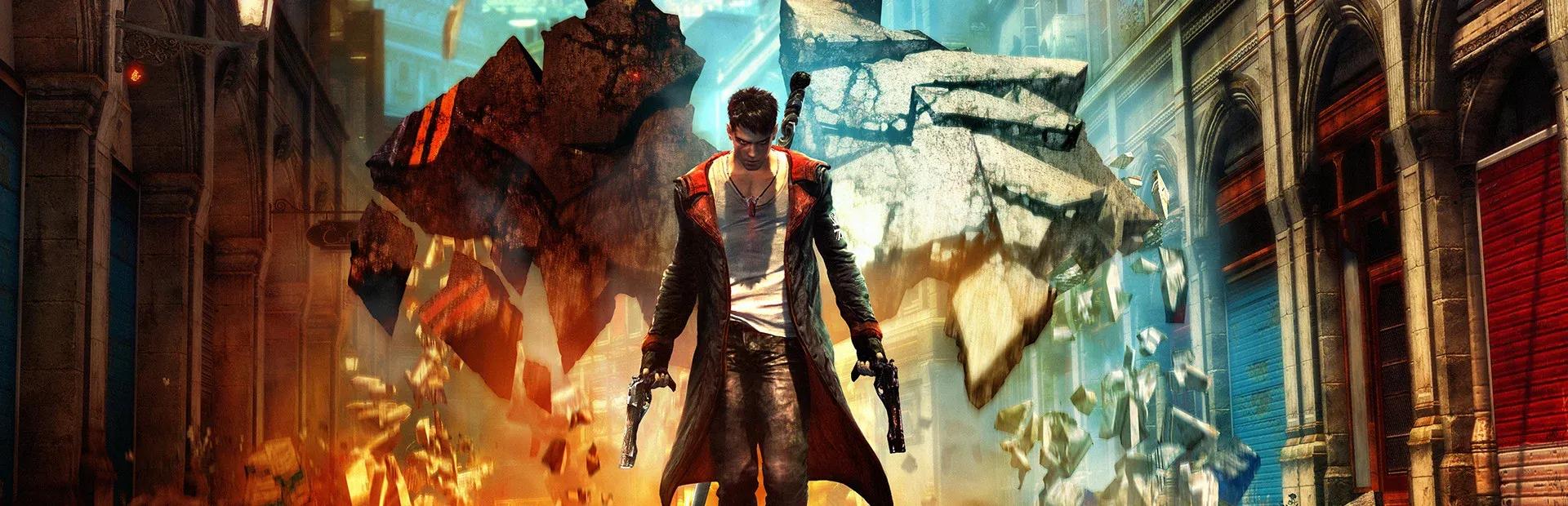
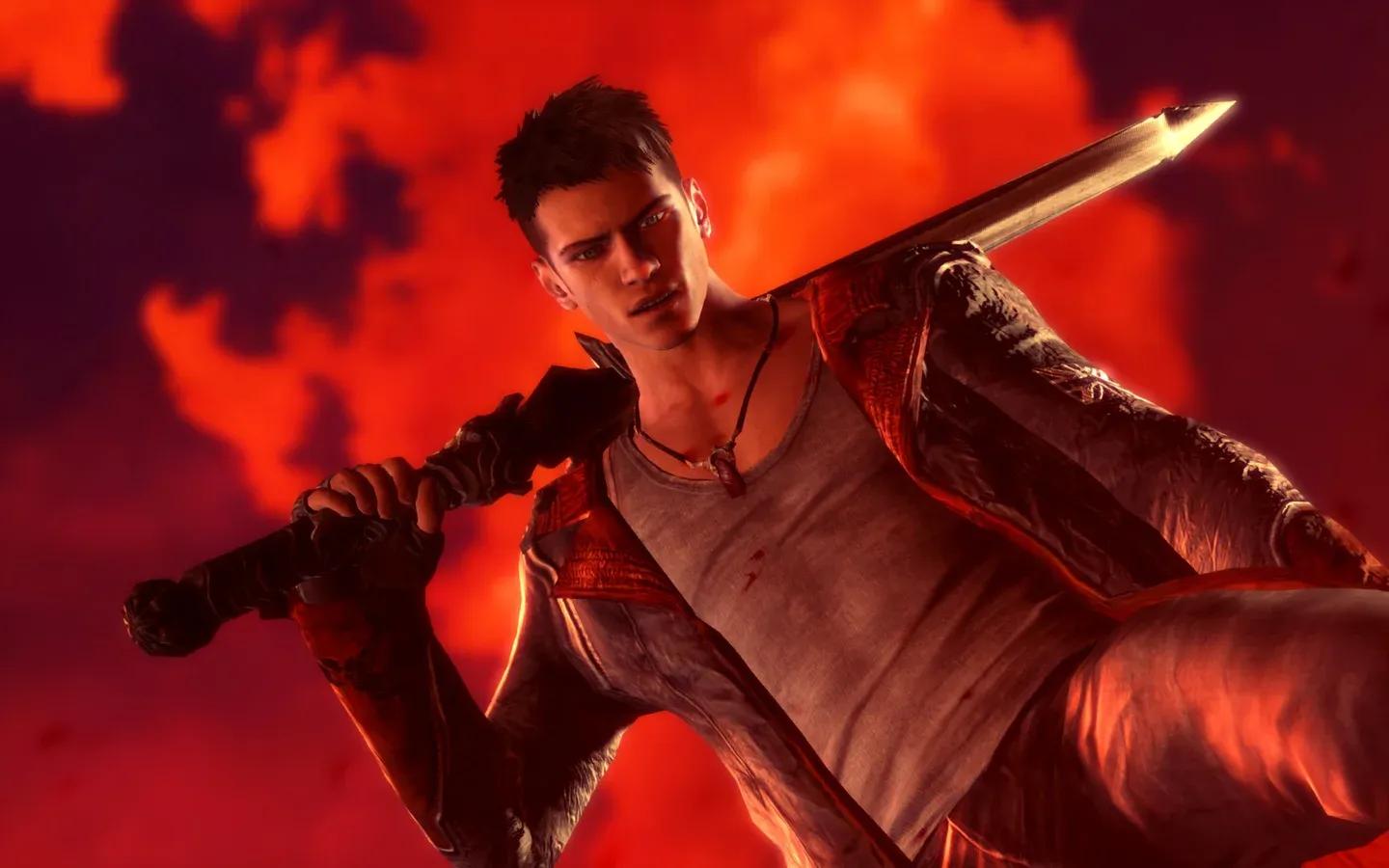
DmC: Devil May Cry is Capcom's 2013 collaboration with Cambridge-based studio Ninja Theory, placing the fifth entry in the series into the hands of a team previously known for Heavenly Sword and Enslaved: Odyssey to the West. The result is a complete reimagining of Dante's origin story, stripped of the camp and rebuilt with a darker, more Western sensibility. Dante is no longer the cocky veteran in a red coat but a young, aimless demon hunter who doesn't yet understand what he is, let alone what he's capable of.
The story pits Dante against Mundus, a demon king who has embedded himself into the fabric of modern society through a media empire, a debt-controlling bank, and a propaganda news network. Dante's estranged twin brother Vergil leads The Order, an underground resistance group working to expose Mundus's grip on humanity. The narrative has a sharp satirical edge that sets it apart from anything else in the series, even if the tone occasionally tips into heavy-handedness.
Gameplay and mechanics
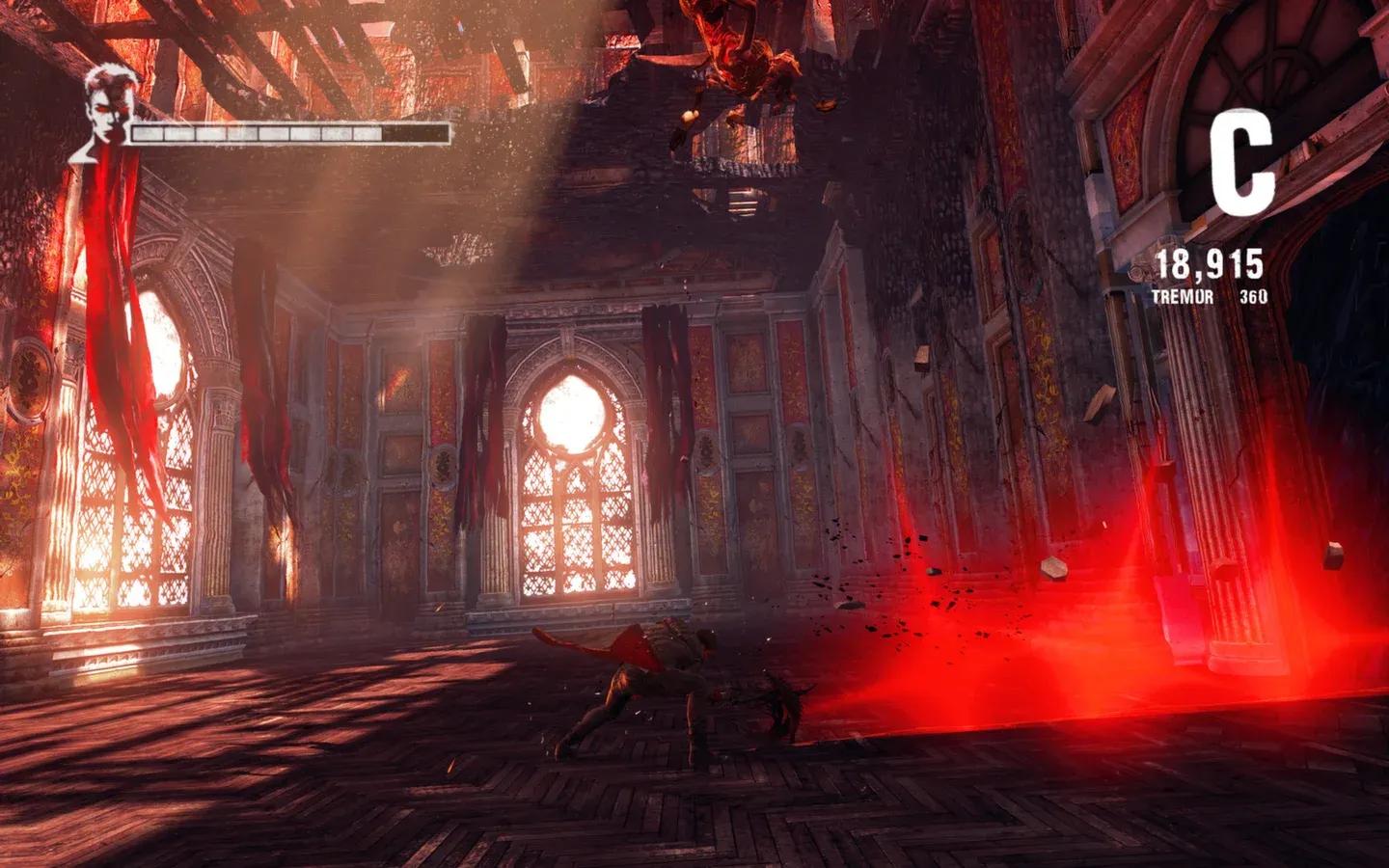
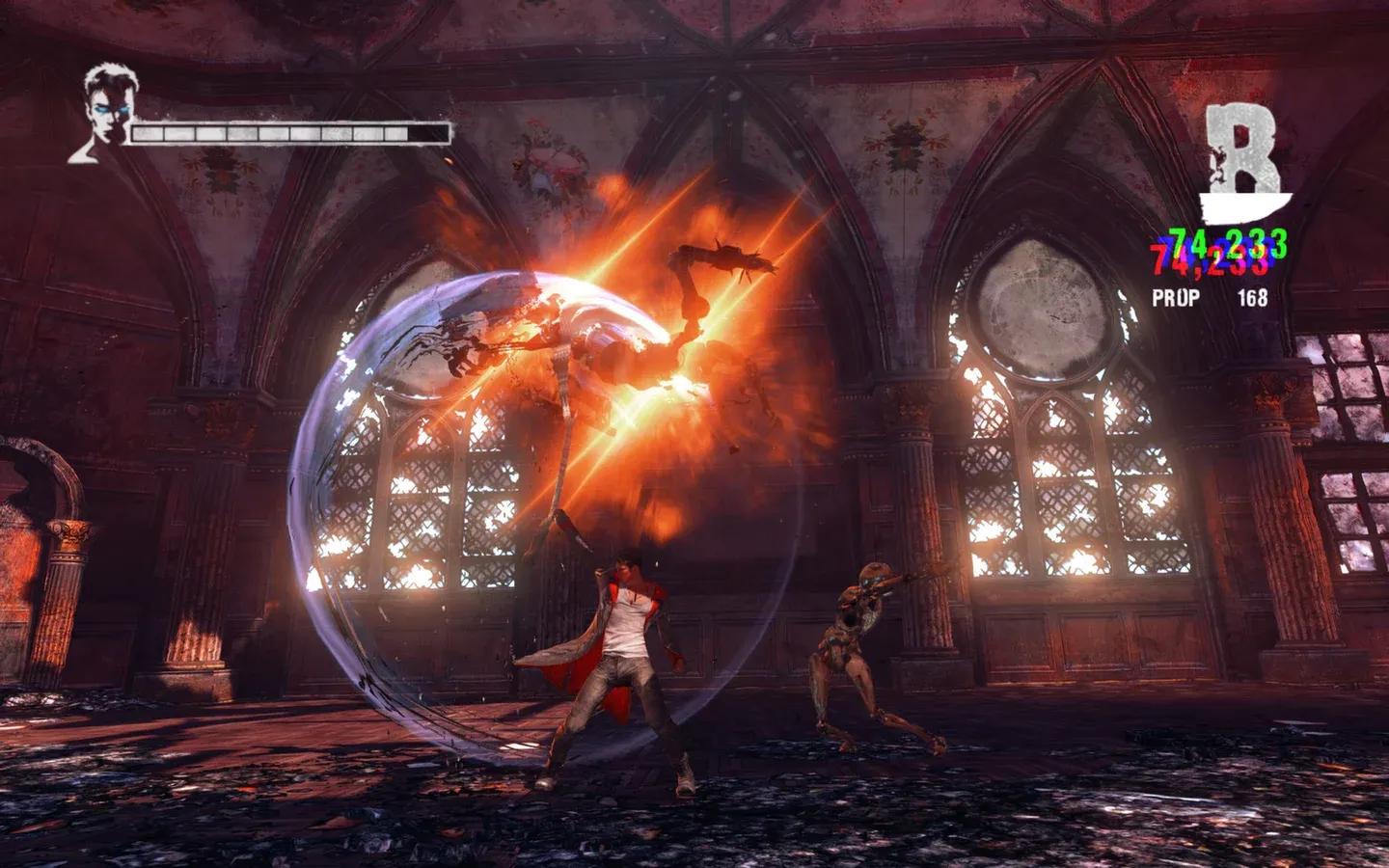
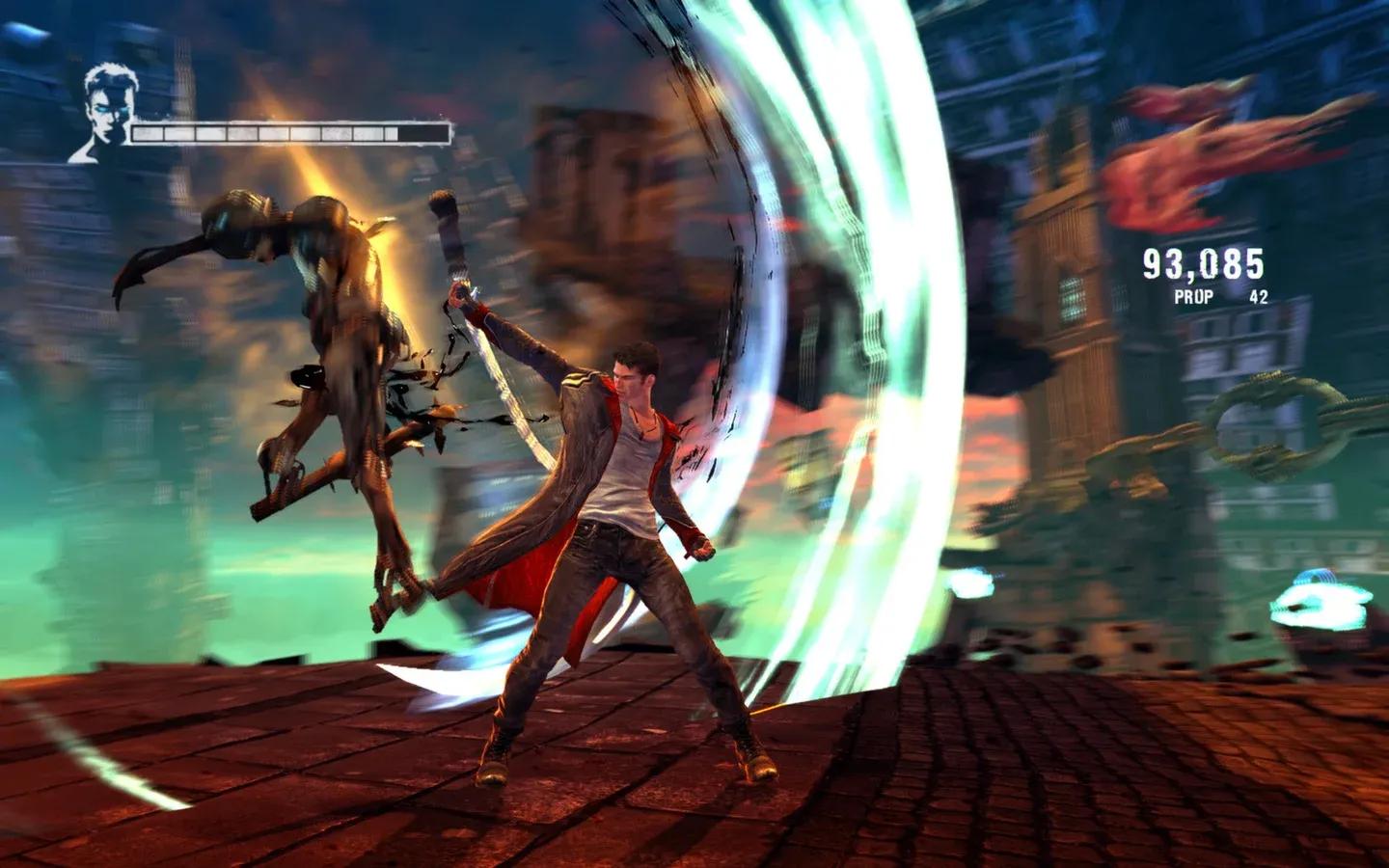
The core combat loop in DmC should feel familiar to anyone who has played a Devil May Cry game before. Dante chains together sword strikes, aerial launchers, and gunfire to build a style meter that grades him from Dirty to SSS. What's new is the angel and demon weapon system, which splits Dante's arsenal into two categories that require holding different shoulder buttons to access mid-combo.
DmC: Devil May Cry content image
Key weapons include:
- Rebellion: Dante's default sword, balanced for combos and aerial juggles
- Arbiter: a demonic axe built for breaking shields and raw damage
- Osiris: an angelic scythe optimized for crowd control
- Eryx: demonic gauntlets capable of parrying heavy attacks
- Ebony & Ivory: pistols used to maintain combos and keep enemies airborne
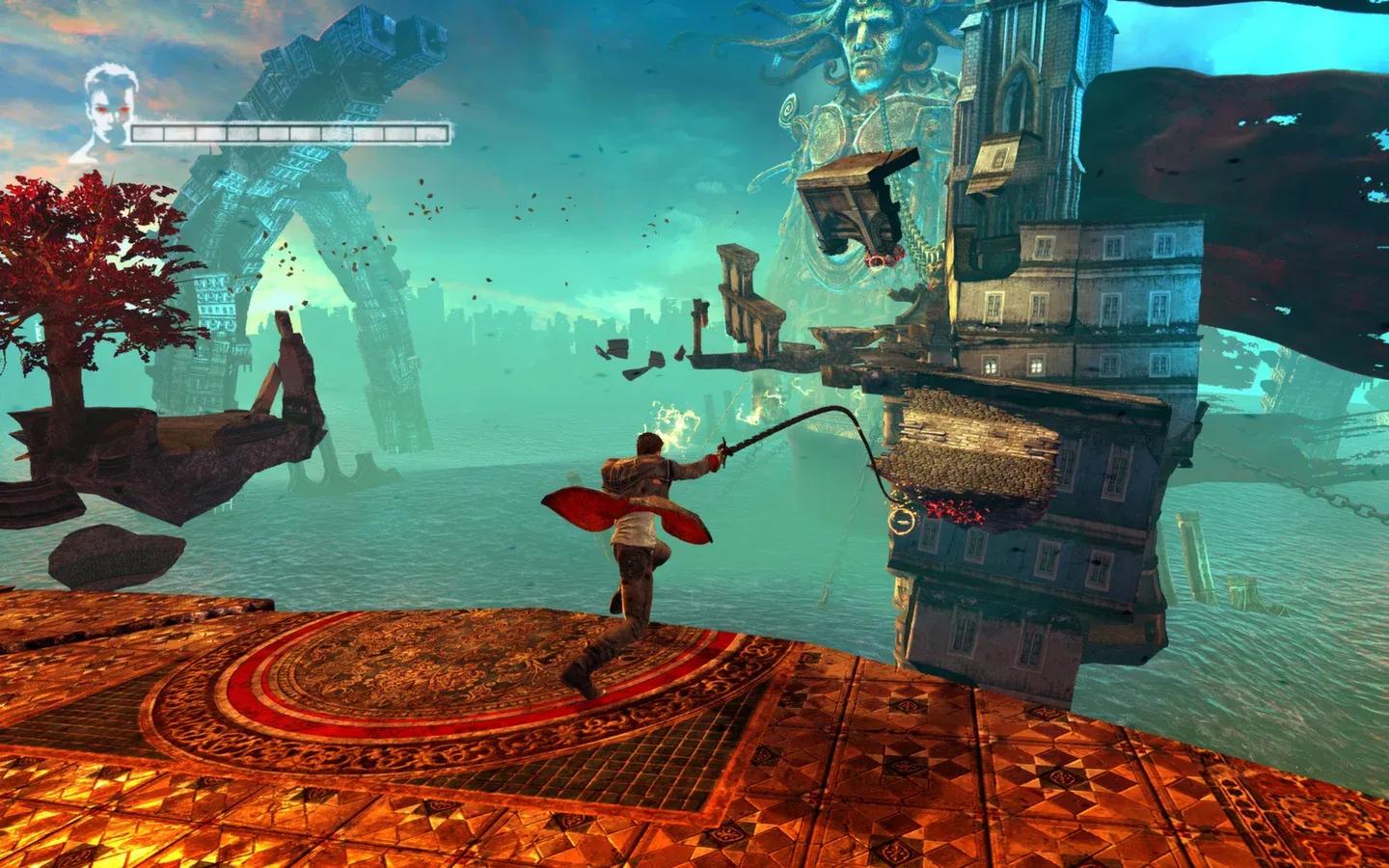
Switching between weapon types mid-combo is where the system gets interesting. The angel and demon designations also extend to movement abilities, giving Dante tools to pull himself toward enemies or yank enemies toward him, which opens up creative combat approaches that the older games couldn't quite match.
DmC: Devil May Cry content image
World and setting: what is Limbo?
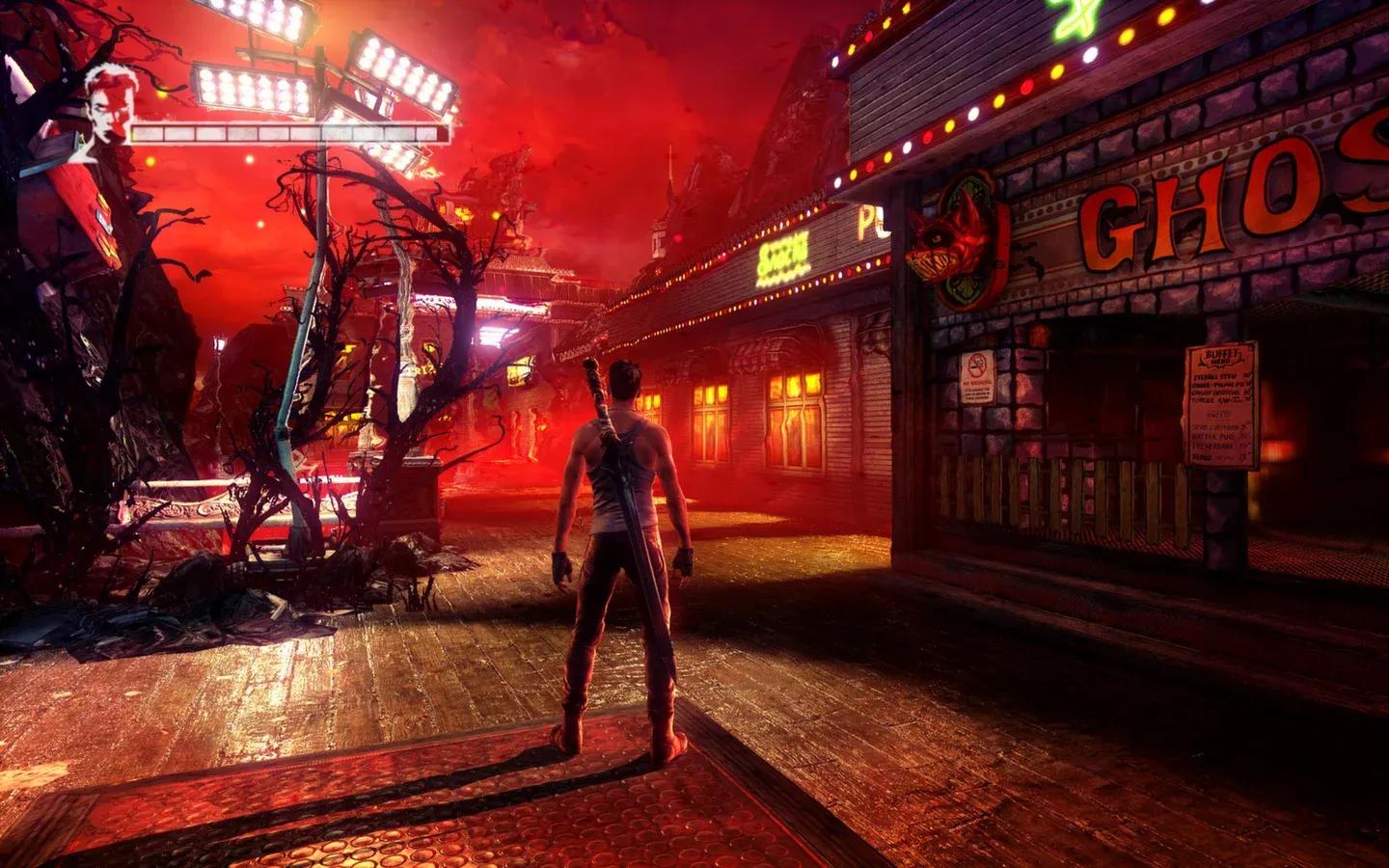
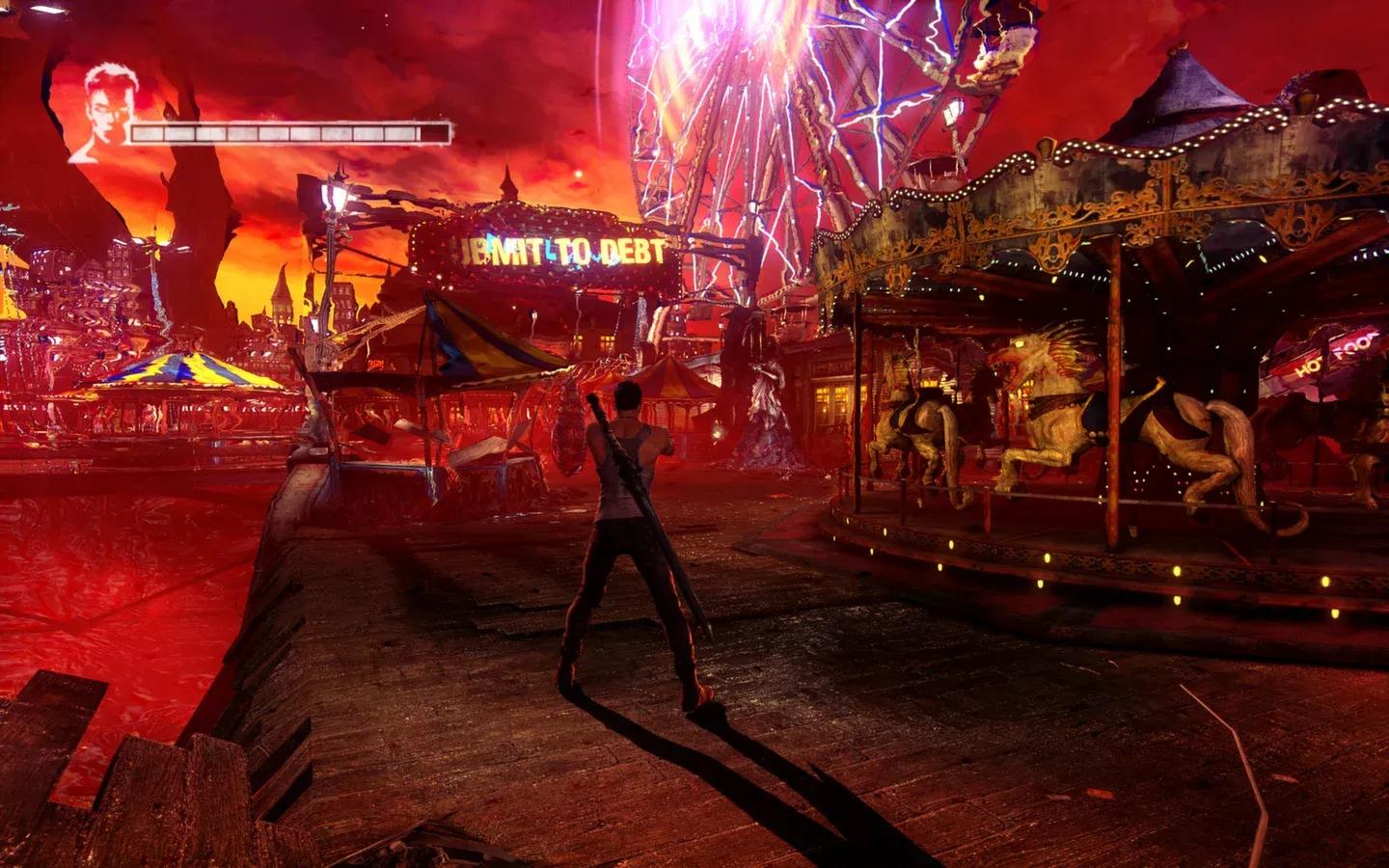
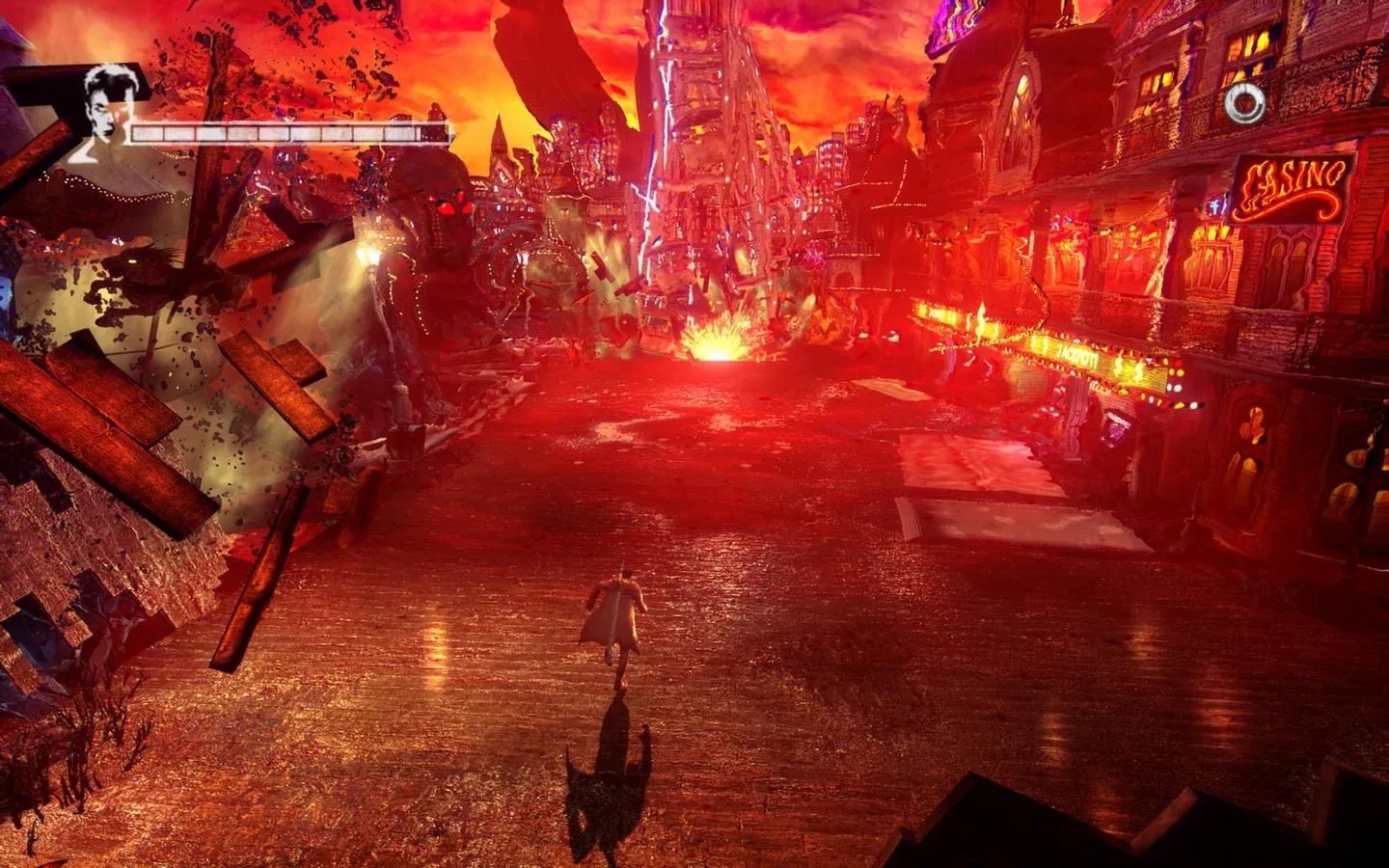
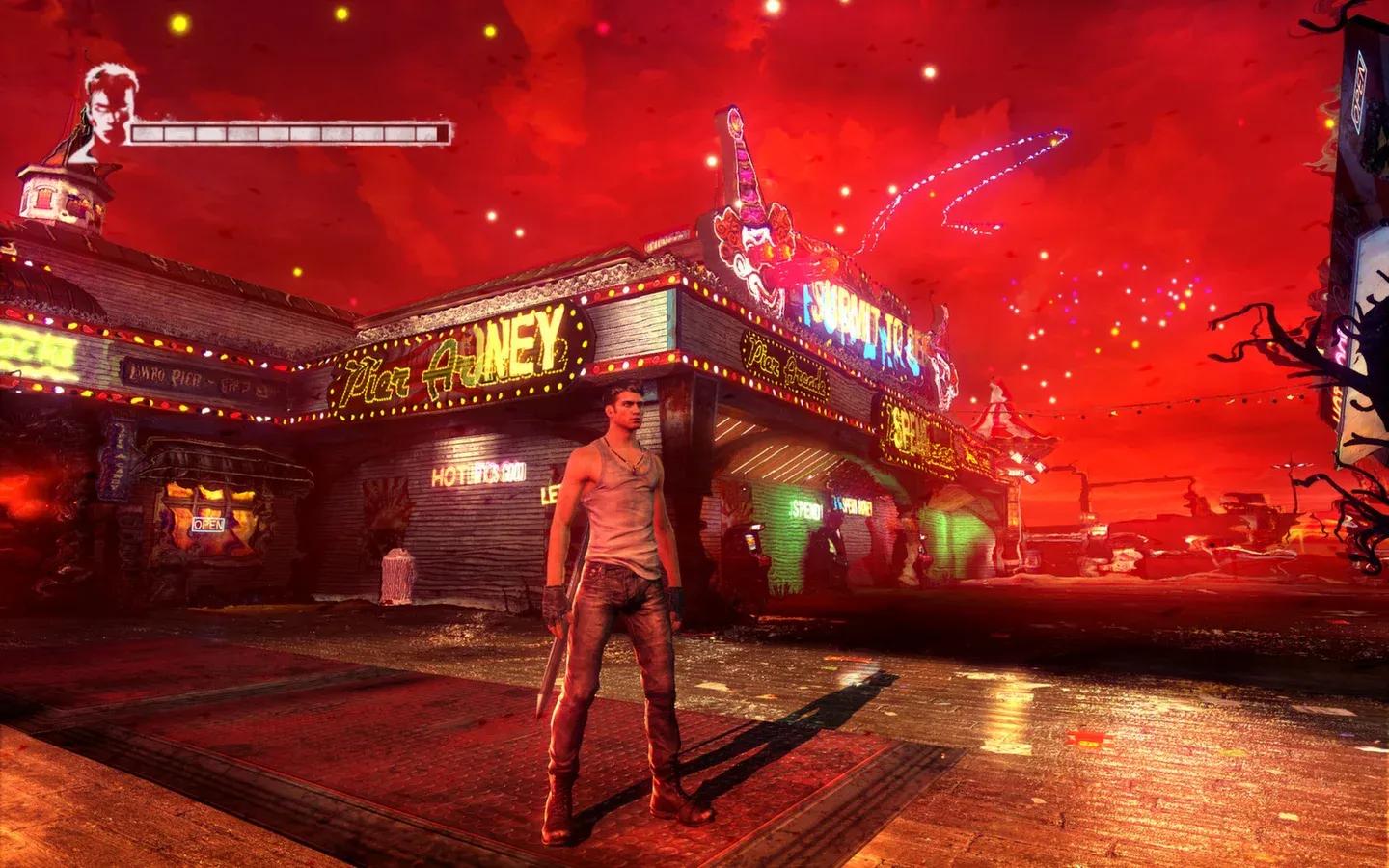
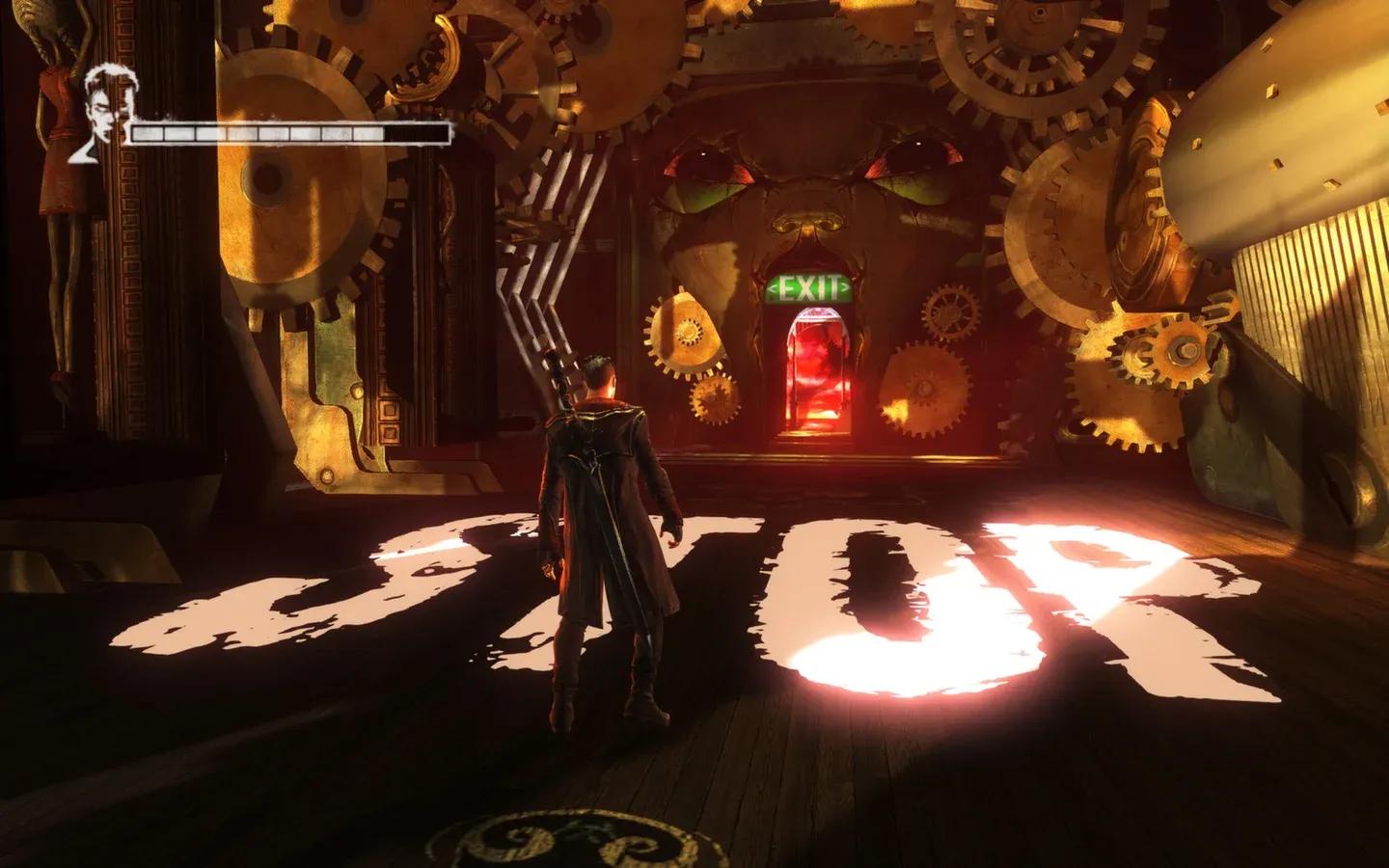
Limbo is a parallel demonic dimension that bleeds into the real world, and it functions as DmC's most visually distinctive element. When Dante is pulled into Limbo, the environment twists and fragments around him in real time. Buildings crack apart, platforms collapse and reform, and the world actively tries to kill him by reshaping itself mid-fight.
This reactive environment design serves both combat and traversal. Certain sequences require Dante to navigate collapsing architecture at speed while enemies attack, creating a sense of chaos that the series rarely achieved through set design alone. Limbo also has a visual style that's genuinely unsettling, all corrupted neon and fractured geometry that looks like a city having a breakdown.
DmC: Devil May Cry content image
Impact and legacy
DmC launched to a wave of fan controversy that has since mellowed considerably. The redesigned Dante drew immediate backlash before the game even released, but the finished product scored well with critics and holds a Metacritic score in the mid-80s across platforms. Over time, the game has found a more receptive audience that appreciates it as a standalone action game rather than measuring it against Devil May Cry 3 or 5.
Ninja Theory's fingerprints are visible throughout, particularly in the performance capture work and the cinematic presentation of boss encounters. The Definitive Edition, released in 2015, added higher frame rates on consoles, rebalanced combat, and included all previously released DLC. For players interested in stylish hack-and-slash games with a strong narrative backbone, DmC remains one of the more distinctive entries the genre produced in the 2010s.
DmC: Devil May Cry content image