
Advertisement

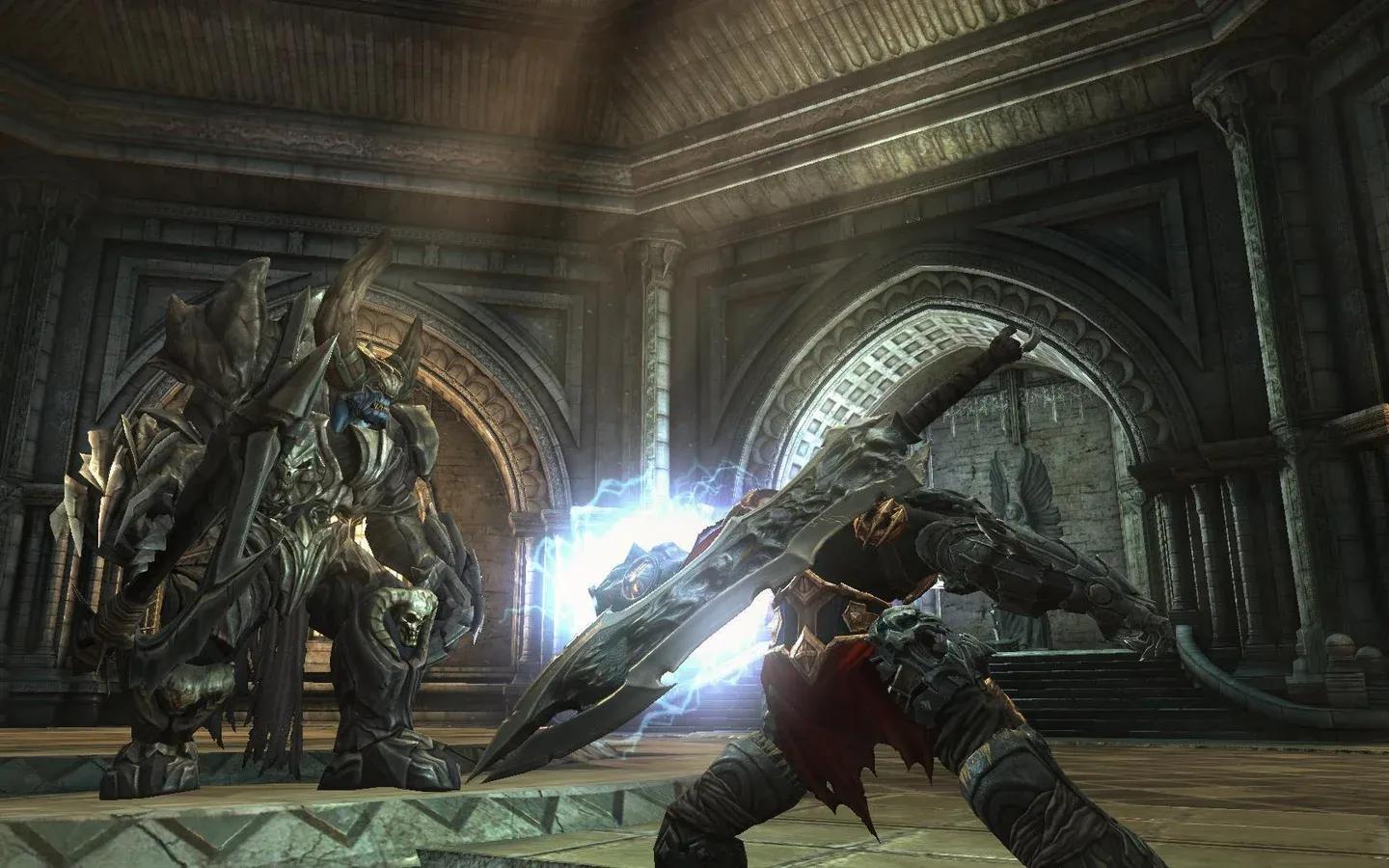
Overview
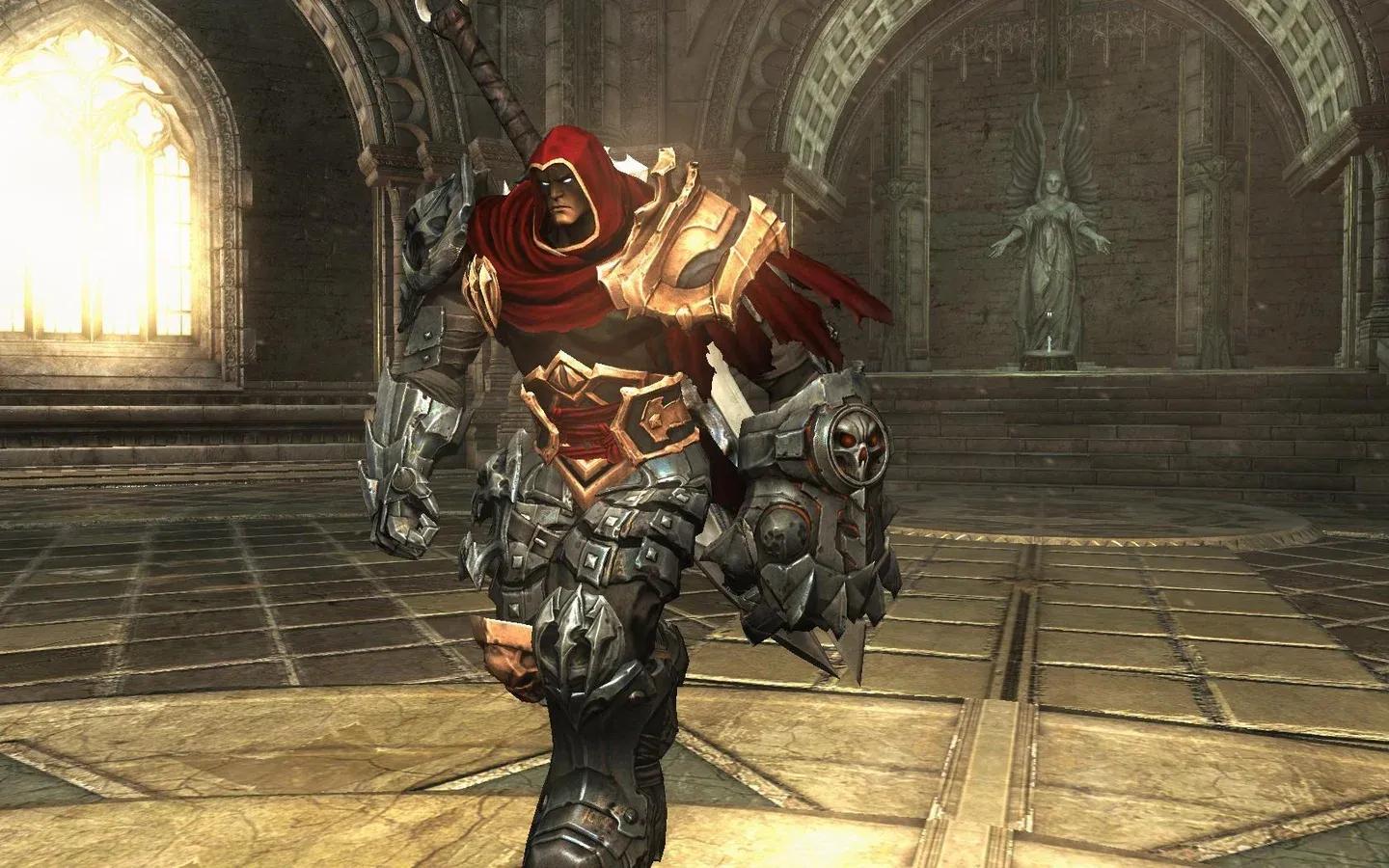
Darksiders launched in September 2010 and immediately carved out its own space in the action-adventure genre by doing something bold: it took the biblical apocalypse and turned it into a third-person hack-and-slash RPG with Zelda-style dungeon design underneath all the demon-slaying. Developed by Vigil Games and now published by THQ Nordic, the game casts players as War, the first Horseman of the Apocalypse, falsely accused of triggering Armageddon before the seven seals were broken. Stripped of his powers and given one chance to find the truth, War returns to a ruined Earth caught between Heaven and Hell.
The setup sounds grimdark, and the tone absolutely commits to that aesthetic, but the game underneath is surprisingly layered. War is not just a button-masher's fantasy. He is a character with a specific arc, a sardonic edge, and enough mythology behind him to make the story feel like it has actual stakes rather than just a backdrop for combat. The Charred Council, the demonic Destroyer, the angel Uriel hunting War across the wasteland, these are not throwaway characters.
Darksiders™ content image
Gameplay and mechanics
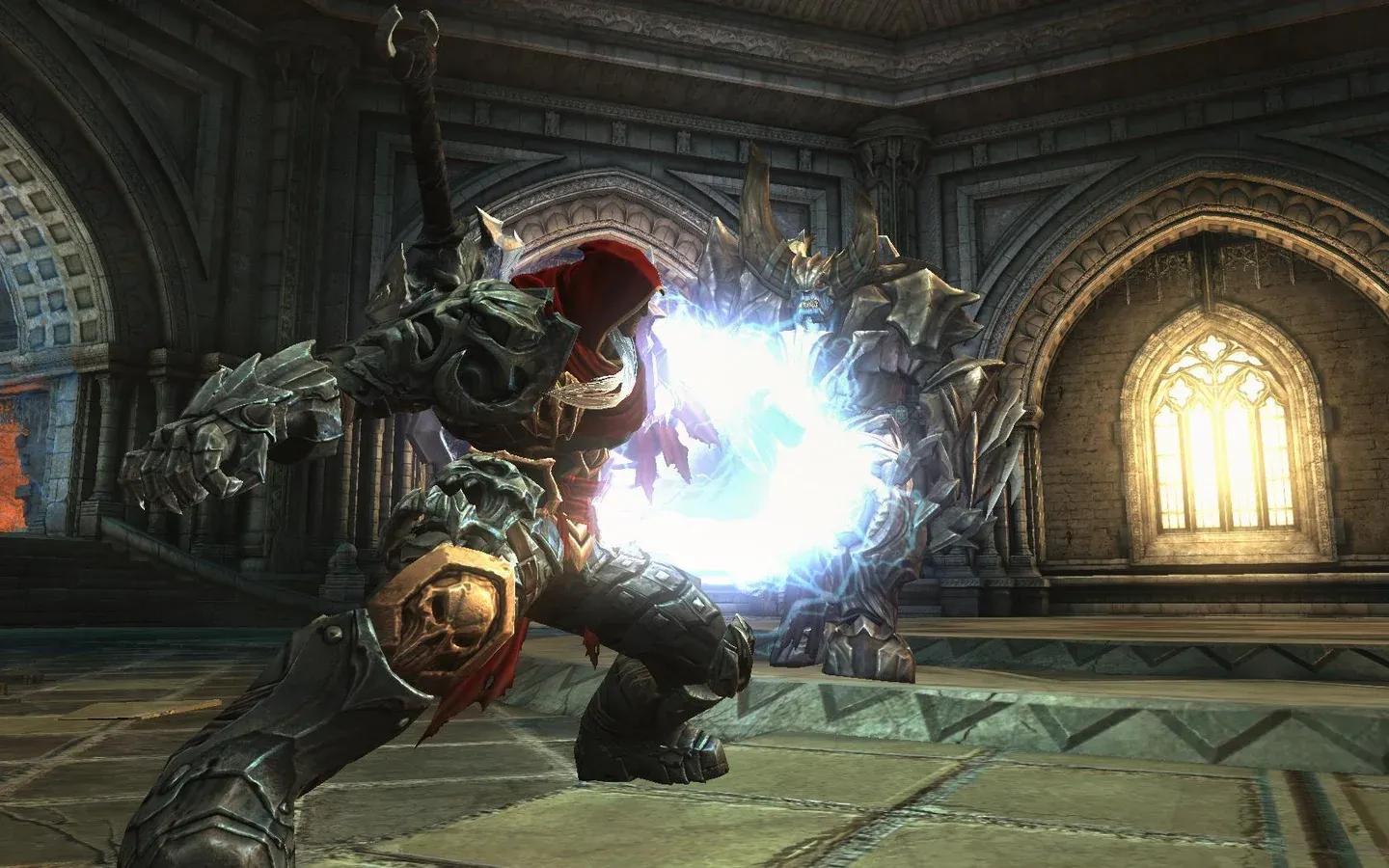
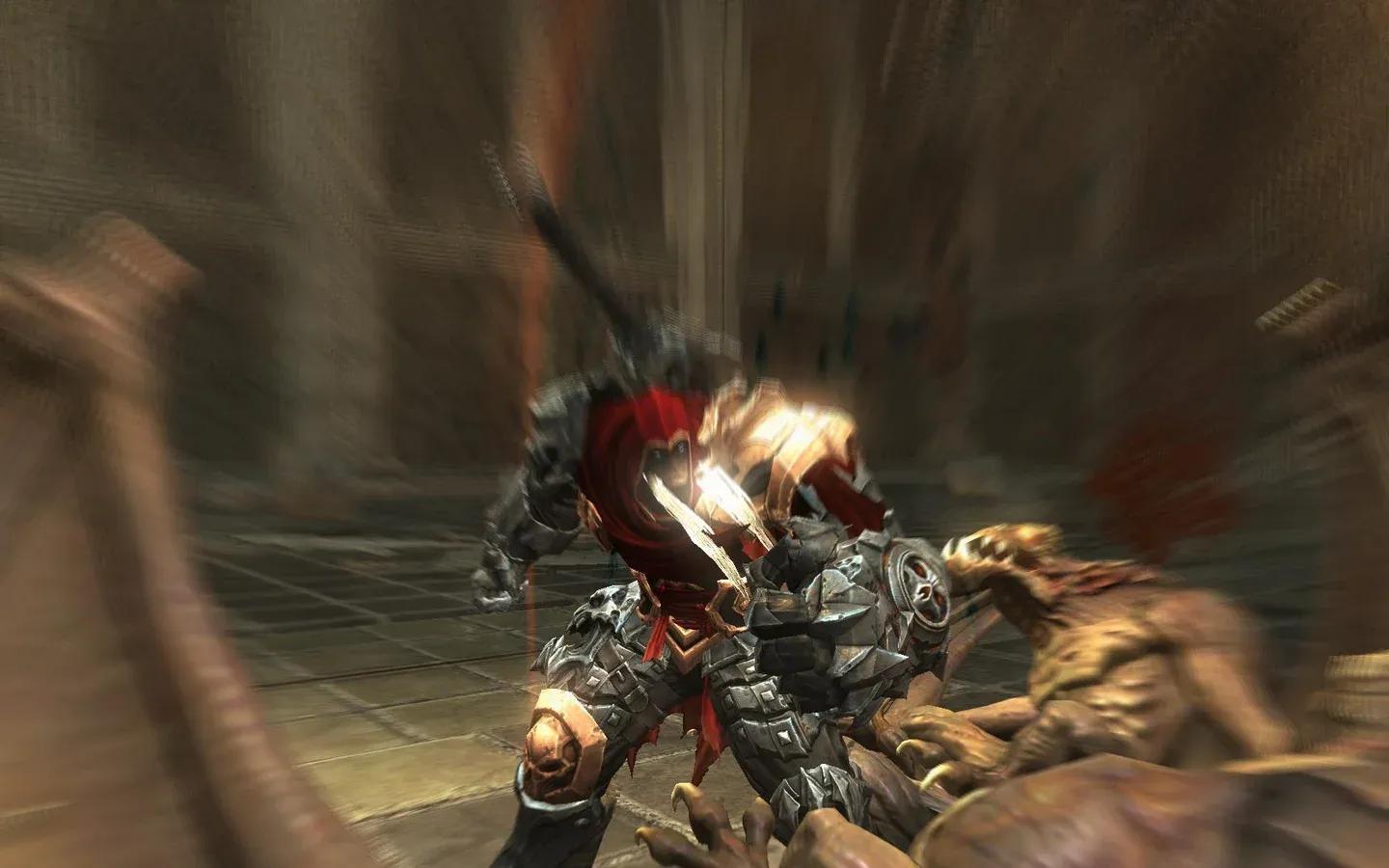
At its core, Darksiders is a hybrid of hack-and-slash combat and exploration-driven progression. The combat draws obvious comparisons to God of War, while the dungeon structure and item-gating mechanics pull directly from The Legend of Zelda. That combination sounds strange on paper but works because both halves are executed with genuine confidence.
Darksiders™ content image
Key mechanics include:
- Chaos Form, War's powered-up transformation mode
- Secondary weapons like the Crossblade and Mercy pistol
- Dungeon puzzles tied to acquired gear
- Weapon upgrade trees using souls collected from enemies
- Ruin, War's fiery horse, available for mounted combat in open areas
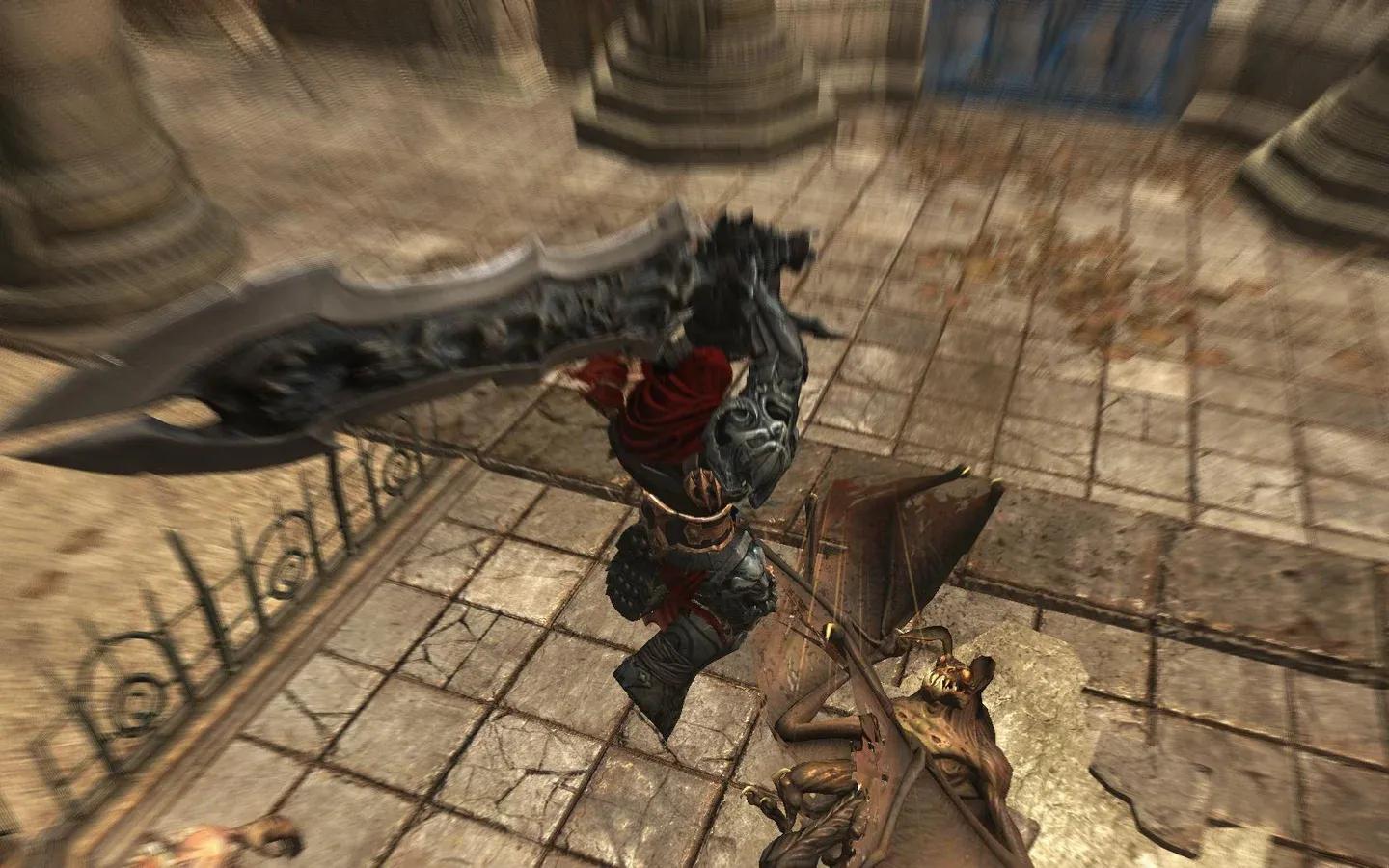
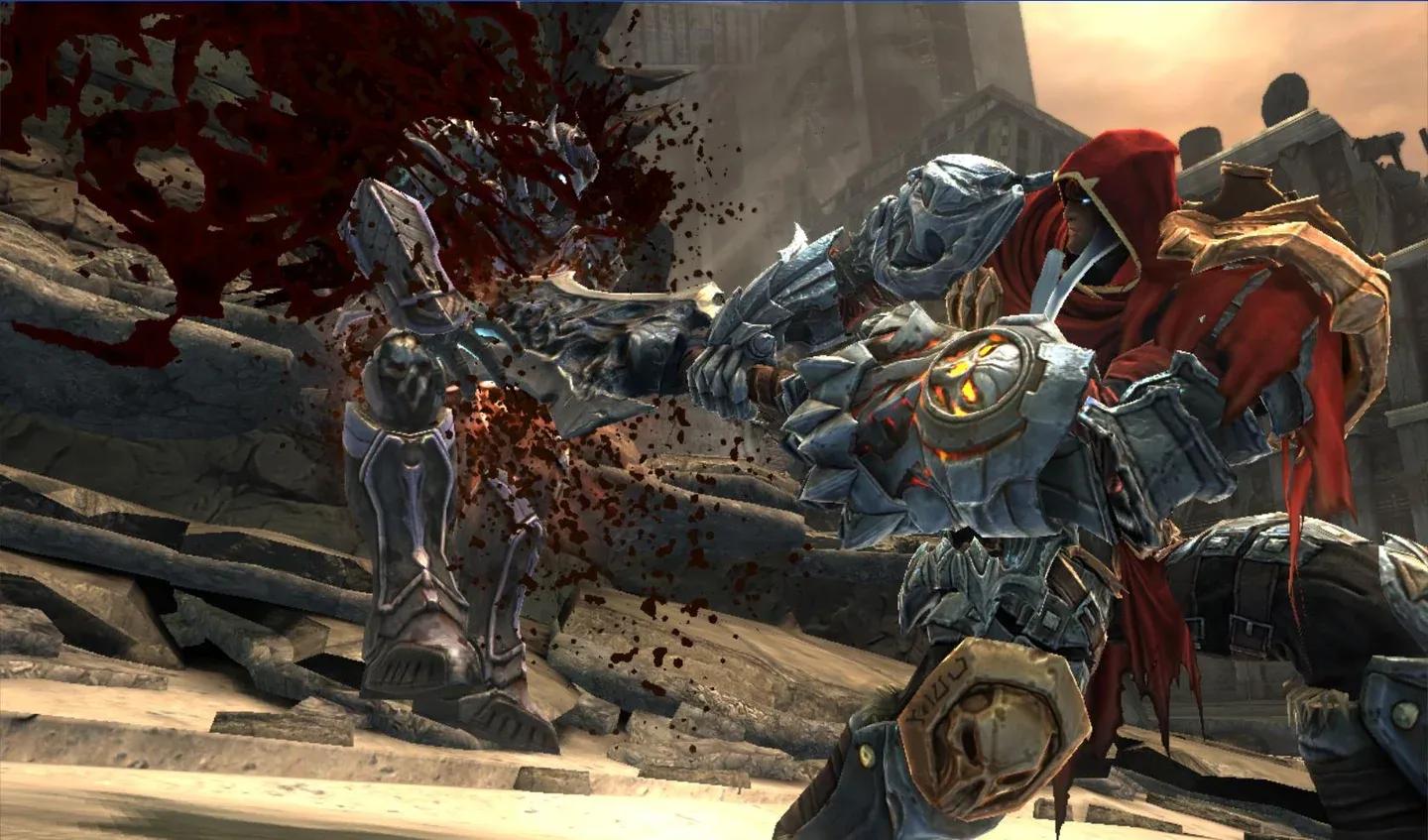
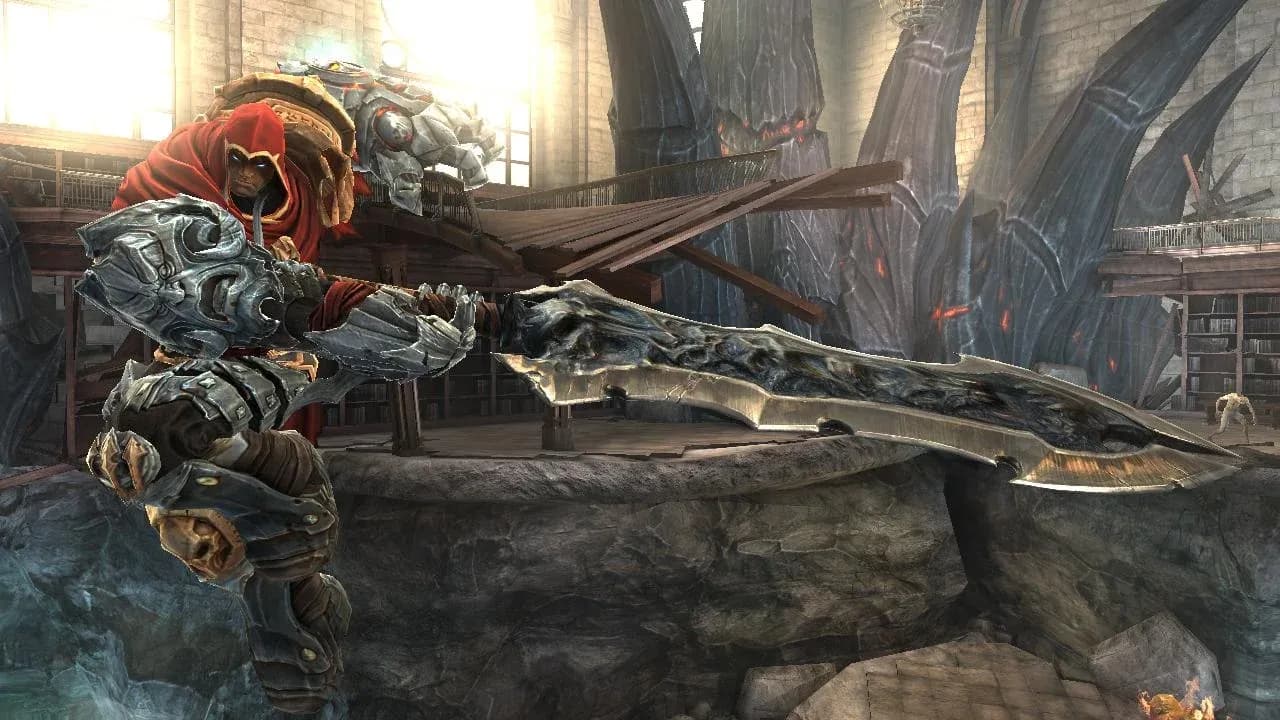
The weapon variety keeps combat from going stale. War starts with his massive sword Chaoseater, but eventually wields angelic blades, a giant scythe, and Ruin himself as a battering ram through enemy formations. Upgrade paths are tied to a soul economy, giving every fight a small sense of resource progress even in the early hours.
Darksiders™ content image
World and setting
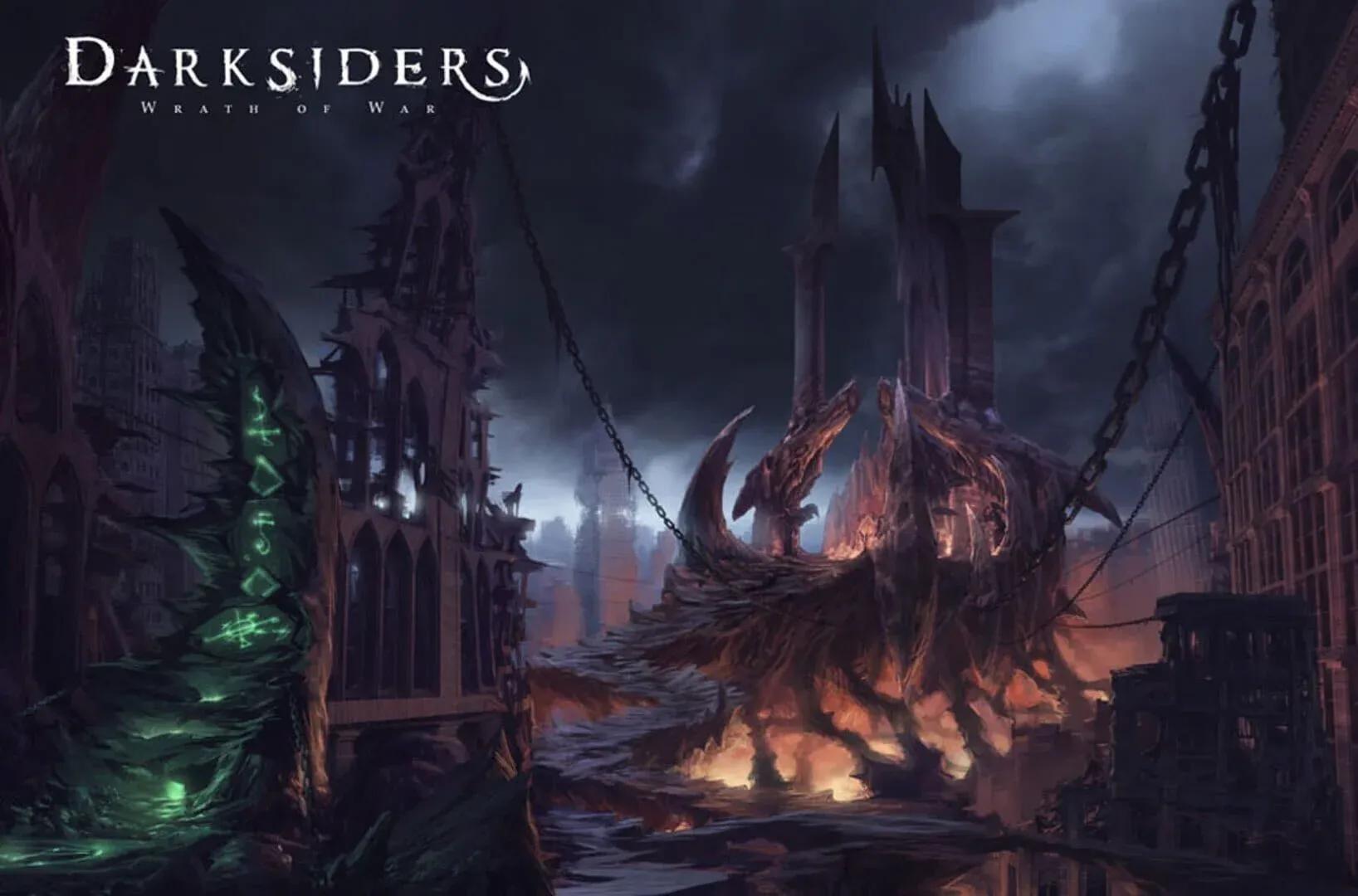
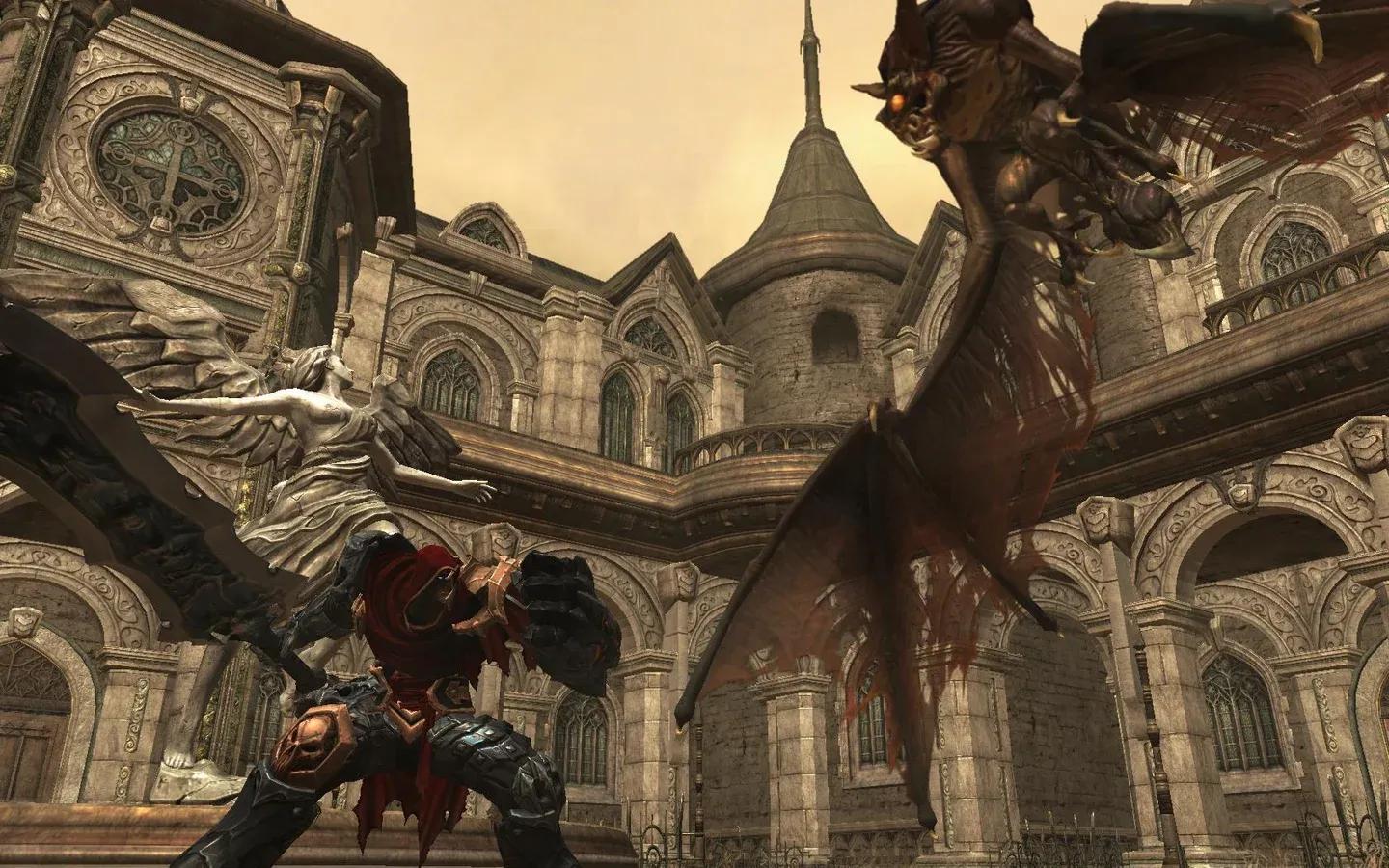
Post-apocalyptic Earth in Darksiders is not a grey wasteland of rubble and rust. The art direction draws from Joe Madureira's comic book background, giving the world a bold, exaggerated visual style where demonic architecture erupts through collapsed skyscrapers and angelic ruins glow against toxic skies. The scale feels genuinely epic without relying on photorealism to sell it.
Darksiders™ content image
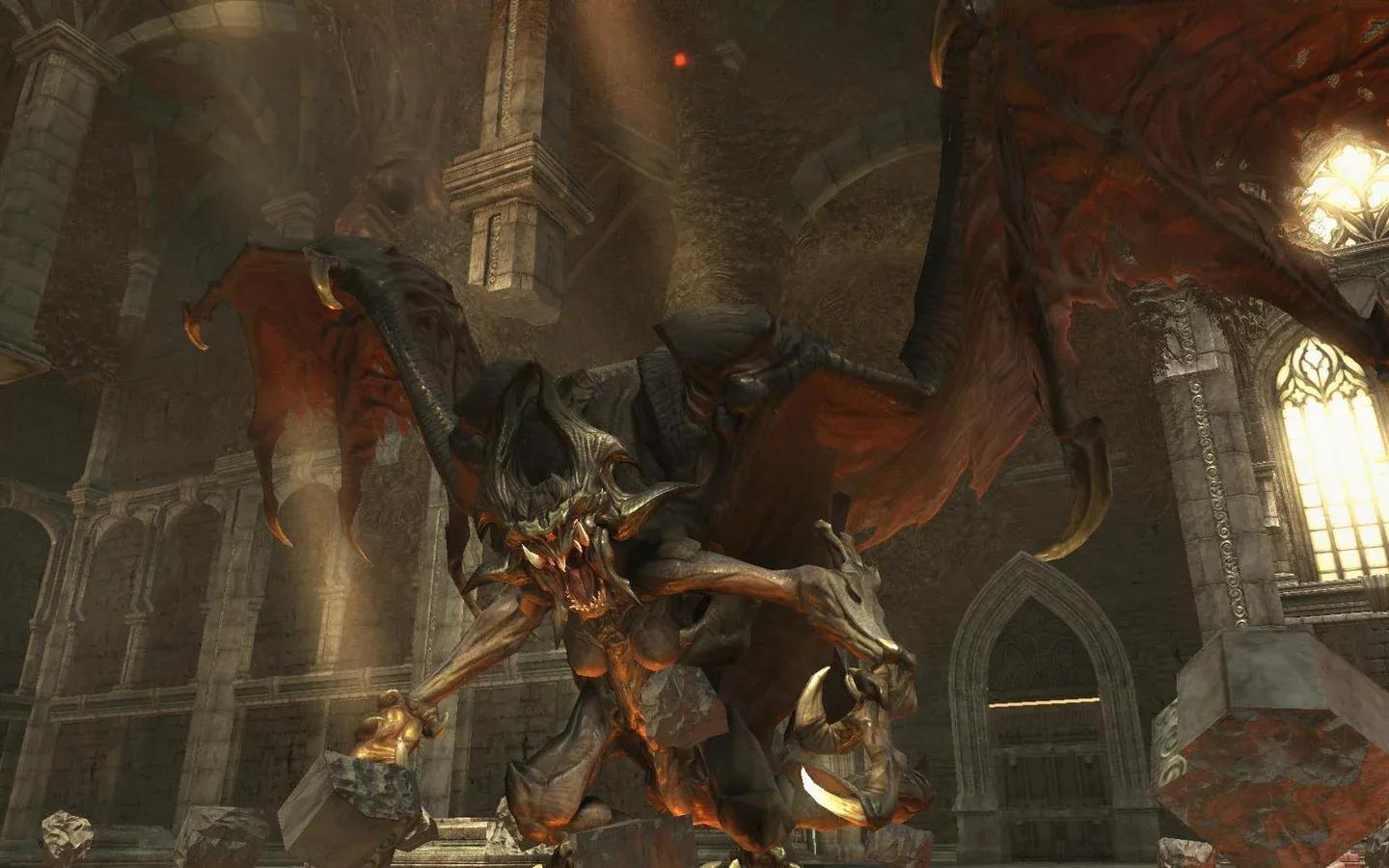
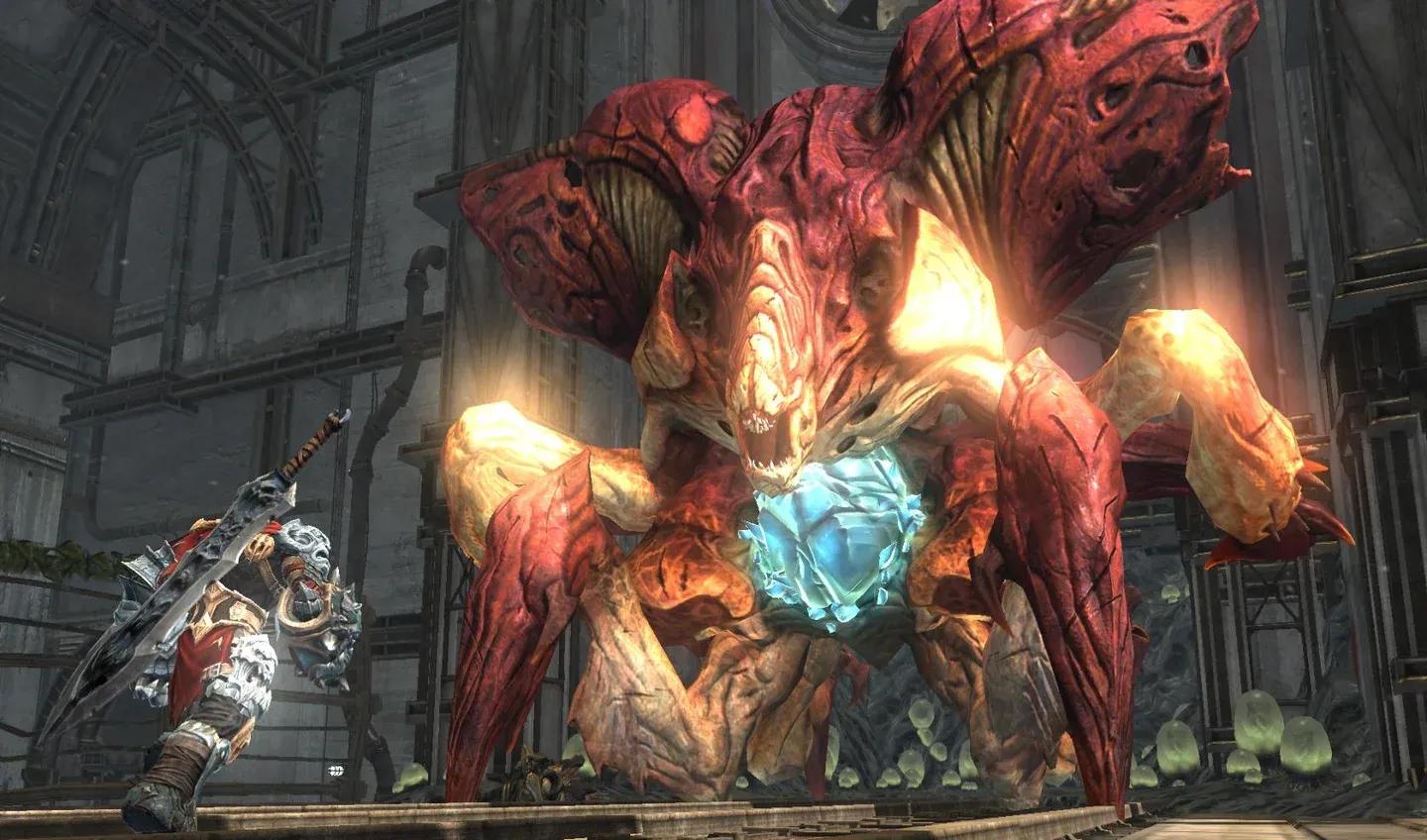
Each major zone functions as a self-contained dungeon with a distinct visual identity and a boss designed around whatever new ability War picks up inside. The pacing follows a deliberate loop: explore, acquire, return, progress. Players who enjoy backtracking to previously locked areas will find a satisfying amount of optional content tucked behind acquired abilities.
Impact and legacy
Darksiders arrived at a time when the action-adventure genre was dominated by Sony's first-party output, and it held its own by being unafraid to wear its influences openly while still delivering a complete, polished experience. The game spawned three sequels and a remaster, which speaks to how well the original formula resonated. The Warmastered Edition, released in 2016, brought updated visuals to modern platforms without altering the core design.
For players who want a hack-and-slash RPG with genuine dungeon-crawling depth, a mythologically rich story, and combat that rewards both aggression and timing, Darksiders remains one of the stronger entries in the genre from its era.