Biggest discounts, free games, and limited-time offers across every major gaming store.
Never pay full price again.
Overview
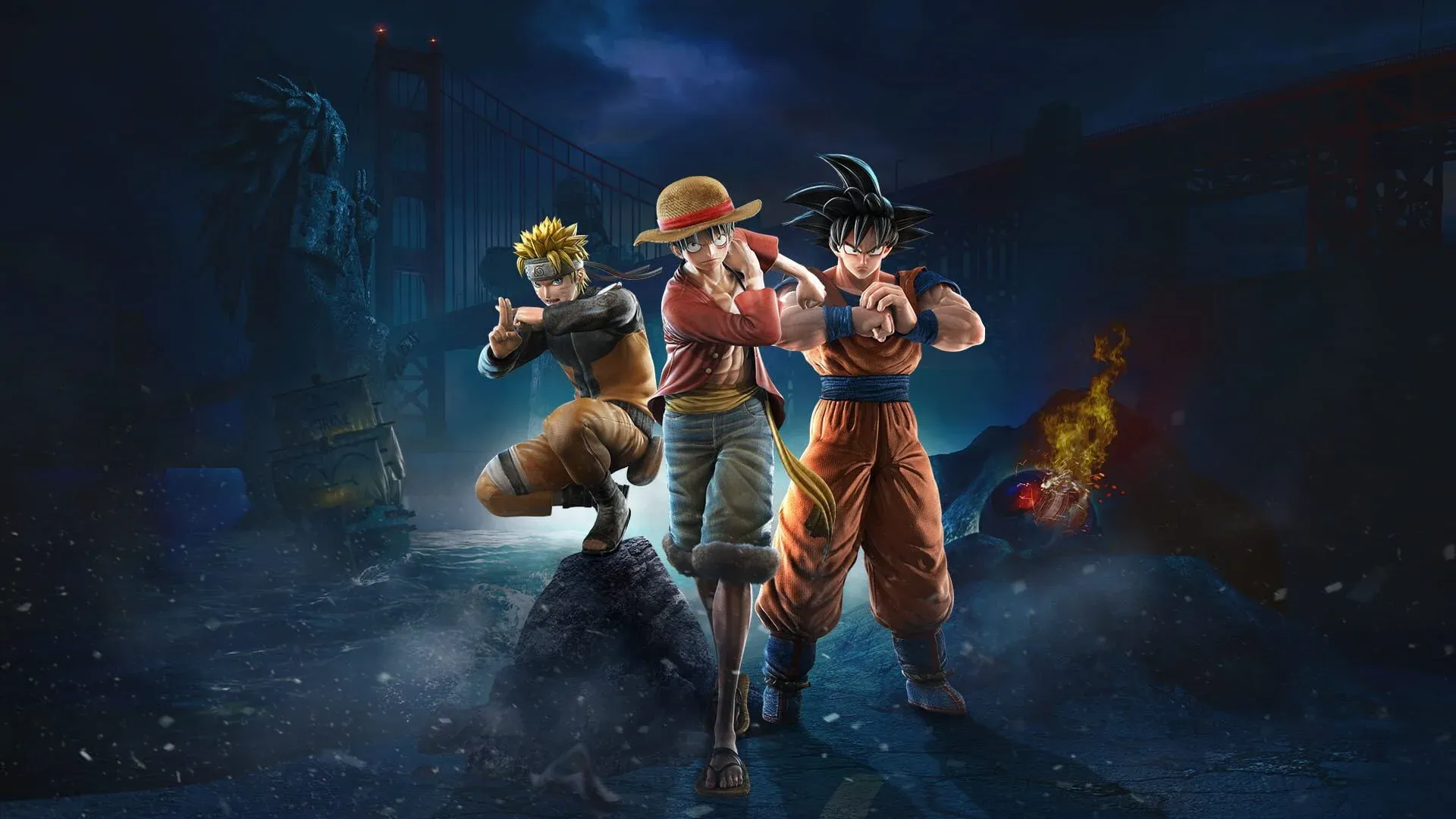
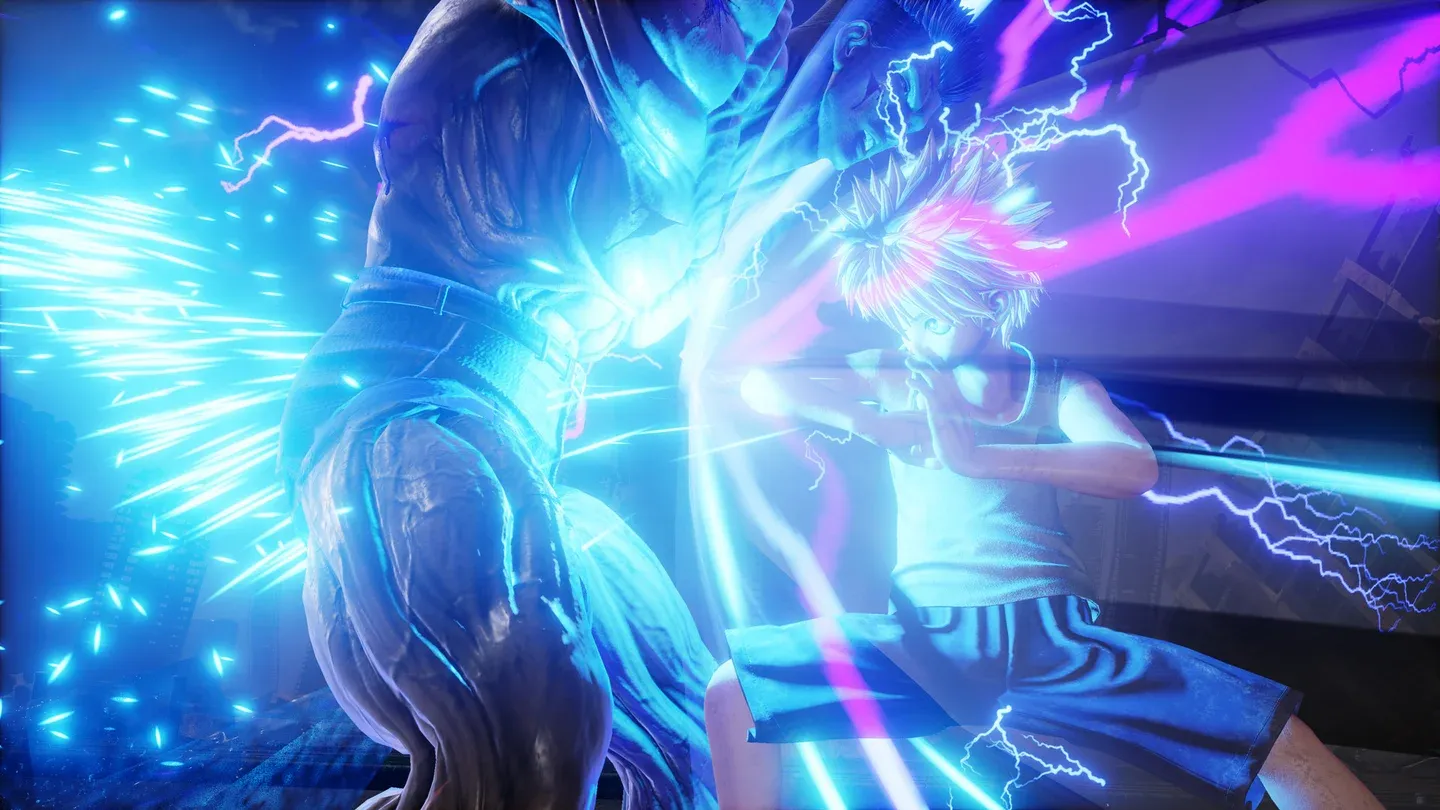
Jump Force is a 3D arena fighting game developed by Spike Chunsoft and published by Bandai Namco Entertainment, released on February 14, 2019. Built to celebrate the 50th anniversary of Weekly Jump magazine, it brings together characters from over a dozen of the most beloved manga and anime series, placing them in a shared universe where the boundaries between fiction and reality have collapsed. The roster spans Dragon Ball, Naruto, One Piece, Bleach, Hunter x Hunter, Yu-Gi-Oh, and more, making it one of the most ambitious crossover fighting games ever assembled.
The premise leans hard into spectacle. An unknown enemy has merged the Jump World with the real world, and the greatest manga heroes must form an alliance called the Jump Force to stop the threat. New York, the Namek wastelands, and Marineford all serve as battlegrounds, blending familiar fictional locations with real-world landmarks in ways that make each fight feel like an event.
JUMP FORCE content image
Gameplay and mechanics
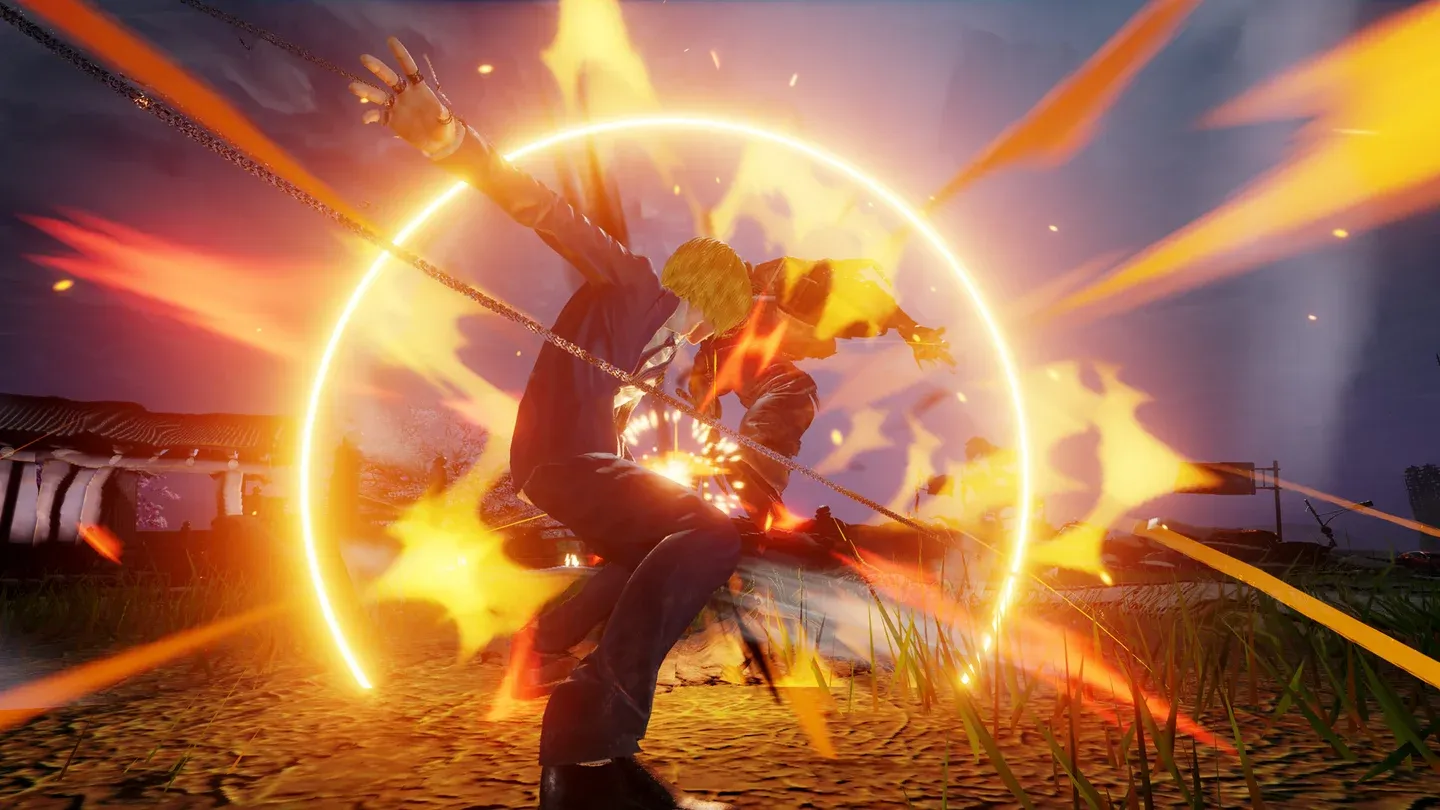
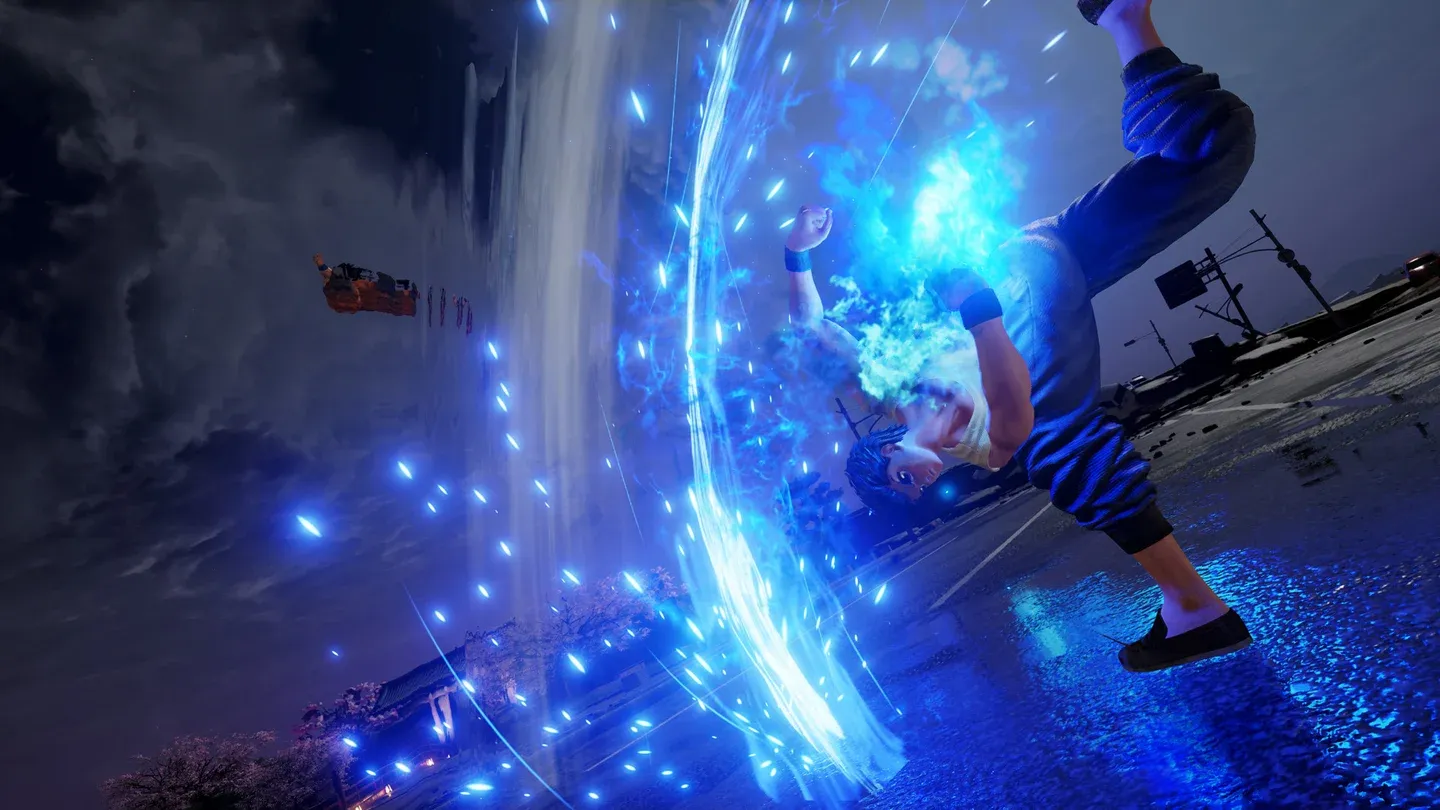
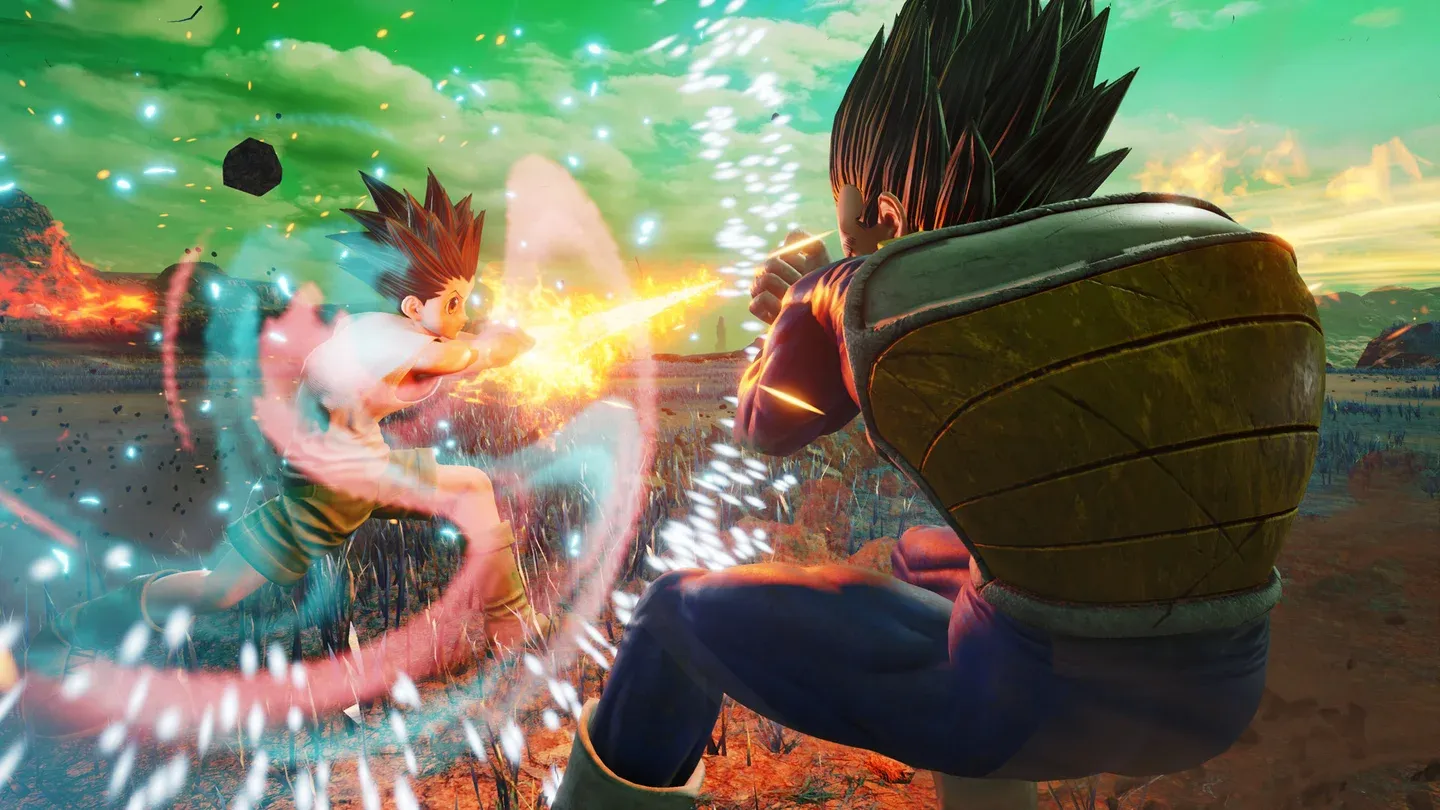
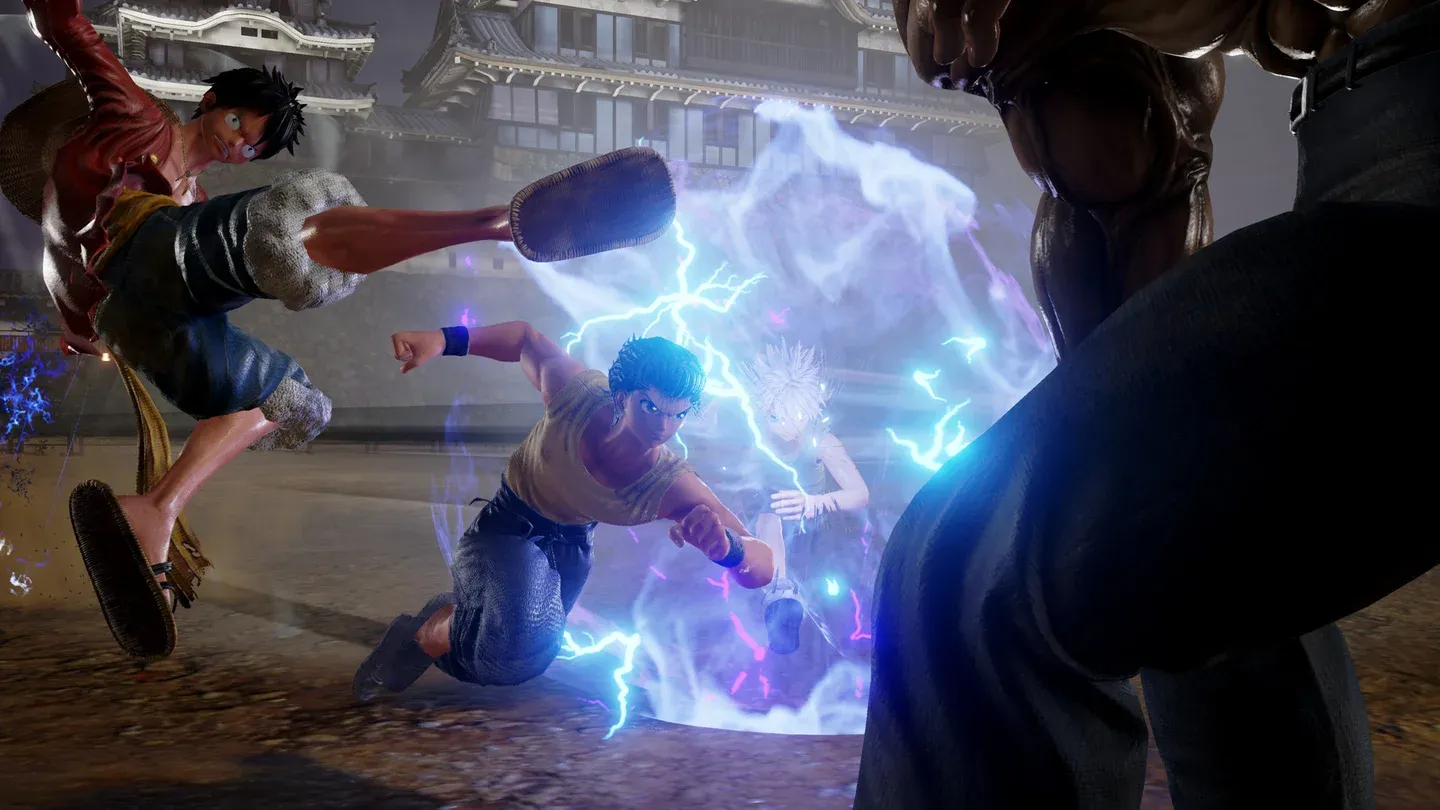
At its core, Jump Force plays as a three-on-three arena fighter with fast, flashy combat built around special moves and team mechanics. Each character brings their signature abilities from the source material, so Goku fires Kamehamehas, Naruto summons shadow clones, and Ichigo unleashes Getsuga Tensho. Combat revolves around a few key systems:
JUMP FORCE content image
- Awakening mode for powered-up states
- Guard breaks and counter mechanics
- Team change and assist calls
- Super attacks tied to the Awakening gauge
- Stage transitions that shift the battlefield mid-fight
The controls are approachable enough for casual fans picking up a controller for the first time, but the deeper team composition and counter system gives competitive players something to work with. The game's main story mode follows a custom avatar character that players create and develop through the HQ hub, adding a light RPG layer on top of the fighting.
What does the roster look like?
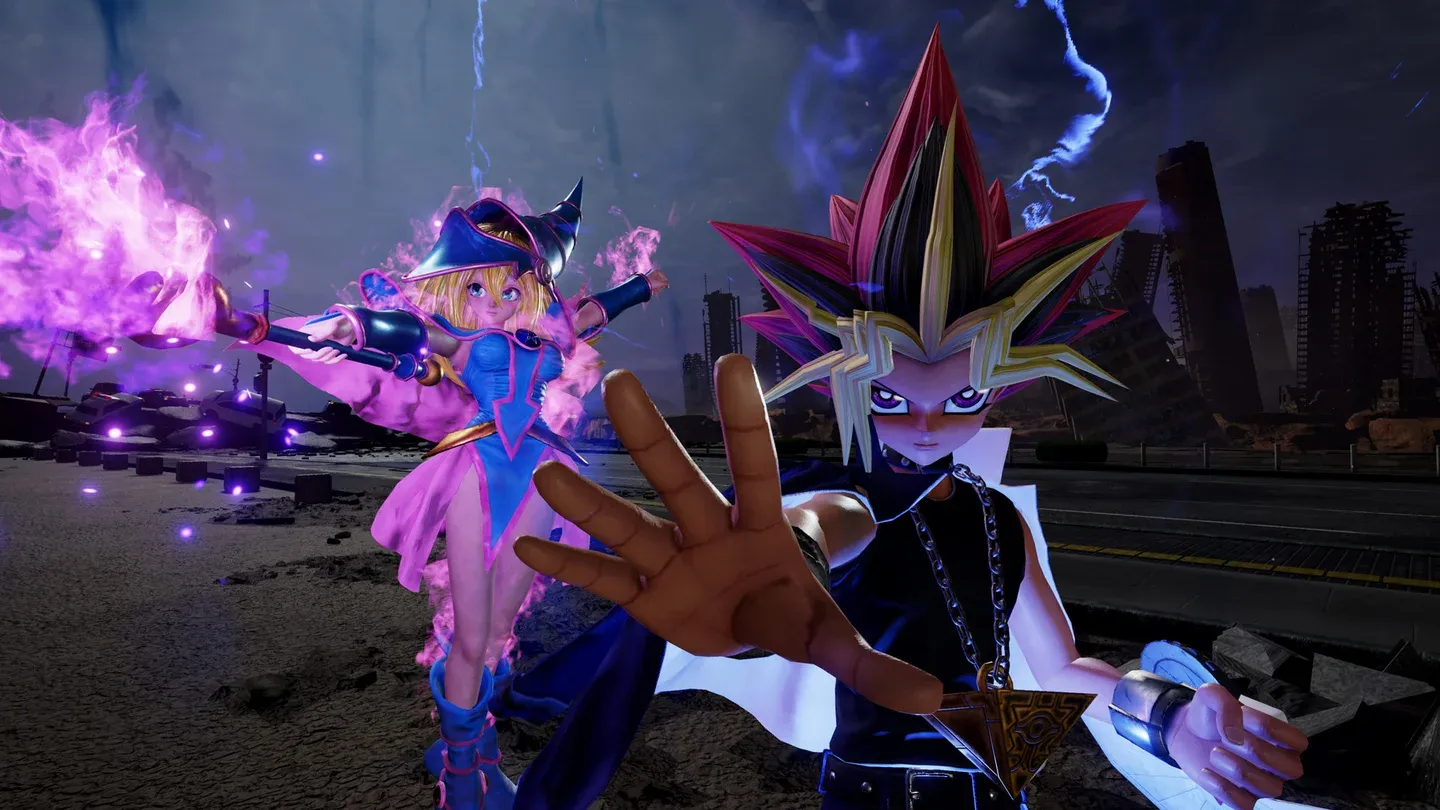
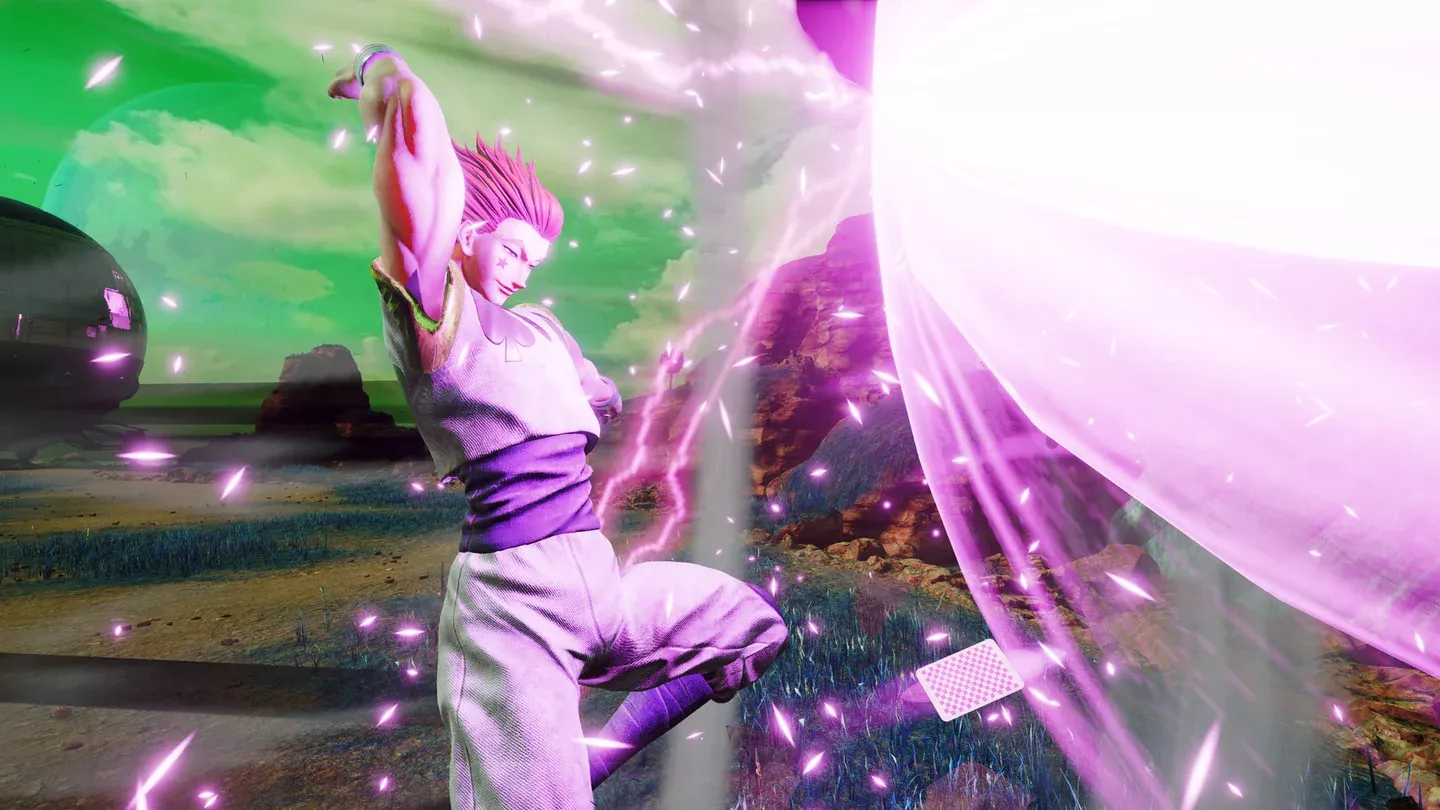
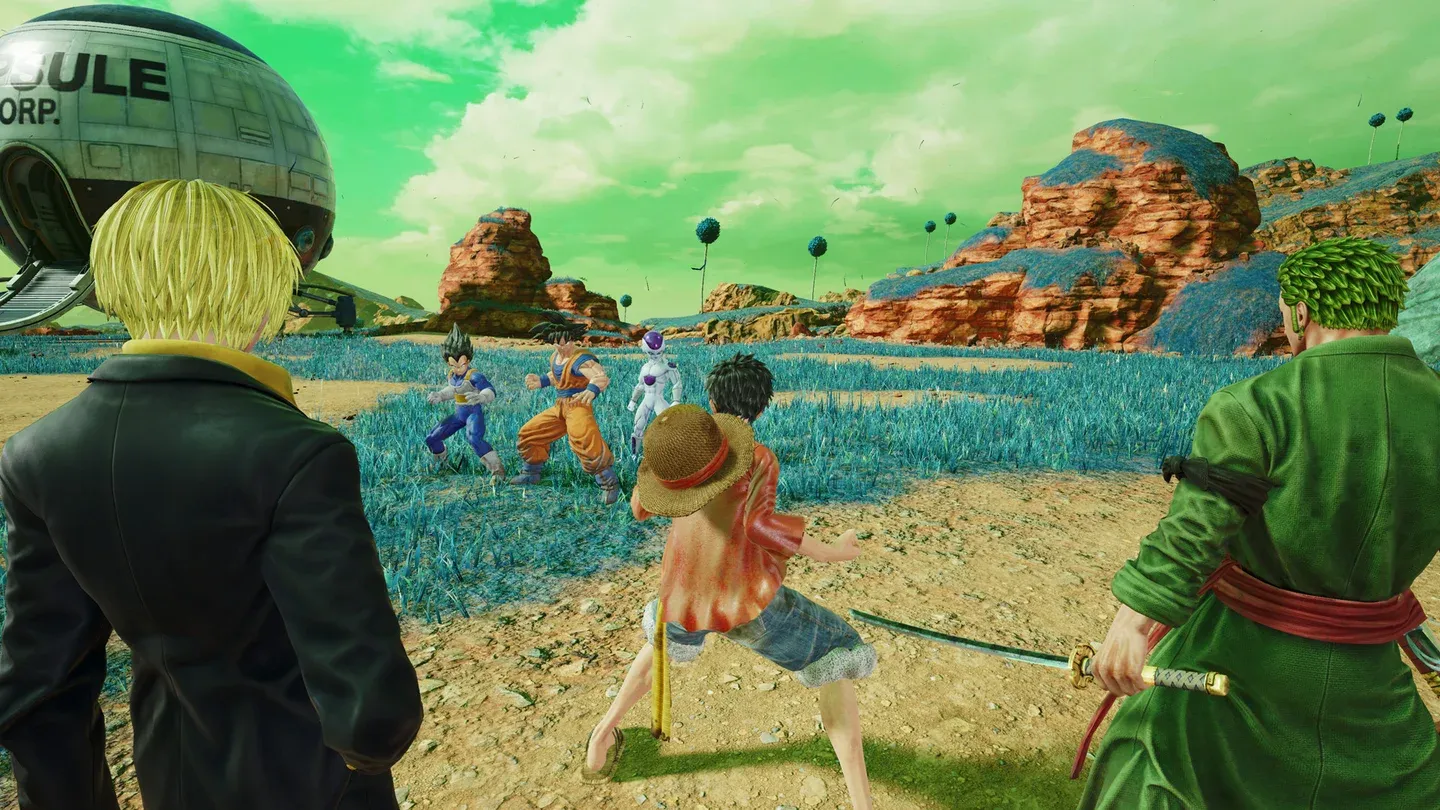
Jump Force launches with 40 playable characters and expands further through paid DLC character packs. The base roster covers fan favorites like Vegeta, Sasuke, Zoro, and Rukia, while the DLC packs add characters including Shoto Todoroki from My Hero Academia, Meruem from Hunter x Hunter, and Hiei from Yu Yu Hakusho, pushing the total roster well past 50 fighters. For longtime anime fans, seeing these characters interact in cutscenes carries a novelty that pure gameplay alone can't replicate.
JUMP FORCE content image
Visual and audio design
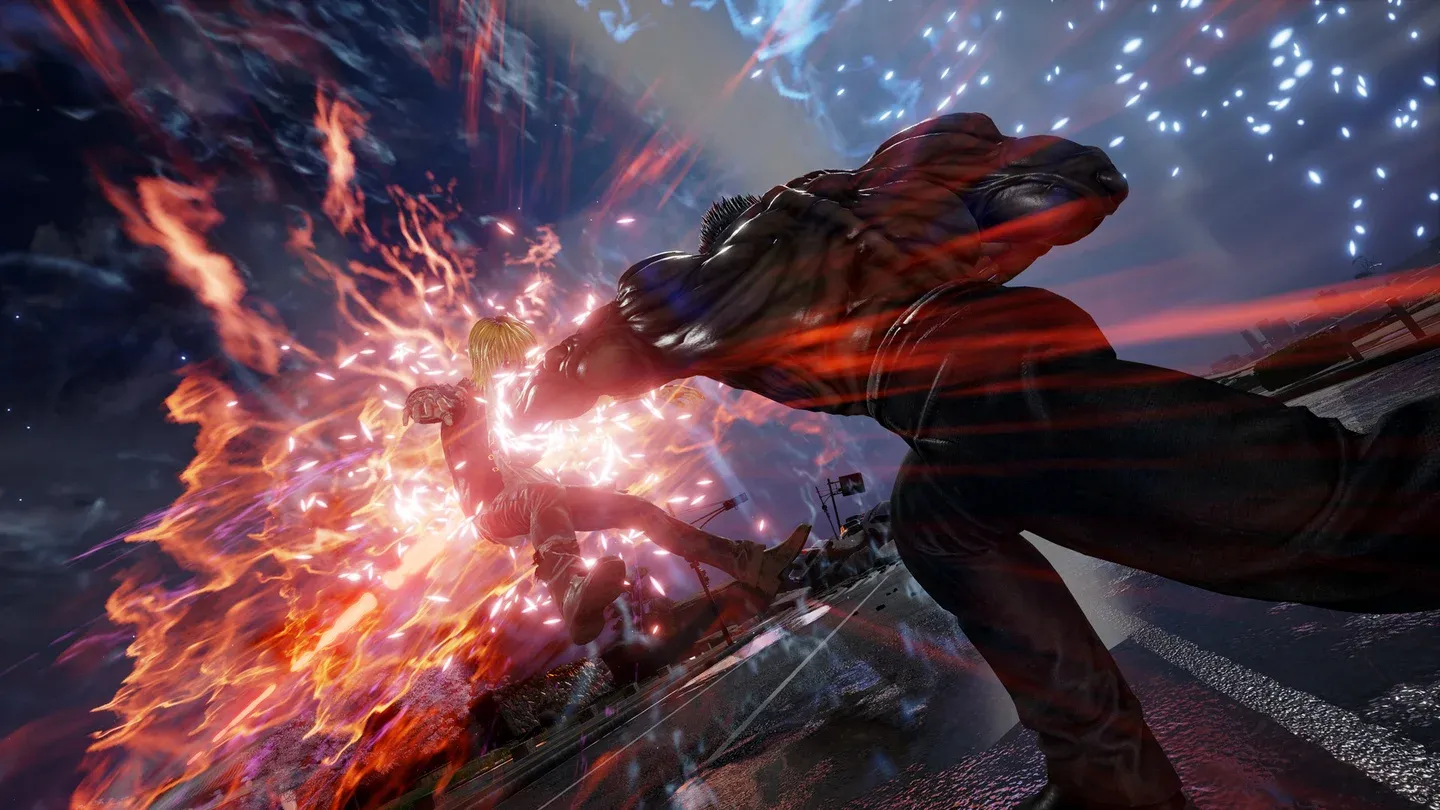
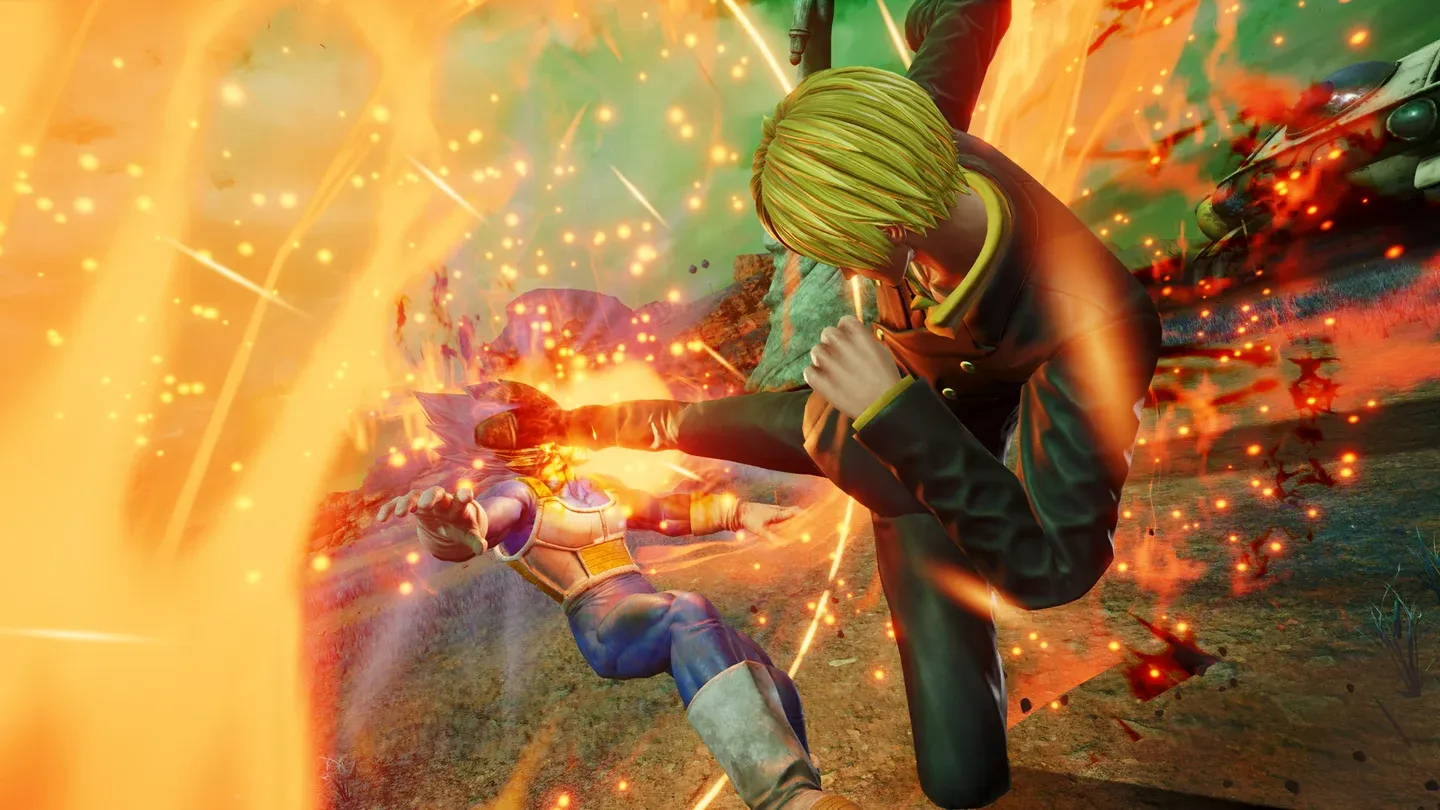
The game's most talked-about choice is its visual direction. Rather than using cel-shading to mimic the anime aesthetic, Spike Chunsoft applied realistic lighting and texturing to manga characters, producing a look that's immediately striking and occasionally unsettling depending on the character. Goku's face in particular became a topic of debate at launch. The approach works better in motion during fights than it does in static cutscenes, where the uncanny valley effect is more noticeable.
The soundtrack and voice work are pulled directly from the source series, which means fans get the exact performances they associate with these characters. That authenticity carries real weight for a crossover of this scale.
Multiplayer and content
Beyond the story mode, Jump Force supports online ranked and casual matches, local versus play, and a series of online events that rotate through the HQ hub. The online fighting community around the game was most active in the months following launch, though matches are still findable across its platforms, which include PC via Steam, PlayStation 4, Xbox One, and Nintendo Switch. The Switch version, released as the Deluxe Edition, includes the base game alongside the first wave of DLC character packs.
JUMP FORCE content image
For anime fighting game fans who want a roster this wide in a single package, Jump Force remains a hard game to match on sheer crossover ambition alone.