Overview
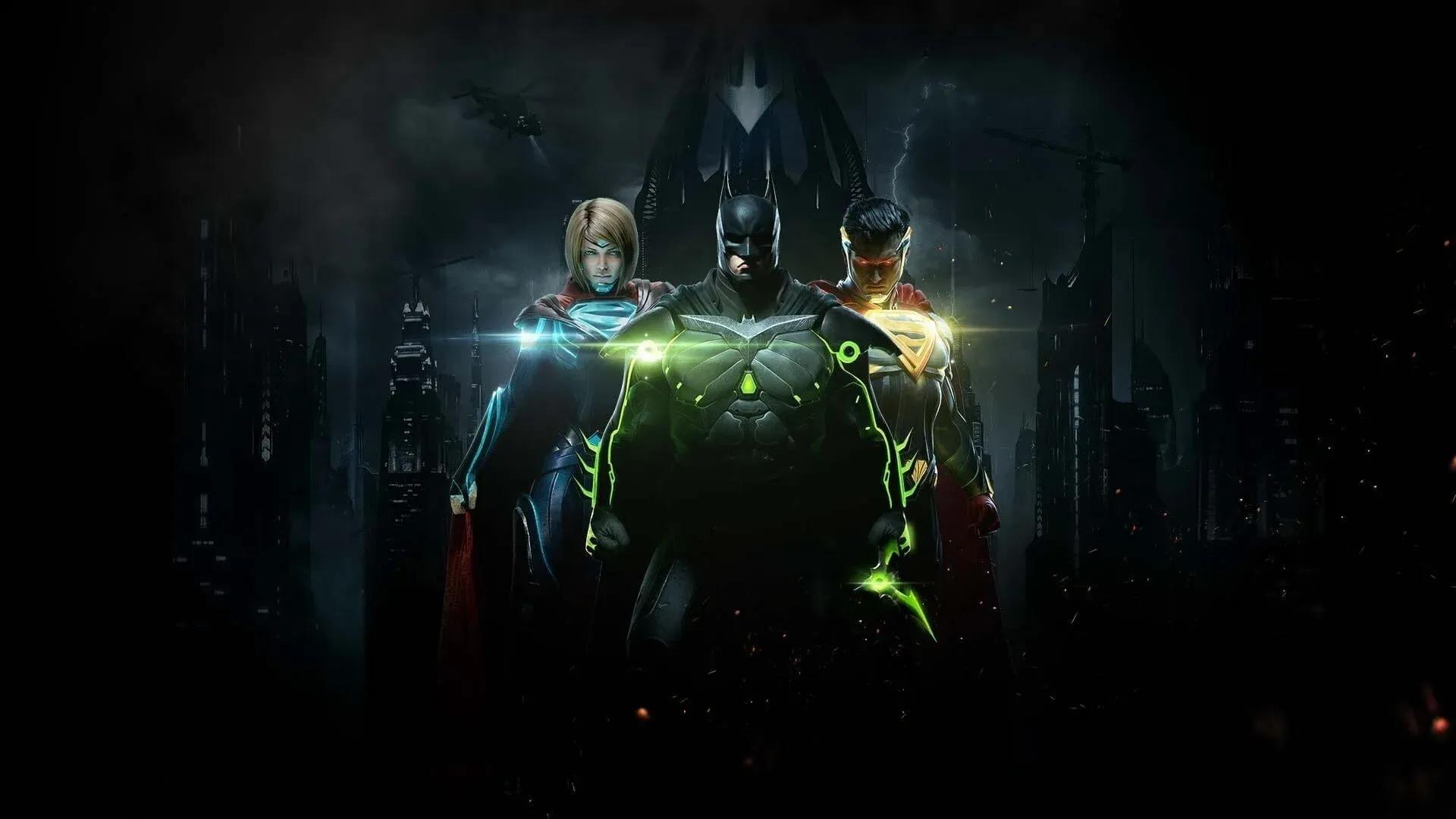
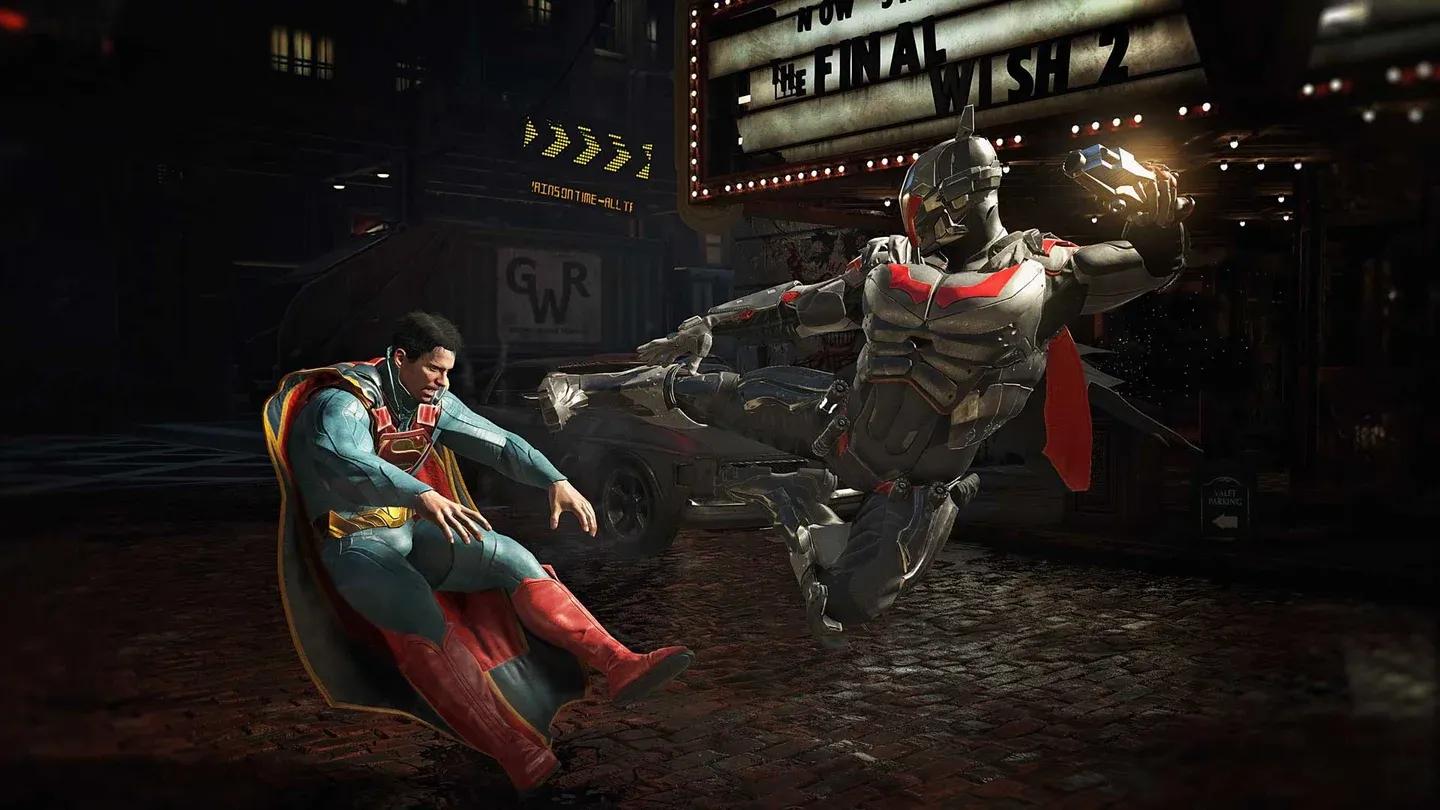
Injustice 2 is a 2D fighting game developed by NetherRealm Studios and published by WB Games, released in 2017 and available on PC via Steam, PlayStation, Xbox, iOS, and Android. Set in the DC Universe, it continues the story from the original Injustice with Batman still pushing back against Superman's authoritarian regime, while a new cosmic threat forces former enemies to reconsider their allegiances. The Legendary Edition bundles in all post-launch DLC, including 10 additional characters and 5 Premiere Skins.
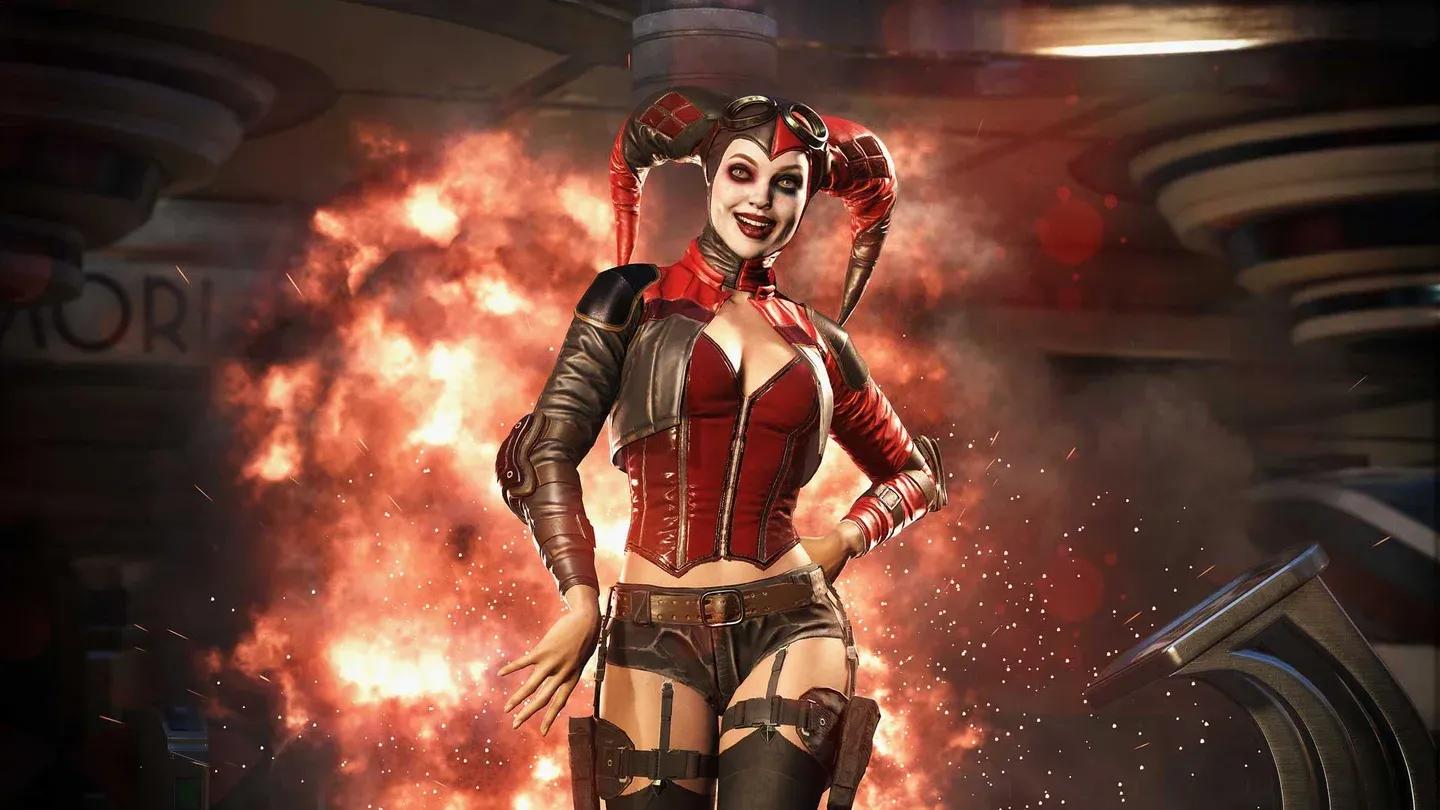
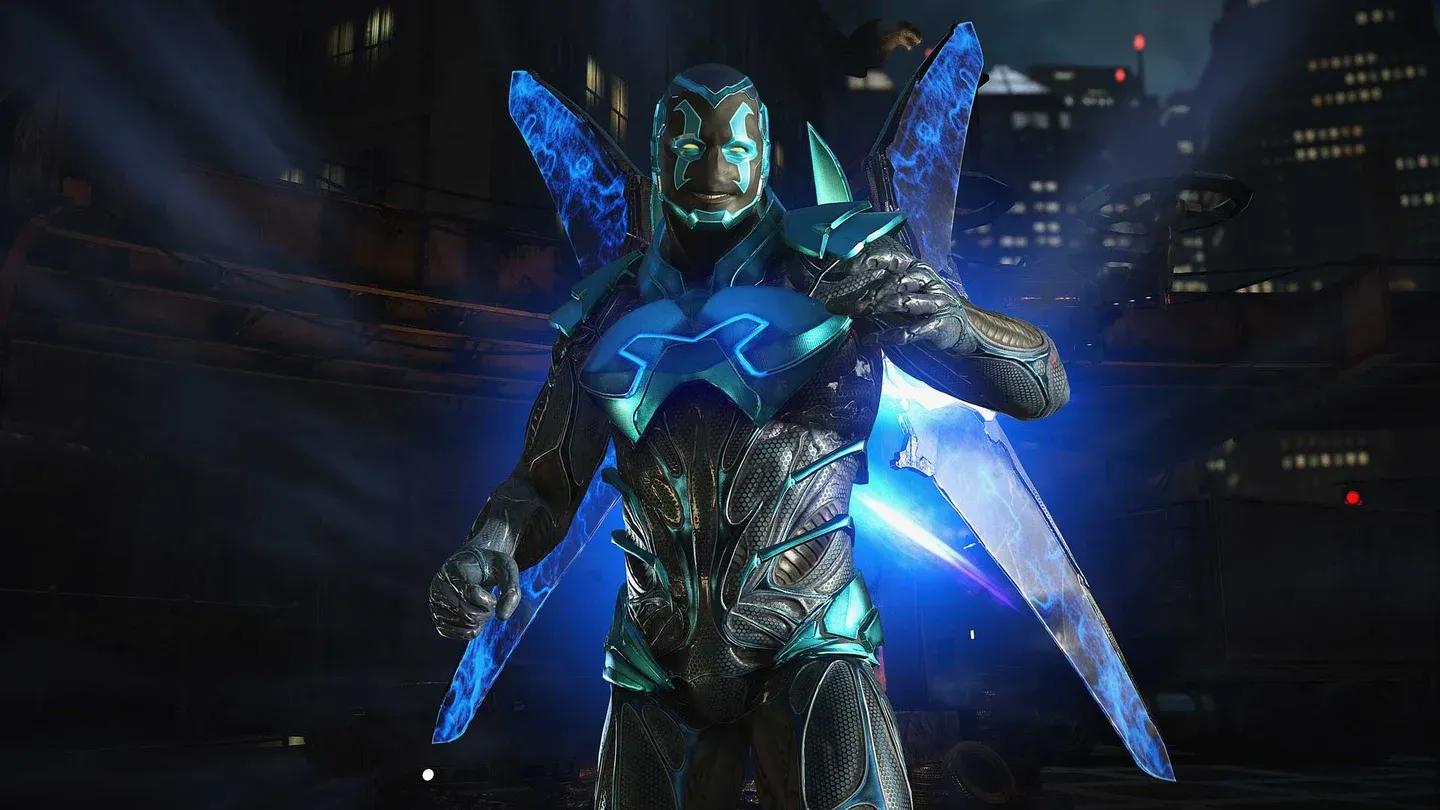
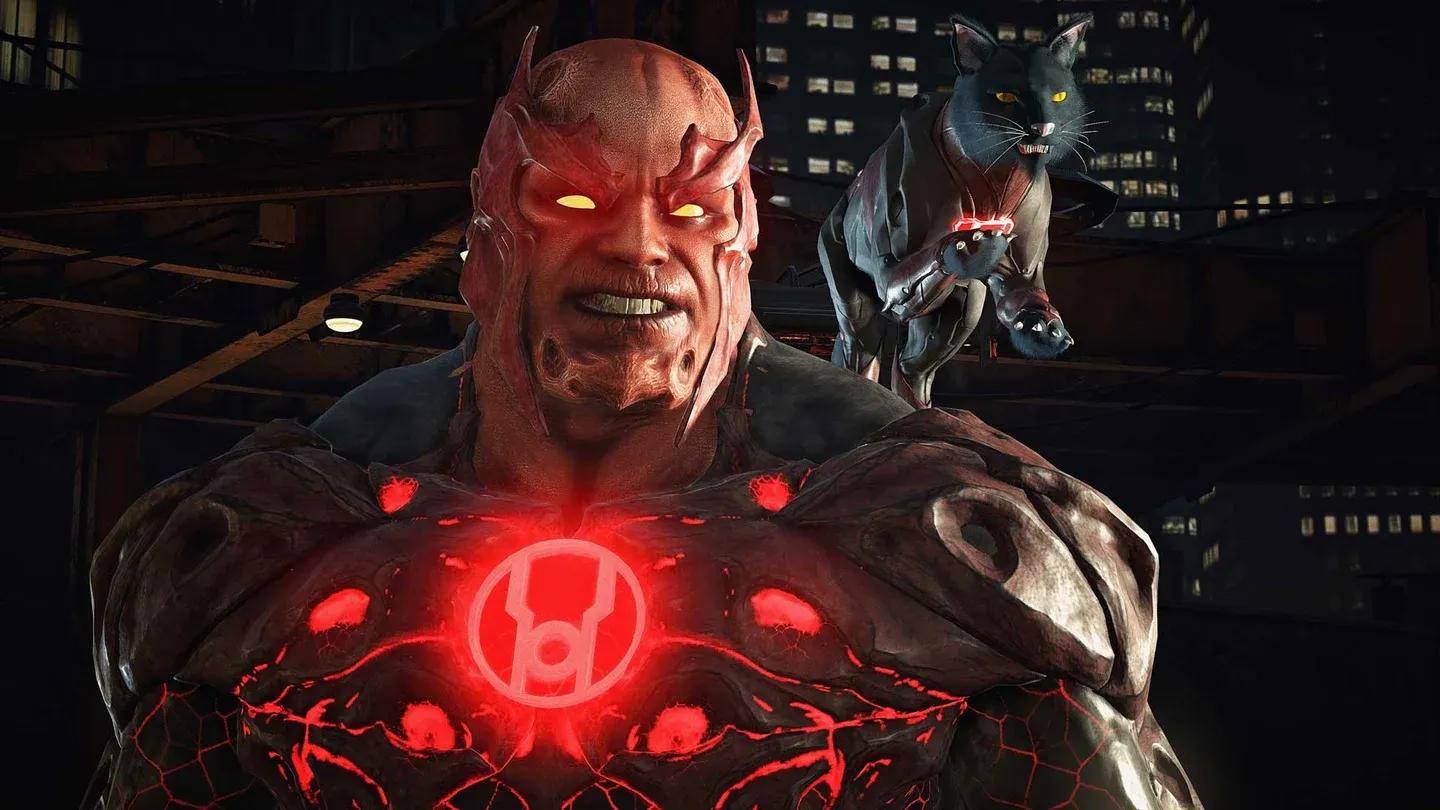
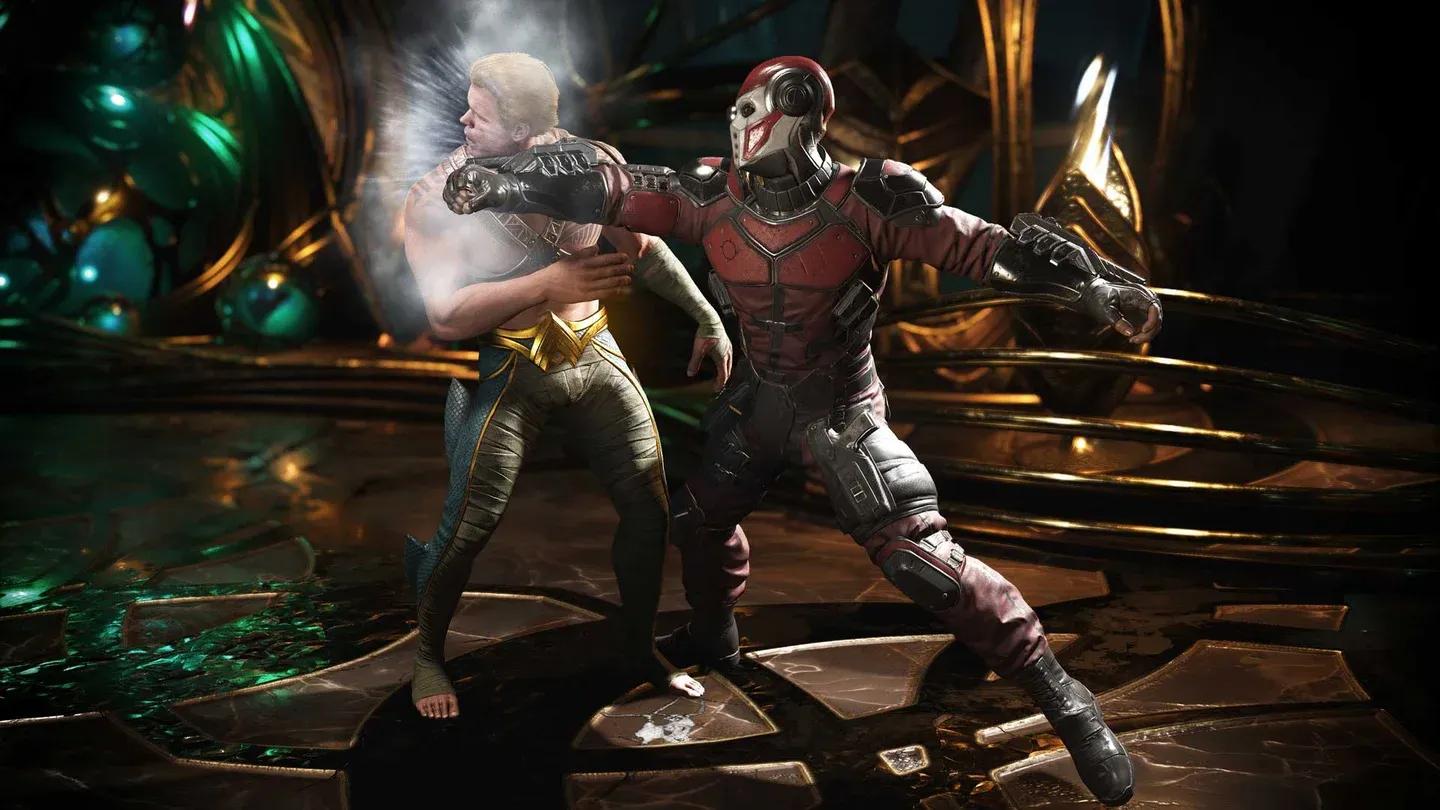
What separates Injustice 2 from most fighting games is the gear system. Every match you play drops equipment that slots onto your chosen character, modifying stats and altering their visual appearance. A character like Aquaman can end up looking and performing very differently depending on how you've built him, which gives the game a layer of personalization that goes well beyond skin swaps.
Injustice™ 2 content image
Gameplay mechanics and the gear system
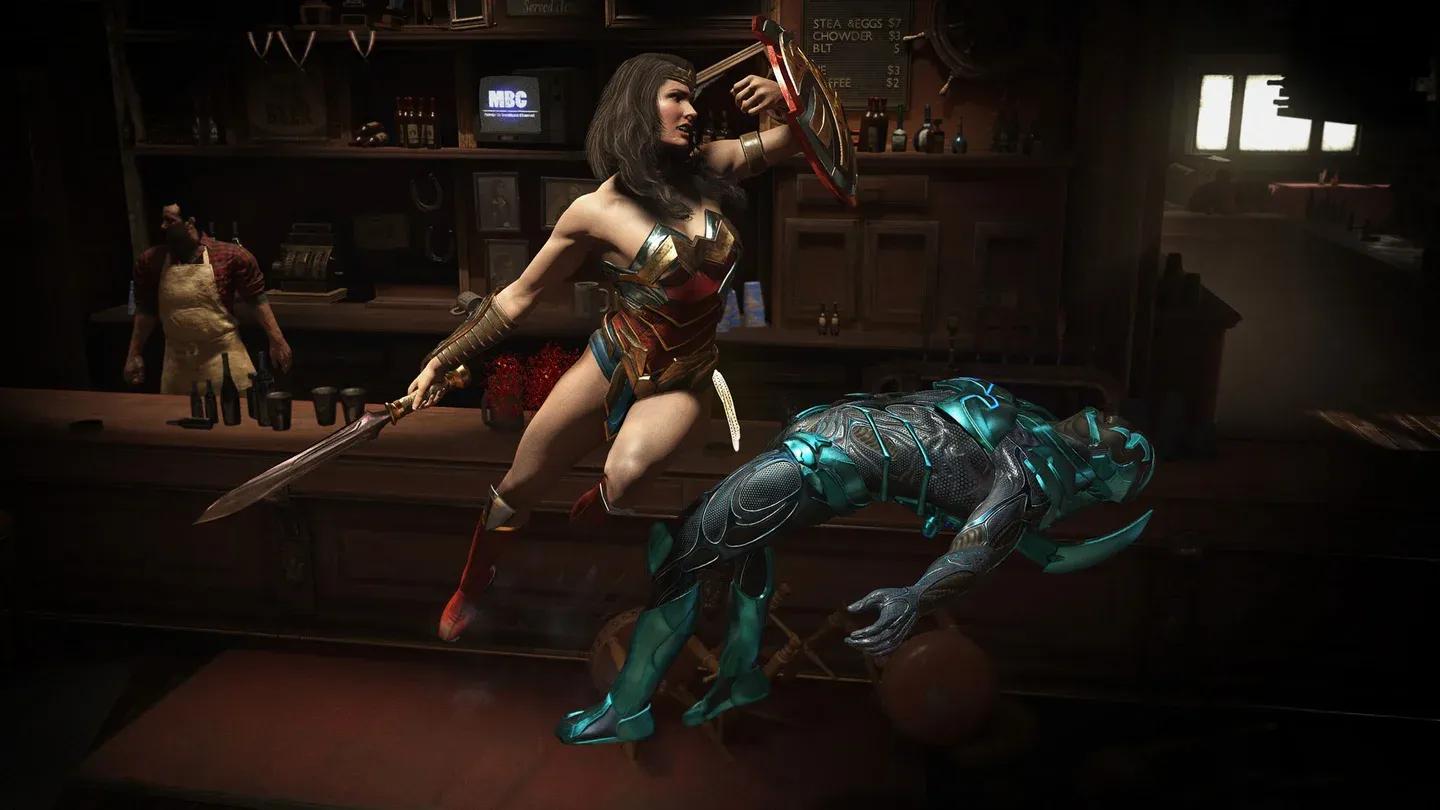
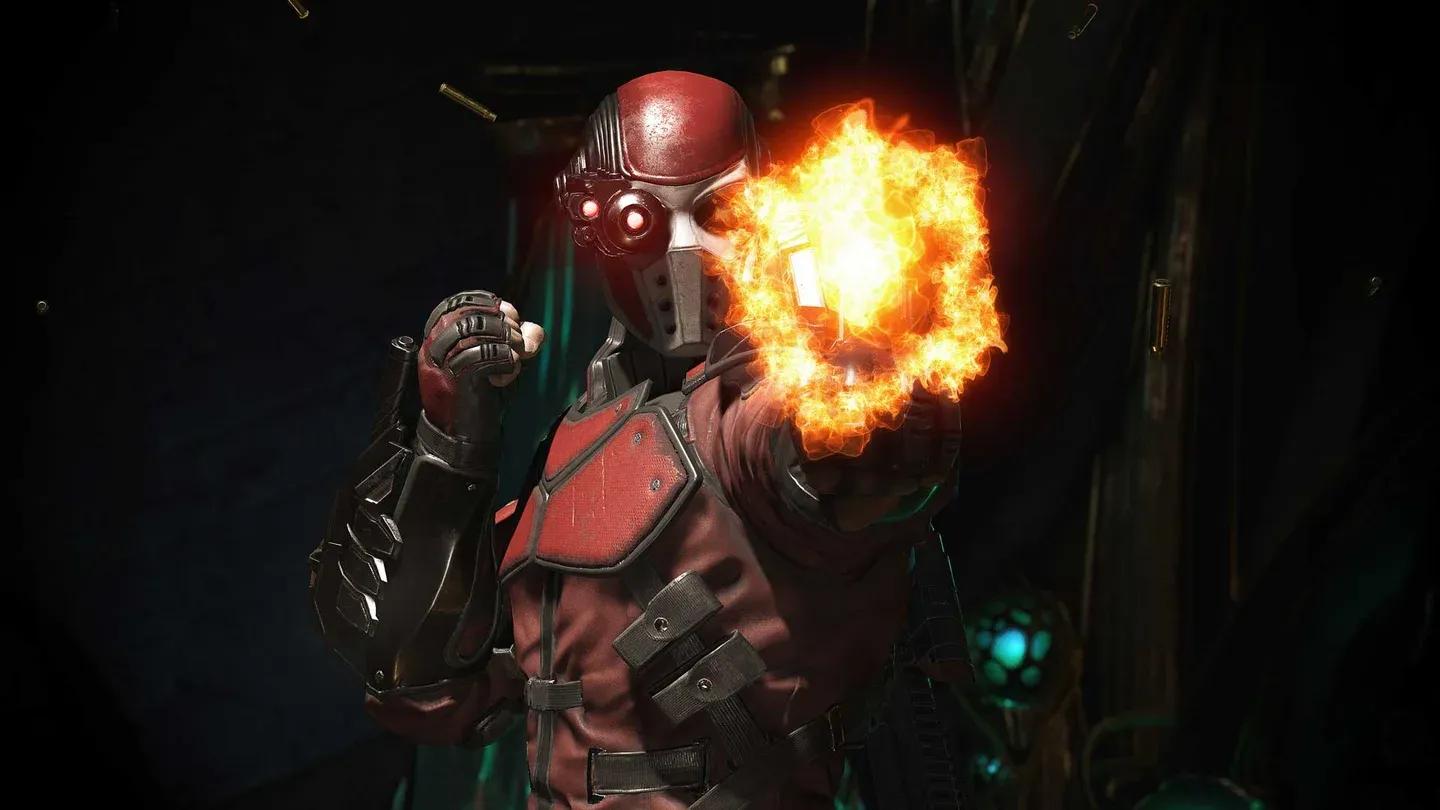
The core fighting mechanics sit firmly in NetherRealm's wheelhouse, with the same fluid combo structure and super meter management that made Mortal Kombat X work so well. Each character has a distinct playstyle, and the gear system adds RPG-style stat growth on top of that foundation. Key mechanics include:
Injustice™ 2 content image
- Gear drops with stat modifiers after every match
- Character-specific equipment slots for head, chest, legs, and accessories
- Multiverse mode for ongoing single-player challenges
- Clash system for mid-fight momentum shifts
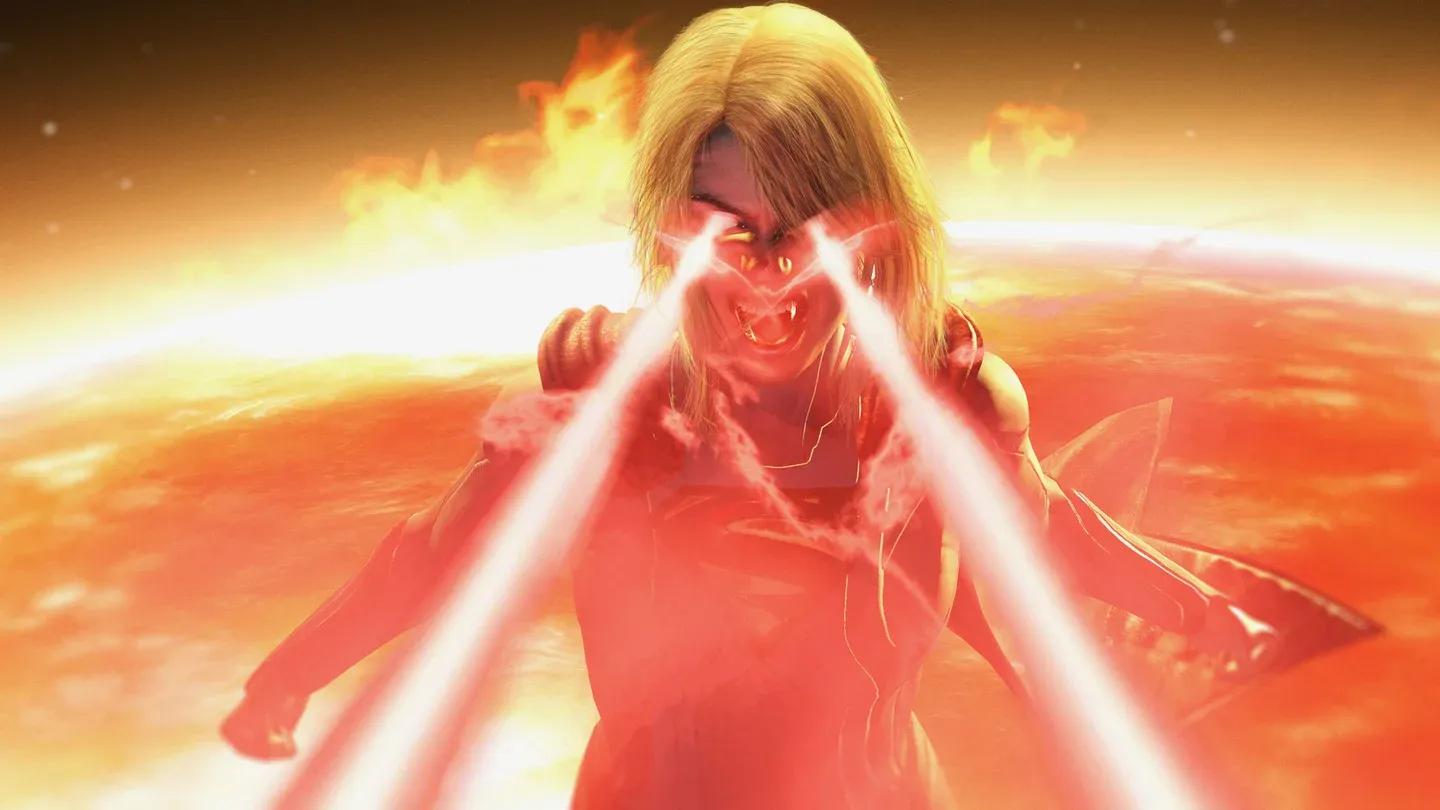
- Super moves unique to each fighter
The gear system does create stat disparities in certain online modes, which is worth knowing before jumping into competitive play. A dedicated Ranked mode uses normalized stats so gear aesthetics carry over but numbers don't, keeping matches fair.
What does the story mode offer?
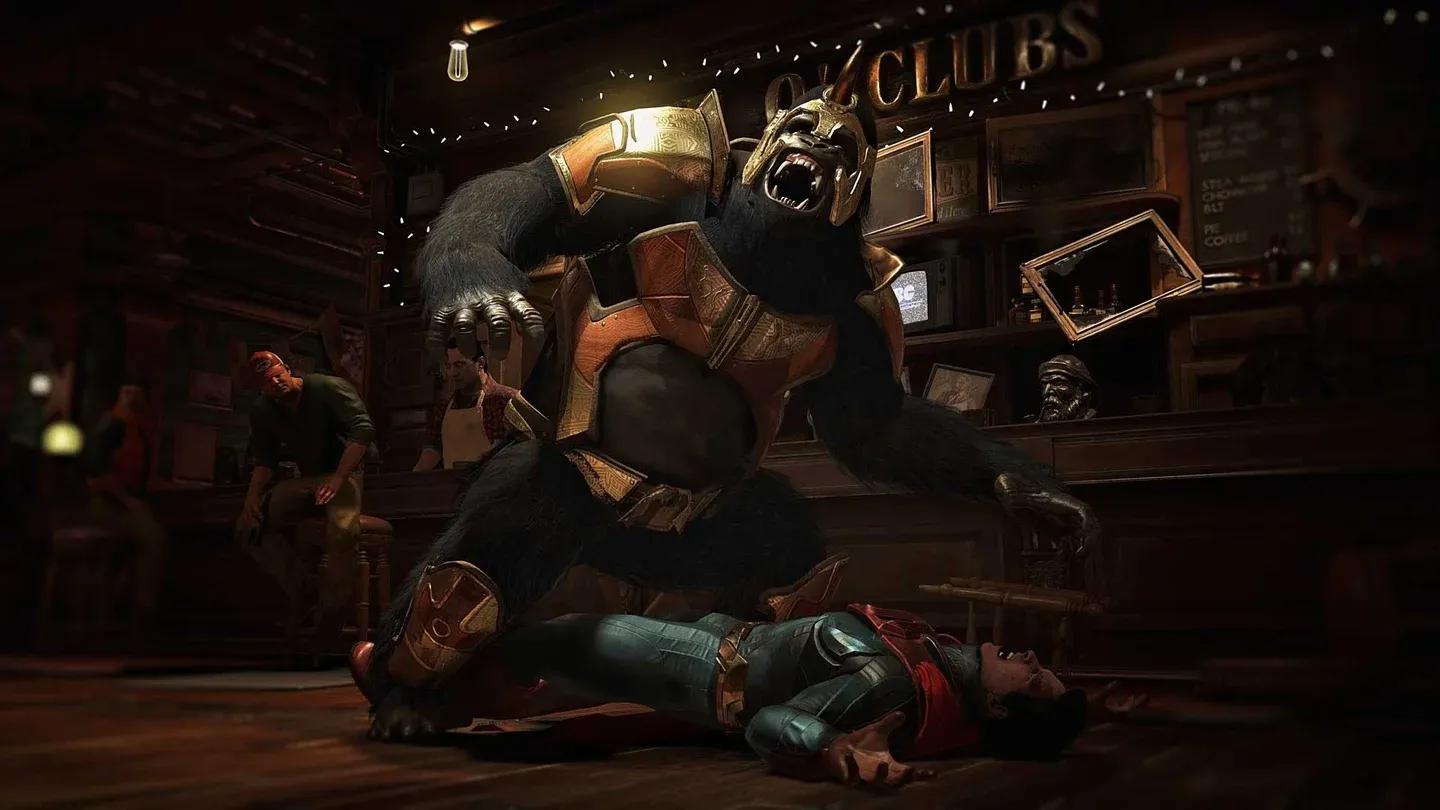
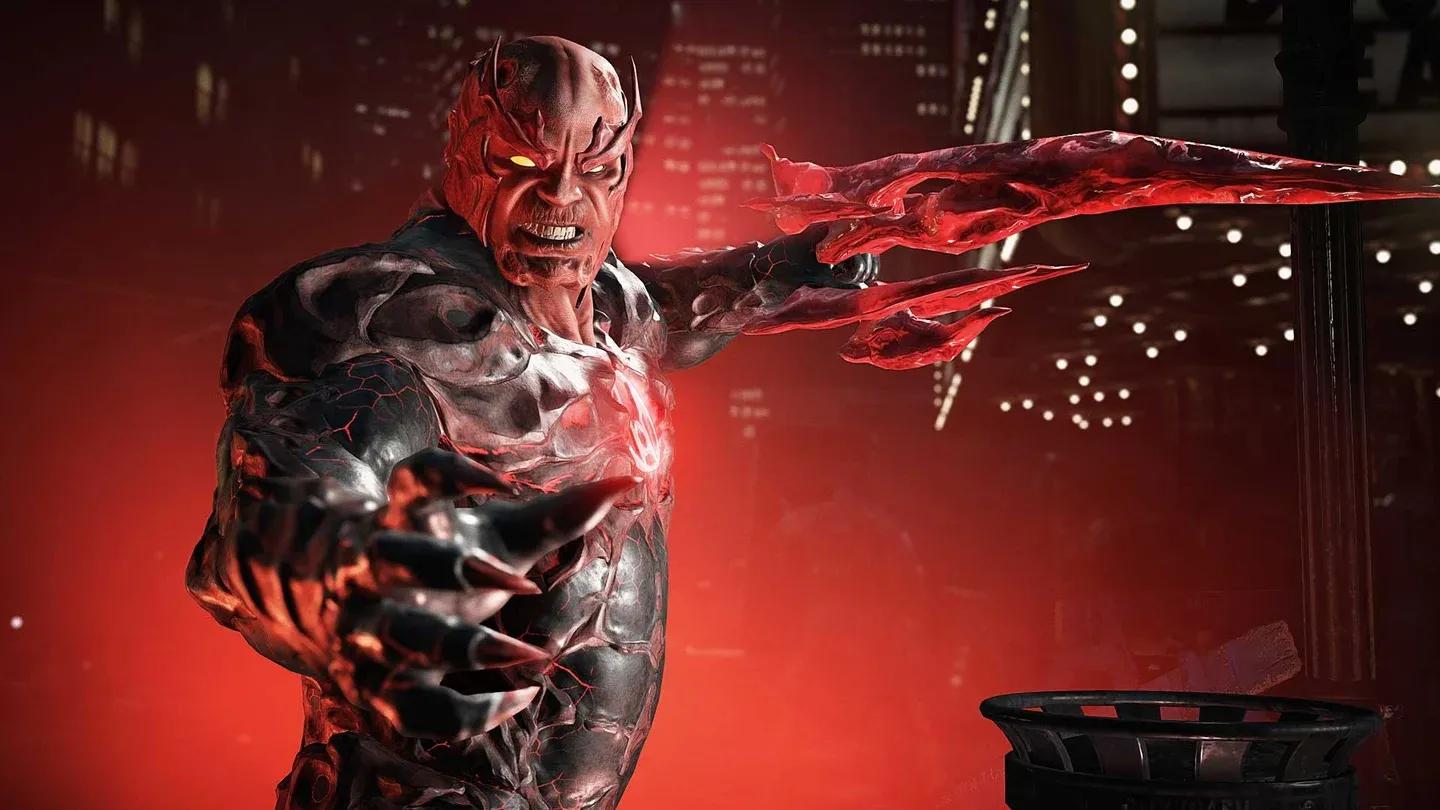
Injustice 2's story mode runs around five hours and plays out like an interactive DC animated film. The writing focuses on the fractured relationship between Batman and Superman and introduces Brainiac as the primary antagonist threatening Earth. Multiple branching moments let players choose which character to control in certain chapters, and the production quality, voice acting, and cutscene work are a genuine highlight. It's not deep narrative territory, but it holds together well enough that finishing it feels worthwhile rather than obligatory.
Injustice™ 2 content image
Roster and content depth
The base roster covers the obvious pillars of the DC roster alongside some unexpected picks. The Legendary Edition pushes the character count higher with additions like Hellboy, the Teenage Mutant Ninja Turtles (treated as separate fighters), Atom, Enchantress, and Raiden from Mortal Kombat. Premiere Skins let certain characters take on alternate identities with different voice lines and visual overhauls, adding variety without requiring separate move sets.
Multiverse mode functions as the main single-player content loop outside of story, rotating challenge towers with unique modifiers and gear rewards. It keeps the solo experience alive well past the story credits, which matters for players who aren't primarily focused on online competition.
Impact and legacy
Injustice 2 won IGN's best fighting game of 2017 and remains one of the strongest entries in the DC fighting game genre. The gear system influenced how subsequent NetherRealm titles approached character customization, and the game's approach to accessible yet deep fighting mechanics helped it maintain a player base across multiple platforms years after launch. For anyone interested in DC characters, competitive 2D fighting games, or character-building progression systems, Injustice 2 Legendary Edition delivers a complete package with no missing pieces.
Injustice™ 2 content image
System Requirements
| Requirement | Minimum | Recommended |
|---|---|---|
| Processor | Intel Core i5-750, 2.66 GHz / AMD Phenom II X4 965, 3.4 GHz or AMD Ryzen™ 3 1200, 3.1 GHz | Intel Core i3-2100, 3.10 GHz / AMD FX-6300, 3.5 GHz or AMD Ryzen™ 5 1400, 3.2 GHz |
| Memory | 4 GB RAM | 8 GB RAM |
| Graphics | NVIDIA® GeForce™ GTX 670 or NVIDIA® GeForce™ GTX 1050 / AMD® Radeon™ HD 7950 or AMD® Radeon™ R9 270 | NVIDIA® GeForce™ GTX 780 or NVIDIA® GeForce™ GTX 1060-6GB / AMD® Radeon™ R9 290 or RX 570 |
| DirectX | Version 11 | Version 11 |
| Network | Broadband Internet connection | Broadband Internet connection |