
Biggest discounts, free games, and limited-time offers across every major gaming store.
Never pay full price again.
Overview
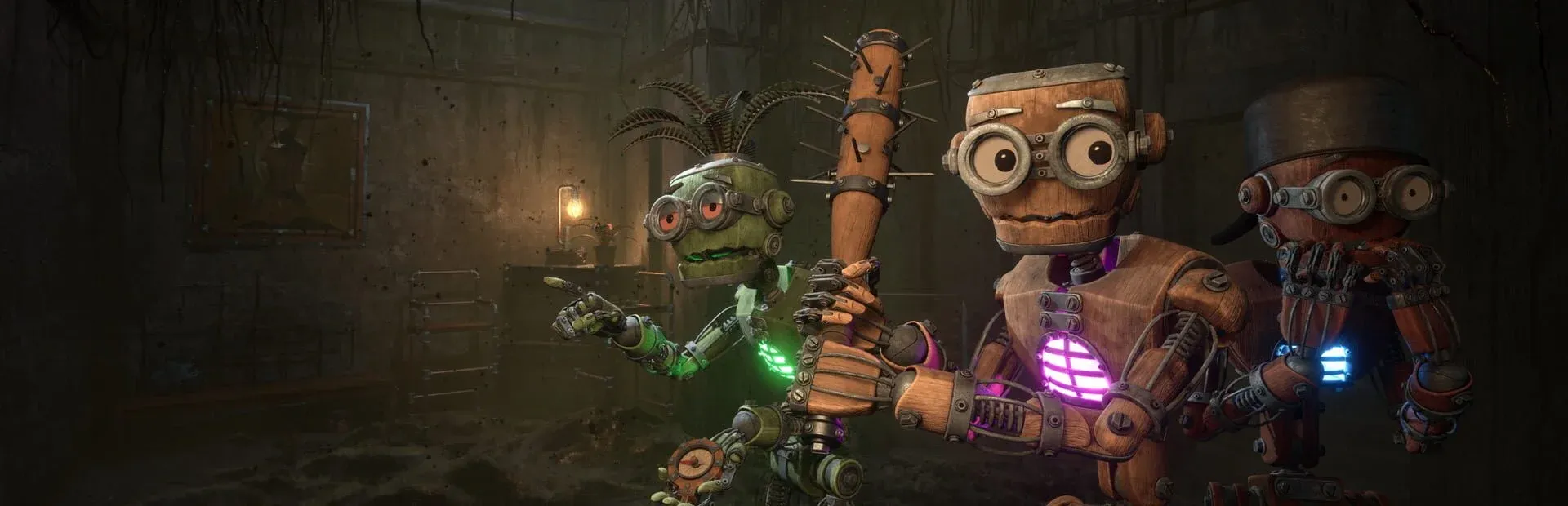
Grain Rot is a co-op horror extraction game developed by Beck & Branch Games and published by Neem, set in a scorched post-apocalyptic wasteland where the sun itself is a threat. Players inhabit Living Sparks, sentient artificial souls created by a long-dead civilization, who must possess wooden vessels to interact with the physical world. Those vessels burn. That single design choice shapes every decision in the game.
The core loop runs on three pillars: descend into procedurally generated underground ruins called the Deep Layers, scavenge furniture and materials before the Corrupted overwhelm you, then extract and reinvest resources into a growing Outpost above ground. Lose the run and you lose everything collected that session. Make it back and you get to spend your haul on permanent upgrades that compound over time.
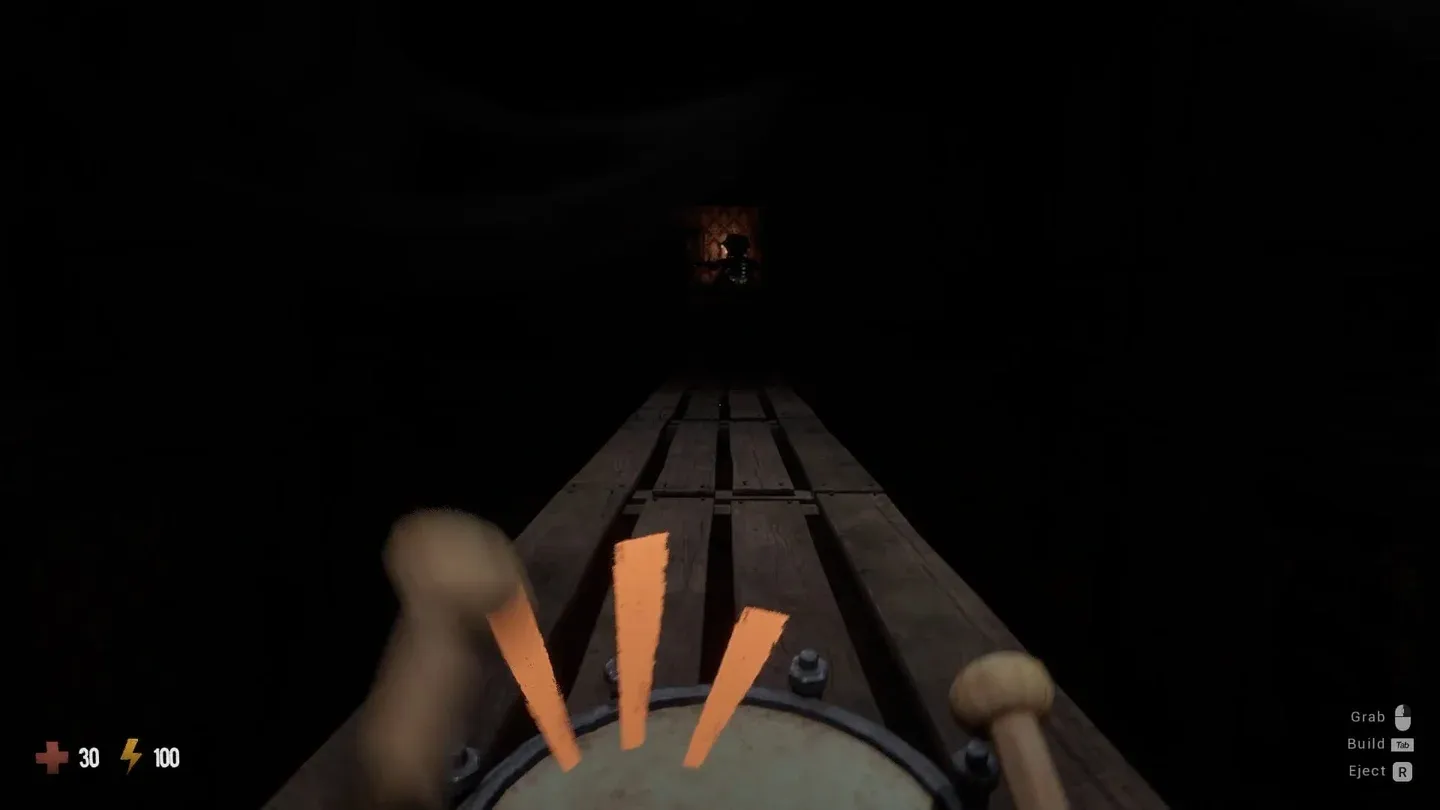
Grain Rot content image
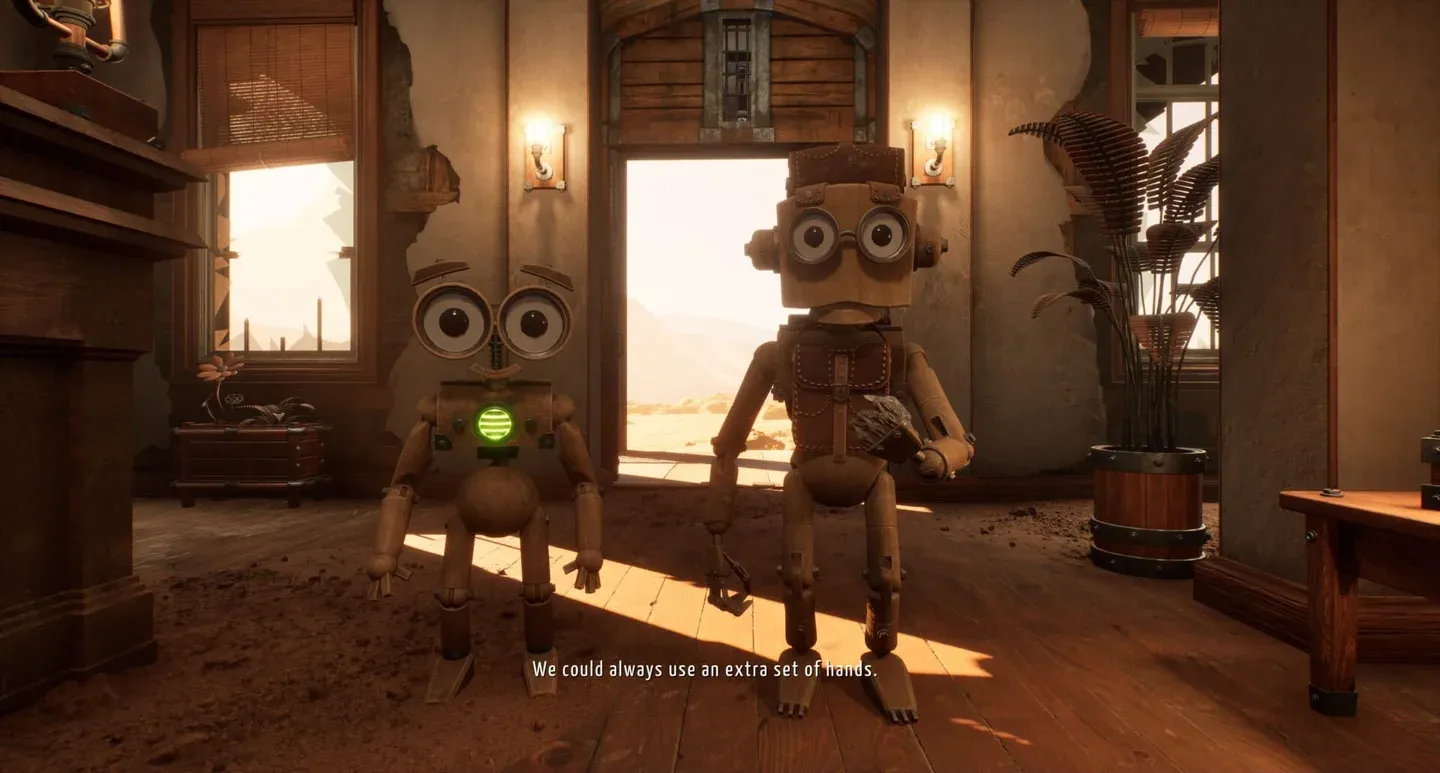
The setting borrows from classic post-apocalyptic fiction but twists it with an unusual premise. The world was abandoned by its biological creators, leaving behind only Sparks and the skeletal remains of Old Age structures. Two wooden survivors named Biggie and Murch rescue the player at the start, and the Outpost grows from there into a beacon for wandering Sparks who bring quests and blueprints.
Gameplay and mechanics
Grain Rot's extraction loop has a specific texture that separates it from most co-op horror games. The key features at the core:
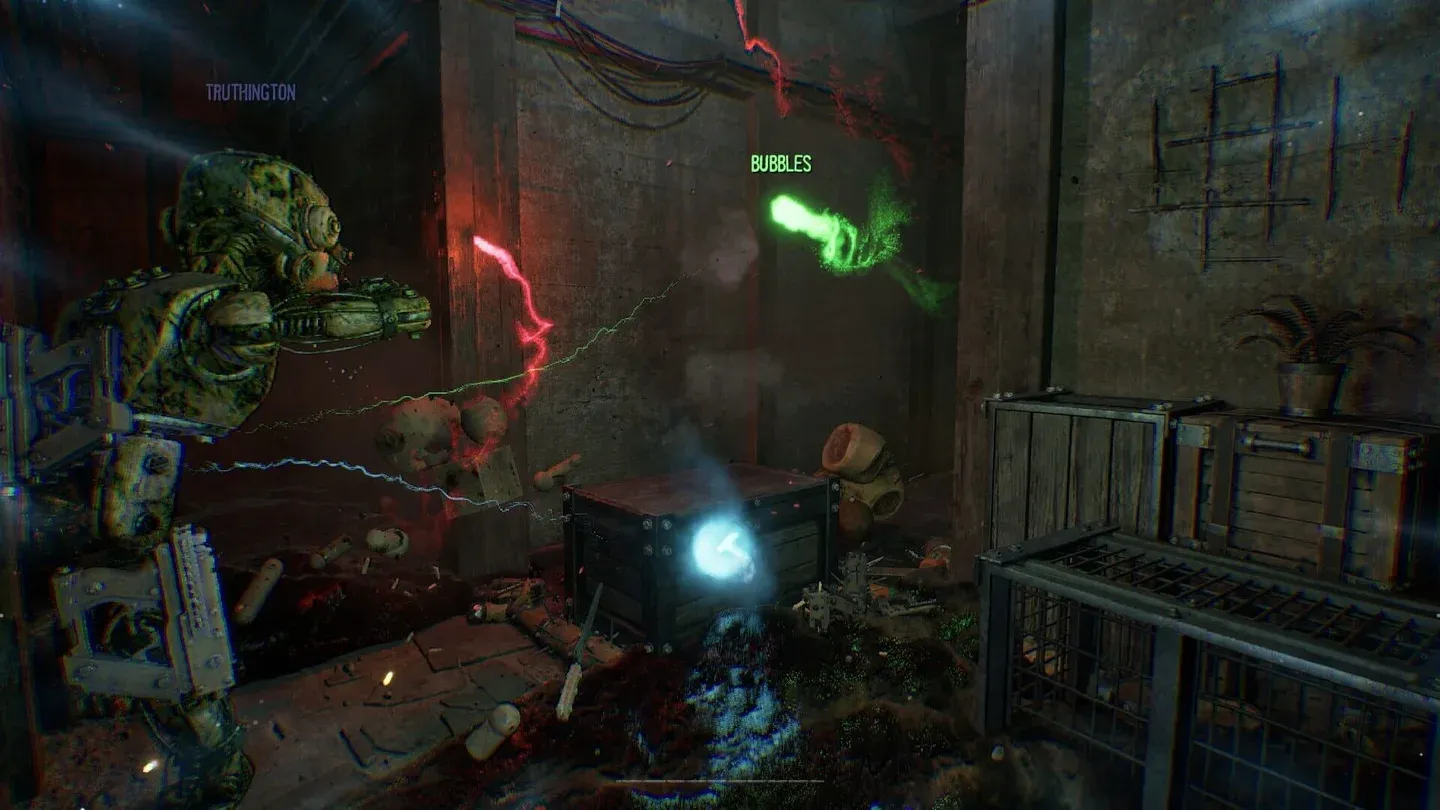
Grain Rot content image
- Procedurally generated dungeon floors with shifting layouts
- Furniture disassembly as the primary resource-gathering mechanic
- Vessel-swapping mid-run to access different ability sets
- Building powers used tactically in combat (barricades, traps, cover repair)
- Full loot loss on a wipe, with Outpost upgrades persisting
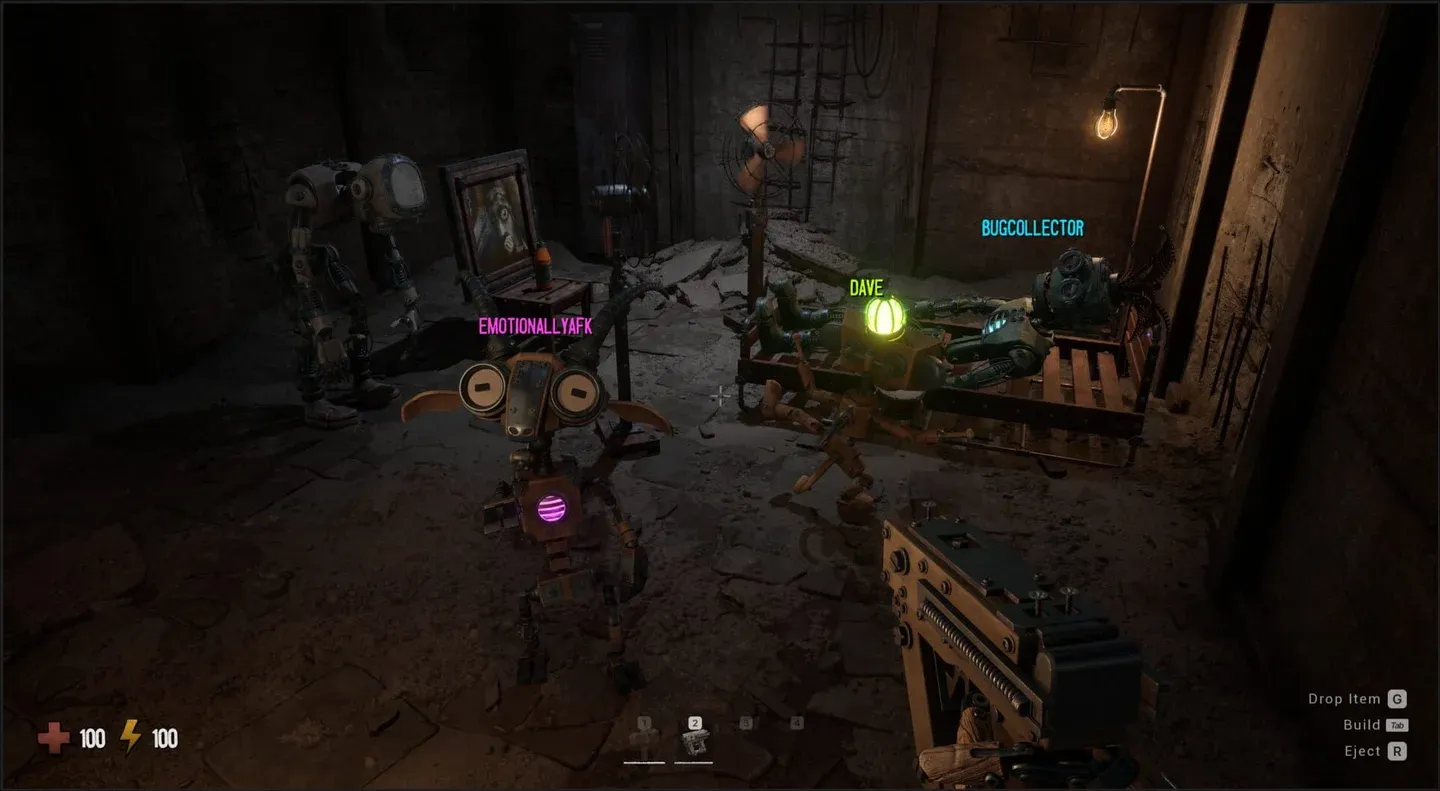
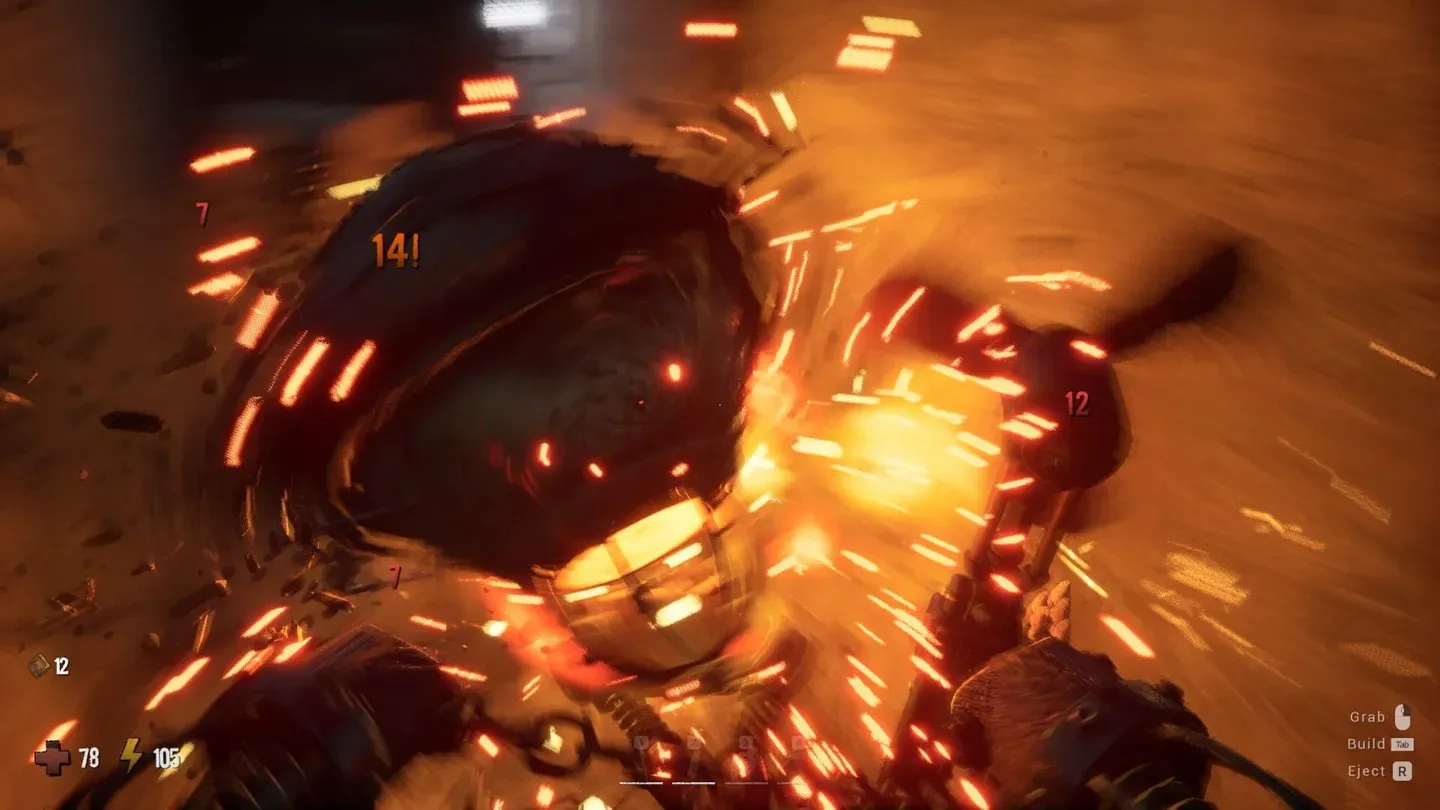
Combat requires players to think like builders, not just fighters. Barricading doors, constructing traps mid-fight, and repairing cover while enemies push are all active mechanics rather than passive options. The Builder class vessel is highly flammable, which means shade and shelter inside the dungeon are tactical resources, not just atmosphere.
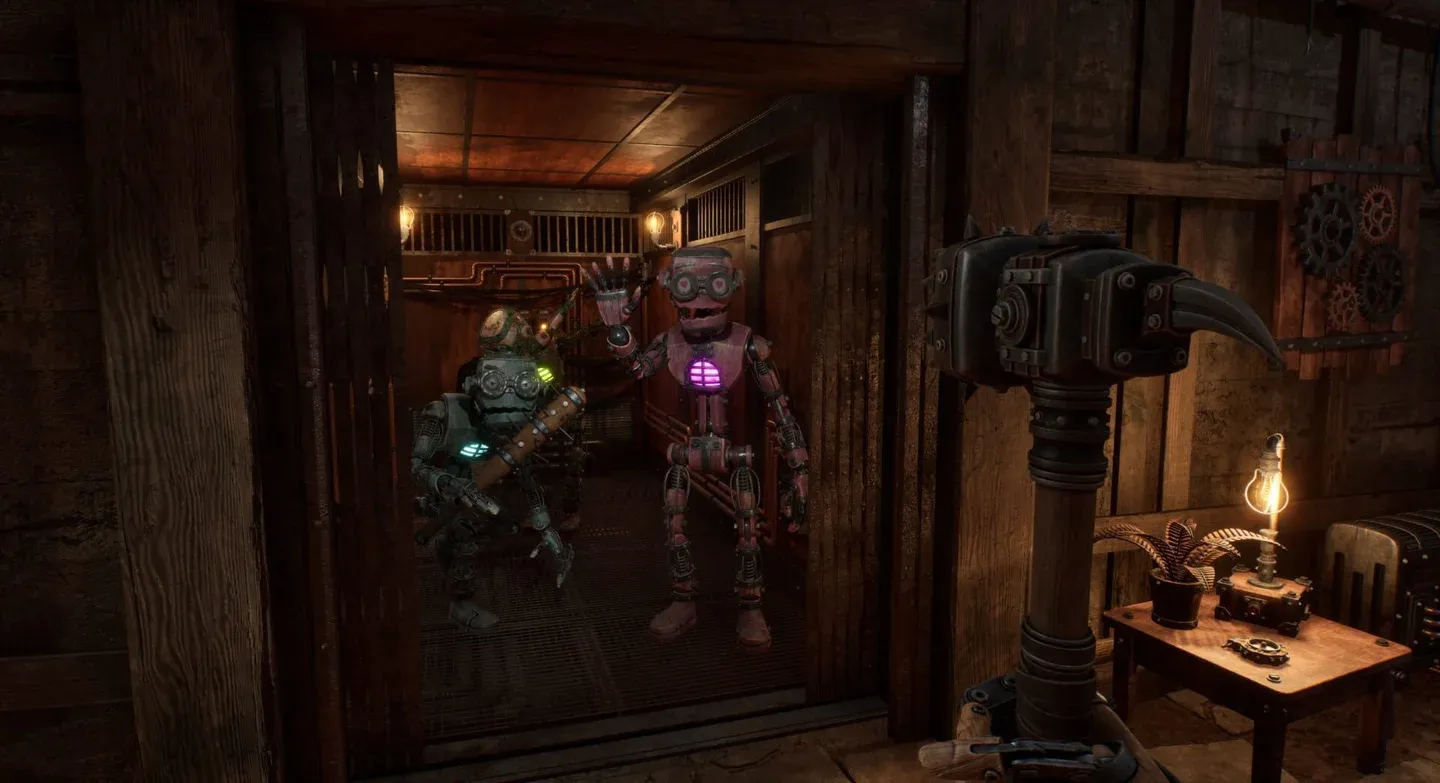
Grain Rot content image
When a vessel breaks, the player doesn't simply spectate. They persist as a hovering Spark, scouting ahead and supporting teammates. Finding and hijacking a replacement vessel inside the dungeon restores full participation with a new ability set, which means even a bad run has decision points worth engaging with.
What happens when you make it back alive?
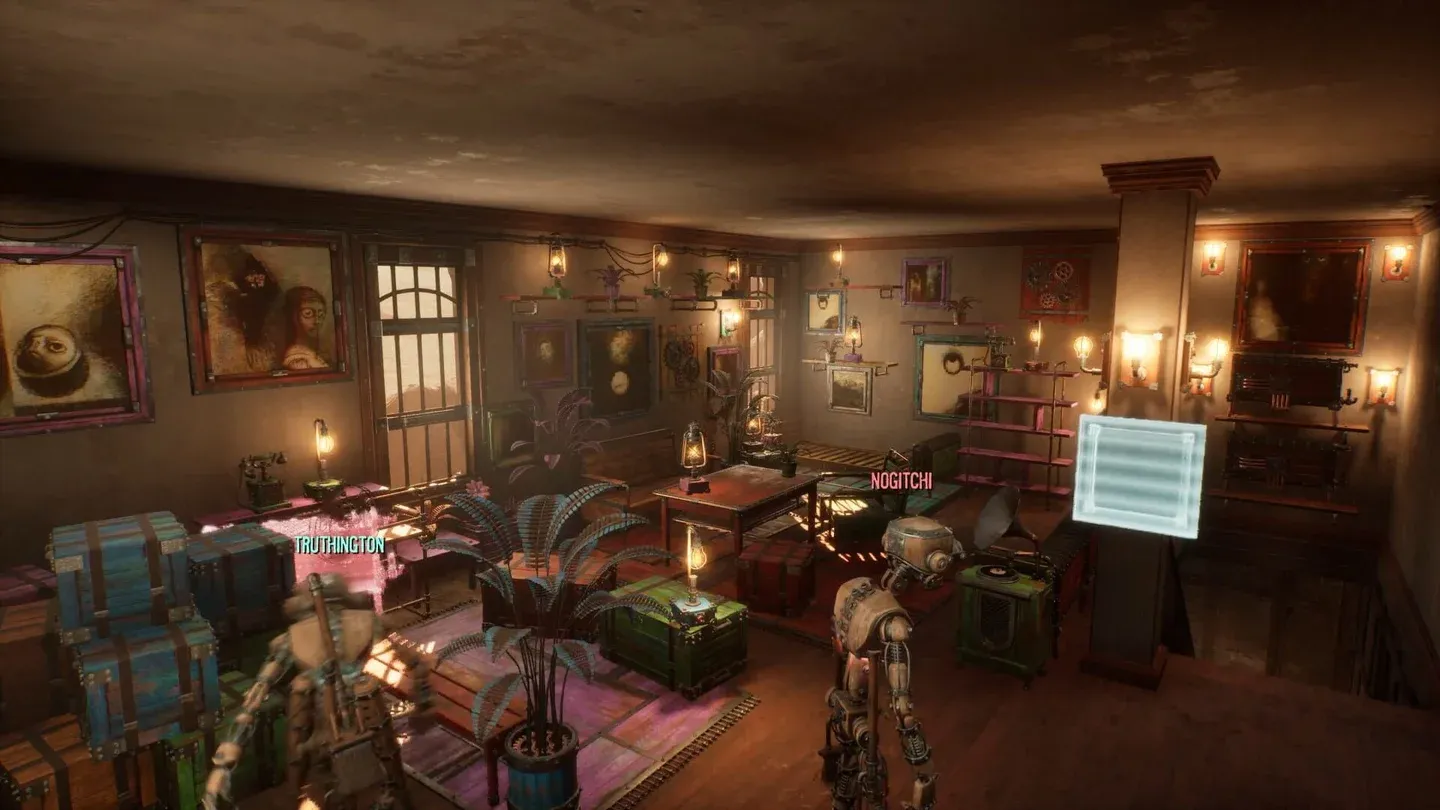
Extraction success sends players back to the Sanctuary, where resource reinvestment works through a room-based talent system rather than a flat upgrade menu. Improving the dining hall affects character stats. Upgrading the Warehouse adds inventory slots. Each room has a distinct function, so progression decisions carry real trade-offs.
Furniture placement uses a dedicated decorating minigame tied directly to room progression speed. Better decorating skills accelerate how quickly a room advances, which gives the base-building side of Grain Rot a skill expression layer that most extraction games skip entirely. Wandering Sparks who arrive at the Outpost bring specialized quests and unique blueprints, keeping the meta-progression loop fed with new goals.
Multiplayer and social
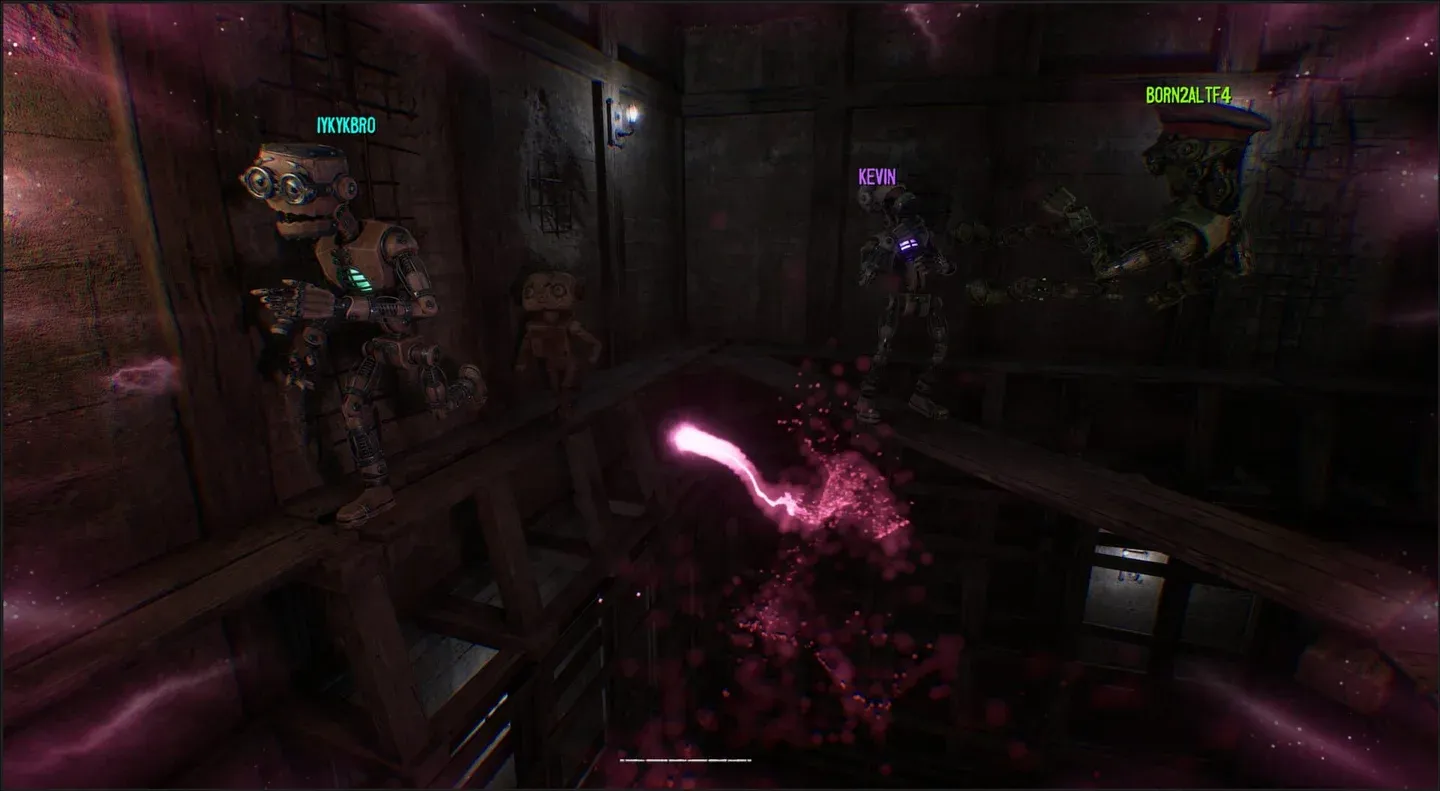
The co-op design in Grain Rot leans hard into interdependence. Sparks can eject from their vessel and swap bodies with teammates mid-run, which opens coordination strategies that go beyond standard role assignments. A dead teammate as a hovering Spark can still scout corridors, relay enemy positions, and guide the survivors toward extraction.
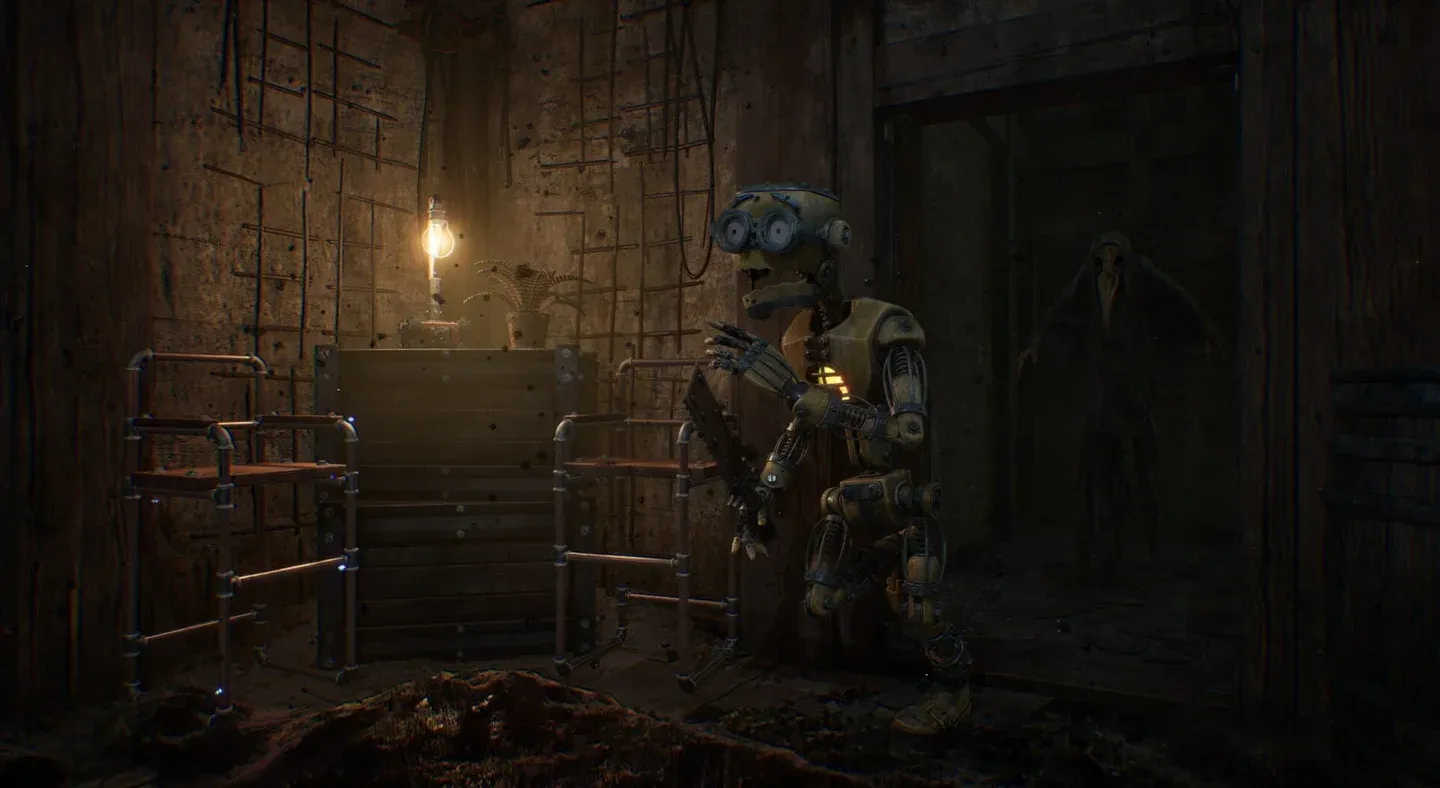
Grain Rot content image
The Corrupted enemy roster uses distinct archetypes that require different counter-strategies, so groups that communicate about enemy types and adapt their building tactics survive longer than those who treat every encounter the same. Grain Rot's horror co-op extraction formula works precisely because the survival horror pressure and the construction mechanics reinforce each other rather than competing for attention.