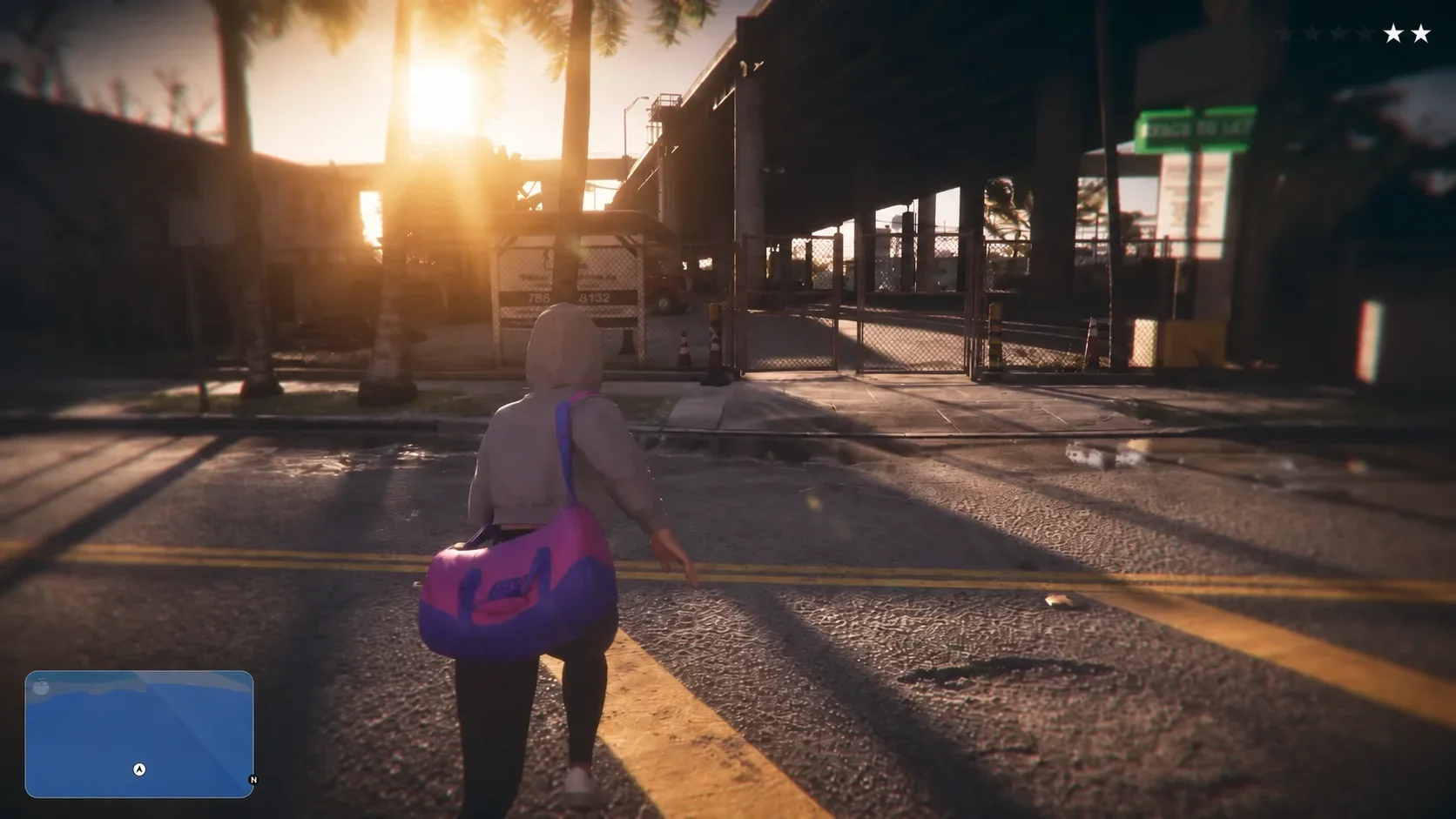

Reveal the Grand Theft Auto 6 map by visiting new places in Leonida, which clears the fog of war hiding local detail.
However, revealing the map and gaining unrestricted access are different tasks. An obscured area does not, by itself, mean you need to complete a mission before entering it. Start by exploring reachable areas, check which details appear afterward, and keep a regional checklist so you can distinguish places you have visited from locations you still need to investigate.
Is the full map available from the start?

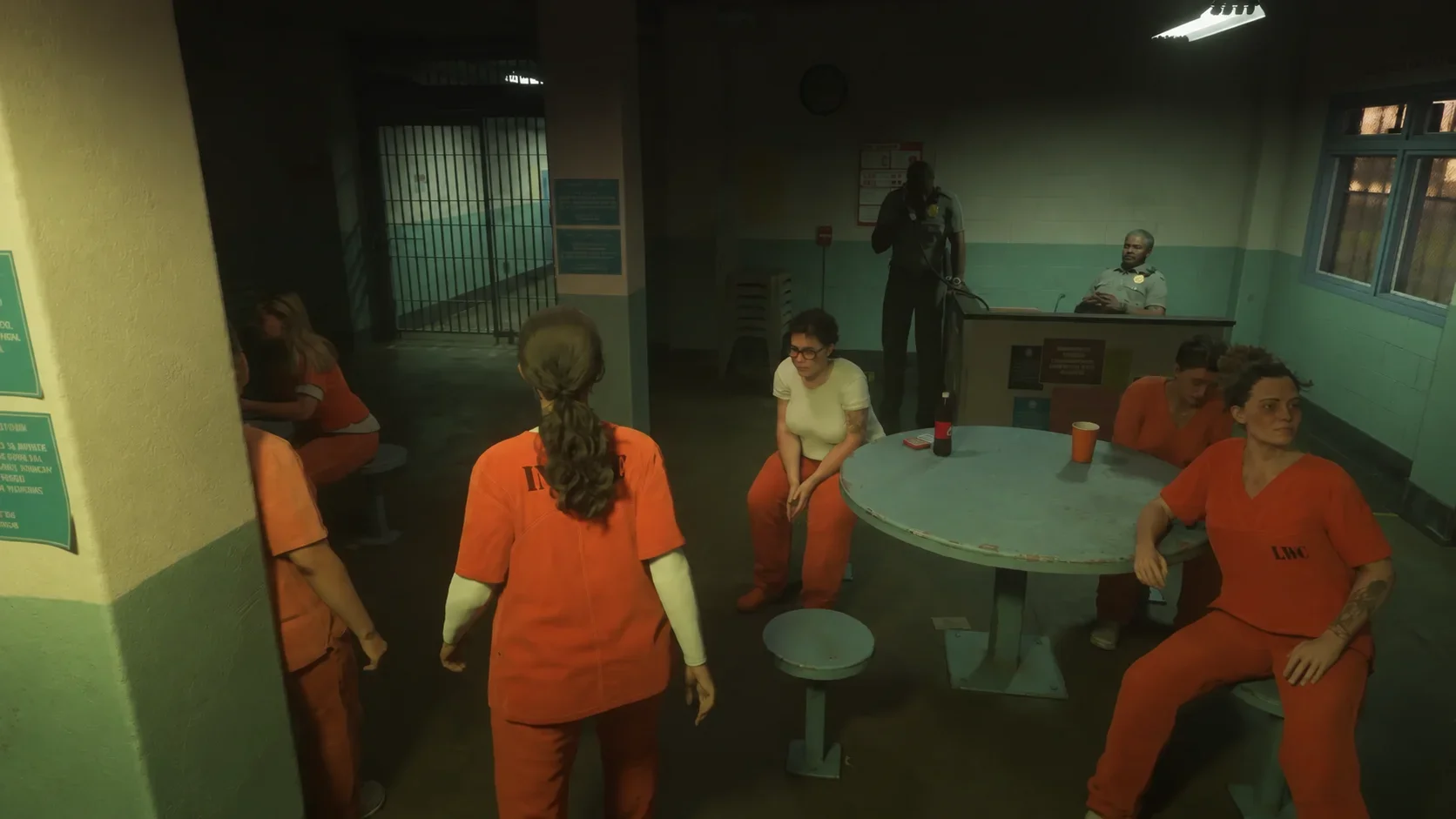
Seeing Leonida is different from exploring it
The in-game map can show Leonida's broad extent while leaving undiscovered locations obscured. You can therefore see the scale of the world without having revealed its local detail. Unrestricted travel through every region from the opening is not confirmed.
Keep these three questions separate when checking your progress:
| Question | What to check | What not to assume |
|---|---|---|
| Have you explored this area? | Whether local map detail has become clearer | A visible world outline means everything is discovered |
| Can you enter this location? | The route itself and any explicit entry condition you encounter | An obscured area must be story-locked |
| Have you finished searching it? | Your own location and collectible checklist | Revealed terrain means every item has been found |
What opens restricted areas?
A specific mission, chapter threshold, or other requirement for opening the entire map is unconfirmed. There is no established region-by-region unlock sequence to follow, so do not plan your exploration around a named mission supposedly opening all of Leonida.
If you encounter an explicit access condition, follow that condition for the particular location. Treat it separately from ordinary map discovery. A blocked entrance and an unexplored patch of terrain are different problems, even when they occupy the same part of the map.
If a police pursuit interrupts your route, handle the chase before continuing your survey. The Grand Theft Auto 6 wanted-level guide covers that separate task; police attention is not a reliable way to judge whether you have revealed an area.
How to reveal unexplored areas
Explore outward from a familiar location
Use a repeatable route instead of crossing Leonida without checking what remains hidden:
- Inspect the map. Find an obscured section beside somewhere you already recognize.
- Travel into that section using a reachable road, path, or waterway.
- Reopen the map after discovering new places and compare the local detail.
- Identify the next unexplored section before continuing.
Adjacent sections make your progress easier to judge. A long journey can introduce you to another region, but a regional sweep is easier to audit because you can compare neighboring explored and unexplored patches.
Keep the immediate goal narrow: reveal the section you are visiting. Searching every building or looking for every collectible is a separate pass and can make a simple mapping trip much harder to track.
Choose routes that suit the terrain
The Leonida Keys are an island chain connected by bridges. Use the connected islands as a clear road-travel route, but keep the surrounding water separate in your notes. Driving along the bridges should not be treated as proof that you have investigated every nearby coastal location.
Grassrivers has swamps, mangroves, and shallow waterways, with airboats featured as a way to navigate the region. A road-only itinerary is a poor fit for surveying this terrain. Break the region into manageable waterway sections instead of treating a drive past its edge as a complete visit.
For both regions, distinguish your travel route from your search area. Reaching a destination tells you where you have been; the surrounding map detail helps you decide where to go next.
How to track map unlock progress
Use a checklist for Leonida's six regions
Track the named regions below separately. The Grand Theft Auto 6 locations guide provides more detail when you need to identify districts and landmarks within them.
| Region | Terrain to organize your search around | Suggested tracking focus |
|---|---|---|
| Vice City | Urban streets, beachfront, and port areas | Divide the city into smaller districts |
| Leonida Keys | Bridged islands and coastal water | Record island visits separately from water exploration |
| Grassrivers | Swamps and waterways | Track water routes separately from roads |
| Port Gellhorn | Coastal town, docks, and warehouses | Keep waterfront sections on your checklist |
| Ambrosia | Industrial town and surrounding inland routes | Separate town streets from surrounding roads |
| Mount Kalaga National Park | Forested mountains and hiking trails | Record trails separately from arrival routes |
Mount Kalaga National Park needs a different checklist from a dense city district because its identifying terrain includes forests, mountains, and trails. Use recognizable terrain features to divide your notes into smaller sections.
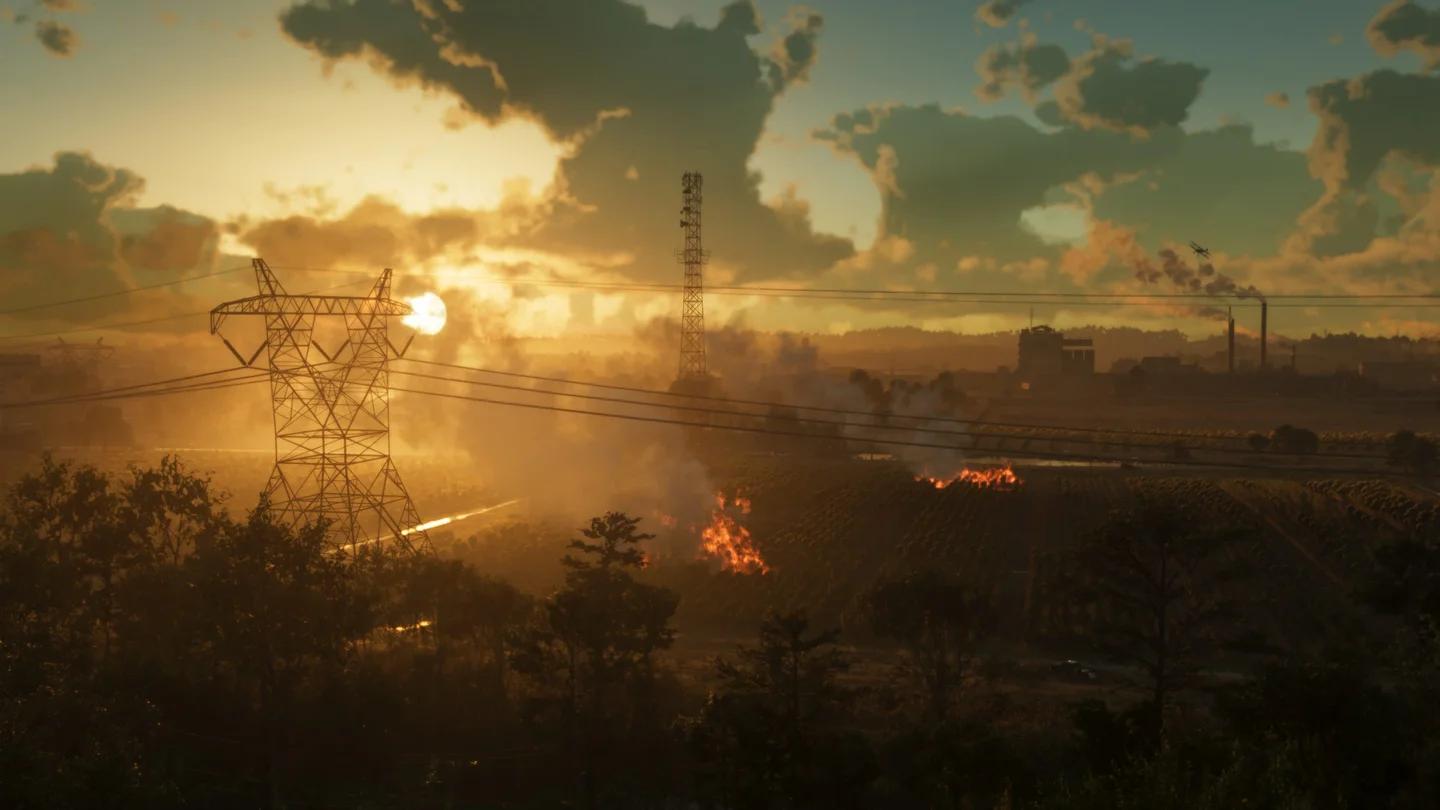
Mount Kalaga National Park
Record discovery separately from completion
Use three labels in your own notes: unvisited, in progress, and checked. These are manual tracking labels, not claimed in-game completion indicators. Mark a section as checked only after comparing its remaining obscured areas with the route you actually traveled.
Keep item hunting in a separate checklist. The Grand Theft Auto 6 collectible locations guide helps distinguish confirmed collectible details from locations you should not yet treat as established targets.
Before leaving a region, note the next unexplored patch you intend to visit and any route you could not complete. Resume from that specific point on your next trip instead of repeating an already familiar journey.