

Biggest discounts, free games, and limited-time offers across every major gaming store.
Never pay full price again.
Overview
LittleBigPlanet launched on PlayStation 3 in October 2008 and established something genuinely rare: a mainstream platformer where the creation tools are just as polished as the game itself. Media Molecule built the whole experience around three words printed right on the box: Play, Create, Share. Each word represents a real, fully developed pillar of the game rather than a marketing slogan.
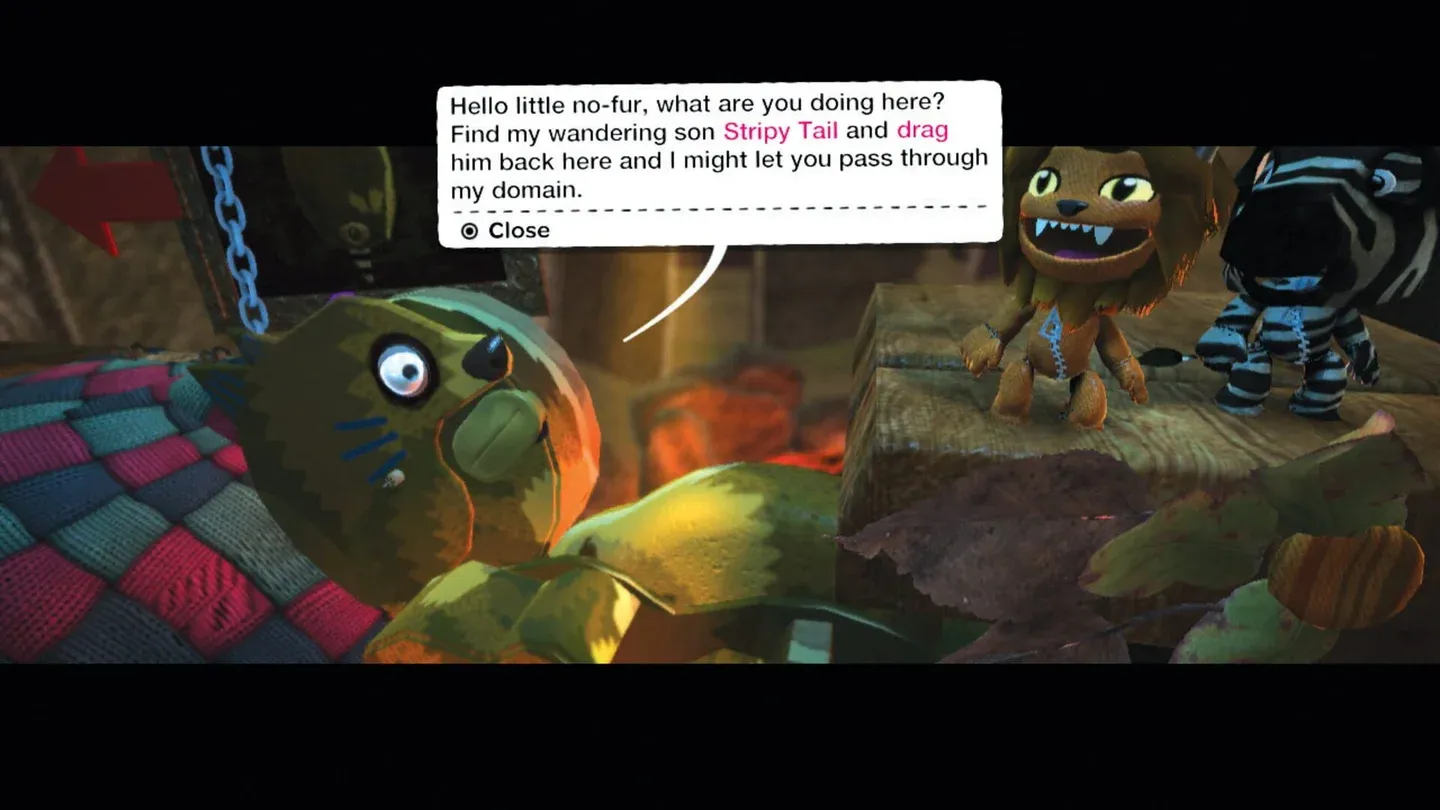
The story mode takes Sackboy through over 50 developer-crafted levels spread across themed worlds, from the Gardens to the Metropolis to the Wilderness. The narrative involves a villain called the Collector, who has been stealing creations from the world's Creator Curators because he has no friends. It's a simple premise with genuine warmth, and it resolves in a way that ties directly into the game's central theme of sharing.
LittleBigPlanet content image
Gameplay and mechanics
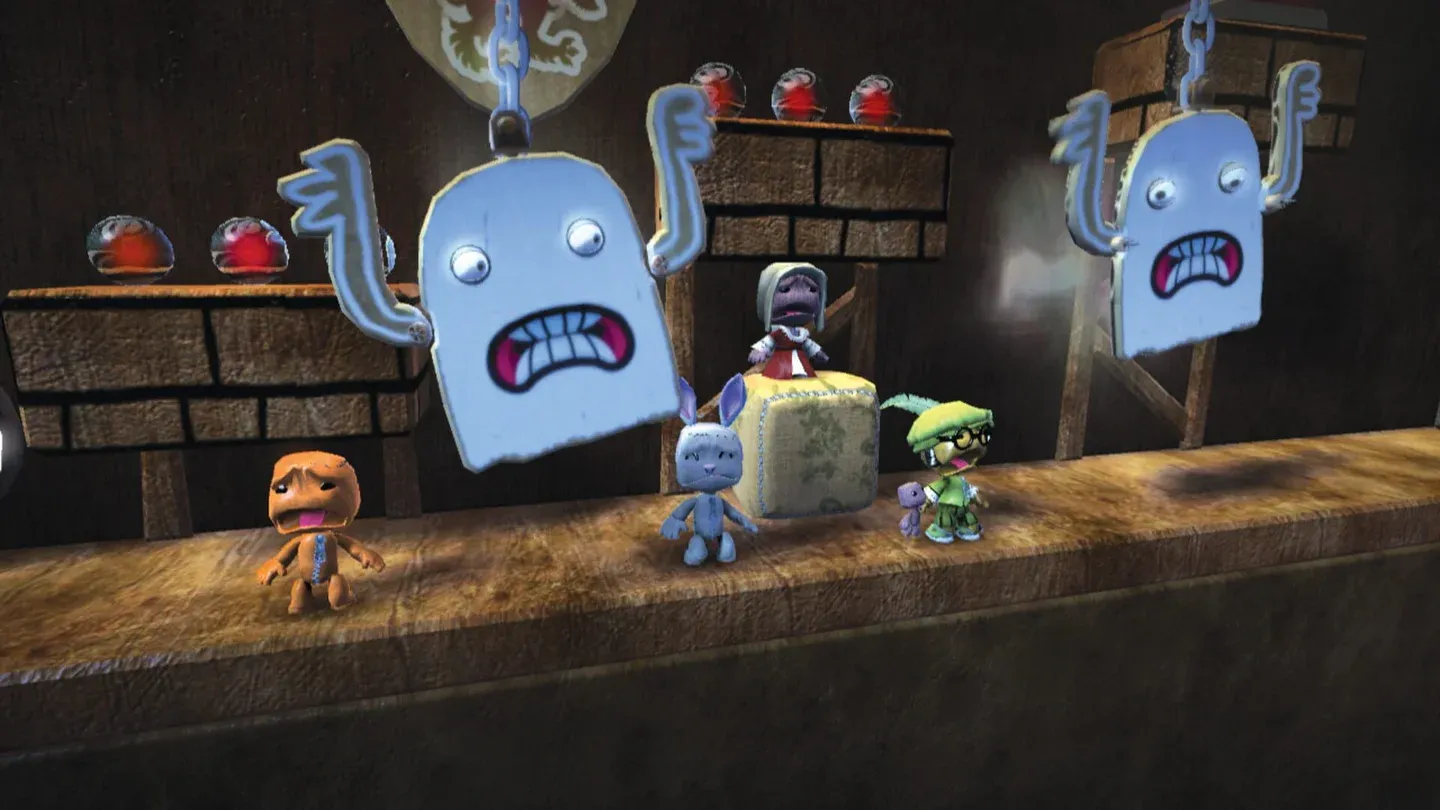
At its core, LittleBigPlanet is a side-scrolling platformer with physics-based interactions. Sackboy can run, jump, and grab objects, and the depth-based movement system lets players shift between three planes of the foreground and background. That last mechanic sounds minor but adds real texture to both the platforming and the puzzle design.
LittleBigPlanet content image
Key mechanics across the game include:
- Physics-driven object interaction
- Depth-shifting between three planes
- Cooperative play for up to 4 players
- Collectible stickers and decorations
- Creator tools unlocked through play
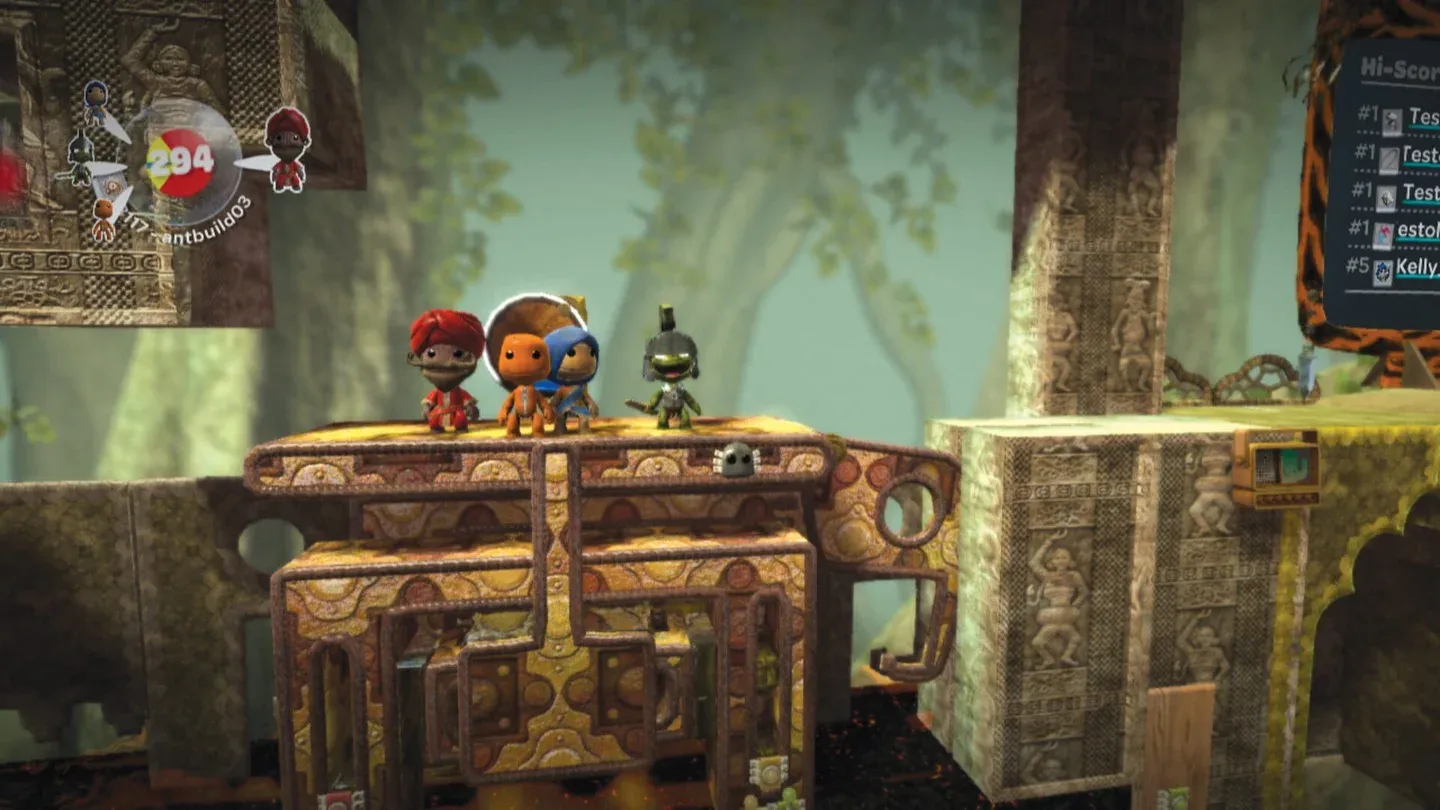
The co-op design deserves particular attention. Up to 4 players can tackle levels together, and the developer stages are built with cooperative solutions in mind. Some collectibles and areas are only reachable with a second player, giving the multiplayer mode real purpose beyond just playing alongside someone.
What makes the creation tools so accessible?
The level editor in LittleBigPlanet is the most ambitious part of the package. Players build levels using the same tools and objects Media Molecule used to create the story mode, which means the ceiling for what's possible is remarkably high. The editor handles everything from basic terrain to wiring up logic gates, motors, and switches to build functioning machines or traps.
LittleBigPlanet content image
Material choices, object placement, and decorative layers all feed into a system that rewards experimentation. New builders can put together a functional level in under an hour. Experienced creators can spend weeks constructing elaborate contraptions. The game eases players into the tools gradually through the story mode, so by the time the credits roll, the basics feel natural rather than overwhelming.
Multiplayer and social features
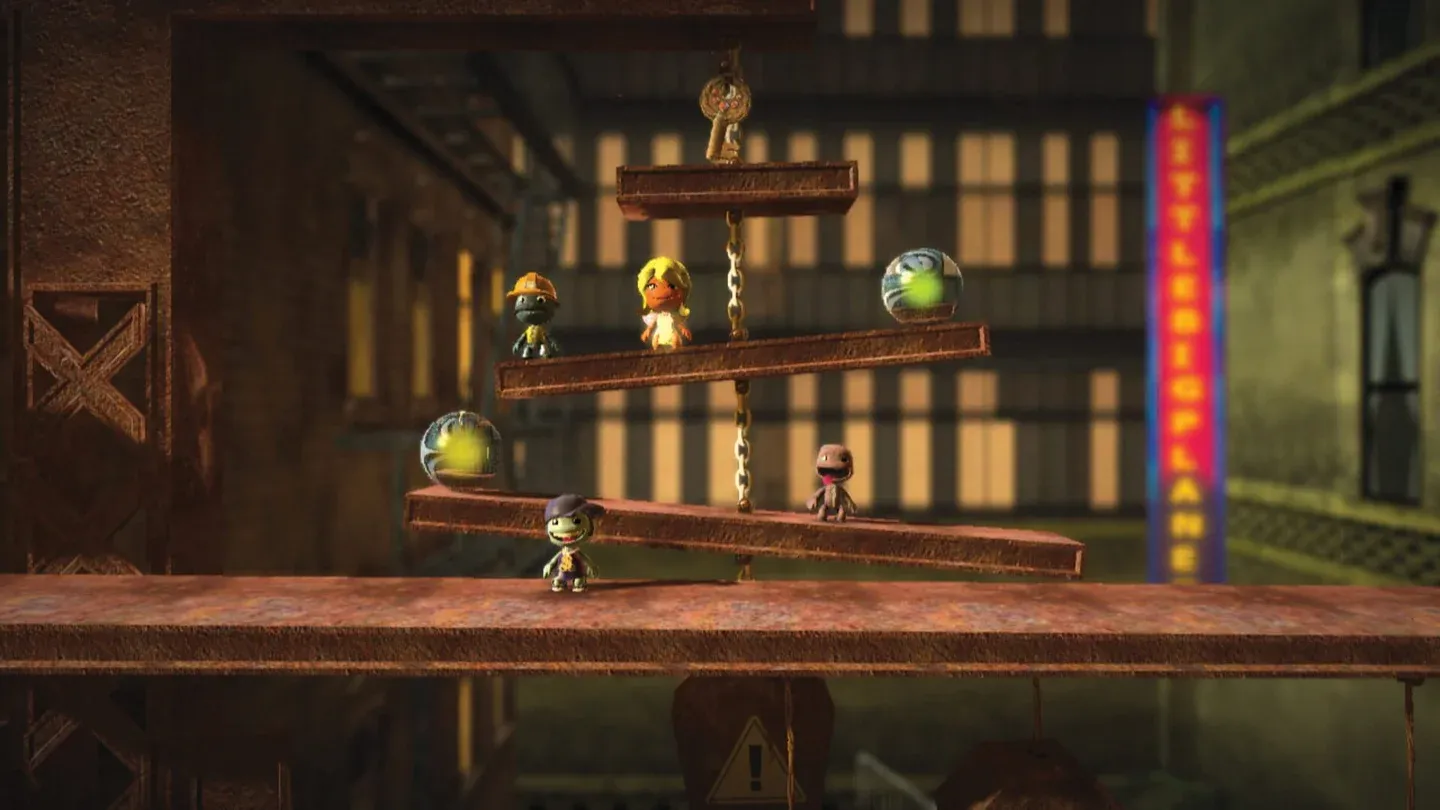
The Share pillar connects directly to the PlayStation Network, where players publish finished levels for the global community to rate and play. At launch, the community output was staggering. Within months, hundreds of thousands of user-created levels were live, covering genres the base game never touched, including racing stages, puzzle rooms, and even rudimentary RPG experiences.
The community voting system surfaces the best content, and top-rated levels sit alongside the developer stages in terms of quality. That feedback loop between creators and players is what kept LittleBigPlanet alive long after its release window.
LittleBigPlanet content image
Impact and legacy
LittleBigPlanet's influence on user-generated content in gaming is hard to overstate. It proved that a mainstream audience would engage seriously with creation tools if the surrounding game gave them enough reason to care. The franchise expanded across multiple Sony platforms, and the original remains a reference point for any conversation about player-made content in platformers. The combination of an expressive character creator, physics-based platforming, and a fully featured level editor in a single package still stands as one of the most complete arguments for what games can be when they hand the keys to the players.