A game bundle is worth buying when the games you genuinely want cost less together than they would separately. Count games you already own or do not expect to play as having no purchase value. Then compare the bundle's final price with the current cost of the remaining games you actually want.
That simple test is more useful than the advertised savings or the number of titles in the pack. A two-game bundle can be excellent value. A 20-game bundle can be an unnecessary expense.

Use code TRYHARD33 at checkout to redeem this offer before code expires again.
Get 33% Off GAMES+ Subscription
There Are Several Different Kinds of Bundle
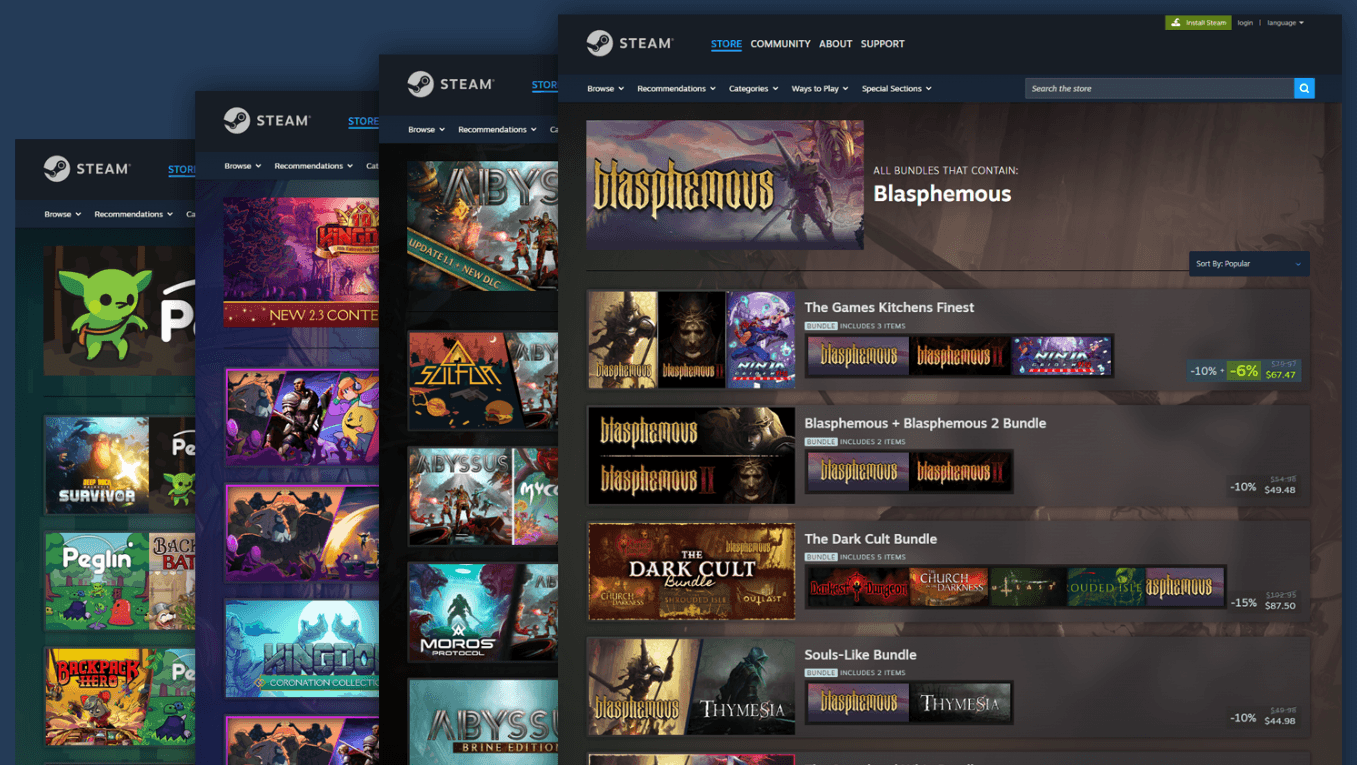
A Steam store bundle, a fixed retail key pack, a build-your-own selection, and a mystery bundle can all be described as a "game bundle," but they ask different questions of the buyer.
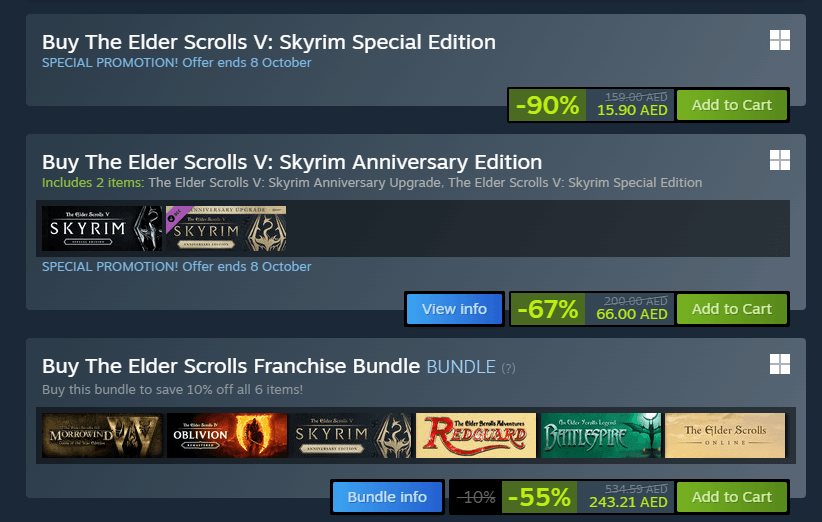
Steam's bundle documentation distinguishes Complete the Set bundles, which charge only for items missing from your library, from Must Purchase Together bundles, which require that the buyer not already own any included products. Steam also permits bundle gifts under the documented conditions.
A retailer's fixed pack needs a separate check of its contents and delivery method. Do not assume it adjusts its price because you already own some of the games. A build-your-own offer lets you choose from a defined pool, so the key question is whether enough wanted titles are available at the purchase tier you are considering.
With a mystery bundle, you can't assess titles before buying. Treat it as spending money on the surprise rather than as a reliable way to acquire a specific wish-list game.
Value Only the Games You Would Choose Independently
Start with a short list of titles you would willingly buy without the bundle. Put those at the top. Then separate everything else into games you already own, games you might try, and games you do not want.
For the first calculation, give the last three groups a value of zero. This deliberately conservative approach stops a long list of unfamiliar titles from making the purchase seem more useful than it is.
A Worked Example
Here is an illustrative comparison to show the method in practice:
In Scenario A, a six-game bundle costs $18. Two games on your wish list are available separately for $8 and $7. The other four are duplicates or titles you would not buy. Your realistic alternative costs $15, so the bundle asks you to spend $3 more. The fact that it contains six games does not turn that extra spending into a saving.
In Scenario B, the same two games you want cost $12 each. The $18 bundle saves $6 compared with a $24 separate purchase, even if you never touch the other games. That is a stronger reason to buy.
Check the Marginal Cost of Moving Up a Tier
Build-your-own bundles often encourage a larger selection by reducing the average price per game. The useful question is what the additional game costs you, not how attractive the new average looks.
Suppose two games cost $10 and three cost $13. The third choice costs an extra $3. If you would happily pay $3 for that game, the higher tier may make sense. If you are picking something at random just to reach the tier, keep the $3.
Apply the same logic to a fixed pack with a higher tier. Look only at the extra content and extra payment. Do not let the value of the lower tier justify spending on an upper tier you would otherwise skip.
Fanatical's bundle catalogue shows fixed, build-your-own, and mystery offers, showing why the label alone isn't enough. Pools, prices, and deadlines change, so inspect the current offer rather than relying on an old bundle roundup.
Duplicates Are Not Automatically Spare Gifts
If you already own part of a collection, check whether the purchase excludes those products, grants a single package entitlement, or provides individual keys. Do not assign cash or gifting value to duplicates before verifying what you receive.
Fanatical's support guidance allows you to pass individual keys from bundles delivered as separate keys to friends. It distinguishes those from bundles supplied as a single key. That is a seller-specific rule, not permission to assume every bundle works the same way.
Even if you can gift an unused key, it only has practical value if you know someone who wants it and can redeem it. A hypothetical future recipient shouldn't inflate how much you are willing to spend today.
Check That a Steam Bundle Really Includes Steam Access
An indie bundle can contain games that also appear on Steam without including Steam keys. The purchase might deliver standalone downloads instead. That can still be worthwhile, but it is a different product if your goal is to expand your Steam library.
itch.io's purchase documentation notes that some large bundles don't include Steam keys, even when an individual purchase of a participating game does. Always check the bundle's own entitlement statement.
Also distinguish games from DLC, soundtracks, artbooks, tools, and assets. A pack with ten listed products is not necessarily ten playable games. If DLC makes up much of the package, establish which base games you need and include any missing ones in the real cost.
Budget for Time as Well as Money
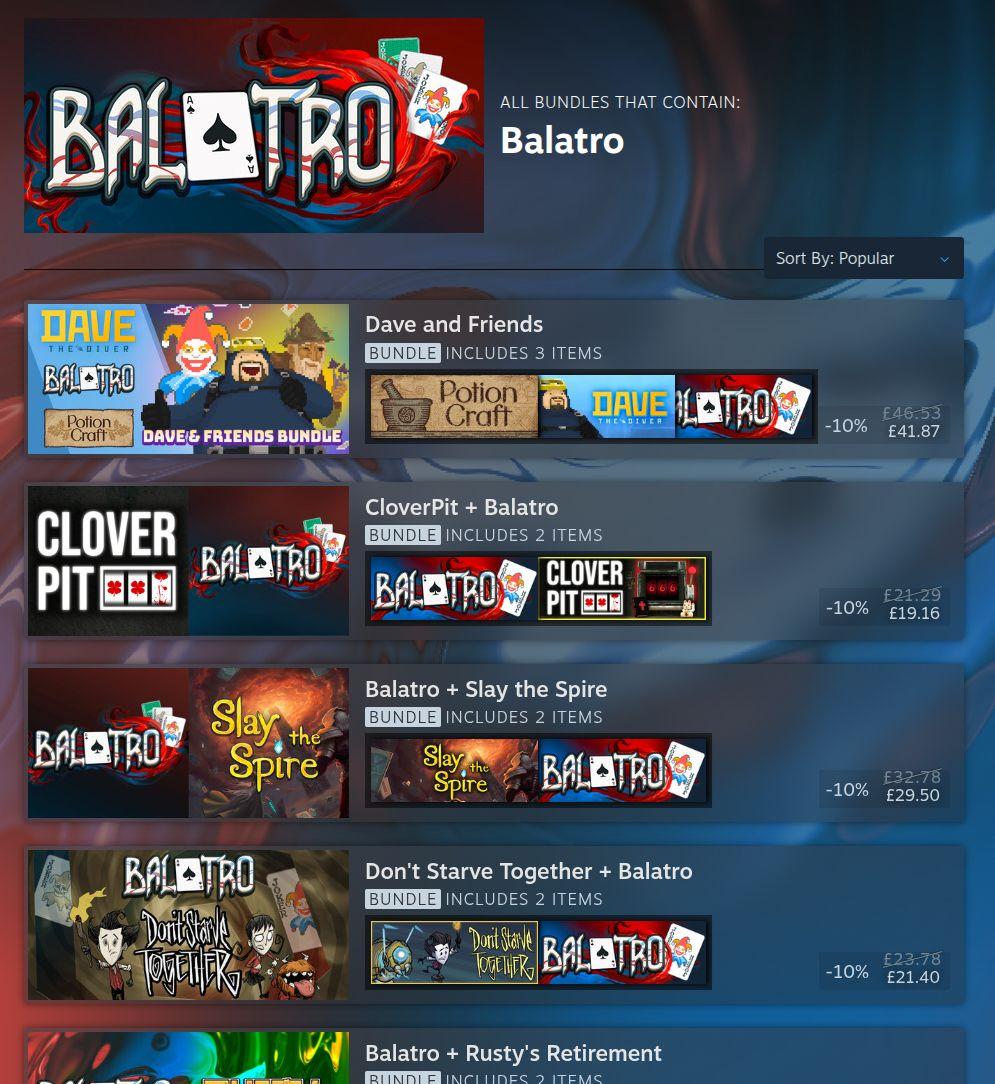
A bundle can be good value even if you never finish every game. It still needs a believable reason to enter your library. Choose one game you will install first and a realistic point at which you will play it.
If nothing in the pack can displace the games you already want to play, the purchase is probably expanding your backlog rather than improving your next month of gaming. That is not automatically wrong for a collector, but be honest about what you are buying.
For a player with a limited monthly budget, compare the bundle to the single game you want most. Spending $20 on several moderately appealing games may prevent you from buying a $20 game you would play immediately. A low cost per title does not fix that trade-off.
Refund and Reveal Rules Can Change the Calculation
Check the applicable policy before revealing retail keys or launching several included games. Steam's refund policy applies a combined usage-time condition to eligible bundle refunds, with additional restrictions for certain included items. Retail bundles have their own terms.
Make the Purchase Only If the Wanted Games Justify It
Buy the bundle when it's wanted; usable contents beat your realistic alternatives. Buy separately when you want only one title, the included edition is wrong, or reaching the bundle tier means spending more than planned. Skip mystery offers when you need certainty about what you receive.
For a single-game comparison, you can check the GAMES.GG Steam-key store alongside the other stores you use. Compare the actual edition and final total; do not assume GAMES.GG has a corresponding bundle.
A good bundle lets you spend less on games you would choose anyway. Once the savings depend on pretending you want every item, buying fewer games is usually the better deal.