
These 15 horror games showcase what makes the genre so effective, from psychological horror and unsettling atmospheres to terrifying monsters and moments that will stay with you long after you stop playing.
There is something uniquely terrifying about playing a horror game. Unlike watching a horror movie, you are the one controlling the character, exploring the dark rooms and choosing to walk directly into whatever is waiting around the corner. The best horror games are the ones that give you that constant feeling of dread even when nothing is happening.
Over the years, horror games have found countless ways to create that feeling. From iconic survival horror games to psychological nightmares and modern takes on the genre, these are 15 games that show just how many different ways there are to scare a player.
My Top 15 Horror Games
1. Silent Hill 2
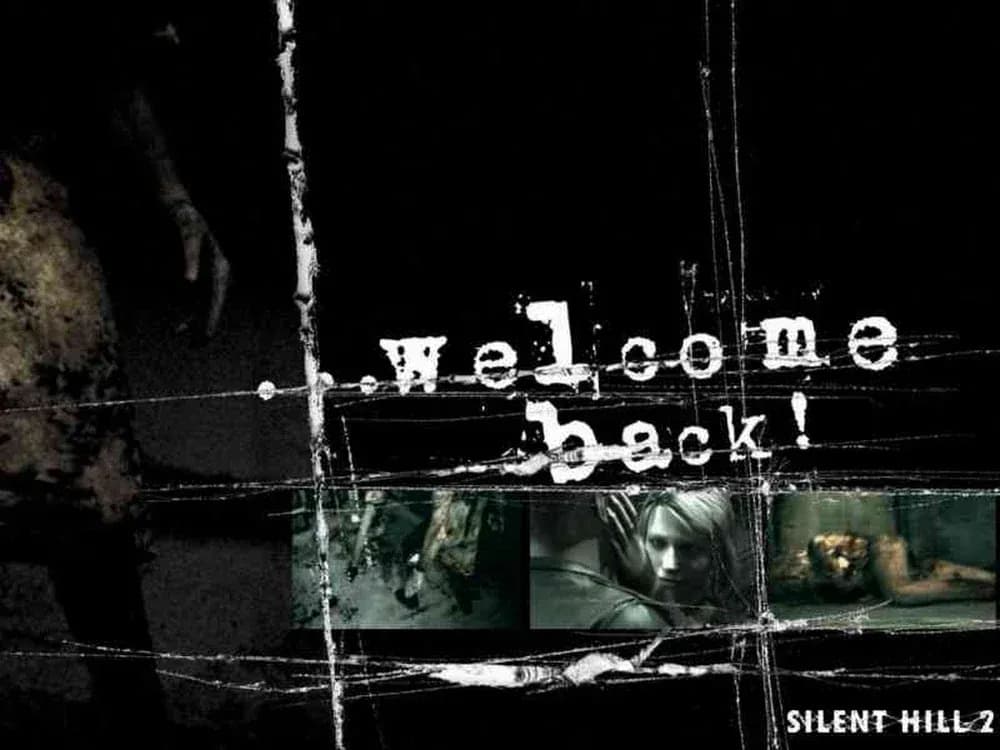
Silent Hill 2 is one of those games that is difficult to describe without giving away what makes it so special. You play as James Sunderland, who travels to the fog-covered town of Silent Hill after receiving a letter from his dead wife. From there, things get increasingly strange, with unsettling locations and disturbing creatures such as the iconic and terrifying Pyramid Head.
What really makes Silent Hill 2 stand out, though, is how much of its horror comes from its story. The things James encounters are closely connected to his own past, and the game slowly gives you more pieces to understand what is actually happening. It is the kind of horror that stays in your head because there is so much to think about after you finish it. If you want a game that can genuinely get under your skin without relying on constant jumpscares, this is about as good as it gets.
2. Alien: Isolation
Alien: Isolation puts you in the shoes of Amanda Ripley, the daughter of Ellen Ripley, as she searches for answers about her mother's disappearance aboard the Sevastopol space station. Unfortunately, she soon discovers that something else is there with her.
The best part about this game is that the Alien doesn't work like a normal video game enemy. There's no predictable attack pattern, no path to follow. Hiding and hoping for the best is your only option. This might seem fairly simple, but that couldn't be further from the truth. The Alien is programmed to change and adapt its behaviour based on what the player does, and this makes it far scarier. If the idea of being hunted by one of cinema's most iconic monsters sounds like fun, Alien: Isolation is an easy recommendation.
3. Resident Evil (Remake)
The Resident Evil remake is still one of the best examples of classic survival horror. Set in the Spencer Mansion, you play as either Chris Redfield or Jill Valentine as they investigate the disappearance of a group of S.T.A.R.S. members.
The fixed camera angles, limited resources and deliberately slow pace make every room feel dangerous. You never quite know what is waiting for you, and even something as simple as deciding whether to use a valuable healing item can become a difficult choice. The remake also manages to preserve what made the original so memorable while giving the mansion a much darker atmosphere and bringing its iconic locations to life with modern visuals.
4. Dead Space
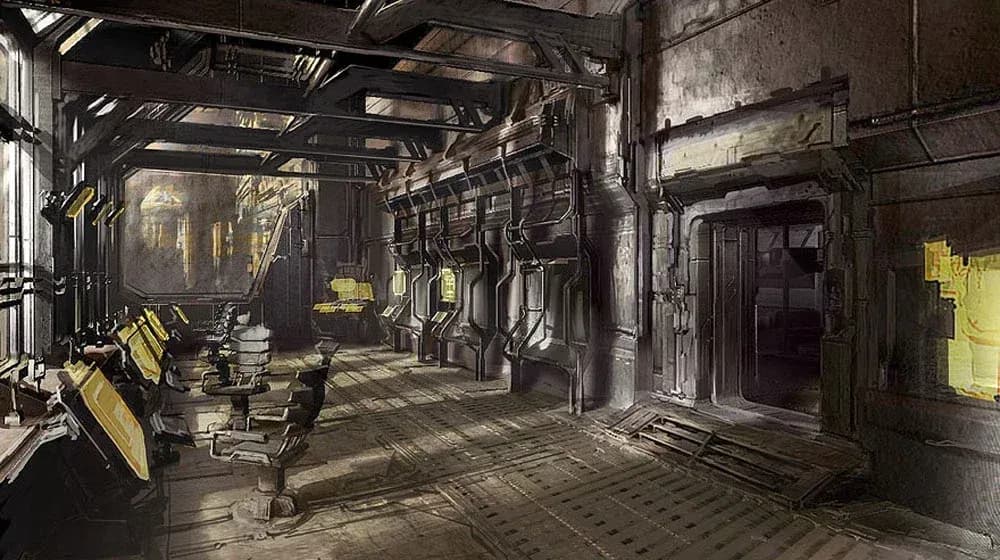
Dead Space takes the survival horror formula into space, putting you in control of Isaac Clarke as he arrives aboard the USG Ishimura.
Atmosphere is everything here. The dark corridors, claustrophobic rooms and constant mechanical noises make you feel like you're going crazy, while the Necromorphs themselves are some of the most disturbing enemies in horror. Even better, you can't simply shoot them in the head and move on. You need to strategically dismember them, turning every encounter into a fight to survive rather than a simple shooting gallery. It is a game that manages to make you feel completely alone, even when you know something is lurking somewhere nearby, and that feeling never really goes away.
5. Alan Wake 2
Reality doesn't work quite the way it should inAlan Wake 2. FBI agent Saga Anderson arrives in Bright Falls to investigate a series of murders, while Alan Wake remains trapped in the mysterious Dark Place, trying to write his way out. Before long, the two stories begin to overlap, and the game starts playing with the line between what is real and what isn't.
More than traditional horror, Alan Wake 2 is a surreal experience , unhinged and uncanny. It constantly throws strange imagery, unsettling characters and bizarre situations at you, never quite letting you know what to expect next. If you like your horror a little weird, Alan Wake 2 is difficult to forget.
6. Amnesia: The Dark Descent
Before first-person horror games became so common, Amnesia: The Dark Descent showed just how terrifying it could be to take away a player's ability to fight back.
There are no guns or powerful weapons to rely on here. Instead, you have to manage your limited supply of oil and tinderboxes while trying to keep your character's sanity intact. Staying in the dark for too long makes things worse, but stepping into the light can make you an easy target. Even years later, Amnesia remains a great example of how little a horror game actually needs to make you feel completely powerless.
7. P.T.
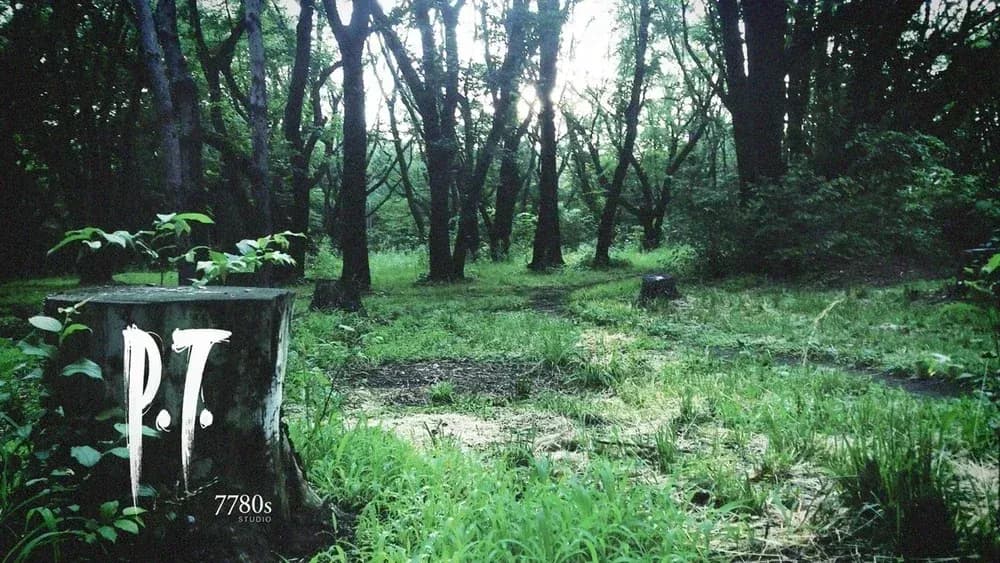
P.T. isn't even really a game. It's a tech demo for the cancelled Silent Hills, and yet it managed to become one of the most iconic horror experiences ever made. You walk through the same hallway over and over again, with small things changing every time you go around. A door opens, something appears in the distance, or you catch a glimpse of something that definitely wasn't there before.
It's the kind of uncanny horror that makes you question what you are actually looking at. P.T. doesn't need a huge world or complicated mechanics to scare you. It takes one hallway and keeps finding new ways to make it feel wrong. The fact that this was only a tech demo makes it even more impressive.
8. The Evil Within 2
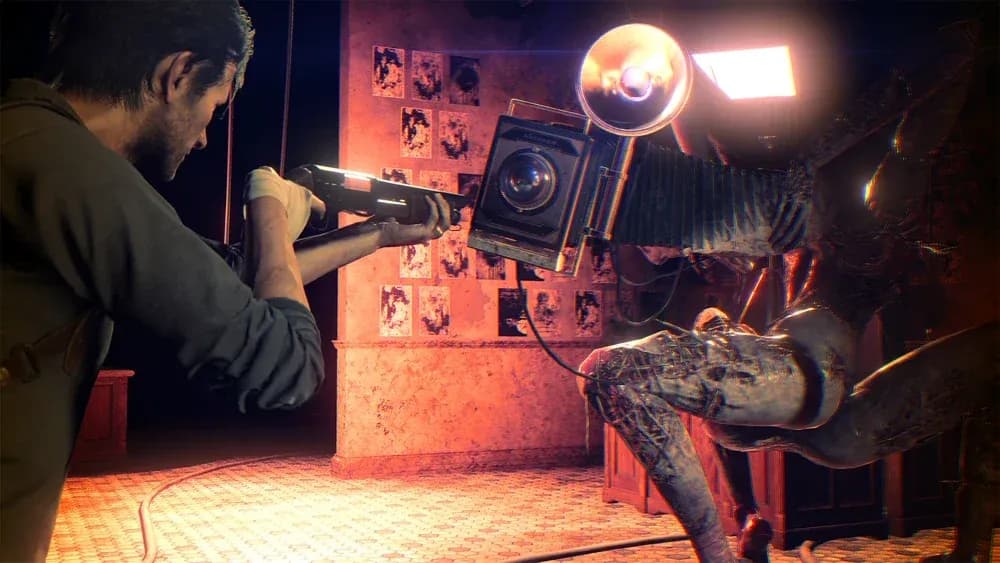
The Evil Within 2 is here mostly because of how completely weird it gets. The game is filled with bizarre monsters and some genuinely twisted environments, constantly throwing something at you that looks like it shouldn't exist.
That weirdness works because there is a story behind it all. You play as Sebastian Castellanos as he enters the STEM system to find his daughter, but the further you go, the more the world starts falling apart around you. Buildings change, reality stops making sense and the monsters become increasingly disturbing. The Evil Within 2 can be a fairly straightforward survival horror game at times, but then it throws something completely insane at you and reminds you that you're playing through someone else's nightmare.
9. Little Nightmares
At first glance, Little Nightmares looks like it could be another indie platformer in the same vein as Limbo. It's small, simple and visually stylised, with a tiny character making their way through a strange world. But while Limbo is mostly content with being a little weird, Little Nightmares goes all in.
Everything around you feels wrong. The environments are huge compared to you, the creatures are grotesque and even the way some of them move can be unsettling. There isn't much to the gameplay itself, but that almost works in its favour. The game manages to keep you on edge almost entirely through its atmosphere.
10. SOMA
SOMA is less interested in scaring you with monsters and more interested in messing with your brain. It's basically a philosophy class that has gone horribly, horribly wrong.
The game constantly asks questions about consciousness and identity. As you uncover more about what happened, you start questioning the things you're seeing and the decisions you're making. There are still plenty of monsters in SOMA, but they aren't the reason the game sticks with you. Long after you've stopped playing, you'll probably still be thinking about some of the questions it asks.
11. Outlast
Outlast has an incredibly simple concept. You have a camera, and that's basically it. You play as an investigative journalist exploring Mount Massive Asylum, and most of what you see throughout the game is through that camera.
The camera has night vision, which lets you see in the darkness, but it also drains your battery. That means you can't just keep it switched on all the time. You have to choose when you actually need it, which can become terrifying when you know something is chasing you and you can't see where it is. It's a simple mechanic, but it makes the entire game feel much more dangerous.
12. Phasmophobia
Phasmophobia is one of those co-op party games that somehow managed to become genuinely scary. You and a group of friends enter a haunted location and investigate the ghost living there, using different pieces of equipment to figure out what you're dealing with.
The fun comes from the mix of jumpscares, suspense and the inevitable panic when things start going wrong. Playing with friends makes it different from most of the other games on this list because the horror is constantly mixed with funny moments. One minute everyone is confidently investigating a room and the next you're all screaming and running for the exit. It's a strange combination, but it works incredibly well.
13. Until Dawn
Until Dawn is probably the closest thing to a horror movie you can get from this list. It has an intricate story, a large cast of characters and the classic horror setup: a group of teenagers, an isolated cabin and absolutely no reason for them to think going there is a good idea.
The difference is that you are the one making the decisions. You choose what the characters do, who they trust and where they go, and those choices can completely change how the story plays out. It's essentially a horror movie that you get to act in. If things go south, it's because a series of decisions you made led to it.
14. Fatal Frame 2: Crimson Butterfly
Fatal Frame 2: Crimson Butterfly's entire appeal comes from the way it makes you deal with its enemies. You don't beat them with a weapon and you don't simply run away from them. You have to take pictures of them.
The clearer and more focused the picture is, the more damage you deal to the spirit. The problem is that getting a good picture means letting it get closer to you. That creates a constant push and pull where you need to look directly at the thing hunting you, but you really don't want it getting too close. It's a fantastic idea for a horror game because the thing you need to do to survive is also the thing that puts you in the most danger.
15. Five Nights at Freddy's
Five Nights at Freddy's might have the simplest yet most efficient concept for a horror game. You sit in a security office, watch the cameras and try to survive the night while a bunch of animatronics slowly move towards you.
That's it. The animatronics don't even need to do much. Just knowing that the things sitting around the restaurant are alive is enough to make you constantly check the cameras and wonder where they've gone. The entire game is built around that feeling of waiting for something to happen, and when one of them finally moves, you know exactly what that means. It's no wonder the game and the series became a worldwide phenomenon.
Why Horror Games Work
What makes horror games so effective is how differently they can make you feel. A dark hallway, a monster you can't fight, a disturbing idea or even a few seconds of silence can be enough to create genuine tension when the game knows how to use it.
The games on this list all approach horror differently, but they share one thing: they know how to make you uncomfortable and keep you there. And sometimes, that's all a great horror game needs to do.