

Slay the Spire and Into the Breach are strong offline picks when you want thoughtful, repeatable sessions. Stardew Valley is a better choice for a long-running save, Hollow Knight for exploration and combat, and Disco Elysium for a story you can settle into. FTL rounds out the list with spaceship management that can turn a quiet journey into an emergency very quickly.
The catch is getting the game ready before you lose your connection. A single-player label alone does not tell you whether a launcher needs an initial sign-in, whether the download is complete, or whether your latest save is stored locally. These recommendations pair a game with a practical offline route instead of treating every PC edition as interchangeable.
All six have GOG releases whose product pages explicitly state that no online connection is required to play. That is a useful verified option, not a reason to buy a second copy of a game you already own. If you have a Steam edition, prepare it with Steam Offline Mode and test the exact installation first.

Use code TRYHARD33 at checkout to redeem this offer before code expires again.
Get 33% Off GAMES+ Subscription
The Quick Shortlist
- Slay the Spire: build a deck across repeated solo runs.
- Into the Breach: solve tactical battles without a reflex test.
- Stardew Valley: work on a farm and a persistent single-player life.
- Hollow Knight: explore an interconnected world with demanding combat.
- Disco Elysium The Final Cut: investigate a mystery through dialogue and choices.
- FTL Advanced Edition: manage a spaceship and adapt to dangerous encounters.
Slay the Spire (1 & 2)
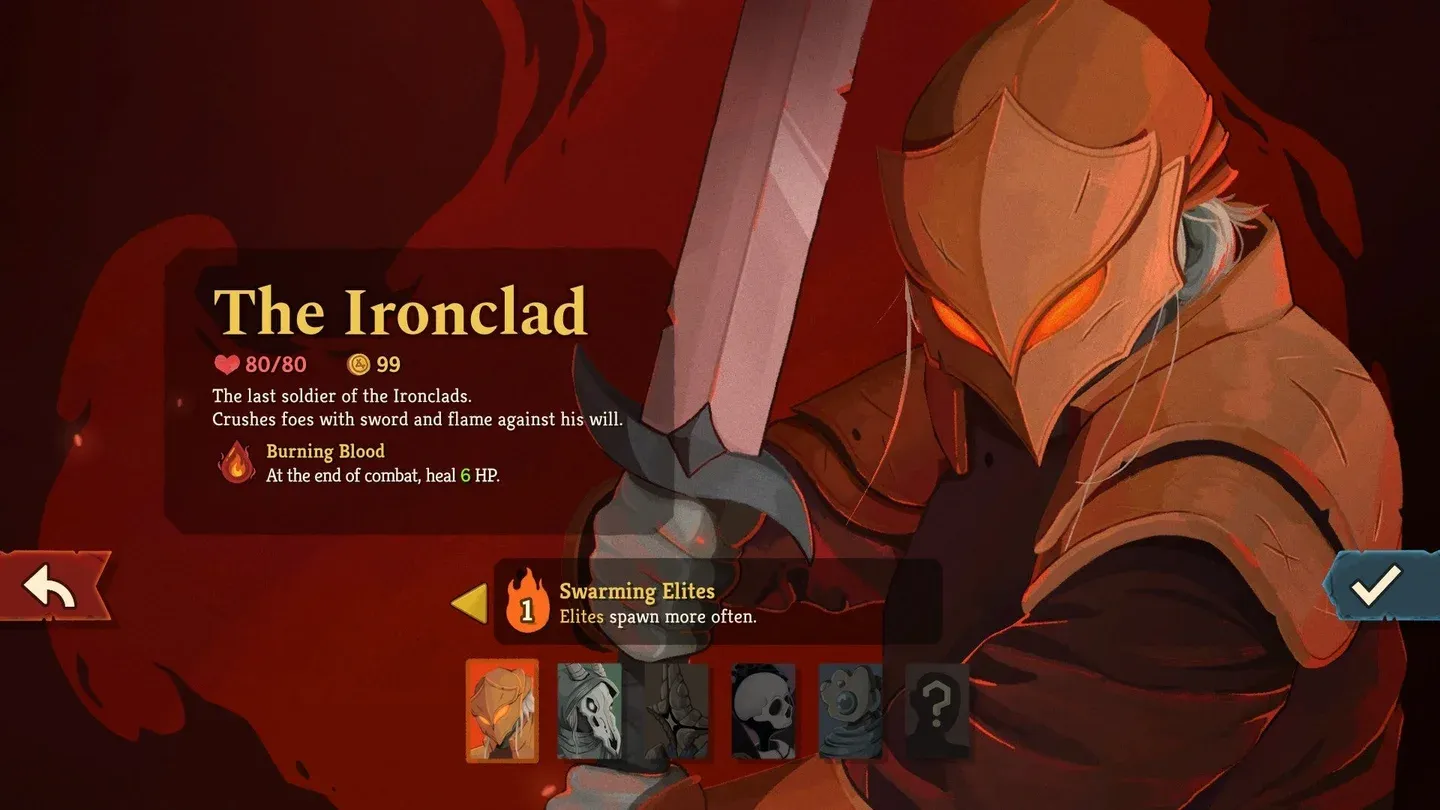
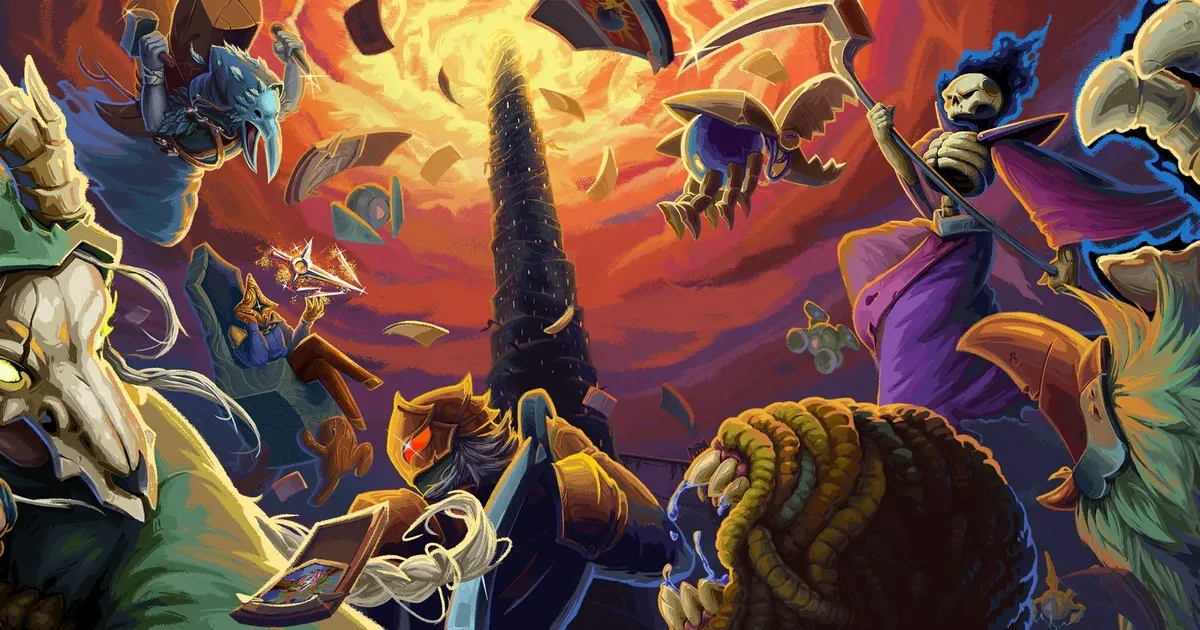
Both editions of Slay the Spire are a solid pick when you want an offline game that keeps asking you to make a new decision. You build a deck during a run, so the question is rarely whether a card is strong; it is whether it helps the deck you have and the problems you are about to face.
That makes it well suited to repeat travel or evenings with unreliable internet. You do not need a fresh online match to create a different challenge.
Choose it if experimenting with systems is the fun. Skip it if losing a run makes you feel that all the time was wasted; learning what not to add to a deck is part of its appeal. Because decisions are turn-based, a small screen or an interruption is less punishing than it would be during an action game's boss fight.
For offline play, focus on the normal solo game.
Into the Breach
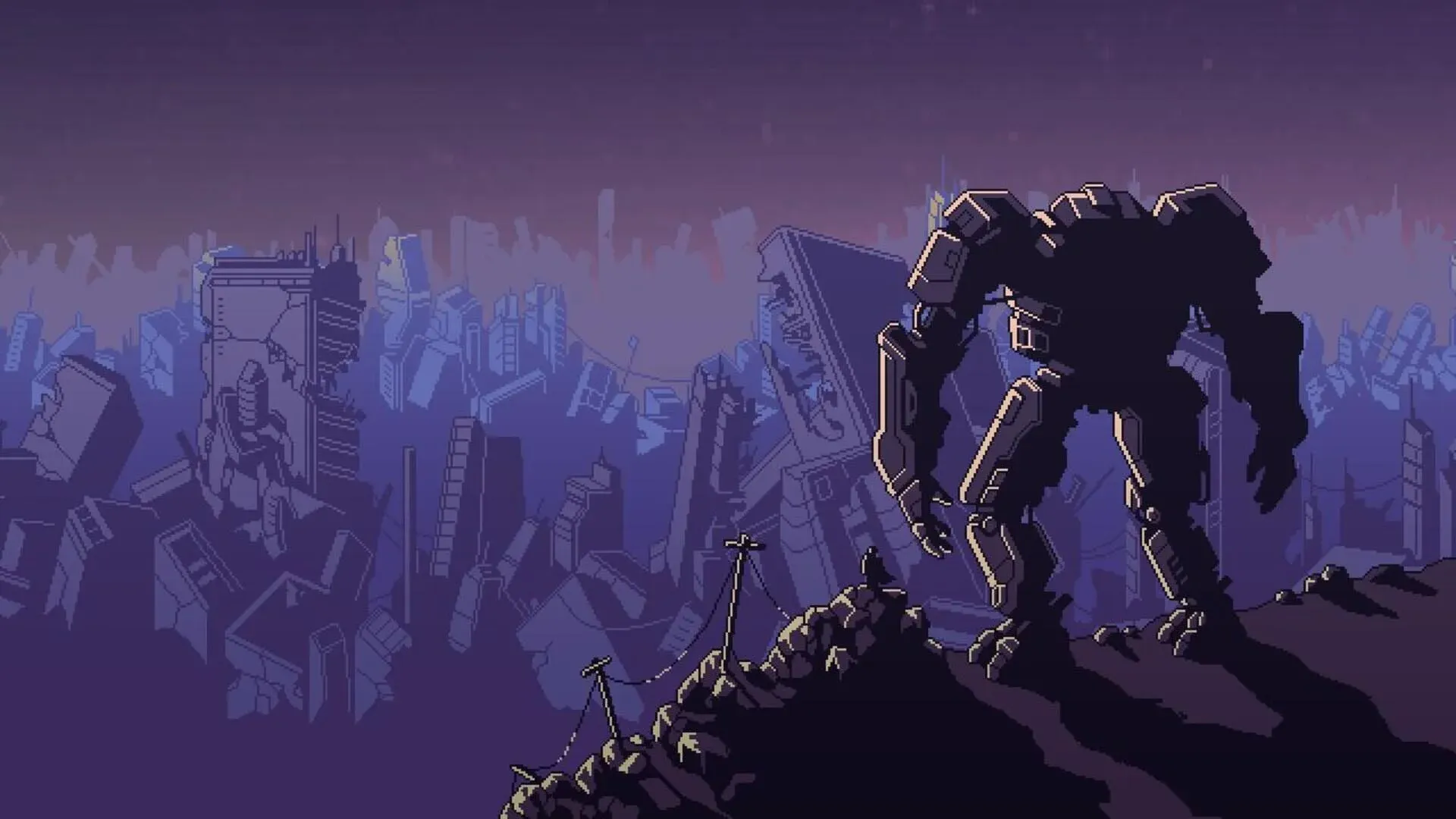
Into the Breach gives you a compact battlefield and a difficult question: how do you protect what matters with the moves available? Its tactical appeal comes from understanding consequences rather than issuing commands quickly.
It is a strong companion to Slay the Spire because its decisions feel spatial. Instead of improving a deck, you look at positions, threats, and the cost of letting one problem happen so a worse one doesn't. Choose it when you enjoy stopping to reason through a board.
The drawback is that small does not mean simple. A short battle can demand more concentration than a long stretch of exploration in another game. If you want something to play while half-listening to a conversation, Stardew Valley may suit the moment better.
You also do not need to treat every attempt as a completion challenge. Learning how one squad solves problems differently from another gives repeated offline sessions a purpose beyond a win screen.
Stardew Valley
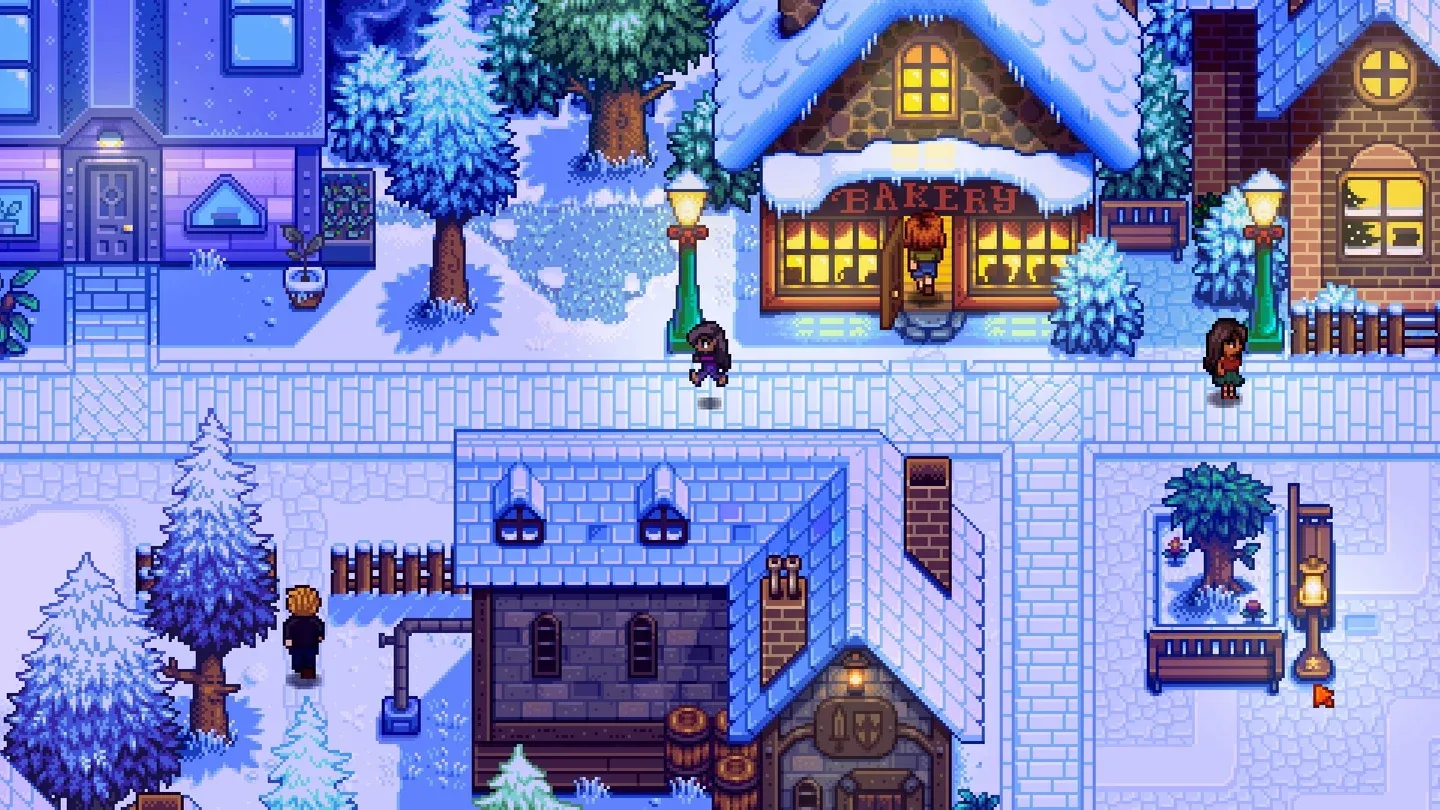
Stardew Valley is the long-term option here. Farming, town relationships, and other activities give you several things to work toward without needing a multiplayer lobby.
The recommendation is for a single-player farm. Online co-op still needs a connection; an offline solo mode doesn't make a remote friend's farm accessible without internet.
Stardew Valley works particularly well when you want continuity between sessions. Keep a small note of your next goal, such as a building you are saving for or a seasonal task, and returning to an old save becomes much easier. Resist turning the first season into a perfect-efficiency exercise unless optimization is what you enjoy.
It is less ideal when your only available sessions end without warning. If you're mainly after farming and town life, our Stardew Valley overview offers more context before you commit to a save.
Hollow Knight
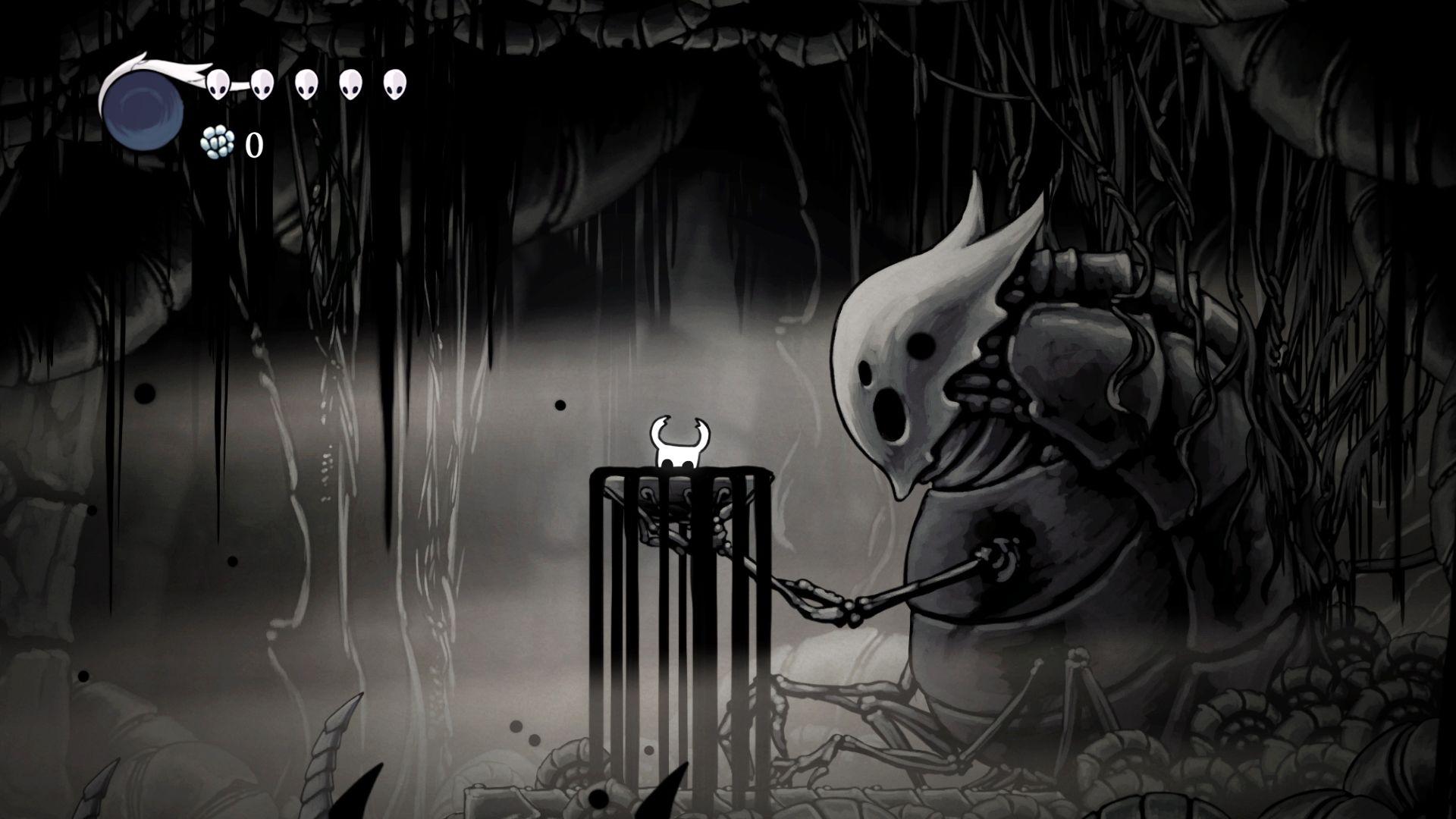
Hollow Knight is the choice for an offline trip that needs a world to get lost in. Exploration, platforming, and combat sit together in a large interconnected setting.
Pick it when discovery is the reward. New routes and improved movement change the meaning of places you have already seen, so revisiting an area can feel more purposeful than clearing a disconnected stage. Our Hollow Knight overview is a useful next stop if you want a clearer picture of that structure.
The tradeoff is frustration. Difficult encounters and uncertainty about where to go next are meaningful parts of the experience. A reader looking for a stress-free game to fill ten spare minutes should probably begin elsewhere on this list.
Disco Elysium
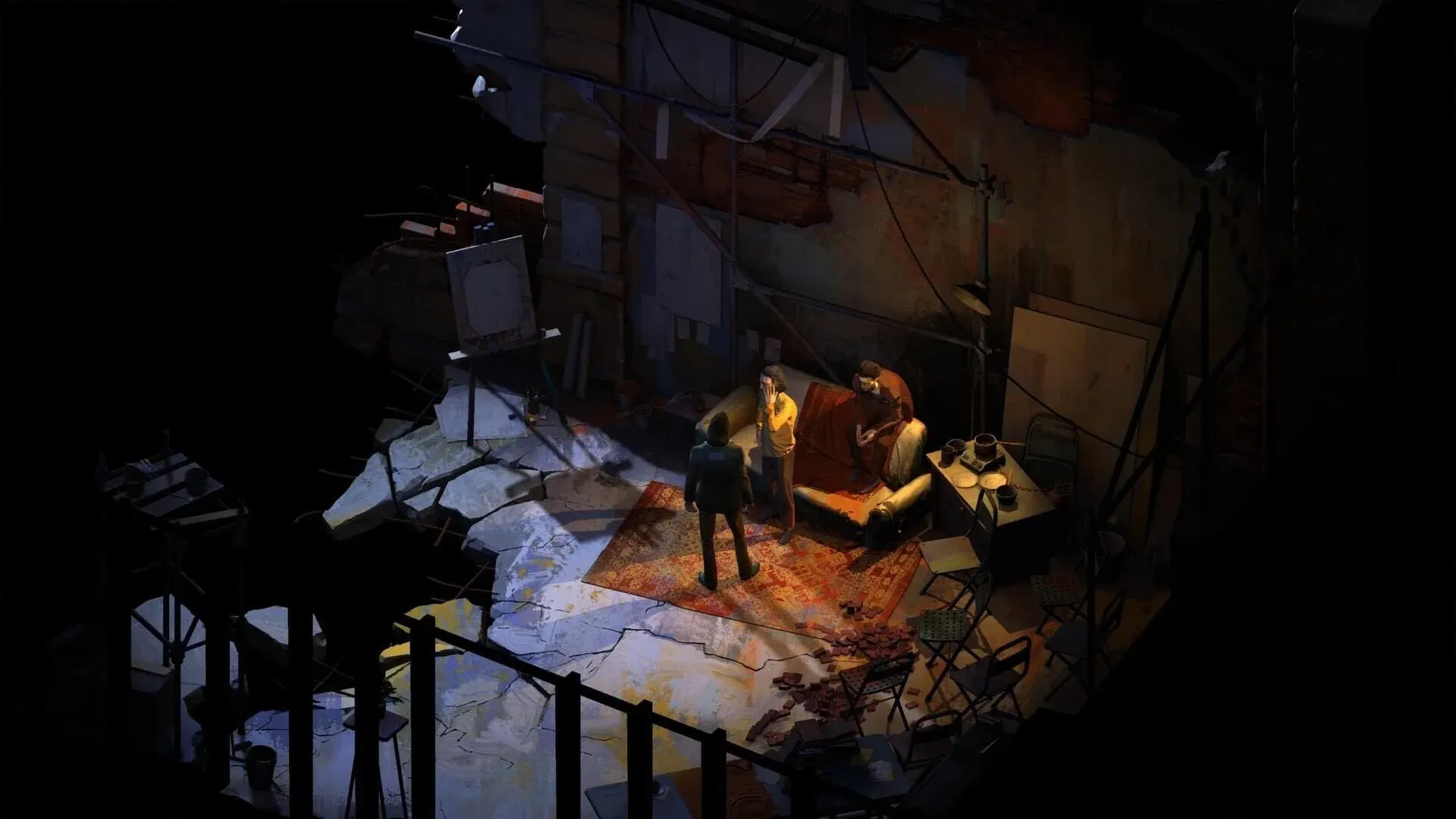
Disco Elysium is the best fit here for a reader who wants a substantial narrative rather than an endless series of mechanical challenges. You investigate through conversations, choices, and your character's competing impulses.
It suits a quiet stretch of time when you can focus on the dialogue. Choose a character direction that interests you and let awkward or unexpected outcomes shape the story; treating every exchange like a puzzle with one approved answer can narrow what makes the game distinctive.
This isn't for someone who wants a conventional action RPG. It also deals with mature subject matter, so consider the setting and audience if you are playing on a shared screen.
Headphones can help if you want to follow voiced dialogue in a noisy place. Download the language files you intend to use beforehand, and make sure the save you want is on the device rather than on another PC waiting for a cloud sync.
FTL Advanced Edition
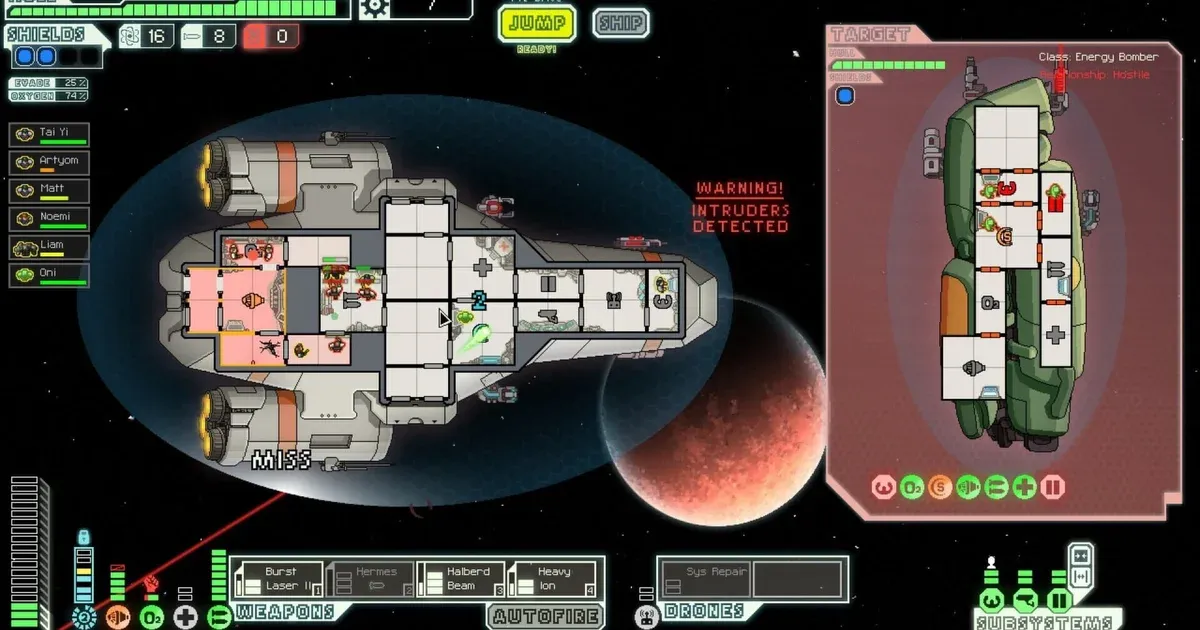
FTL puts you in charge of a ship whose resources and crew are never far from a crisis. Encounters ask you to decide where to put power, attention, and risk.
It is the option for players who enjoy a plan falling apart and then trying to rescue it. Damage to a system can turn a manageable battle into a choice between fighting, escaping, and keeping the crew alive. That creates stories without needing another human opponent.
The drawback is that a run can end badly. If you mainly want persistent progress and a familiar place to return to, choose Stardew Valley. If you want an unfolding tactical emergency, FTL has a clearer fit.
It is also worth setting up your controls and display before a journey. A game with modest hardware requirements can still be awkward on an unfamiliar touchpad or a screen where important information is too small.
Get Your Games Ready Before Going Offline
For Steam copies, follow Valve's Offline Mode instructions: sign in while connected, finish updates, and launch the games you intend to use so that remaining installation steps can complete. Then switch to Offline Mode and test them. A game that requires an active connection will not become offline-capable just because Steam is set to offline.
Finally, restart the laptop with Wi-Fi disabled and launch each game. Check the actual save, controls, and audio , not just the main menu. That short rehearsal is more useful than discovering at the airport that the game was installed, but its first-run setup was never finished.
Which Should You Install First
Start with one turn-based game and one longer adventure rather than filling the drive with untested downloads. Slay the Spire or Into the Breach covers reflective sessions; Stardew Valley, Hollow Knight, or Disco Elysium gives you a larger project. Add FTL if responding to a barely controlled disaster sounds more appealing than following a steady plan.