
Picture this: you're at a major AI conference in Shanghai, there's a bike helmet fitted with EEG sensors on your head, and the game loading on the screen in front of you is Black Myth: Wukong. No thumbsticks. No mouse. Just your brain.
That's exactly what happened at WAIC 2026 (World Artificial Intelligence Conference) in Shanghai, where an attendee was spotted using a brain-computer interface (BCI) to play Game Science's notoriously demanding action RPG. The EEG hardware was mounted inside a standard bike helmet, and the whole setup was about as lo-fi as you'd expect from early-stage consumer BCI tech. The image that circulated afterward tells the whole story: someone sitting in a chair, helmet on, staring intently at a screen running one of the hardest games released in recent years.
What a BCI actually does in this context
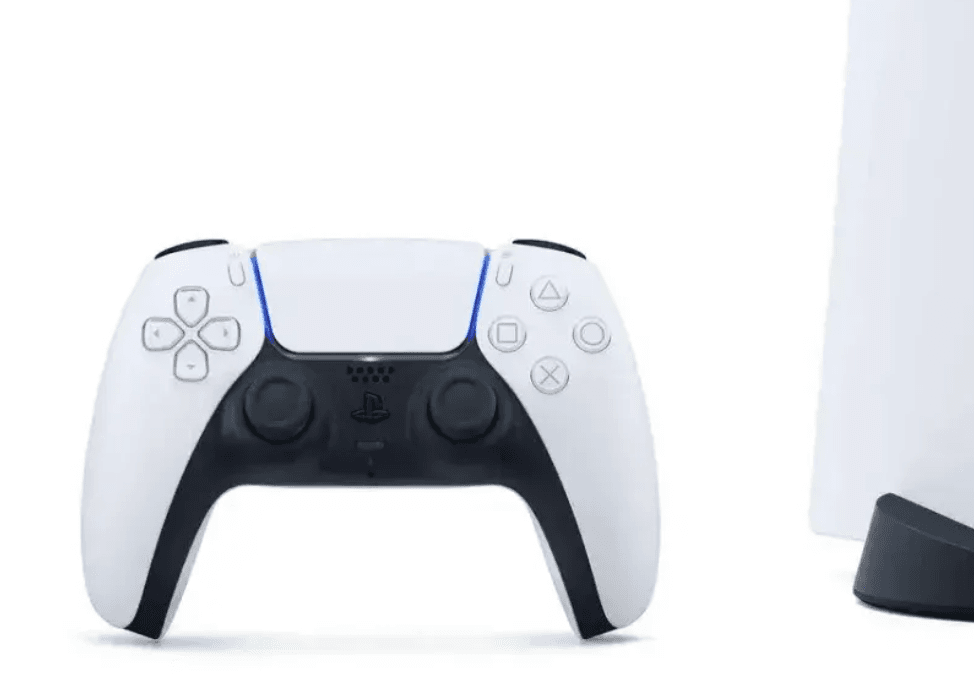
Here's the thing: brain-computer interfaces used in gaming right now aren't reading your thoughts in any sci-fi sense. EEG-based BCIs pick up electrical signals from the brain's surface, typically detecting patterns associated with focused attention, relaxation, or specific mental states. The practical result is a limited set of inputs, nothing close to the full button layout on a DualSense or the precision of a mouse.
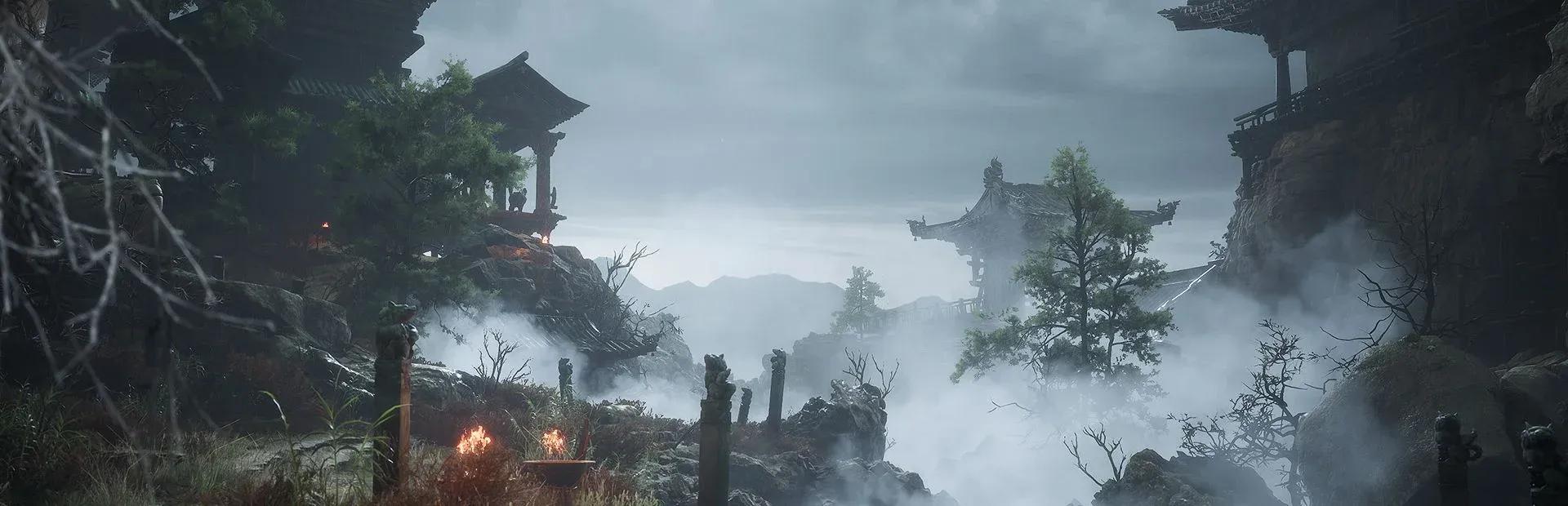
That's what makes the choice of Black Myth: Wukong so interesting. This is a game that punishes slow reactions hard. The Erlang Shen boss fight alone has eaten hours of playtime from experienced players using conventional controllers. Throwing a BCI at it is less a serious speedrun attempt and more a proof-of-concept stress test.
What most players miss is that BCI gaming demos at conferences like WAIC are primarily about showing the technology works at all, not showing it works well. The gap between "detectable brain signal triggers an action" and "I can dodge the Tiger Vanguard's charge on reaction" is enormous.
Why Black Myth: Wukong specifically
The game's presence at a Chinese AI conference isn't accidental. Black Myth: Wukong became a cultural landmark in China when it launched, selling over 10 million copies within three days of release and becoming one of the fastest-selling games in Steam history. For a Chinese tech conference looking to put a recognizable, prestigious piece of domestic game development on a demo screen, it's the obvious pick.
The key here is context: WAIC is one of China's most high-profile AI and technology showcases. Using Black Myth: Wukong as the demo game signals that this is as much about national tech pride as it is about the BCI hardware itself. The game has become shorthand for Chinese gaming excellence, so pairing it with emerging BCI tech makes a statement beyond “look, you can sort of play games with your brain.”
The gap between demo and daily driver
For players who struggle with Black Myth: Wukong on a standard controller or mouse and keyboard, a BCI is not the answer yet. The reaction time demands of Game Science's combat system, where mistimed dodges and poorly sequenced spell casts get you killed in seconds, require input precision that current consumer EEG tech simply cannot deliver.
That said, the accessibility implications of BCI gaming are genuinely worth watching. Players with motor disabilities who cannot use conventional input devices have a real stake in how this technology develops. Even a limited BCI input set could open up games that are otherwise completely inaccessible. That's a more meaningful use case than shaving milliseconds off a boss fight.
The WAIC demo is a snapshot of where the tech sits right now: functional enough to demo, far too limited to replace your controller. Progress in this space tends to come in quiet increments rather than sudden leaps, so the version of BCI gaming worth paying attention to is probably five to ten years out from being genuinely playable in a title as demanding as Black Myth: Wukong.
For now, if you want to get better at the game through more conventional means, the Black Myth: Wukong strategy guides cover boss strategies, build paths, and everything in between. And if you're curious about how other games are pushing input and accessibility tech forward, the broader gaming guides hub is worth bookmarking. The BCI space will be worth revisiting as the hardware matures.