
The power dynamic that defined the original Blade Runner films is gone. Humans aren't hunting replicants anymore. Replicants won.
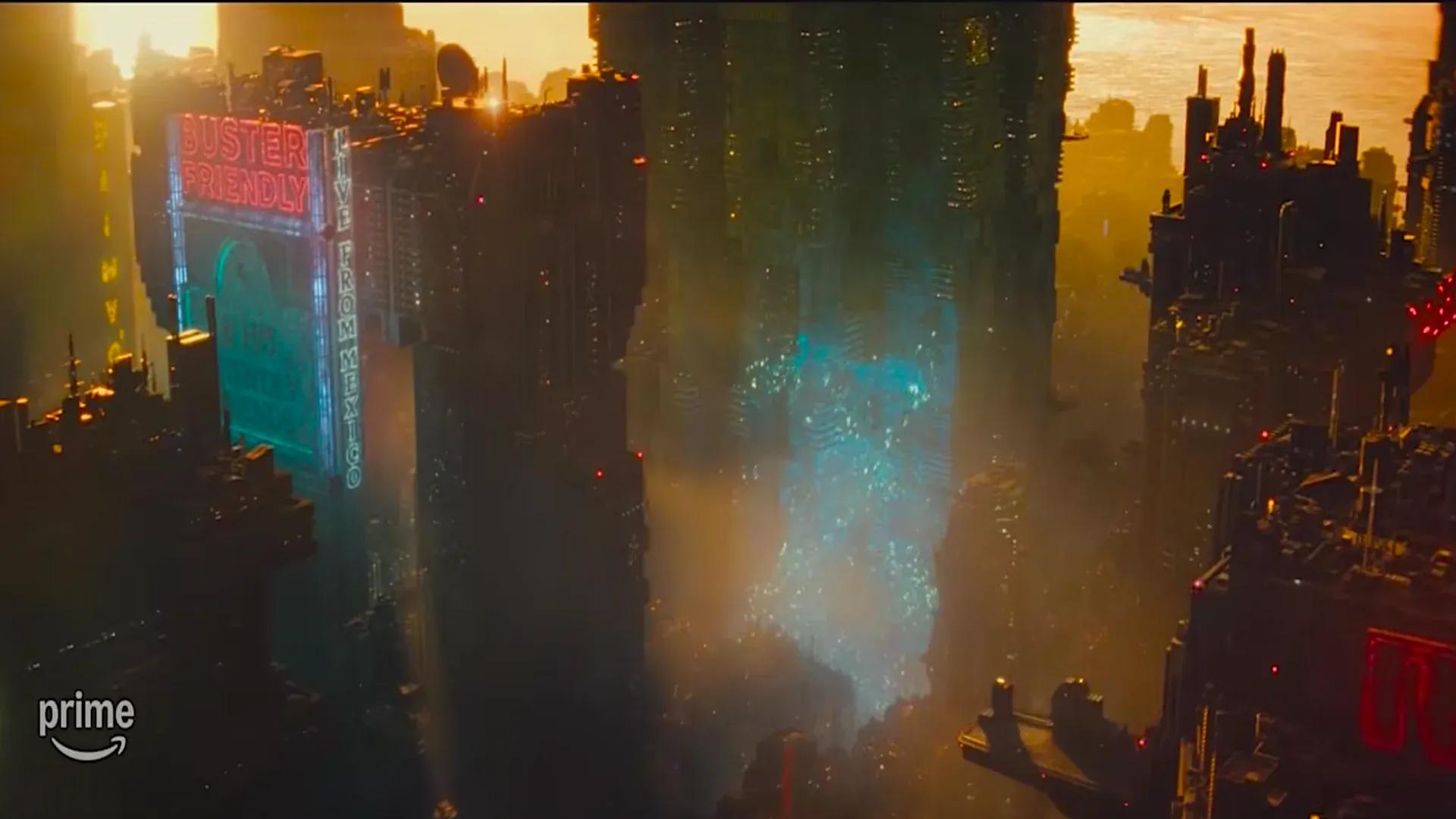
The new trailer for Blade Runner 2099, dropped at New York Comic Con this weekend, makes that shift unmistakably clear. Set 50 years after the events of Blade Runner 2049, the Prime Video series imagines a world where a war between replicants and humanity ended with us on the losing side. The synthetic beings that humans once created, hunted, and discarded are now the dominant force reshaping civilization.
For fans of ReBlade: The Death Spiral and other games that draw from the Blade Runner aesthetic, this is the kind of world-building that feeds directly into the fiction they already love to play in.
What the trailer actually shows
The central tension falls on Cora, played by Hunter Schafer, one of the last remaining humans. She's posing as a Blade Runner, navigating a world that no longer belongs to her species. Watching over her is Olwen, played by Michelle Yeoh, a replicant in the final week of her lifespan.
That pairing is the key here. The original films asked whether replicants deserved the same rights as humans. This series flips the question entirely: now that replicants have won, what do they do with that power, and what does it mean when even they start questioning the limits of their own existence?
Showrunner Silka Luisa addressed the thematic connection to the original film directly at NYCC. Her framing was sharp: where the first Blade Runner examined mortality on an individual level through Roy Batty's desperate fight for more life, the series scales that question up to the species level. Mankind facing extinction, and whether humanity can hold onto itself in that final stretch.
Before and after the replicant uprising
The original films established a world where replicants were property. They were manufactured, given expiration dates, and hunted down if they stepped out of line. The Blade Runners existed specifically to maintain that order.
Blade Runner 2099 starts after that entire system has collapsed. Replicants aren't running from anything. They're building something. The trailer suggests they're even approaching questions of godhood, wondering whether their existence can transcend the limitations their creators originally imposed.
What most players miss when they engage with Blade Runner-inspired fiction is how much the franchise's power comes from inverting expectations at every turn. The original asked if replicants were human. 2049 asked if a replicant could be a hero. 2099 asks what happens when the replicants simply win.
November 25 arrival and what it means for the franchise
Blade Runner 2099 is an 8-episode series, and the showrunner has described it as feeling closer to a film in structure than a traditional TV season. That's a deliberate creative choice, and the trailer's pacing reflects it. This isn't a slow burn procedural. The stakes are already planetary.
The show lands on Prime Video on November 25. Between the NYCC trailer and Luisa's comments about Ridley Scott personally shepherding her through production, the series has built real momentum heading into its release window.
For gamers who want to get into the headspace before the show drops, the strategy guides at games.gg cover plenty of dystopian action games that share the franchise's DNA. And if you want to go deeper into the Blade Runner gaming side specifically, the ReBlade: The Death Spiral guide collection is worth bookmarking before November rolls around.