

Whether you should buy games outright or pay for a gaming subscription comes down to your habits, not the size of a library. A huge catalog is only useful if the games inside it match what you actually want to play. Equally, buying something in a sale saves you nothing if it sits untouched.
Start with what you want to play next, then compare the cost of getting that experience.

Use code TRYHARD33 at checkout to redeem this offer before code expires again.
Get 33% Off GAMES+ Subscription
Compare the Same Games Over the Same Period
Write down the next two or three games you genuinely expect to play. Check their current purchase prices and whether a subscription includes them on your platform, in your region, and at the tier you are considering.
Then choose a realistic timeframe. If you usually take four months to finish a big RPG, comparing its purchase price with a single subscription month understates what you will spend. If you expect to finish three short adventures over a holiday, an entire year of membership overstates it.
Your comparison should include:
- The total price of the games and editions you would actually buy
- The subscription payments covering the time you expect to play
- Any required extras, such as DLC you want or an online multiplayer plan
Use the price available to you at checkout. Introductory offers, taxes, and regional pricing can all change the result.
Calculate Your Break-Even Point
Consider this hypothetical example using illustrative prices. A game costs $36 to buy, and a subscription containing it costs $12 a month. Three paid months equal the purchase price.
- If you finish that game in one month and do not expect to revisit it, the subscription costs less.
- If you keep paying for four months mainly to play that one title, buying would have been cheaper.
- If you also play other included games you would otherwise have bought, the subscription gains value.
For several games, add their realistic purchase prices together, then divide that total by the monthly subscription cost. Treat the result as a planning aid , it is only useful if those games remain available and you actually play them.
Buying Suits a Smaller Collection You Revisit
Buying is often a good fit for a strategy game you play every weekend, a favorite RPG you replay, or a co-op game your friends return to between other releases. You can take a break without maintaining a subscription just to retain access.
It also removes pressure to finish before another billing date , something that matters when work, family, or other hobbies make your gaming time unpredictable.
Be precise about what buying means. Steam purchases provide a license under the Steam Subscriber Agreement. Buying a digital game does not guarantee that every online feature will remain available forever, or that the game will run without required accounts or services. Check those requirements before treating a purchase as an offline fallback.
The strongest case for buying is simple: you know the game you want, expect to keep returning to it, and can get the right edition at a price you are comfortable paying.
Subscriptions Suit Variety and Concentrated Play
A catalog subscription works well when you like trying unfamiliar genres or moving between shorter games. You can give something a chance without making a separate purchase each time. If it fails to hold your interest, move on.
The value improves when you subscribe for a period in which you genuinely have time to play. Before starting, identify a few included games you want now, check their download sizes, and confirm the device you will use. A long list of possible future additions is a weaker reason to subscribe than a short list you are ready to install.
Check What Happens When Access Ends
A downloaded subscription game may still require an active entitlement. Xbox says access to its Game Pass library ends when the subscription ends or a game leaves the catalog , installing a title does not reserve it indefinitely. See the Xbox Game Pass FAQ for details.
Different benefits within one service can work differently. PlayStation states that monthly games obtained through PlayStation Plus become unavailable when membership ends, while games purchased with a PlayStation Plus discount remain yours under the applicable purchase terms. See PlayStation Plus cancellation guidance for specifics.
Before committing to a long game, check departure notices. If you might buy it later, investigate whether your saves carry across to the exact store version you would purchase. Do not assume that progress, DLC, or cross-save support transfers between platforms or launchers.
Buying an expansion also deserves a separate check. Confirm which base game it requires and how you would access that game if your subscription ended.
Count Benefits You Use and Bills You Will Pay
Online multiplayer, cloud features, and other bundled benefits can affect the comparison , but only assign value to benefits you actually need. If you already pay for a required service, compare the additional cost of upgrading against the alternative purchase. Avoid counting the same benefit twice.
Use the renewal price when budgeting beyond a promotion. Key points to keep in mind:
- Record the next billing date and review the plan before it renews
- Check whether cancellation ends access immediately or switches off future renewals
- Read the applicable refund conditions before committing
- An annual plan may reduce the monthly equivalent but commits more money upfront
Compare the annual total with the number of months you realistically expect to use. A lower advertised monthly figure is less persuasive if your gaming comes in short bursts.
Monthly Game Memberships Are Another Model
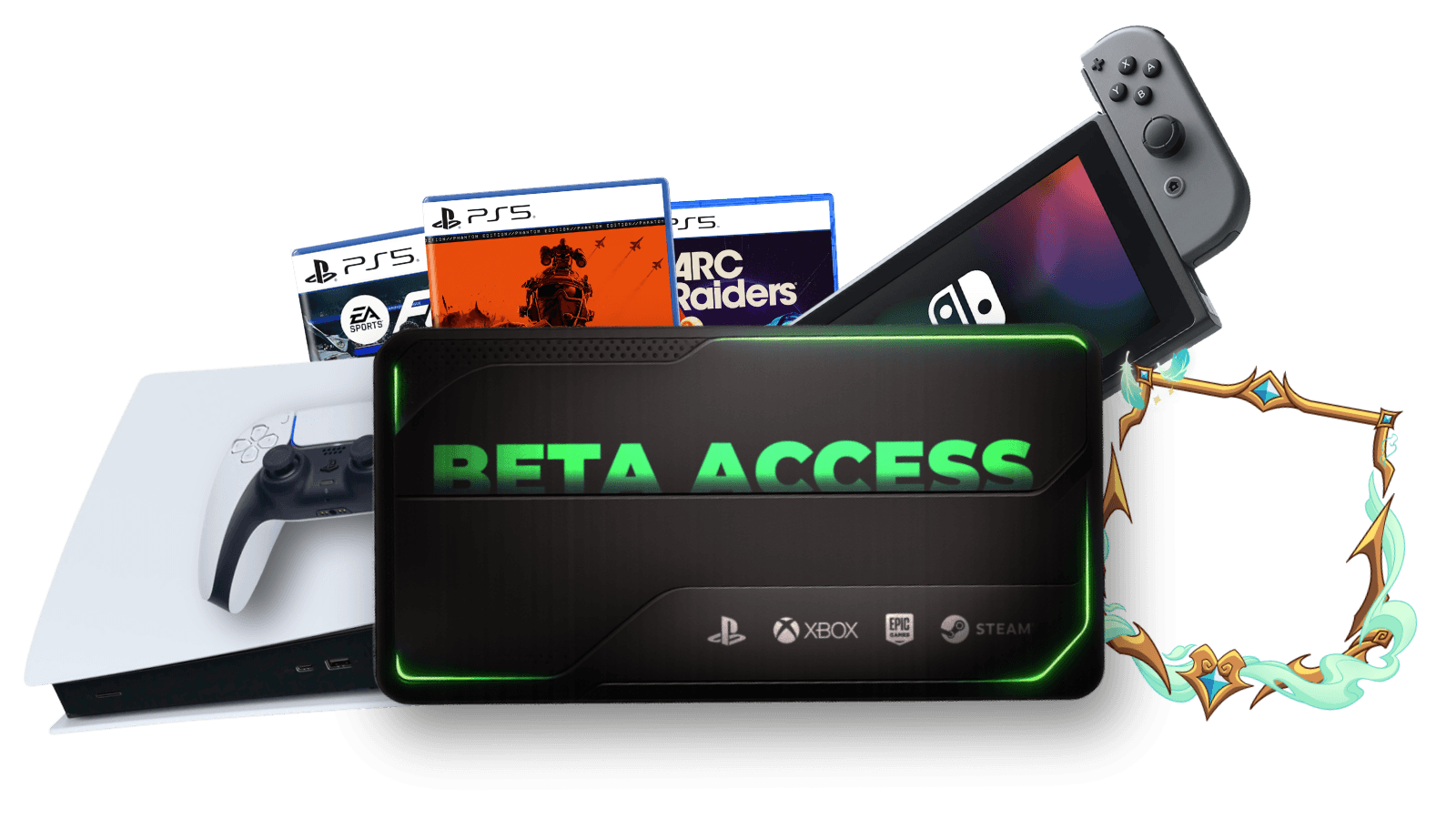
Some memberships provide games to redeem and keep rather than access to an on-demand catalog. GAMES+ includes one randomized Steam game per paid month, with redeemed games remaining in your library after cancellation under Steam's terms. You cannot choose the title, and the monthly game is not included in the trial.
GAMES+ also provides full access to a curated deals hub, platform perks, and 10% off eligible purchases completed through GAMES.GG. That additional discount does not apply to purchases made directly at third-party stores.
Evaluate this model around whether you enjoy discovering an unknown game and would use the other benefits. Do not count a particular game as a guaranteed reward or assume every monthly selection will suit your taste.
Choose Around Your Next Few Games
The decision does not have to be permanent. A mixed approach can work well: buy a few favorites and use a catalog subscription when its current lineup justifies the cost.
Compare the exact edition and final price across stores, including the GAMES.GG store, before purchasing. Make the decision for the games and time you have now, then reassess before the next payment.