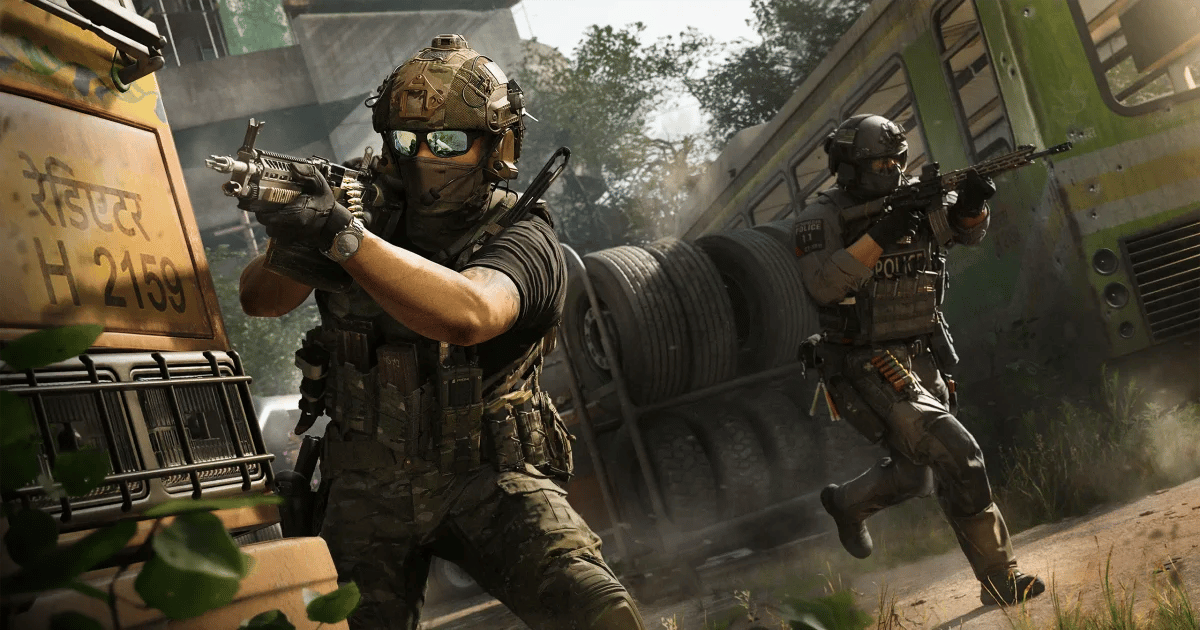

Call of Duty: Modern Warfare 4 arrives on October 23, 2026, with a new campaign, multiplayer battles, and an expanded DMZ experience. However, much of the online discussion surrounding the game has focused less on its features and more on whether the series' annual release schedule is still working.
For some fans, each new installment feels like another version of the same game, with a different setting but familiar mechanics. As competition in the first-person shooter market continues to grow, Activision faces a challenge: making Modern Warfare 4 feel like an essential release rather than another yearly update.
The Annual Release Model Is Facing a Credibility Test
For years, Call of Duty has been one of gaming's biggest annual releases, generating significant interest among players and the esports community. Each installment typically introduces new maps, weapons, progression systems, and a campaign designed to give players another reason to return.
The franchise also attracts attention from third-party platforms, including crypto gambling services such as BC.Game, which allows users to wager on various outcomes. However, the series' wider challenge lies in maintaining player interest across successive releases.
An annual schedule creates expectations that become increasingly difficult to meet. When improvements feel incremental, a new installment can struggle to stand out in a crowded market. Players may begin questioning whether the latest game offers enough new content to justify its price, particularly when they already have access to a recent entry.
Call of Duty: Modern Warfare III (2023) illustrated some of these concerns. The game faced criticism for its perceived lack of originality, with its single-player campaign drawing particular scrutiny. For players who felt that the series was repeating familiar ideas, it raised questions about how much value another annual release could provide.
What Modern Warfare 4 Must Do Differently
There are several ways the new installment could distinguish itself from previous games. Its campaign follows a South Korean soldier and his squad during a North Korean invasion, while Captain Price pursues a separate mission that eventually intersects with the wider conflict.
This dual perspective could give the campaign a different narrative structure, allowing players to experience the conflict through multiple viewpoints. It also provides an opportunity to make the story feel more personal while retaining the large-scale action associated with Call of Duty.
However, a different setting alone may not be enough. The campaign will need memorable characters, meaningful developments, and missions that offer more than familiar combat encounters if it is to leave a lasting impression.
Multiplayer faces a different test. New weapons and maps are expected to provide fresh content, but improvements to movement, weapon balance, progression, and map design will also be important. These systems influence everyday matches, making them central to whether returning players notice a meaningful difference.
The expanded DMZ experience could provide another way for Modern Warfare 4 to stand apart. Its extraction-focused gameplay encourages players to complete objectives, collect valuable equipment, and decide when to leave dangerous areas. The balance between risk and reward can create encounters that differ from traditional multiplayer matches.
If Activision can build on that approach, DMZ could offer players another reason to invest time in the game beyond its campaign and competitive modes.
The Competition Is No Longer Just the Next Call of Duty
Call of Duty no longer competes only with the previous installment in its own franchise. It must also contend with other shooters that offer persistent progression, regular updates, and established player communities.
Many live-service games aim to keep players engaged through seasonal content, new challenges, and rewards that carry forward over time. By contrast, the annual Call of Duty model encourages players to move to a new release each year, potentially leaving behind the progress and routines associated with the previous game.
Call of Duty: Warzone demonstrates how ongoing content can support engagement within Activision's own ecosystem. Its continuing updates provide another way for players to remain connected to the franchise between premium releases.
That creates a challenge for Modern Warfare 4: convincing players that the new game offers enough value to justify their time and money when they already have other ways to play.
A new campaign could attract players looking for a fresh single-player experience, while changes to competitive multiplayer could encourage others to move from rival shooters. However, Activision must also consider the communities built around its existing games. A new installment needs to offer meaningful improvements without making players feel that their previous investment has become irrelevant.
The question is not simply whether Modern Warfare 4 contains new content. It is whether that content gives players a compelling reason to switch.
Activision Is Already Signaling a Change in Strategy
Activision appears to be considering how it approaches future releases. In October 2026, the company confirmed that the next Call of Duty, planned for 2027, would introduce a new sub-franchise rather than continue directly with Modern Warfare or Black Ops.
The announcement suggests a potential shift away from relying on the same established sub-franchises for consecutive releases. A new direction could give the series more room to explore different settings, characters, and gameplay ideas.
Marketing chief Tyler Bahl has also indicated a substantial change in the franchise's marketing approach. For Modern Warfare 4, the challenge is to ensure that the game can generate interest through its own features rather than relying primarily on familiarity and nostalgia.
Its new setting provides an opportunity to establish a different identity. Whether that translates into a more distinctive experience will depend on how the campaign, multiplayer, and DMZ fit together.
Ultimately, a change in marketing strategy will only go so far. Players will need to see tangible improvements in the game itself before they reconsider their concerns about annual releases.
What Would Make an Annual Release Feel Essential?
Several factors could help make Call of Duty: Modern Warfare 4 feel like a worthwhile purchase rather than an expected entry in the release calendar.
First, its single-player campaign needs to deliver a memorable experience. Strong character development, an engaging narrative, and varied missions could help distinguish it from previous campaigns. A different setting can establish the foundation, but the execution will determine whether players remember it.
Second, multiplayer needs to introduce improvements that are noticeable during ordinary matches. Changes to movement, weapon handling, map layouts, and progression should affect how the game plays rather than exist primarily as marketing points. Players who spend most of their time online are likely to judge the release by the quality of these systems.
Third, post-launch support will remain important. Regular updates, balanced gameplay, and worthwhile new content can help maintain an active community beyond launch. A strong release needs to give players reasons to return without making the experience feel dependent on an endless cycle of paid content.
Activision should also recognise that not every player needs to purchase every installment. Some players may prefer to stay with an existing game for another year, while others may return after skipping a release. Making those players feel welcome could help the franchise maintain a broader audience over time.
An annual release does not necessarily have to reinvent Call of Duty. However, it should offer a clear reason for players to choose the new game over the one they already own.
Final Thoughts
Call of Duty: Modern Warfare 4 arrives on October 23, 2026, at a time when some players are questioning the value of the franchise's annual release model. Its new campaign, multiplayer changes, and expanded DMZ experience provide opportunities to distinguish it from earlier entries, but those features will need to deliver meaningful improvements.
The wider shooter market also gives players more alternatives, from competing live-service games to Activision's own Warzone. As a result, the series cannot rely on its established name alone to maintain interest.
For Modern Warfare 4, the challenge is to make its new features feel worthwhile and give players a reason to return. If Activision can deliver a distinctive campaign, meaningful multiplayer improvements, and sustained post-launch support, the game could help address concerns about yearly releases. Otherwise, the franchise may continue to face questions about whether a new installment is essential or simply another entry in the annual cycle.